American Bullys are known for their loyalty and strong personalities. Many owners want to ensure their pets are healthy and happy, making it important to know the common health issues they might face. Understanding these challenges can help in providing better care and improving their quality of life. Taking care of an American Bully involves being aware of health concerns that can arise. By recognizing these issues early, owners can seek the right veterinary care and support for their furry friends.
1) Hip Dysplasia
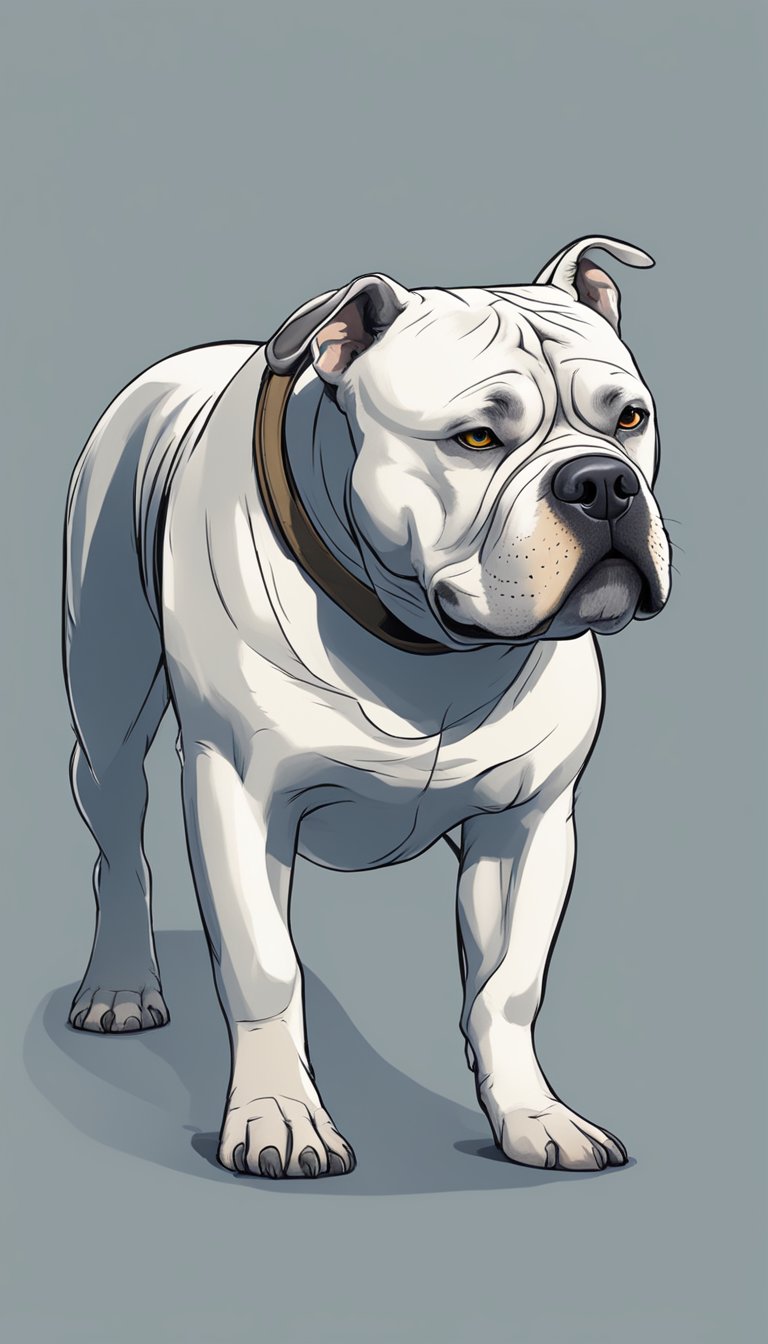
Hip dysplasia is a common issue in American Bullys. It happens when the hip joint doesn’t fit into the hip socket properly. This can lead to pain and difficulty in movement.
As American Bullys grow, their joints develop. If the hips don’t form correctly, it can cause problems later. They may show signs of discomfort or limp as they walk.
Weight can also affect hip dysplasia. Extra pounds put more strain on the joints. Keeping a healthy weight can help manage this problem.
Regular exercise is important too. It keeps the muscles strong around the joints. Short walks and gentle playtime are great ways to keep them active.
If a Bully shows signs of hip dysplasia, a vet should be consulted. They can suggest treatments like medication, physical therapy, or even surgery. Early detection can make a big difference!
Caring for a Bully with hip dysplasia involves attention. Providing a comfy bed and avoiding slippery floors can help them move safely. With the right care, they can live a happy and active life!
Skin Allergies
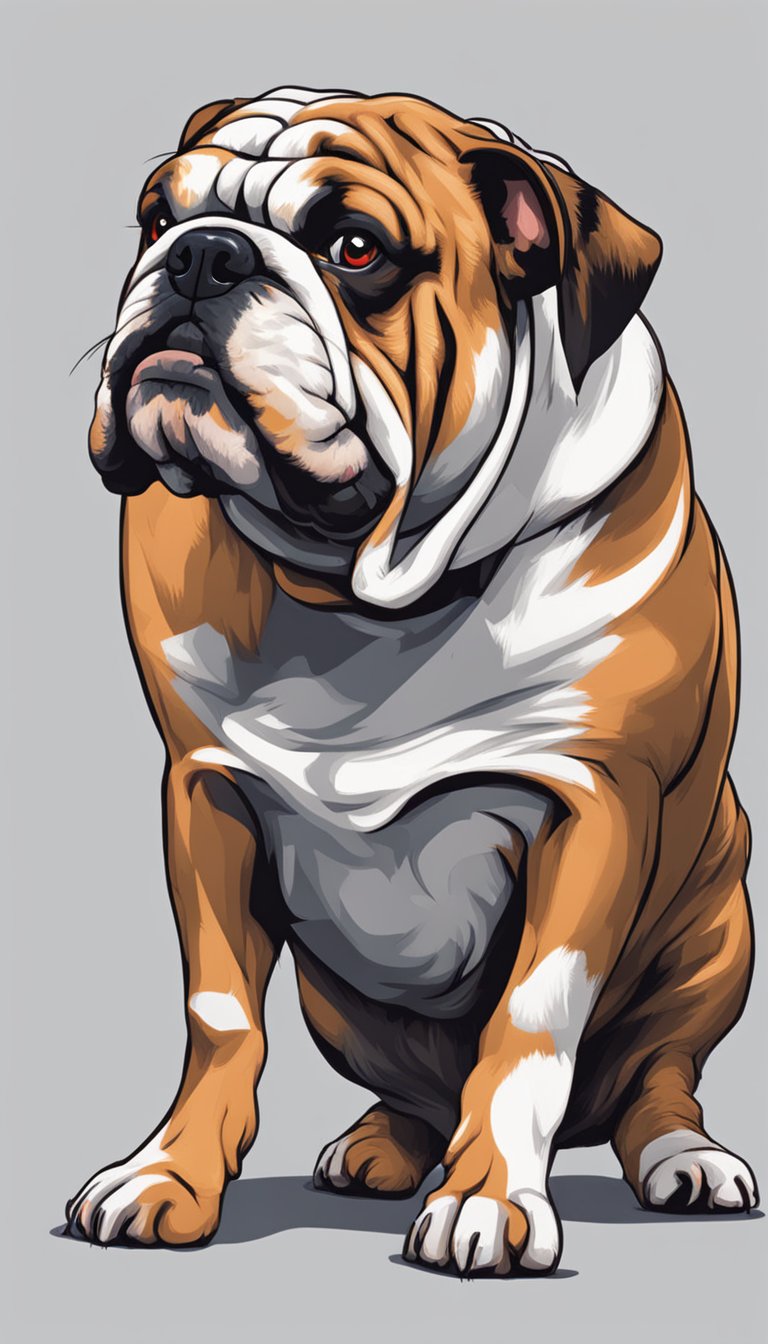
American Bullies can be prone to skin allergies, which can cause discomfort. These allergies may come from many sources like food, pollen, or flea bites.
When an American Bully has a skin allergy, it may show signs like itching or redness. Some dogs might also have bumps or flaky skin. This can make them very uncomfortable.
Identifying the cause of an allergy is important. A vet can help with tests to find out what triggers these reactions. Once they know, proper treatment can begin.
Treatment often involves changing the dog’s diet or using special shampoos. In some cases, dogs may need medication to relieve itching. Regular vet visits help keep the skin healthy.
Owners can also help by keeping their homes clean and checking for fleas. A good diet can boost the skin’s health too. Keeping an eye on their dog’s skin can lead to happier and healthier lives.
American Bullies can lead vibrant lives even with skin allergies. With the right care and attention, these dogs can stay active and playful. Good care makes a big difference in their comfort and happiness.
3) Heart Disease
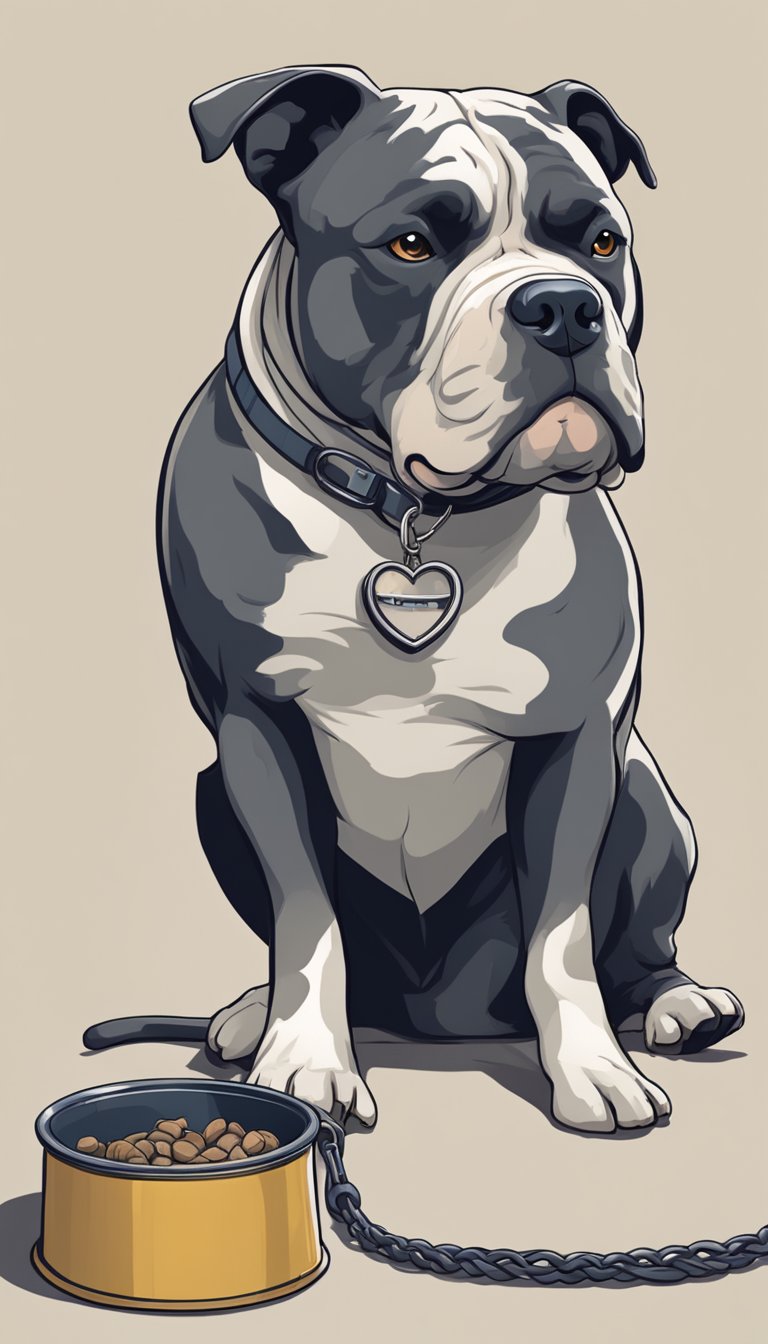
Heart disease can be a serious issue for American Bullies. This breed is prone to certain heart problems, which can lead to major health challenges.
Common heart conditions include dilated cardiomyopathy. This condition affects the heart muscle and makes it hard for the heart to pump blood. Early signs are often hard to notice.
Symptoms may include fatigue, coughing, or difficulty breathing. Owners should monitor their pets closely for any changes. Regular vet check-ups can help catch issues early.
Maintaining a healthy weight is key. American Bullies need a balanced diet and regular exercise. This helps to keep their hearts strong.
Genetics also play a role in heart health. Some American Bullies may have a family history of heart disease. Knowing this can help owners take action.
If an owner suspects heart problems, a vet can provide important advice. Treatments may include medications or lifestyle changes to improve heart health.
With proper care, American Bullies can live happy lives. Keeping an eye on their health is essential for their well-being.
4) Hypothyroidism
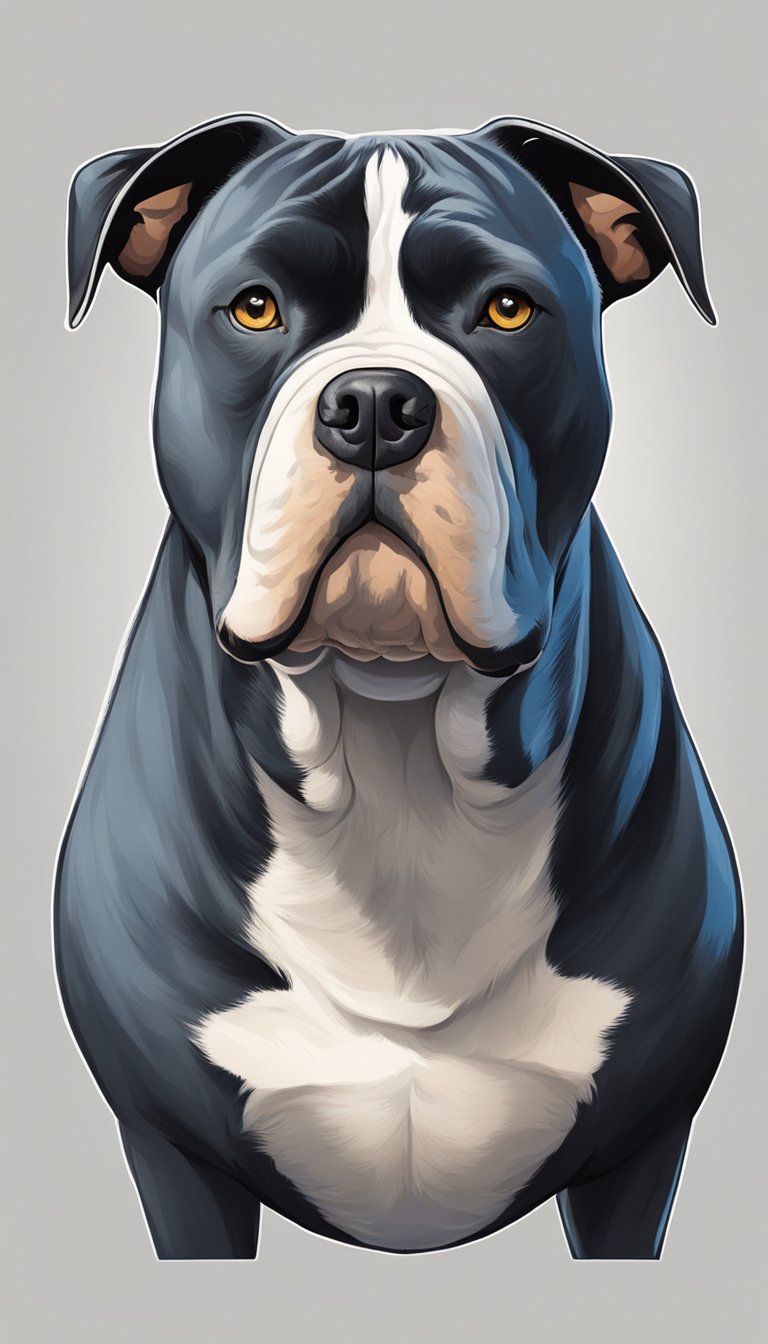
Hypothyroidism is a condition that affects many American Bullies. It happens when the thyroid gland doesn’t make enough hormone. This hormone is important for a dog’s metabolism and energy levels.
Signs of hypothyroidism in American Bullies can include weight gain, low energy, and a dull coat. Owners might notice their dog is more sluggish than usual. Some may even experience skin problems or hair loss.
Diagnosis typically involves a vet performing blood tests. They check the levels of thyroid hormones. A proper diagnosis can lead to effective treatment.
Treatment usually includes medication that helps restore hormone levels. With the right approach, most dogs show improvement. They can regain their energy and have healthier skin and fur.
Regular vet check-ups are important for keeping an eye on health. Monitoring helps catch any issues early. It’s essential for keeping an American Bully feeling their best.
5) Cherry Eye
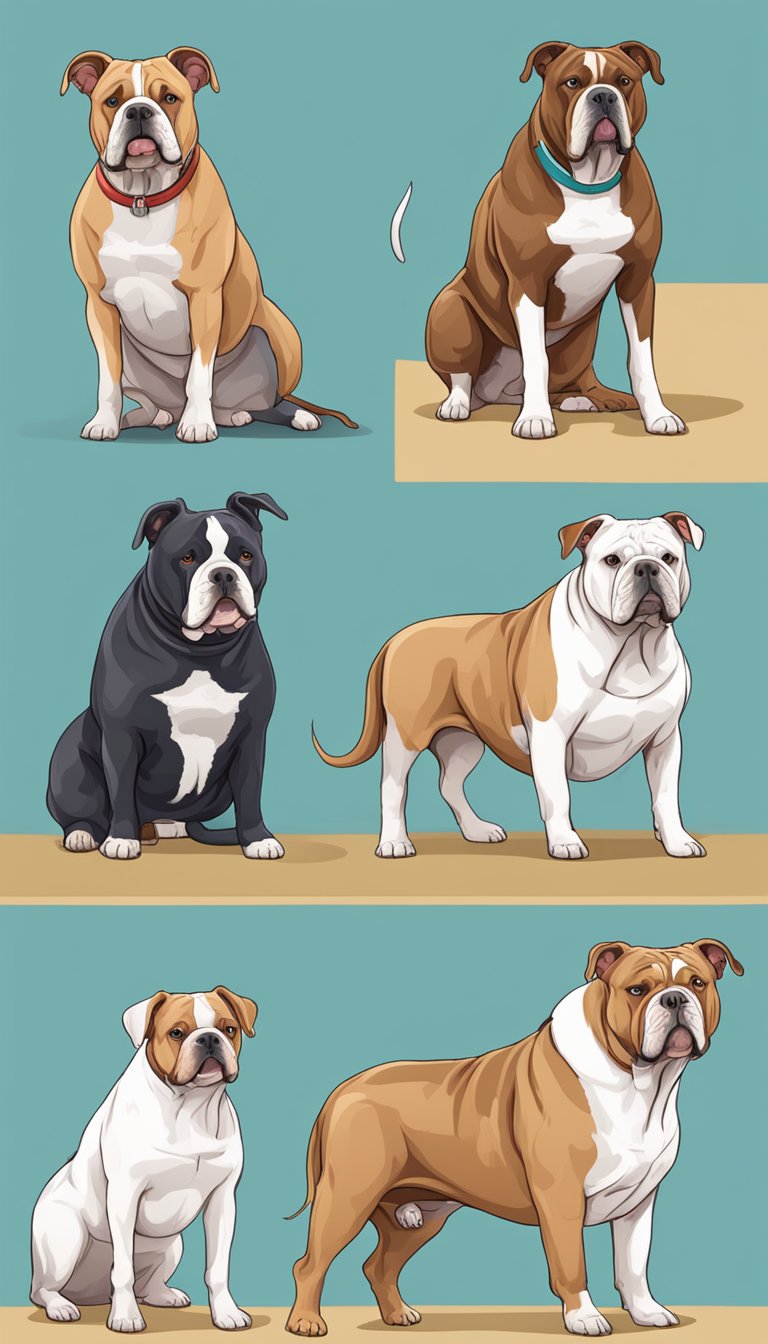
Cherry eye is a common issue in American Bullies. It happens when a gland in the dog’s eye pops out of its normal position. This makes the eye look red and swollen, like a cherry!
This condition can be concerning for pet owners. Cherry eye can lead to discomfort and may cause other problems if not treated. It usually appears in young dogs and can affect one or both eyes.
Treatment for cherry eye often involves surgery. A vet can help put the gland back where it belongs. It’s important to act quickly, as untreated cherry eye can lead to chronic issues.
Many Bullies recover well after the surgery. They can go back to their normal activities and playtime soon. Regular check-ups can help keep an eye on any potential issues in the future.
Keeping your American Bully healthy and happy is essential. If a pet owner notices signs of cherry eye, visiting a vet is the best step.
6) Elbow Dysplasia
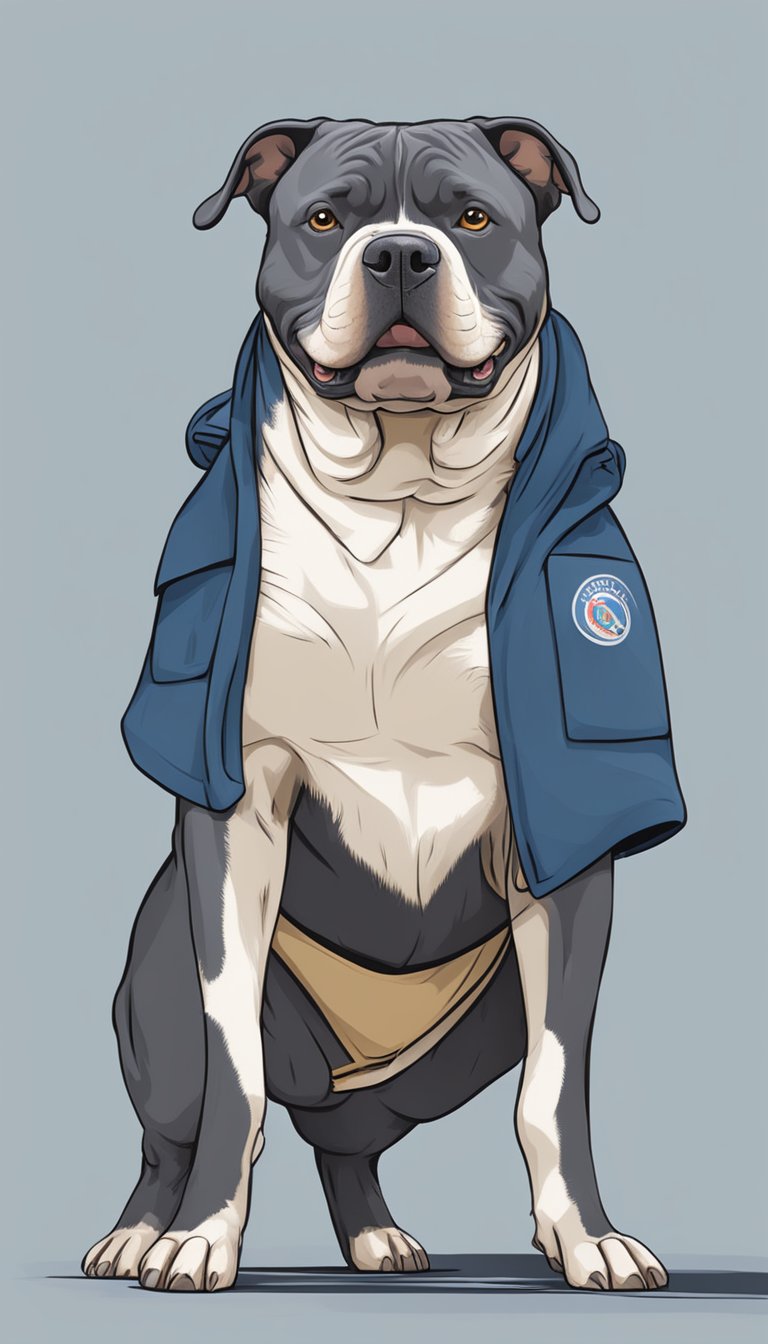
Elbow dysplasia is a common issue in American Bullies. This condition affects the elbow joint and can cause pain and mobility problems. It happens when the bones do not fit together perfectly.
Symptoms often show up in young dogs. They might limp, favor one leg, or struggle to climb stairs. Some may seem less active or reluctant to play.
The causes of elbow dysplasia can be genetic or linked to rapid growth. Dogs that grow too quickly might be more prone to this issue. Weight can also play a role, so maintaining a healthy diet is important.
Veterinarians can diagnose elbow dysplasia with X-rays. They will look for any irregularities in the elbow joint. Treatment often includes medication to help manage pain.
In some cases, surgery may be needed to correct the problem. Physical therapy can also support recovery and improve function. With the right care, many dogs can live happy, active lives.
Owners should keep an eye on their Bullies’ movements. Regular check-ups can help catch any issues early. Taking proactive steps can lead to a better quality of life for these dogs.
7) Gastric Dilatation-Volvulus (Bloat)
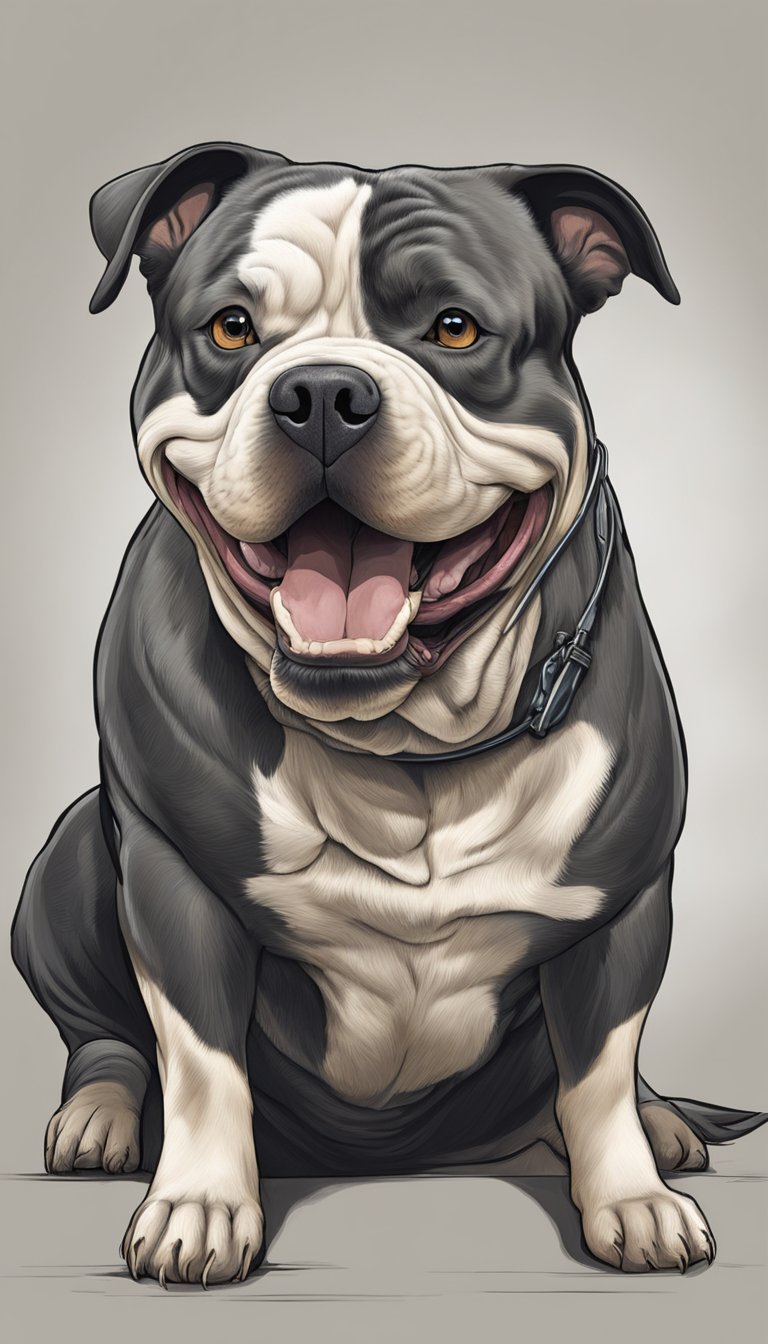
Gastric Dilatation-Volvulus, often called bloat, is a serious condition that affects American Bullies. It happens when the stomach fills with gas and twists. This twist can cut off blood flow and lead to life-threatening problems.
Signs of bloat include a swollen abdomen and signs of discomfort. The dog may drool excessively, try to vomit, or appear restless. If a bully shows these symptoms, it is important to act quickly.
Bloat is more common in large, deep-chested breeds. American Bullies can be at risk, especially if they eat too fast or are very active after meals. Feeding smaller amounts throughout the day can help reduce this risk.
Veterinary care is essential for bloat. Treatment may involve surgery to untwist the stomach and remove any toxins. Early detection can save a dog’s life, so owners should know the warning signs.
Taking precautions can make a difference. Chill and watch your bully during meal times and after eating. Keeping an eye on changes in behavior is also a good idea. Staying informed can help keep American Bullies safe and healthy!
8) Demodectic Mange
Demodectic mange is a common skin condition in American Bullys. It is caused by tiny mites that live on the skin of dogs. These mites are normal and usually harmless, but sometimes they can cause problems.
When a dog has too many mites, it leads to hair loss and redness on the skin. The affected areas may become very itchy as the dog tries to scratch them. This can make the dog uncomfortable and may affect their mood.
Demodectic mange often shows up in young dogs or those with weak immune systems. There are different forms of this mange. Some dogs may only have a few spots, while others can have widespread issues.
Treatment typically includes medications to reduce the mites and soothe the skin. Bathing the dog with special shampoos can also help. Owners should work closely with their vet to find the best care plan.
With the right treatment, most American Bullys recover well from demodectic mange. It can be a relief for both the dog and the owner when the skin issues clear up! Keeping the dog healthy and happy is key to preventing future flare-ups.
9) Hyperuricosuria
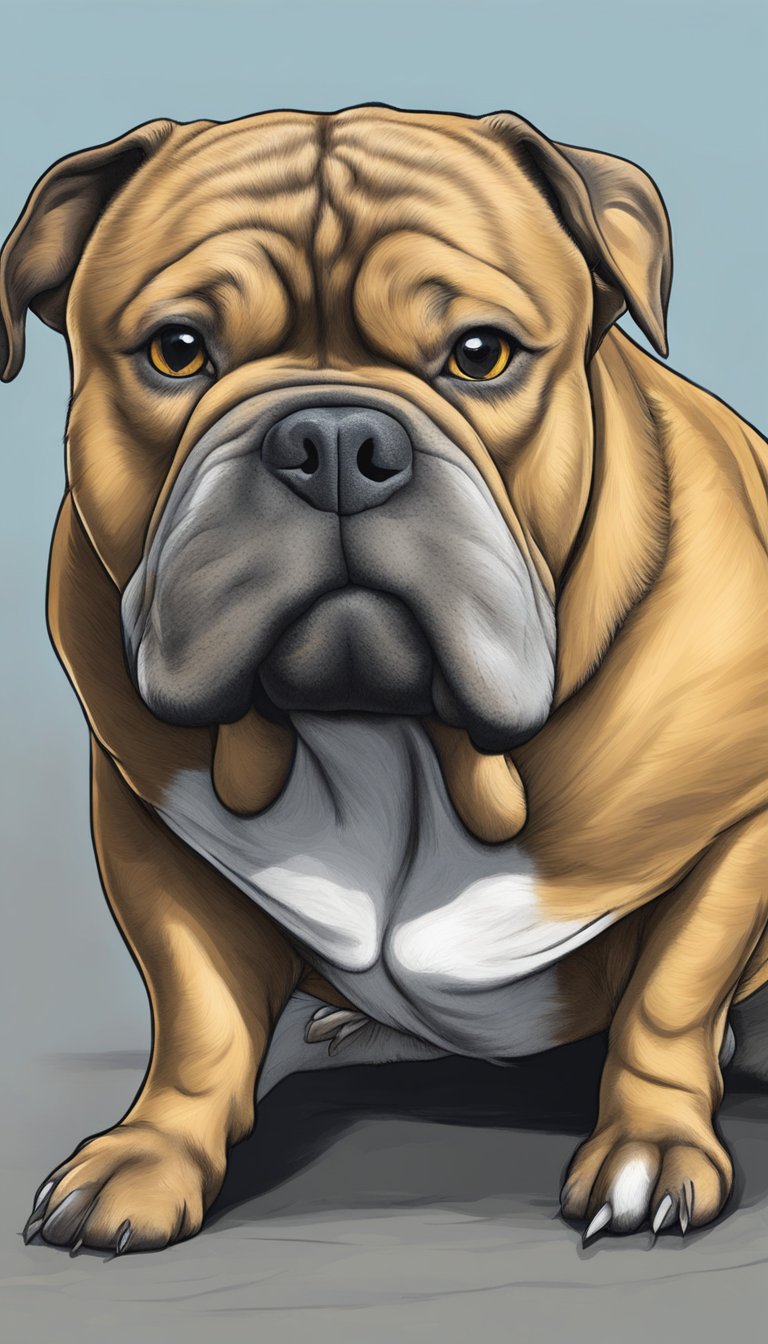
Hyperuricosuria is a condition that affects some American Bullies. This happens when there is too much uric acid in the urine. It can create health problems, especially for their kidneys and bladder.
Dogs with hyperuricosuria may have difficulty handling the uric acid. This can lead to the formation of urinary stones. These stones can be painful and may cause other issues, like infections.
It is important for owners to watch for signs of this condition. Signs may include frequent urination, straining to urinate, or blood in the urine. If any of these signs appear, a vet should be contacted quickly.
Diet plays a big role in managing hyperuricosuria. Feeding a balanced diet that reduces purine levels can help. Purines are substances that break down into uric acid.
Regular vet check-ups are also helpful. They can monitor the dog’s health and catch any problems early. Proper care can keep American Bullies healthy and happy.
Caring for a dog with hyperuricosuria can be a challenge. With attention and the right treatment, dog owners can help their pets live a good life.
10) Patellar Luxation
Patellar luxation is an exciting topic about health in American Bullies. This condition happens when the kneecap, or patella, slips out of place. It can cause pain and difficulty moving around.
Many American Bullies are prone to this issue due to their unique structure. When the patella dislocates, it may go back into place on its own. In other cases, it might need a veterinarian’s help.
Signs of patellar luxation include limping or reluctance to run. They may also show signs of pain when standing or jumping. If a dog frequently skips or hops on one leg, this could be a sign of the problem.
Treatment varies depending on the severity. Some dogs might only need rest, while others may require surgery. Early diagnosis is essential for the best outcomes.
Keeping American Bullies at a healthy weight can help reduce stress on their joints. Regular check-ups with a vet will also keep them in top shape. Watching for signs of discomfort will help their owners take action quickly.
11) Cleft Palate
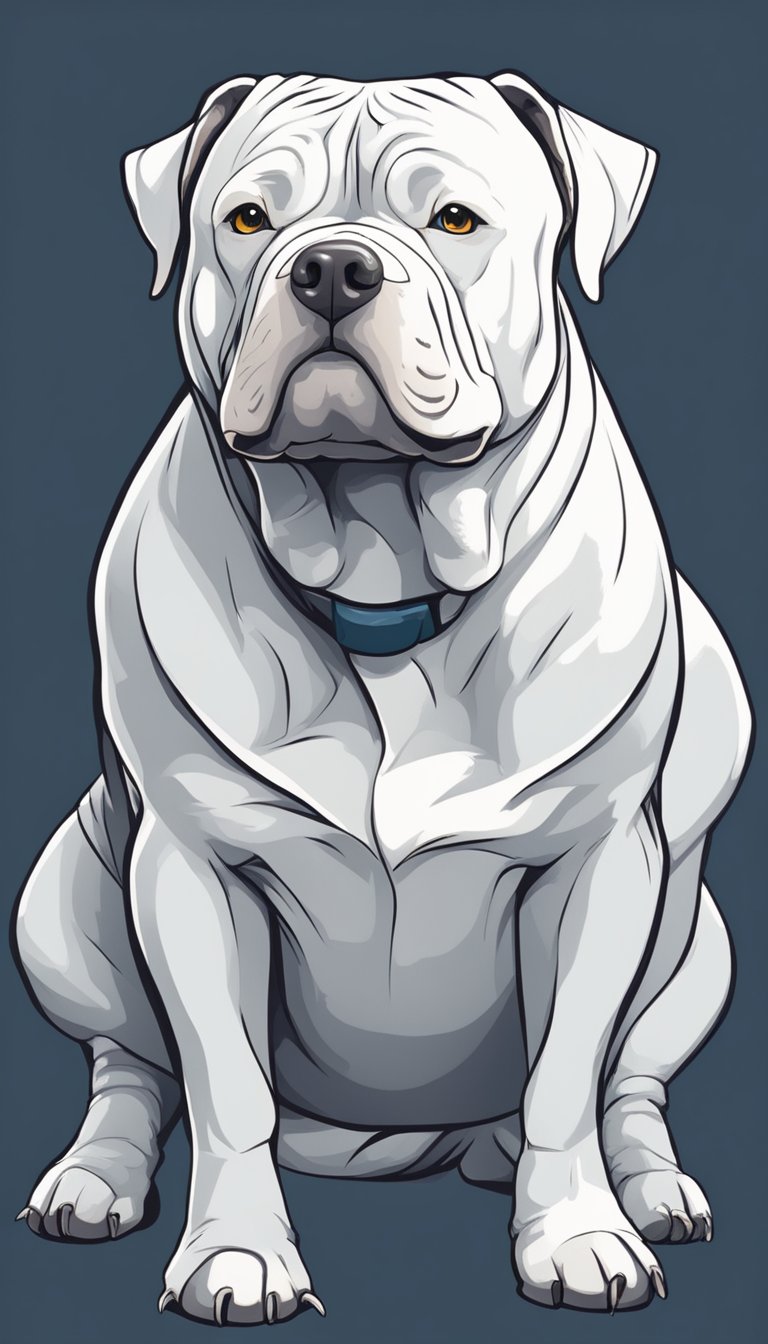
Cleft palate is a condition that affects some American Bullys. It occurs when there is a gap or split in the roof of the mouth. This can make eating and drinking more challenging.
Dogs with cleft palate may have trouble gaining weight because food and water can escape through the gap. This can lead to health issues if not managed properly.
Veterinarians can perform surgery to fix a cleft palate. This can greatly improve the dog’s quality of life. After surgery, many Bullys can eat and drink normally.
Early detection is key. Owners should look for signs like nasal discharge or difficulty eating. Regular check-ups with a vet help catch this issue early.
With proper care, Bullys with cleft palate can live happy lives. They just may need a bit more attention than other dogs.
Causes of Common Health Issues
Many health issues in American Bullies arise from a mix of genetic factors, diet, and lifestyle. Let’s explore these causes in detail.
Genetic Factors
Genetic factors play a huge role in the health of American Bullies. Certain breeds have specific health problems passed down from their parents. For example, hip dysplasia is common in many Bully breeds due to inherited traits.
Other genetic issues include skin conditions and heart problems. Responsible breeders screen for these issues to help reduce the chance of passing them on. Genetic testing is a smart choice for owners who want to know their pet’s health risks.
Understanding these genetic factors can help owners manage their pets’ health better and make informed choices.
Diet and Nutrition
Diet and nutrition have a big impact on an American Bully’s health. Poor quality food can lead to obesity, which increases the risk of joint and heart issues. A balanced diet must include protein, fats, and essential vitamins.
Choosing high-quality dog food is key. Owners should check for ingredients that are rich in nutrients. It’s also important to feed the right portion sizes. Overfeeding can cause weight gain and related health problems.
Fresh fruits and vegetables can be great treats, but owners should avoid harmful foods like chocolate and grapes.
Exercise and Lifestyle
Regular exercise is essential for an American Bully’s health. These dogs are naturally energetic and need daily physical activity. Lack of exercise can lead to obesity and other serious health issues.
An active lifestyle keeps the dog fit and reduces stress. Walking, playing fetch, and socializing with other dogs are good options. Mental stimulation is also important. Toys and training can keep their minds sharp.
A well-balanced routine of exercise and fun helps maintain their overall health and happiness. By ensuring that Bullies stay active, owners can help prevent issues that come from a lazy lifestyle.
Recognizing Symptoms in American Bullys
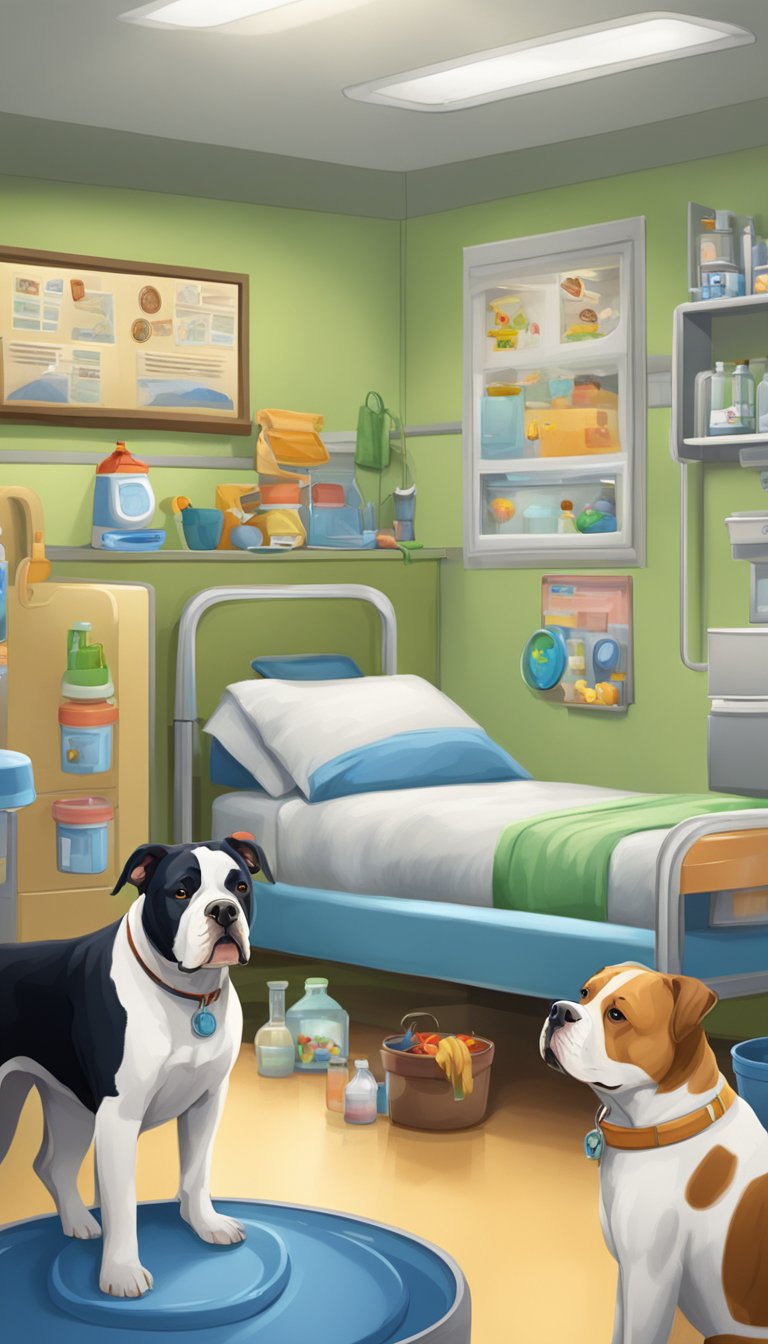
Knowing the signs of health issues in American Bullys is key to keeping them happy and healthy. Owners should watch for visual indicators and behavioral changes that can signal a problem.
Visual Indicators
American Bullys can show health problems through their appearance. Changes in fur, such as excessive shedding or bald spots, can indicate skin issues. A dull coat may also mean they are not feeling well.
Watch for differences in weight. Unexplained weight loss or gain can signal serious health concerns. Swelling or lumps on the body is another thing to check for. This could point to infections or tumors.
Pay attention to their eyes. Red or watery eyes can mean allergies or infection. Also, notice their breathing. Coughing or wheezing should not be ignored, as these could indicate respiratory issues.
Behavioral Changes
Behavior changes can be a big clue to health issues. If an American Bully suddenly becomes less active, it might be in pain or feeling unwell. An increase in restlessness or pacing can also show discomfort.
Eating habits are another important sign. If they start eating less or refuse food, that could mean trouble. Look for excessive drinking or signs of dehydration.
Anxiety or aggression that appears suddenly can signal a health problem too. They might also hide more than usual. Noticing these behavioral changes is important for early detection and treatment.
Preventive Measures
To keep American Bullys healthy, it’s essential to follow some important preventive measures. Regular vet visits, vaccinations, and proper grooming all play a significant role in maintaining their well-being.
Routine Vet Check-Ups
Routine vet check-ups are crucial for American Bullys. These visits allow the vet to catch any health issues early on. Regular exams help monitor weight, dental health, and overall condition.
During a check-up, the vet will take the following steps:
- Physical Exam: Check for signs of illness.
- Weight Management: Ensure they are at a healthy weight.
- Dental Check: Look for gum disease or tooth decay.
These visits usually happen at least once a year but may be more frequent for older dogs or those with health issues. A good vet can also provide tailored advice for diet and exercise.
Vaccinations
Vaccinations protect American Bullys from several serious diseases. Ensuring dogs receive their shots on time makes a significant difference in their health. Common vaccines include those for:
- Distemper
- Parvovirus
- Rabies
It’s essential to follow the vaccination schedule provided by the vet. Puppies usually need a series of shots, while adult dogs require boosters. Keeping vaccination records up to date is also helpful.
Vaccines can prevent serious illnesses that may lead to costly treatments or even death. A healthy dog is a happy dog!
Proper Grooming
Proper grooming is not just about keeping American Bullys looking good; it’s also essential for their health. Regular grooming helps prevent skin issues and allows owners to check for problems early on.
Key grooming tasks include:
- Brushing: Helps reduce shedding and mats.
- Bathing: Keeps skin clean and healthy.
- Nail Trimming: Prevents painful overgrowth.
Grooming sessions can also be a great bonding time. Owners should feel for lumps or bumps during grooming, which can signal health issues. Regular grooming keeps dogs comfortable and helps them thrive!