Cavapoos are known for their friendly nature and adorable appearance. Many owners cherish these lovable dogs, but they may not realize that they can face specific skin problems. Recognizing and treating these common skin issues is essential for maintaining a healthy and happy Cavapoo.
Understanding these skin issues can help owners provide better care. Early detection can prevent more serious health concerns. Learning about these common problems ensures that Cavapoos remain joyful companions for their families.
1) Itchy Paws
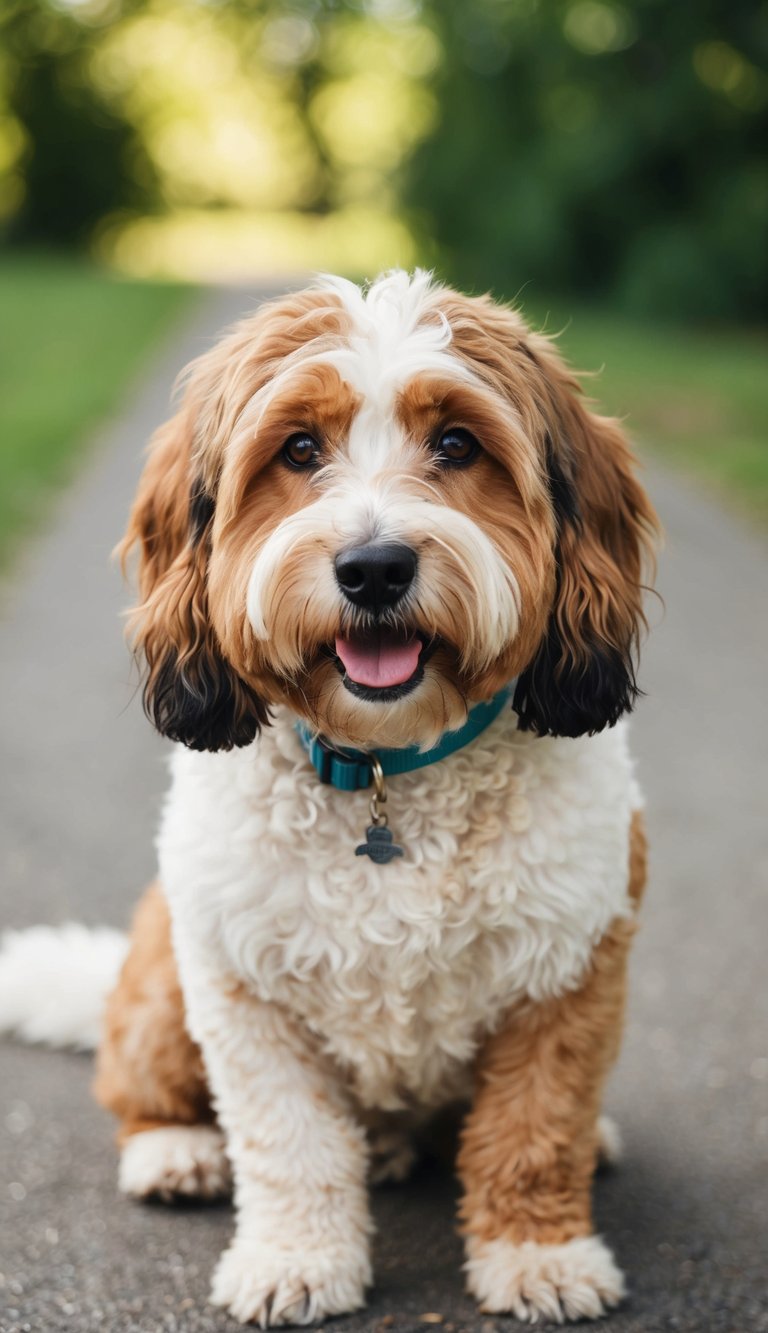
Itchy paws can be a common problem for Cavapoos. This issue often causes them to scratch or lick their paws frequently.
There are many reasons why their paws might itch. Allergies, irritants, or infections can all play a part. Environmental factors like pollen or dust can also trigger itching.
Cavapoos might show signs of discomfort by chewing at their paws. This can lead to redness or even sores. Observing these behaviors early is important to prevent further problems.
For some Cavapoos, it may be helpful to check for foreign objects stuck between their toes. Grass, dirt, or small stones can cause irritation.
Regular grooming can help reduce the chances of itchy paws. Keeping their fur clean and trimmed is key. If the itching continues, a vet visit may be necessary to find the root cause.
With proper care, these adorable dogs can be more comfortable and happy!
2) Dry Skin
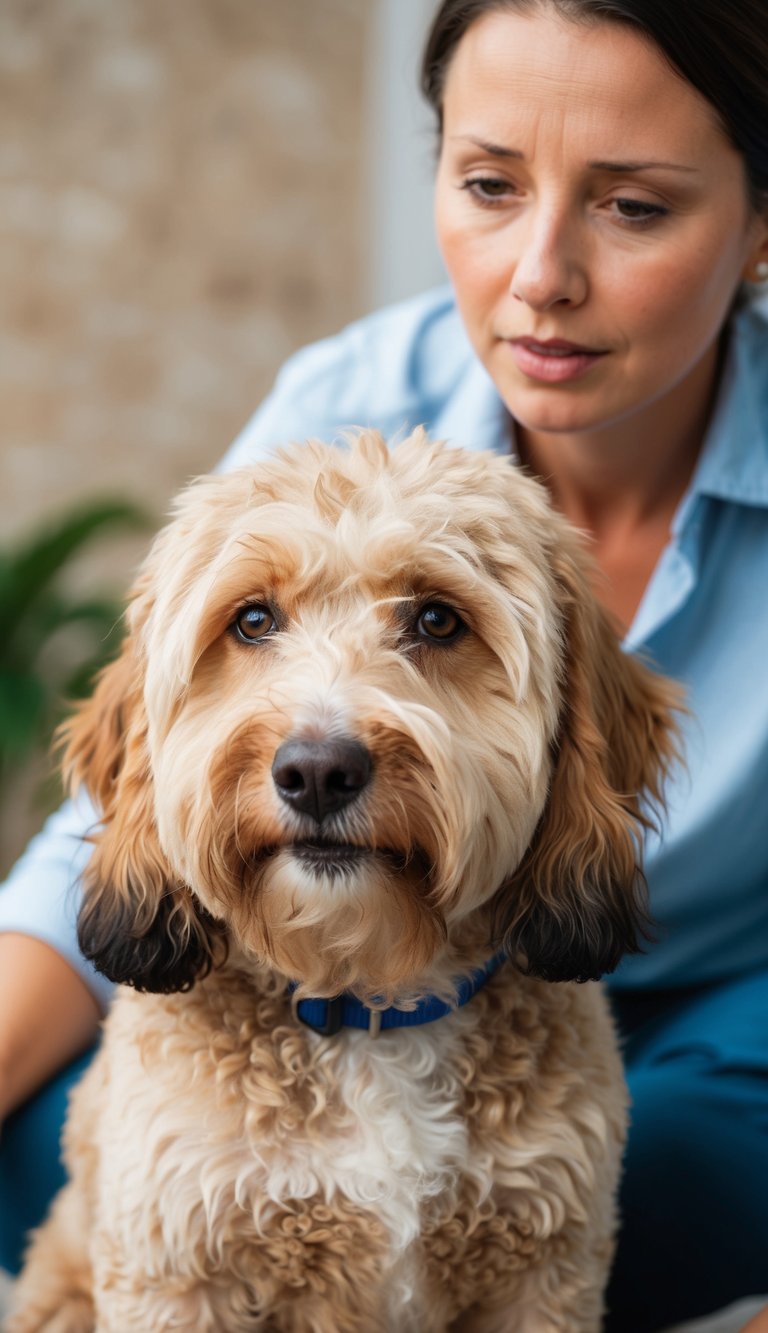
Dry skin can be a common issue for Cavapoos. It often leads to itching and discomfort. This condition may happen for several reasons.
One cause can be low humidity, especially during winter. Dry air can strip moisture from the skin. Another reason might be an improper diet lacking essential nutrients.
Cavapoos may also have skin allergies. These allergies can lead to flare-ups, causing dryness. Regular baths with suitable dog shampoo can help keep their skin clean and hydrated.
Adding omega-3 fatty acids to their diet can improve skin health too. These fats boost moisture levels and promote a shiny coat. Hydration is key for a happy and healthy Cavapoo.
Regular vet check-ups are important. A vet can suggest the best treatments if dry skin becomes a problem. Keeping an eye on the skin will help the Cavapoo stay comfortable and enjoy their playful, happy life!
3) Hot Spots
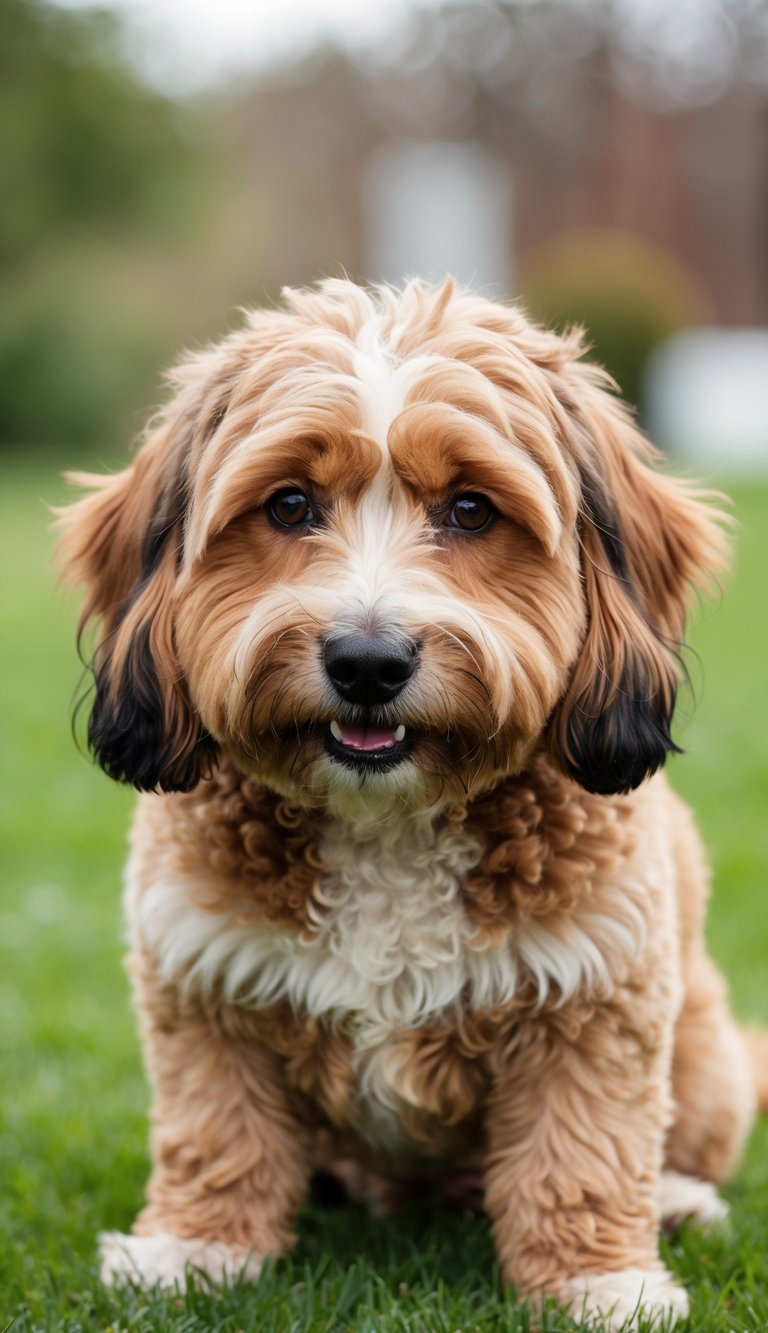
Hot spots can be a real issue for Cavapoos. These are painful, inflamed areas on the skin that can appear suddenly. They often result from infections or irritation.
Cavapoos might develop hot spots due to allergies, bug bites, or wet fur. The skin can become red, itchy, and very uncomfortable. A Cavapoo may bite or scratch the area, making it worse.
Treatment usually involves cleaning the area and applying special ointments. Sometimes, a vet may recommend steroids to reduce swelling. It’s important to keep the dog from licking the spot to help it heal.
Pet owners should check their Cavapoo often. Finding hot spots early can help prevent more serious issues. Keeping the coat clean and dry can also help avoid these annoying problems.
When in doubt, a quick trip to the vet can lead to the best care. Hot spots may be common, but with patience, they can be managed!
4) Allergic Reactions
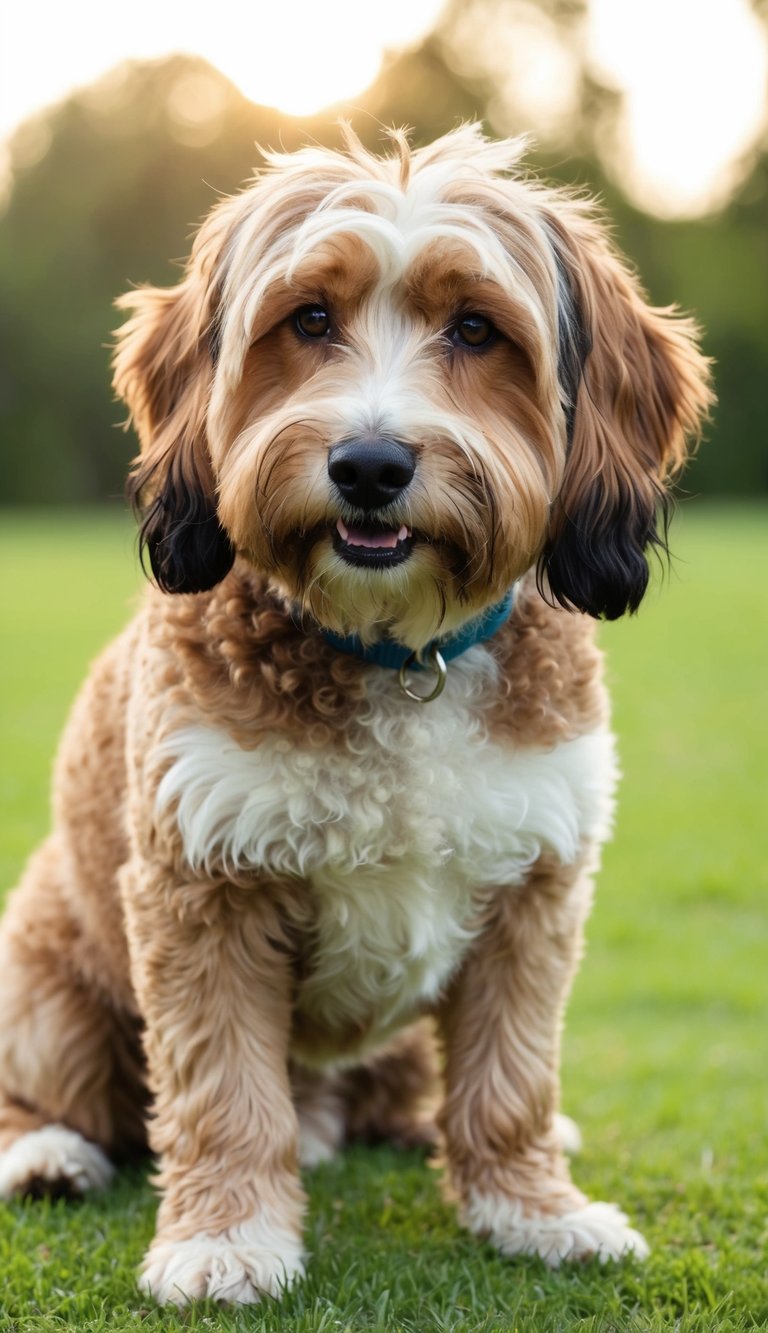
Allergic reactions can be a common issue for Cavapoos. These adorable dogs might react to certain foods, pollen, or even household products. It’s important to watch for signs of allergies.
Symptoms can include itchy skin, red patches, or rashes. Some Cavapoos may chew or scratch at their skin more than usual. This can lead to sore spots or infections if not treated.
Food allergies are especially typical. Common allergens include beef, chicken, or grains. Switching to a limited ingredient diet can help identify problem foods.
Environmental allergies are also possible. Pollen, dust mites, and mold can trigger reactions. Keeping your Cavapoo’s living space clean can reduce exposure.
If a reaction occurs, it’s best to consult a veterinarian. They can recommend treatments or medications. With the right care, Cavapoos can stay happy and healthy!
5) Yeast Infections

Yeast infections can be a common issue for Cavapoos. These infections are caused by an overgrowth of yeast, typically in warm and moist areas of the skin.
Dogs with yeast infections may show signs like itching, redness, or a bad smell. They might scratch or lick their skin more than usual.
These infections often affect the ears, paws, and skin folds. Regular grooming can help prevent moisture buildup.
If a Cavapoo shows symptoms, a vet can provide the right treatment. They may recommend special shampoos or medications to clear up the infection.
Pet owners should keep an eye on their dog’s skin and ears. Quick action can stop a small issue from becoming a bigger problem.
6) Bacterial Infections
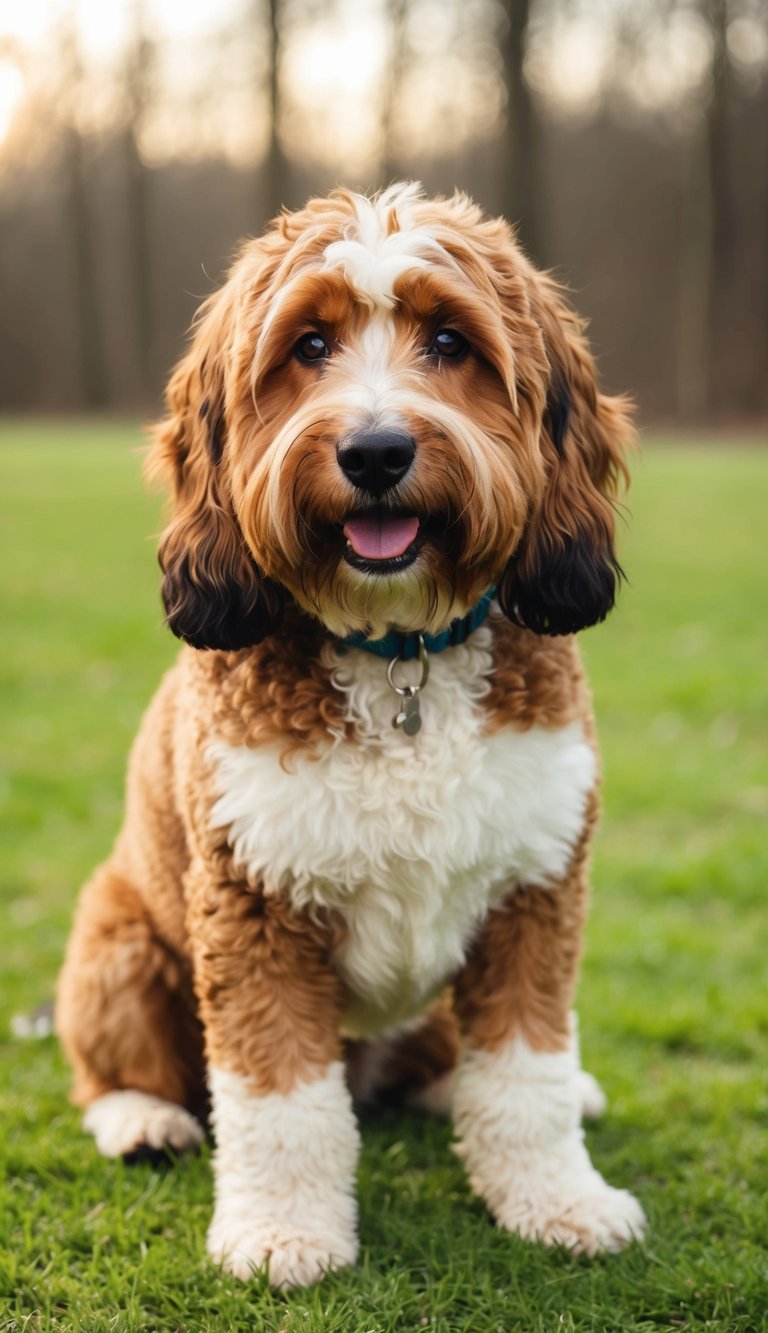
Bacterial infections can be a common concern for Cavapoos. They often occur when bacteria enter the skin through cuts or scratches. This can lead to redness, swelling, and discomfort.
Dogs might show signs like itching or licking their skin more than usual. It’s important to keep an eye on their behavior. If something seems off, a visit to the vet is a smart idea.
Treatment usually involves antibiotics. These can help clear up the infection quickly. Keeping the skin clean and dry is also important for recovery.
Regular grooming helps prevent bacteria from building up on the skin. Bathing with the right shampoo can also protect their coat and skin. This way, Cavapoos can stay healthy and happy!
7) Dandruff
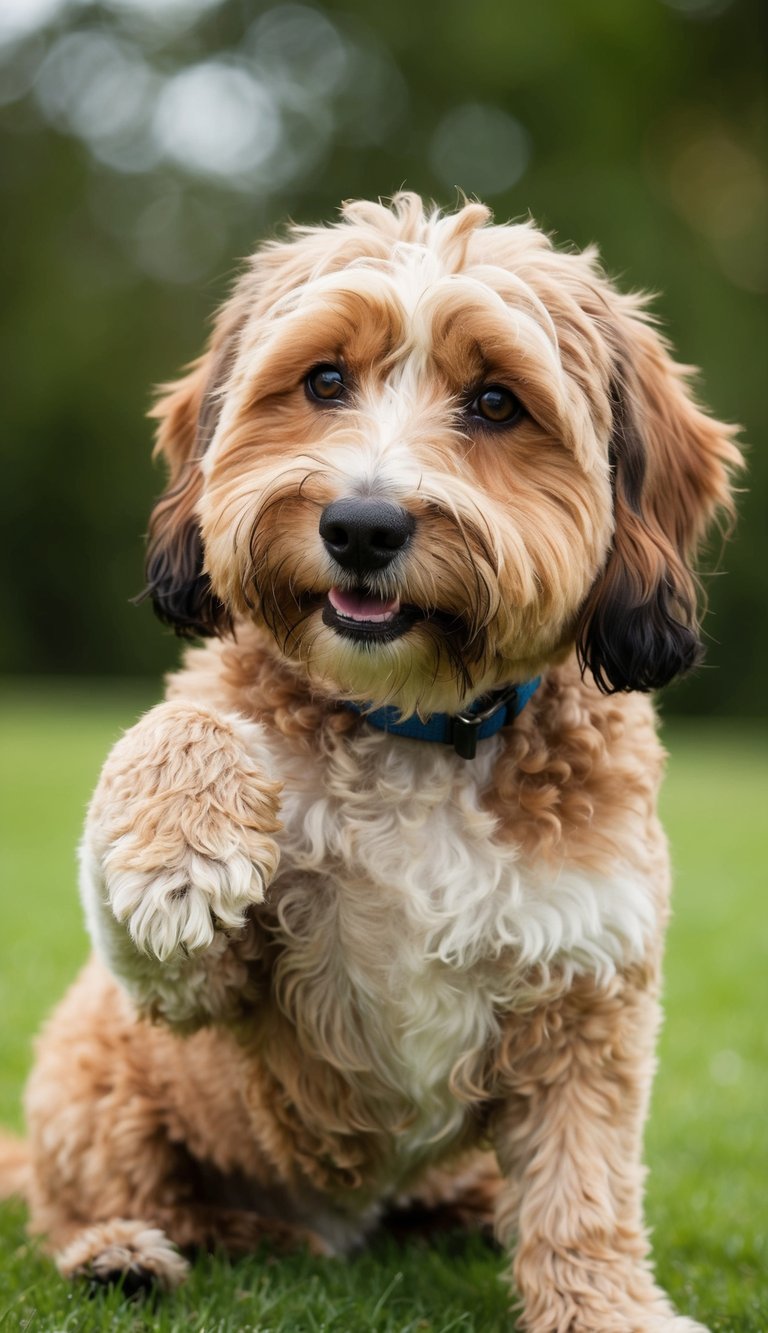
Dandruff is a common skin issue for Cavapoos. It shows up as white or yellow flakes on their coat and skin. This condition can happen for several reasons.
Dry skin is one of the leading causes. When the skin lacks moisture, it can lead to flaking. Allergies to food or environmental factors can also trigger dandruff.
Cavapoos might also develop dandruff due to skin infections or parasites like mites. It’s essential to check for other signs, like itching or redness.
Regular grooming can help manage and reduce dandruff. Brushing helps distribute natural oils, keeping the skin hydrated. Using a vet-recommended shampoo can also make a difference.
If dandruff persists, it’s best to consult a veterinarian. They can provide the right treatments and advice. Taking care of a Cavapoo’s skin health is key to their happiness!
8) Mange
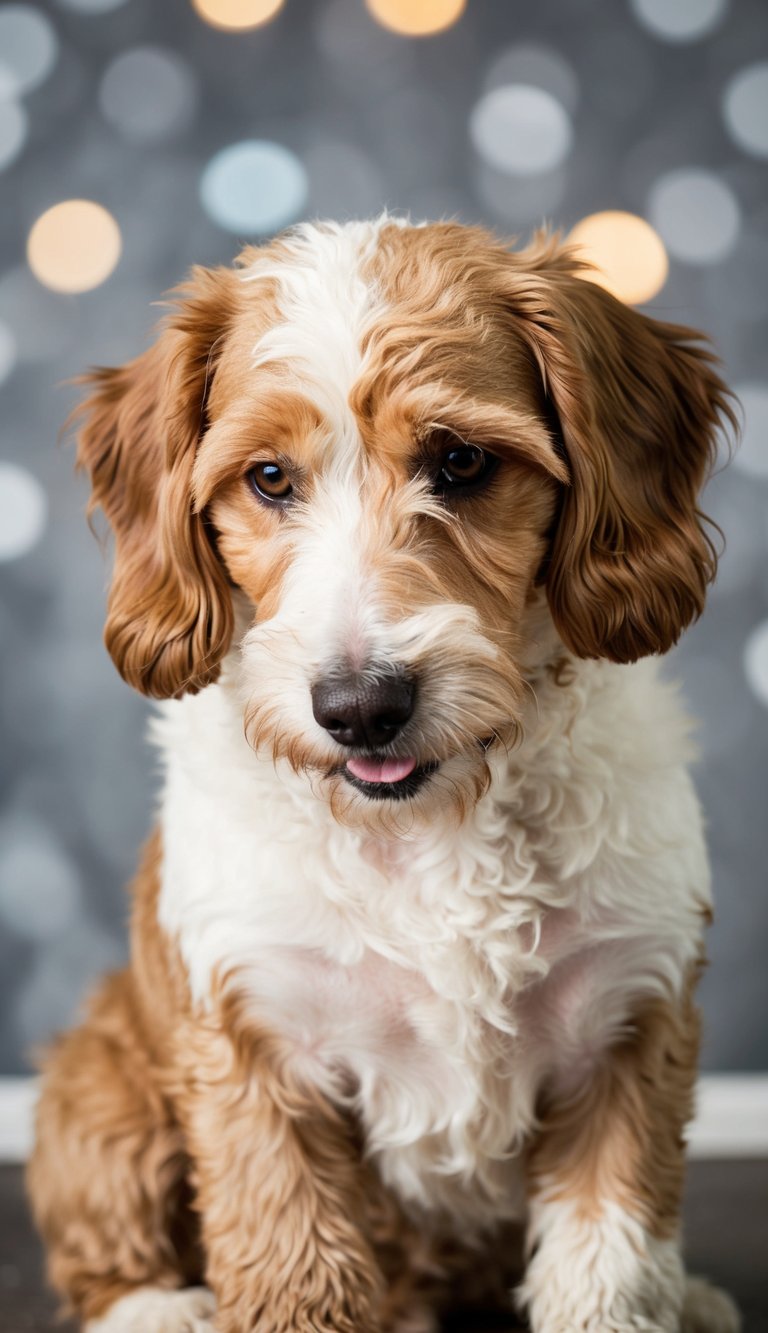
Mange is a skin condition that affects Cavapoos and can be quite itchy. It happens when mites invade the skin, leading to hair loss and irritation.
There are two main types: sarcoptic mange and demodectic mange. Sarcoptic mange is contagious and commonly known as scabies. Demodectic mange is usually not contagious and often linked to a weakened immune system.
Signs of mange include excessive scratching, red bumps, and patches of missing fur. In some cases, Cavapoos may develop sores from scratching.
Treating mange involves veterinary care. The vet may prescribe medications to kill the mites and reduce itching. Regular baths with medicated shampoos can also help soothe the skin.
It’s important for dog owners to maintain a clean environment. Frequent cleaning can help prevent the spread of mange to other pets. Early detection and treatment are key to helping a Cavapoo recover quickly.
9) Flea Allergies
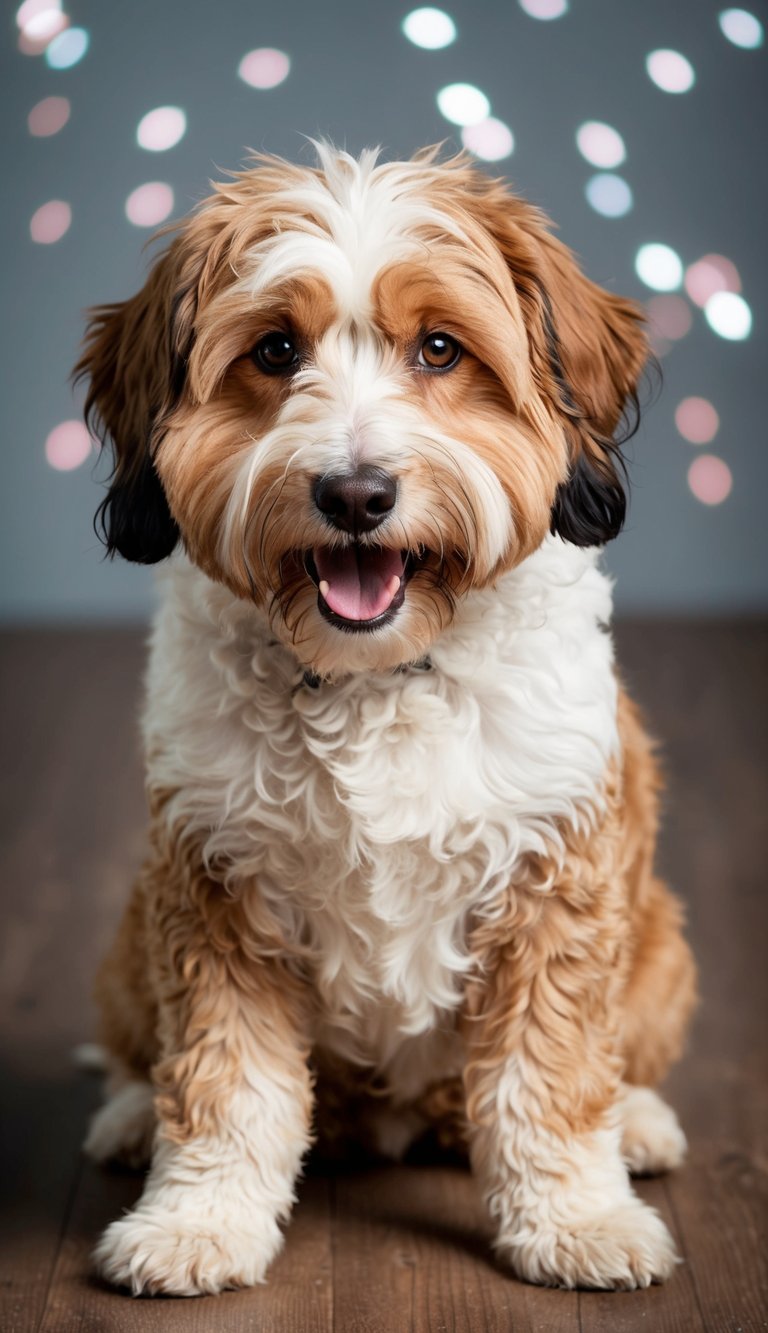
Flea allergies are common in Cavapoos and can cause a lot of discomfort. When fleas bite, they inject saliva that can trigger an allergic reaction in some dogs. This reaction often leads to itching and scratching.
Symptoms of flea allergies include red, inflamed skin. Cavapoos may lose hair in areas where they scratch the most. They might also develop hot spots, which are painful sores from constant irritation.
It’s essential to check for fleas regularly. Using flea prevention products can keep these pests away. Bathing the dog with special shampoos can help soothe the skin and reduce irritation.
If a Cavapoo shows signs of flea allergies, a visit to the vet is important. The vet can prescribe medications to relieve itching and inflammation. They can also suggest a treatment plan to eliminate fleas.
Caring for a fluffball with flea allergies requires attention. With the right steps, they can feel comfortable and happy again!
10) Ringworm
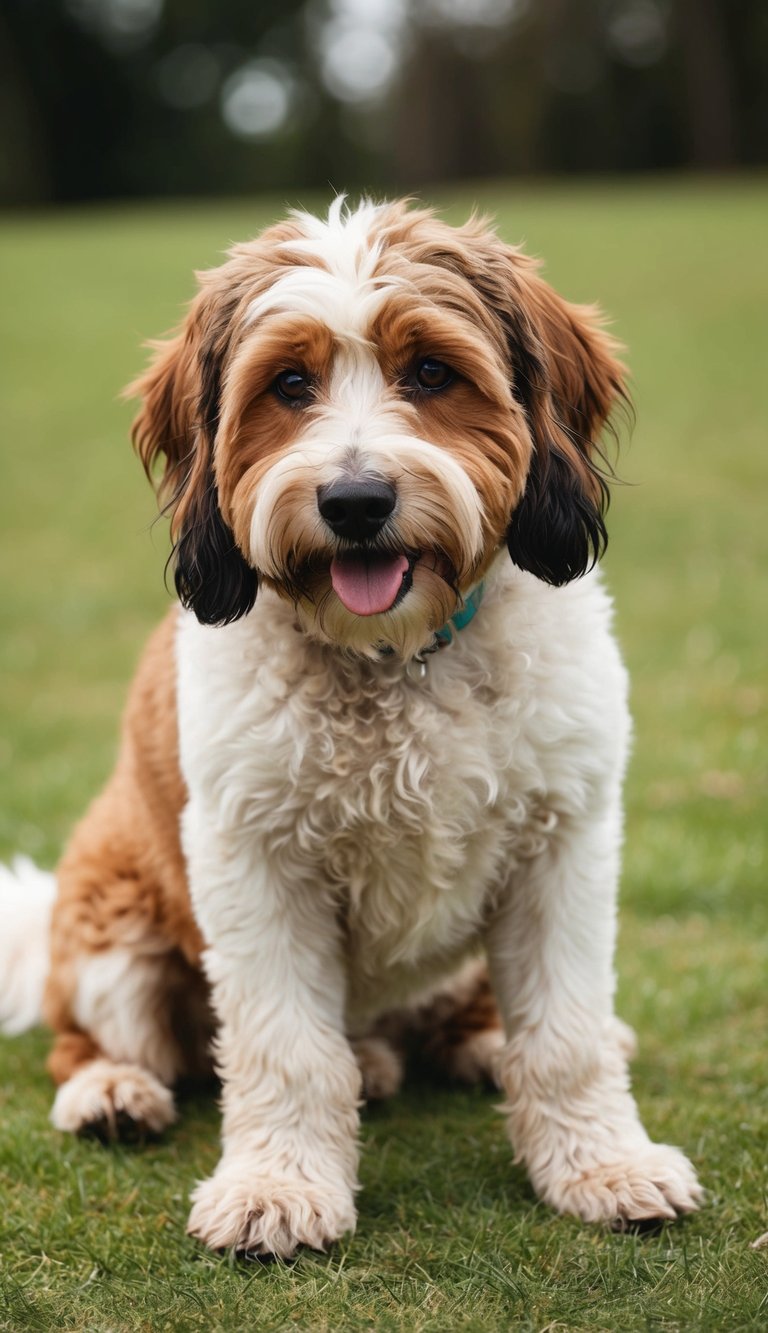
Ringworm is a fun name for a common skin issue. It’s actually caused by a fungus, not a worm! This condition can affect Cavapoos and make their skin itchy and uncomfortable.
Signs of ringworm include circular patches of hair loss and red, scaly skin. These patches can appear anywhere on the body. Sometimes, they may even be mistaken for other skin conditions.
Cavapoos can get ringworm from other animals or contaminated surfaces. It’s important to keep their living area clean to prevent this. If they show symptoms, a trip to the vet is key for diagnosis and treatment!
Treatment usually involves antifungal creams or medications. Following the vet’s advice helps ensure the Cavapoo heals quickly. With proper care, they can get back to being their playful selves in no time!
Keeping an eye on any unusual spots on their skin can help catch ringworm early. Regular grooming and bathing also make a big difference in keeping Cavapoos healthy and happy!
11) Sunburn
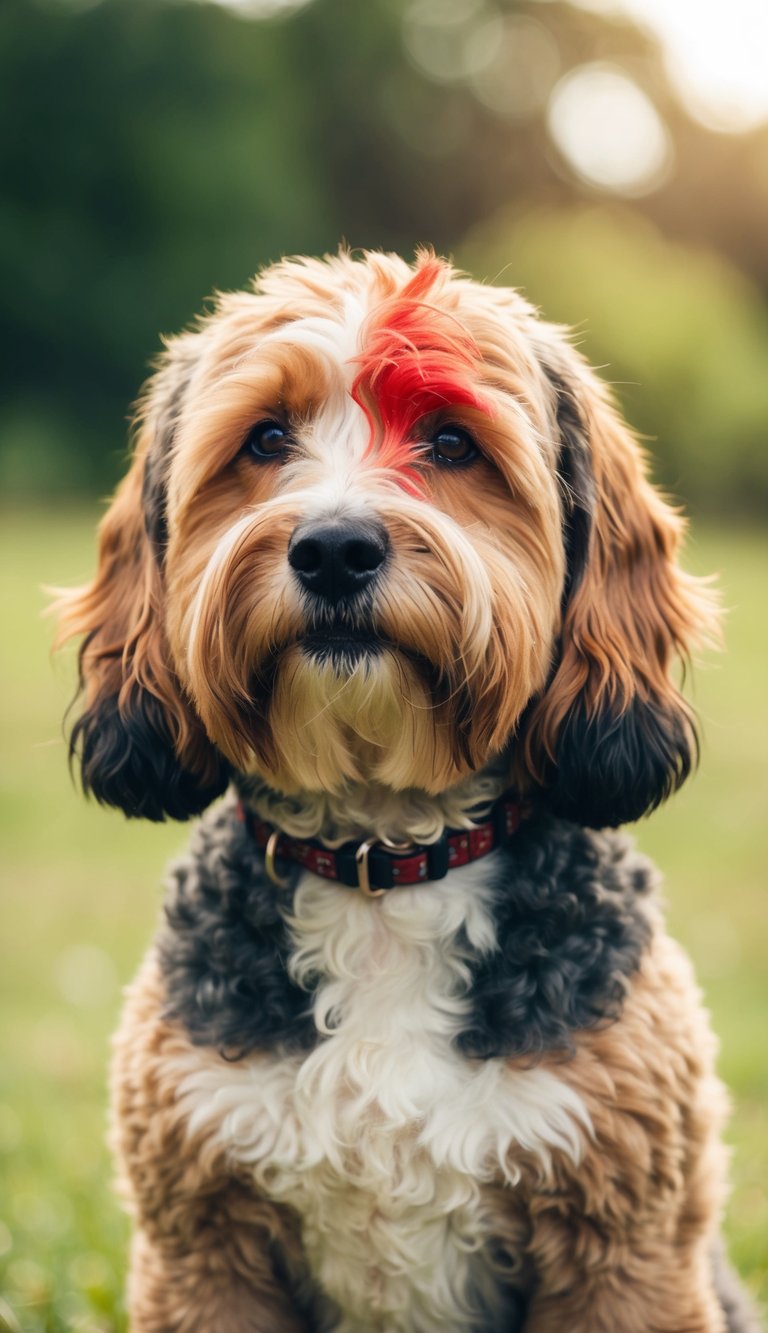
Sunburn can be a surprising issue for Cavapoos! Their beautiful, soft fur does not always protect their skin from the sun.
Dogs with lighter coats or less fur are at greater risk. They might get sunburned on areas like their noses, ears, and belly.
Signs of sunburn include redness, swelling, or dry skin. If a Cavapoo seems uncomfortable or is licking a specific spot, it might be sunburned.
To help prevent sunburn, owners can keep their dogs indoors during peak sun hours. Providing shade and fresh water also helps.
There are pet-safe sunscreens available for added protection. A vet can recommend the best products to use.
Taking these steps will keep your Cavapoo’s skin safe and happy!
Understanding Cavapoo Skin Sensitivity

Cavapoos are known for their adorable looks and friendly nature. They can also face unique skin challenges. It’s important to know why they are sensitive and what plays a role in these issues.
Why Cavapoos Are Prone to Skin Issues
Cavapoos have a mix of genes from Cavalier King Charles Spaniels and Poodles. This combination can lead to various skin sensitivities. Their fur is typically soft and curly, but it can trap dirt and moisture. This creates an environment for bacteria and fungi to grow.
Common problems include:
- Hot Spots: These painful areas often occur from scratching or irritation.
- Allergic Reactions: Food, pollen, or flea bites can trigger skin issues.
- Dry Skin: Changes in weather or improper grooming can cause dryness.
Regular grooming and cleanings help reduce these issues. Adequate bathing and brushing keep the fur healthy and clear of debris.
The Role of Genetics
Genetics plays a significant role in skin sensitivity for Cavapoos. They can inherit skin problems from both parent breeds. For example, Cavalier King Charles Spaniels may be prone to skin allergies. Poodles can have skin conditions like seborrhea.
Many skin issues may show up early in life. It’s essential to watch for signs such as:
- Itching or scratching
- Red or inflamed skin
- Unusual odors
Knowing a Cavapoo’s genetic background can help owners prepare. Regular vet check-ups can also help spot potential issues early.
Preventive Measures for Healthy Skin
Taking care of a Cavapoo’s skin is crucial for their overall health. Proper grooming and a balanced diet play key roles in maintaining healthy skin. These practices help prevent many skin issues.
Proper Grooming Techniques
Regular grooming is essential for Cavapoos. Their curly coat can trap dirt and moisture, leading to skin problems. Brushing a few times a week helps remove loose hair and dirt.
Use a wide-toothed comb or a slicker brush to avoid hurting the skin. Pay special attention to areas behind the ears and under the legs. These spots can get matted easily.
Bathing should be done with a gentle, dog-specific shampoo. This avoids irritation and dryness. Bathing once a month is usually enough. After bathing, make sure to dry the dog thoroughly to prevent fungal growth.
Trim their nails regularly to keep their paws healthy. Clean their ears weekly to prevent infections. These grooming habits contribute greatly to skin health.
Choosing the Right Diet
A balanced diet is vital for skin health. Cavapoos need high-quality dog food that provides essential nutrients. Look for diets rich in omega-3 and omega-6 fatty acids. These fats help maintain a shiny coat and healthy skin.
Farm-raised fish, such as salmon, is a great choice. It supports not just the skin but overall health. Avoid foods with too many fillers or artificial additives.
Hydration matters too! Fresh water must be available. Dehydration can lead to dry skin and other issues. Added supplements, like fish oil, can boost skin health too.
Together, a tailored diet and proper grooming will keep a Cavapoo’s skin looking great and feeling good.
Treatment Options for Skin Issues
When a Cavapoo experiences skin issues, the right treatment can make a big difference. Various remedies and professional advice can help improve their condition and comfort.
Over-the-Counter Remedies
Many effective over-the-counter (OTC) products can help treat common skin issues in Cavapoos. Look for shampoos containing ingredients like oatmeal, aloe vera, or tea tree oil to soothe irritations and hydrate the skin.
Hydrocortisone creams are another option. They help reduce itching and inflammation but should be used sparingly. Always follow the instructions on the packaging for best results.
Medicated wipes are great for cleaning affected areas. They can help remove dirt and allergens, reducing the chance of irritation. Make sure to choose wipes that are specifically designed for pets.
Always watch for any reaction to these products. If redness or increased irritation occurs, it’s best to stop using the product and consult with a veterinarian.
When to Consult a Veterinarian
Some skin issues may require professional evaluation. If a Cavapoo shows persistent symptoms like severe itching, swelling, or skin lesions, it’s important to seek veterinary care.
Schedule a visit if the skin issues are spreading or not improving after using OTC treatments. A vet can perform tests to determine the underlying cause, such as allergies or infections, and then recommend the right treatment plan.
In some cases, prescription medications like antibiotics or antifungals may be necessary. These are tailored to combat specific conditions and are often more effective than OTC options.
Addressing skin issues quickly helps prevent serious infections. Regular vet check-ups can also help monitor a Cavapoo’s overall health and skin condition.