Shiba Inus are known for their spirited personalities and loyal nature, but they can also struggle with separation anxiety. Managing this anxiety is essential for a happy and healthy pet. With the right strategies and understanding, owners can help their Shiba Inu feel more comfortable when left alone.
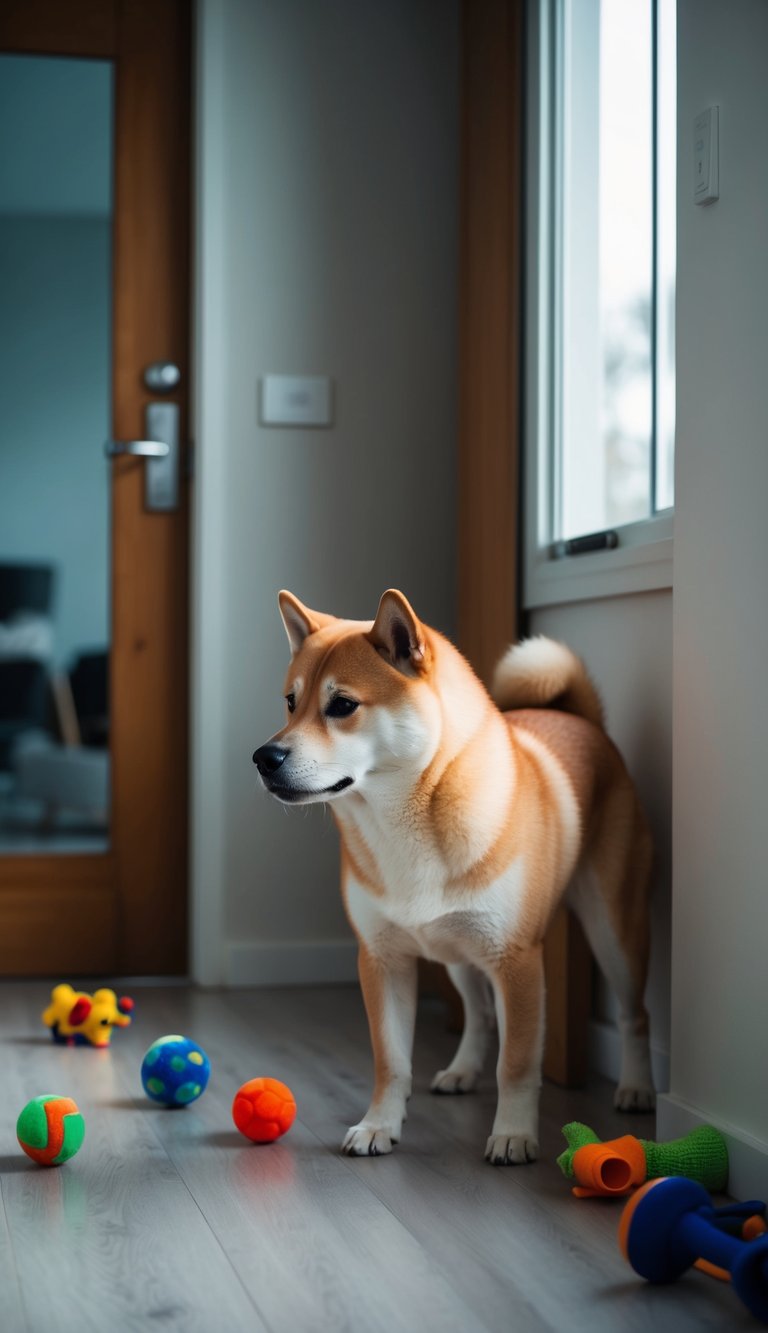
In this article, readers will find practical tips that can ease their furry friends’ worries. From creating a safe space to engaging in fun activities, these tips can make a big difference in their dog’s well-being.
1) Establish a Safe Space
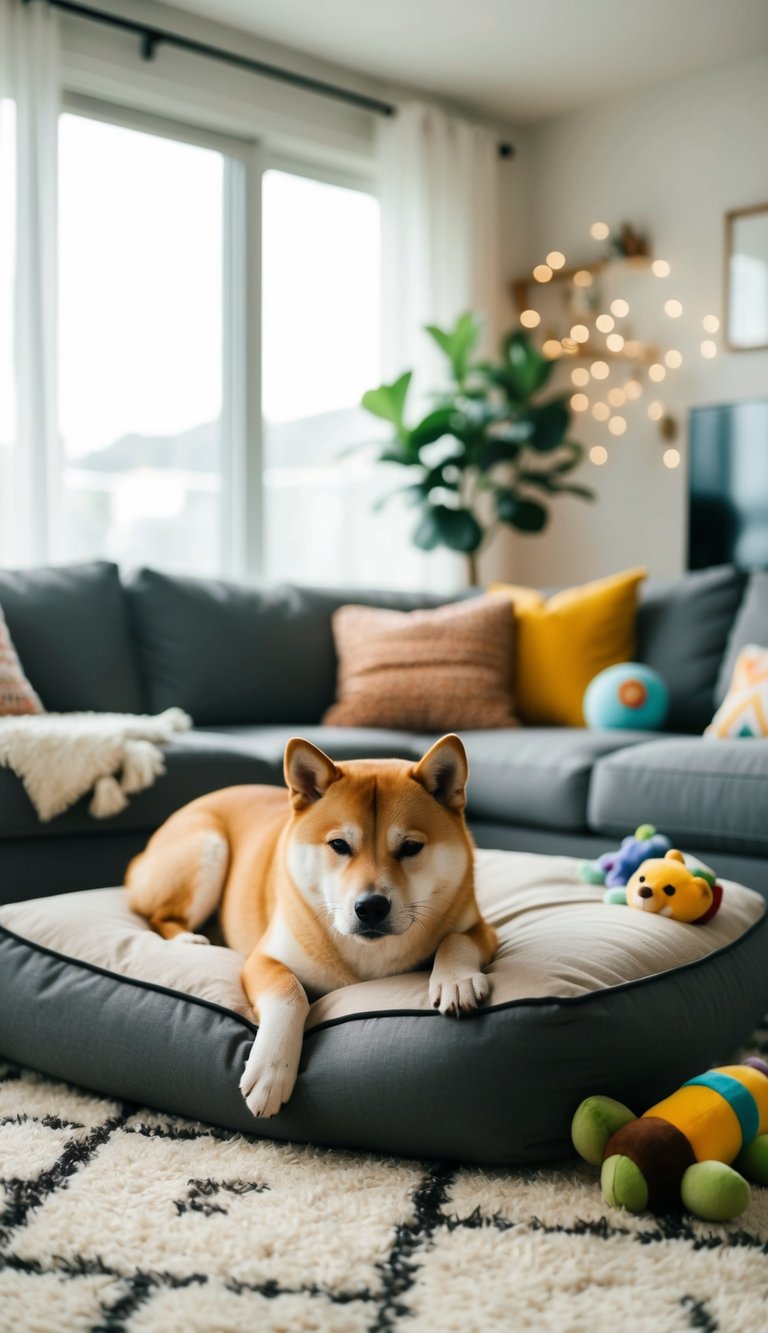
Creating a safe space for a Shiba Inu can help ease separation anxiety. This area should feel cozy and secure. It can be a specific room or a comfy corner with their favorite blanket.
Using a crate is a great option. Crate training helps dogs feel safe when they are alone. Make it inviting with toys and treats to encourage them to explore.
Adding some familiar scents can also help. They can feel calmer with items that smell like their owner. This might include a worn shirt or a soft towel.
It is important to keep this space quiet. Too much noise or activity can cause stress. A peaceful environment will help the Shiba relax when left alone.
Consider providing interactive toys. These toys can keep them busy while they are in their safe space. Enrichment activities reduce boredom and anxiety.
Regularly practicing short departures will help them get used to being alone. Gradually increasing the time away can boost their confidence. With time, the Shiba Inu will learn that being alone is okay and safe.
2) Use Interactive Toys
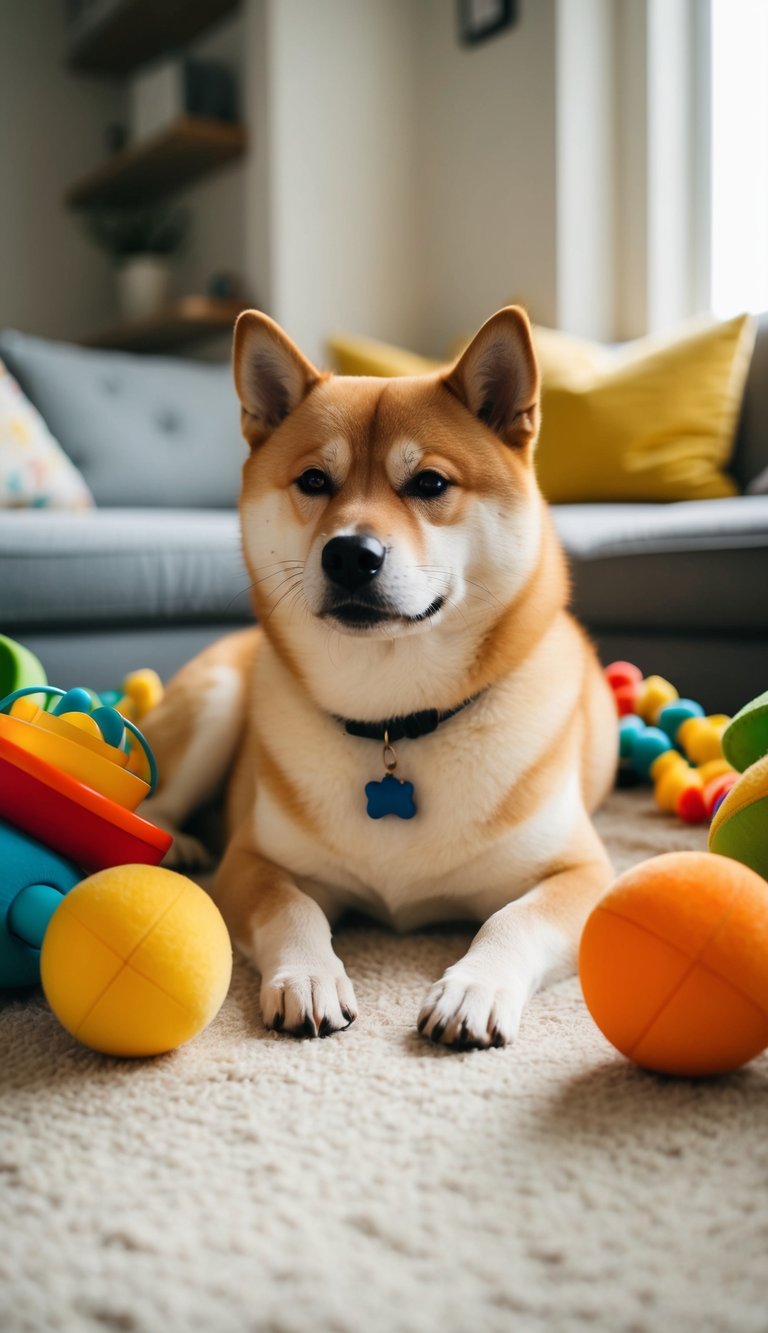
Interactive toys can make a big difference for a Shiba Inu. These toys keep them busy and engaged while they are alone.
Toys that make noise or have moving parts can capture your dog’s attention. Shiba Inus love challenges, so puzzle toys are great. These toys can hide treats and require the dog to figure out how to get them.
Rotating toys regularly helps keep things fresh and exciting. It’s like a new adventure each time!
Kong toys are also a favorite. They can be filled with peanut butter or other treats. This encourages longer playtime and helps reduce anxiety.
These toys provide mental stimulation, which is important. A tired dog is often a happy dog. Using interactive toys can help Shiba Inus feel more relaxed when left alone.
3) Practice Short Departures
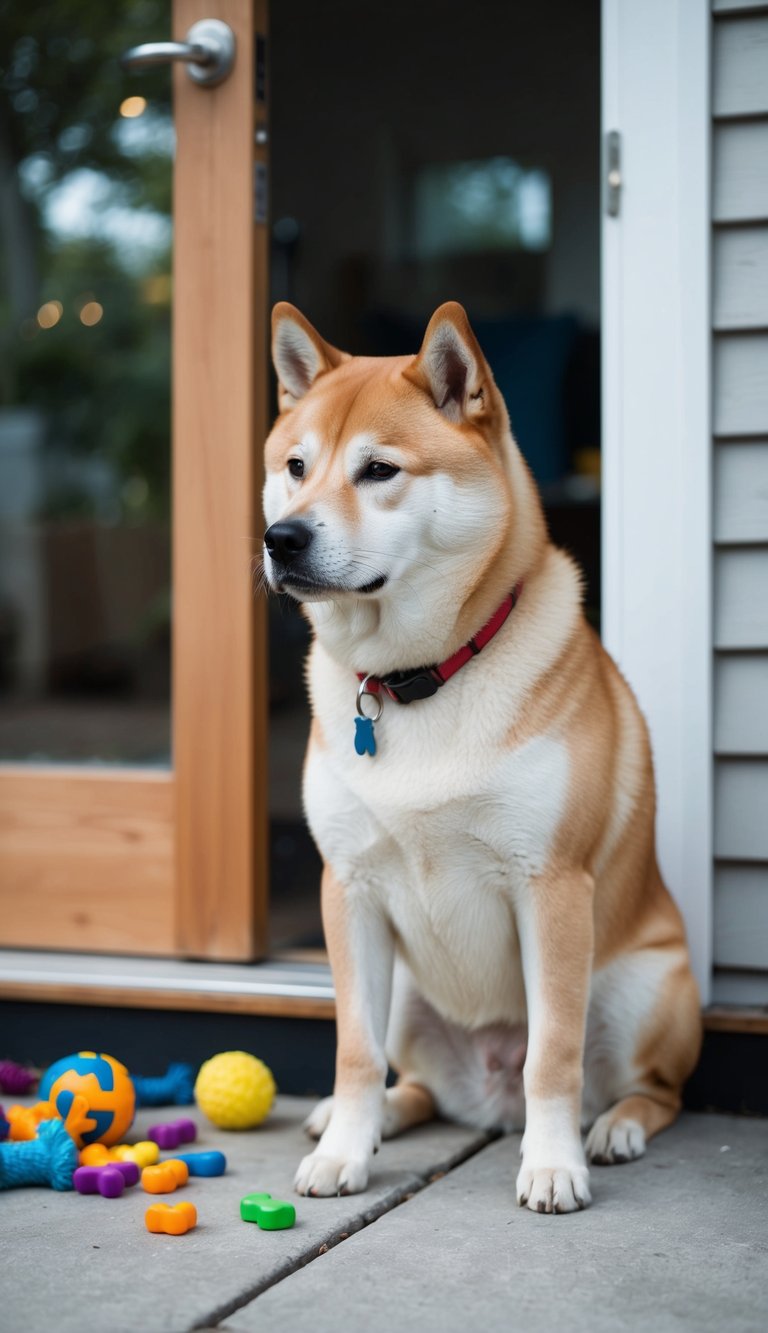
Starting with short departures is a great way to help a Shiba Inu feel more secure. This method allows them to get used to being alone without feeling too stressed.
Leave the house for just a few minutes. Go out to check the mailbox or take a quick walk around the block. When she returns, it should be a happy moment. This helps her learn that she will come back.
Gradually increase the time away. Each time she handles a short absence well, extend it a bit longer. This builds her confidence and reduces anxiety.
Keep goodbyes short and sweet. Prolonged farewells can make it harder for the dog. Same goes for greetings—she should learn that the owner will always come back.
Using this method regularly will help her adjust to being alone. Consistency is key! Soon enough, those short separations will turn into longer ones with less stress. With time, she will feel more at ease being on her own.
4) Desensitize to Triggers
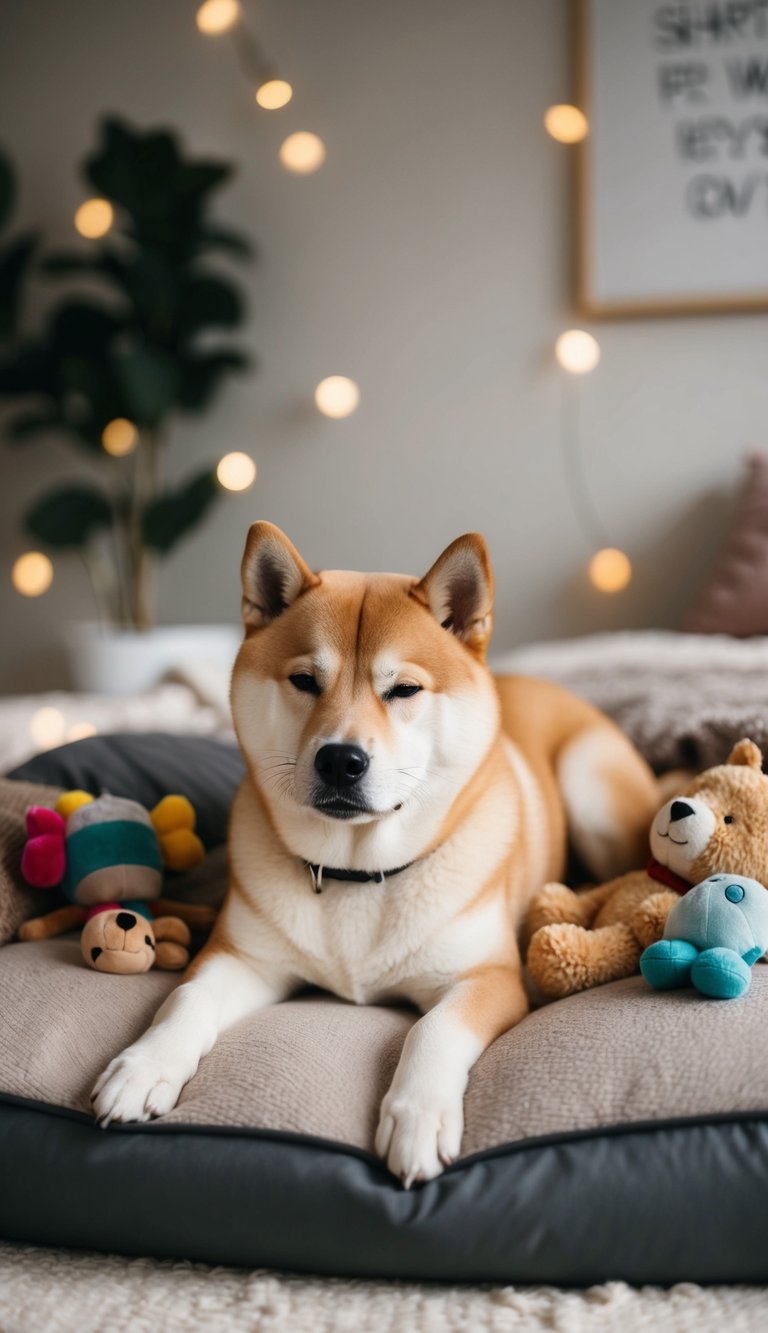
Desensitizing a Shiba Inu to triggers can be an exciting way to help them feel more relaxed. It works by slowly exposing them to the things that make them anxious.
Start with short sessions. If your dog gets nervous when you grab your keys, practice picking them up for a few seconds without leaving. This helps the dog connect the keys with a calm, safe moment.
Repeat this until the Shiba Inu seems less stressed. Then, increase the time you hold the keys. You can do this with other triggers, like the sound of the doorbell or loud noises.
Use treats and praise during the process. Positive reinforcement will encourage your Shiba Inu to associate those triggers with good things.
Be patient and keep each session short to avoid overwhelming them. With time, they will learn to stay calm around their triggers. A little bit of practice can lead to big improvements!
5) Maintain a Routine
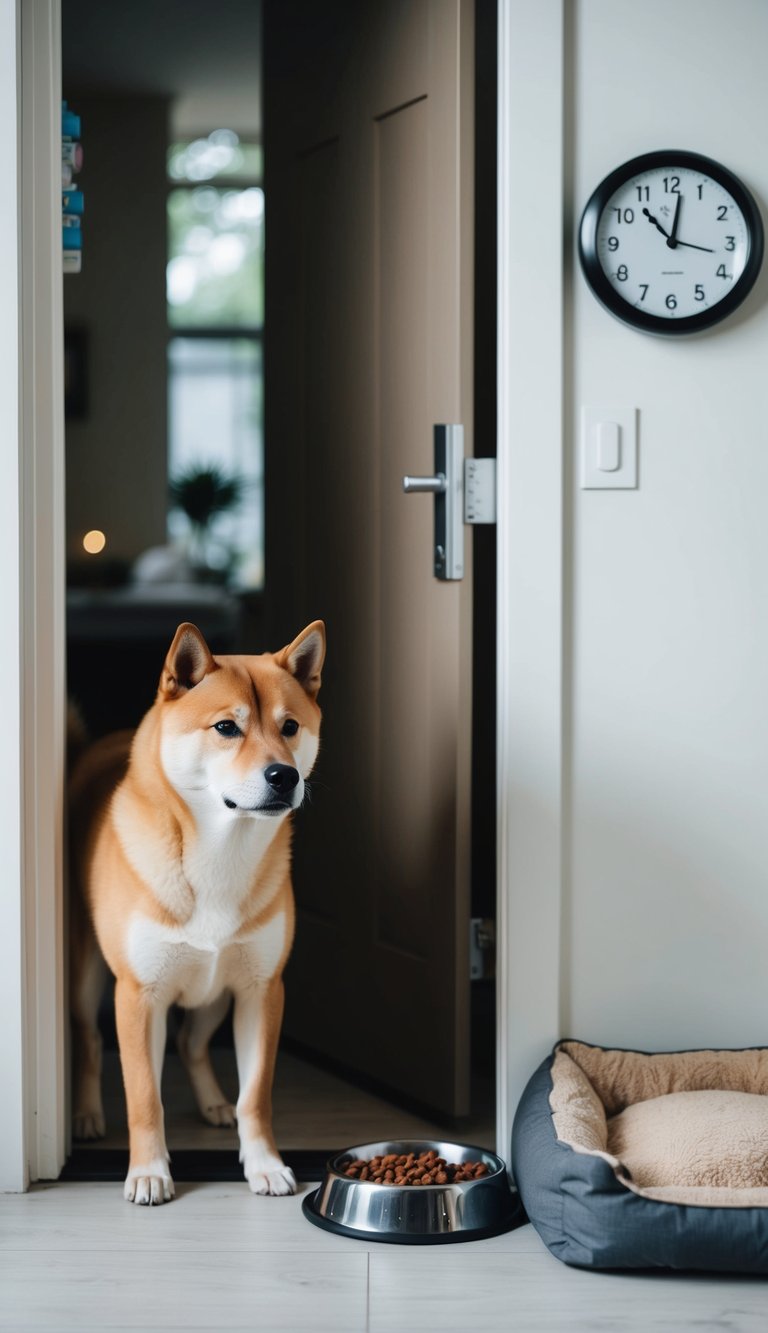
Creating a routine can really help a Shiba Inu feel secure. Consistency in their daily schedule makes them know what to expect. This reduces anxiety when they are left alone.
Dogs thrive on habits. Feeding, walking, and playtime should occur at the same times each day. This keeps the dog calm and makes them feel safe.
When a Shiba gets used to doing specific activities at certain times, it helps them relax. They learn that their owner will return after a short time. This knowledge can lessen feelings of separation.
Longer absences can worry a dog. Following a routine can ease this fear. It gives them a sense of stability and comfort.
Owners can also add fun elements to the routine. This makes it more engaging for both the dog and the owner. Engaging activities help to keep the Shiba’s mind active, so they are less likely to focus on their owner’s absence.
Keeping a routine is key. It brings predictability to a Shiba Inu’s day and can make time apart easier for them. Happy routines create happy dogs!
6) Offer Calming Treats
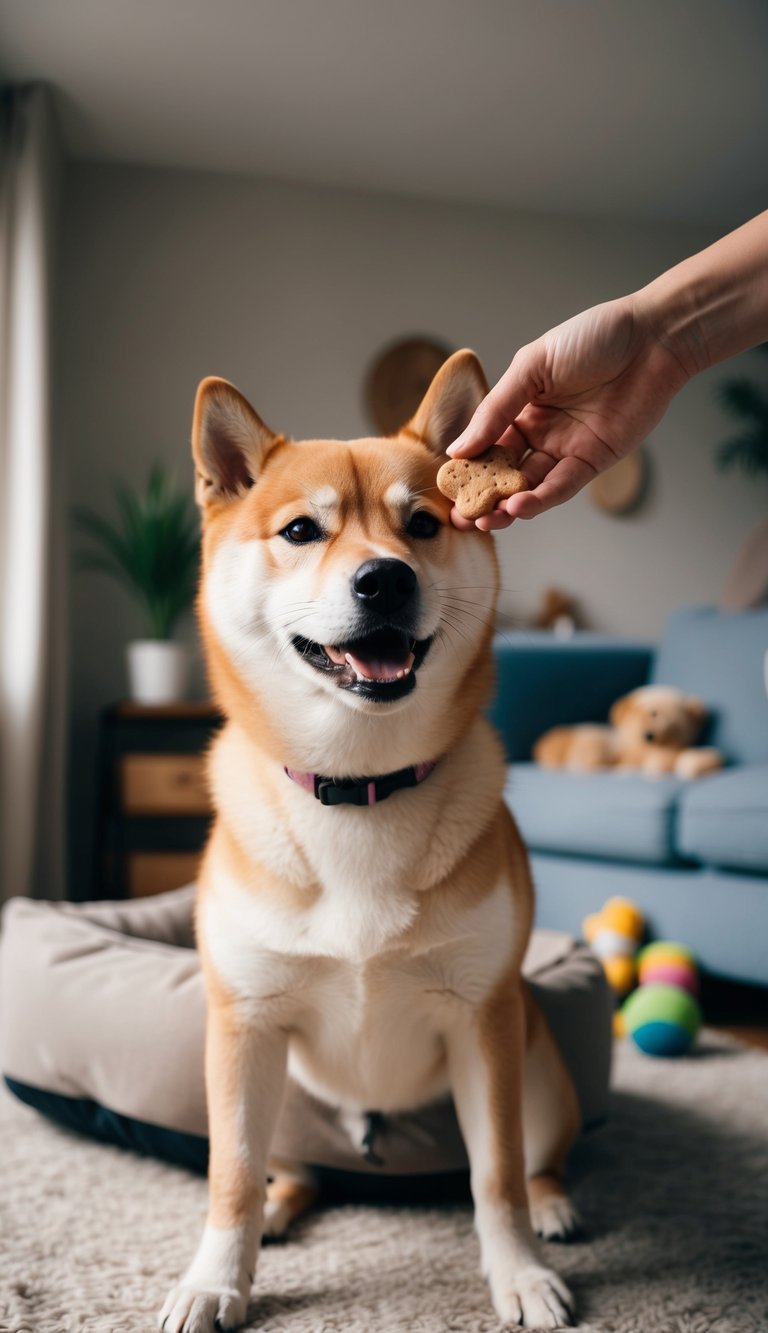
Offering calming treats can be a great way to help a Shiba Inu manage separation anxiety. These treats often contain natural ingredients that help to soothe and relax dogs.
They come in various forms, like soft chews or crunchy biscuits, making it easy to find something that your dog enjoys. Just like a tasty snack, these treats can be a special reward.
Timing is key, too! Giving a calming treat right before leaving can help reassure the dog that everything will be okay. It’s like a little hug in a treat!
Look for treats with ingredients like chamomile or lavender. These are known for their calming effects. Always check if the treats are safe and suitable for your dog’s age and health needs.
Introducing calming treats into a routine can make a positive difference. Shiba Inus can feel more relaxed and confident when left alone, which helps reduce their anxiety. Treats are not just tasty; they can be a helpful tool in managing separation anxiety effectively!
7) Play Soft Music
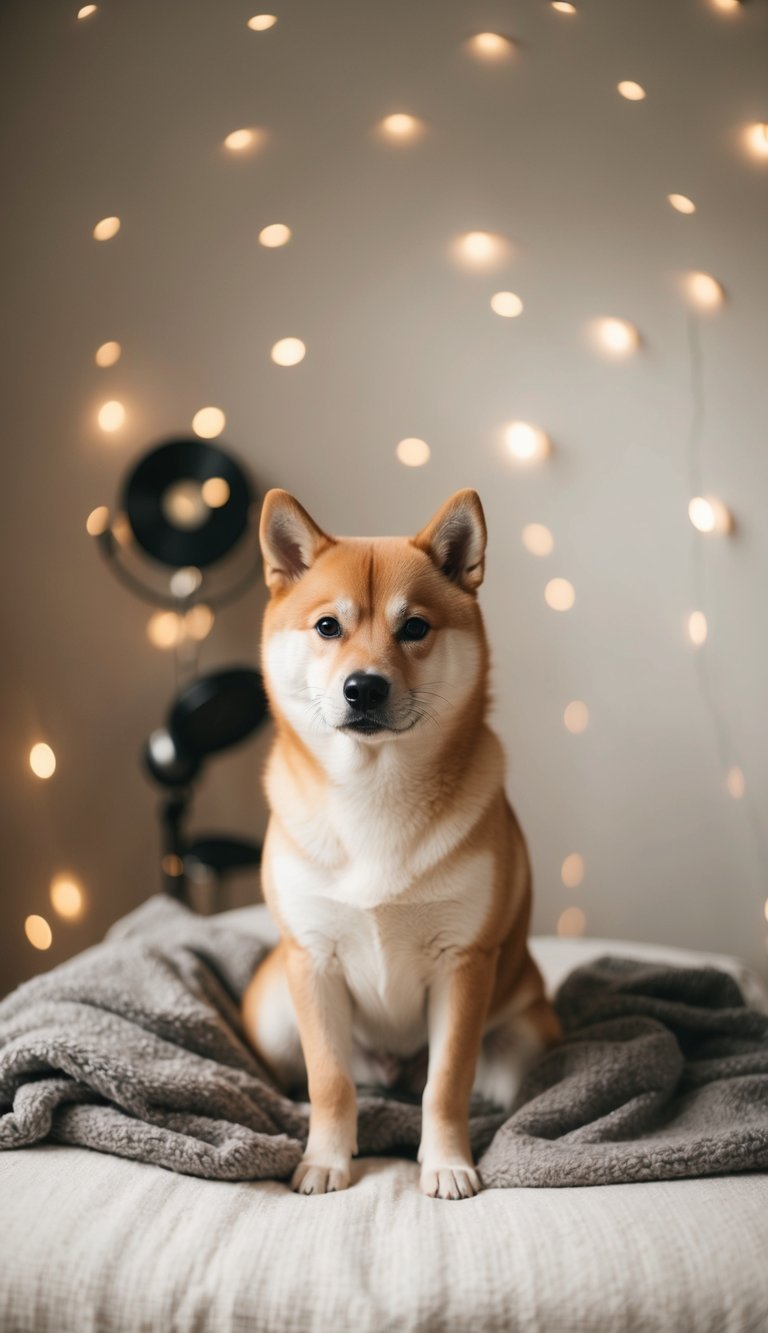
Playing soft music can help Shiba Inus feel more relaxed when they are alone. The gentle sounds create a calm atmosphere that can soothe their nerves.
Soft classical music or nature sounds are great choices. These types of music can make a big difference in how a Shiba Inu feels when left alone.
Some pet owners find that their dogs respond positively to music that is specifically designed for pets. These tracks often have slower rhythms and softer tones, which can be comforting.
It’s easy to set up a playlist or find pet-specific music online. Just hit play before leaving. This small act can help her feel secure and reduce feelings of anxiety.
Keeping the volume low is best. Too loud may cause her to feel stressed instead of relaxed.
Creating a peaceful environment with soft music is a simple and effective way to help a Shiba Inu cope with separation anxiety. It can make both the pup and the owner feel better when it’s time to part ways.
Provide Plenty of Exercise
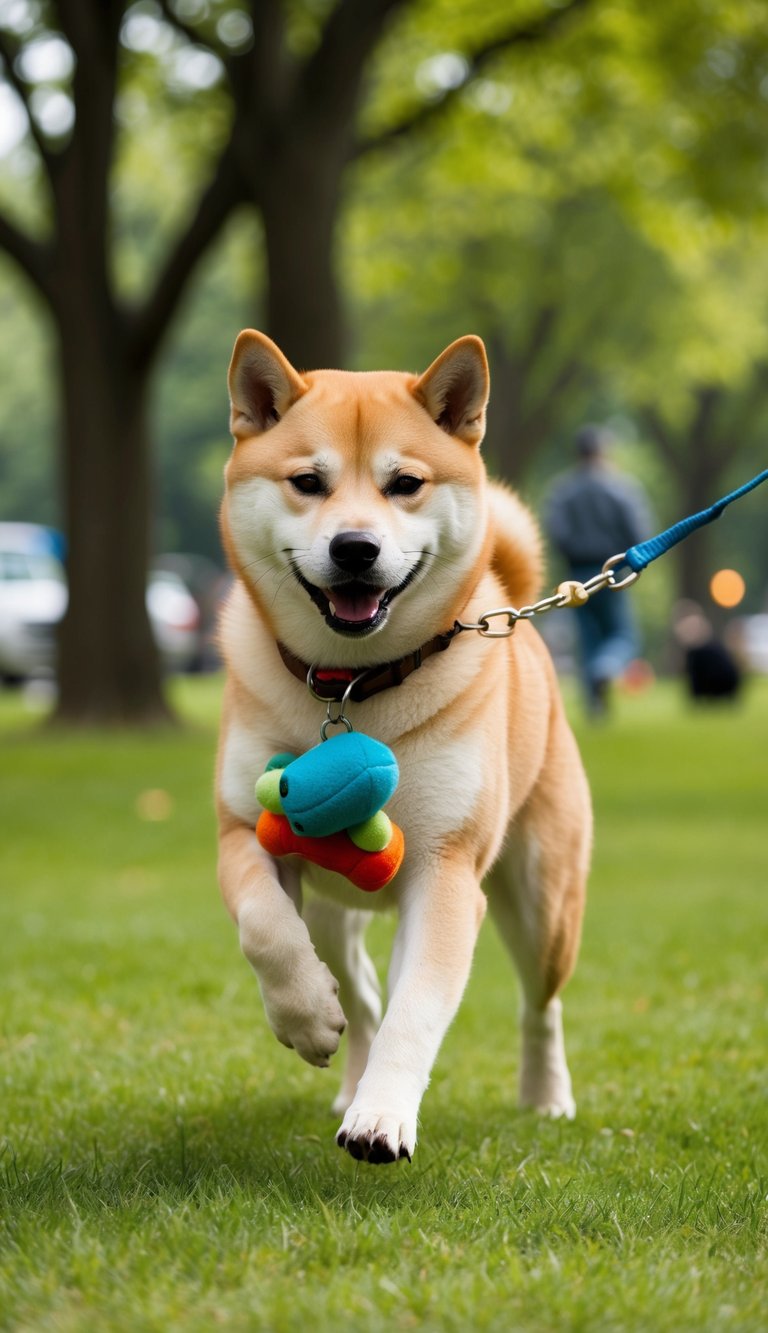
Shiba Inus are active and energetic dogs. They thrive when they get enough exercise every day. Regular walks and playtime can help reduce their anxiety.
Daily walks should be part of the routine. A 30-minute walk in the morning and evening works wonders. This routine keeps them healthy and happy.
Playtime is just as important. Playing fetch or tug-of-war can tire them out. When a Shiba Inu is tired, it is less likely to feel anxious.
Dog parks are a great option too. They can socialize with other dogs and burn off energy. This environment is perfect for fun and companionship.
Training sessions also add to their exercise. Teaching new tricks is mentally stimulating. It can help keep a Shiba Inu’s mind engaged and distracted from separation.
With enough exercise, a Shiba Inu can feel more secure. This routine can lead to a calmer and more content dog. Making exercise a priority is key to managing separation anxiety effectively.
9) Consider Dog TV
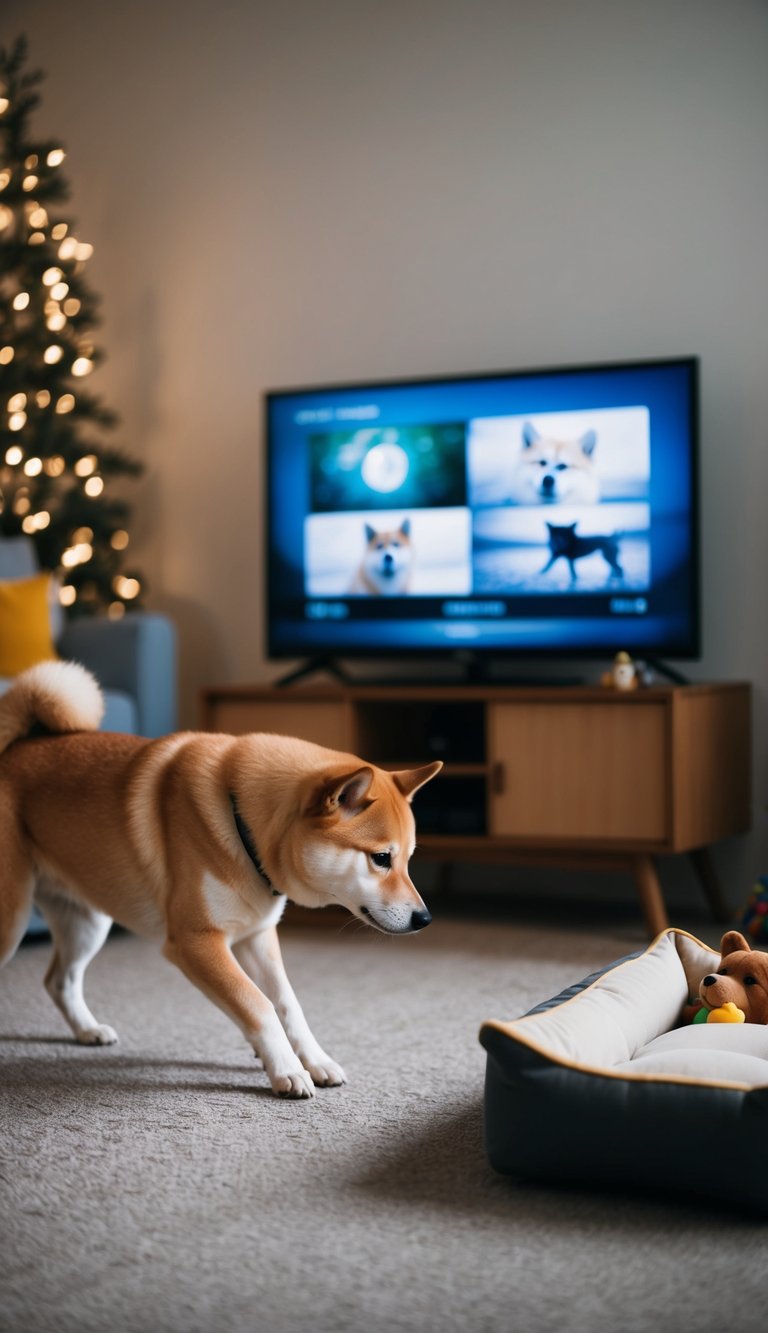
Dog TV can be a great option for Shiba Inus with separation anxiety. This channel offers programs made just for dogs.
The visuals and sounds are designed to keep pets entertained while their owners are away. It can provide a sense of comfort and distraction.
Watching Dog TV may help reduce stress. It can keep the Shiba Inu engaged with fun scenes and sounds.
This can be a good way to make the time apart easier for both the dog and the owner.
Using Dog TV does not replace other forms of care and engagement. It works best when combined with other methods to manage anxiety.
10) Use a Comforting Scent
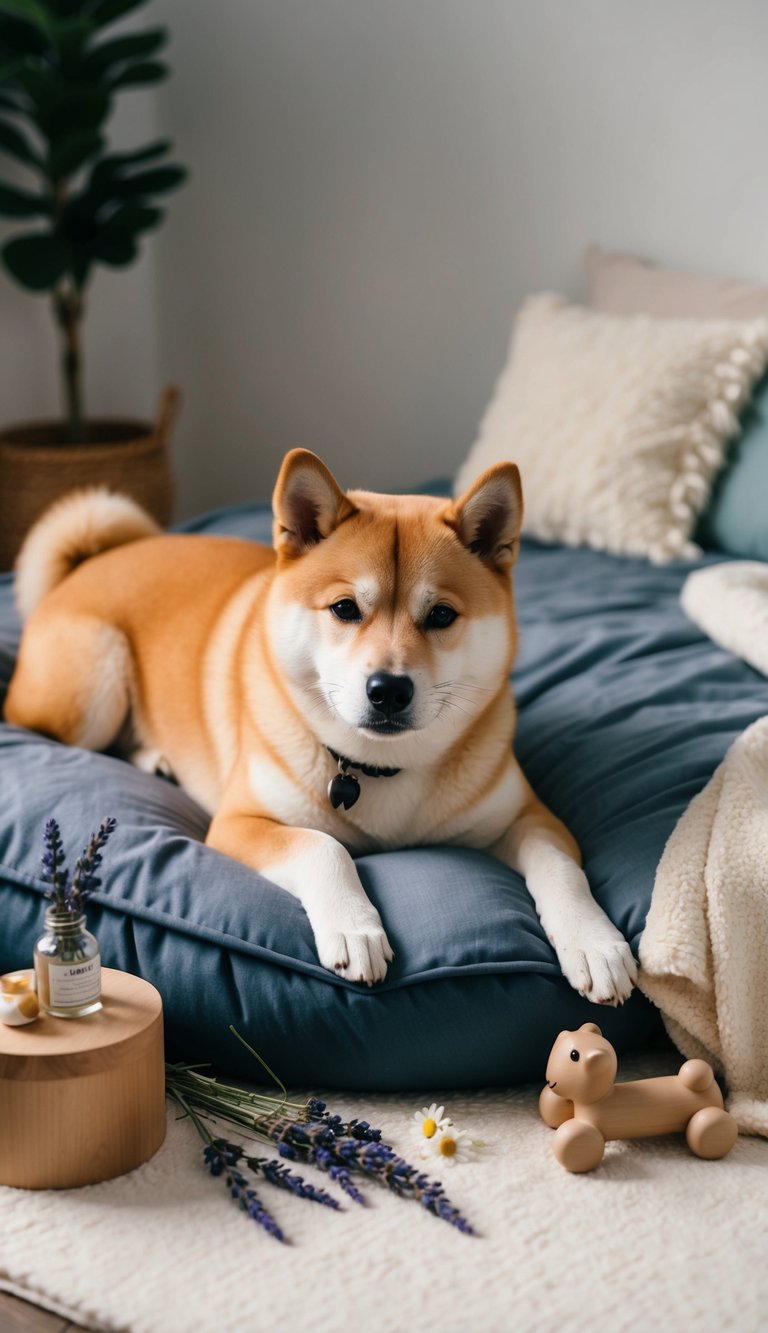
Dogs often respond well to familiar scents. A comforting scent can help a Shiba Inu feel more secure when left alone.
She can benefit from a piece of clothing that smells like her owner. This scent gives her a sense of closeness.
Essential oils, like lavender, can also be soothing. These oils should always be used carefully and diluted. A few drops on a cloth can help calm her down.
Creating a cozy spot with her favorite blanket and toys can hold her scent. This setup provides a familiar space for her while she waits.
These scents help reduce stress and anxiety. They act like a gentle reminder of home. Using comforting scents can make a big difference in how a Shiba Inu copes when alone.
11) Implement Crate Training
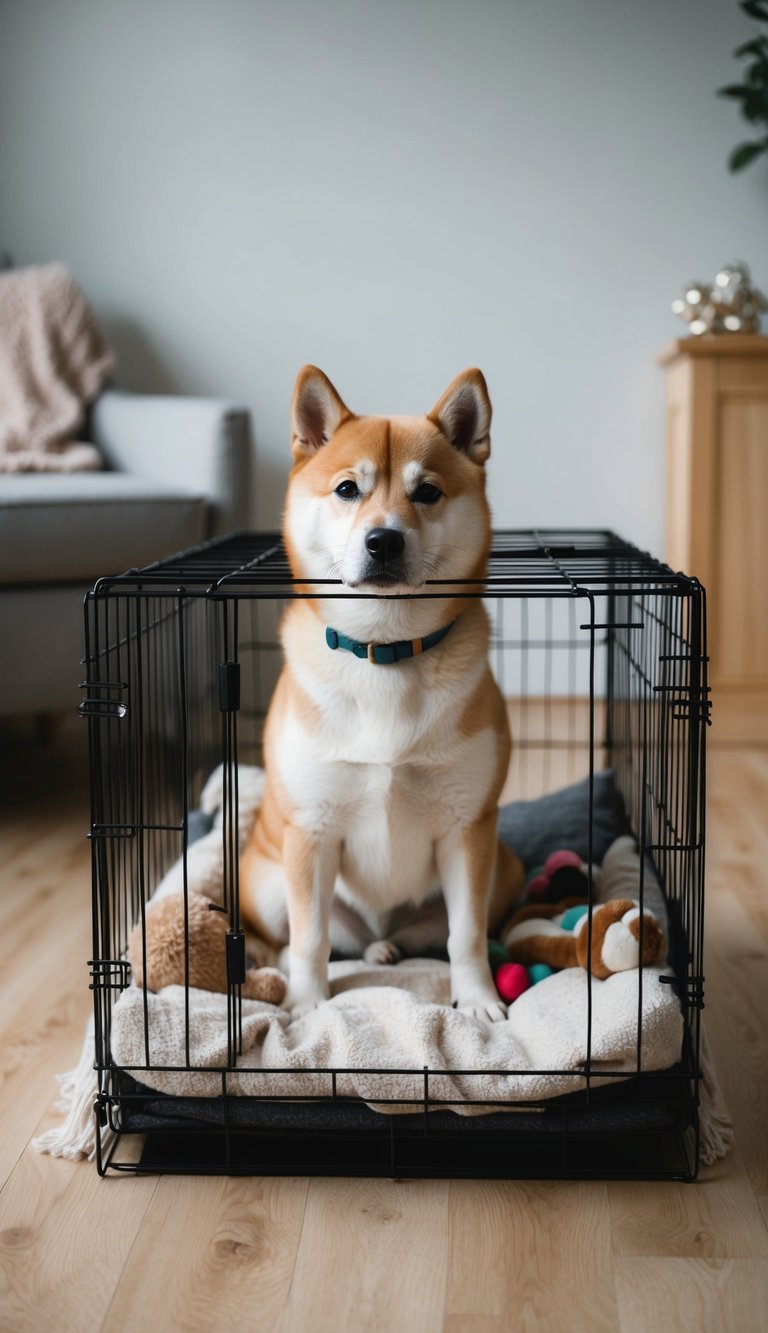
Crate training can be a great way to help a Shiba Inu feel safe when left alone. A crate acts like a den where they can relax and feel secure. It gives them a personal space to call their own.
Start by making the crate a positive place. Use soft bedding and place some favorite toys inside. Treats can also help them associate the crate with fun and comfort.
When using the crate, gradually increase the time they spend inside it. Begin with short periods while staying nearby. This helps the dog learn that being alone is okay.
It’s important to never use the crate as a punishment. This will create fear and anxiety. Instead, encourage them to enter the crate willingly.
Over time, they will start to see the crate as a safe haven. This can help reduce anxiety when they are left alone. With patience and consistency, they’ll feel more comfortable in their crate.
Understanding Shiba Inu Separation Anxiety
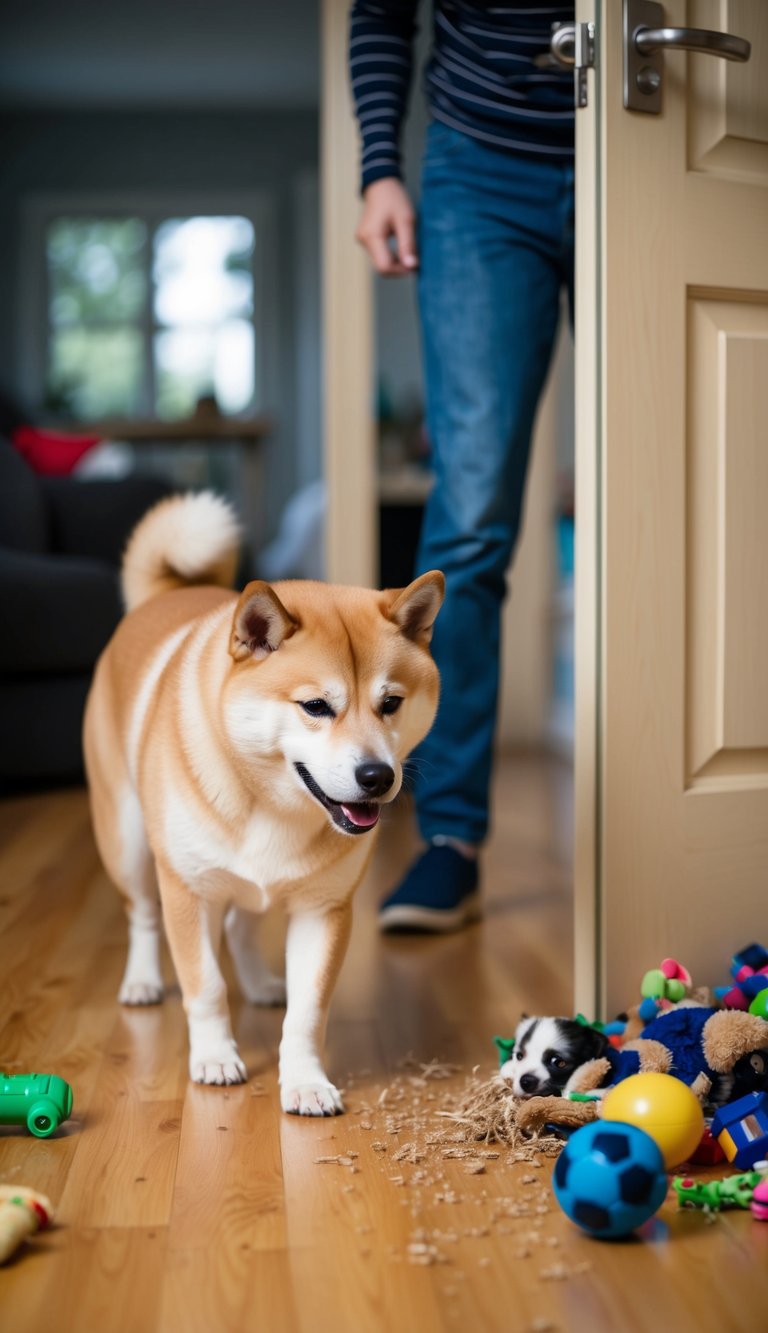
Shiba Inus can feel anxious when left alone. Recognizing the causes and signs is essential for helping them feel calm and safe. Understanding these factors can greatly improve their well-being.
Common Causes
Several factors can lead to separation anxiety in Shiba Inus. Genetics can play a role; some dogs are naturally more anxious. If a Shiba Inu has had a traumatic past, such as abandonment or abuse, they may struggle with trust and feel anxious when alone.
Changes in routine can also trigger anxiety. Moving to a new home or changes in family structure can upset their sense of security. Lack of proper socialization as a puppy can contribute to anxiety as well. Dogs that aren’t used to being alone may not develop coping skills.
Finally, Shiba Inus are very social dogs. They bond closely with their owners. This strong attachment makes leaving them alone difficult and can escalate their anxiety.
Behavioral Signs
Recognizing behavioral signs of separation anxiety is key to helping a Shiba Inu. Excessive barking or whining is often the first sign. They might cry when their owner leaves, showing distress.
Another common sign is destructive behavior. A Shiba Inu feeling anxious may chew on furniture, shoes, or other items in the home. They might dig at doors or windows, trying to escape.
Pacing is another indicator. If a dog walks in circles or seems restless, it may be anxious about being alone. Sometimes, they may also urinate or defecate indoors, even if they are house-trained.
Recognizing these signs helps owners take steps to ease their Shiba Inu’s separation anxiety.
Building a Routine
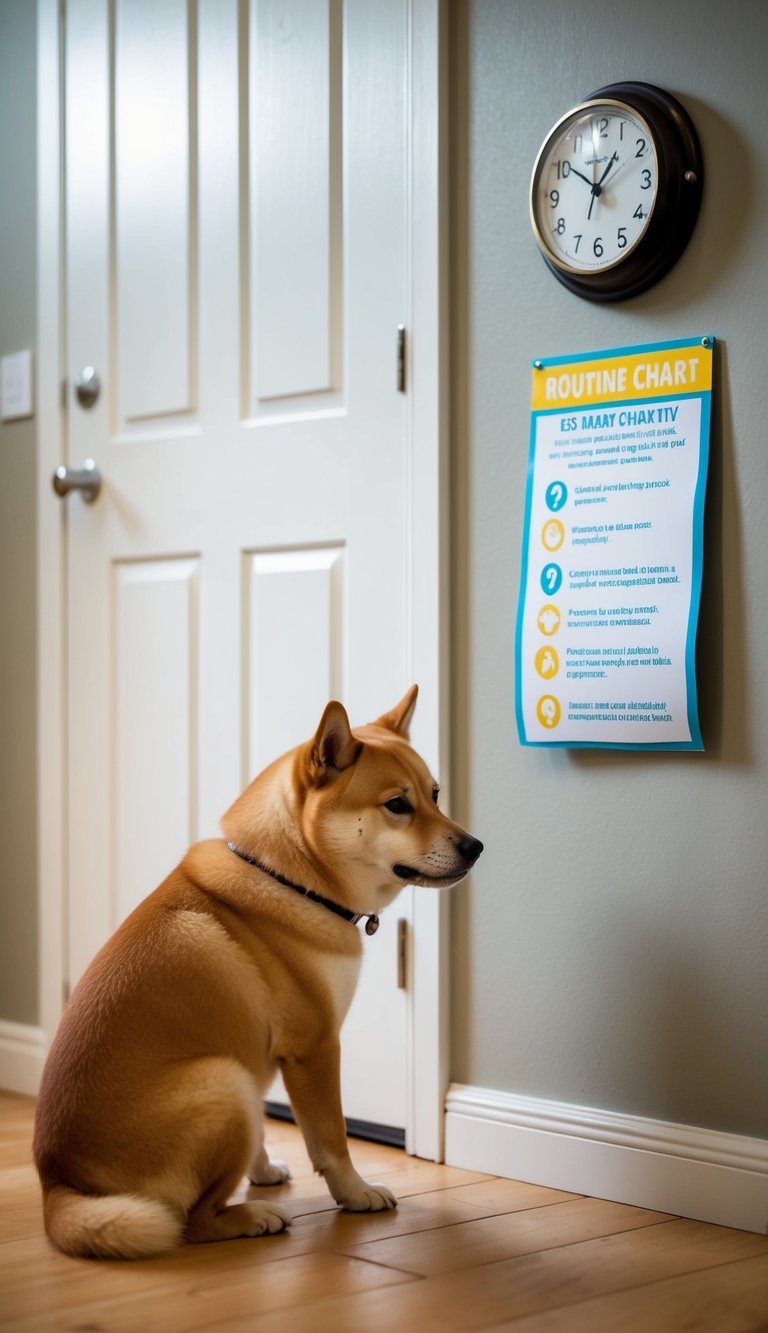
Having a consistent daily routine is key for helping a Shiba Inu with separation anxiety. A structured schedule provides predictability, which can make her feel safe and secure. Let’s explore how to create a routine that works for both the dog and the owner.
Importance of Consistency
Consistency helps a Shiba Inu know what to expect throughout the day. When she can anticipate meal times, walks, and playtime, it reduces anxiety. A regular schedule can ease her stress when it’s time for the owner to leave.
Tips for Consistency:
- Stick to a Daily Schedule: Try to maintain the same times for feeding, walking, and playing every day.
- Use Commands: Consistent commands help her understand what is expected, aiding in her learning process.
- Incorporate Training: Regular short training sessions can keep her mentally engaged and teach her valuable skills.
Morning and Evening Rituals
Morning and evening rituals create a comforting routine for your Shiba Inu. Starting and ending the day on a positive note can enhance her mood and reduce anxiety.
Morning Rituals:
- Early Walks: A morning walk helps to burn off energy and sets a positive tone for the day.
- Structured Feeding Time: Serving breakfast at the same time each day creates routine.
- Interactive Play: Engaging in playtime after breakfast can foster bonding and keep her happy.
Evening Rituals:
- Evening Walks: A calm evening stroll provides a chance for her to unwind.
- Calm Down Time: Consider quiet time with petting or gentle brushing before bed to promote relaxation.
- Consistent Bedtime: Setting a regular bedtime helps signal to her that it’s time to sleep, making her feel safe.
Long-term Strategies
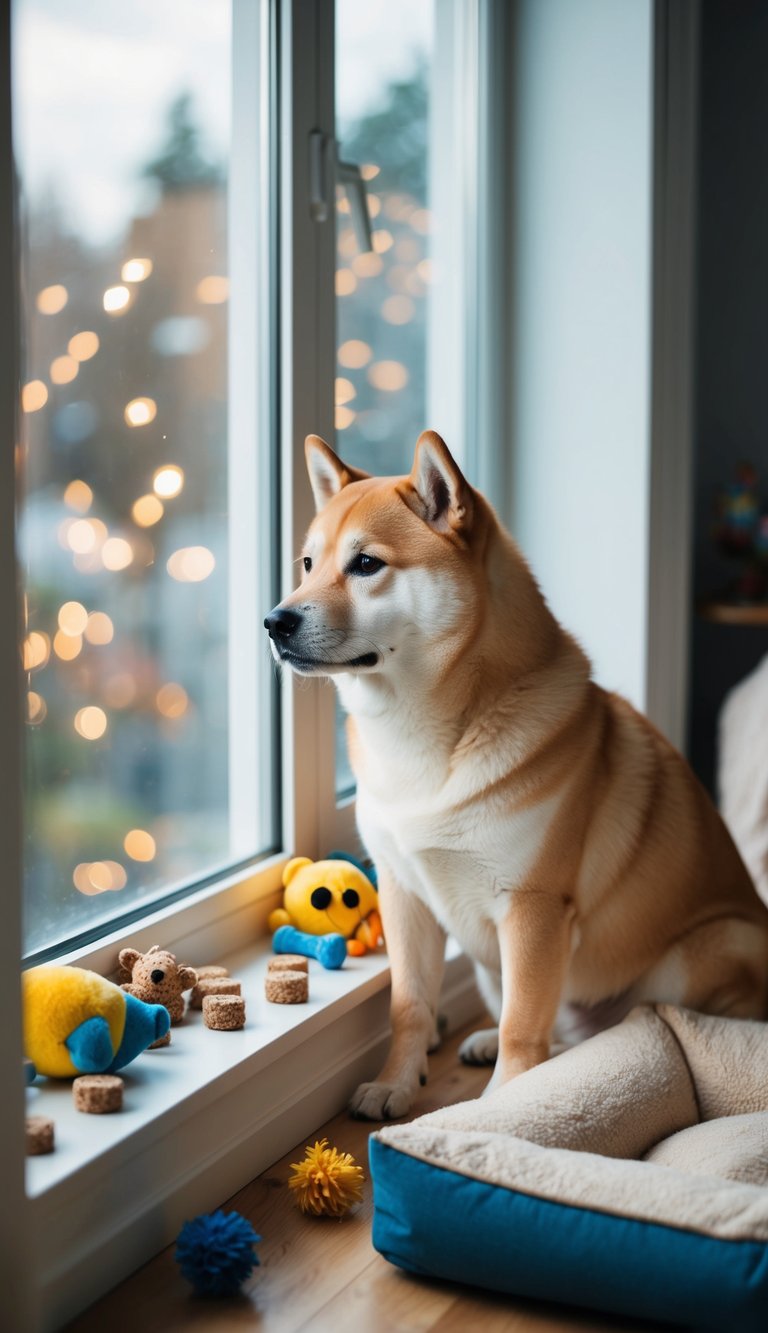
Managing Shiba Inu separation anxiety takes time and dedication. Using the right methods can lead to a happy and balanced dog.
Gradual Desensitization
Gradual desensitization involves slowly getting the Shiba Inu used to alone time. Start by leaving the dog alone for short periods. This can be just a few minutes at first.
Each time, gradually increase the duration. This way, the dog learns that being alone is okay. Make sure to reward her with treats and praise when she remains calm.
Create a comfortable space for the dog with toys or blankets. This helps her feel safe. You can also use puzzles or interactive toys to keep her busy while alone.
Professional Help
If separation anxiety is severe, seeking professional help can be very beneficial. A dog trainer or behaviorist can offer specific strategies tailored to the dog’s needs.
They may suggest a behavior modification plan. This can include special exercises and techniques to reduce anxiety. Group classes can also be effective, as they provide socialization and structure.
Using calming products, such as anxiety wraps or pheromone diffusers, can be recommended by professionals. They can help create a soothing environment.
Finding the right support is key to a successful outcome for both the owner and the dog.