Training a beagle can be a fun and rewarding experience. These dogs are known for their playful and curious nature, which makes training both a challenge and a joy. With the right tips and techniques, anyone can teach their beagle good behavior and commands.
In this article, readers will discover valuable advice on how to effectively train their beagle. From understanding their unique personality to using positive reinforcement, the tips provided will help owners build a strong bond with their furry friends while ensuring they learn essential skills.
1) Start with basic commands
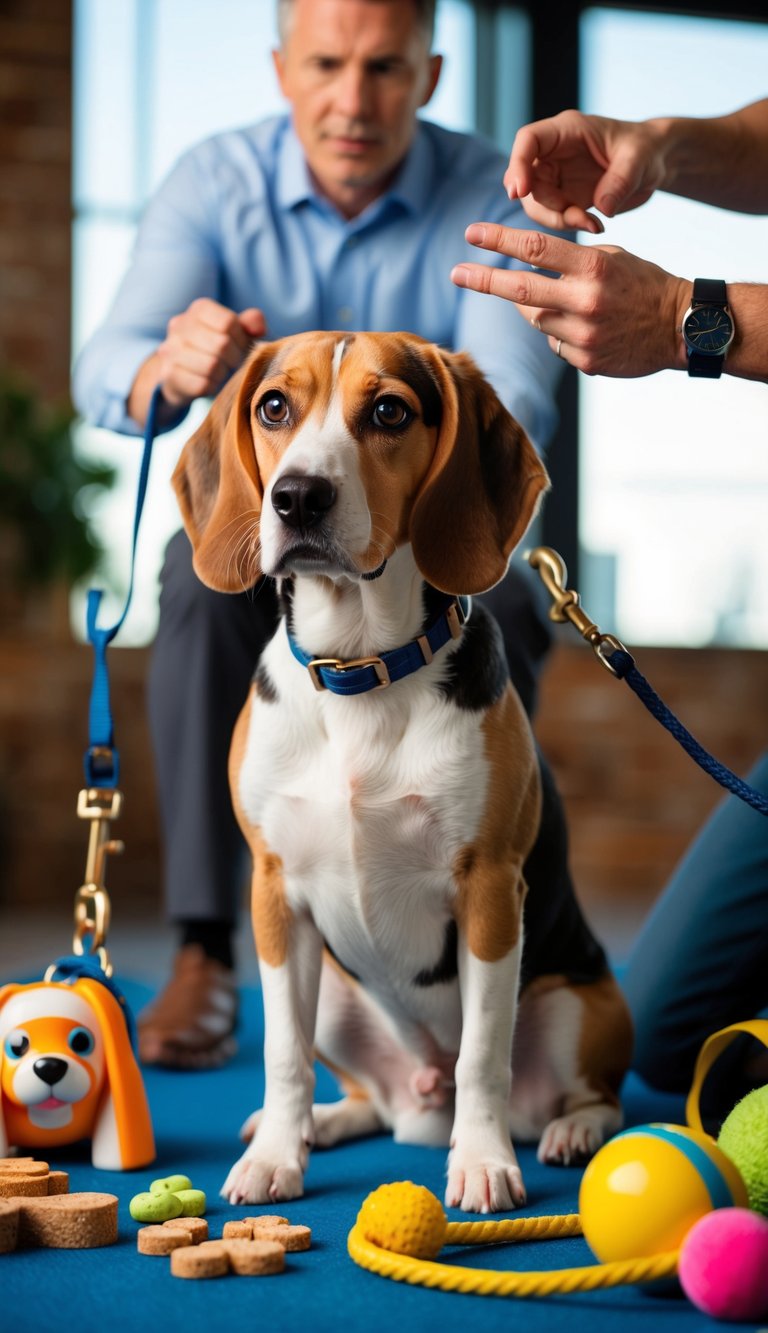
Starting with basic commands is a great way to train a beagle. It helps them learn quickly and builds a strong foundation for more advanced training.
Begin with simple commands like “sit,” “stay,” and “come.” These commands are easy for beagles to understand and follow. Use clear words and a happy tone to make learning fun.
Positive reinforcement is key. When the beagle follows a command, give praise or a small treat. This encourages good behavior and makes training enjoyable.
Keep training sessions short, around 5 to 10 minutes. Beagles have a short attention span, so it’s important to stay lively and engaging. Regular practice helps them remember commands better.
Always be patient. It might take some time for them to learn, but consistency is important. Celebrate small victories to keep the beagle motivated.
Starting with basic commands lays the groundwork for a well-trained beagle. It builds trust and communication between the dog and its owner. Happy training!
2) Use positive reinforcement

Using positive reinforcement is a great way to train a beagle. This method encourages good behavior by offering rewards like treats or praise. Beagles are motivated by food and love attention, so these rewards can work wonders.
When a beagle follows a command, it is important to reward them immediately. This shows the dog that they did something right. Positive reinforcement helps build a strong bond between the trainer and the dog.
Training sessions should be fun and upbeat. If a beagle feels happy, they are more likely to learn. Keeping training short and energetic helps maintain their interest.
Avoid punishing a beagle for mistakes. Instead, redirect them to the right behavior and reward them once they comply. This creates a positive learning environment.
With consistent positive reinforcement, beagles can learn commands quickly. They will feel more confident and eager to learn. This training method helps them become well-behaved companions.
3) Socialize your Beagle early
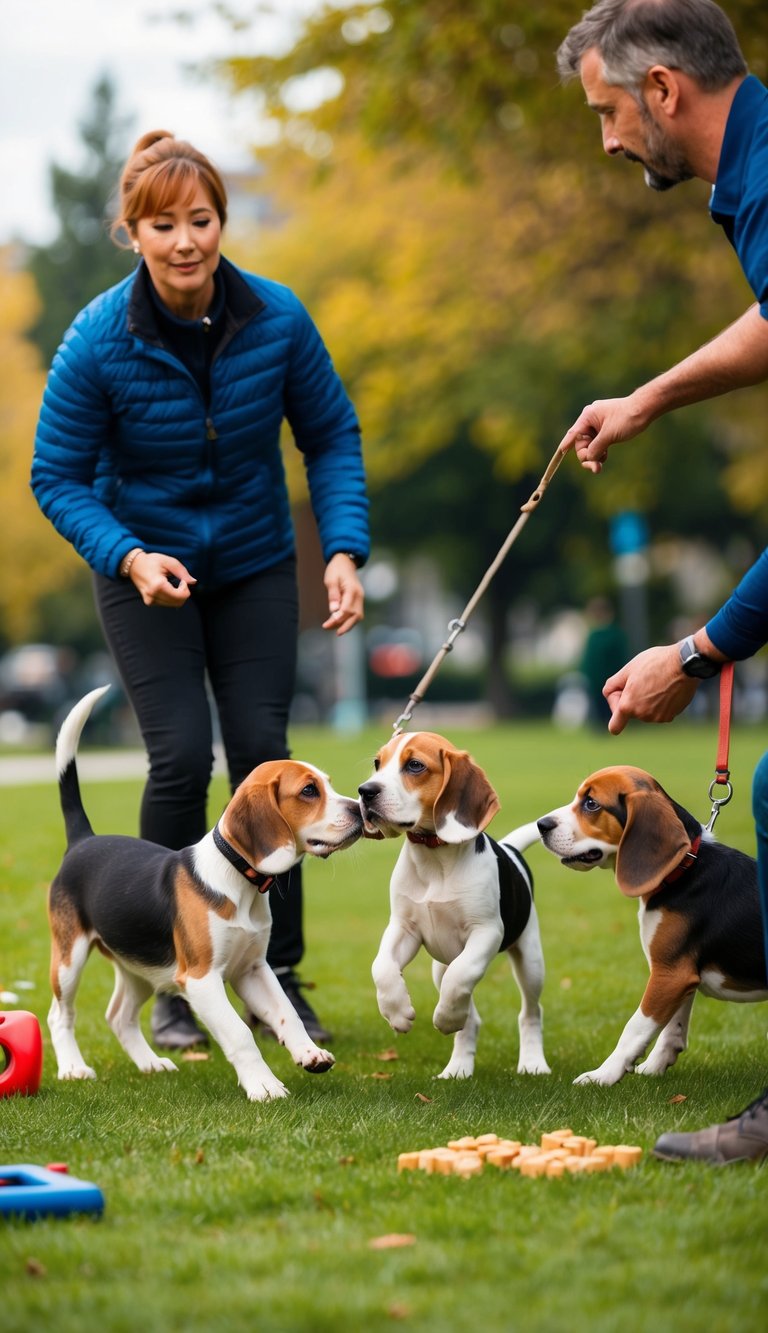
Socializing a Beagle early is vital for a happy and well-adjusted dog. Beagles are curious and social animals. They thrive when they meet new people and other pets.
Start the socialization process as soon as possible. Taking your Beagle to parks or busy streets will help them get used to different sights and sounds. Positive experiences build their confidence.
Introduce your Beagle to various people, including kids and adults. Encourage gentle interactions and playtime. This helps them learn how to behave around others.
Enrolling in a puppy class can also be beneficial. These classes provide a safe space for dogs to play and learn. Beagles can benefit from structured activities and new friends.
Remember, patience is key. Some Beagles might be shy at first. With time and encouragement, they will become more comfortable.
Socializing your Beagle sets a strong foundation for their behavior. A well-socialized dog tends to be happier and more relaxed. Training and social experiences go hand in hand in creating a great companion.
4) Provide plenty of exercise
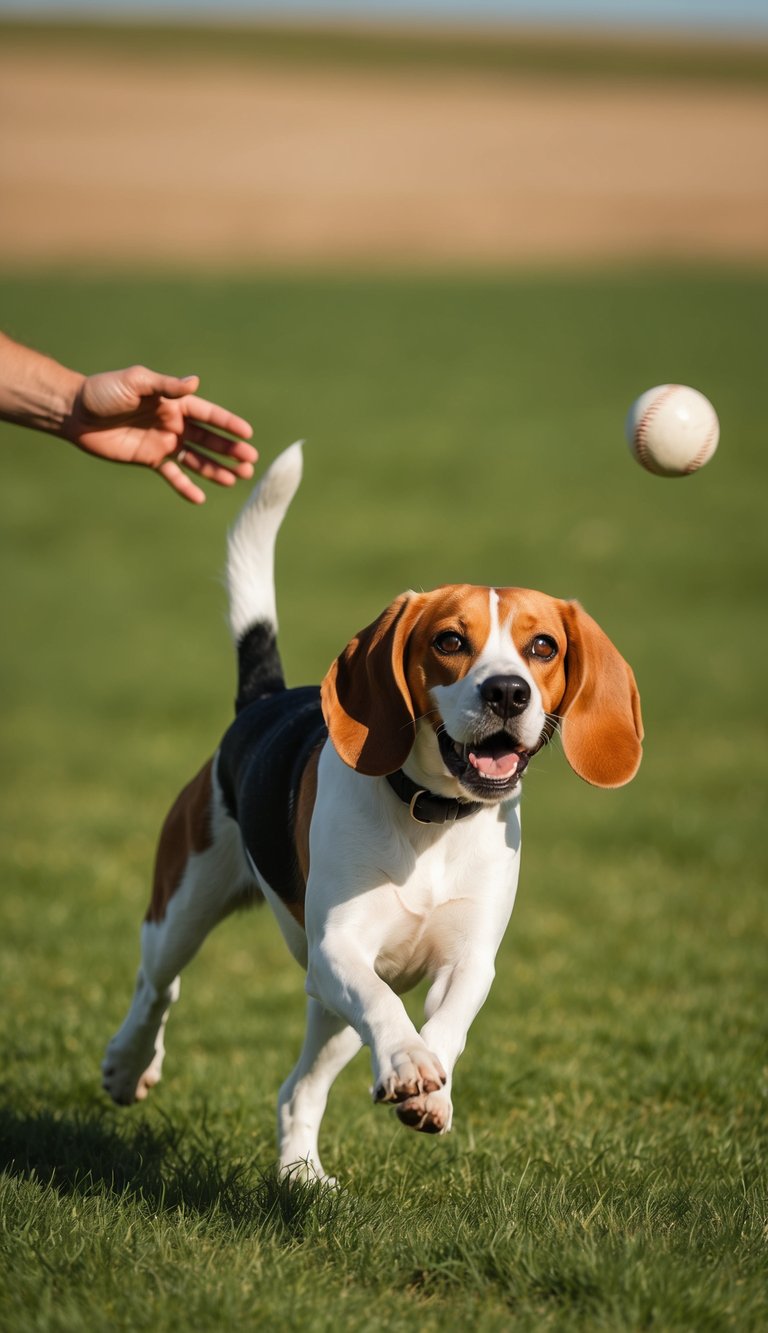
Beagles are energetic dogs. They need a lot of exercise to stay happy and healthy. Regular activity helps them use up their energy. This makes them less likely to get bored and destructive.
Taking a beagle for a walk is a great start. Daily walks help keep their bodies fit and their minds active. A walk can be both fun and relaxing for both the dog and the owner.
Playing fetch is another exciting option. Beagles love running after balls or toys. It helps improve their agility and keeps them engaged.
Interactive playtime in the yard is also important. They enjoy exploring and sniffing around. This satisfies their natural curiosity.
Consider hiking or visiting a dog park. These places offer new sights and smells. They allow beagles to socialize and burn off extra energy.
Make sure exercise is a regular part of the beagle’s day. This will lead to a well-balanced and happy pet. Plus, it strengthens the bond between the dog and owner.
5) Consistent training schedule
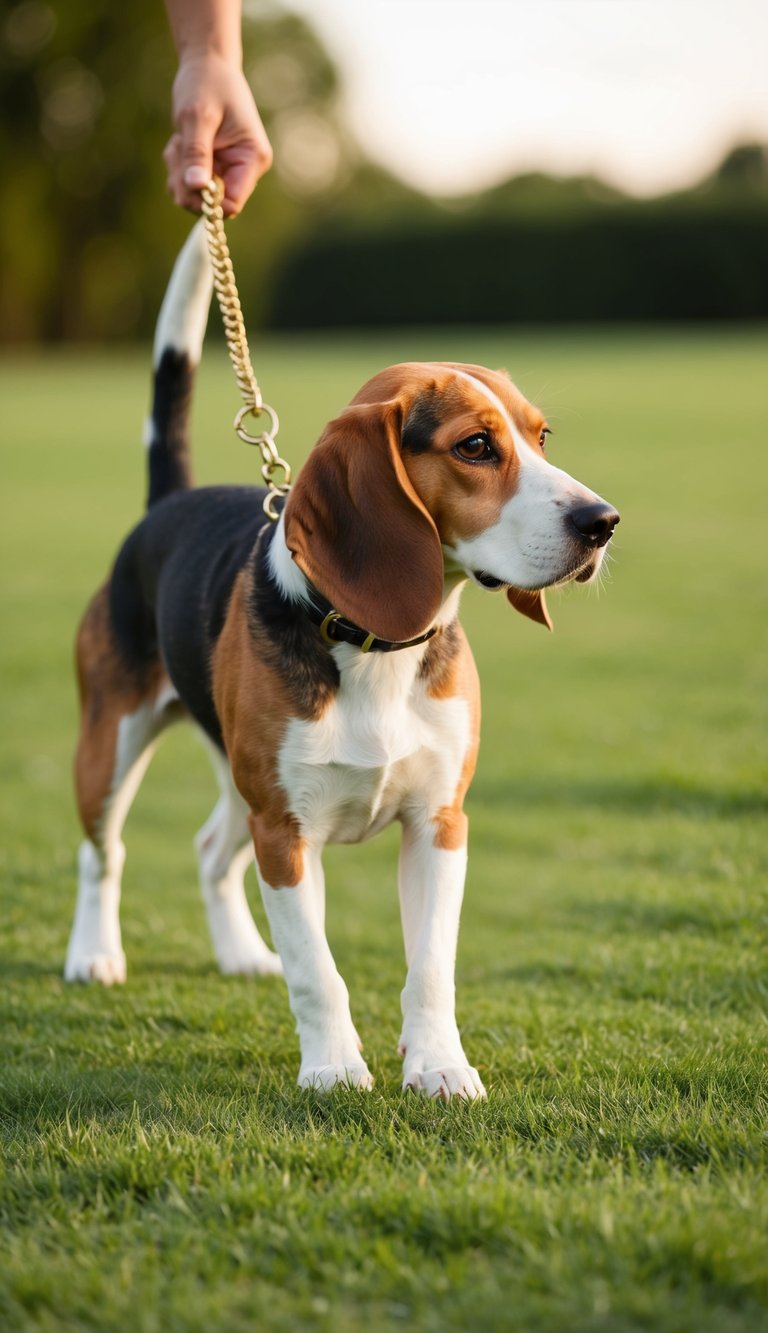
Having a consistent training schedule is key for Beagle owners. Beagles thrive on routine, and knowing when training will happen helps them focus.
Setting specific times each day for training will make sessions more effective. It’s not just about teaching; it’s also about bonding with the dog.
Short, daily sessions work best. They can hold attention longer when training is fun and engaging. Aim for 10 to 15 minutes each day.
With regular practice, Beagles will remember commands better. Consistency helps them learn faster and feel more secure.
Set clear goals for each session. This gives a sense of purpose. Beagles respond well to daily challenges.
Finally, keep it positive! Reward good behavior with treats and affection. This strengthens the bond between the Beagle and its owner.
Stick to the schedule, and watch as your Beagle grows smarter and more confident!
6) Use puzzle toys for mental stimulation
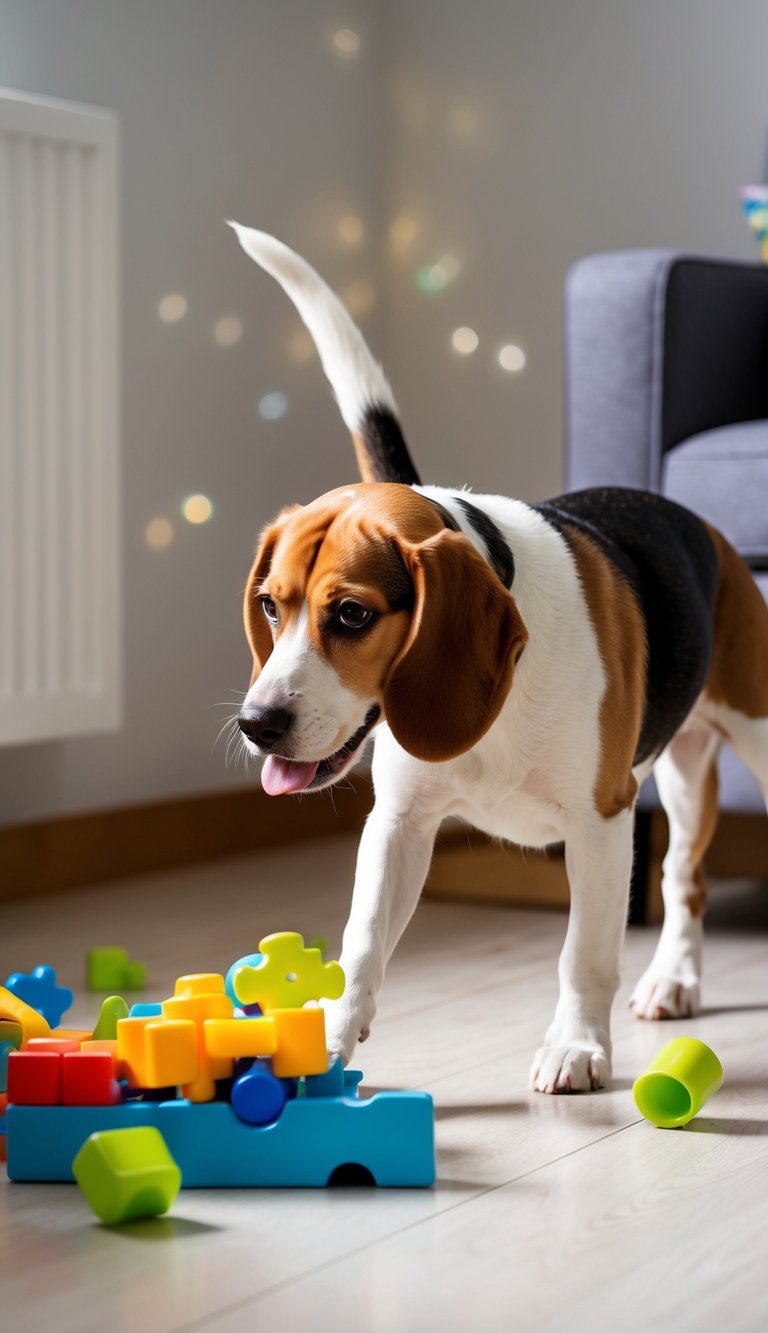
Puzzle toys are a great way to keep a beagle’s mind active! These toys challenge them to think and problem-solve.
Beagles love to explore and figure things out. Puzzle toys can stimulate their natural curiosity. Many puzzle toys have hidden treats inside. This encourages beagles to work for their rewards.
Using different types of puzzle toys can keep things fresh. Rotating toys often can prevent boredom. This can help keep their focus sharp and their spirits high.
Mental stimulation is just as important as physical exercise for a beagle. Engaging their minds can lead to a happier and healthier dog. Beagles that are mentally active tend to exhibit better behavior.
Investing in some puzzle toys can be a fun way to train and bond with a beagle. It’s exciting to see them learn and grow!
7) Enroll in training classes
Training classes can be a fantastic way for a beagle to learn new skills. They offer a fun environment with other dogs and people. This helps the dog socialize and gain confidence.
In a class, a professional trainer guides the owner and dog. The owner learns techniques to teach their beagle basic commands and manners. Simple commands like sit, stay, and come can become easier to master.
Classes also provide structure and routine. Beagles thrive on consistency. Regular training sessions keep them engaged and focused.
Meeting other dog owners can be helpful too. Sharing experiences and tips can make training more enjoyable. It’s a great way for owners to connect and support each other.
Most importantly, training classes create a bond between the owner and their beagle. Working together encourages teamwork and trust. Both the owner and beagle can celebrate successes together, making training a fun journey.
8) Practice recall commands
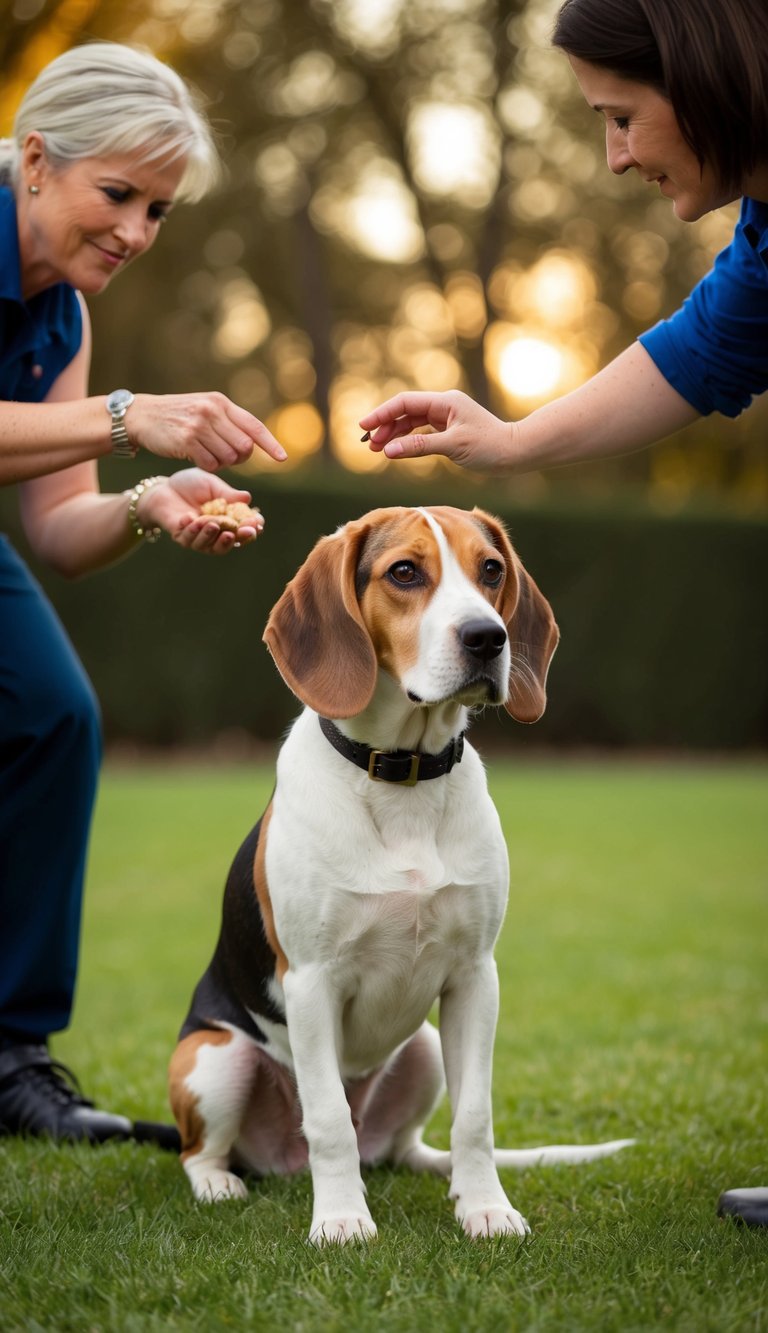
Teaching a Beagle to come when called is important and can be fun! Beagles are known for their strong noses and wanderlust. Using recall commands helps keep them safe.
Start in a quiet place with few distractions. Use a happy tone and call your Beagle’s name followed by “come!” When they come to you, praise them and give a treat. This reinforces the behavior.
It’s helpful to practice regularly. Gradually increase the distance between you and your Beagle. Start close, then move further away. This builds confidence and reinforces the command.
If your Beagle doesn’t come right away, don’t get upset. Sometimes the scent or something else catches their attention. Repeat the command and reward them when they respond.
As they improve, try practicing in different areas. Parks or backyards can be great places. This helps your Beagle learn to respond no matter where they are.
Remember to be patient and consistent. With time, your Beagle will become a pro at recall commands!
9) Avoid harsh punishments
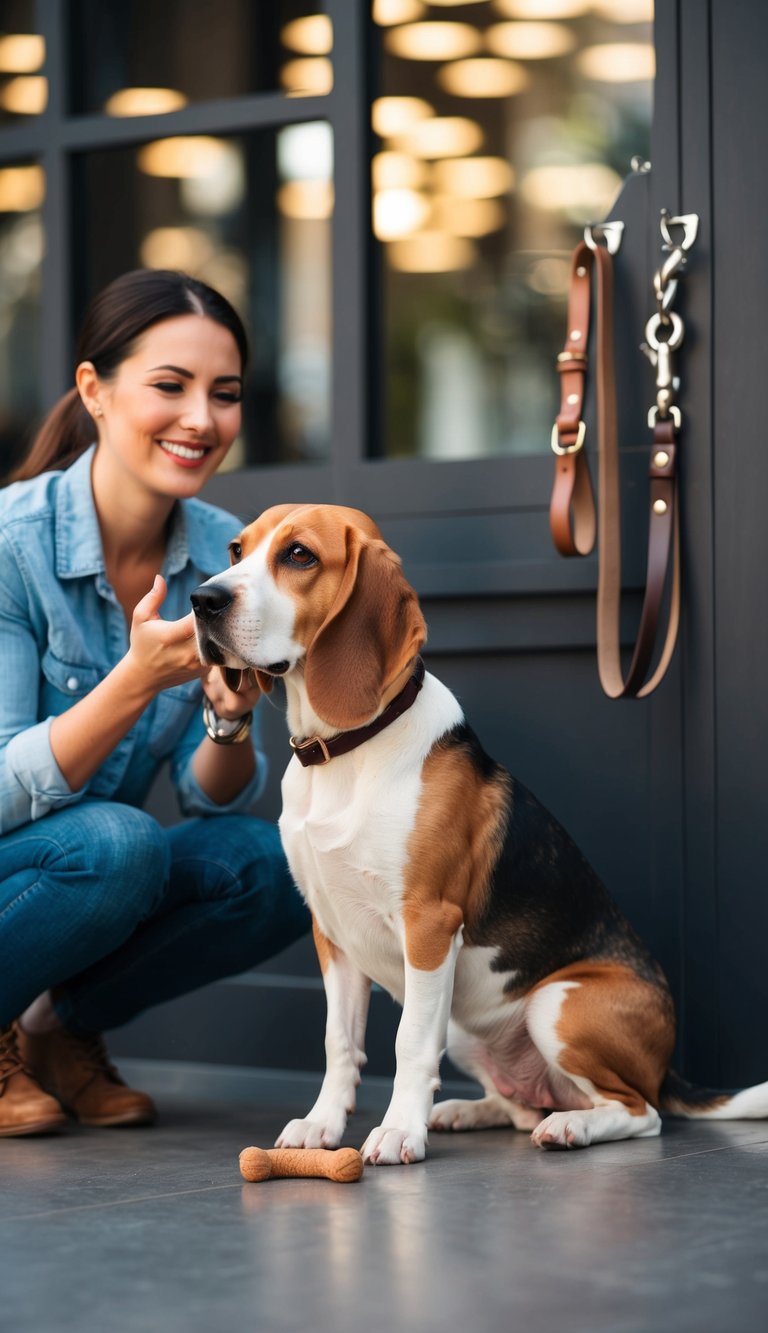
Beagles are smart and sensitive. Using harsh punishments can harm their trust in their owner. Instead of making training a fun experience, it can lead to fear and stress.
Positive reinforcement works much better. This means giving treats or praise when they do something right. It helps them learn faster and feel happier.
If a beagle does something wrong, it’s best to stay calm. Ignoring bad behavior instead of yelling can help them learn what is expected. They learn through positive actions, not through fear.
A happy beagle is a trainable beagle. Keeping training sessions positive makes them more willing to listen and learn. With kindness and patience, training can turn into a fun bonding experience for both the owner and the dog.
10) Use Treats Wisely
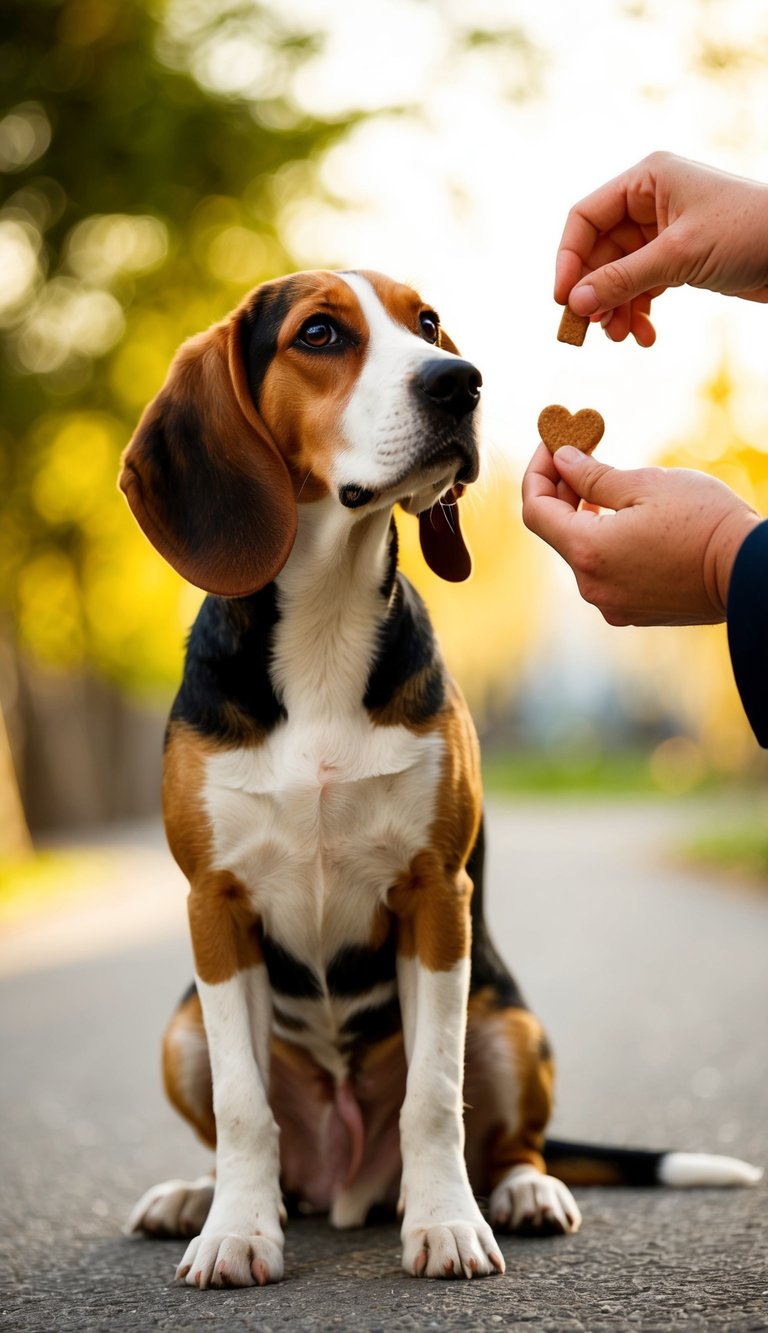
Using treats is a great way to motivate a beagle during training. Beagles love food, so treats can grab their attention fast!
Choosing the right treat matters. Small, soft treats are best because they are easy to chew and quick to eat. This keeps training sessions moving smoothly.
Timing is key! Give the treat right after the beagle follows a command. This helps the dog connect the behavior with the reward.
Don’t overdo it with treats. Too many can lead to weight gain. Instead, mix in praise and play as rewards. This keeps the training fun while reducing fat.
Try different treats to find what excites the beagle most. Each dog has their favorites! It can be a small piece of chicken or a special dog treat.
Using treats wisely can make training more effective. It turns learning into a fun game, keeping the beagle interested and engaged.
11) Practice crate training
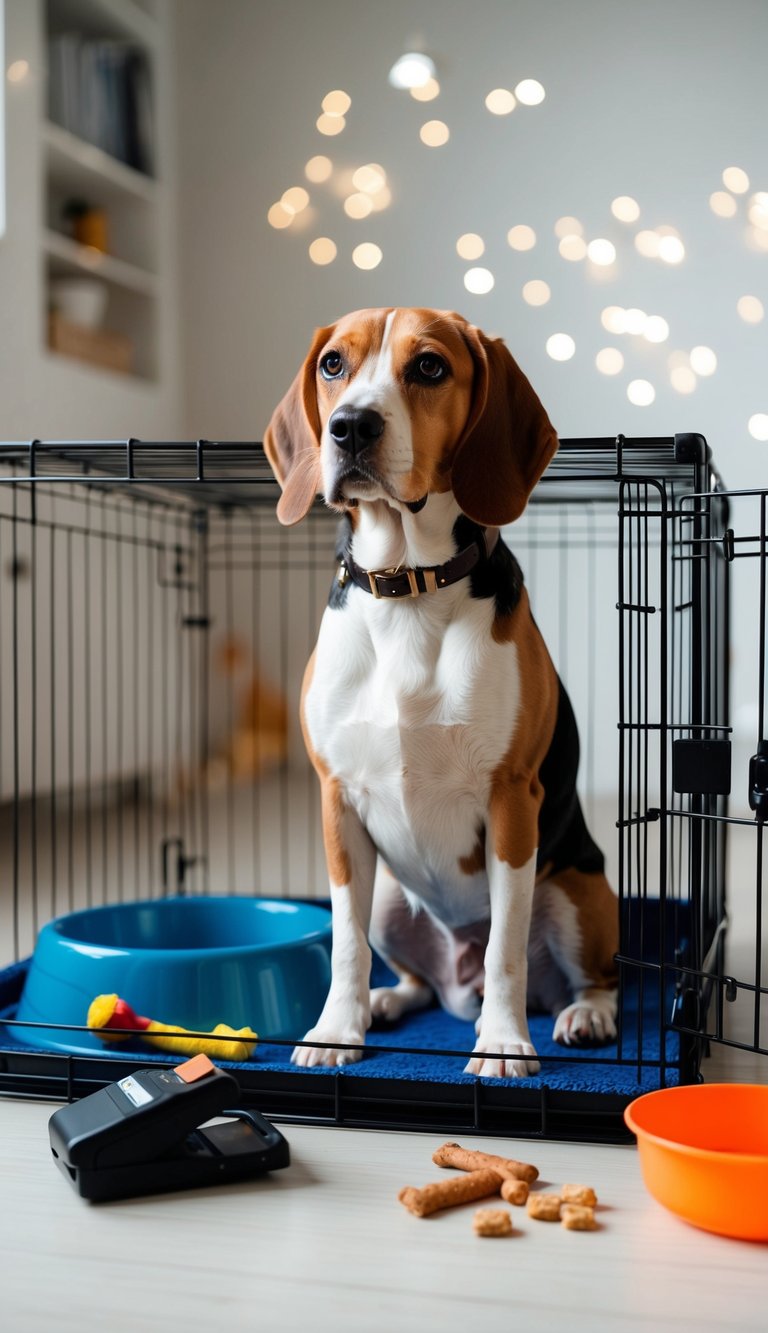
Crate training can be a fun experience for a Beagle. A crate gives them a safe space to relax and feel secure. It can help in house training too.
Start by choosing the right crate size. It should be big enough for the Beagle to stand up and turn around, but not too big. This way, they won’t want to use one side as a bathroom.
Introduce the crate slowly. Leave the door open and put some toys or treats inside. Let the Beagle explore at their own pace.
When they go inside, praise them and offer a reward. This builds a positive association with the crate.
Gradually close the door for short periods while they are inside. Stay nearby to reassure them.
As they get comfortable, increase the time the door stays closed. Practice this every day, turning it into a routine.
Soon, the crate will be a place the Beagle loves. They will see it as their special spot. Crate training can make life easier for both the Beagle and their owner.
Understanding Beagle Traits
Beagles have unique characteristics that make them special. Knowing these traits helps owners train and bond better with their pets. Here are some key features of their temperament and behavior.
Beagle Temperament
Beagles are known for their friendly and outgoing nature. They are usually very good with families and other pets. Their playful attitude makes them fun companions.
They are curious dogs, often wanting to explore their surroundings. This can lead to a stubborn streak. Training requires patience and consistency, as they may not always follow commands right away.
Beagles thrive on social interaction. They do not like being alone for long periods, which can lead to separation anxiety. Owners should provide plenty of attention and playtime to keep their beagle happy.
Typical Beagle Behaviors
Beagles have some typical behaviors that are important to understand. They are known for their strong sense of smell. This leads many beagles to follow scents, sometimes ignoring commands.
They are also vocal dogs. Beagles often bark, howl, or whine to communicate their needs. This trait makes them good watchdogs but can also be a challenge for owners living in apartments.
Playtime is essential for beagles. They enjoy chasing and playing games like fetch. Regular exercise will help keep them healthy and happy. Owners should encourage these activities to satisfy their energetic nature.
Training Basics for Beagles
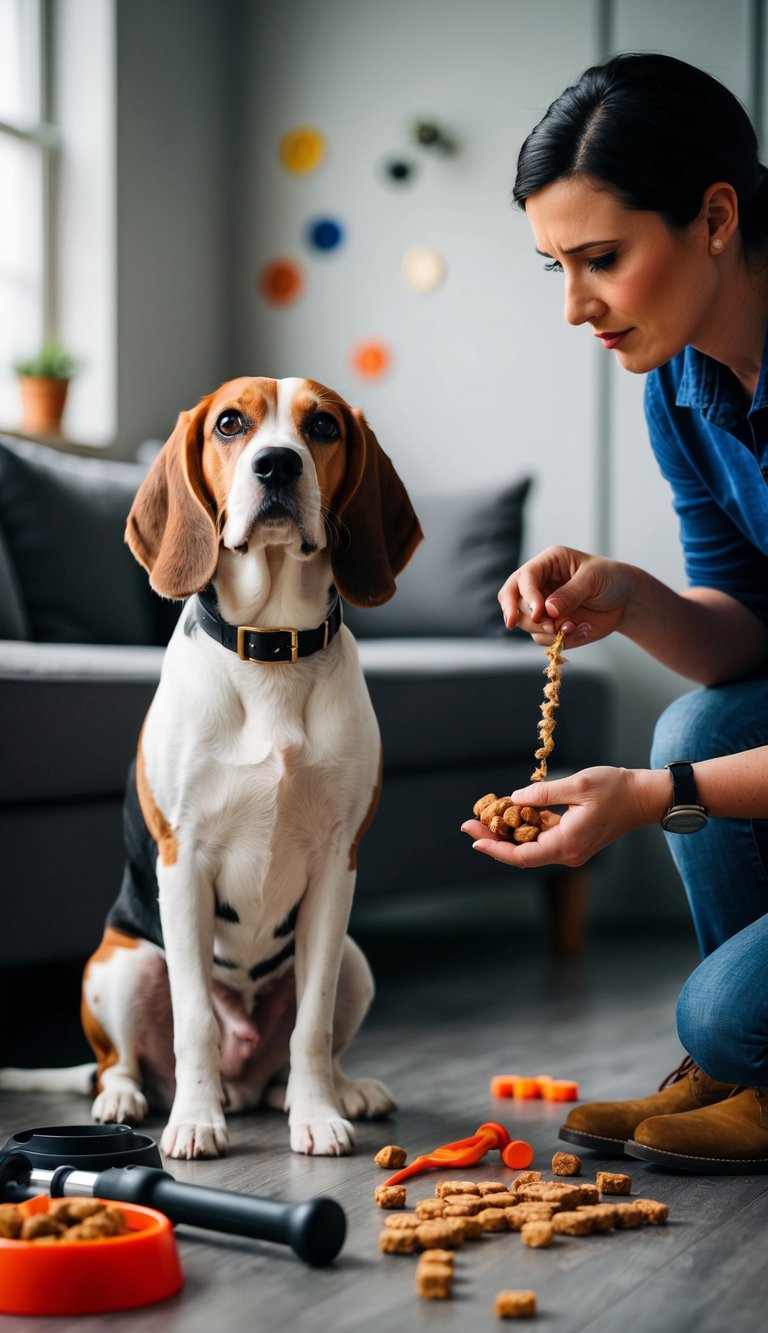
Training a Beagle can be fun and rewarding. It’s important to lay a strong foundation with basic commands and keep a consistent approach. This helps them learn better and builds a strong bond between the owner and the dog.
Start with Basic Commands
Teaching basic commands is the first step in training a Beagle. Starting with commands like “sit,” “stay,” and “come” is essential. These commands keep the dog safe and make obedience training easier.
Use treats as rewards to encourage good behavior. For example:
- Sit: Hold a treat above the dog’s nose and move it back over their head. As they sit to reach the treat, say “sit” and give them the treat.
- Stay: Have the dog sit, then open your hand in front of them and say “stay.” Take a few steps back, and if they stay in place, reward them.
Repeat these practices often. Keep sessions short, around 5-10 minutes, to hold their attention.
Consistency is Key
Beagles thrive on consistency in training. It’s important to use the same words for commands each time. This helps dogs understand what is expected.
Make sure everyone in the household uses the same commands and rewards. This prevents confusion for the dog.
When training, it’s helpful to:
- Have a routine: Train at the same time each day.
- Stay calm and patient: Dogs pick up on emotions. If frustration arises, take a break and try again later.
Using a mix of positive reinforcement and consistent commands will make training effective and fun for both the Beagle and its owner.
Advanced Training Techniques
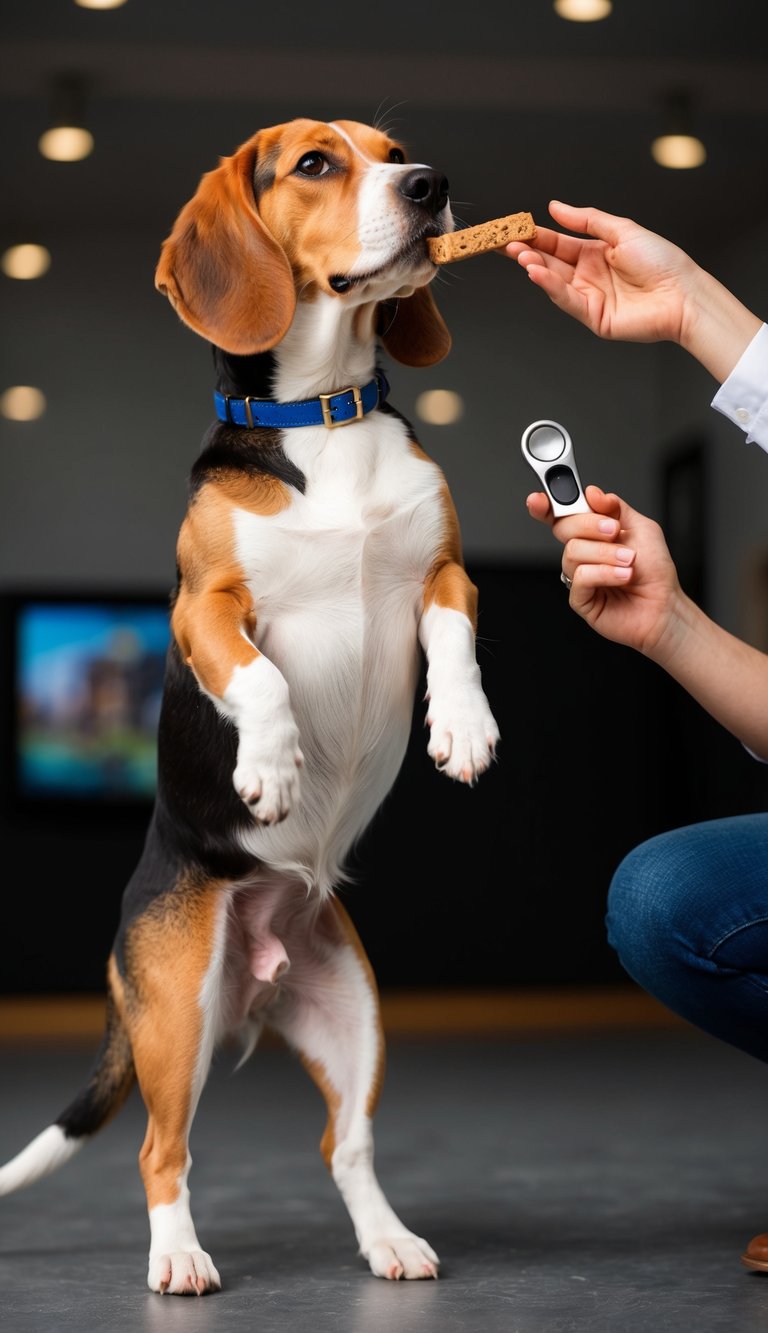
Using advanced training techniques can take a beagle’s skills to the next level. With the right strategies, training can be fun and effective for both the dog and the owner.
Positive Reinforcement Strategies
Positive reinforcement is all about rewarding good behavior. This method makes the dog want to repeat those positive actions. For example, every time a beagle sits on command, it should receive a treat or praise.
Key Tips:
- Use small treats that are easy to chew.
- Keep a happy tone while praising.
- Be consistent with cues and rewards.
When beagles make mistakes, it’s best not to punish them. Instead, redirect their energy and encourage them to try again. This builds trust and keeps training sessions enjoyable.
Agility Training
Agility training helps beagles become more active and focused. This type of training involves teaching dogs to navigate obstacle courses. It can include jumps, tunnels, and weave poles.
Key Elements:
- Start with simple obstacles and gradually increase difficulty.
- Use treats or toys to guide the beagle through the course.
- Keep training sessions short and fun.
Choosing agility training can also improve a beagle’s physical health. Regular exercise from these activities helps to reduce obesity and promotes better behavior at home. Plus, it’s a great way for owners and their dogs to bond!