Training a Cockapoo can be a fun and rewarding experience. These lively and intelligent dogs thrive when they are engaged in learning new skills and commands. With the right approach, anyone can effectively train their Cockapoo and strengthen their bond with this playful companion.
Cockapoos are known for their friendly nature and eagerness to please. This makes them ideal pets for families and individuals alike. The right training tips can make a significant difference in developing good behavior and building a happy, well-adjusted dog.
1) Start with Basic Commands

Starting with basic commands is a fun way to train a Cockapoo! These dogs can learn quickly, and simple commands are a great foundation.
Begin with commands like “sit,” “stay,” and “come.” These are essential for good behavior. Using clear and friendly tones helps the dog understand better.
Keep training sessions short, around 5 to 10 minutes. This helps keep the Cockapoo’s attention. Break up the training into small, enjoyable parts.
Using treats as rewards can make learning exciting. When the dog performs a command correctly, give them a treat and plenty of praise. This will encourage them to keep trying.
Consistency is key! Practice these basic commands daily. The more they are practiced, the better the Cockapoo will learn. Before long, the dog will enjoy responding to commands and showing off their skills!
Use Positive Reinforcement
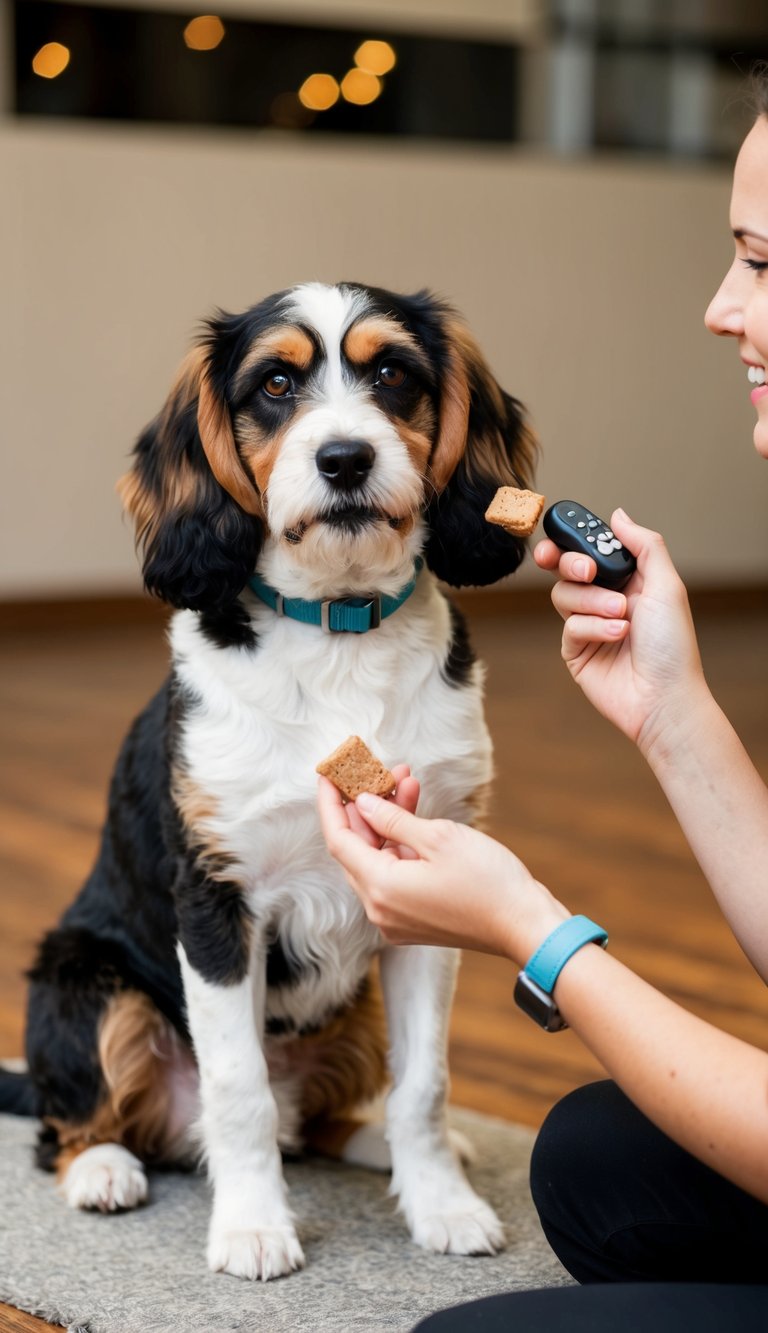
Training a Cockapoo can be a fun experience! Using positive reinforcement is one of the best ways to teach them new commands.
This method encourages good behavior by rewarding the dog. Rewards can include treats, praise, or playtime. When a Cockapoo does something right, they get a happy reaction. This helps them learn quickly.
Consistency is key. Owners should use the same commands each time. This helps the dog understand what is expected. Mixing up words can confuse them.
Timing matters too! Rewards should come right after the desired action. This helps the dog connect the behavior with the reward.
It is important to keep training sessions short and exciting. Cockapoos have lots of energy. Short bursts of training keep them engaged and eager to learn.
Mistakes are part of training. Instead of scolding, owners should redirect the dog’s attention. This helps build trust and encourages the dog to try again.
Using positive reinforcement builds a strong bond. Calm and happy training sessions can make a Cockapoo excited to learn more!
Introduce Socialization Early
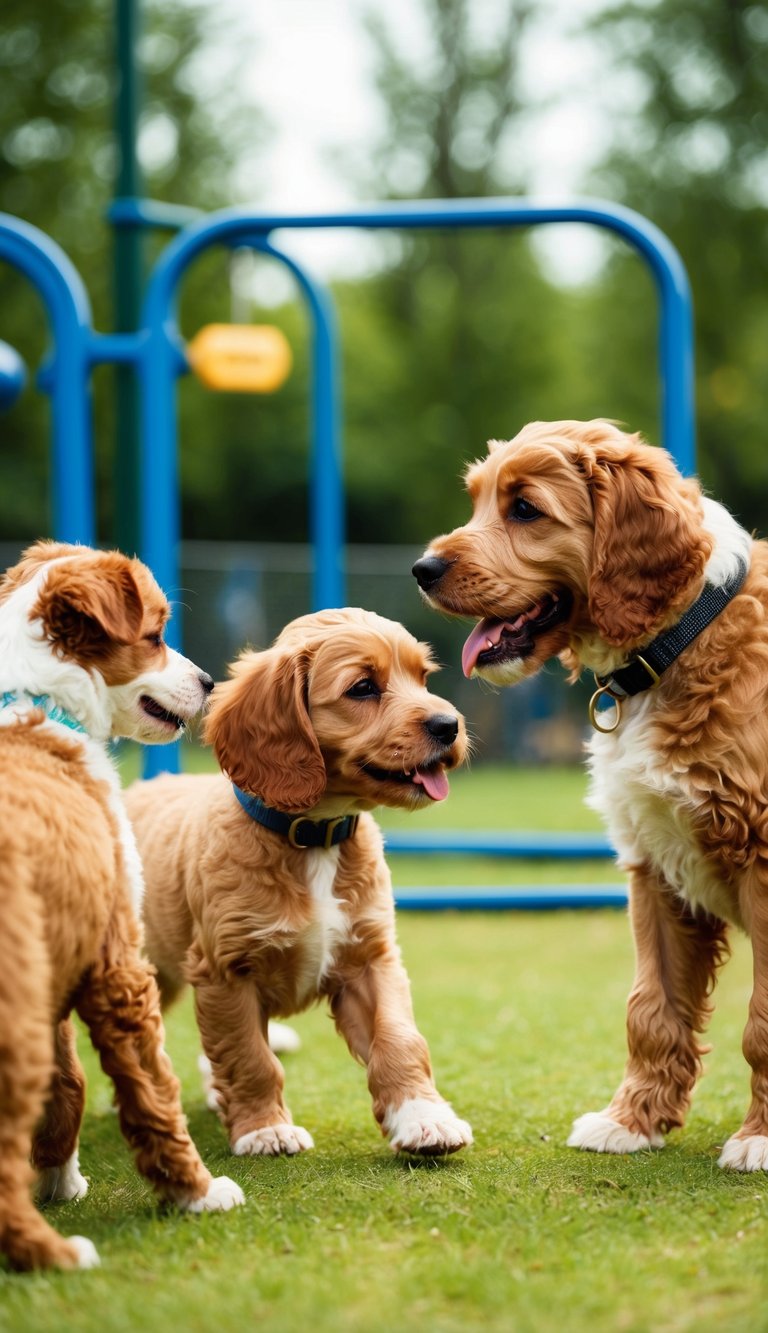
Socialization is key for a happy, well-adjusted Cockapoo. Starting early helps them grow into friendly and confident dogs. It’s best to begin socializing from a young age, ideally before six months.
Take the Cockapoo out to different places. Parks, pet stores, and busy streets are great spots for new experiences. Meeting other dogs and people can make them more comfortable and less anxious.
Exposing them to various sounds, sights, and smells is important. This can include things like cars, loud noises, and different types of people. The more they experience, the better they will handle new situations.
Enroll in puppy classes too. This allows the Cockapoo to meet other dogs in a controlled environment. Positive interaction with other dogs helps build confidence and good behavior.
Remember to keep the experiences positive. Use treats and praise to create happy memories. A well-socialized Cockapoo will enjoy a more carefree life. Socialization sets the stage for a happy and loving pet.
4) Establish a Routine
Creating a routine is key for training a Cockapoo. Dogs thrive on consistency and knowing what to expect each day.
Start with set times for feeding, walks, and playtime. This helps the dog feel secure and understand when it’s time to learn. Regular schedules make training easier.
Training sessions should also be included in the routine. Short, focused sessions work best. Aim for 5-10 minutes a few times a day.
Use positive reinforcement during these sessions. Praise and treats will make learning fun and rewarding for the Cockapoo.
Stick to the same commands and cues each time. This helps the dog learn faster. With a solid routine, training will become a part of daily life.
A well-established routine builds trust. The Cockapoo will feel more comfortable and eager to follow commands. Consistency is the secret to success!
5) Invest in Puzzle Toys
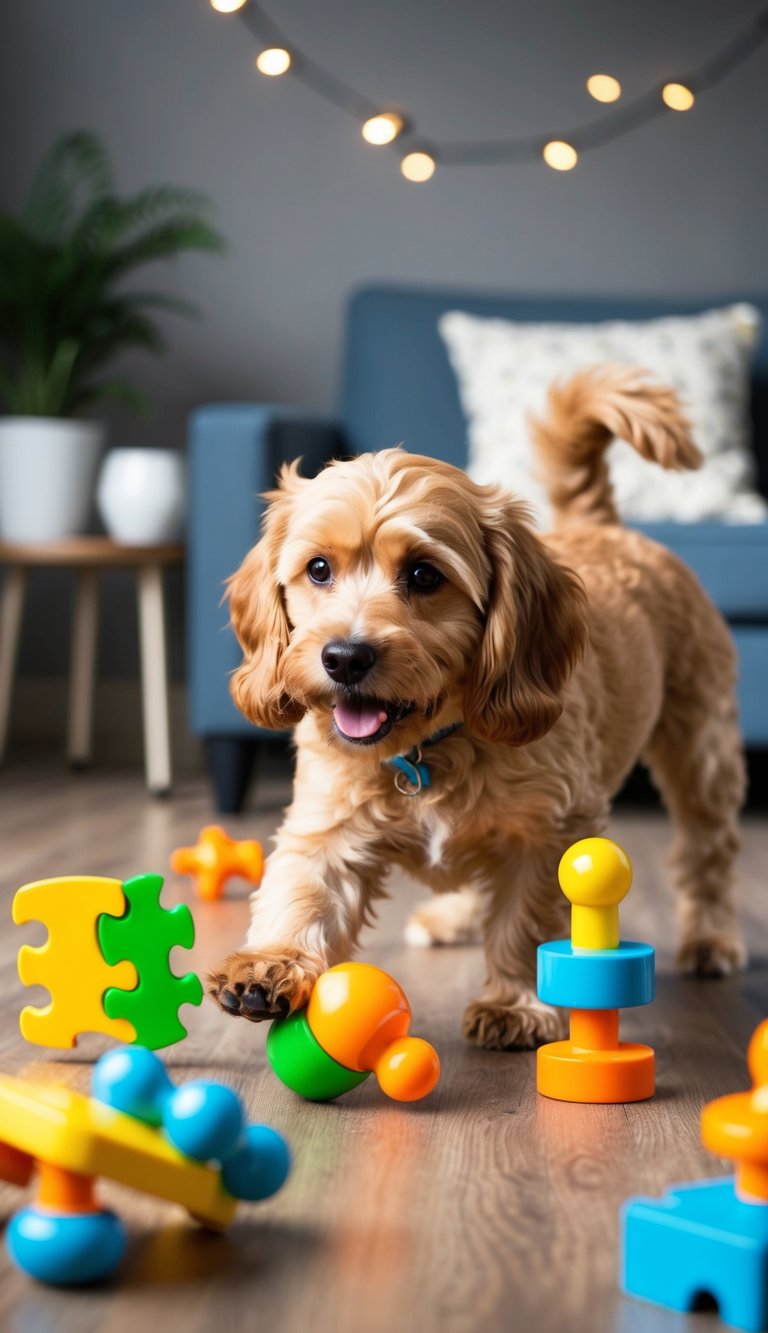
Puzzle toys can be a game changer for training a Cockapoo. These toys challenge the dog’s mind while keeping them entertained. They provide a fun way to learn and play at the same time.
When a Cockapoo uses a puzzle toy, it must figure out how to get a treat. This keeps their brain active and helps improve problem-solving skills. It also prevents boredom.
Cockapoos are known to be smart dogs. They benefit from toys that make them think. Puzzle toys can help reduce unwanted behaviors by giving them something positive to focus on.
Many types of puzzle toys are available. Some require the dog to push, slide, or flip pieces to uncover treats. Others may involve lifting lids or rotating parts. These options keep training sessions fresh and exciting.
Adding puzzle toys to training routines is easy. They can be used during downtime or as a reward for good behavior. Investing in these toys can lead to a happier, better-trained Cockapoo.
6) Teach Leash Training
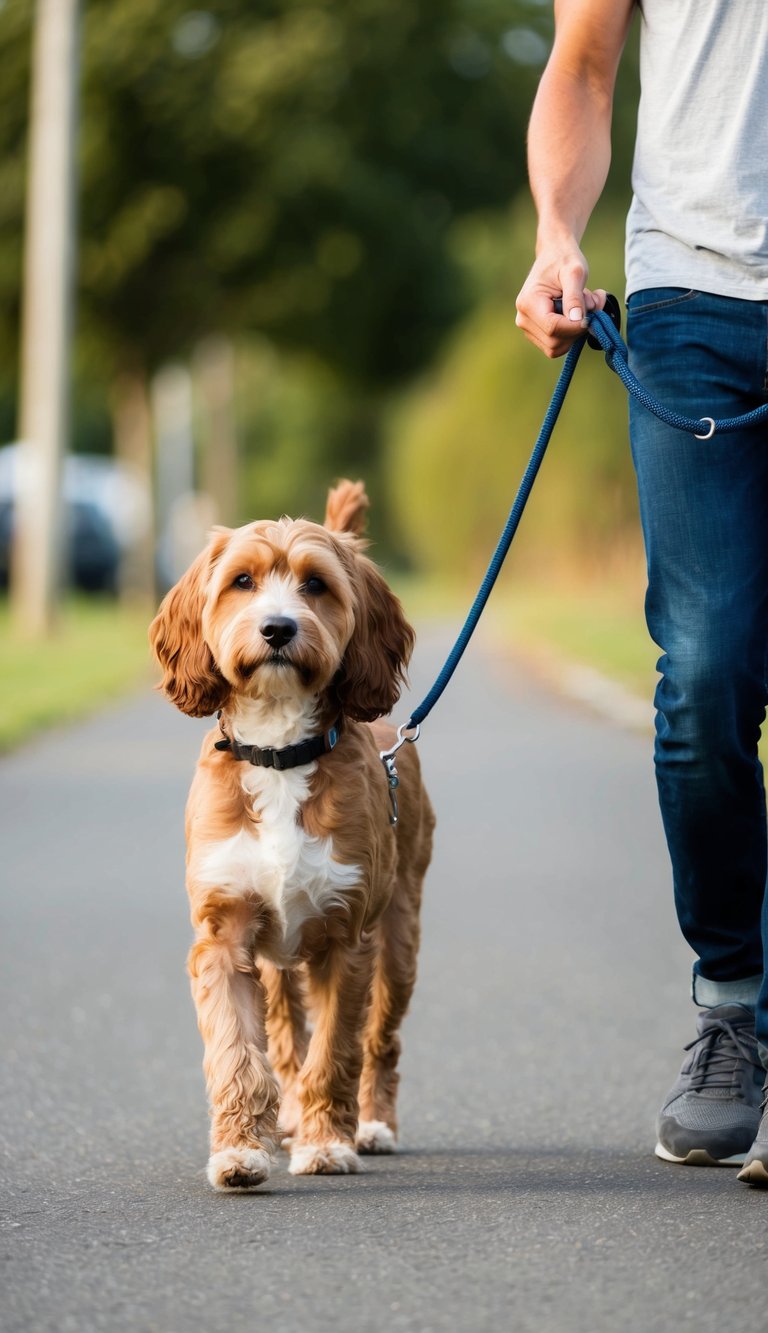
Leash training is an important skill for a Cockapoo. It helps them learn to walk nicely beside their owner. This can make walks enjoyable for both.
Start with a comfortable collar or harness. Make sure it fits well, so the dog feels secure. Use a short leash, about four to six feet long, to keep control.
Begin training in a quiet area without many distractions. This can help the Cockapoo focus. Encourage them to walk beside you with treats and praise.
When the dog pulls, stop walking. Wait until they come back to your side. This teaches them that pulling doesn’t get them where they want to go.
Practice regularly. Short, positive sessions work best. Cockapoos thrive on praise and will respond well to consistency.
Gradually introduce more distractions as the dog improves. This helps them learn to focus in different environments. With patience and practice, leash training can be a fun experience for both the dog and the owner!
7) Practice Crate Training
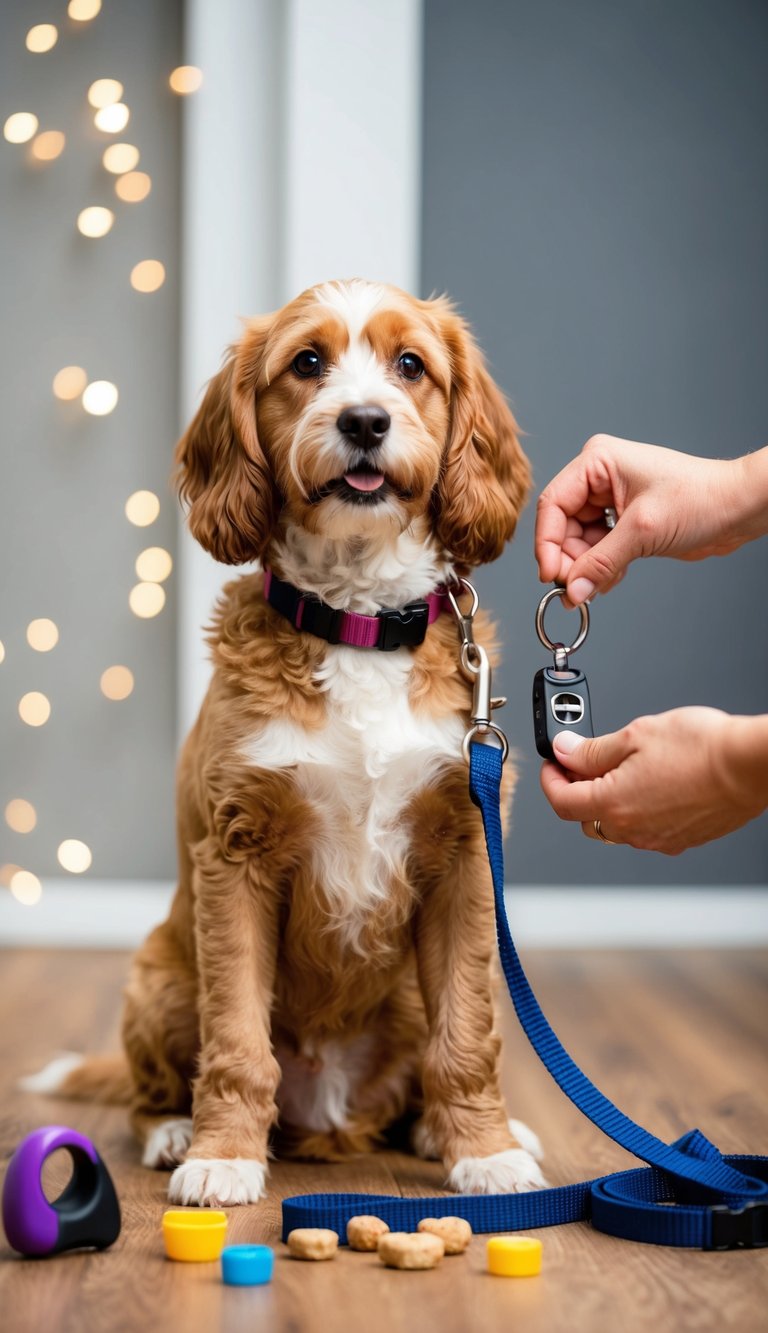
Crate training is a smart way to help a Cockapoo feel secure. A crate can be a cozy space for them to relax.
Start by choosing the right crate. It should be big enough for the dog to stand, turn, and lie down. A snug crate makes them feel safe.
Introduce the crate slowly. Leave the door open and place soft bedding inside. She can explore at her own pace. Use treats to make it inviting.
Once they are comfortable, start closing the door for short periods. Stay nearby to reassure them. Gradually increase the time as they get used to it.
Crate training helps with potty training too. Dogs usually don’t want to soil their space. This way, they learn to hold it until they are let outside.
Always make the crate a positive place. Never use it for punishment. With patience and positive reinforcement, a Cockapoo will learn to love their crate!
8) Gradually Disentangle Separation Anxiety
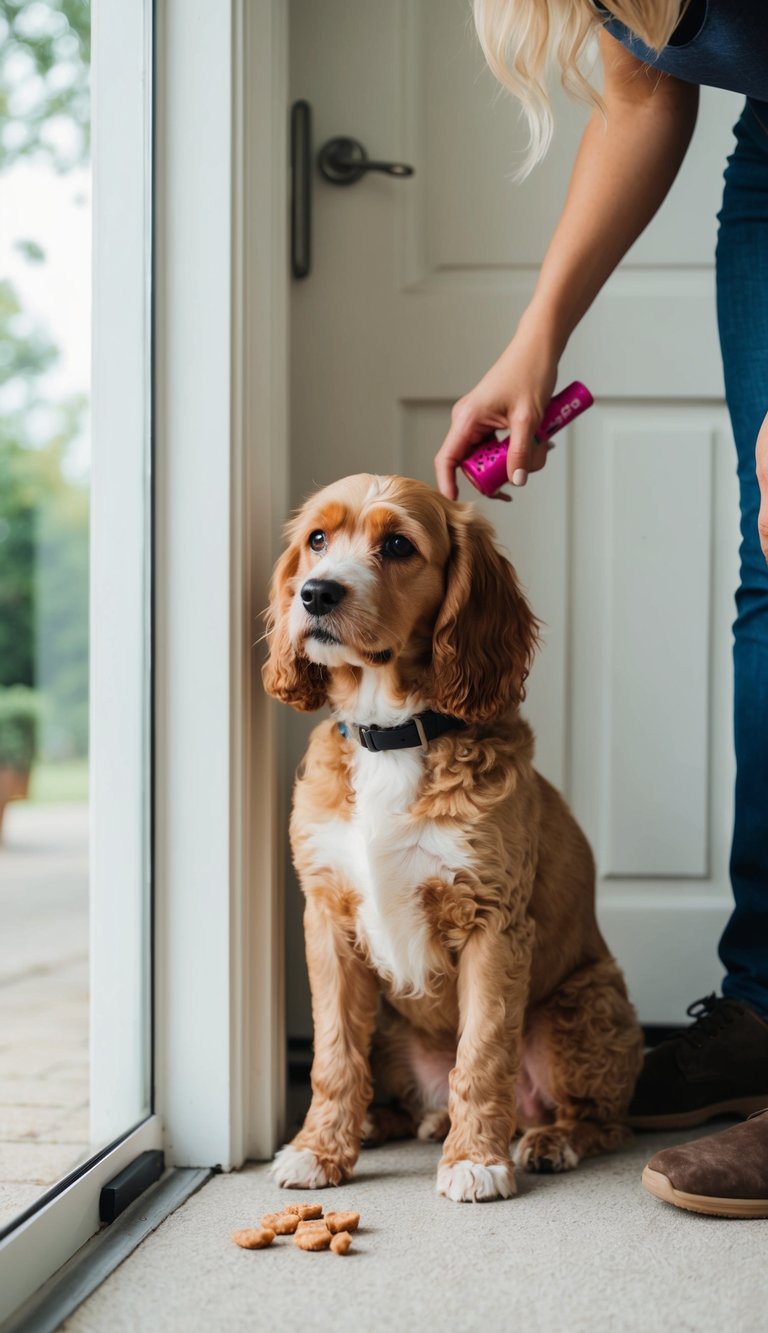
Many Cockapoos can feel anxious when left alone. This is common and can be managed with patience and care.
Start by leaving the dog alone for short periods. For example, step out of the room for just a few minutes. Gradually increase the time away as the dog becomes more comfortable.
Provide fun toys or puzzles to keep the dog busy. Engaging toys can distract them and reduce anxiety while alone.
Create a safe space with their favorite blanket or bed. This helps the Cockapoo feel secure when left alone.
Using calming music or a ticking clock can also provide comfort. These sounds can make the environment feel less lonely.
Practice leaving and returning in a calm manner. Avoid long goodbyes, as this can heighten their anxiety.
With consistency, the Cockapoo will learn that being alone is okay. This process takes time but leads to a happier, more relaxed pup.
9) Focus on Housebreaking

Housebreaking a Cockapoo is important. It helps them learn where to go to the bathroom. With patience and consistency, this process can be successful.
Start by creating a schedule. Take the dog outside at the same times every day. These times could be after meals, naps, and playtime. It helps them understand when to expect a bathroom break.
Use a specific spot outside. Let the dog know this is the place to go. Praise them when they do their business outside. Positive reinforcement makes them happy and encourages good behavior.
Accidents can happen, so stay calm. If a Cockapoo has an accident inside, clean it up without scolding. They learn better with kindness.
Also, consider using a crate. A crate helps them learn to hold their bladder. It is important to make the crate a safe and comfortable space.
With these steps, housebreaking can be a fun and rewarding experience for both the Cockapoo and the owner!
10) Incorporate Play Sessions
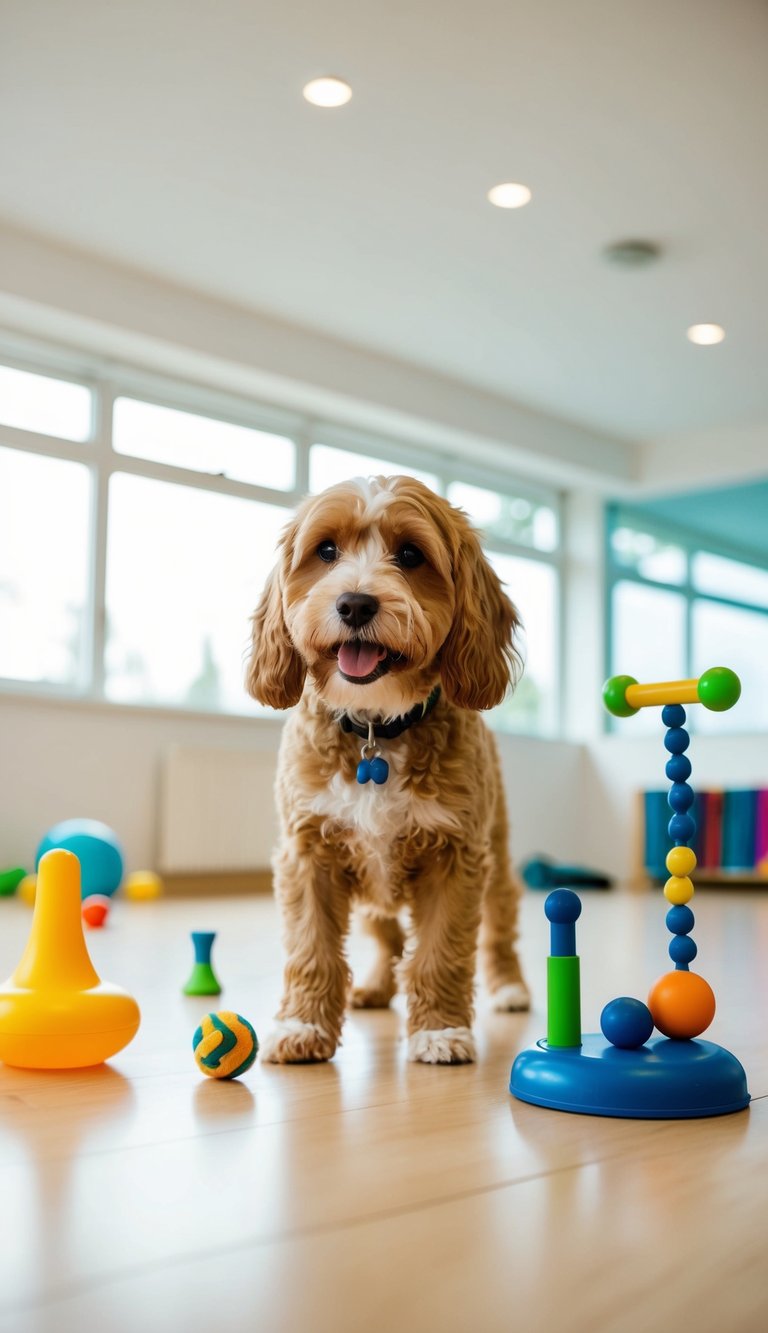
Incorporating play sessions into training can make learning fun for a Cockapoo. These dogs love to play, and using this energy helps reinforce training.
Short play breaks can help keep their interest. Toys like balls or tug ropes are great to use. The excitement of play encourages them to focus on commands.
Mixing in games like hide and seek makes training more engaging. This not only builds a bond but also teaches them to listen better. They learn to respond quickly when they are having fun.
Always keep sessions positive. Praise and treats during play enhance their eagerness to learn. Keeping the mood light makes training feel less like work.
Regular playtime also benefits their health. It keeps them active and reduces excess energy. A tired Cockapoo is often a more focused student.
So, when planning training, remember to include plenty of play! It’s a win-win for both the owner and their furry friend.
11) Utilize Clicker Training
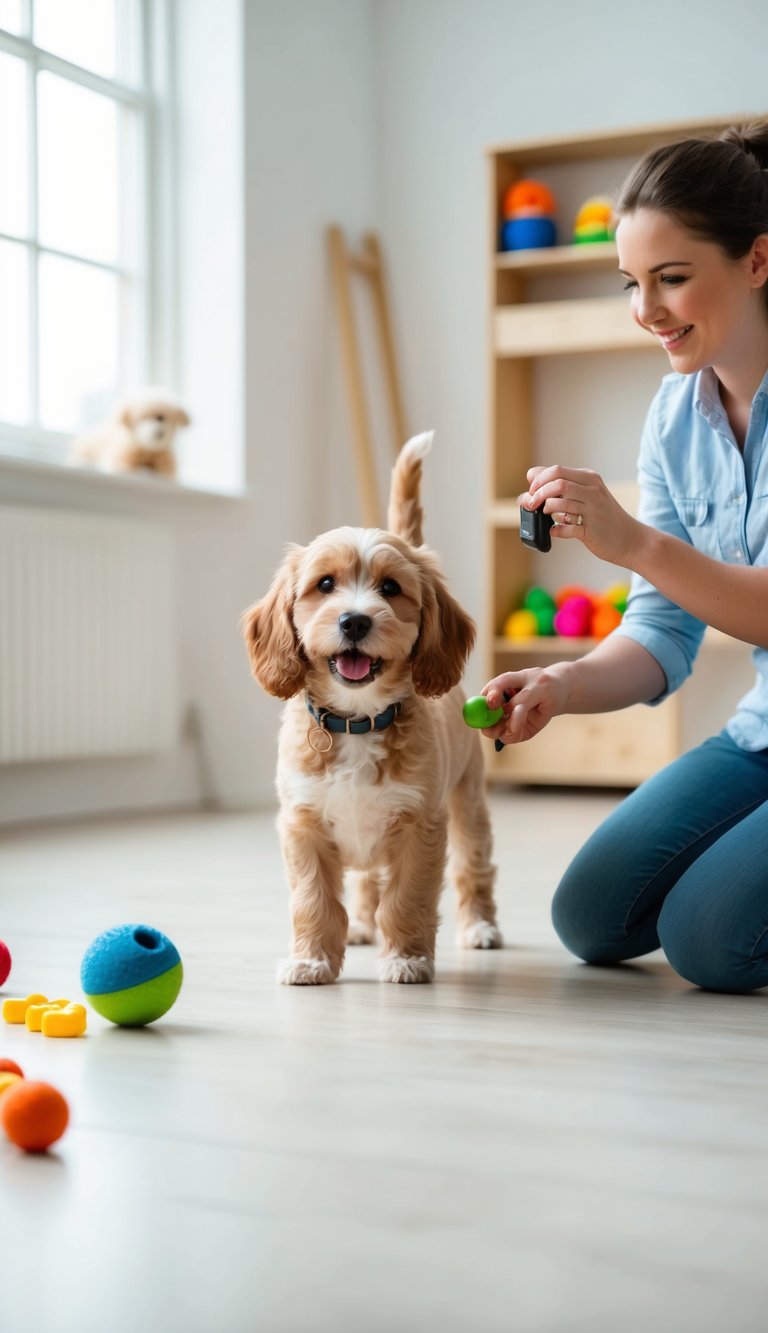
Clicker training is a fun and effective way to teach a Cockapoo new skills. It uses a small device that makes a clicking sound to mark the right behavior. When the dog hears the click, they know they did something great!
To start, the owner should choose a behavior to train, like sitting or staying. When the dog performs the action, the owner clicks the clicker and gives a treat right away. This helps the dog connect the sound with a positive action.
Consistency is key! Practicing in short sessions daily helps reinforce learning. Cockapoos respond well to positive reinforcement, making clicker training a great choice.
Using clicker training can also build a strong bond between the dog and owner. The dog looks forward to training time, making it a fun experience for both. Plus, it encourages a happy attitude towards learning.
So grab that clicker and get started! Clicker training can make training sessions exciting and successful for your Cockapoo!
Understanding Cockapoos
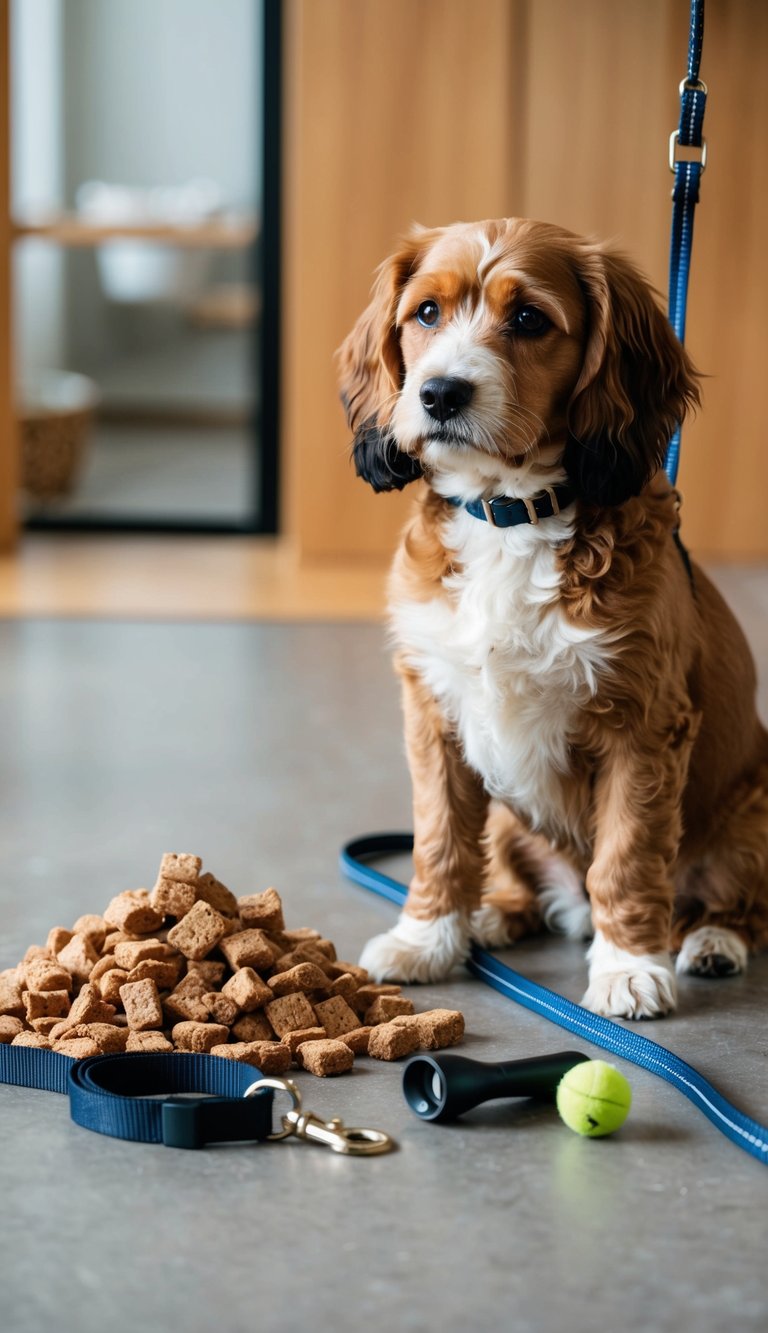
Cockapoos are a lively and smart breed. They combine the best traits of both Cocker Spaniels and Poodles. Knowing their temperament and behavior can help in training them effectively.
Cockapoo Temperament
Cockapoos are known for being friendly and affectionate. They love to be around people and get along well with children and other pets. This breed seeks attention and thrives on companionship.
They are also intelligent and eager to please. This makes them relatively easy to train, as they quickly pick up commands. However, they can be a bit stubborn at times, requiring patience during training sessions.
Lastly, they have playful energy. Daily exercise and mental stimulation are important to keep them happy and healthy.
Common Behavioral Traits
Cockapoos show various behavioral traits that are important to recognize. They often exhibit a strong desire to engage with their owners. This loyalty means they may follow their humans around the house.
They can also be vocal. Barking is common, especially if they see or hear new things. It’s important to teach them when barking is appropriate.
Additionally, they may have separation anxiety. Cockapoos dislike being left alone for long periods. Training them to feel comfortable alone can reduce this issue.
In summary, Cockapoos are interactive, playful, and loving dogs who thrive on companionship. Understanding their temperament and behaviors can make training a fun adventure!
Essential Training Techniques
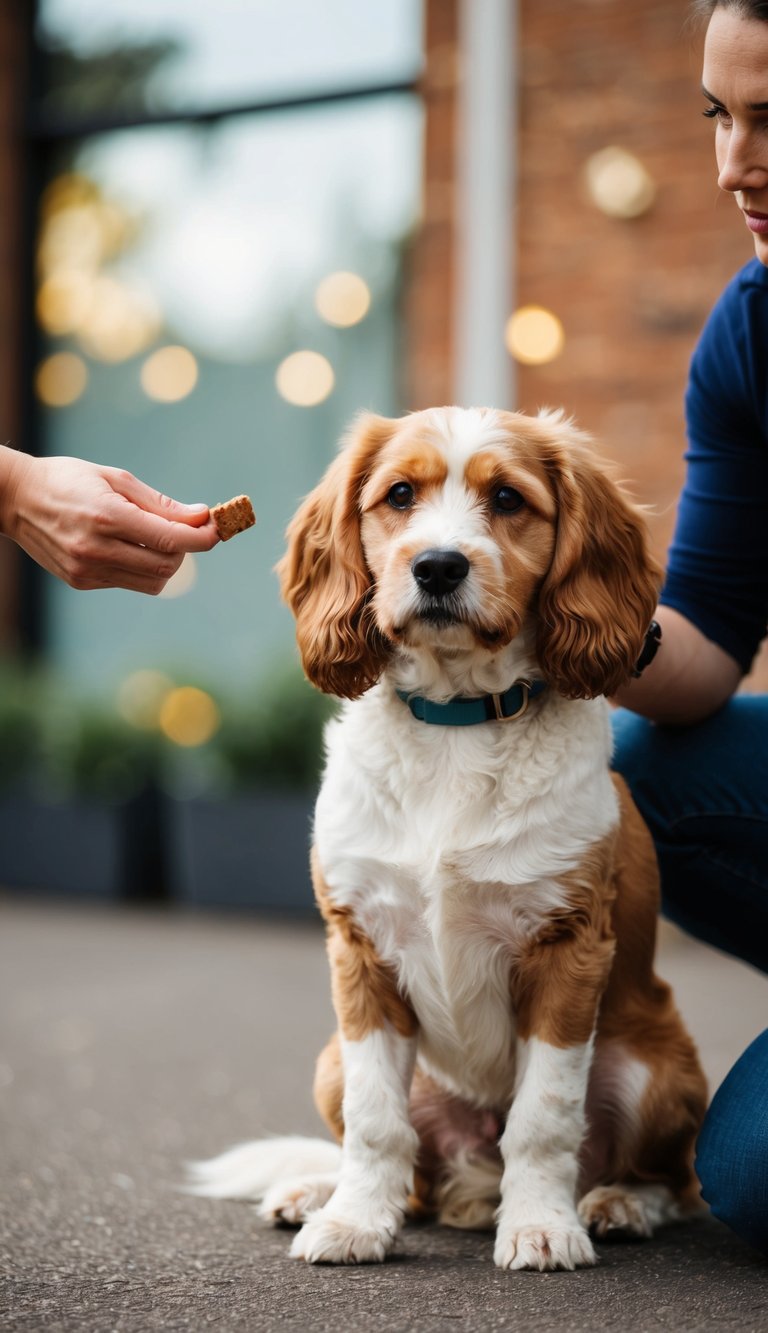
Training a Cockapoo can be a fun and rewarding experience. Using the right techniques is crucial for success. These tips will help build a strong bond between the owner and the dog.
Positive Reinforcement
Positive reinforcement is one of the most effective training methods. This technique involves rewarding your Cockapoo for good behavior. Rewards can be treats, praise, or playtime.
When the dog performs a desired action, like sitting or staying, offer a treat immediately. This helps the dog make a connection between the behavior and the reward. Consistently rewarding good behavior encourages your Cockapoo to repeat it.
Using a variety of rewards keeps training exciting. For instance, sometimes give a favorite toy instead of a treat. Your Cockapoo will look forward to training sessions and learn faster.
Crate Training Basics
Crate training can be helpful for both the dog and the owner. A crate gives the Cockapoo a safe space to relax. It also aids in house training.
Start by introducing the crate slowly. Place treats and toys inside to make it inviting. Encourage the dog to enter on its own.
Never use the crate as a punishment. It should be a positive space. Gradually increase the time spent inside as the Cockapoo gets comfortable.
Remember to take the dog outside regularly. This helps avoid accidents and reinforces good habits.
Consistency Is Key
Consistency is vital when training a Cockapoo. Using the same commands and actions helps the dog learn better. For example, if teaching “sit,” always use that word and the same tone.
Set a routine for training sessions. Short, frequent sessions are more effective than long, infrequent ones. Aiming for 5 to 10 minutes per session keeps the dog focused.
Involve all family members in the training. This way, the Cockapoo learns to follow commands from everyone. Consistency creates a clear structure, making the training process smoother.