Abbott’s babbler, scientifically known as Malacocincla abbotti, is a fascinating bird species found primarily in South and Southeast Asia. Known for their short tails and stout bodies, these birds often inhabit dense undergrowth and are usually seen foraging in pairs. Their distinct calls often reveal their presence in the forest.

Understanding these unique behaviors and characteristics offers a glimpse into the rich biodiversity that Abbott’s babbler contributes to. This article will explore 21 weird and interesting facts about Abbott’s babbler, providing readers with a deeper appreciation for this intriguing bird species.
1) Abbott’s babbler prefers dense undergrowth.
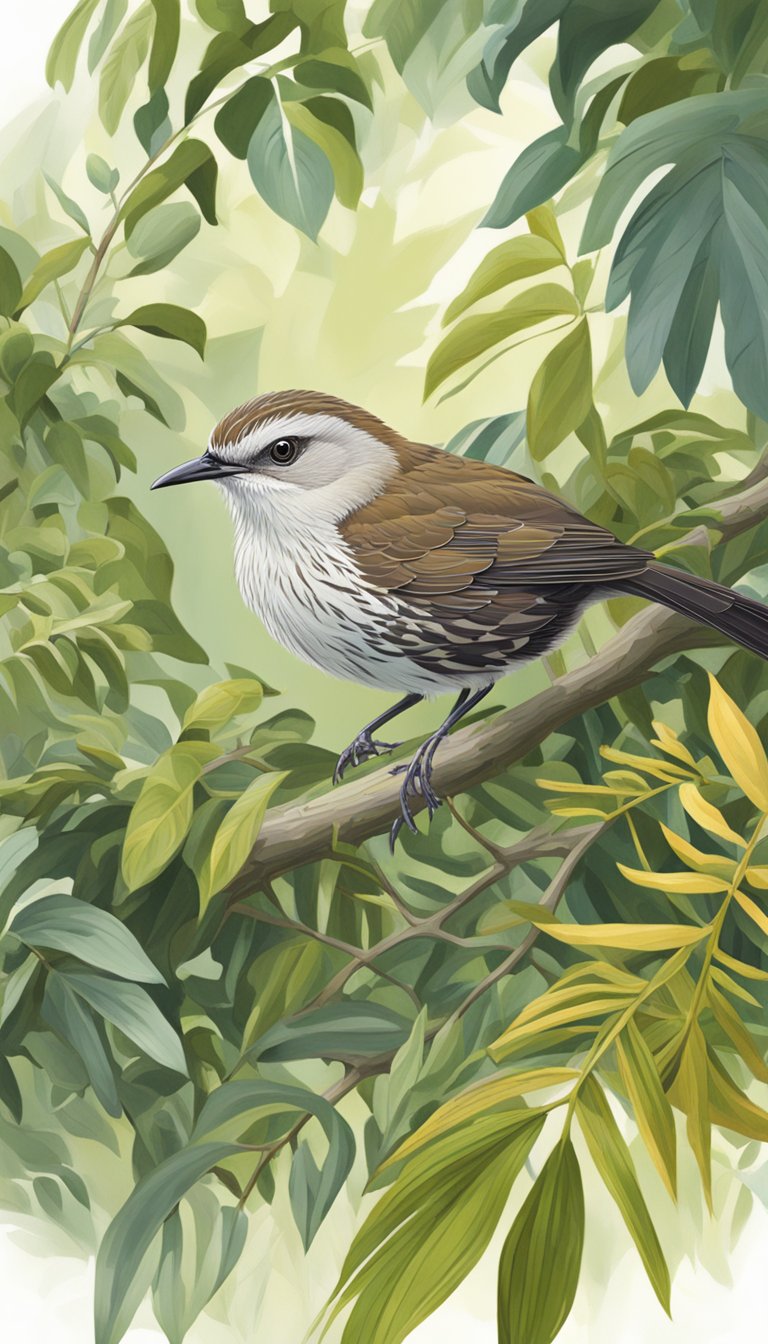
Abbott’s babbler thrives in dense undergrowth. These habitats provide the ideal environment for foraging and nesting. The bird’s short tail and stout body are well-suited to navigating thick vegetation.
It primarily inhabits degraded and secondary forests. These environments offer the kind of dense foliage that Abbott’s babbler prefers.
In these settings, the bird typically forages close to the ground. It often searches for food slowly and methodically, avoiding areas with less cover. Dense undergrowth provides both food sources and protection from predators.
Abbott’s babbler is frequently found in the undergrowth along the Himalayan range. Its presence extends into the forests of Southeast Asia, where similar dense foliage can be found.
This bird’s preference for undergrowth makes it less likely to be seen in open or sparse forests. It often moves in pairs, taking advantage of the thick vegetation for safety.
Dense undergrowth is crucial for Abbott’s babbler’s lifestyle. It ensures that the bird has ample opportunity to find insects and small invertebrates, which make up a significant part of its diet.
2) The species is found in Southeast Asia.

Abbott’s babbler (Malacocincla abbotti) is widely distributed across Southeast Asia. This bird is commonly found in the dense undergrowth of lowland forests.
They inhabit regions extending from the Himalayas to Southeast Asian forests. Countries where they reside include Thailand, Malaysia, and Indonesia.
These babblers thrive in a variety of environments. This includes secondary growth areas and bamboo forests.
Their habitat preferences make them adaptable to different forested regions. Their distribution highlights their ability to coexist with diverse flora and fauna in Southeast Asia.
3) It often forages in pairs or small groups.

Abbott’s babbler generally forages close to the ground. These birds prefer dense undergrowth, where they search for food methodically.
They exhibit a social behavior by foraging in pairs or small groups. This communal approach helps them find food more efficiently.
Their movement is deliberate and lacks the frenetic energy seen in other babblers. This measured pace is useful for avoiding predators.
4) Their diet includes insects and small invertebrates.
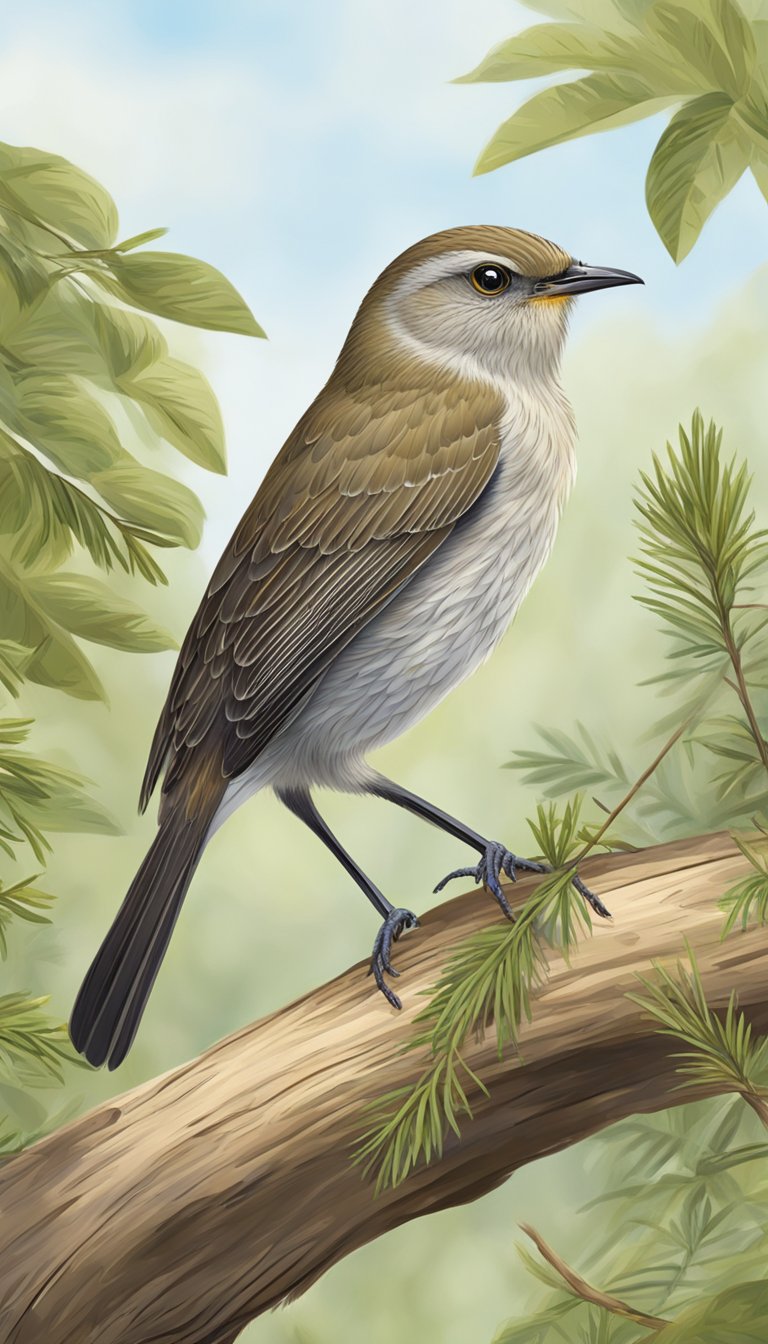
Abbott’s babbler primarily feeds on various insects and small invertebrates found within its habitat.
They often forage in the leaf litter, turning over leaves with their beaks to uncover hidden prey.
Common foods include ants, beetles, and caterpillars, which provide essential nutrients for their energy needs.
In addition to insects, these birds also consume spiders and small crustaceans.
Their foraging method includes hopping around on the forest floor, using keen eyesight to spot potential meals.
By eating a diverse range of small creatures, Abbott’s babbler plays a role in controlling insect populations in their environment.
5) They have a distinctive, repetitive call.
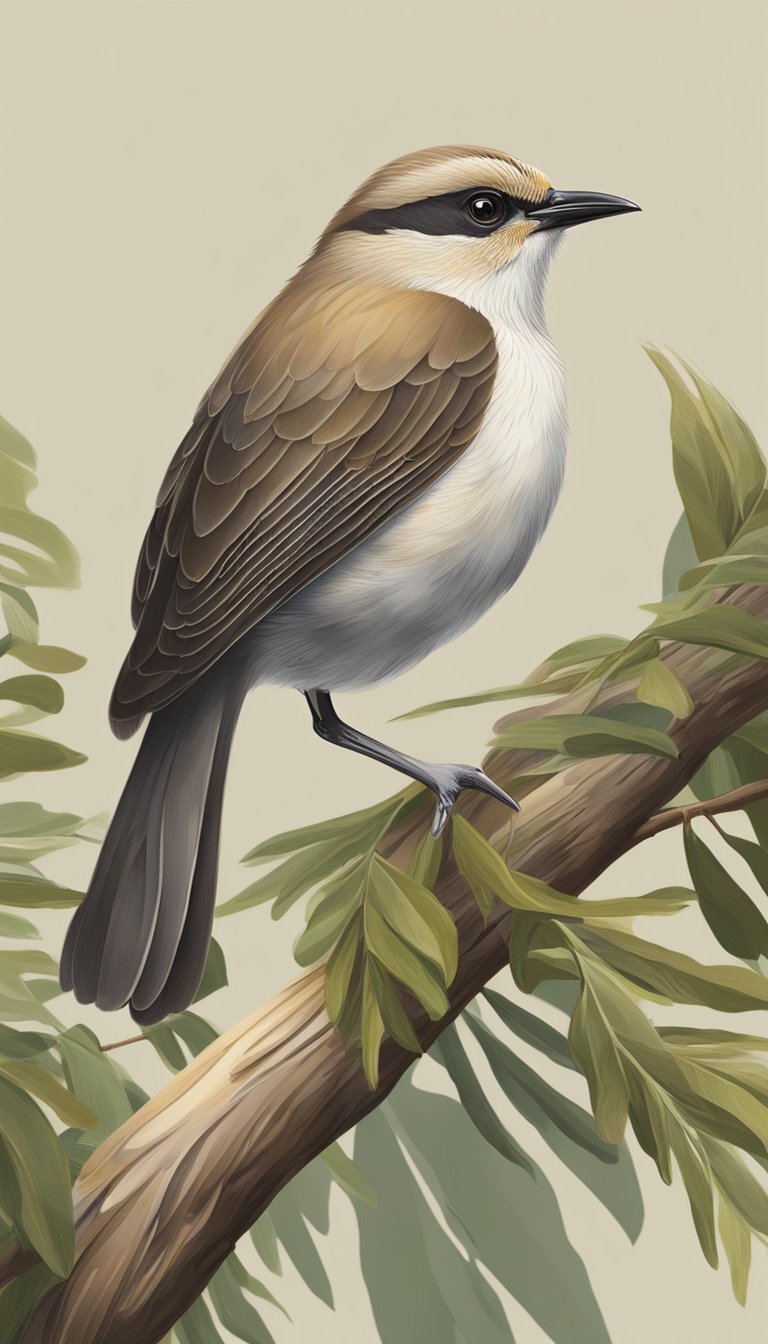
Abbott’s babbler is renowned for its unique and recognizable vocalizations. These birds have a wide repertoire of calls, which are repetitive and distinct.
Their calls often consist of harsh churrs and melodies that can be heard in the dense undergrowth of their habitats. The distinctive nature of their call makes it easier to identify them in the wild.
They use these calls for various purposes, such as communicating with their mates and marking their territory. The repetitive nature of their vocalizations ensures that their presence is noticed by both potential mates and rivals.
6) Breeding season typically starts in March.

Abbott’s Babbler usually begins its breeding season in March. This timing allows the birds to take advantage of the spring resources, ensuring ample food for their chicks.
During this period, they exhibit increased vocal activity. Males often sing to attract mates and establish territories. Their wide repertoire includes harsh churrs and other calls.
Nests are typically constructed close to the ground. Dense undergrowth provides the necessary cover to protect the eggs and young birds from predators. Abbott’s Babblers often forage near their nesting sites, making use of the resources in their immediate environment.
Pairs work together on nest building. The choice of nesting material usually includes leaves, twigs, and other forest debris. This construction strategy provides a well-hidden and sturdy home for their young.
Egg incubation is mainly handled by the female. During this phase, the male continues to provide food and protection. This division of labor ensures that the eggs receive constant care, leading to higher chances of successful hatching.
Juveniles emerge after a few weeks. Both parents then engage in feeding and caring for the fledglings, teaching them essential survival skills. This early March start to breeding ensures they have enough time to mature before the weather turns less favorable.
7) Nests are built close to the ground.
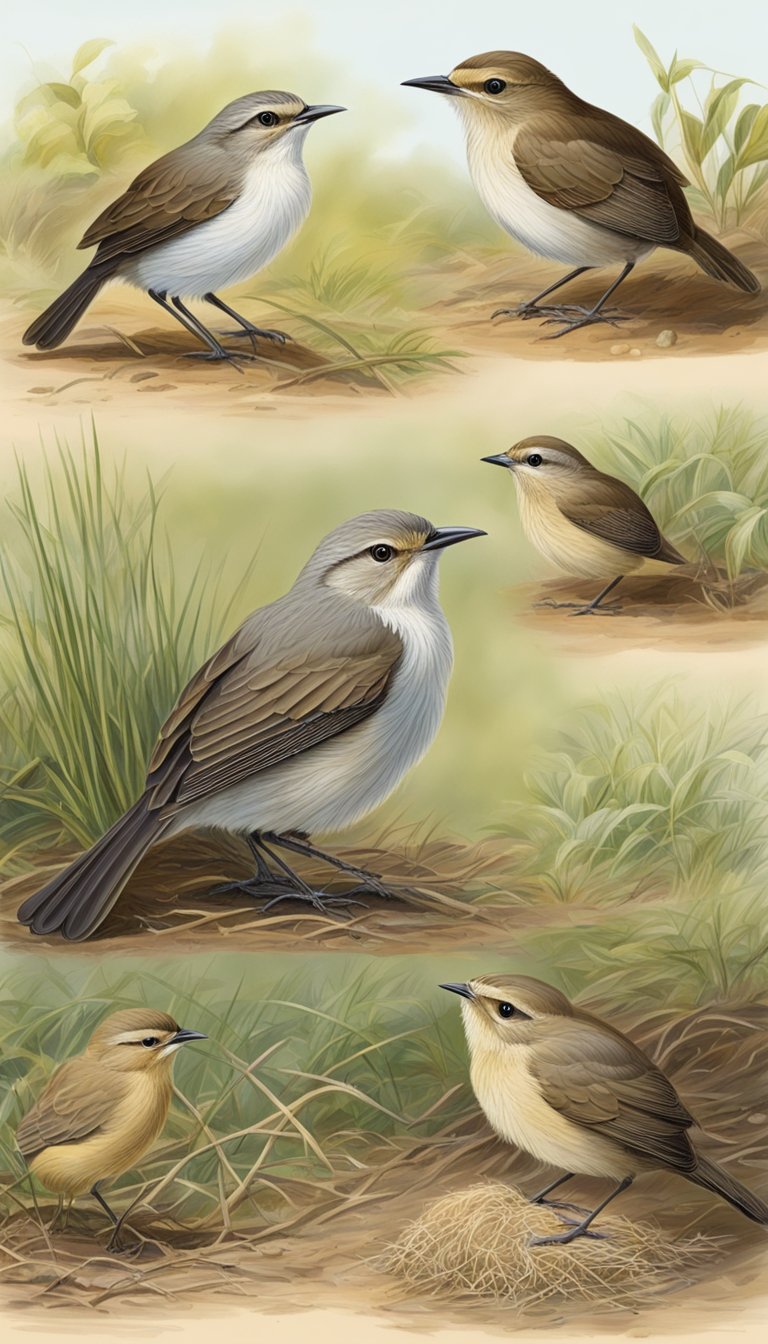
Abbott’s babbler constructs its nests close to the ground, often within dense undergrowth. The choice of nesting location helps provide cover and protection from predators. This behavior is common among various bird species that prefer ground-level safety.
Their nests are usually crafted from plant materials such as leaves, grasses, and twigs. The birds weave these elements together to create sturdy structures. In doing so, they ensure a stable environment for their eggs.
These ground nests are typically placed in shallow depressions or naturally occurring hollows. This location maximizes the concealment afforded by the surrounding vegetation. The use of underbrush and thickets further aids in hiding the nests.
Nesting close to the ground also makes it easier for the birds to access food sources. Abbott’s babblers forage primarily on the forest floor, hunting for insects and small invertebrates. The proximity of the nest to their feeding grounds is an evolutionary advantage.
In summary, Abbott’s babblers exhibit specific nesting habits that enhance the survival and security of their offspring. The nests’ construction and placement are vital to their reproductive success.
8) They lay 2-3 eggs per clutch.
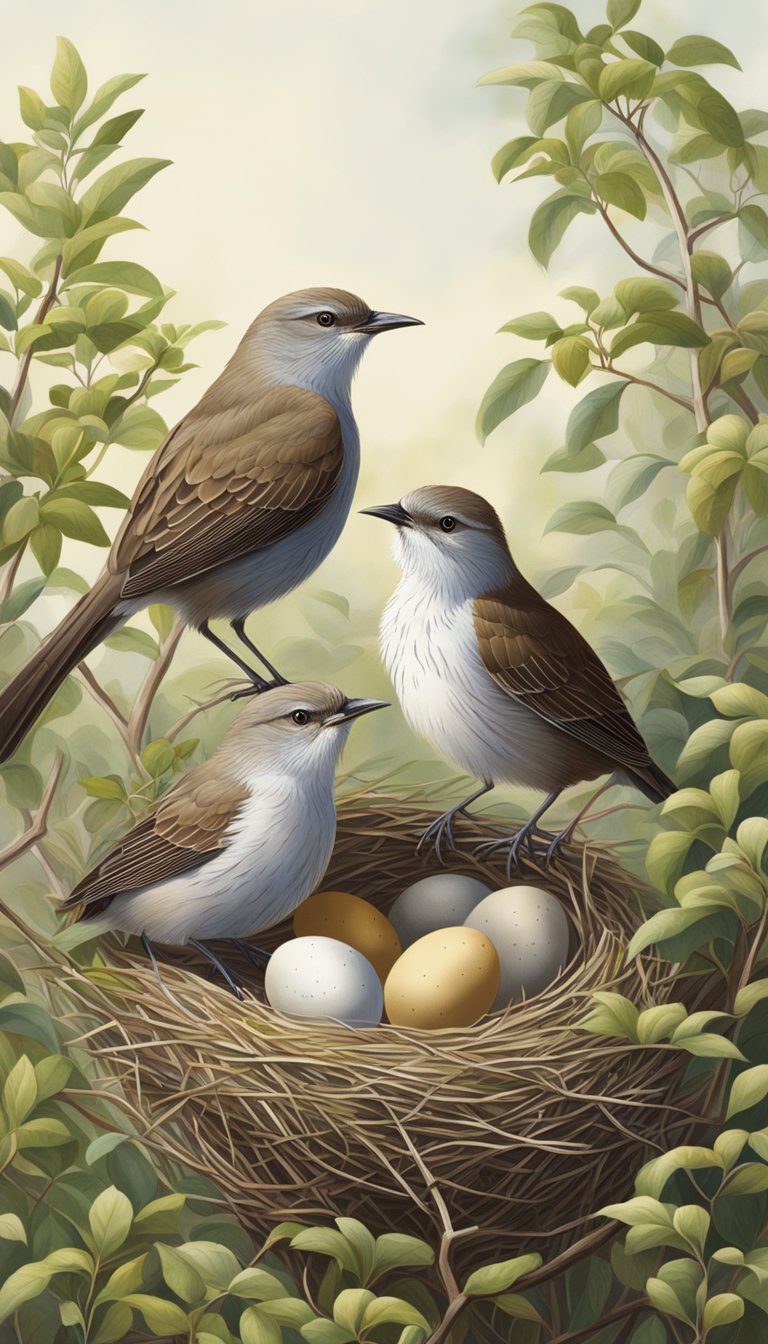
Abbott’s babbler typically lays between two to three eggs in each clutch.
The eggs are usually found in a nest constructed close to the ground, often concealed by dense vegetation. These nests are generally cup-shaped and made from leaves, grass, and other plant materials.
Incubation of the eggs is primarily carried out by the female.
This period lasts approximately 13-15 days until the eggs hatch.
Both parents participate in feeding and caring for the newly hatched chicks.
Chicks fledge from the nest roughly two weeks after hatching.
Observing this breeding behavior in Abbott’s babbler can offer insights into their reproductive strategies and parental care.
9) Both parents share incubation duties.

Abbott’s babbler demonstrates impressive parental cooperation. Both the male and female share the responsibility of incubating the eggs. This behavior ensures that the eggs are kept warm and protected around the clock.
Shifts between the parents are seamless. While one is incubating, the other forages for food, maintaining the nutrition balance needed for such a demanding task.
This shared duty also allows one parent to be alert to potential predators. Their ability to alternate roles helps increase the chances of the eggs’ survival.
Communication between the pair is crucial. They utilize calls to coordinate and signal the change in duties, showcasing their developed social behavior. This teamwork is an essential part of their reproductive success.
10) Young birds fledge in around 12 days.
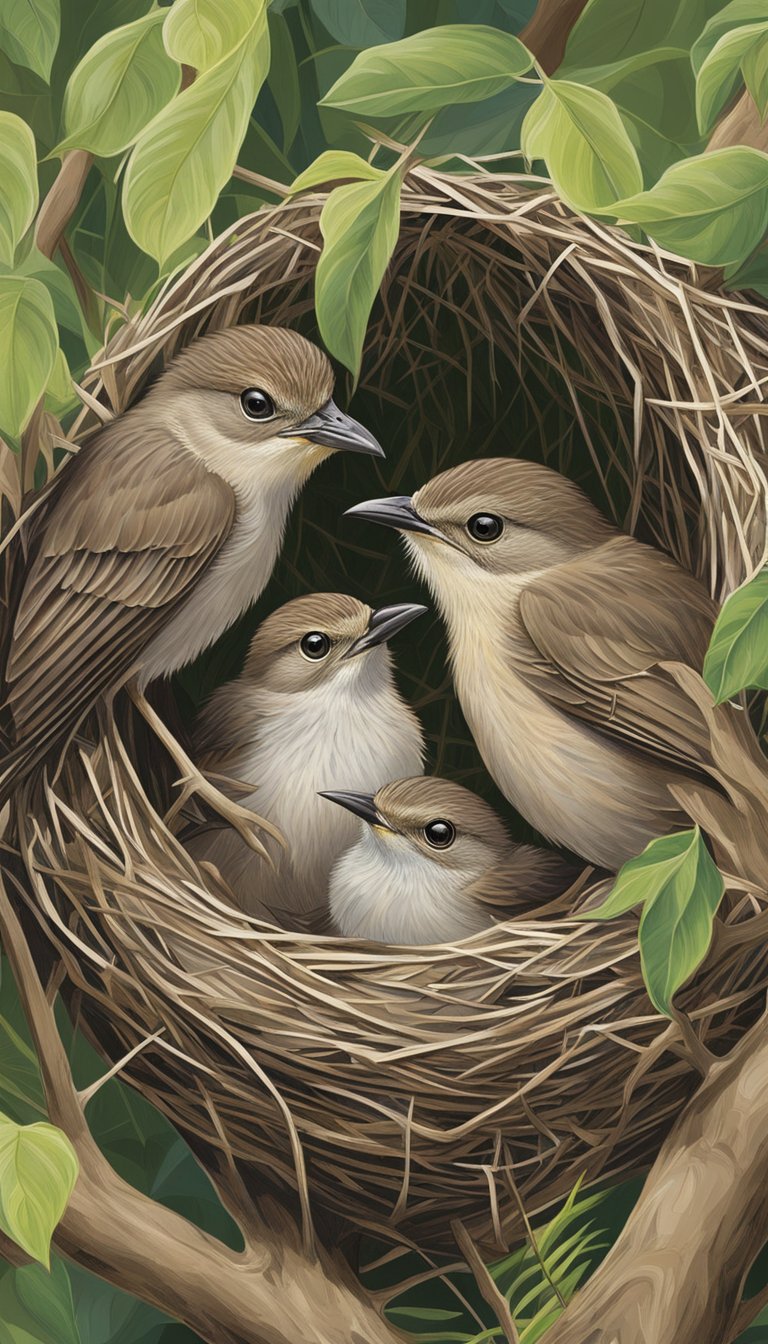
Abbott’s babbler chicks leave the nest approximately 12 days after hatching. This rapid development period is common among many small bird species.
During the fledging period, the young birds’ feathers and wing muscles strengthen. They practice fluttering their wings in the nest before making their first flight.
Although they leave the nest, Abbott’s babbler chicks are not fully independent at this stage. Parents continue to feed and protect them as they learn to forage and escape predators.
Fledging at around 12 days is essential for their survival. It reduces the risk of predation, as nests can be vulnerable to predators targeting the helpless young. The ability to leave quickly increases their chances of reaching maturity.
11) Abbott’s babbler is named after Rev. Abbott
Abbott’s babbler derives its name from Rev. Abbott, an influential figure in natural history.
Rev. Abbott was an American missionary and naturalist with significant contributions to ornithology.
His dedication to studying bird species in Southeast Asia led to the discovery and naming of Malacocincla abbotti.
This bird species carries his name as an acknowledgment of his work and impact in the field.
12) These birds have a plain brown plumage.
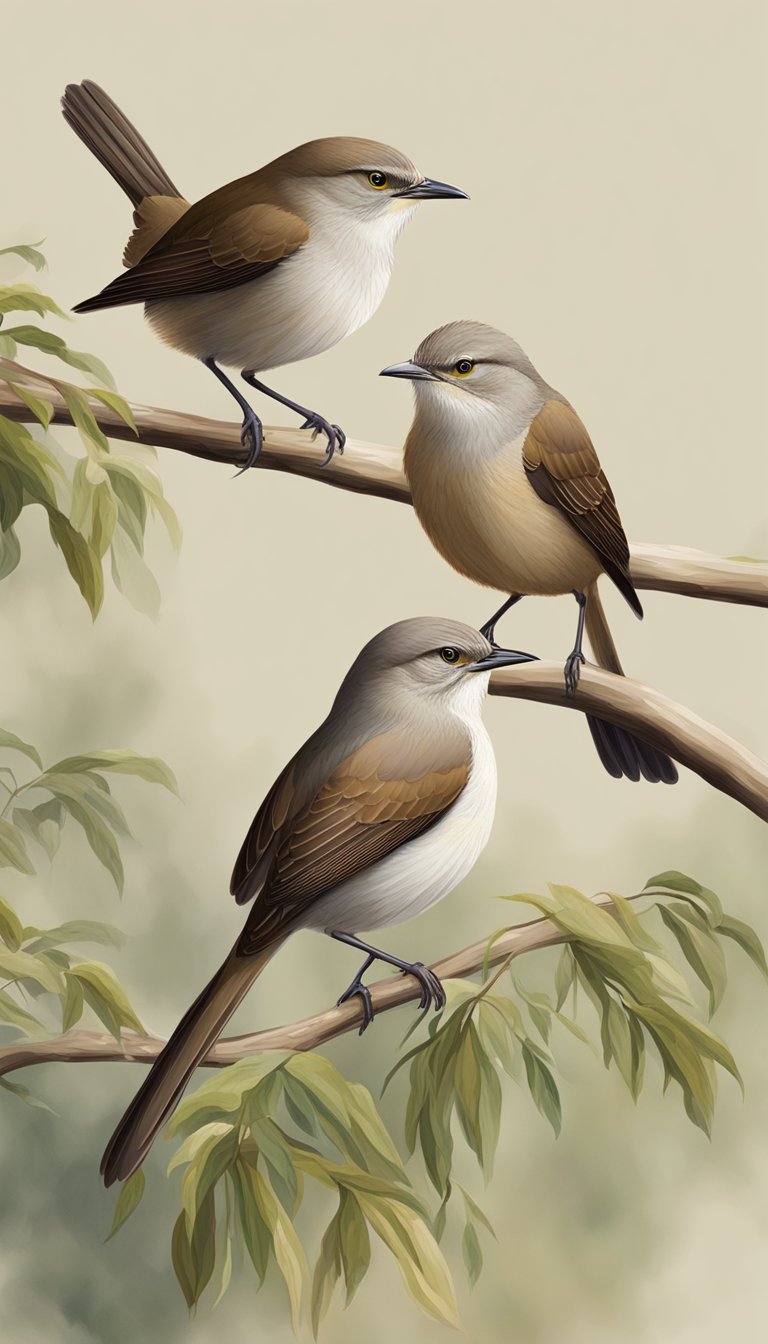
The Abbott’s babbler is known for its unassuming appearance. Their plumage is a muted brown, which helps them blend into their forest habitats. This plain coloration makes them less noticeable to predators.
Their brown feathers may not be colorful, but they are perfectly adapted for life amidst the foliage and underbrush. The simplicity of their plumage allows them to stay hidden while foraging for insects and small invertebrates.
Despite their plain appearance, Abbott’s babblers have a subtle beauty that bird enthusiasts appreciate. The intricate patterns and shades of brown in their feathers can be quite striking upon closer inspection. Their look serves a practical purpose, ensuring their survival in dense forest environments.
13) They inhabit lowland forests and mangroves.
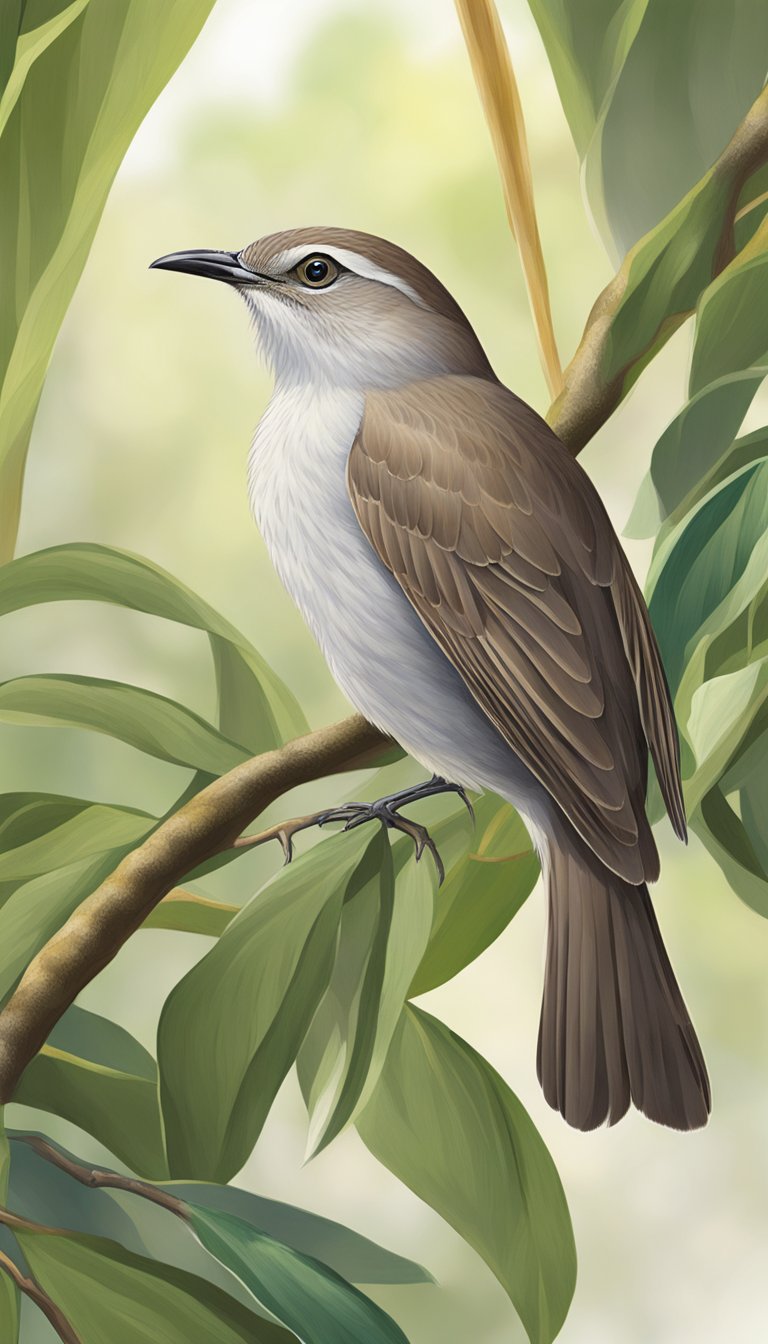
Abbott’s babblers are primarily found in lowland forests, where the dense vegetation provides shelter and abundant food sources.
These birds are also adapted to life in mangrove forests. Mangroves offer a unique habitat with a mix of saltwater and freshwater influences.
They thrive in both environments due to their flexibility and adaptability in foraging and nesting strategies.
In lowland forests, Abbott’s babblers often stay near the ground, moving through the underbrush as they search for insects and other small invertebrates.
In mangroves, they navigate through the complex root systems, which provide protection from predators and a rich supply of food.
The ability to inhabit diverse environments like lowland forests and mangroves underscores the ecological versatility of Abbott’s babblers.
These birds make use of the unique resources offered by each habitat, ensuring their survival and contributing to the ecological diversity of the regions they inhabit.
14) The species is not considered globally threatened.
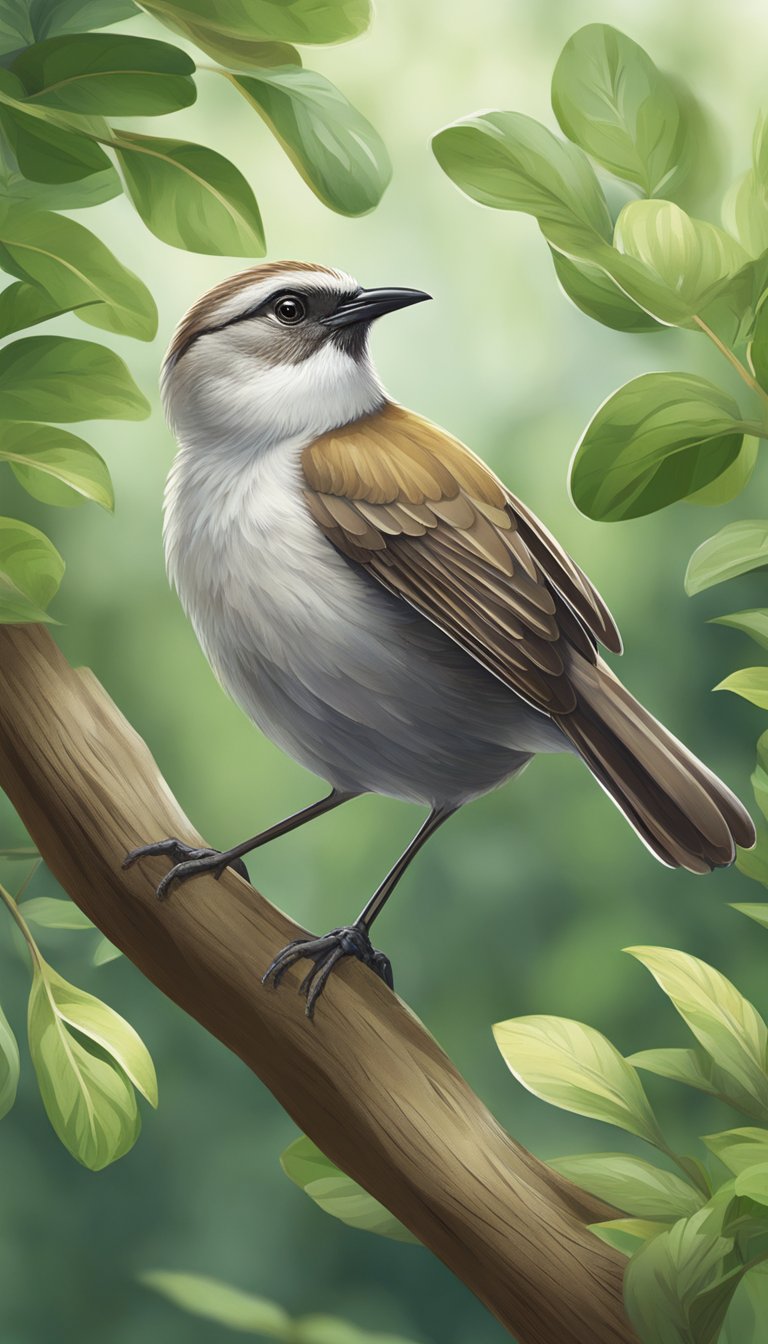
Abbott’s Babbler (Malacocincla abbotti) is a bird species classified as Least Concern by the International Union for Conservation of Nature (IUCN). This status indicates that the species is not currently facing a significant risk of extinction in its natural habitats.
They inhabit a wide range along the Himalayan region in South Asia, extending into the forests of Southeast Asia. Despite some local rarity, particularly in Nepal and Bhutan, the species is fairly common throughout much of its range.
The species’ ability to thrive in dense undergrowth close to the ground supports its stable population trend. Therefore, it does not meet the thresholds for a more threatened category, contributing to its classification as Least Concern.
15) Their scientific name is Malacocincla abbotti.
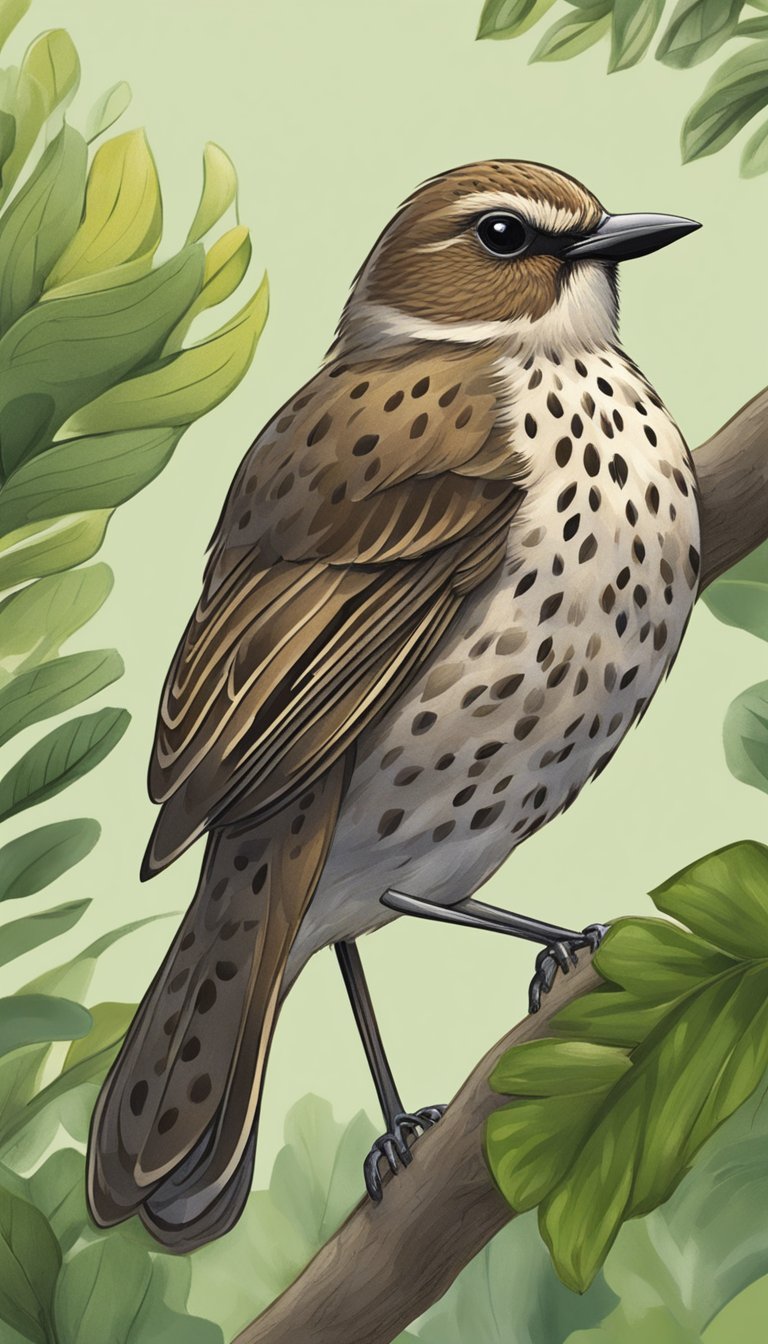
Abbott’s babbler is scientifically known as Malacocincla abbotti. This name reflects its classification within the family Pellorneidae.
The specific epithet “abbotti” honors the American naturalist William Louis Abbott. He made significant contributions to the study of Southeast Asian fauna.
The genus name Malacocincla derives from Greek, with “malakos” meaning soft and “cinclos” meaning thrush. This probably refers to the bird’s soft plumage and thrush-like appearance.
16) They show strong territorial behavior.
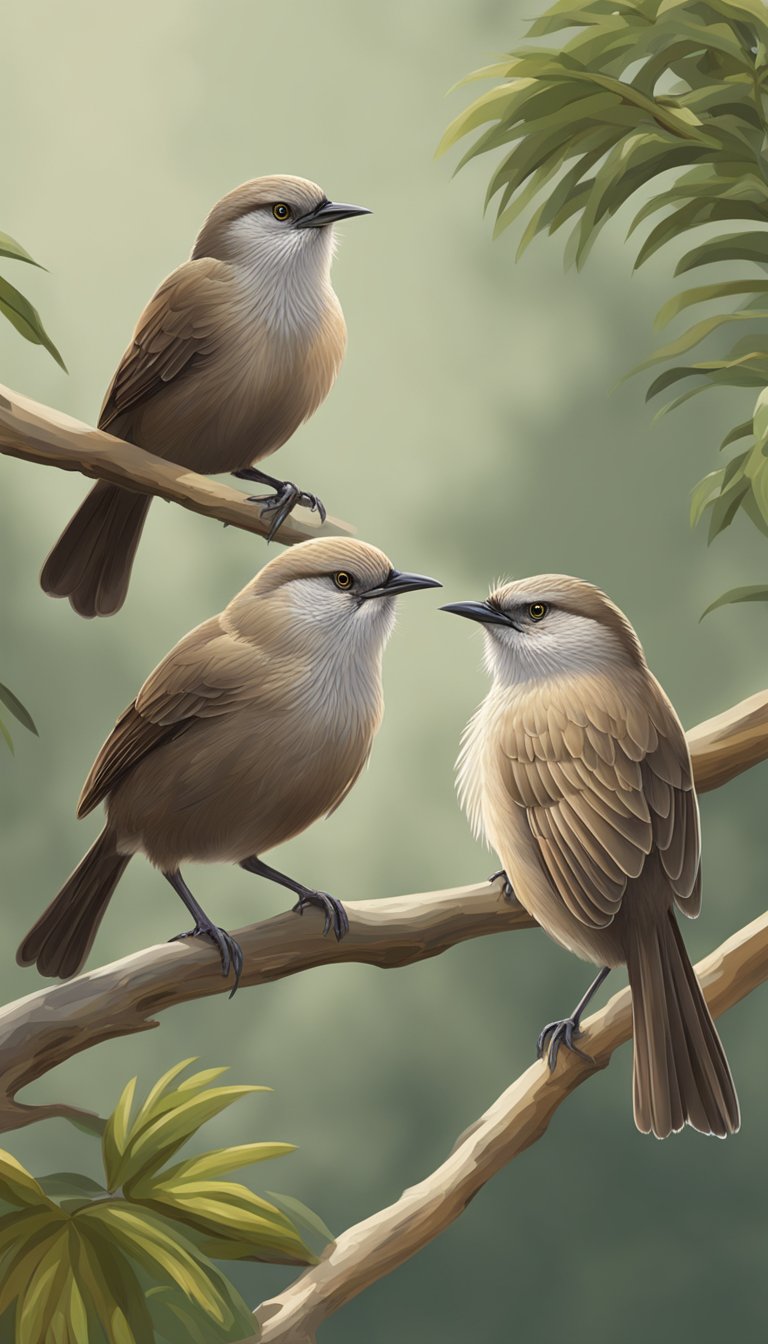
Abbott’s babbler displays strong territorial behavior. These birds are known to defend their territories vigorously. This behavior is essential for maintaining their foraging grounds and nesting sites.
Pairs of Abbott’s babblers work together to protect their territory. They often use vocalizations to announce their presence.
Intruders entering their territory may be met with vocal warnings and physical confrontations. This helps ensure their area remains secure.
Their territorial calls are distinct and serve as a warning to other birds. These calls play a crucial role in their territorial defense strategy.
Strong territories ensure Abbott’s babblers have access to resources. This behavior underscores their adaptability and survival skills in dense undergrowth environments.
17) They often sing a series of melodious notes.
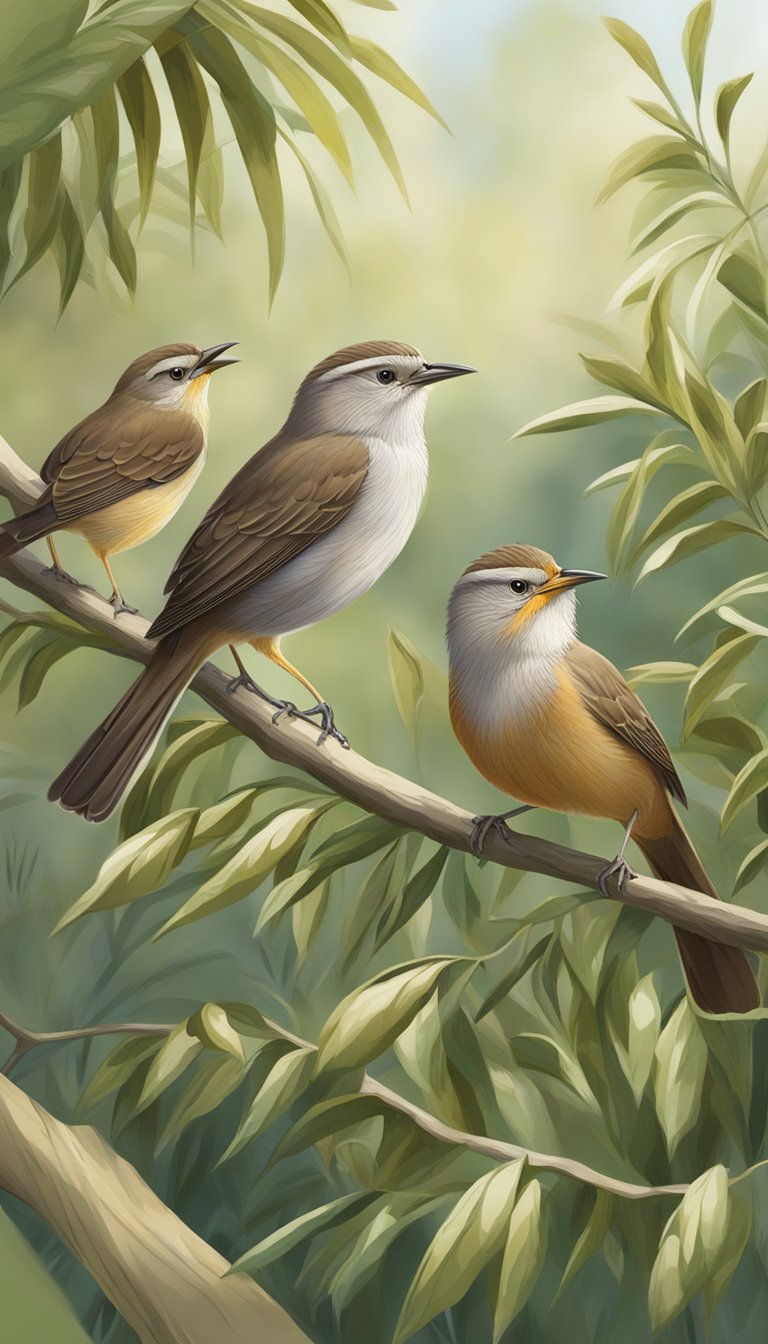
Abbott’s babblers are known for their captivating vocal performances. They use a series of melodious notes to communicate with each other and mark their territories. These songs are not just random sounds; each bird has a unique tune that distinguishes it from others.
Their songs are often characterized by a rhythmic pattern that is easy on the ears. The syrinx, a specialized vocal organ in these birds, allows them to produce complex and intricate melodies. These melodies play a crucial role in mate attraction, showcasing the bird’s health and vitality.
In the early morning and late afternoon, Abbott’s babblers are particularly vocal. During these times, their songs fill the air, blending harmoniously with the natural sounds of their habitat. Listening to their melodies is a delightful experience for bird watchers and naturalists alike.
Abbott’s babblers exhibit a natural talent for song, making them a charming species among songbirds. Their melodious notes are a testament to the fascinating adaptations that these birds have developed. Through their songs, they continue to enchant those lucky enough to hear them.
18) The babbler’s call can help identify it in dense foliage.
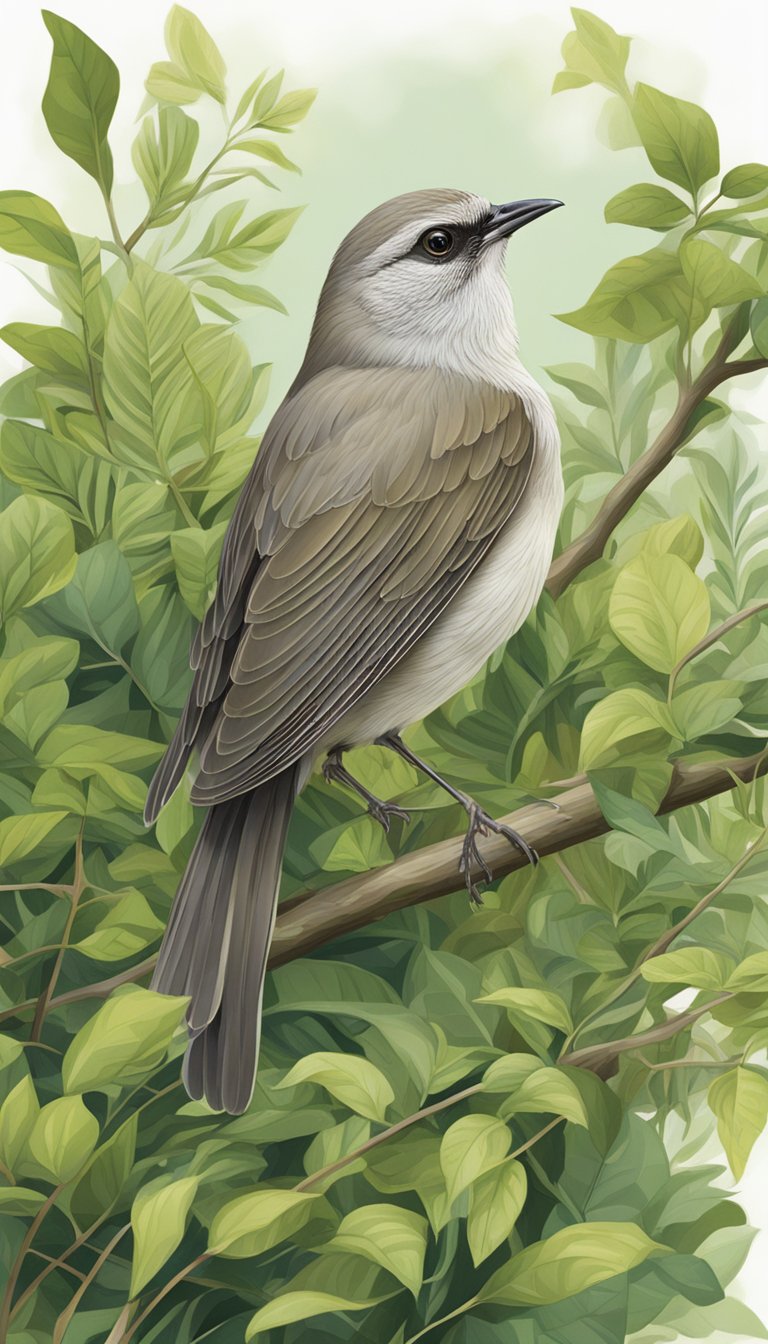
Abbott’s babbler has a distinctive call that makes it easier to spot, even when hidden in dense vegetation. The bird’s call is a series of repeated, soft yet sharp notes, making its presence known among the thick foliage.
This vocalization helps ornithologists and bird watchers identify the bird without needing a visual. It stands out due to its rhythmic and repetitive nature, allowing them to track the bird’s exact location.
In areas with abundant plant cover, their calls become an essential tool for locating and studying them. The unique sound patterns Abbott’s babbler produces are crucial for distinguishing it from other species that share its habitat.
19) They are known to follow trails of ants to hunt prey
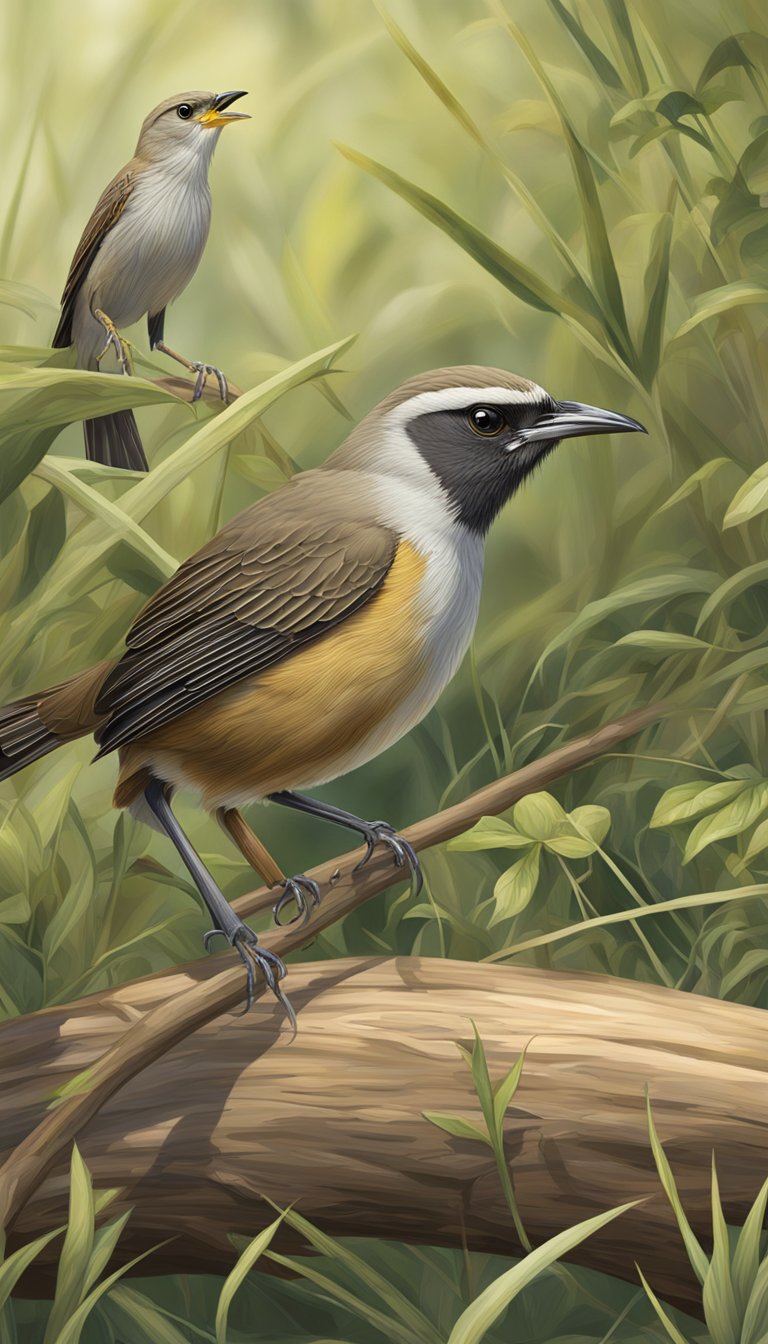
Abbott’s babblers exhibit a unique hunting behavior by following trails of ants. This tactic allows them to capitalize on the insects disturbed and scattered by the marching ants.
The birds pick off these insects with impressive precision. Often, they will find prey that would otherwise remain hidden.
This behavior is similar to that of professional army-ant followers. They rely heavily on the movements of ants to locate and capture their food.
In dense forest habitats where visibility is limited, such a strategy proves to be highly effective. It reduces the energy expenditure typically required for foraging.
20) Males and females look similar.
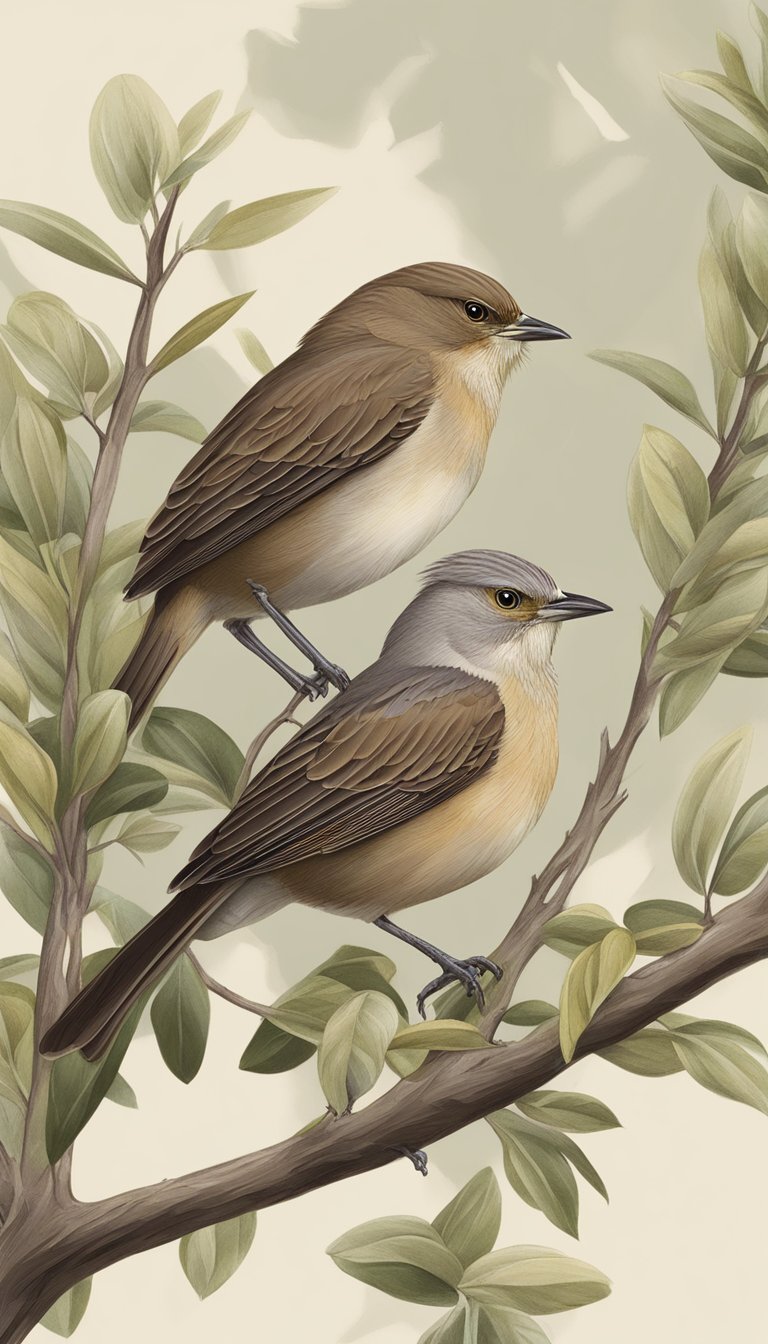
Both male and female Abbott’s babblers share strikingly similar physical characteristics, making it challenging to differentiate between the two.
They both have short tails and stout bodies, a common feature within the species.
Their plumage is primarily brown with subtle variations, and they possess sleek underparts which blend seamlessly with the dense undergrowth they inhabit.
This similarity in appearance likely aids in camouflage. It helps them stay unnoticed by predators while foraging or nesting.
During the breeding season, these birds are known for their distinctive calls, which are more helpful in identifying them than their appearance.
Being monomorphic, both sexes exhibit similar behaviors, such as foraging in pairs close to the ground.
21) Juvenile babblers have a slightly paler appearance.
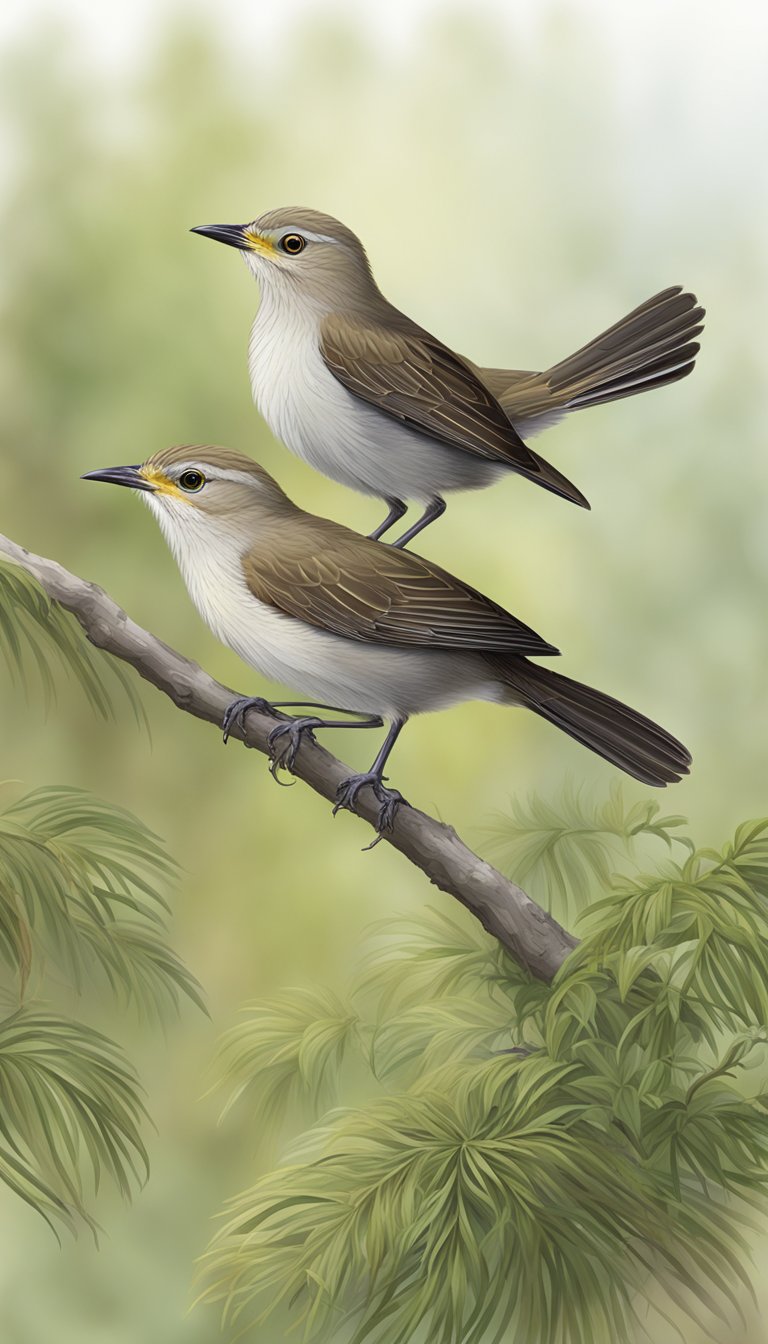
Juvenile Abbott’s babblers exhibit a slightly paler appearance compared to adult birds. This subtle difference in coloration can help identify their age in a flock.
Their feathers are generally softer and more muted, lacking the fully developed pigmentation seen in mature babblers.
As they age, their plumage gradually darkens and becomes more saturated, aligning with the vibrant tones of the adults. This transition can take several weeks to months.
The paler hue of juveniles plays a significant role in their identification during bird-watching activities. Observers can easily distinguish between younger and older individuals based on this characteristic.
Paler coloration is not only a feature of recognition but also indicates the bird’s growth stage, useful for ornithologists studying their development and behavior. The slight difference in shade is often more pronounced in natural light, making it easier to observe in their native habitats.
Habitat And Distribution

Abbott’s babbler, Malacocincla abbotti, inhabits a diverse range of environments, mainly in South Asia and Southeast Asia. They thrive in dense undergrowth and forested areas, often staying close to the ground.
Geographical Range
Abbott’s babbler is widely distributed from the Himalayan region in South Asia to the forests of Southeast Asia. These birds are commonly found in countries such as Nepal, India, Bangladesh, and Myanmar.
Their presence extends to Malaysia, Thailand, and Indonesia as well. This species has adapted to various regions, from foothill areas to tropical forests.
Preferred Environments
They typically inhabit dense undergrowth and low-lying forest regions. Abbott’s babbler prefers secondary forests, which may include both degraded and regenerating woods.
They are often spotted in pairs, moving slowly and methodically along the forest floor. Their environment choice includes areas rich in leaf litter and underbrush, providing ample cover and food sources.
By focusing on these specific habitats, Abbott’s babbler ensures its survival and ability to forage, maintaining its distinct presence across its broad geographical range.
Physical Characteristics
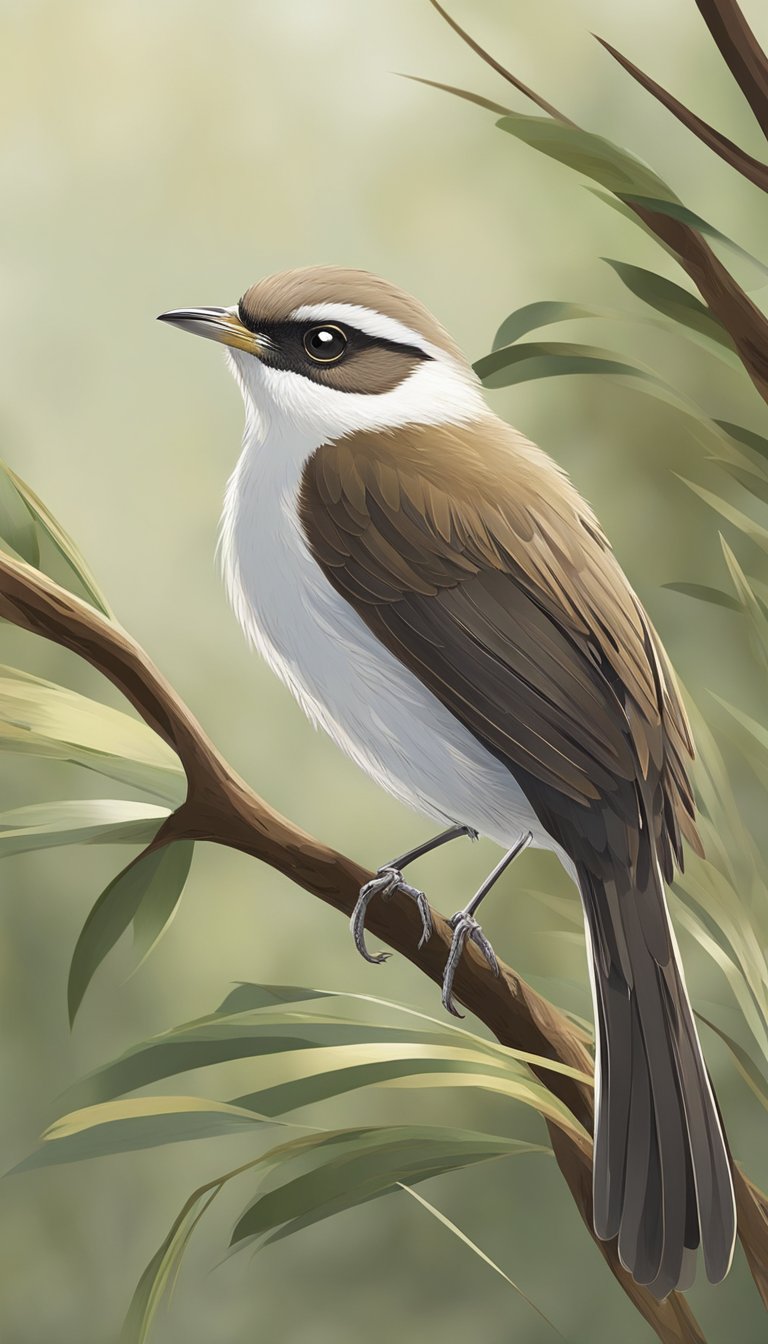
Abbott’s babbler is a small, stout bird with a distinctive appearance. It exhibits notable traits in its size, coloration, and specific physical features.
Size And Coloration
The Abbott’s babbler typically measures between 12-13 cm (4.7-5.1 in) in length, making it a relatively small bird.
Juveniles are distinguishable by their dark rufescent-brown crowns and upperparts.
Adults display a sandy-brown overall color with an orange-tan tone on the sides.
This coloration provides excellent camouflage in their preferred undergrowth habitat.
Certain subspecies, like M. a. krishnarajui from the Eastern Ghats, have a darker russet tail and rump compared to the Himalayan subspecies.
Distinctive Features
One of the most distinguishing features is the large, heavy bill with a hooked tip, complementing its frugivorous and insectivorous diet.
The face of the bird tends to have grayish tones, contributing to its unique look among babblers.
Abbott’s babblers are also known for their short tails which adds to their stocky appearance.
They exhibit a wide repertoire of calls, including harsh churrs, allowing easy identification by sound.
Though generally observed singly or in pairs, they move slowly and methodically through dense undergrowth, a behavior that contrasts with the more frenetic energy seen in other babblers.
Behavioral Traits
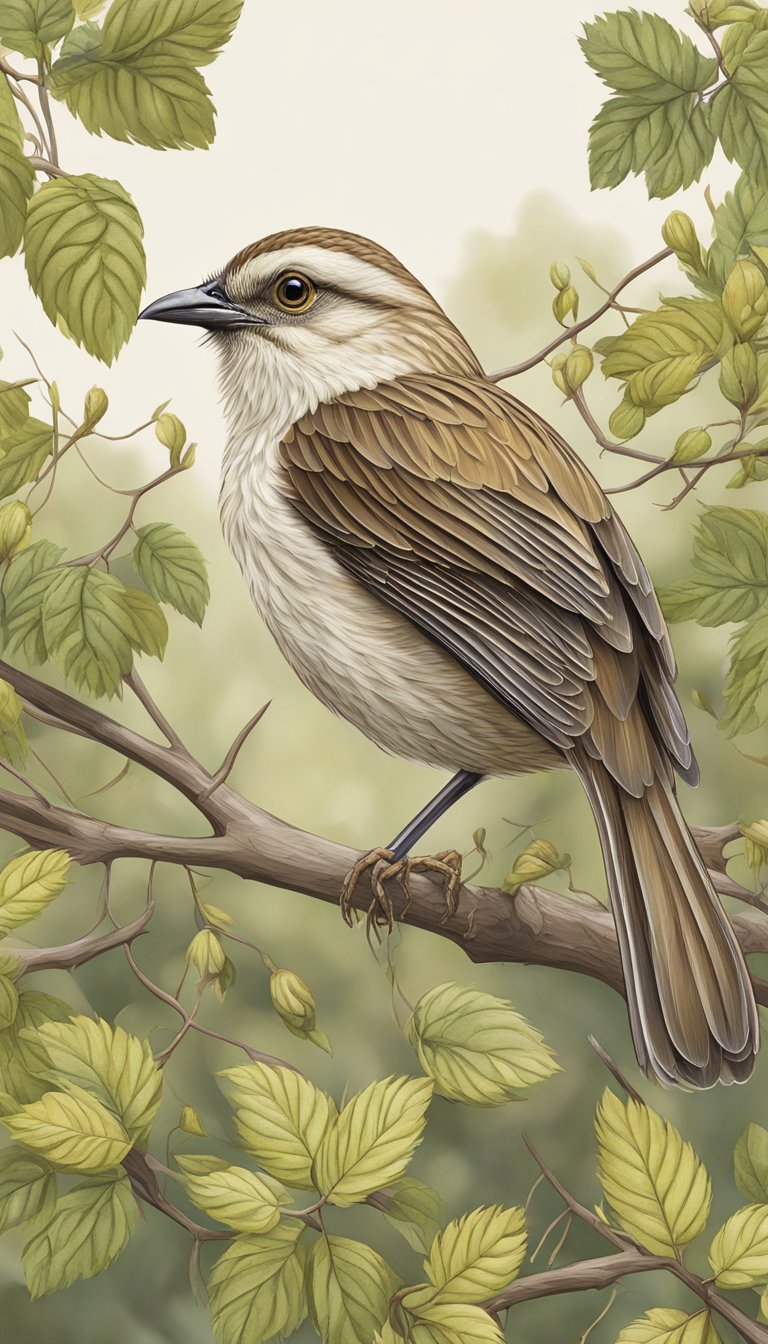
Abbott’s babbler exhibits distinct behaviors related to their social interactions and vocal communication. These traits are essential for their survival and adaptation in their natural habitats.
Social Structure
Abbott’s babblers are known for their tendency to forage close to the ground. They typically move in pairs, which is quite different from many other bird species that may favor larger groupings. This behavior likely aids in reducing competition for food resources.
Their social bonds are fairly strong, especially between mating pairs. During feeding, they stay close to one another, maneuvering through dense undergrowth to find insects and other small prey.
Solitary movements are less common but can still occur, particularly when seeking new territories. This reflects their adaptable yet consistent social patterns.
Vocalizations
The vocal repertoire of Abbott’s babbler is extensive and varied. They produce a range of sounds including harsh churrs, melodic notes, and a series of calls that can indicate territory, alert others to danger, or help in mating rituals.
Each type of call has a specific function, whether it’s to communicate location or to warn of potential threats. Their calls are particularly useful in the dense forest environments they inhabit, where visual contact can be challenging.
These vocal behaviors are not frenetic; they call deliberately and at measured intervals, which distinguishes them from other energetically vocal birds. Their unique calls enable effective communication within their often thick and complex habitats.