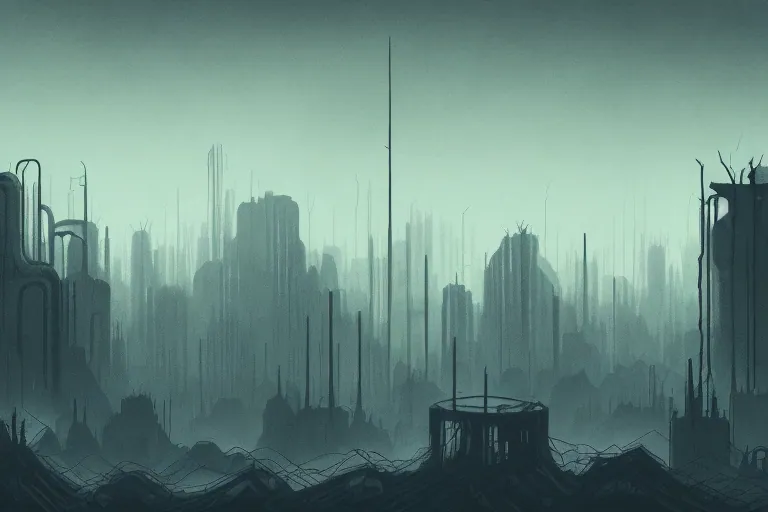
Dreams have always been a fascinating subject of study. They provide a glimpse into our subconscious minds and often leave us wondering about their meanings and significance. One common type of dream that many people experience is doomsday dreams – dreams where the world is on the brink of destruction. But what do these dreams really mean? In this article, we will explore the science behind dreams, the concept of doomsday in different cultures, common themes in doomsday dreams, and expert opinions on their interpretation. So, let’s delve into the world of dreams and unravel the mystery behind dreaming about doomsday.
Understanding Dreams: An Overview
Before we can dive into the specifics of doomsday dreams, it’s important to understand a bit about dreams in general. Dreams are a natural part of our sleep cycle and occur during the rapid eye movement (REM) stage. During this phase, our brains become highly active, resembling a waking state. This heightened brain activity gives rise to dreams, which can be a mixture of images, thoughts, emotions, and sensations.
While dreams can sometimes be random and nonsensical, they often reflect our deepest desires, fears, and concerns. They serve as a way for our minds to process and make sense of our experiences, memories, and emotions.
The Science Behind Dreams
Dreams have long fascinated scientists and researchers, who have conducted numerous studies to uncover their underlying mechanisms and significance. One prevailing theory is that dreams help consolidate memories and facilitate learning. In essence, they play a crucial role in memory processing and emotional regulation.
Furthermore, dreams are believed to reflect our subconscious desires and fears. They can provide valuable insights into unresolved conflicts, suppressed emotions, and unfulfilled wishes. By analyzing dream content, researchers can gain a better understanding of the inner workings of the human mind.
Research has also shown that dreams can be influenced by external factors such as our daily experiences, interactions, and environment. For example, if you spend a lot of time watching action-packed movies, you may be more likely to have adventurous and thrilling dreams.
The Role of Dreams in Our Lives
While dreams might seem like merely fleeting images and sensations, they can have a profound impact on our waking lives. Dreams can provide inspiration, creative ideas, and even solutions to problems we may be facing. They can also serve as a source of motivation, pushing us to pursue our goals and ambitions.
Moreover, dreams can act as a form of emotional release and healing. They allow us to process and work through difficult emotions, helping us achieve a sense of emotional balance and well-being.
Additionally, dreams can offer a glimpse into our future by presenting us with scenarios and situations that may unfold in reality. Many people have reported experiencing premonitions or intuitive insights through their dreams, which have guided them in making important life decisions.
It is worth noting that not all dreams are pleasant or comforting. Nightmares, for instance, can be distressing and leave us feeling anxious or unsettled upon waking up. However, even these unsettling dreams can serve a purpose by highlighting our fears and helping us confront and overcome them.
In conclusion, dreams are a fascinating and complex phenomenon that continue to captivate researchers and individuals alike. They offer a window into our subconscious mind, allowing us to explore our deepest thoughts, emotions, and desires. Whether they serve as a source of inspiration, a means of processing emotions, or a glimpse into the future, dreams play a significant role in shaping our lives and understanding ourselves.
The Concept of Doomsday in Different Cultures
Across various cultures and belief systems, the notion of doomsday has been present in myths, legends, and religious texts. Let’s explore how different cultures perceive and interpret the concept of doomsday.
In addition to religious texts and popular culture, doomsday has also been a topic of fascination in scientific and philosophical circles. Scholars and thinkers from different disciplines have contemplated the possibility of an ultimate cataclysmic event that could bring about the end of the world as we know it.
Doomsday in Religious Texts
In many religious traditions, doomsday or the end of the world is seen as a significant event signaling the culmination of human history. Religions such as Christianity, Islam, and Hinduism have detailed prophecies about the end times, including various signs and symbols associated with doomsday. These beliefs often serve as a reminder of the transient nature of life and the need for spiritual preparation.
Within Christianity, the concept of doomsday is often referred to as the “Day of Judgment” or the “Second Coming of Christ.” According to Christian teachings, this event will involve the resurrection of the dead, the final judgment of all souls, and the establishment of a new heaven and earth.
In Islam, doomsday is known as “Yawm al-Qiyamah” or the “Day of Resurrection.” Islamic texts describe the events leading up to doomsday, including the appearance of the Antichrist, the descent of Jesus, and the blowing of the trumpet that will awaken the dead.
Hinduism, on the other hand, presents the concept of doomsday as the end of a cosmic cycle known as the “Yuga.” According to Hindu scriptures, the world goes through four Yugas, each characterized by a decline in moral values and spiritual awareness. The end of the current Yuga, called the Kali Yuga, is believed to bring about a period of destruction and chaos before a new cycle begins.
Doomsday in Popular Culture
Popular culture is rife with doomsday scenarios, as seen in movies, books, and games. Apocalyptic narratives captivate our imaginations and tap into our deepest fears and anxieties about the future. From zombie outbreaks to catastrophic natural disasters, these portrayals of doomsday reflect humanity’s fascination with the end of the world.
One of the most iconic doomsday scenarios in popular culture is the zombie apocalypse. Movies like “Night of the Living Dead” and TV shows like “The Walking Dead” have popularized the idea of a world overrun by reanimated corpses, forcing survivors to fight for their lives and search for safe havens.
Another popular doomsday theme is the catastrophic natural disaster, often depicted in movies like “2012” and “The Day After Tomorrow.” These films showcase the destructive power of earthquakes, tsunamis, hurricanes, and other natural phenomena, leaving humanity struggling to survive in a post-apocalyptic world.
Science fiction literature and films have also explored the concept of doomsday through scenarios like alien invasions, global pandemics, and technological disasters. These stories serve as cautionary tales, reminding us of the potential consequences of our actions and the importance of safeguarding our planet.
It is worth noting that while doomsday scenarios in popular culture may be entertaining, they often reflect our collective anxieties about real-world issues such as climate change, political instability, and the ethical implications of scientific advancements.
Common Themes in Doomsday Dreams
While the specific details of doomsday dreams can vary greatly, there are certain recurring themes that frequently appear. These themes often reflect our collective fears and anxieties about the state of the world and its potential future.
As we delve deeper into the realm of doomsday dreams, it becomes apparent that these nocturnal visions serve as a reflection of our subconscious worries. They act as a canvas upon which our deepest fears are painted, manifesting in a variety of captivating themes that captivate our minds.
Natural Disasters
One common theme in doomsday dreams involves natural disasters. Earthquakes, floods, hurricanes, and other catastrophic events can symbolize the unpredictability and uncontrollable forces of nature. These dreams may indicate feelings of vulnerability, powerlessness, or impending danger in our waking lives.
Imagine, if you will, a dream where the earth beneath your feet trembles violently, buildings crumble, and the once serene landscape transforms into a chaotic battleground. The symbolism of such dreams lies in the overwhelming sense of vulnerability they evoke. They remind us of the fragile nature of our existence, highlighting our powerlessness in the face of natural forces beyond our control.
War and Conflict
Another prevalent theme in doomsday dreams centers around war and conflict. These dreams may reflect concerns about global tensions, political instability, or personal conflicts in our relationships. They can also highlight our fears of violence, destruction, and chaos.
Picture a dream where the world is engulfed in a never-ending war, where the skies are filled with the deafening roar of fighter jets and the ground trembles with the explosions of bombs. In these dreams, the chaos and destruction serve as a metaphor for the conflicts that plague our waking lives. They represent the fears we harbor about the fragility of peace and the potential for violence to consume our world.
Alien Invasion
Alien invasion dreams are a unique subset of doomsday dreams. They often depict extraterrestrial beings threatening humanity’s existence. These dreams may represent feelings of being invaded, overwhelmed, or alienated in our waking lives. They can also symbolize the fear of the unknown and the consequences of our actions as a species.
Imagine a dream where the night sky is filled with otherworldly spacecraft, descending upon Earth with an ominous presence. These dreams tap into our primal fears of the unknown and the potential consequences of our actions. They serve as a reminder of the delicate balance we maintain on this planet and the potential consequences of our actions as a collective species.
As we explore the captivating realm of doomsday dreams, it becomes evident that they offer us a glimpse into our deepest fears and anxieties. They act as a mirror, reflecting the collective worries of our society and the intricate tapestry of our subconscious minds. By unraveling these dreams and deciphering their symbolism, we gain a greater understanding of our own fears and the complex world we inhabit.
Interpreting Doomsday Dreams: What Do They Mean?
Now that we have explored the different aspects of doomsday dreams, it’s time to delve into their interpretation. While the meaning of dreams is highly subjective and can vary from person to person, there are some common interpretations for doomsday dreams.
Fear and Anxiety Manifestation
One possible interpretation of doomsday dreams is that they serve as a manifestation of fear and anxiety. These dreams could be a reflection of the stress and uncertainties we face in our daily lives. They may indicate a need for emotional release and a reminder to address our fears and anxieties constructively.
A Reflection of Personal Crisis
Doomsday dreams can also serve as a reflection of personal crises or challenges we are experiencing. These dreams could symbolize a significant change or upheaval happening in our lives, such as the end of a relationship or the loss of a job. They may prompt us to examine our current circumstances, evaluate our choices, and seek personal growth.
Symbol of Change or Transformation
On a more positive note, doomsday dreams can be seen as a symbol of change or transformation. These dreams may indicate a desire for personal growth, a longing for a fresh start, or a need to let go of old patterns and beliefs. They can serve as a catalyst for self-reflection and inspire us to embrace new opportunities and possibilities.
Expert Opinions on Doomsday Dreams
To gain further insights into doomsday dreams, it’s helpful to explore the perspectives of experts in the field. Let’s take a look at what psychologists and dream analysts have to say.
Psychologists’ Perspective
From a psychological standpoint, doomsday dreams can be seen as a natural response to the uncertainties and challenges of the modern world. Psychologists suggest that these dreams may serve as a coping mechanism, allowing us to process our fears and anxieties in a safe environment. They encourage individuals to explore the underlying emotions and themes of their dreams to gain a better understanding of their psychological well-being.
Dream Analysts’ Perspective
Dream analysts, on the other hand, interpret doomsday dreams through a symbolic lens. They view these dreams as metaphors for personal transformation and growth. Dream analysts emphasize the importance of examining the specific details and emotions within the dream to unravel its deeper meaning. They suggest keeping a dream journal and engaging in dream interpretation techniques to unlock the messages hidden within these dreams.
Conclusion
Dreaming about doomsday can be a fascinating and thought-provoking experience. While the exact meaning of these dreams may vary from person to person, they often serve as a reflection of our fears, anxieties, and desires. Exploring the science behind dreams, the concept of doomsday in different cultures, common themes in doomsday dreams, and expert opinions on their interpretation can provide valuable insights into their significance. So, the next time you find yourself dreaming about doomsday, take a moment to reflect on the emotions and symbols within the dream. You may discover a deeper understanding of yourself and the world around you.