Bushwick, Brooklyn carries its own rhythm—one that lives in the words and slang shaped by its streets, art, and people. Once known for its industrial grit, Bushwick has grown into a hub of creativity and culture where old traditions and new expressions mix naturally. Knowing Bushwick slang helps decode the neighborhood’s character, giving insight into how locals express identity, pride, and connection.

Each phrase tells a story about daily life—from quick exchanges at the corner bodega to compliments passed between friends. The slang reflects more than speech; it captures how Bushwick moves, jokes, and connects. Whether describing fashion, food, or respect, these words shape the pulse of the community.
Exploring these expressions reveals how slang evolves with changing times while keeping its local flavor. From classic Brooklyn phrases to new ones spreading across the city, the language of Bushwick continues to adapt, showing how deeply words reflect community life and neighborhood identity.
Essential Bushwick Brooklyn Slang

Bushwick’s slang blends Brooklyn pride with the fast rhythm of New York City streets. Locals mix old-school expressions with new ones shaped by art, music, and multicultural roots, creating a dialect that reflects the area’s ongoing change and individuality.
Brooklyn Slang Words with Origins in Bushwick
Many slang words used across Brooklyn started in neighborhoods like Bushwick. Residents often say “wildin’” to describe someone acting out or going too far. The term shows up in daily situations, from friendly teasing to frustration.
The local corner store, known as a bodega, is another staple word across NYC slang. In Bushwick, people might say, “I’m hitting the bodega for a sandwich,” meaning they’re going to a nearby deli rather than a chain supermarket.
A few more examples appear below:
| Term | Meaning | Example |
|---|---|---|
| Son | A casual way to address a friend or peer | “Yo, son, that spot’s fire.” |
| OD | Short for “overdoing it” or “too much” | “He’s OD tired from that shift.” |
| Brick | Slang for “very cold” | “It’s brick outside today.” |
These small phrases tie Bushwick to the larger Brooklyn language scene while keeping a neighborhood feel that’s direct and unfiltered.
Iconic Phrases Unique to the Neighborhood
Some expressions highlight Bushwick’s identity as a creative hub. Locals often use “on the come-up” to describe someone establishing themselves—an artist, DJ, or small business owner making progress in the scene.
You’ll also hear “that’s the vibe” used to show approval or agreement at local bars or galleries. It signals a shared understanding of Bushwick’s easygoing style.
Another popular phrase, “from the block,” reminds others of long-time neighborhood roots. Saying someone is “from the block” expresses respect for authenticity and community ties. Though these phrases appear elsewhere in NYC, they carry a special weight in Bushwick’s tight-knit streets filled with movers, creators, and hustlers.
Common Expressions Locals Use Daily
Everyday talk in Bushwick combines city shorthand with local attitude. People often start conversations with “What’s good?” or “Yo, you good, son?”—simple greetings that show familiarity rather than concern.
At the bodega, someone might ask for a “chop cheese” or refer to the cashier as “papi”, both signs of local comfort and friendliness. When people say “facts”, they mean strong agreement, similar to “you’re right.”
Bushwick residents also merge speech from different cultures, reflecting the borough’s Latino and Black influences. Terms like “deadass” (completely serious) and “nah, you buggin’” (you’re wrong or exaggerating) appear constantly. This shared language connects locals and signals that someone truly belongs in the neighborhood.
Nicknames and Terms of Endearment
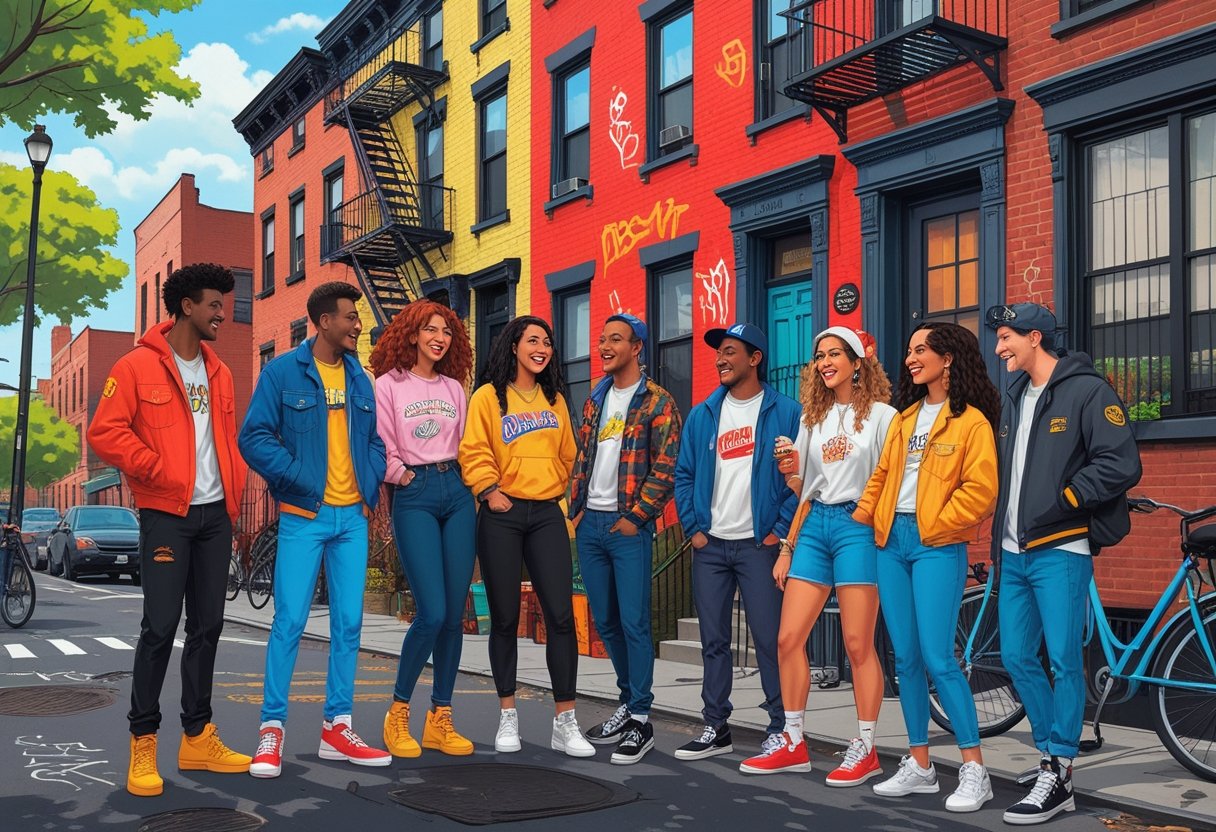
Bushwick residents often use casual nicknames and short phrases to show bond and belonging. These words carry pride in local identity and reflect how community ties shape daily language.
The Use of ‘Son’ and Its Meanings
The word “son” is one of the most recognizable terms in Bushwick slang and wider Brooklyn speech. While it may sound literal, locals rarely use it to mean an actual child. Instead, it acts as a friendly address among peers, especially in casual conversation between men.
In street talk or hip-hop circles, calling someone “son” can mean bro, friend, or dude. The tone defines the meaning—positive when playful, tense if spoken during an argument. This flexible use shows how Brooklyn slang depends heavily on delivery and context.
| Usage | Meaning | Example |
|---|---|---|
| Friendly | Term of respect or casual address | “What’s good, son?” |
| Confident | When greeting peers | “Son, you already know.” |
| Confrontational | When challenging someone | “Watch yourself, son.” |
Over time, “son” has spread beyond Bushwick through hip-hop music and social media, but it still signals authentic New York roots when used naturally.
Other Local Nicknames and Friendly Terms
Bushwick speech also includes a variety of casual nicknames that show familiarity and humor. Locals might call close friends fam (short for family), bro, or homie. Each term marks inclusion in a trusted circle, similar to neighborhood shorthand for friendship and loyalty.
Some residents use playful Brooklyn-style endearments such as ma or papi, often borrowed from Latino culture in the area. These are spoken warmly, usually between friends, partners, or relatives.
| Term | Common Meaning |
|---|---|
| Fam | Trusted group of friends |
| Ma / Papi | Affectionate terms, often romantic or familial |
| Bro / Homie | Close friend or companion |
These simple words help keep a neighborly tone alive in Bushwick. They reflect how language and community stay deeply connected in this part of Brooklyn.
Popular Bushwick Phrases and Sayings
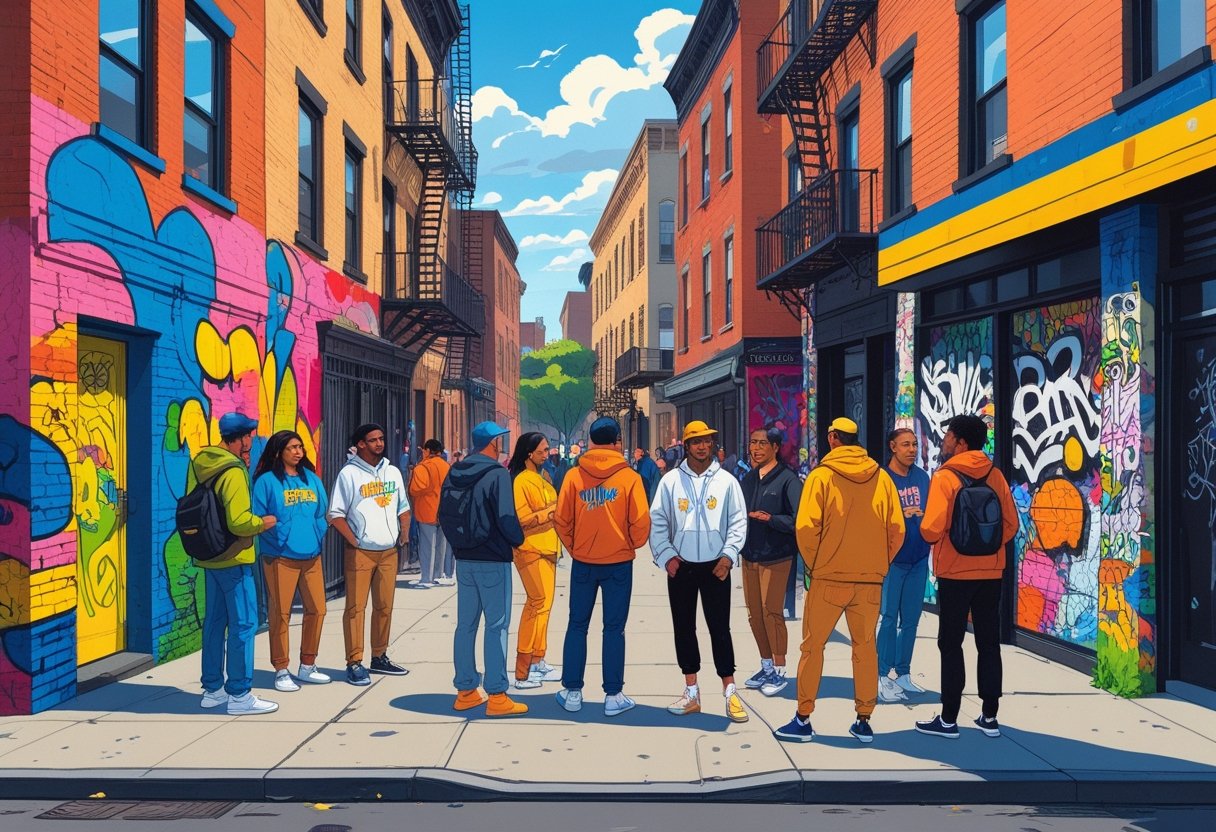
Bushwick residents use a mix of local and wider New York City slang that reflects the area’s culture, attitude, and sense of humor. These expressions often show honesty, pride, and directness, shaped by the borough’s blend of old-school Brooklyn roots and new creative influences.
Not For Nuttin But…
This phrase often starts a sentence when someone wants to make a point without sounding too direct or rude. In Bushwick and across Brooklyn, “Not for nuttin but…” roughly means “no offense, but” or “just saying.” It sets up a statement that may sound critical or blunt, while still softening the delivery.
Locals use it before sharing honest opinions about someone’s work, outfit, or behavior.
Example: “Not for nuttin but that pizza spot on Knickerbocker isn’t what it used to be.”
In conversation, it signals familiarity and truth-telling. Brooklyn slang often values being open but respectful, and this phrase captures that balance. It’s a verbal cue that what follows comes from real talk rather than judgment or gossip.
| Part of Speech | Type | Meaning |
|---|---|---|
| Phrase | Interjection | Used to introduce a truthful or critical statement casually |
You Bodied That
When someone says, “You bodied that,” they’re giving real praise. In Bushwick, it means someone did something extremely well—whether that’s nailing a freestyle, designing street art, or cooking a great meal. The word bodied flips from its literal sense to one of success or dominance.
This expression comes from NYC slang, especially hip-hop and street basketball culture. To “body” something means to master or kill it in the best way possible.
Example: “She bodied that mural on Troutman Street.”
Hearing it in Bushwick often connects to the creative scene. Unlike standard compliments, it carries weight because it shows skill and authenticity. When locals use it, they recognize real effort and results—something this neighborhood values deeply.
Put Me On
In daily Brooklyn speech, “Put me on” is a way to ask for information or a hookup. It’s a request for someone to share an opportunity, connect them with a person, or put them onto new music or style. The phrase means help me out but in a casual, familiar tone.
Example uses:
- “Put me on to that new spot in Bushwick.”
- “Can you put me on with that DJ you know?”
This saying reflects the local culture of networking and sharing. In Bushwick, people mix creative projects with social life. The phrase builds trust and invites collaboration, especially within close circles. It shows how Brooklyn slang values connections that go beyond surface-level talk.
I’m So Tight
“I’m so tight” expresses frustration or annoyance. It’s one of those NYC slang phrases that sounds casual but carries strong emotion. Brooklyn speakers use it when reacting to being inconvenienced, betrayed, or disappointed.
For example: “I’m so tight the train got delayed again.”
It communicates anger while keeping a sense of composure—more controlled than yelling but still sharp.
This phrase appears in daily life all across Bushwick, from conversations at corner stores to studio chats. The tone usually decides how serious it is. It might be mild irritation or genuine anger. In local speech, tight doesn’t describe physical tension; instead, it describes an internal reaction most New Yorkers understand instantly.
Street and Urban Life Vocabulary

Bushwick’s street talk reflects its close relationship with the built environment. Everyday speech often includes references to neighborhood fixtures, public spaces, and signs of change visible on almost every block. Locals use these terms not only for directions but also as part of what shapes their shared identity.
Johnny Pump and Other Local Landmarks
In Bushwick, a “Johnny pump” is another name for a fire hydrant. The term has deep New York roots and often appears in local stories or casual talk about summer activities. When the weather gets hot, children once played in the streams of water from an opened Johnny pump. It symbolized community, especially before air conditioning became common.
Many older residents still use the word naturally, though younger ones may pick it up from family or friends. The Johnny pump is part of the linguistic fabric of Brooklyn speech, sitting next to mentions of bodegas, stoops, and corner delis in daily life. People might use it as both a literal term and a nostalgic reference to street culture that continues to shape Bushwick’s character.
A short list of local vocabulary often linked to this tradition includes:
- “Pumpin’ the Johnny” – cooling off at an open hydrant in the summer.
- “On the block” – the immediate stretch of one’s street, often near the pump.
- “The corner” – central hangout point for neighbors and friends.
Fire Hydrant Culture in Bushwick
Fire hydrants in Bushwick hold more meaning than their practical use. They act as gathering spots and visual anchors in dense city blocks. In the past, residents opened hydrants to cool off or clean sidewalks. That practice has declined, but the image of kids running through the spray on a hot day still connects generations.
Hydrants are also seen through an artistic lens. Many murals include them, blending city infrastructure with personal memory. Street photographers capture this link between utility and culture, often highlighting how public resources become symbols of resilience and creativity.
The city now provides spray caps, allowing hydrants to release water safely without reducing pressure. These are part of Bushwick’s efforts to balance tradition and safety—keeping the joy of a classic urban ritual alive while managing modern regulations.
Bodegas: The Heart of the Community
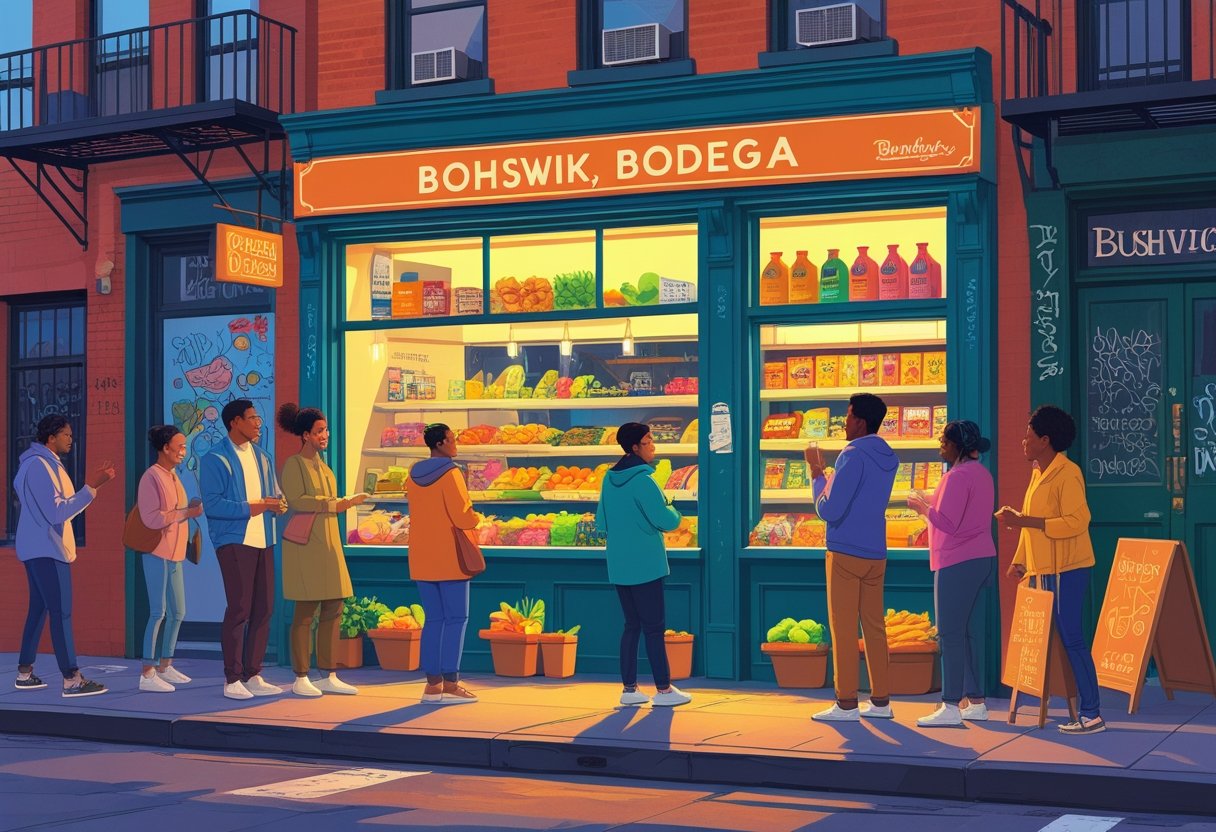
In Bushwick, bodegas act as anchors for residents, offering quick meals, small talk, and local updates. They supply daily essentials, from milk to lottery tickets, while serving as informal social hubs that reflect neighborhood life and culture.
Role of the Bodega in Daily Life
A bodega is more than a corner store. In Bushwick, it often operates from early morning until midnight, meeting nearly every small convenience need. Locals grab coffee, sandwiches, and chips, or pick up pet food and cleaning supplies on the way home.
Many bodegas run family-owned businesses that have served generations. Stopping in for a quick meal or to check on the owner’s new cat becomes a small, steady part of the day. Some even act as information centers, pointing newcomers to nearby laundromats or bus stops.
A common scene includes teens buying snacks after school while older neighbors discuss the weather near the deli counter. The mix of languages—Spanish, English, and local slang—reflects the diversity of Bushwick life.
| Item Type | Common Examples in Bushwick Bodegas |
|---|---|
| Snacks | Plantain chips, Takis, Doritos |
| Drinks | Arizona tea, coconut water, soda |
| Deli | Bacon-egg-and-cheese, chopped cheese |
Slang and Social Etiquette at Bodegas
Locals often use a few unwritten rules when entering a bodega. Saying “Yo, papi” or “What’s good?” when greeting the clerk shows friendliness. Regular customers might be called “mami” or “bro” with easy familiarity.
People usually keep the line moving and tip when ordering sandwiches or coffee. Knowing the bodega slang—like asking for a “BEC” (bacon, egg, and cheese) or “hero” (a large sandwich)—helps customers blend in.
Respect matters as much as speed. Locals often greet store cats by name, hold the door for others, and thank the bodeguero before leaving. These small habits keep the store feeling personal and trusted, making the bodega more than a place to shop—it’s part of everyday rhythm in Bushwick.
Food, Snacks, and Everyday Essentials Slang
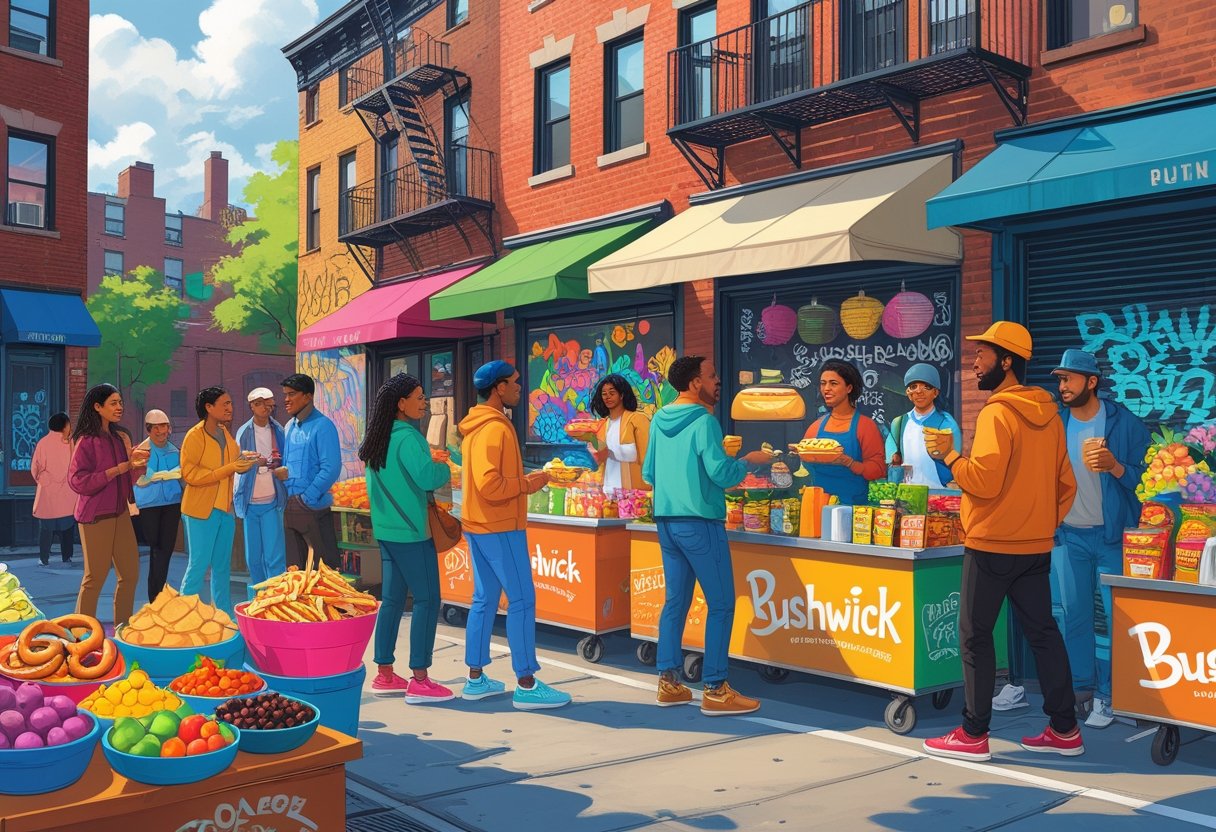
Bushwick residents use quick, casual terms to describe their favorite bites, drinks, and daily items. Many of these words come from bodega culture and reflect the rhythm of life in Brooklyn, where food, convenience, and conversation often meet on the corner.
Chips and Local Snack Lingo
In Bushwick, people often stop by the bodega for a quick snack. Locals don’t always ask for “chips”—they might say grab some eats or get me a bag of those hot joints, referring to spicy or popular chip brands. The word “eats” serves as a catchall for any food, from chips to sandwiches.
Brand names also turn into shorthand. Someone might say they’re craving Doritos, even when they simply mean any bold, flavored chips. The lines blur between product and slang, showing how everyday choices shape speech.
At the counter, regulars often combine food slang with energy. A quick exchange might go:
- “Yo, pass the honey BBQs.”
- “Bet, I’ll get those and a drink.”
The language feels informal but familiar, reflecting neighborhood pride and shared habits.
Ordering and Shopping Phrases
When ordering, Bushwick locals keep things short and clear. A person might say lemme get a bacon, egg, and cheese or simply a BEC on a roll. The bodega often replaces supermarkets, so residents use it as both a store and social hub.
Common phrases include:
| Slang / Phrase | Meaning |
|---|---|
| Cop | To buy something |
| Good looks | Thanks for helping or paying |
| Eats | Food in general |
People might cop “some eats” before work or say good looks, papi to thank the clerk. Even routine shopping carries rhythm and personality, blending culture, convenience, and conversation with every visit.
Compliments and Acknowledgements in Slang
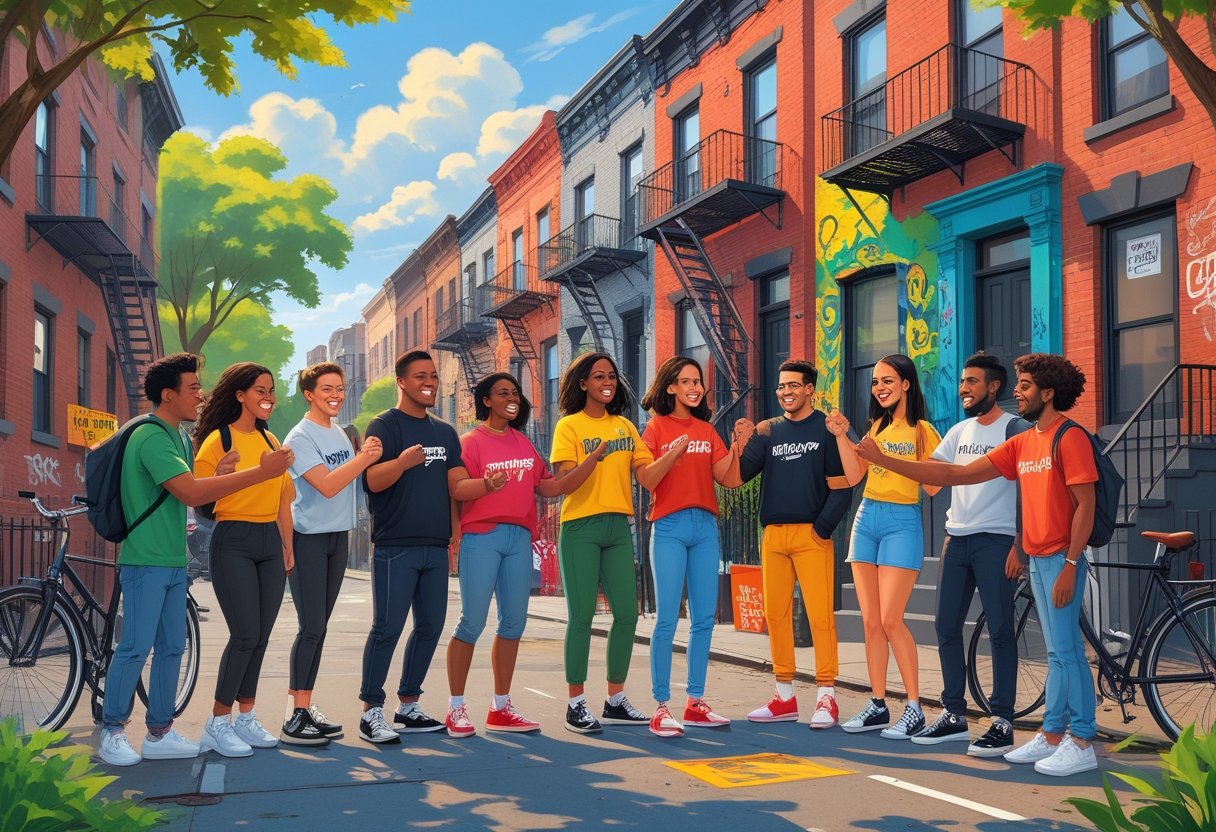
Bushwick locals use short, catchy phrases to give credit or show appreciation. Slang plays a big role in how friends talk about respect, authenticity, and gratitude in everyday conversations. These expressions help people connect and recognize each other’s good energy or actions.
Good Looks and Positive Expressions
In Bushwick, saying “good looks” is one of the most direct ways to thank someone. It often replaces “thanks” or “I appreciate it.” Someone might hear it after holding a door, spotting a friend some cash, or grabbing food for the group.
People also say “facts” when they agree with something true or impressive. If someone makes a fair point, a quick “facts” backs them up. Another modern option is “valid,” meaning something is cool, reliable, or authentic. When a person’s fit or opinion hits right, locals respond with “That’s valid.”
| Phrase | Meaning | Example |
|---|---|---|
| Good looks | Thanks or appreciation | “Good looks for grabbing my coffee.” |
| Facts | Agreement with truth | “That’s how it is, facts.” |
| Valid | Approval or compliment | “His new kicks are valid.” |
Other Praise Phrases
Some compliments focus more on respect or personality. Saying “you sturdy” means someone is dependable and solid. It reflects loyalty, a big deal in Brooklyn culture. “You official” carries a similar tone, used when someone proves they are genuine or capable.
People may drop “fire” or “mad nice” to describe something impressive, like a song, outfit, or meal. They might also call someone “the real one” to acknowledge integrity or support. These short phrases fit naturally into daily talk and help maintain the friendly, confident rhythm typical of Bushwick speech.
Modern Interpretations and Evolving Slang
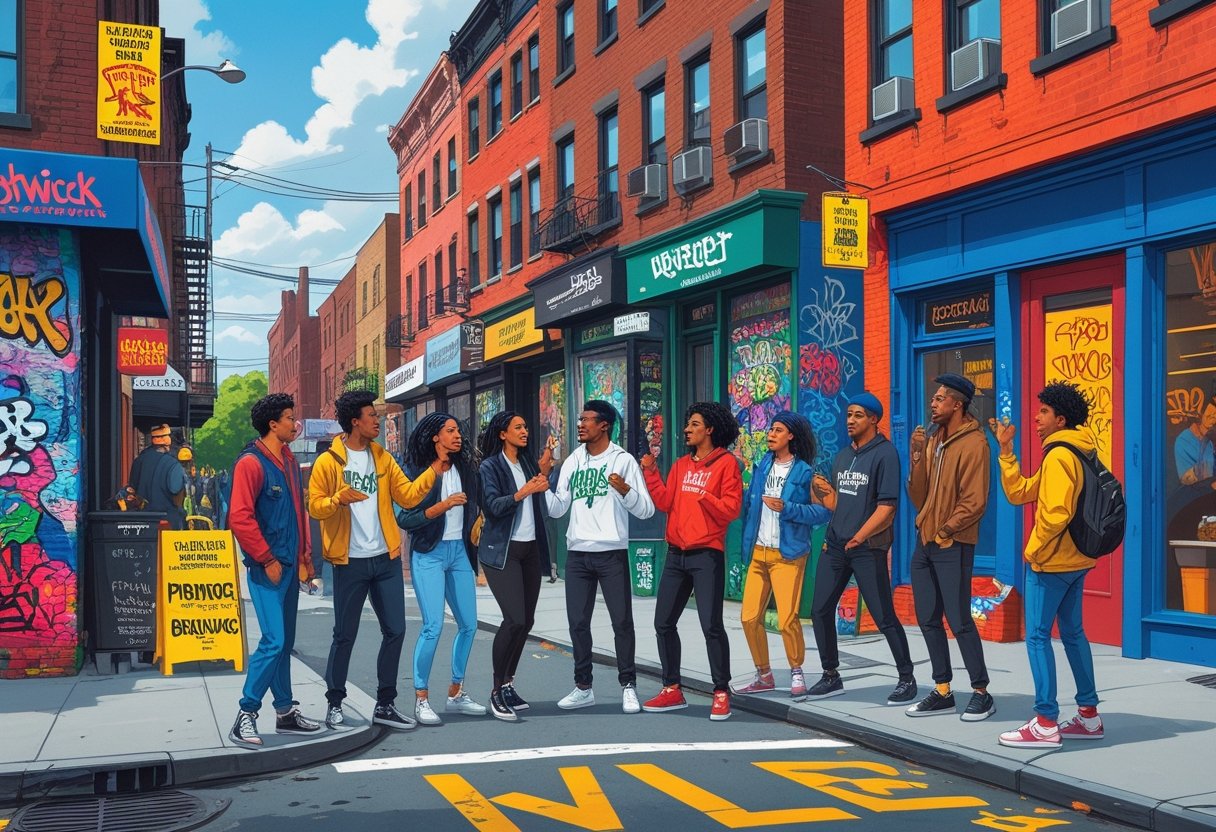
Bushwick’s slang keeps shifting as younger residents mix long‑used neighborhood phrases with language influenced by social media, new music trends, and local changes. The result is a blend of updated expressions that balance old Brooklyn identity with a more diverse creative culture.
Wildin and New Wave Expressions
The word “wildin” still means acting out or going too far, but its tone now depends on context. Among Bushwick youth, saying someone is wildin might describe reckless humor just as easily as real trouble. Online use has stretched it further, turning it into a playful tag for videos or group chats that show bold behavior.
Many short forms follow this pattern. Words like “deadass,” “bet,” and “mad” have moved from local speech to global slang through hip‑hop and social platforms. Yet Bushwick residents often tie them to specific tones, where deadass signals seriousness, and mad brick highlights cold weather.
| Term | Common Use | Meaning |
|---|---|---|
| wildin | Verb | Acting out, joking hard, or getting carried away |
| bet | Interjection | Agreement or acceptance |
| deadass | Adjective | Truly or completely serious |
These updates show how Bushwick language adapts quickly yet stays grounded in everyday street talk.
Influence of Gentrification on Local Lingo
As Bushwick has faced gentrification, its slang reflects the meeting point of long‑time residents and new arrivals. Older expressions from Afro‑Caribbean, Puerto Rican, and African American communities remain, but new phrases shaped by art, tech, and nightlife have added layers of meaning.
Locals often remix words to mark identity and belonging. The rise of “BKNY” pride tags or playful phrases like “you good?” still carry Brooklyn roots but may now sound more casual across mixed groups. Some residents use slang deliberately to protect cultural space, while others see it as shared code blending old and new speech styles.
This linguistic shift documents social change more clearly than statistics. Each updated term—whether wildin, slow, or link—still ties back to Bushwick’s rhythm and the way language records who shapes the neighborhood’s voice.