As a dog owner, you may have come across some common beliefs about dogs that simply aren’t true. These misconceptions can lead to frustration and confusion, impacting how you care for your pet. Knowing the truth about these myths can help you become a better dog owner and strengthen your bond with your furry friend.
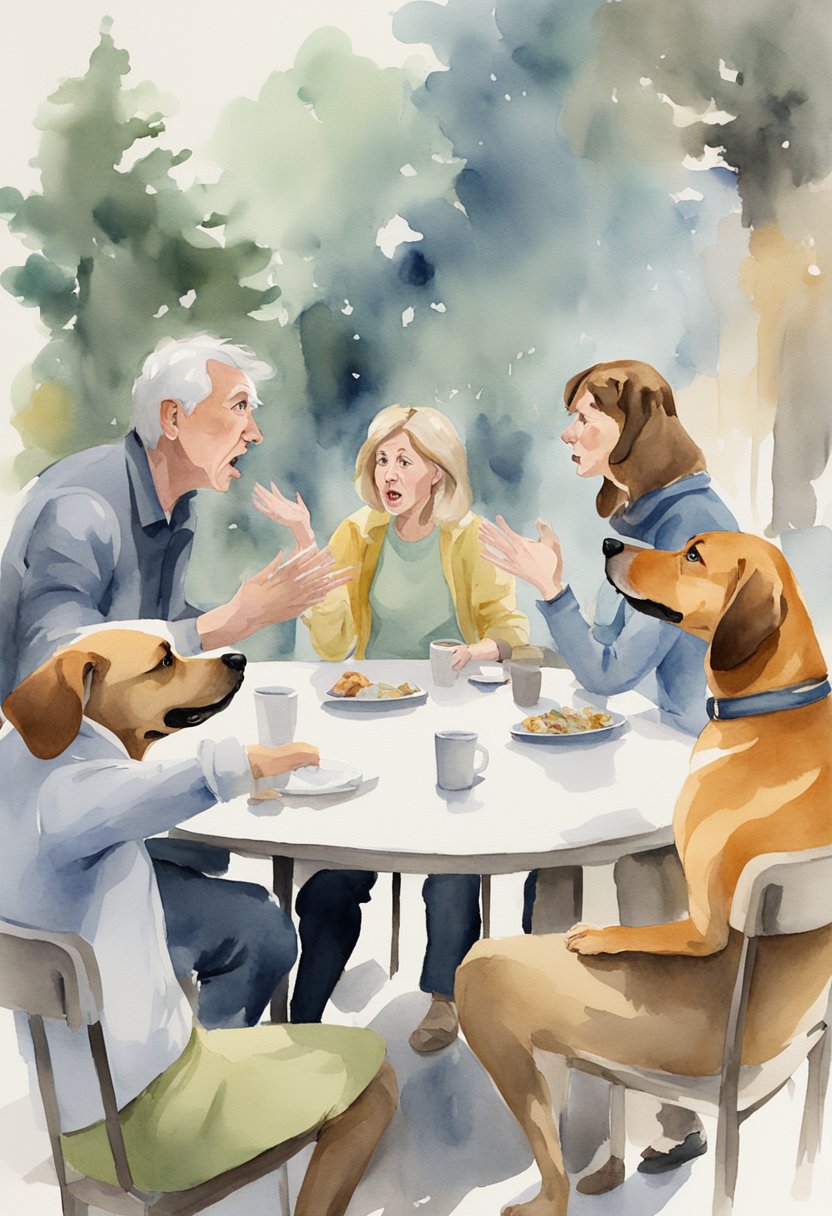
Many people hold these misunderstandings without realizing the effects they can have on their dogs. By clarifying these myths, you can improve your dog’s well-being and your overall experience as an owner. It’s time to take a closer look at these beliefs and see what really matters for your four-legged companion.
1) Dogs are colorblind

Many people think dogs are completely colorblind. This is not true. Dogs see colors differently from humans, but they are not blind to all colors.
Human eyes have three types of color receptors, called cones. In contrast, dogs have only two. This means they can see some colors, but not as many as you do.
Dogs mainly see blue and yellow. They can struggle with red and green. For your dog, a bright red ball might look gray or brown. Imagine playing with a toy that seems different to you than it does to your friend.
Does knowing this change how you choose toys for your dog? Selecting blue or yellow toys might make playtime more enjoyable for them. You can help your dog enjoy their world in a way that fits their vision.
2) All dogs enjoy hugs
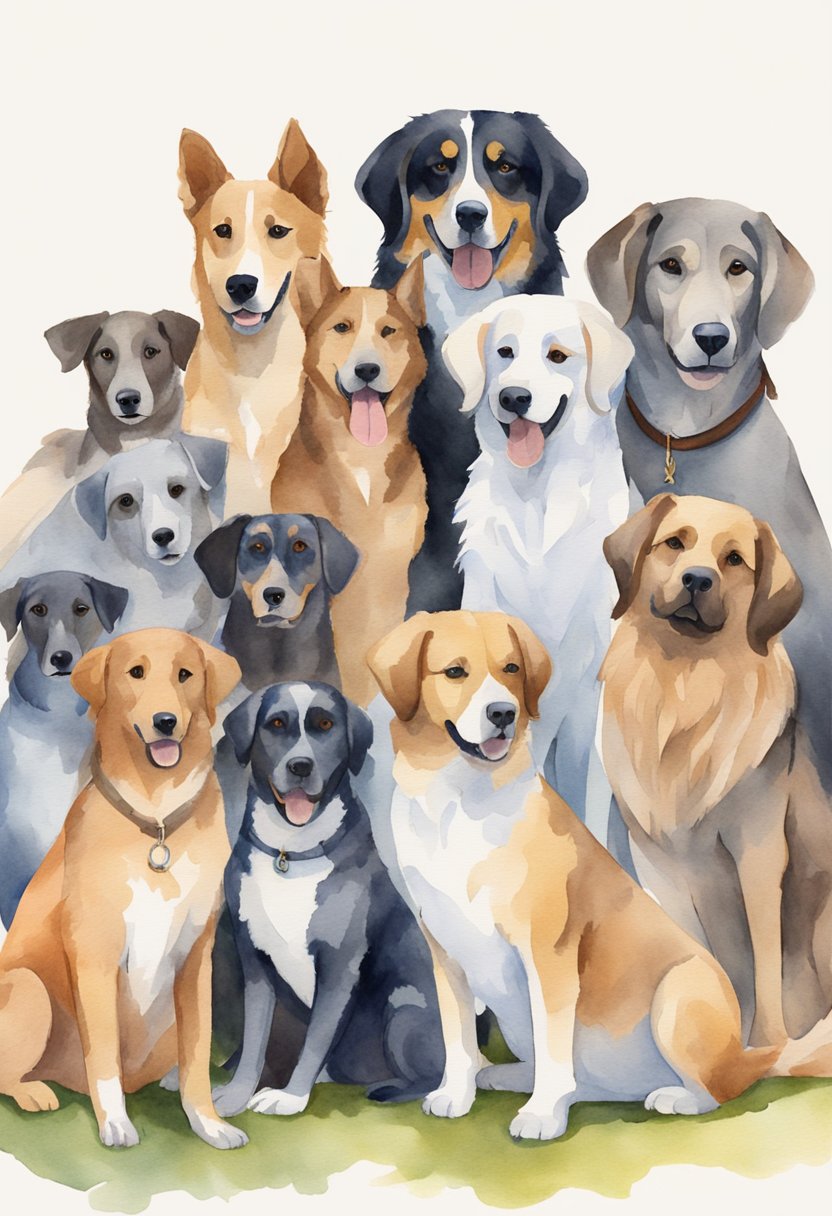
Many people believe that every dog loves to be hugged. This is a common idea but not always true. Every dog has its own personality and comfort level.
Some dogs may feel trapped or anxious when you embrace them. They might squirm away or show signs of discomfort. Does your dog lean in for a cuddle, or do they try to escape when you wrap your arms around them?
It’s important to watch your dog’s body language. Signs like a tucked tail, pinned ears, or stress signals mean your dog may not appreciate your affection. Instead of hugging, try offering gentle petting or a favorite treat.
Building trust with your dog is key. Find out what makes your dog feel safe and loved. Playtime, treats, or simply being close can be better than a hug for some dogs.
Every dog is unique. Understanding their preferences will help you bond better. So next time you want to hug your dog, think: is this what they want, too?
A wagging tail means a happy dog

Many people think a wagging tail always means a dog is happy. This belief can be misleading. A dog can wag its tail for several reasons.
For instance, a high, fast wag might show excitement or joy. But what about a slow wag? That can indicate uncertainty or even fear. Have you ever seen a dog wagging its tail while a stranger approaches? It might be nervous.
The position of the tail also matters. A tail held high can show confidence, while a low tail can signal submission or anxiety. It’s important to pay attention to the dog’s body language as a whole.
Context is key. If your dog is playing and wagging, it likely feels good. If it’s cowering and wagging, it might be scared. Always observe your dog’s reactions in different situations.
Next time you see a wagging tail, think carefully. Does it mean happiness, or could it be something else? Understanding your dog’s signals can improve your bond and help keep them safe.
4) Dogs eat grass when sick
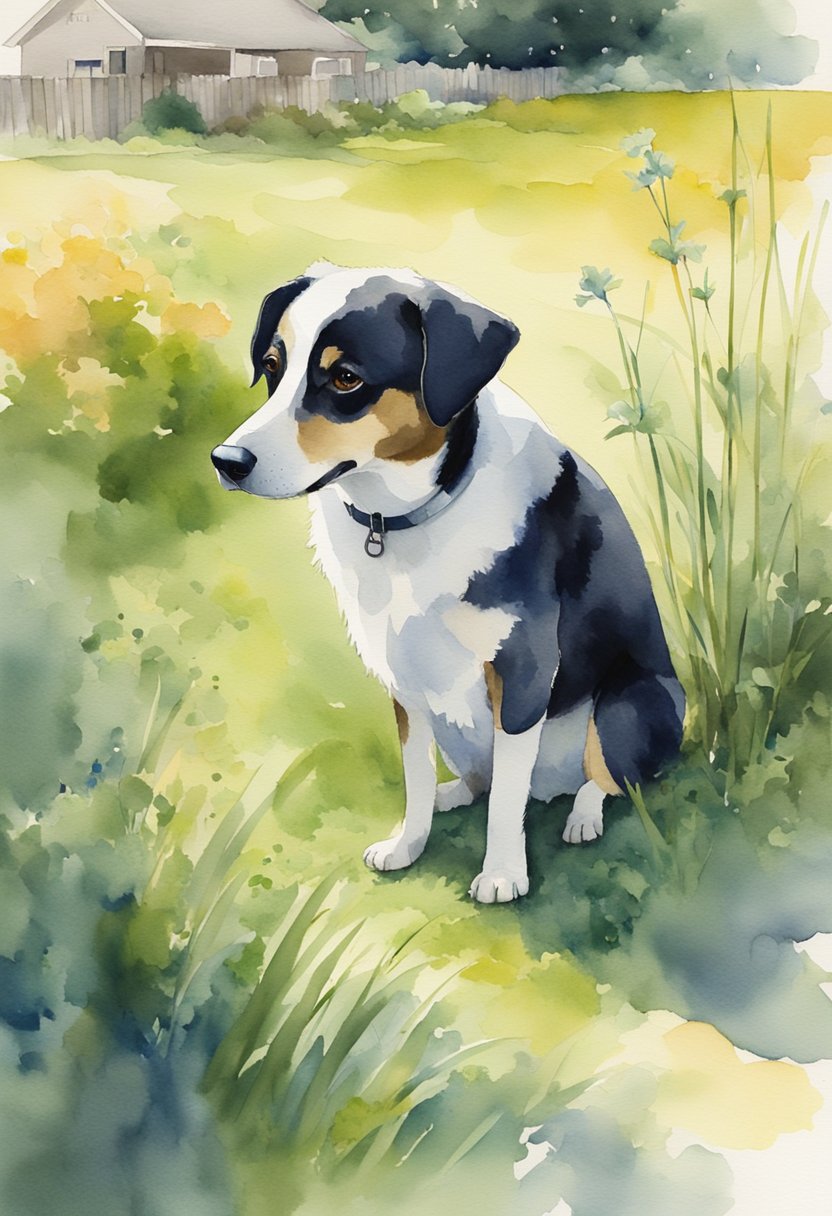
You might have seen your dog munching on grass and worried that something is wrong. This is a common thought, but it isn’t always true.
Many dogs eat grass for other reasons. Sometimes, they just like the taste or texture. Grass can be a fun snack for a bored dog. You may also find your dog nibbling on grass simply because it’s in their environment.
Some owners believe that eating grass makes dogs vomit. While it’s possible that some dogs may vomit after eating it, many do not show any signs of illness. It’s a natural behavior for them.
Have you ever watched your dog outside, sniffing and exploring? They are curious creatures. Eating grass might be part of your dog’s playful exploration, rather than a sign of sickness.
If your dog seems unwell consistently or you notice sudden changes in behavior, it’s a good idea to consult a vet. Regularly eating grass does not mean your dog is sick, but it’s always smart to check if something seems off.
5) Dogs can eat all human foods
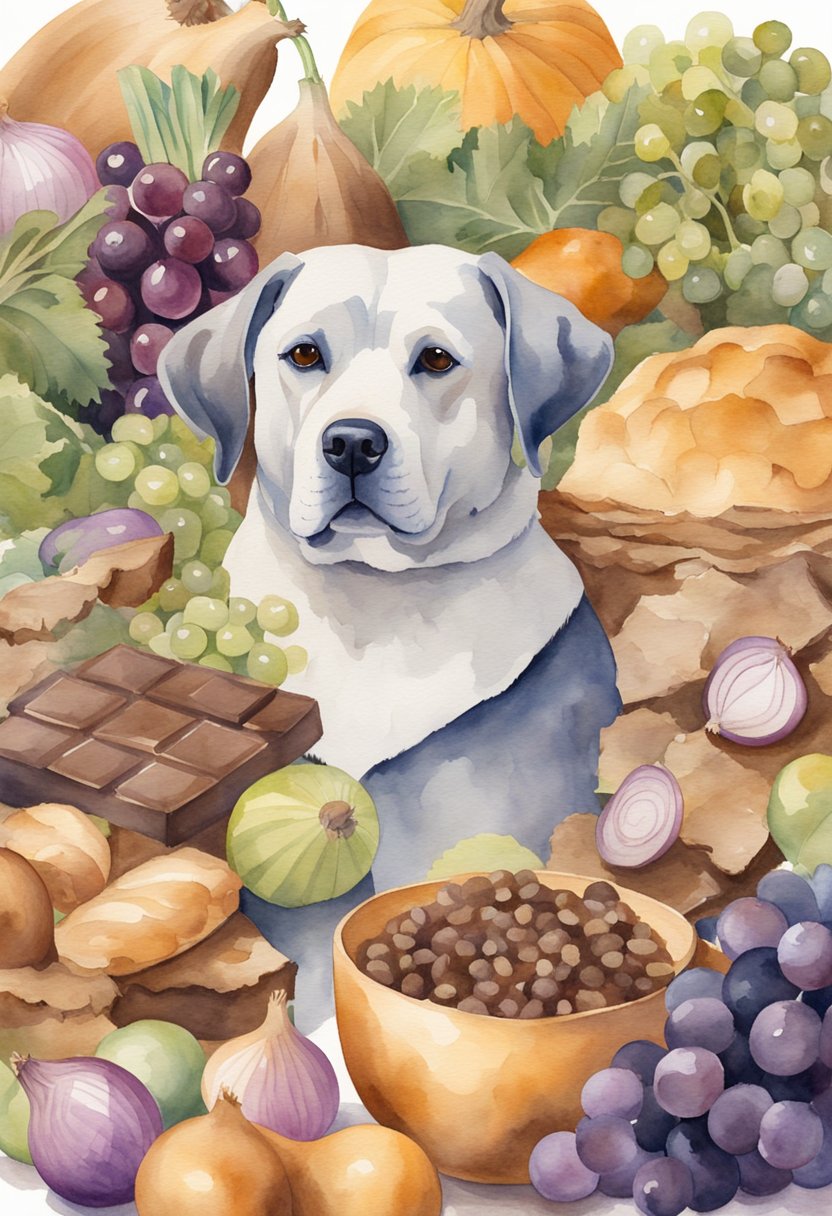
Many dog owners believe their pets can eat any human food. This is not true. Some foods that are safe for you can be harmful to dogs.
For example, chocolate is toxic to dogs. Even a small amount can make them very sick. Grapes and raisins can also cause serious health problems.
On the other hand, some foods are fine for dogs. Boiled chicken, carrots, and apples can be good treats. Always check before sharing your meals.
Have you ever heard a friend say it’s okay to give their dog table scraps? They might not realize the risks. Certain spices and ingredients can upset a dog’s stomach or cause allergies.
Think twice before sharing your food. It’s always a good idea to stick to dog-friendly treats. Your pet depends on you to keep them safe and healthy.
6) Mixed breeds are always healthier
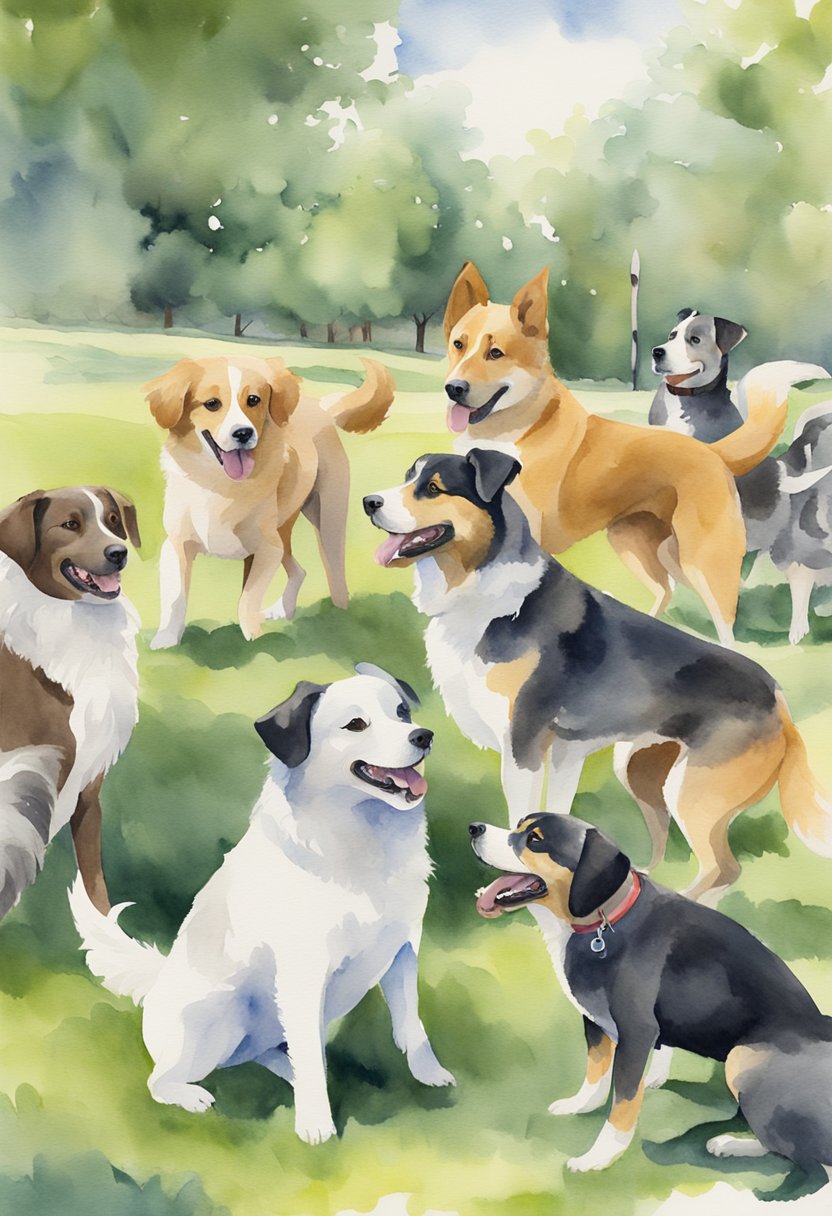
Many people believe that mixed breed dogs are always healthier than purebreds. This idea brings comfort to many owners. After all, who wouldn’t want a dog that is less likely to get sick?
While mixed breeds can benefit from a wider gene pool, they aren’t immune to health issues. Some mixed breeds can inherit health problems from either parent. For example, certain conditions can come from the breeds in their background.
It’s important to consider that size and breed traits can play a role in a dog’s health. Just because a dog is a mixed breed does not mean it will not face health challenges.
Always consult a veterinarian. Regular check-ups are key to keeping your dog in good shape. Make sure you understand your dog’s specific needs. This approach can help you provide better care, no matter the breed.
Do you know your dog’s breed mix? Understanding this can help you be proactive about health care.
7) All dogs are natural swimmers

Many people believe that all dogs can swim easily. This is a common misconception.
Some breeds are excellent swimmers, like Labradors and Golden Retrievers. They have the right body shape and fur for it. But not every dog can paddle in the water.
Certain breeds, like bulldogs and dachshunds, may struggle to swim. Their body types make it hard to stay afloat. Have you ever seen a dog sniff the pool but hesitate before jumping in? That might be because they do not instinctively swim.
It’s important to know your dog’s abilities. Just because a dog is part of a “water” breed does not mean they are a natural swimmer. Always supervise your dog around water.
If you want to introduce your dog to swimming, do it slowly. You can help them feel safe and build confidence. Maybe start in shallow water and let them explore at their own pace.
Understanding your dog’s swimming skills can make playtime safer and more fun. What has your experience been with your dog’s water adventures?
8) A dog’s breath should smell fresh
Many people believe that a dog’s breath should always smell fresh. This idea can make pet owners worry if their dog’s breath has an odor. Have you ever noticed your dog’s breath doesn’t smell like a minty treat?
It’s important to know that some odor is normal. Dogs eat different things, and their diets affect breath smell. If your dog eats kibble, treats, or even a bit of table food, expect some variation in smell.
However, bad breath can indicate health issues. Bacteria buildup, gum disease, or dental problems can cause foul odor. If your dog’s breath suddenly changes, it could be a sign to visit the vet.
You should be aware of what is normal for your dog. Regular dental care can help keep their breath in check. Brushing their teeth and giving chew toys can reduce bad odors.
When you know what to expect, you can better care for your dog’s health. Don’t let old myths make you stressed. Focus on your dog’s well-being instead.
9) Dogs Can Guide Themselves With Scent Alone
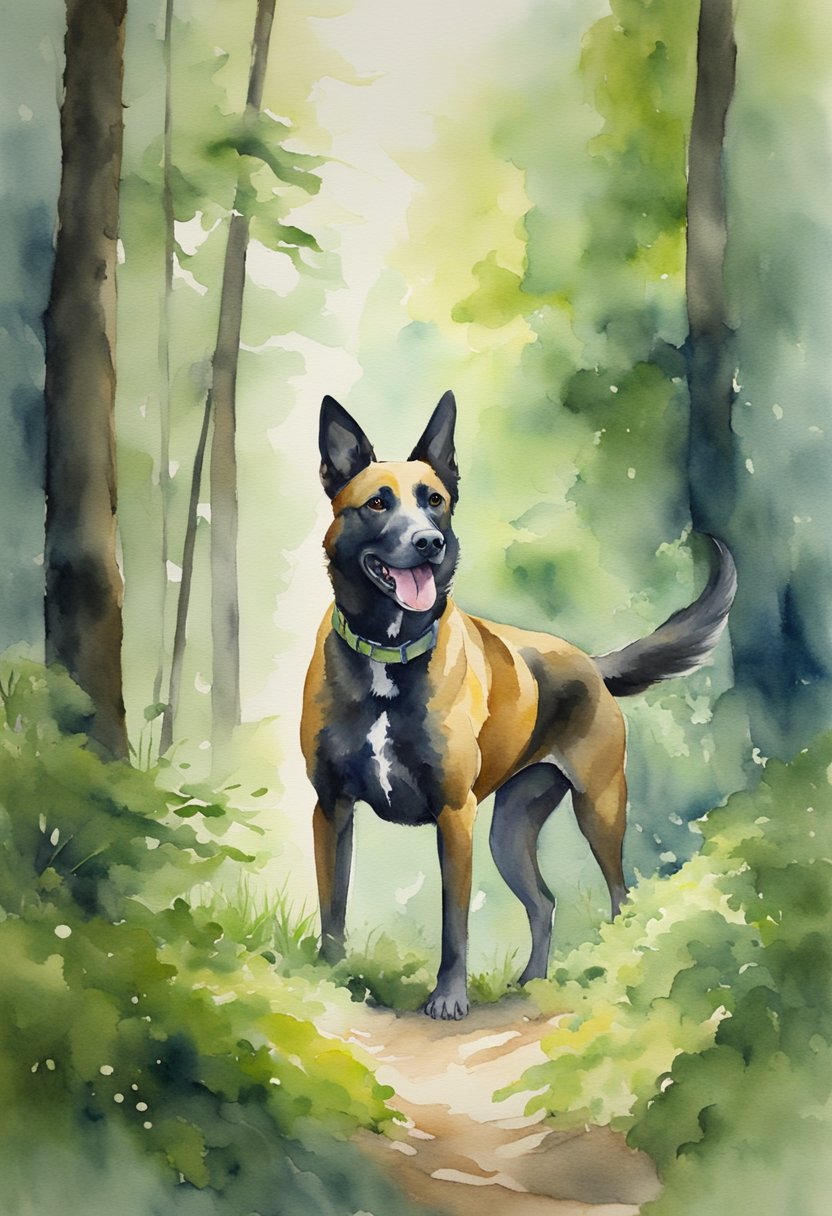
Many people think dogs can always find their way just by using their sense of smell. While dogs have an amazing sense of smell, they cannot rely on it completely.
Imagine your dog in a new place. They may sniff around a lot. This helps them gather scents and clues. Yet, without visual cues and your guidance, they can easily get lost. Have you ever seen your dog get confused in a big park?
Dogs often use a mix of smell, sight, and even sounds to understand their surroundings. Scent is important, but it’s just one tool in their toolkit. When you take your dog on an adventure, you are their key guide.
So, while dogs are fantastic at tracking scents, they still value your direction. Trusting solely in their nose can lead to misunderstandings and missed paths. Keep this in mind the next time you explore with your furry friend!
10) Aggressive behavior is breed-specific
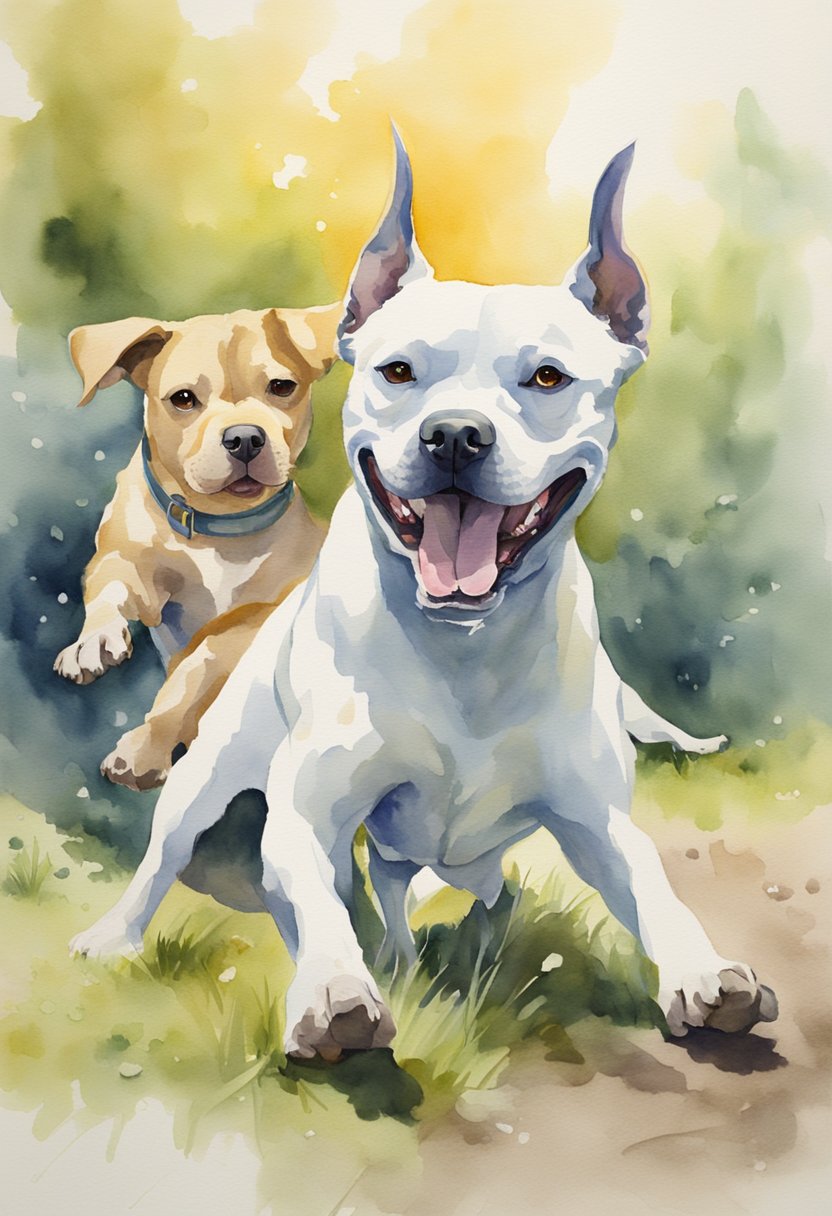
Many people believe that certain dog breeds are naturally aggressive. This idea can make you worry about choosing a dog from a specific breed.
In reality, a dog’s behavior is more about how they are raised than their breed. Factors like training, socialization, and environment play huge roles in how a dog behaves. Have you ever seen a calm pit bull or a playful rottweiler?
Every dog is unique. Just because a breed has a reputation does not mean every dog of that breed behaves the same way.
Aggression often comes from fear or a lack of training. On the other hand, a well-socialized dog can be friendly and loving, no matter its breed.
Thinking that aggression is breed-specific can lead to unfair judgments. It can cause owners to be fearful, which only adds to the problem.
Instead, focus on understanding your dog’s needs. Training and socialization are key to preventing aggressive behavior. How can you ensure your dog grows up feeling safe and secure?