Many dog owners face frustration when they encounter common misunderstandings about their pets. Misconceptions can lead to confusion and even anger, affecting the bond between you and your furry friend. By recognizing these false beliefs, you can become a more informed and effective pet owner.

Sometimes, these myths are passed down without questioning their accuracy. It’s important to challenge these ideas to improve your relationship with your dog. Understanding the truth can help you provide better care and create a happier environment for both you and your pet.
1) Dogs Misbehave to Spite Their Owners

Do you ever feel like your dog is acting out just to annoy you? It’s a common thought among pet owners, but this isn’t true. Dogs don’t misbehave to get back at you.
Their behavior often comes from different reasons. Maybe they feel bored or anxious. Sometimes, they just want attention or are reacting to their environment.
When a dog chews on furniture or barks excessively, it’s not a personal attack. They might be trying to express their needs or feelings. Have you considered that they may be seeking help with something they don’t understand?
Understanding dog behavior can help strengthen your bond. Instead of seeing misbehavior as spite, think of it as a chance to communicate. Can you identify what your dog is trying to tell you?
Take time to observe your pet’s actions. Your response to their behavior can turn frustration into a learning moment. Dogs need guidance, and they look to you for that support.
Certain breeds are naturally aggressive and dangerous.

Many people believe that some dog breeds are just aggressive by nature. Is that true? The answer is more complex than it appears.
Aggression in dogs often comes from how they are raised, their environment, and their training. It’s not just about their breed. For example, a well-trained dog of any breed can be friendly and loving.
Media often highlights certain breeds, painting them as dangerous. This can lead to fear and misunderstanding. Do you think these perceptions are fair?
Every dog is an individual. Their behavior can change based on how they are treated. If you provide proper training and socialization, most dogs will be well-behaved.
Breeds that are labeled as aggressive may be responding to fear or anxiety instead. Understanding their needs can help prevent aggressive behavior. So, can we judge a dog solely by its breed?
3) Dogs don’t need regular exercise if they’re small.
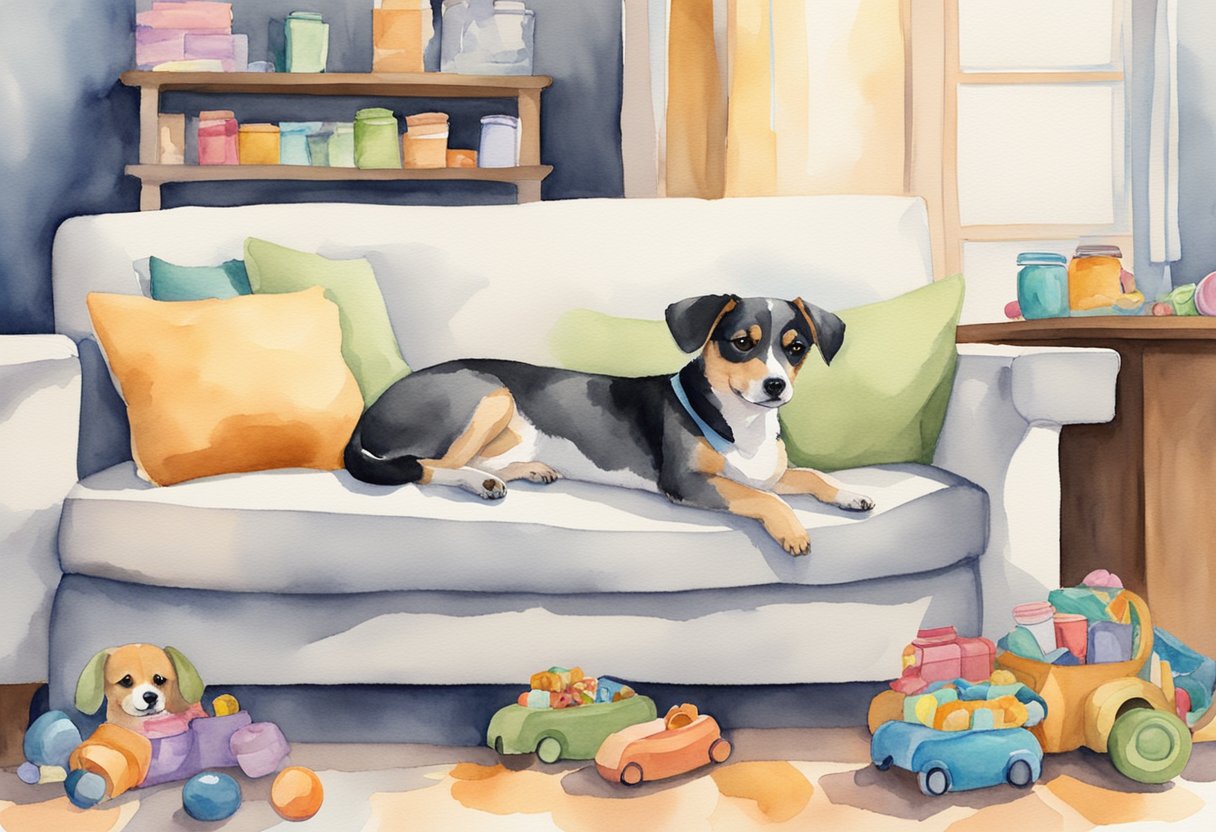
Many people believe that small dogs don’t require much exercise. This is a common misconception that can lead to problems for both the dog and the owner.
Just because a dog is small doesn’t mean it has low energy. Small breeds like Jack Russell Terriers and Chihuahuas can be very active. They need daily exercise to stay healthy and happy.
Think about it: do you want a restless dog at home? Lack of exercise can cause behavioral issues like barking or chewing.
Even small dogs benefit from walks and playtime. It helps them stay fit and improves their mood. Exercise is important for their physical and mental health.
So, next time you think small means low energy, remember that your dog needs regular exercise just like any other breed. Give them the activity they need to thrive.
4) You can’t train older dogs—they’re too set in their ways.
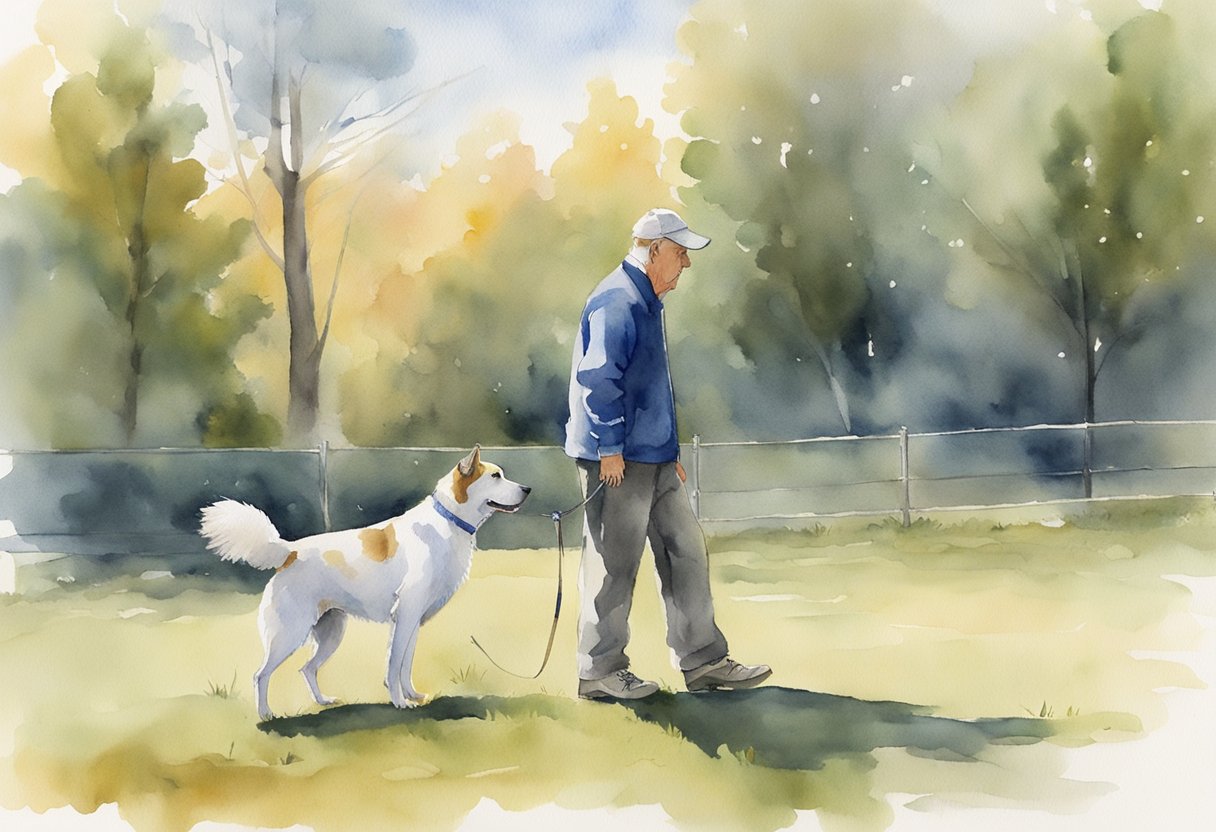
Many people think older dogs can’t learn new things. This belief can make you feel hopeless if your dog has some bad habits. The truth is, older dogs can still be trained.
Dogs of all ages can learn. It might take more time and patience, but it’s possible. Have you ever seen an older dog pick up a new trick? It can be amazing to watch.
Your older dog may have different needs than a puppy. They might not have the same energy levels. This means you may need to adjust your training methods.
Use shorter training sessions to keep your dog engaged. Older dogs benefit from gentle encouragement. Positive reinforcement can make all the difference in their learning.
Are you ready to help your older dog learn new behaviors? With your love and care, they can grow and change. Remember, every dog, regardless of age, can learn and improve with the right approach. So don’t give up hope!
5) All rescue dogs have behavioral problems.
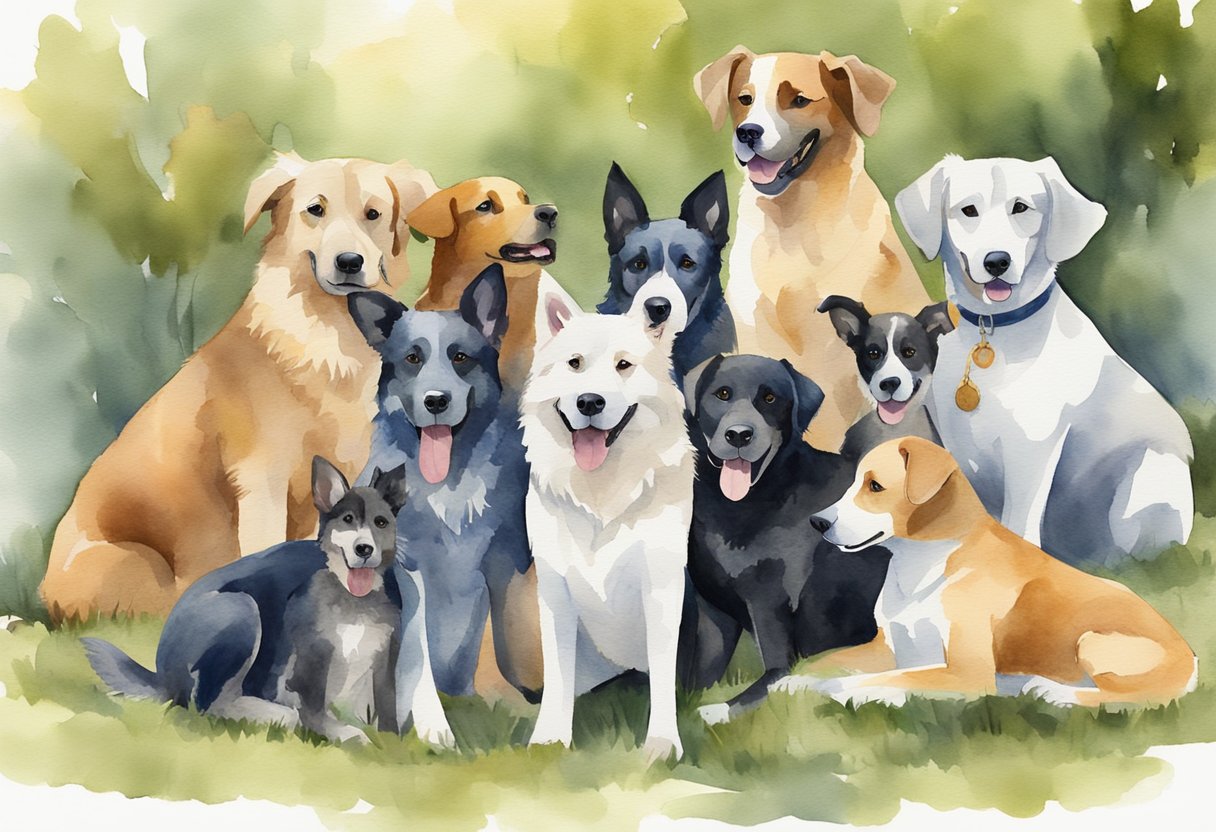
Many people think that rescue dogs come with issues. This is not true for all dogs.
Some rescue dogs may have faced tough situations, but that doesn’t mean they will behave badly. Each dog is unique with its own personality and past.
You might be surprised by how many rescue dogs are well-adjusted. Many have been loved and cared for in foster homes. They can be just as calm and friendly as any dog from a breeder.
It’s important to know that training and love can help any dog, not just the ones from rescue groups. You can support their needs and help them thrive in your home.
Have you considered how much a dog can learn with patience and guidance? Adopting a rescue dog could lead to a happy, loyal companion. Instead of focusing on problems, think about the joy a rescue dog can bring to your life.
6) A wagging tail always means a happy dog.
When you see a dog wagging its tail, you might think it is happy. It’s a common belief, but it isn’t always true. Tail wagging can mean different things depending on the situation.
Sometimes, a wagging tail indicates excitement or playfulness. Other times, it can show nervousness or aggression. Have you ever noticed a dog with a stiff body wagging its tail? That dog might be feeling threatened.
Tail position also matters. A high wag can mean happiness, but a low wag or a wagging tail with a stiff posture can suggest anxiety or fear. It’s important to watch your dog’s body language closely.
Pay attention to other signs, like vocalizations and overall behavior. Does your dog seem relaxed or tense? Understanding these clues can help you respond better to your dog’s feelings.
Next time you see a wagging tail, remember that context is everything. What does your dog’s tail wagging really mean?
7) Dogs don’t feel emotions like humans do.
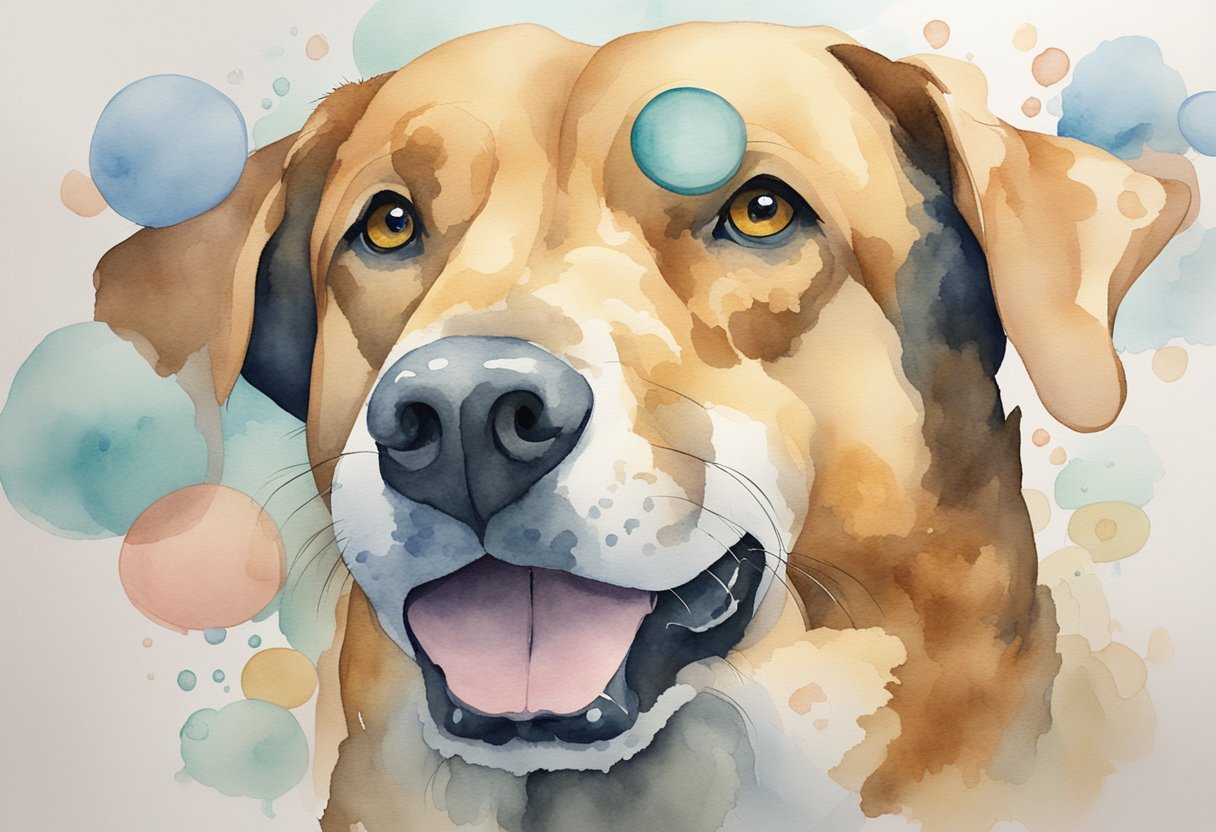
Many people believe that dogs don’t experience emotions. This idea can make you feel frustrated as a dog owner. How can you look into your dog’s eyes and think they don’t feel anything?
Research shows that dogs can feel a range of emotions. They can be happy, anxious, and even jealous. When your dog wags its tail or cuddles up to you, they are showing you their feelings.
Think about how your dog reacts when you come home. Is there excitement and joy? That’s not just instinct; it’s emotional. Dogs bond with their owners and respond to your mood. If you’re sad, they might lean closer to you, sensing your feelings.
You might also notice your dog getting nervous during loud noises. This shows fear, which is an emotion. They feel stress just like we do.
Believing that dogs don’t feel emotions diminishes your connection with them. Your dog experiences the world in its own way, just as you do. So next time you interact with your dog, remember they can feel, too. How much richer would your relationship be if you recognized their emotions?
8) It’s okay to leave a dog in the car if the windows are cracked.
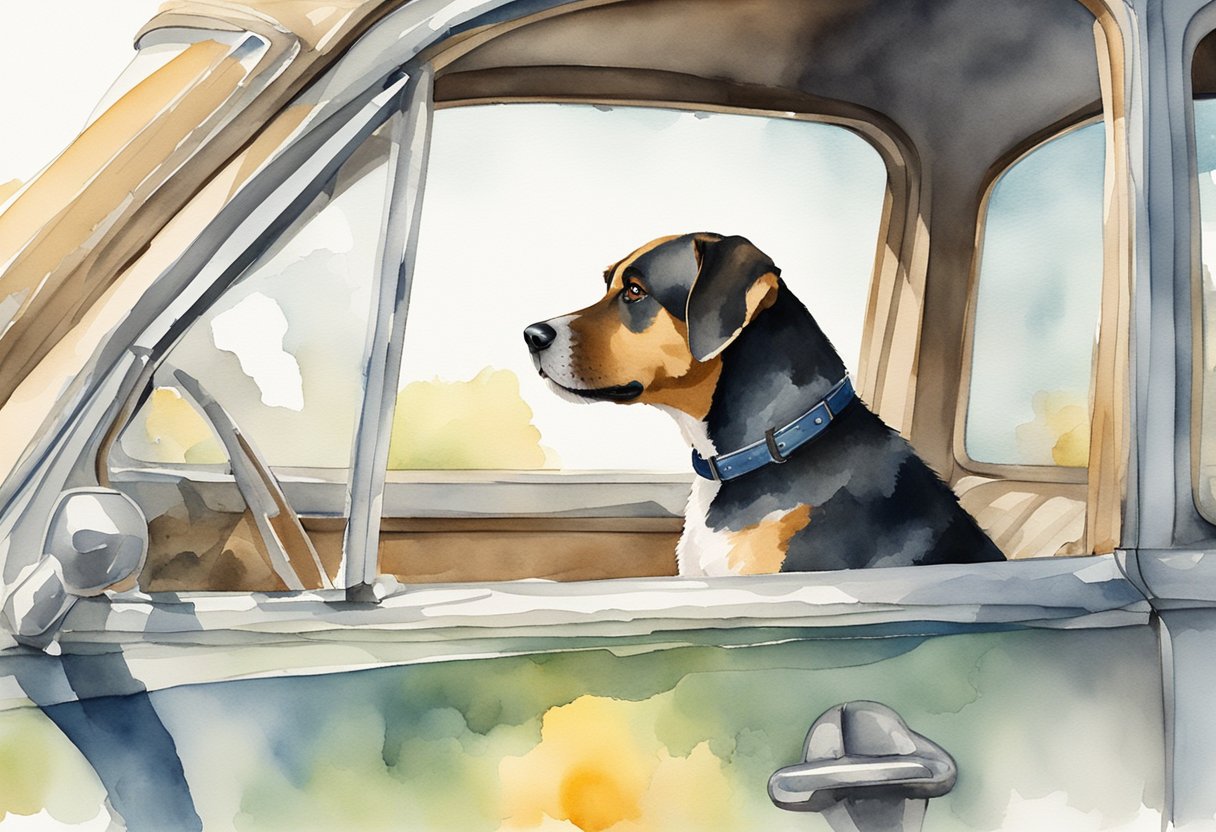
Many people think it’s safe to leave a dog in a car if the windows are open a little. This is not true. Even with cracked windows, the temperature inside a car can rise quickly.
Imagine a sunny day. Inside the car, it can become dangerously hot in just a few minutes. Your dog could suffer from heatstroke. This is serious and can be life-threatening.
Do you really want to take that risk? Dogs can’t cool themselves off like humans. They rely on you to keep them safe. Leaving them in the car, even for a short time, can lead to big problems.
Some states have laws against leaving pets alone in cars. If you see a dog locked inside a hot car, you might want to help. Your quick action could save a life.
Remember, your dog relies on you. Make choices that keep them safe and happy. It’s always best to take your dog with you or leave them at home if you can’t bring them inside.
9) Dogs Only Need Attention When They’re Puppies

Many people believe that dogs only require attention during their puppy years. This is a misconception that often leads to frustration and confusion for many owners.
Dogs are social animals. They thrive on interaction and engagement throughout their lives. Just because they grow up doesn’t mean they no longer seek your companionship.
Do you ever notice your dog following you around? Or nuzzling you for affection? These behaviors show that your dog still craves your attention, no matter their age.
Regular interaction keeps your dog happy and mentally stimulated. Lack of attention can lead to boredom and even destructive behavior.
Have you ever seen a dog that feels neglected? It’s heartbreaking. They might bark excessively or chew on furniture to cope. Giving your dog love and attention as they grow can prevent these issues.
Make time for play and shared activities, even with an older dog. Your bond will strengthen, and you will enjoy many more happy moments together.
10) Feeding dogs human food is harmless.

Many dog owners believe that sharing human food with their pets is fine. You might feel tempted to give your dog a bite of your dinner or snack. After all, it seems like a kind gesture, right?
The truth is, some human foods can actually be harmful to dogs. Foods like chocolate, grapes, and onions can be toxic. Even common ingredients, such as garlic and certain spices, may upset their stomachs.
You might think your dog can handle a little bit of any food. But dogs have different digestive systems than humans, and what’s safe for you may not be safe for them.
Feeding your dog human food can also lead to bad habits. If your dog starts expecting table scraps, they may not eat their own food. This could cause health problems if they don’t get the nutrients they need.
Have you ever wondered how much your dog really understands about what is safe to eat? It’s your job to keep them safe. Consider choosing treats made specifically for dogs instead of sharing your meals. Your pet will thank you for it in their own way.