American Bullies are popular for their strong builds and friendly nature. Many owners want to know about the common skin issues that can affect these dogs. A good understanding of these problems can help keep pets healthy and happy. Skin health is important for American Bullies. By learning about these common issues, owners can take better care of their furry friends and ensure they live their best lives.
1) Allergies: Food and Environmental

Allergies can be tricky for dogs, including American Bullies. They may react to things in their food or their surroundings.
Food allergies often show up as skin issues. This can include itching, redness, or bumps. Common allergens in dog food are beef, chicken, and grains.
Environmental allergies are just as common. These can come from pollen, dust mites, or mold. When exposed to these, American Bullies might scratch or have inflamed skin.
Pets might show signs of discomfort. This includes licking their paws or scratching at their ears. Their skin may become irritated or develop sores.
Getting a proper diagnosis is essential. A vet can help identify specific allergens. They may suggest an elimination diet or allergy tests.
Keeping a close eye on food and environment helps. Owners can monitor what their dog eats and any changes around the house. Doing this can lead to fewer skin problems and a happier pup!
Demodectic Mange
Demodectic mange is a skin condition caused by tiny mites called Demodex. These mites live on the skin of most dogs without causing harm. Problems arise when the immune system is weak, allowing the mites to multiply.
Signs of demodectic mange include hair loss, redness, and itching. These areas can develop crusts or sores. American Bullies are particularly prone to this issue due to their skin folds.
Diagnosis usually requires a vet to do a skin scrape. This test helps find the mites and rule out other skin problems. Treatment often includes medicated shampoos, topical treatments, or oral medications.
The good news is that demodectic mange is usually not contagious. In most cases, it can be treated successfully. With proper care and attention, a dog can recover fully and enjoy a healthy coat again!
3) Fungal Infections: Ringworm

Ringworm is a common fungal infection that can affect American Bullies. Despite its name, ringworm is not actually a worm. It is a skin condition caused by fungi that can live on the surface of the skin, hair, and sometimes nails.
This infection often appears as circular patches on the skin. The edges of the patches can be red and raised, while the center may look normal. It can be itchy, making the dog scratch or bite at the affected area.
Ringworm is highly contagious. It can spread between dogs and even to humans. This means that if one pet in the home has it, others might get it too.
Treatment is usually straightforward. Vets often recommend antifungal creams or oral medications. Keeping the dog’s environment clean helps reduce the chances of spreading the infection.
Regular grooming and baths can help maintain healthy skin. It is important to keep an eye on any changes in your pet’s skin. If there are signs of ringworm, seeking veterinary care is essential. This ensures the best approach for treatment.
4) Hot Spots
Hot spots are a common skin issue for American Bullies. These red, inflamed areas can appear suddenly and often make dogs very uncomfortable. They can be caused by allergies, insect bites, or even just excessive licking.
When a dog scratches or bites a specific area, it can lead to a hot spot. These spots may look wet and can smell bad. They often need quick attention since they can grow and become more painful if not treated.
Treatment usually involves cleaning the area and applying medicated shampoos or creams. In some cases, a vet might recommend an Elizabethan collar to prevent the dog from licking the spot.
It’s important to monitor hot spots closely. Keeping the dog’s skin healthy through regular grooming and baths can help prevent these issues. Providing a balanced diet and ensuring the dog is free from parasites will also support skin health.
Hot spots can make a dog feel distressed, so catching them early is key. With the right care, these issues can heal quickly, and the dog can feel comfortable again.
5) Ichthyosis: Fish Scale Disease

Ichthyosis, often called fish scale disease, is a skin condition affecting some American Bullies. This disease leads to dry, flaky skin that can resemble fish scales.
Dogs with ichthyosis may have patches of thick, scaly skin. These patches can become itchy, making the dog uncomfortable. The condition varies, with some dogs experiencing severe signs while others show mild symptoms.
It is important for owners to notice these changes. Regular grooming can help remove dead skin and reduce discomfort.
Veterinarians can recommend moisturizing shampoos and creams. These can improve the skin’s health and appearance.
Diet may also play a role in managing ichthyosis. A balanced diet rich in omega fatty acids can support skin health.
Monitoring the dog’s skin regularly is key. Early detection helps in managing the symptoms effectively.
With proper care, dogs with ichthyosis can live happy, healthy lives. They just need a bit of extra attention to their skin care routine.
6) Interdigital Cysts
Interdigital cysts can be a common issue for American Bullies. These are painful bumps that form between the toes. They often happen because of hair or skin irritation.
Bulldogs might develop these cysts due to allergies, poor grooming, or injury. When the skin between the toes gets irritated, it can become infected. This leads to the formation of a cyst, which can cause discomfort.
Signs of interdigital cysts include swelling and redness. The dog may lick or chew at the area, showing signs of pain. It’s important to pay attention to these behaviors.
Veterinarians can help treat these cysts. Treatments may include medications, warm compresses, or surgery if needed. Keeping the paws clean and dry is crucial in preventing these issues.
Regular grooming can also help avoid cysts. Regularly checking the paws for foreign objects or irritation is important. With proper care, American Bullies can enjoy happy, healthy paws!
7) Seasonal Alopecia

Seasonal alopecia is a common issue for American Bullies. It generally happens during specific seasons, often in spring or fall. This condition leads to hair loss, usually in patches.
The exact cause of seasonal alopecia is not fully understood. Some believe it is linked to changes in daylight and temperature. This shift may affect the dog’s hormone levels, leading to temporary hair loss.
Affected dogs may have smooth skin where the fur has fallen out. It is typically not itchy or uncomfortable. Many owners notice that their pet’s hair often grows back once the season changes.
Regular grooming can help keep the dog’s coat healthy. Providing a balanced diet can also support fur growth. If hair loss seems excessive or worrying, a vet can offer advice.
8) Folliculitis
Folliculitis is an infection that affects hair follicles. It can happen in American Bullies due to bacteria or yeast. This issue causes red bumps or pimples on the skin.
These bumps might appear itchy or uncomfortable. They can make the dog feel restless. It’s important to keep an eye on any changes in the skin.
Folliculitis can be linked to other skin problems like allergies. If a dog is scratching a lot, it might lead to this condition. Regular grooming can help prevent issues.
Treatment often involves medicated shampoos or ointments. A vet may also suggest antibiotics if necessary. It’s vital to follow their advice to help the dog recover quickly.
Watching for signs early can make a big difference. If Folliculitis goes untreated, it might become worse. Keeping the skin clean and dry helps protect against infections.
An American Bully owner should always consult with a vet for any skin concern. Quick action can lead to a happier and healthier pet!
9) Pyoderma

Pyoderma is a skin condition that can affect American Bullies. It happens when bacteria infect the skin. This can lead to red, inflamed spots or sores that may ooze.
Dogs with pyoderma often scratch or bite at their skin. This can make the problem worse. It’s important to notice these signs early to help them feel better soon.
There are different types of pyoderma. Superficial pyoderma mainly affects the top layers of skin. Deep pyoderma goes deeper and can cause more severe symptoms. Both types need attention.
Vets often treat pyoderma with antibiotics. They may also suggest medicated shampoos to help heal the skin. Keeping the affected area clean is key to fighting this issue.
American Bullies with allergies may be more likely to get pyoderma. Stress and poor hygiene can also play a role. Regular bathing and a good diet can help keep their skin healthy.
Watching for changes in the dog’s skin can help catch pyoderma early. With the right care, they can get back to their happy, playful selves!
10) Atopic Dermatitis
Atopic dermatitis is a common skin issue for American Bullies. It causes itchy, inflamed skin that can really bother them. This condition often appears in dogs that are more sensitive to allergens.
These allergens can be things like dust, pollen, and certain foods. When they come in contact with the skin, it can lead to redness and discomfort. American Bullies may scratch or bite at their skin trying to relieve the itch.
It is important to identify triggers that cause the flare-ups. Regular baths with special shampoos can help soothe the skin. A vet can also suggest creams or medications for better relief.
Owners should keep an eye on their dog’s behavior. If the itching worsens or there are signs of infection, it’s best to consult a veterinarian. They can provide the right treatment plan for the specific needs of the dog.
With proper care, American Bullies can live comfortably with atopic dermatitis. Monitoring their environment and diet helps manage this condition effectively. Happy and healthy dogs make for happy owners!
11) Seborrhea
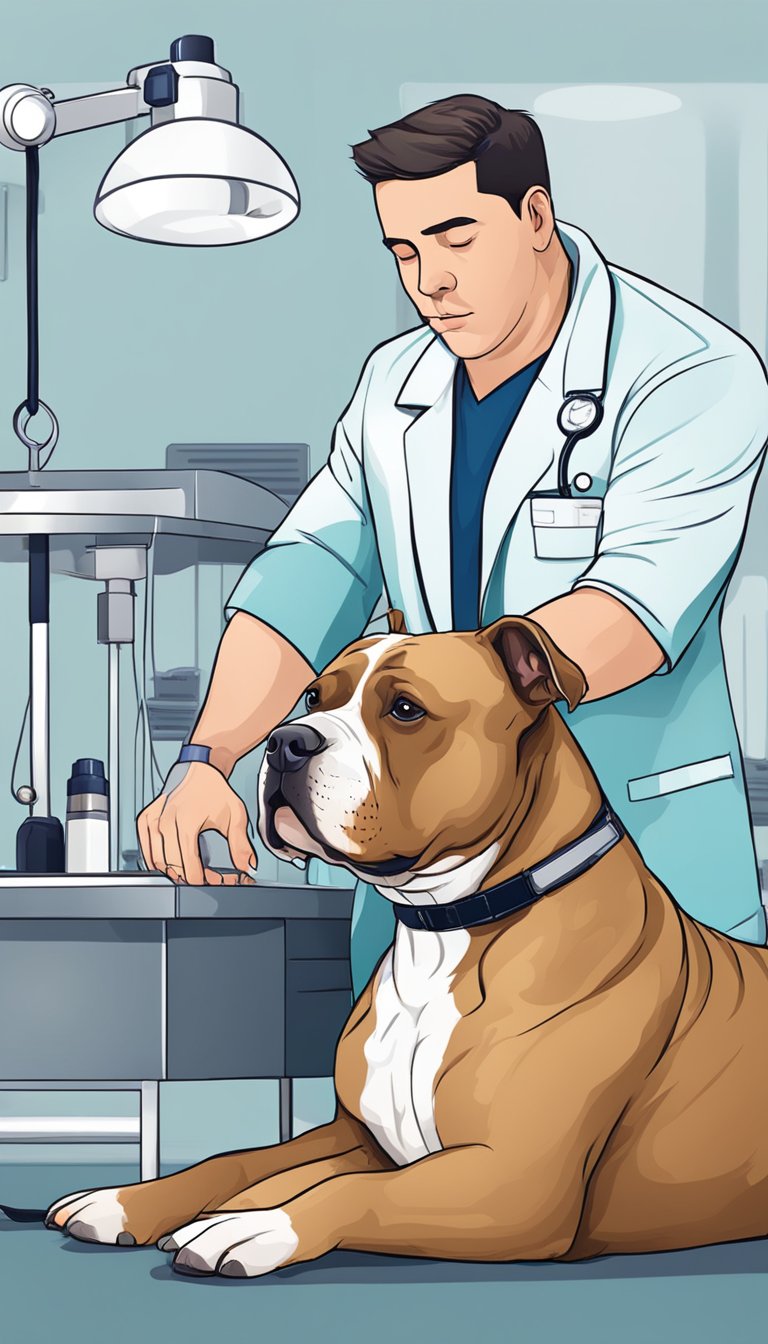
Seborrhea is a skin condition that affects some American Bullies. It causes the skin to become flaky and greasy. This can lead to discomfort and irritation for the dog.
Dogs with seborrhea may have patches of red or inflamed skin. The presence of excess oil can also make their fur look dull and unhealthy. It can happen for many reasons, including allergies, hormones, or even infections.
Bathing the dog with special medicated shampoos can help manage seborrhea. Regular grooming is important too, as it helps remove flaky skin and keep the coat clean. It’s essential to consult a vet to find the best treatment plan.
Watch for symptoms like itching or a bad smell. Keeping an eye on skin health can prevent more serious issues down the line. With care and attention, American Bullies can live comfortably with seborrhea.
Overview of American Bully Skin Health
Maintaining skin health is crucial for an American Bully. Healthy skin helps prevent infections and keeps the dog comfortable. Regular care and attention can help identify problems early.
Importance of Regular Grooming
Grooming is essential for the skin health of an American Bully. Regular grooming removes dirt, dead hair, and allergens that can irritate the skin. It also spreads natural oils, keeping the coat shiny and healthy.
A good grooming routine includes:
- Brushing at least once a week
- Bathing every 4-6 weeks
- Checking for parasites like fleas or ticks
These steps help maintain skin hygiene. They allow any changes to be noticed quickly. This can prevent minor issues from becoming major problems.
Recognizing Healthy Skin
Healthy skin on an American Bully should appear smooth and free of blemishes. It should feel warm to the touch and not be flaky or red. The coat should shine, with no bald spots or excessive scratching.
Key signs of healthy skin include:
- Clear Texture: No bumps or sores
- Even Color: No discoloration or spots
- Minimal Shedding: Some shedding is normal, but excessive can signal a problem
Owners should regularly inspect their dog’s skin. Early detection of any issues leads to better treatments and less discomfort for the dog.
Common Allergies and Irritants
American Bullies can face numerous allergies and irritants that affect their skin health. Identifying these issues is vital for keeping your pet comfortable and happy.
Food Allergies
Food allergies are quite common in American Bullies. Some ingredients can cause skin reactions like itching, redness, or rashes. The most frequent culprits include:
- Beef
- Dairy
- Chicken
- Corn
- Wheat
A dog may show signs of food allergies through excessive scratching or licking. Keeping a food diary can help pinpoint allergic reactions. Switching to a hypoallergenic dog food may be a beneficial option. Always consult a vet before making diet changes to ensure your pet gets the right nutrients.
Environmental Triggers
Environmental triggers can also impact an American Bully’s skin. These irritants can include:
- Pollen
- Dust mites
- Mold
- Fleas
Each of these elements can lead to allergic reactions, affecting the dog’s skin and overall comfort. Regular cleaning can minimize dust and allergens in the home. Using an effective flea control method is essential to prevent infestations and skin issues. Owners should consider allergy testing if symptoms persist. This helps identify specific triggers, leading to better treatment options.
Preventive Measures and Treatment Options
Taking care of American Bullies’ skin requires a mix of good nutrition and effective treatments. Both play important roles in keeping their skin healthy and free from issues.
Proper Nutrition for Skin Health
Nutrition is the foundation of healthy skin. The right diet can prevent many skin problems in American Bullies. It’s important to provide a balanced diet rich in omega-3 fatty acids, vitamins, and minerals.
Foods such as fish oil and flaxseed can help improve skin quality. Protein is also vital for skin repair and growth. Avoid feeding them low-quality grains or fillers, as these can cause skin irritation. Some American Bullies may benefit from hypoallergenic diets if they have allergies. Regular feeding and staying hydrated also keep the skin moist and healthy.
Medications and Topical Treatments
When skin problems occur, treatments may include medications and topical treatments. A vet can recommend the right medication for infections or allergies. For irritations, anti-inflammatory creams can provide relief.
Medicated shampoos can help remove dead skin cells and dirt. These shampoos often contain ingredients like salicylic acid or chlorhexidine. Regular baths with these products can improve the skin condition.
Using moisturizers can help add hydration back into the skin. Always consult a vet before starting any treatment to ensure safety and effectiveness.