Pitbulls are often seen as strong and loyal companions. They require special care, just like any other breed. Being aware of the common health issues they may face helps owners provide better care and support for their furry friends. This article explores various health problems that can affect Pitbulls. Understanding these issues can empower owners to take steps to keep their pets healthy and happy. Knowing what to watch for is key to giving these dogs the best life possible.
1) Hip Dysplasia
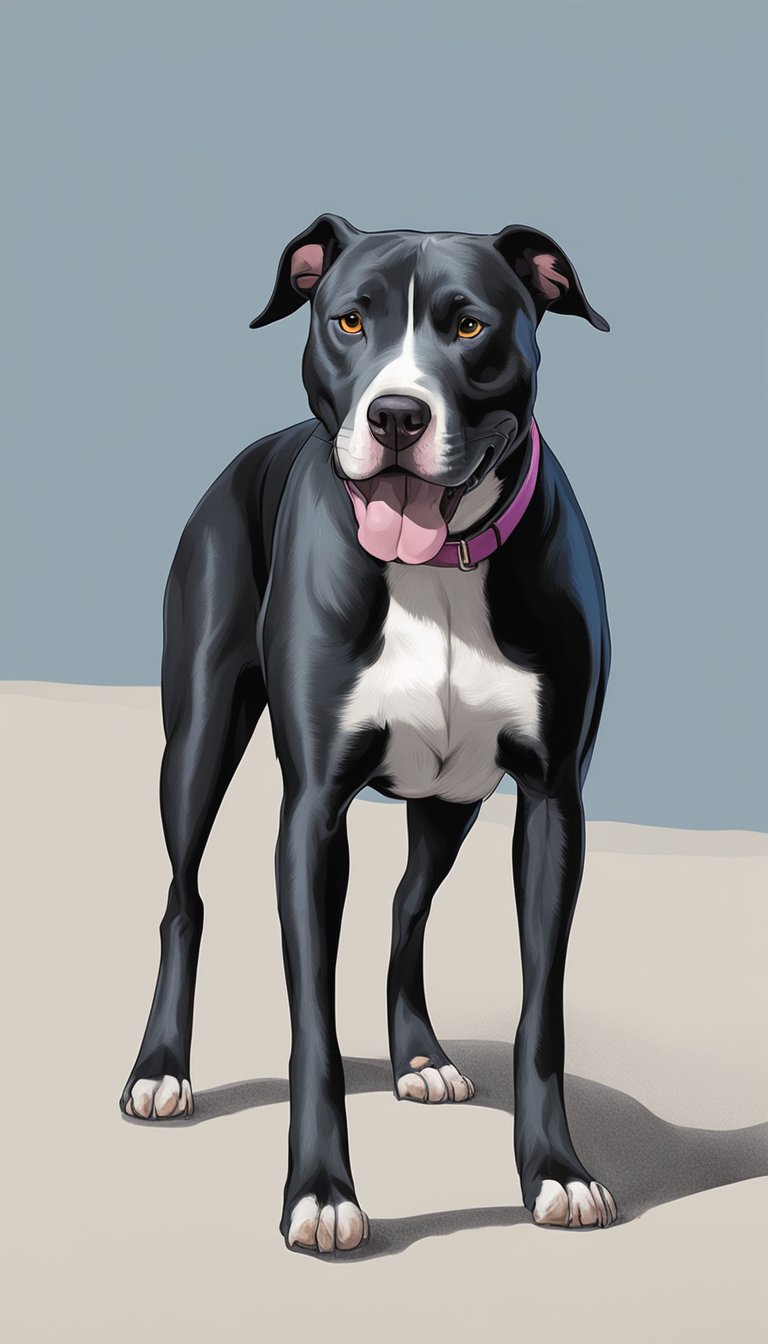
Hip dysplasia is a genetic disease that affects many Pitbulls. This condition happens when the hip joint doesn’t fit into the hip socket correctly. It can cause pain and lead to arthritis later in life.
Some signs to watch for include difficulty getting up or climbing stairs. A dog may also limp or have a decrease in activity. If they seem less excited to play, it might be due to hip issues.
Regular vet check-ups can help catch this early. A vet can recommend treatment options like weight management or joint supplements. In some cases, surgery may be necessary to improve the dog’s quality of life.
Keeping a healthy weight is crucial for Pitbulls. Too much weight can put extra stress on their joints. Daily exercise, like walking or playing, is important but should be balanced with rest.
If a Pitbull shows any signs of hip dysplasia, owners should seek help. Early detection can lead to a happier, more active life for the dog. With the right care, many dogs manage this condition well and still enjoy life.
2) Allergies
Pitbulls can be prone to allergies, which can cause discomfort for them. These allergies might come from food, pollen, dust, or even flea bites. Identifying the source of an allergy is important for their health and happiness.
Food allergies often show up as skin problems or digestive issues. Common allergens include chicken, beef, dairy, and grains. If a Pitbull is scratching a lot or has upset stomachs, it might be time to check their diet.
Environmental allergies can lead to sneezing, itchy eyes, and skin irritations. Seasonal changes often trigger these reactions. Regular cleaning can help reduce dust and pollen in the home.
Flea allergies can cause intense itching. A single flea bite can make a Pitbull uncomfortable for days. Keeping them on a regular flea prevention plan is key.
If a Pitbull shows signs of allergies, a vet can help determine the cause. They might suggest allergy testing or special diets. With the right care, Pitbulls can feel much better and enjoy life to the fullest!
3) Skin Infections
Skin infections are a common problem in Pitbulls. These dogs can be prone to various skin issues due to their short coats and sensitive skin.
One type of skin infection is called pyoderma. This happens when bacteria enter the skin through cuts or scratches. It can cause redness, swelling, and sometimes pus-filled bumps.
Allergies can also lead to skin infections. Pitbulls may react to certain foods, pollen, or fleas. Scratching and biting at the skin can create open wounds, making infections more likely.
Mites and fungi can cause infections too. Mange is caused by mites and leads to itching and hair loss. Fungal infections, like ringworm, are contagious and can affect both dogs and humans.
Keeping a Pitbull clean and well-groomed helps prevent skin infections. Regular baths and brushing remove dirt and allergens. It is also important to use vet-recommended shampoos.
If a Pitbull shows signs of a skin infection, it’s best to see a vet. They can prescribe antibiotics or medicated shampoos to help heal the skin. Early treatment can prevent the infection from getting worse.
Skin health is vital for a happy Pitbull. Owners should watch for signs of irritation and address issues quickly. Taking these steps will help keep them healthy and comfortable!
4) Heart Disease
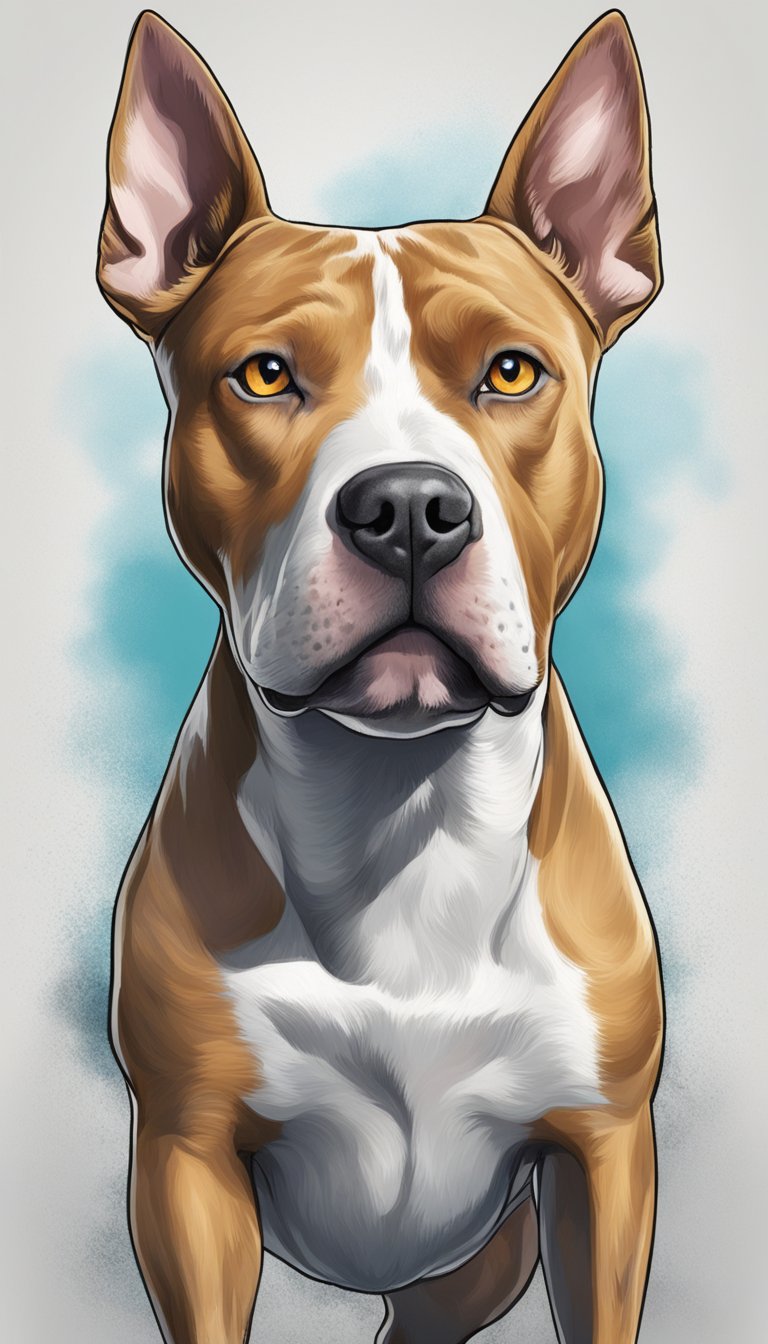
Heart disease is a serious condition that can affect Pitbulls. It can happen when the heart doesn’t work as well as it should. This can lead to problems like weakness and tiredness.
Pitbulls can develop different types of heart disease, such as dilated cardiomyopathy. This condition makes the heart larger and weaker. It often affects older dogs but can happen at any age.
Signs of heart disease may include coughing, difficulty breathing, and reduced exercise tolerance. If a Pitbull seems more tired than usual, it is important to see a vet. Early detection can help manage the condition better.
Feeding a healthy diet and keeping a good weight can help protect a Pitbull’s heart. Regular vet check-ups are key for spotting heart problems early. A vet may perform tests like X-rays or ultrasounds to get more information.
Some medications can help dogs with heart disease live longer and feel better. Owners should follow the vet’s advice for treatment and care. With the right support, many Pitbulls can continue to enjoy life.
5) Thyroid Disorders
Thyroid disorders can be a concern for Pitbulls. This condition affects how well the thyroid gland works. The thyroid helps control energy levels and body functions.
Hypothyroidism is the most common thyroid issue in Pitbulls. It happens when the thyroid gland does not produce enough hormones. This can lead to symptoms like weight gain, skin problems, and low energy.
Some signs to watch for include lethargy and being less active. Owners might also notice dry skin or hair loss. Regular vet check-ups can help catch these problems early.
Treatment usually involves medication to manage hormone levels. With the right care, many dogs can live happy and healthy lives. It is important to follow the vet’s advice closely.
Keeping an eye on any changes in behavior or health is key. Early detection can make a big difference. By being aware, owners can help their Pitbull stay healthy.
6) Knee Problems
Knee problems are a common issue in Pitbulls. These dogs are active and playful, which can sometimes lead to injuries.
The most frequent knee issue is a torn cranial cruciate ligament (CCL). This injury can cause pain and difficulty in movement.
Symptoms may include limping, reluctance to jump, or stiffness after resting. Owners might notice their dog favoring one leg over the other.
Weight management is important for keeping their knees healthy. Excess weight can put extra stress on their joints.
Regular check-ups with a vet will help catch any problems early. Treatment options can include rest, physical therapy, or even surgery in severe cases.
Keeping Pitbulls active with low-impact exercises can strengthen their muscles. This helps support their knees and prevent injuries.
Always watch for signs of discomfort or changes in behavior. Taking quick action can improve their quality of life.
7) Eye Issues (Cataracts, Cherry Eye)
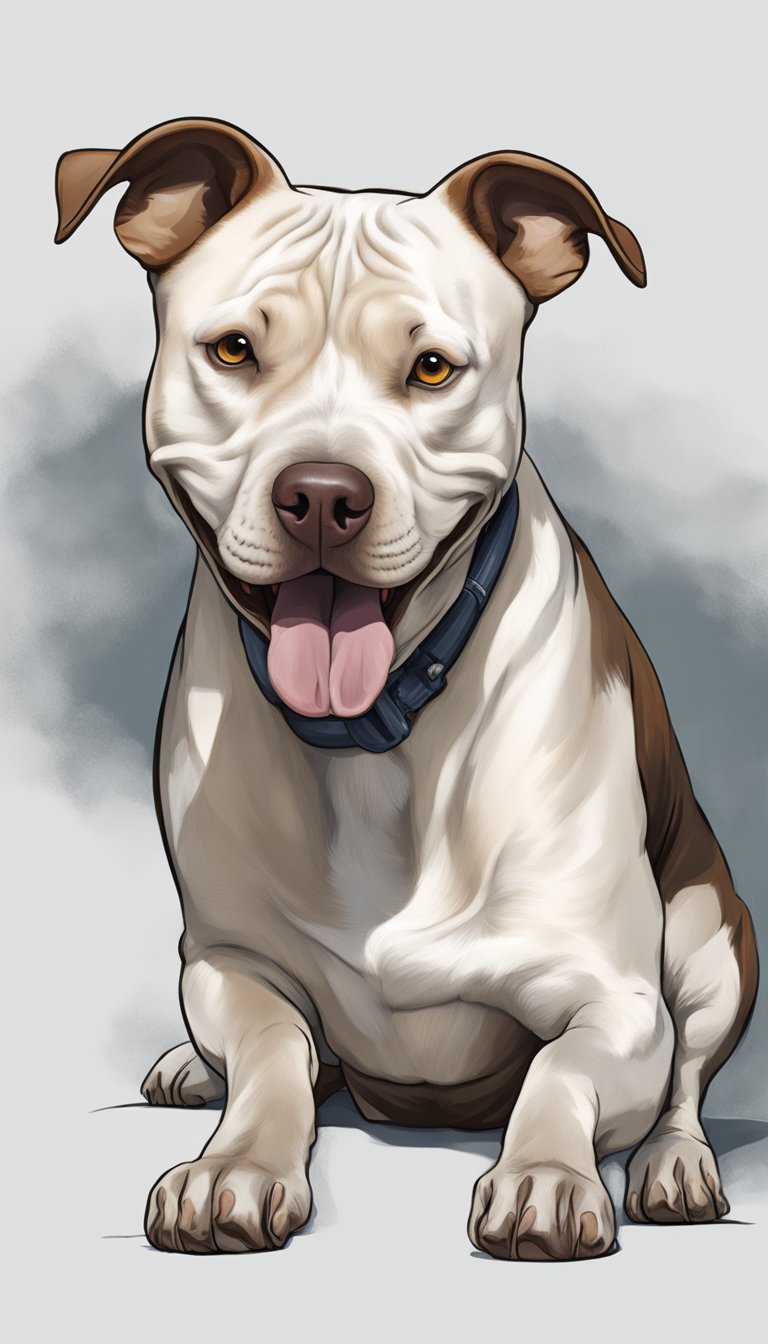
Pitbulls are prone to certain eye issues, including cataracts and cherry eye. These conditions can affect their vision and overall comfort.
Cataracts can develop when the lens of the eye becomes cloudy. This often leads to blurry vision. In some cases, the dog might struggle to see in bright light or at night.
Cherry eye happens when a gland in the eye pops out. This is not dangerous but can look uncomfortable. It often appears as a red mass in the corner of the eye.
Both conditions can be treated. Cataracts may require surgery to restore vision. For cherry eye, a vet can help reposition the gland.
Regular eye checkups are important. Keeping an eye on changes can help catch issues early. This way, a pitbull can have the best chance for healthy eyes.
Owners should watch for symptoms like squinting or redness. Early detection leads to better care. A happy, playful pitbull deserves clear vision!
8) Dental Problems
Dental health is very important for Pitbulls. They can suffer from various dental issues like plaque buildup, gum disease, and tooth loss. Regular dental care helps keep their teeth and gums healthy.
Pitbulls have strong jaws, but that doesn’t mean their teeth are invincible. Without proper brushing, bacteria can grow, leading to bad breath and infections. It’s crucial to check their mouths regularly.
Many Pitbull owners don’t realize that dental problems can affect their dog’s overall health. Infections from the mouth can enter the bloodstream and harm vital organs. Keeping their teeth clean is essential for a happy, healthy pet.
Veterinarians recommend brushing your Pitbull’s teeth several times a week. Special dog toothpaste is available, so human toothpaste should never be used. Chew toys and dental treats can also help keep teeth clean.
If a Pitbull shows signs of discomfort or bleeding gums, it’s time for a vet visit. Routine dental check-ups are also a good idea. With the right care, Pitbulls can enjoy strong teeth and a bright smile!
9) Gastric Torsion (Bloat)
Gastric torsion, commonly known as bloat, is a serious condition that can affect Pitbulls. It happens when a dog’s stomach fills with gas and twists on itself. This twist can block blood flow and cause the stomach to expand rapidly.
Symptoms of bloat can appear suddenly. They may include a swollen belly, restlessness, excessive drooling, and attempts to vomit. If a dog shows these signs, it’s crucial to act fast.
Bloat can be life-threatening, so prompt veterinary care is essential. Treatment often involves surgery to untwist the stomach and relieve pressure. If caught early, many dogs recover well.
Preventing bloat can include smaller meals throughout the day instead of one large meal. Avoiding vigorous exercise right after eating is also important. Keeping an eye on the dog’s eating habits can help spot problems early.
Pitbull owners should be aware of the risk of bloat. Knowledge of this condition can lead to earlier detection and better outcomes. It’s always best to consult a vet if there are any concerns regarding a Pitbull’s health.
10) Parvo Virus
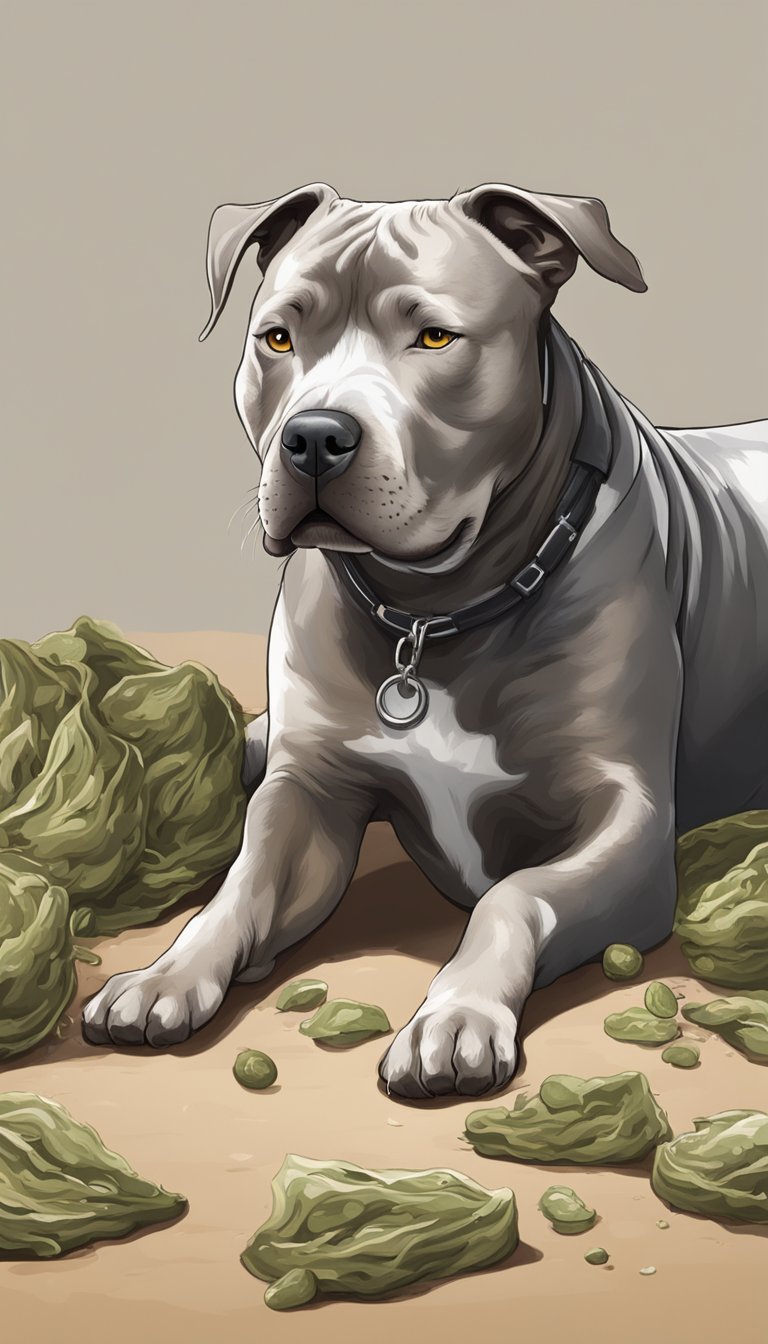
Parvo virus is a serious disease that affects dogs, including Pitbulls. It mainly attacks the intestines and can spread quickly. This virus is highly contagious, especially among puppies.
Signs of parvo include vomiting, diarrhea, and severe lethargy. A dog with parvo may not want to eat or drink. These symptoms can lead to dehydration, which is very dangerous.
Veterinarians diagnose parvo through physical exams and tests. They may recommend treatment, which often includes fluids and medications. It’s important to act fast if a dog shows signs of the virus.
Prevention is key! Vaccination is the best way to protect a dog from parvo. Keeping puppies away from unknown dogs and public places until they are fully vaccinated is also helpful.
Pitbull owners should stay aware and informed about this virus. Regular vet check-ups can help keep a dog healthy and safe. If an owner notices any symptoms, seeing a vet quickly can save a dog’s life.
11) Demodectic Mange
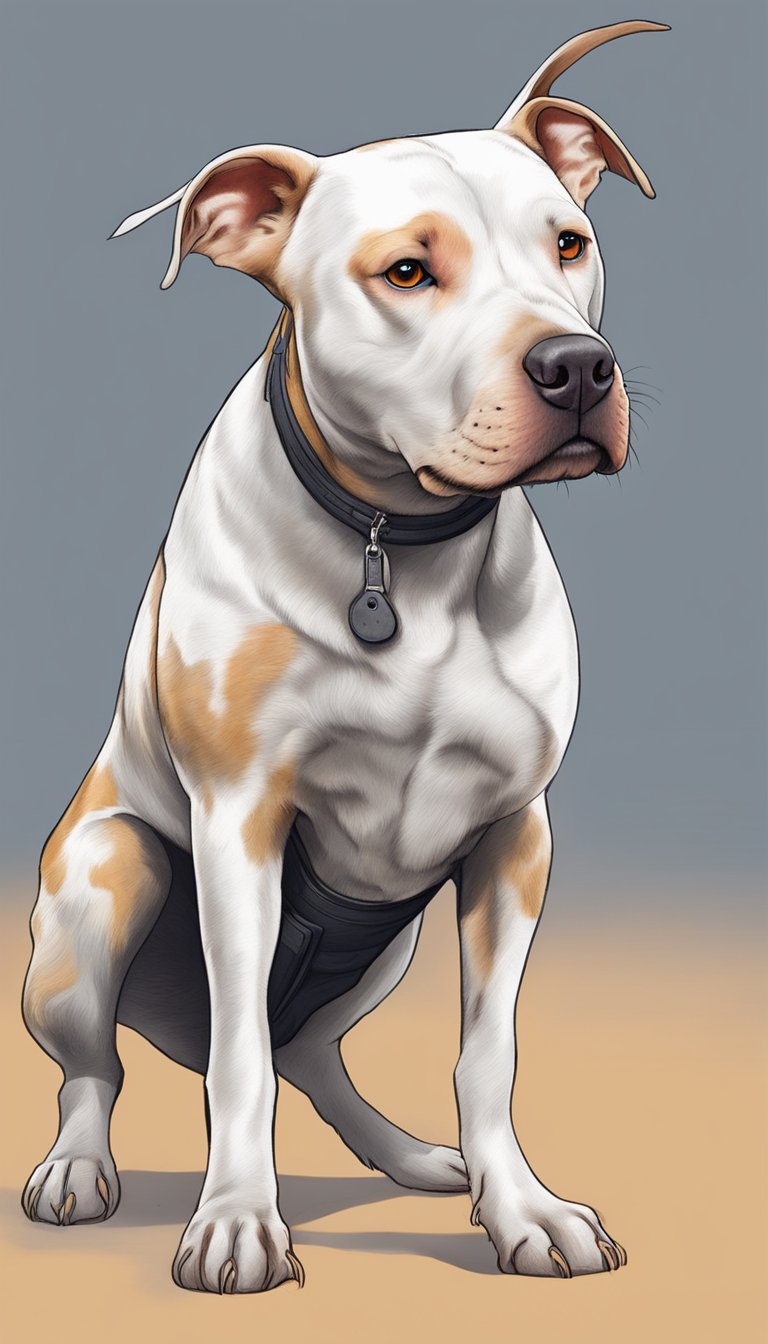
Demodectic mange is a skin condition caused by tiny mites that live on dogs. These mites are usually present in small numbers and don’t harm healthy dogs. However, Pitbulls can sometimes have a problem with these mites.
When a Pitbull’s immune system is weak, the mites can multiply quickly. This can lead to hair loss, redness, and irritations on the skin. It often starts around the eyes, mouth, or ears. Some dogs may scratch or rub against things to find relief.
There are two types of demodectic mange: localized and generalized. Localized mange shows up in small patches, while generalized mange spreads across large areas. Generalized mange can be more serious, needing medical attention.
Treatment often includes medicated shampoos and medications prescribed by a veterinarian. It’s important to catch demodectic mange early to help the dog heal faster. With proper care, most dogs will recover completely.
Owners should keep an eye on their Pitbulls for signs of skin issues. Regular veterinary check-ups can help keep these mites in check. Happy and healthy dogs are the goal!
Understanding Pitbull Health
Pitbulls, like all dogs, need special care to stay healthy. Regular vet visits and knowing the signs of health issues can help owners keep their pets happy and strong.
The Importance of Regular Vet Check-ups
Regular vet check-ups are vital for maintaining a Pitbull’s health. These visits allow for early detection of possible health problems. Vets can spot issues like skin infections, allergies, or joint problems before they become serious.
During a check-up, the vet will perform a physical exam, check weight, and recommend vaccinations. Routine blood tests may also be suggested to catch any hidden conditions.
Pet owners should schedule check-ups at least once a year. For older Pitbulls or those with health issues, more frequent visits might be necessary. This proactive approach keeps pets healthy and improves their quality of life.
Common Symptoms to Watch Out For
Being aware of unusual symptoms can help identify health problems early. Pitbulls may show signs like:
- Lethargy: These dogs should be active. If they seem tired or inactive, it could be a warning sign.
- Loss of Appetite: A lack of interest in food can indicate illness.
- Excessive Scratching or Licking: This might mean allergies or skin irritations.
Other symptoms include coughing, excessive thirst, or changes in bathroom habits. Owners should not ignore these signs, as they can indicate serious health issues. If any symptoms arise, contacting a vet is the best choice.
Genetic Conditions in Pitbulls
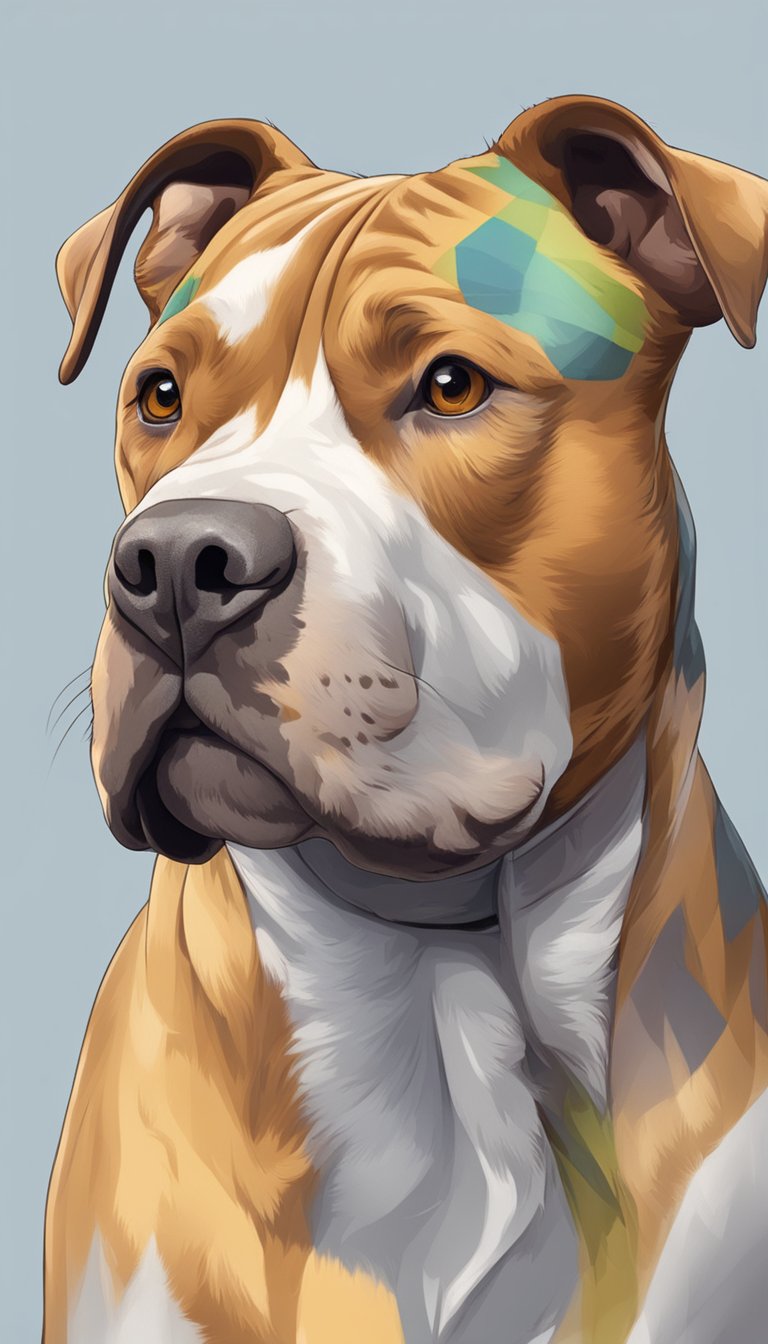
Pitbulls can inherit certain genetic conditions that may affect their health. Two key issues seen in this breed are hip dysplasia and heart disease. Understanding these conditions can help owners take preventative steps for their dogs.
Hip Dysplasia
Hip dysplasia is a common genetic issue in Pitbulls. It occurs when the hip joint doesn’t fit into the hip socket correctly. This can cause pain and lead to arthritis as the dog ages.
Symptoms of hip dysplasia include difficulty walking, reluctance to jump, and noticeable limping. Regular exercise helps keep joints healthy. Owners should consider weight management to reduce stress on the hips.
Veterinarians can diagnose hip dysplasia through physical exams and X-rays. Treatments vary and can include medication, physical therapy, or surgery in severe cases. Early detection is key to helping dogs live comfortably.
Heart Disease
Heart disease is another genetic condition found in Pitbulls. This can involve various issues, such as dilated cardiomyopathy. This condition affects the heart’s ability to pump blood effectively.
Signs of heart disease may include coughing, fatigue, and breathing problems. Regular check-ups are important to catch these signs early. A veterinarian may perform tests like X-rays or ultrasounds to diagnose heart problems.
Treatment options include medication and dietary changes. In some cases, surgery may be required. Keeping a close eye on a dog’s health helps ensure a longer, happier life.
Preventive Measures and Care
Proper care for Pitbulls includes paying attention to their nutritional needs and ensuring they get adequate exercise. These steps can help prevent common health issues and keep them happy and healthy.
Nutritional Needs
A balanced diet is essential for the health of a Pitbull. High-quality dog food should be rich in proteins, fats, and essential nutrients. Look for options that contain real meat as the first ingredient. Avoid foods with fillers like corn or soy.
Pitbulls may also benefit from specific supplements, like omega-3 fatty acids, which can support skin and coat health. Feeding schedules should include regular meal times instead of free feeding to help maintain a healthy weight.
Treats are great for training, but they should be healthy and in moderation. Fresh fruits and vegetables can be excellent options. Always make sure to provide access to clean, fresh water.
Exercise Requirements
Pitbulls are energetic dogs that need regular exercise to stay healthy. Daily walks, playtime, and mental stimulation are critical. Aim for at least 60 minutes of exercise each day to keep them fit.
Engaging in activities like fetch, tug-of-war, or agility training can be fun. These activities not only help with physical health but also provide mental challenges. Socialization with other dogs can help them develop good behavior.
It’s important to adjust exercise routines based on the dog’s age and health condition. Puppies require shorter play sessions, while adult dogs may enjoy longer runs or hikes. Always pay attention to the dog’s cues and ensure they are not overexerted.