Yorkshire Terriers, or Yorkies, are small dogs with big personalities. They are known for their playful spirit and loving nature, making them popular pets. Understanding common health issues in Yorkies is essential for every owner to ensure their furry friends live happy and healthy lives.
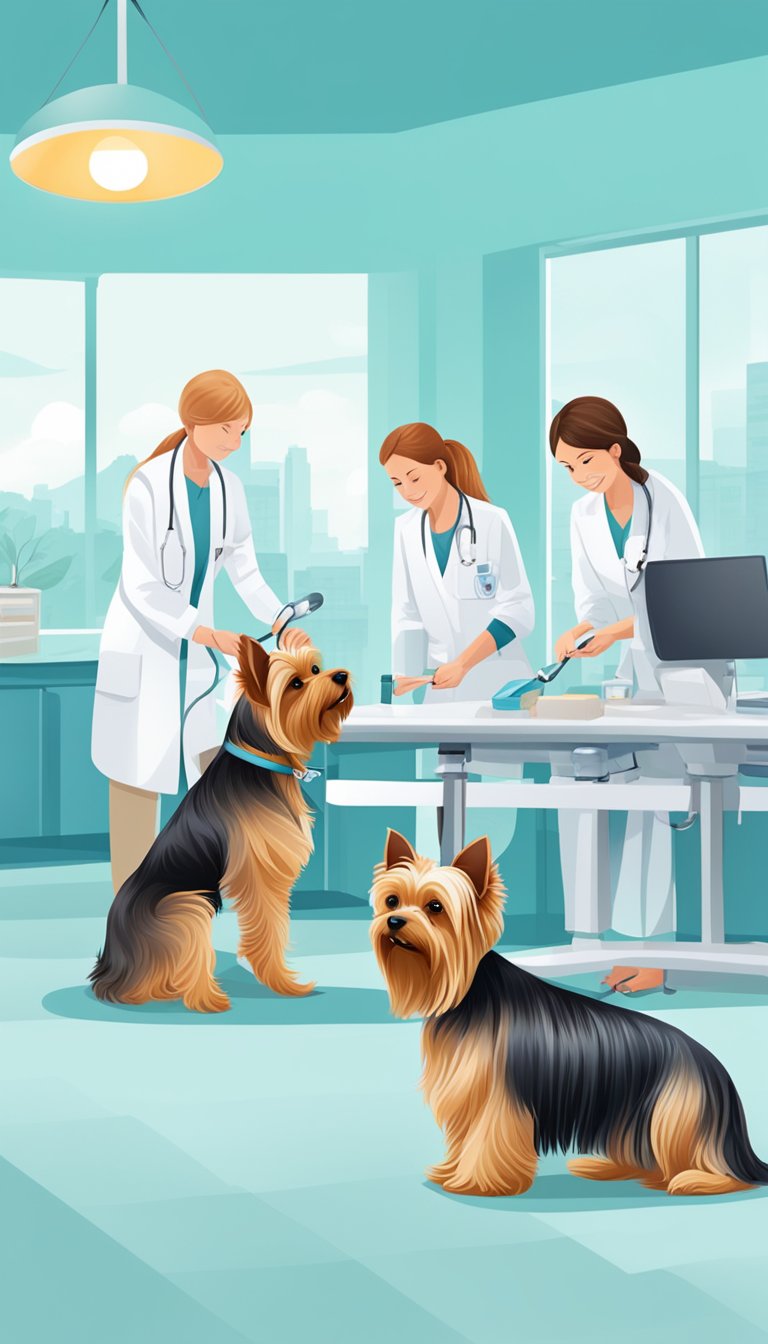
These adorable pups can face specific health concerns that owners should be aware of. By knowing these potential issues, you can take steps to keep your Yorkie healthy and thriving. It’s important to be informed and proactive about their care.
1) Dental Issues
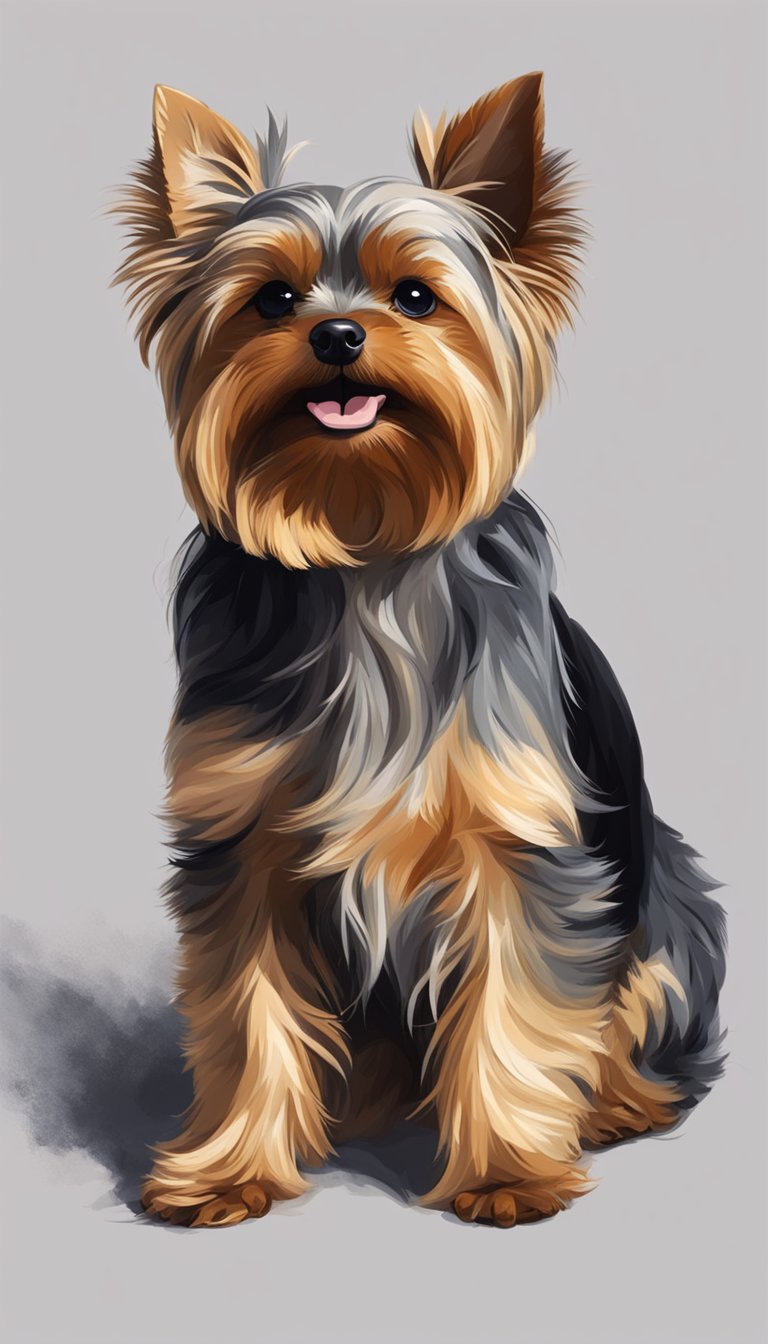
Yorkies often face dental issues that can affect their health. Their small mouths can lead to crowding of teeth. This makes them prone to plaque buildup and gum disease.
Regular dental care is essential. Brushing their teeth can help keep their mouths clean. Chew toys designed for dental health can also assist in reducing plaque.
Bad breath can be a sign of dental problems. If a Yorkie has persistent bad breath, it might need a vet check. Professional dental cleanings are also a good idea.
Owners should look for signs of discomfort when the Yorkie eats. They may avoid hard food if their teeth are hurting. Maintaining dental health can improve their overall well-being.
Regular vet visits can help spot dental issues early. The vet may recommend dental treats or specific diets. Keeping an eye on dental health will keep a Yorkie happy and healthy!
Luxating Patella

Luxating patella is a common problem in Yorkies. This condition happens when the kneecap slips out of place. It may move to the side or even completely out of the groove it sits in.
Many small dogs, like Yorkies, are at risk for this issue. It can cause pain and trouble walking. Some dog owners might notice their pet limping or holding up a leg.
If the kneecap dislocates frequently, it can affect a dog’s mobility. Some Yorkies might hop or skip instead of running. This behavior is the dog’s way of avoiding pain.
Veterinarians can diagnose luxating patella through a physical exam. Sometimes, X-rays are needed to see the condition better. Treatment can vary from physical therapy to surgery in more serious cases.
Keeping Yorkies at a healthy weight helps. Regular exercise and strength training can also support their joints. Owners should monitor their dogs closely for signs of discomfort.
With proper care, many Yorkies live happy lives despite this condition! Regular vet check-ups are important for maintaining their health and comfort.
3) Tracheal Collapse
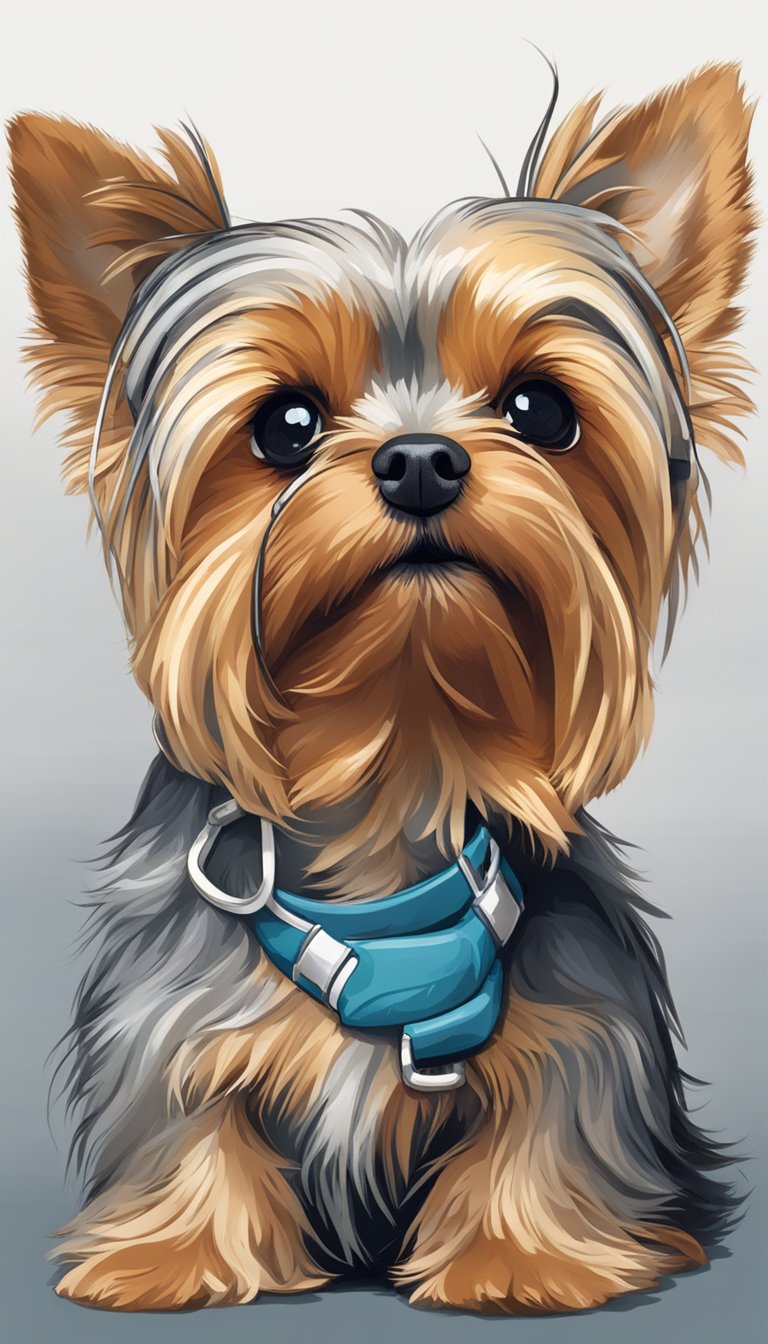
Tracheal collapse is a common problem in Yorkshire Terriers. This condition happens when the trachea, or windpipe, weakens and becomes floppy. It can make it hard for the dog to breathe properly.
Symptoms include a dry, honking cough. Owners may notice their Yorkie coughing more during exercise or excitement. Sometimes, they may even struggle to catch their breath.
Tracheal collapse usually affects older dogs. However, it can happen at any age, especially in small breeds like Yorkies. It is often linked to obesity, so keeping a healthy weight is important.
Veterinarians can help diagnose this condition with a physical exam and X-rays. In some cases, medications can help manage symptoms.
Severe cases may require surgery to fix the trachea. This can help improve breathing and quality of life.
Owners should watch for signs of difficulty breathing. Early detection can make a big difference. Regular check-ups will help keep their Yorkie healthy and happy.
4) Hypoglycemia
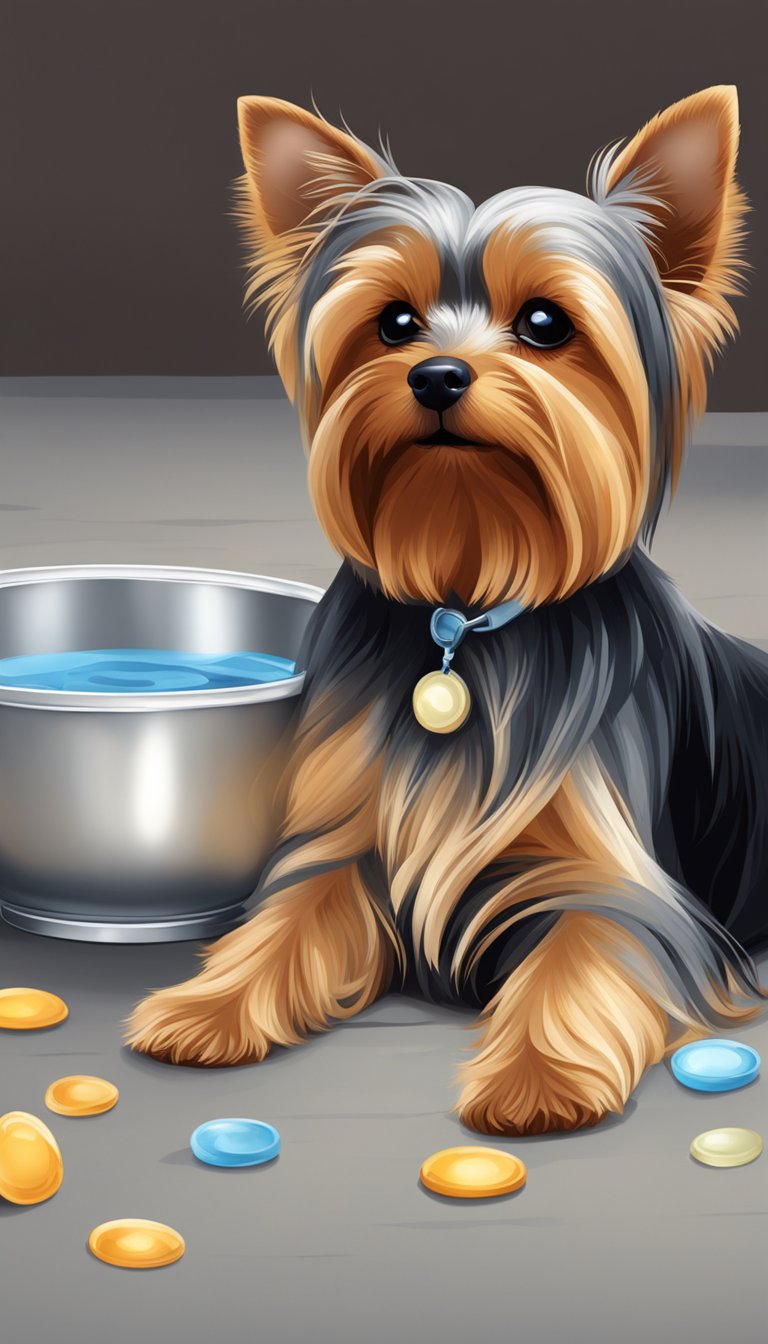
Hypoglycemia is a common health issue in Yorkies. This condition happens when their blood sugar drops too low. It can make them feel weak and shaky.
Yorkshire Terriers are small dogs with high energy. Their bodies burn through sugar quickly. If they haven’t eaten for a while, their blood sugar can drop suddenly.
Signs of hypoglycemia can include weakness, confusion, and trembling. In more serious cases, a Yorkie might have seizures or even lose consciousness. Quick action is important!
Feeding them small, frequent meals can help prevent this problem. It’s also smart to keep some sugary treats on hand. If a Yorkie shows signs of hypoglycemia, giving a small amount of honey or corn syrup can provide fast relief.
Regular vet check-ups help monitor a Yorkie’s health. They can give advice on the best diet and feeding schedule. With proper care, Yorkies can lead happy, healthy lives.
5) Legg-Calve-Perthes Disease
Legg-Calve-Perthes Disease (LCPD) is a condition that affects the hip joint. It happens when the blood flow to the ball of the femur (the thigh bone) is reduced. This can lead to the bone breaking down and becoming painful.
Yorkshire Terriers are at a higher risk for this disease. Owners should watch for signs like limping, difficulty walking, or reluctance to run or jump. If a dog shows these symptoms, a vet visit is important.
Diagnosing LCPD usually involves X-rays. These images help the veterinarian see changes in the hip joint. Early detection and treatment are key to managing the disease.
Treatment can include rest and limiting activity. In some cases, surgery may be necessary to relieve pain and improve mobility. After surgery, physical therapy can help strengthen the hip.
Managing LCPD also means keeping the Yorkie at a healthy weight. This helps reduce stress on the joints. Regular check-ups can help monitor the condition and ensure the best care.
With the right approach, many Yorkies can live happy, active lives despite LCPD!
6) Allergies

Yorkies can face allergies just like humans do. These allergies may come from food, pollen, dust, or even certain materials.
Food allergies are common in Yorkies. They might react to ingredients like chicken, beef, or wheat. Signs of food allergies include itching, stomach upset, and skin rashes.
Environmental allergies can also affect them. Pollen, dust mites, and mold are typical triggers. When exposed, a Yorkie might scratch a lot or develop watery eyes.
Flea allergies are another concern. Even a single flea bite can cause severe itching. It’s important to keep them flea-free to avoid these issues.
Treatment options are available! Vets often recommend special diets or medications to help. Regular grooming can also reduce allergens in their fur.
Yorkies need proper care when dealing with allergies. Observing their behavior can help owners catch issues early. If a Yorkie shows signs of allergies, vet visits are crucial for diagnosis and treatment.
7) Eye Infections

Yorkies can be prone to eye infections. These infections can happen for several reasons, such as allergies, foreign objects, or bacteria.
Signs of an eye infection include redness, swelling, and discharge. The dog might also blink more than usual or keep the affected eye closed. If you notice these signs, it’s important to act quickly.
Veterinarians can help diagnose the issue and provide treatment. This might include eye drops, ointments, or, in some cases, oral medication.
Keeping a Yorkie’s eyes clean and clear of debris can help prevent infections. Regular grooming is key in maintaining their eye health.
Also, look out for any changes in behavior. If a Yorkie is rubbing its eyes or acting uncomfortable, it could indicate a problem.
Early detection is vital. It can lead to a quicker recovery and happier, healthier eyes for your furry friend. Monitoring their eyes regularly will help maintain their overall well-being.
8) Retained Baby Teeth

Yorkies can face a common problem called retained baby teeth. This happens when their baby teeth do not fall out as they grow. Instead, the adult teeth might come in beside them.
Having retained baby teeth can lead to crowding in the mouth. This can make it hard for Yorkies to chew their food. It may also cause gum issues and pain.
Pet owners should check their Yorkie’s mouth regularly. If they notice that baby teeth are still present after six months, they should consult a vet.
Sometimes, the vet may recommend removing the baby teeth. This can help ensure that the adult teeth grow in correctly. With proper care, Yorkies can keep their smiles bright and healthy!
Good dental hygiene is important too. Regular brushing and dental check-ups can prevent many dental problems. Yorkies love to play, and healthy teeth help them enjoy life to the fullest.
9) Liver Shunt

Liver shunt is a serious condition that can affect Yorkies. It happens when blood flow bypasses the liver. This can lead to a buildup of toxins in the body.
When a Yorkie has a liver shunt, they may show symptoms like vomiting, poor growth, and lethargy. Some dogs might have behavior changes. It’s important for owners to notice these signs early.
Veterinarians can diagnose liver shunt through blood tests and ultrasounds. Treatment often requires surgery to correct the blood flow. With proper care, many dogs can lead normal lives after treatment.
Owners should monitor their Yorkies closely for any signs of illness. Regular vet check-ups can help catch issues like liver shunt early. Taking action quickly can make a big difference in a dog’s health.
This condition highlights the importance of keeping Yorkies healthy and happy. With the right attention, they can thrive!
10) Collapsed Trachea

Collapsed trachea is a common health issue in Yorkies. Their small size makes them more prone to this condition. The trachea, or windpipe, can weaken and cause problems with breathing.
Symptoms of a collapsed trachea include a harsh cough. It may sound like a honking noise. Other signs can be difficulty breathing or a change in exercise tolerance.
Veterinarians can diagnose this condition through physical exams and X-rays. They may suggest treatments like medication to help manage symptoms. In severe cases, surgery might be an option.
Owners should keep their Yorkies safe from neck strain. Using a harness instead of a collar can help prevent pressure on the trachea. Regular vet check-ups are important for early detection.
With good care, many Yorkies can lead happy lives despite this issue. Monitoring their health and following vet advice is key.
11) Digestive Issues

Yorkies can face several digestive issues that may cause discomfort. These problems can include vomiting, diarrhea, and bloating.
A common cause of these issues is their sensitive stomachs. Yorkies often require a special diet to avoid upset stomachs and other digestive troubles.
Certain foods can trigger allergies, leading to gastrointestinal problems. It is essential to choose high-quality dog food that suits their needs.
Another problem can be eating too quickly. Yorkies might gulp down their food, which can lead to gas or vomiting. Using slow feeders can help manage this behavior.
Diarrhea can also happen due to sudden changes in their diet. Gradually introducing new food can prevent this and keep their tummy happy.
Regular vet visits are crucial for monitoring any digestive issues. A vet can provide advice on the best diet and treatments if problems arise.
Overall, being attentive to a Yorkie’s diet and habits can help minimize digestive troubles. Keeping a close eye on what they eat and how they behave can lead to a happier, healthier pup!
Understanding Yorkie Health

Caring for a Yorkshire Terrier’s health is crucial for their happy life. Regular veterinary care and being aware of common symptoms can help owners keep their Yorkies healthy.
Importance of Regular Vet Visits
Regular vet visits are key for a Yorkie’s health. These check-ups help catch potential problems early.
Yorkies are prone to certain health issues, so a vet can perform screenings tailored to their needs. This includes:
- Dental checks: Dental disease can cause pain and other problems.
- Vaccinations: Keeping them updated prevents serious illnesses.
- Weight management: Being overweight can lead to more health issues.
A vet can also provide advice on nutrition and exercise. Regular visits build a strong bond with the vet, making it easier to address any concerns.
Signs and Symptoms to Watch For
Yorkies can show many signs when they are not feeling well. Knowing what to look for helps owners react quickly.
Some key symptoms include:
- Changes in appetite: Eating less or more than usual can indicate a health issue.
- Lethargy: If a Yorkie is less active than normal, it may be a sign of illness.
- Coughing or sneezing: This could point to respiratory issues.
Owners should also watch for unusual behavior, like hiding or being more vocal. Noticing these symptoms early allows for prompt treatment, leading to better outcomes for their beloved pets.
Preventive Measures
Taking good care of a Yorkie’s health can help avoid many common issues. Two key areas to focus on are nutrition and vaccinations. These preventive measures play a vital role in keeping Yorkies healthy and happy.
Proper Nutrition for Yorkies
Nutrition is essential for Yorkies. They need high-quality food that meets their specific needs. A balanced diet includes protein, fats, vitamins, and minerals.
Recommended Nutrients:
- Protein: Required for muscle health and energy.
- Fat: Supports skin and coat health.
- Fiber: Aids digestion.
Yorkies should eat small portions throughout the day. This helps manage weight and prevents obesity. Always check the ingredient list on dog food for quality sources of meat and no fillers.
Consult a vet for personalized feeding advice. They can recommend the best diet based on the Yorkie’s age, weight, and activity level. Staying hydrated is also crucial. Fresh water should always be available.
Essential Vaccinations
Vaccinations protect Yorkies from serious diseases. Regular shots help maintain their health and prevent outbreaks of illness in the community.
Key Vaccines Include:
- Core Vaccines: Protect against parvovirus, distemper, and hepatitis.
- Bordetella: Helps prevent kennel cough.
- Lyme Disease: Important if the dog is in tick-heavy areas.
Yorkies usually start vaccinations as puppies. They need booster shots during their lifetime. It’s best to stay on schedule with a vet for all vaccinations.
Monitoring the Yorkie’s health for any reactions post-vaccination is important. Always consult a veterinary professional for advice about timing and any specific vaccines needed based on lifestyle and location.
Special Health Considerations
Yorkies have unique health needs that require extra attention. Managing genetic disorders and dealing with allergies are important for keeping them healthy and happy.
Managing Genetic Disorders
Yorkshire Terriers are prone to certain genetic disorders. Some common issues include patellar luxation, hip dysplasia, and liver shunt.
To help manage these conditions:
- Regular Vet Visits: Routine check-ups can catch problems early.
- Genetic Testing: This can identify risks for specific diseases.
- Weight Management: Keeping a healthy weight can reduce strain on joints.
Owners should be aware of any signs of pain or discomfort in their Yorkies. Early intervention can make a big difference in treatment and quality of life.
Dealing With Allergies
Yorkies can also face allergies, which may cause skin issues or digestive problems. Common allergens include food, pollen, and dust mites.
To manage allergies effectively:
- Diet Changes: Sometimes, switching to a hypoallergenic diet helps.
- Bathing: Regular baths can remove allergens from their coat.
- Allergy Testing: A vet can perform tests to identify specific allergens.
Watching for signs like itching, redness, or upset stomach is crucial. Treating allergies promptly can lead to a happier and more comfortable pup.