Maltese dogs are known for their beautiful coats and playful nature. They can also face several skin issues that owners should be aware of. Understanding these common problems is essential for keeping Maltese dogs healthy and happy. Many Maltese owners might not realize that their pets are prone to specific skin conditions. This article explores these concerns to help owners recognize and address them effectively.
1) Atopic Dermatitis
Atopic dermatitis is a common skin condition in Maltese dogs. It causes itchy, red, and inflamed skin. This condition often starts when a dog is young.
The skin may be dry and scaly, and it can lead to infections if it’s not treated. Maltese dogs may scratch or bite at their skin to find relief. This can make the situation worse.
Triggers can vary from one dog to another. Common ones include pollen, dust mites, and certain foods. Identifying these triggers is important for managing the condition.
Regular grooming can help keep the skin healthy. Bathing with special shampoos may also provide relief. This can soothe irritations and reduce itching.
Veterinarians may recommend medications. These can help control inflammation and itching. In severe cases, allergy testing might be needed.
Owners should look out for signs of atopic dermatitis. If a Maltese is scratching a lot or has red patches, it’s time to visit the vet. Early treatment can make a big difference in comfort and health.
Flea Allergy Dermatitis

Flea allergy dermatitis is a common issue for Maltese dogs. It happens when a dog is allergic to flea saliva. Even just one bite from a flea can cause big problems.
Symptoms often include constant scratching or biting at the skin. The skin might look red or inflamed. Sometimes, there can be hair loss in certain areas.
Maltese dogs may also develop scabs or hot spots. These spots can be very uncomfortable and may need treatment. Flea bites are usually found on the back, tail, and neck.
Preventing flea allergy dermatitis is key. Regular flea treatments can help keep fleas away. It’s also important to check for fleas often, especially during warmer months.
If a Maltese shows signs of this allergy, a vet visit is essential. The vet can recommend the best treatments. These may include special shampoos or medications to relieve itching.
Taking good care of a Maltese’s skin can lead to a happier, healthier pup. Keeping fleas away makes a big difference in their comfort levels. Flea allergy dermatitis shouldn’t stop a Maltese from enjoying life!
3) Food Allergies

Food allergies can affect Maltese dogs in surprising ways. These allergies occur when a dog’s immune system reacts to certain ingredients in their food. Common triggers include beef, chicken, dairy, eggs, and grains.
When a Maltese has a food allergy, it may show symptoms like itching, red skin, or hot spots. They might also experience digestive issues, such as vomiting or diarrhea. These signs can make a dog uncomfortable and restless.
Identifying food allergies can be tricky. It often requires a process of elimination with their diet. Owners may need to try different food options to see which ingredients cause problems.
Veterinarians can help guide this process. They may recommend a special diet to test for allergies. It’s essential to stay patient and observant during this time.
Once the allergen is found, avoiding it can lead to a happier, healthier Maltese. Many dogs thrive on hypoallergenic diets. Careful meal planning can make a big difference in their skin health.
4) Bacterial Infections
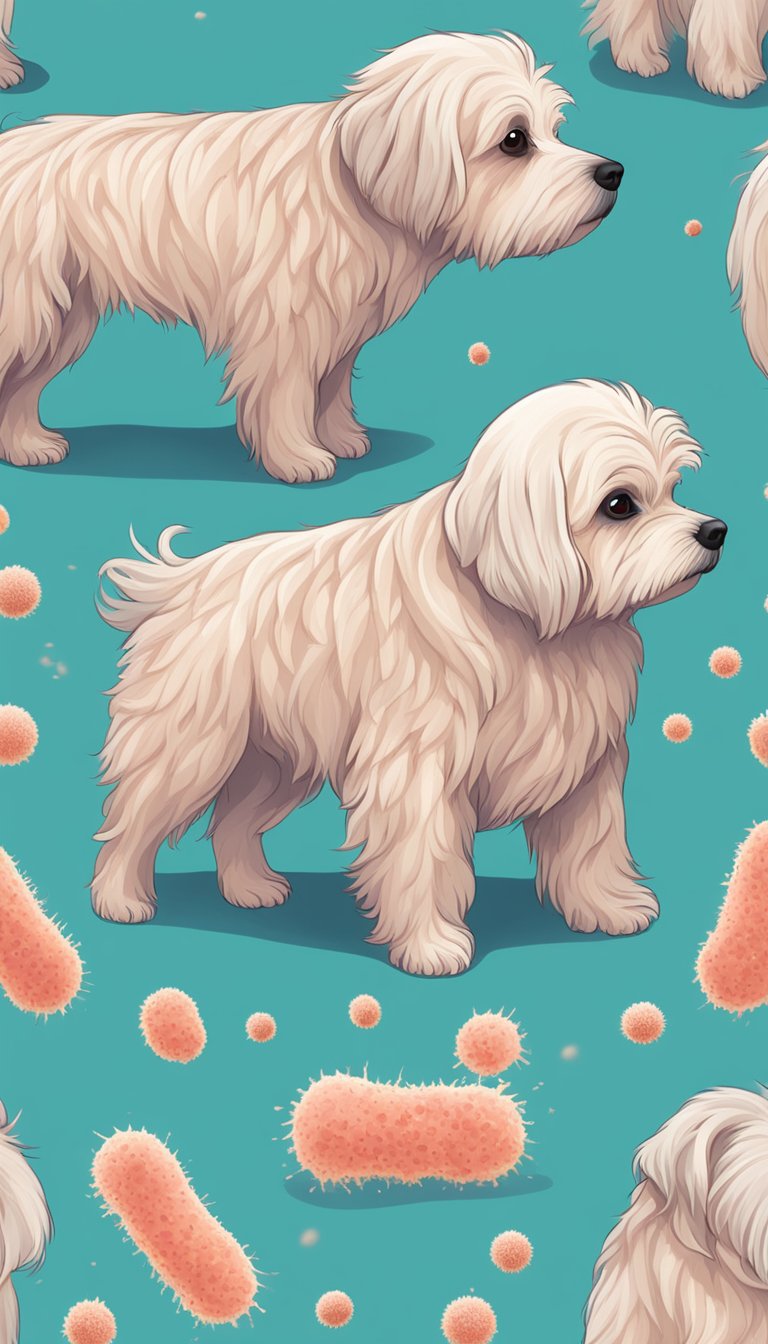
Bacterial infections can be a common issue for Maltese dogs. These infections often cause itching, redness, and swelling on the skin.
Maltese dogs have a luxurious coat, but this softness can trap moisture and dirt. This environment is perfect for bacteria to grow. When bacteria invade the skin, it can lead to infections.
Symptoms can include pus-filled bumps or lesions. A Maltese may also lick or scratch its skin frequently, making the problem worse.
Regular bathing can help keep the skin clean and reduce the risk of these infections. Using a gentle, dog-friendly shampoo is important.
If someone notices swelling, discharge, or a bad smell, they should visit a vet. Quick treatment can help the dog feel better faster.
Veterinarians often prescribe antibiotics to treat bacterial infections. They may also recommend medicated shampoos or ointments.
Keeping a Maltese’s coat clean and well-groomed can make a big difference. Monitoring their skin and getting help when needed keeps them happy and healthy!
5) Yeast Infections

Yeast infections are a common issue for Maltese dogs. These infections often occur in warm, moist areas of the body. This includes places like folds of skin, ears, and between the toes.
Signs of a yeast infection may include itching, redness, and a bad smell. The dog might also scratch or lick the affected areas a lot. These symptoms can make them uncomfortable.
Veterinarians usually diagnose yeast infections through exams and tests. Treatments often involve special shampoos and medications. Keeping the dog clean and dry is very important.
Maltese owners should watch for changes in their dog’s skin or behavior. If a yeast infection is suspected, it’s best to consult a vet for help. Taking quick action can lead to a quicker recovery.
6) Mange Mites

Mange mites are tiny pests that can cause big problems for Maltese dogs. These mites live on the skin and can lead to itching, hair loss, and redness.
There are two main types of mange: sarcoptic and demodectic. Sarcoptic mange, also known as scabies, is highly contagious. It spreads easily between dogs and can even affect humans.
Demodectic mange is linked to a dog’s immune system. It usually doesn’t spread to other pets. Weak immune systems can allow these mites to thrive.
Symptoms of mange include intense scratching, scabs, and bald patches. A Maltese may also have sensitive skin, making them feel uncomfortable.
Getting a proper diagnosis from a vet is crucial. They can recommend treatments, such as medicated shampoos or ointments. In some cases, oral medications might be needed.
Keeping a Maltese’s environment clean is vital. Regular baths and grooming can help reduce mite buildup. It is essential to watch for signs of mange and act quickly to keep your furry friend healthy and happy!
7) Environmental Allergies

Environmental allergies can greatly affect Maltese dogs. These allergies come from things in their surroundings, like pollen, dust mites, and mold.
When Maltese are exposed to allergens, they may show signs like itching, redness, or irritation on their skin. This can lead to excessive scratching, which may cause more serious skin issues.
Some Maltese may also develop watery eyes or a runny nose. These reactions happen when their immune system overreacts to common substances in the environment.
Keeping the home clean can help reduce allergy symptoms. Regular bathing with hypoallergenic shampoos might also soothe their skin.
It’s important for pet owners to watch for signs of allergies in their Maltese. If allergies are suspected, a visit to the vet can help find the right treatment.
With the right care and attention, Maltese can be happy and comfortable, even in an allergic world!
8) Hot Spots

Hot spots are a common skin issue for Maltese dogs. They appear as red, inflamed areas on the skin. These spots can be very itchy and uncomfortable.
Several factors can cause hot spots. Allergies, insects, and infections are common triggers. Maltese dogs may also develop hot spots from poor grooming or excessive licking.
When a Maltese gets a hot spot, it needs attention quickly. The area can get worse if not treated. Owners should keep the area clean and dry.
Vets often recommend medicated shampoos or ointments. In some cases, an Elizabethan collar may be needed to stop the dog from licking the spot. Treating the underlying cause, like allergies, is also important.
Regular grooming helps prevent hot spots. Keeping the dog’s coat clean and free from mats reduces the risk. Owners should check their Maltese’s skin often for any signs of irritation.
Hot spots can be very uncomfortable. Prompt care will help the Maltese feel better fast!
9) Skin Tumors
Maltese dogs can develop skin tumors, which are lumps that grow on or in the skin. These can be benign, meaning they are not harmful, or malignant, which means they can be cancerous.
It’s essential for owners to monitor their pets for any new growths. If a lump appears, it should be checked by a vet. Early detection is important for the best outcomes.
Common types include lipomas, which are fatty tumors, and mast cell tumors, which can be more serious. Symptoms to watch for include swelling, changes in size, or any irritation.
Treatment options vary. Veterinarians might recommend surgery to remove the tumor. In some cases, further treatment like chemotherapy may be necessary, especially for malignant tumors.
Regular check-ups can help catch these issues early. Taking care of a Maltese’s skin health is crucial for their well-being. With proper attention, they can enjoy a happy, healthy life.
10) Ringworm
Ringworm is a common skin issue in Maltese dogs. Despite its name, it is not caused by a worm. Instead, it is a fungal infection that can affect the skin, hair, and even nails.
The signs of ringworm include round, hairless patches on the skin. These areas may also be red, scaly, and itchy. A Maltese might scratch or bite at these spots, causing further irritation.
Ringworm spreads easily. It can be passed from dog to dog or even from humans to dogs. It’s important to keep things clean to help prevent this infection. Regularly washing bedding and toys can make a big difference.
If a Maltese shows signs of ringworm, a vet should be consulted. They may recommend antifungal creams or medications. Treatment usually lasts several weeks, so it’s important to be consistent.
With treatment and care, most Maltese recover fully from ringworm. Keeping an eye on their skin will help catch any issues early. This way, owners can ensure their furry friends stay happy and healthy!
11) Seborrhea

Seborrhea is a common skin issue seen in Maltese dogs. It happens when the skin produces too much oil. This can lead to greasy skin and coat.
Dogs with seborrhea may develop flaky, dry patches. They might also have a strong odor due to the excess oil. In some cases, it can cause itching and discomfort.
There are two types of seborrhea: seborrhea oleosa and seborrhea sicca. Seborrhea oleosa has a greasy appearance, while seborrhea sicca is drier and flaky. Both can affect the dog’s quality of life.
Seborrhea can be caused by allergies, hormonal changes, or skin infections. It can also be a sign of other health issues. Regular check-ups with a veterinarian can help keep Maltese dogs healthy.
Treatment often includes medicated shampoos and special diets. Bathing the dog regularly can also help reduce oil buildup. Keeping the dog’s skin clean and dry is important for preventing future flare-ups.
Maltese owners should watch for signs of seborrhea. Early detection is key to keeping the skin healthy and comfortable. Regular grooming can also help manage this condition effectively.
Understanding Maltese Skin Anatomy
Maltese dogs have unique skin and coat features that play important roles in their health. Knowing these elements helps owners take better care of their pets.
Maltese Coat Characteristics
Maltese dogs are known for their beautiful, long, and flowing white coats. This luxurious fur is not only a fashion statement but also essential for skin protection.
The coat consists of soft, silky hair that grows continuously. It does not shed much, which can be suitable for people with allergies.
Regular grooming is crucial to prevent tangles and mats. Mats can trap dirt and moisture, leading to skin problems. Owners should use a wide-toothed comb regularly to keep the coat healthy.
Layers of the Skin
Maltese skin has three primary layers: the epidermis, dermis, and hypodermis.
- Epidermis: The outer layer provides a protective barrier. It contains cells that regenerate and help heal wounds.
- Dermis: This middle layer holds nerves, blood vessels, and hair follicles. It supports the hair growth and connects to sweat glands, which help regulate temperature.
- Hypodermis: The deepest layer consists of fat and connective tissue. It acts as insulation and helps protect internal organs.
Each layer plays a vital role in maintaining skin health. Together, they support the Maltese’s unique needs, ensuring their skin stays moisturized and protected.
Preventing Skin Issues in Maltese
Preventing skin issues in Maltese dogs is essential for their health and happiness. With the right care, owners can keep their furry friends comfortable and reduce the risk of skin problems.
Proper Nutrition
Nutrition plays a key role in maintaining healthy skin. A balanced diet rich in high-quality protein, vitamins, and omega fatty acids can make a big difference.
- Key ingredients include:
- Lean meats: Chicken, turkey, and fish provide essential protein.
- Healthy fats: Fish oil or flaxseed oil supports skin health.
- Vitamins: Vitamins A, E, and zinc are important for skin rejuvenation.
Owners should choose dog food that lists meat as the first ingredient and does not contain lots of fillers. Regular meals based on this nutritional foundation can help keep Maltese skin glowing and vibrant.
Regular Grooming Tips
Regular grooming is crucial to prevent skin issues. Maltese dogs have long hair that can trap dirt and moisture, leading to skin problems.
- Key tips include:
- Brushing: Daily brushing removes dirt and helps prevent mats.
- Bathing: Bathe the dog every 3-4 weeks with a gentle pet shampoo.
- Inspecting: Check for irritations, bumps, or unusual odors during grooming.
Taking the time to groom a Maltese not only keeps their coat healthy, but it also strengthens the bond between the pet and the owner. Regular grooming is a fun way to stay connected while ensuring their skin remains in top condition.
Treatment Options for Maltese Skin Conditions
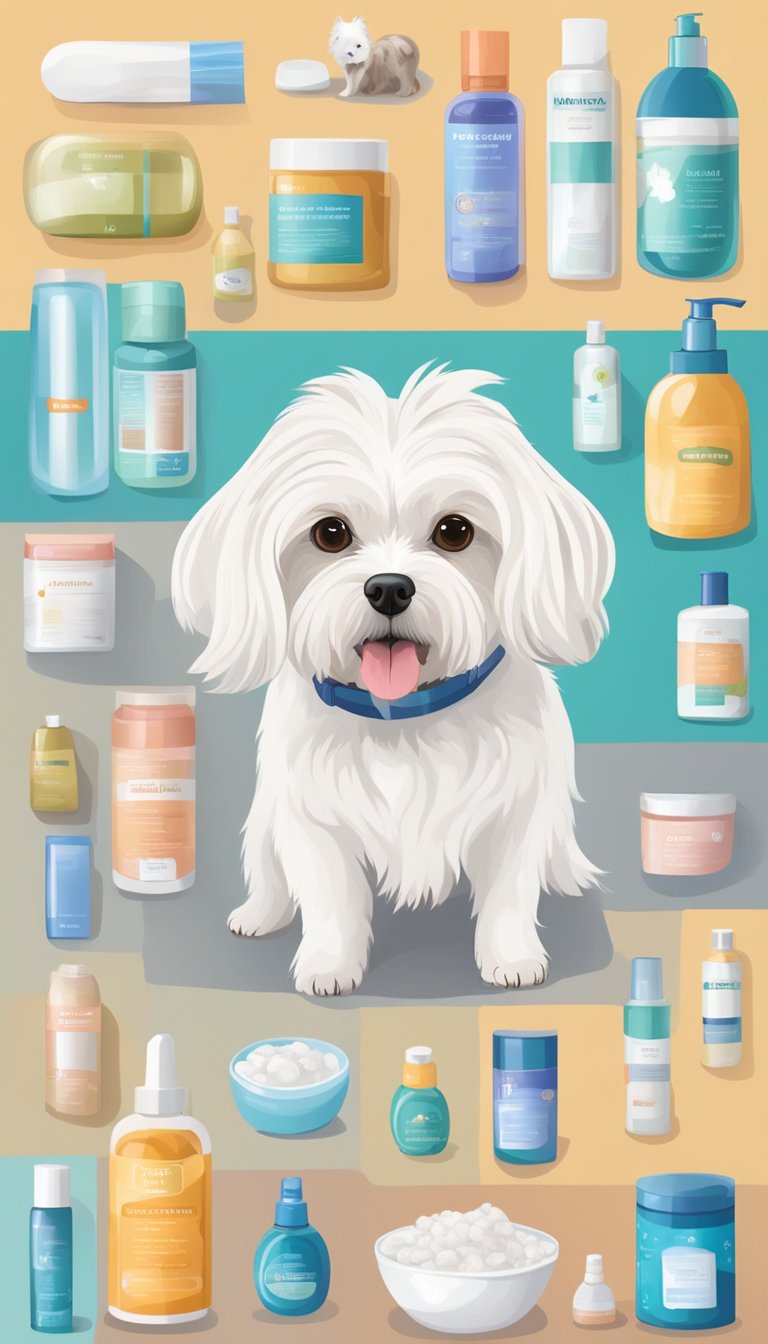
Maltese dogs can face a variety of skin issues, and finding the right treatment is essential for their comfort and health. There are several effective options available, including topical treatments, medications, and natural remedies. Each method addresses specific skin problems.
Topical Treatments
Topical treatments are often the first line of defense for Maltese skin conditions. These can include creams, ointments, and medicated shampoos.
- Hydrocortisone Cream: This helps reduce inflammation and itching, especially in cases like allergic reactions.
- Antibiotic Ointments: These are useful for treating minor cuts or bacterial infections on the skin.
- Medicated Shampoos: Shampoos with ingredients like chlorhexidine can help in treating skin infections or conditions like seborrhea.
Regular use of these treatments can significantly improve the dog’s skin health. It is important to follow the vet’s recommendations regarding frequency and amount.
Medications
Sometimes skin issues are more complex and require medication. Prescription medications can target specific problems effectively.
- Antihistamines: These can relieve itching caused by allergies.
- Steroids: Corticosteroids are sometimes prescribed for severe inflammation.
- Oral Antibiotics: These can treat more stubborn bacterial infections.
Vets determine the best medication based on the specific condition. It’s crucial to monitor any side effects and follow up with the vet as needed.
Natural Remedies
Many dog owners explore natural remedies to support their Maltese’s skin health. These options can be a gentle way to help soothe symptoms.
- Coconut Oil: This can hydrate the skin and reduce itching.
- Aloe Vera: Known for its soothing properties, it helps heal minor skin irritations.
- Oatmeal Baths: These baths can soothe itchy skin and reduce irritation.
These remedies are often safe, but it’s best to consult with a vet before trying new treatments. Each dog’s skin is unique, and what works for one may not work for another.