Many people adore Yorkshire Terriers, known for their playful nature and adorable looks. Unfortunately, some common myths about them can lead to misunderstandings. It’s essential to separate fact from fiction to better appreciate these charming dogs.

Misconceptions about Yorkies can influence how they are cared for and trained. This article will highlight eleven of the most common myths, helping dog lovers make informed choices. By dispelling these myths, owners can enhance their lives with their furry friends.
1) Yorkies don’t bark much.

Many people think that Yorkshire Terriers are quiet dogs. This is a common myth. In reality, Yorkies are known for being quite vocal.
They have a big personality packed into a small body. When they feel excited or want attention, they may bark. This breed can be alert and will often bark to let their owners know something is happening.
Yorkies are great watchdogs because they will alert you to visitors or sounds. Even small changes in their environment might trigger a bark.
It’s essential to train them early on. With proper training, it’s possible to manage their barking. This helps create a calm home and strong bond with their owner.
Some Yorkies may bark more than others. Factors such as age, personality, and training play a role. Overall, it is important to provide plenty of love and structure to keep their barking in check.
2) Yorkies aren’t good with kids.

Many people think that Yorkies don’t get along well with children. This isn’t true for all Yorkies. With the right training and socialization, they can be great family pets.
Yorkies are small dogs, but they have a lot of energy. They often enjoy playing and being around people, including kids. Kids can make them very happy with their playful nature.
Some Yorkies can be sensitive. They may become scared if a child is too loud or moves too quickly. It’s important for kids to learn how to interact gently with pets. When children understand this, Yorkies can thrive in loving homes.
Yorkies do best in families that teach respect for all animals. When kids know the right way to treat them, they can form special bonds. These dogs often enjoy snuggling and playing with kids.
Every dog is unique. Some might be more tolerant than others, while some may need extra time to feel comfortable. Meeting a Yorkie before bringing one home can help decide if it’s a good fit for the family.
3) Yorkies are always hypoallergenic.

Many people believe Yorkies are completely hypoallergenic. This idea comes from their unique coat, which is fine and silky. It’s less likely to cause reactions compared to other dog breeds.
While Yorkies shed less, they still produce dander and saliva. These can trigger allergies in some individuals. It’s important to note that no dog is 100% hypoallergenic.
Some people may react more strongly to certain dogs than others. Each person’s allergy triggers are different. Yorkies may still be a better choice for allergy sufferers than other breeds, but they are not a guaranteed solution.
Regular grooming can help reduce allergens. Bathing and brushing your Yorkie often can keep their coat healthy and lessen the amount of dander. This makes it easier for those who suffer from allergies to be around them.
In short, while Yorkies have features that may help with allergies, they are not always hypoallergenic for everyone. Each Yorkie is unique, and it is best to spend time with them to see how they affect allergies.
4) Yorkies can’t live in apartments.

Many people believe that Yorkies need a big yard to be happy. This is not true! These little dogs can do very well in apartments.
Yorkshire Terriers are small and adaptable. They don’t require a lot of space. A cozy apartment can be just perfect for them.
Regular walks and playtime are key to keeping Yorkies healthy and happy. Taking them outside allows them to explore and socialize. They enjoy these activities just like larger dogs.
Yorkies also love to snuggle and spend time indoors. They often find a sunny spot by the window or curl up on their owner’s lap. This shows they can be just as content in small spaces.
It’s important to give Yorkies some mental and physical exercise. Training sessions and interactive toys help keep them engaged. It’s easy to create a fun and exciting life for them in an apartment.
Many Yorkies live in cities and thrive in apartment settings. With proper care and attention, these tiny dogs can be just as happy indoors as they would be in a house with a yard.
5) Yorkies don’t need much grooming.
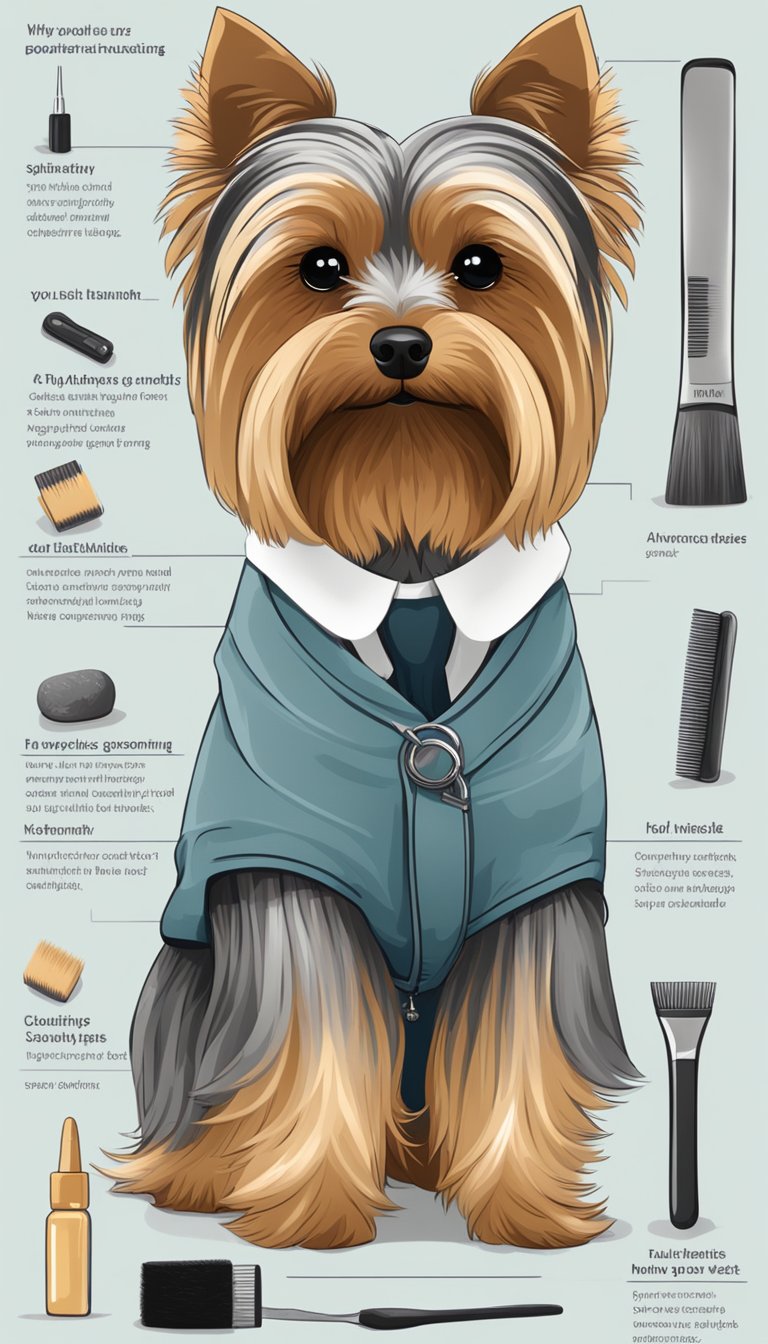
Many people think Yorkies don’t need a lot of grooming. This is a common myth! Yorkies have long, beautiful hair that requires regular care.
Brushing is very important. Yorkies should be brushed at least a few times a week. This helps to prevent tangles and mats in their fur.
Their coats can get dirty or tangled easily. It’s also good to check their ears and teeth regularly. Keeping those clean is part of grooming too!
Yorkies might need trips to the groomer every few months. A professional can help keep their coat looking great and can also trim their fur.
Bathing is another key part of grooming. Yorkies should be bathed every few weeks to keep their skin and coat healthy.
In short, Yorkies need regular grooming to stay happy and look great. It’s not just about brushing; it’s a whole routine!
6) All Yorkies are tiny.

Many people think all Yorkies are very small. While they are known as a toy breed, not every Yorkie is the same size. Some can be a bit bigger than others.
Yorkshire Terriers typically weigh between 4 to 7 pounds. However, there are exceptions. Some Yorkies might be a bit heavier or lighter depending on their diet and genetics.
It’s important to remember that size can also vary within the breed. Some Yorkies have been bred to be larger for specific reasons. This means that not all Yorkies fit the tiny mold.
Owners often have different experiences with their dogs, too. A Yorkie might be small and feisty or a little bigger and just as playful. Each dog has its own personality, regardless of size.
Size does not dictate behavior. Larger Yorkies can be just as loving and energetic as their smaller friends. Size differences in Yorkies only add to their charm, making them unique!
7) Yorkies are always healthy.

Many people believe that Yorkshire Terriers are always in great health. This idea can be misleading. Like any other dog breed, Yorkies can face health issues.
Yorkies are known for certain conditions. They may have problems with their teeth, eyes, and joints. Regular vet visits can help catch these issues early.
It’s important to keep an eye on their diet and exercise. Yorkies are small but need to stay active. A healthy lifestyle helps them avoid weight gain and other problems.
Not every Yorkie will experience health issues, but awareness is key. Owners should stay informed and proactive. Regular check-ups and vaccinations can ensure a happy, healthy pet.
Yorkies thrive on love and care. With the right attention, they can lead long, fulfilling lives. It is up to the owner to provide the best care possible.
8) Yorkies can’t be trained.

Many people think Yorkies are hard to train. This is not true! Yorkies are smart and eager to learn.
They can pick up commands quickly with proper guidance. Positive reinforcement works wonders with them. Treats and praise motivate Yorkies to do their best.
Training can start as soon as they are puppies. Simple commands like “sit” and “stay” are great for beginners.
Socialization is also important. Taking them to parks and exposing them to new people helps them learn.
With patience and consistency, training a Yorkie can be fun for everyone. They love to impress their owners and show off what they’ve learned.
Yorkies may have a stubborn side, but this can be managed. Staying calm and using fun methods leads to success.
Each Yorkie is unique. Some may take a bit longer to learn than others. That’s okay!
With time and love, they can become well-trained companions. Yorkies may surprise their owners with how much they can achieve.
9) Yorkies are not good with other pets.

Yorkshire Terriers, or Yorkies, can often get along well with other pets. Puppies are usually more open to friendships. With the right training and socialization, they can be great companions for other animals.
Yorkies are lively and curious. Their playful nature often helps them bond with other pets, like cats or dogs. Many Yorkies form friendships with pets in their household.
It’s important to introduce Yorkies to other animals slowly. Supervised meetings can help ease any tension. Positive experiences can lead to lasting friendships.
Every Yorkie has its own personality. Some may be more dominant or protective, especially towards smaller pets. Owners should watch their Yorkies’ behavior and step in if needed.
With patience and love, many Yorkies thrive in multi-pet homes. They can learn to share their space and toys. For many families, a Yorkie can be a cheerful addition to a lively pet household.
10) Yorkies Aren’t Adventurous

Many people think Yorkies are not adventurous. This is not true! Yorkies are known for their lively and brave personalities.
These little dogs love to explore. They enjoy going for walks, sniffing new places, and meeting other dogs. Their size does not stop them from being curious about the world around them.
Yorkies are also great travel companions. They can adapt to new situations and enjoy visiting different places. Whether it’s a short trip to the park or a vacation, they are up for the adventure.
In addition, their playful nature adds to their adventurous spirit. Yorkies love to run, play fetch, and chase after toys. Their enthusiasm can make even the simplest activities feel exciting.
These dogs are willing to try new things. They may surprise their owners with their courage and love for exploration. Yorkies thrive in environments where they can discover and be active.
It’s important to give Yorkies opportunities to be adventurous. Regular walks and outings can help keep them happy and healthy. With proper care and encouragement, they can turn everyday moments into fun adventures.
11) Yorkies have no energy.

Many people think Yorkies are lazy dogs. This is not true! In fact, Yorkies are known for their lively and playful nature.
These little dogs are full of energy. They love to run, play, and explore. A Yorkie enjoys chasing toys and can have a lot of fun in a small space.
Yorkies also need regular exercise. Daily walks and playtime are important for them. Without enough activity, they may get bored and anxious.
Many Yorkies love to attend dog parks. They enjoy meeting other dogs and making new friends. This social interaction helps them burn off energy and stay happy.
Their strong personalities shine through in their actions. Yorkies can be brave and curious, which keeps them moving. They might surprise owners with their playful antics.
It is vital for Yorkie owners to engage with their pets. This way, they can channel that energy into fun activities. Yorkies thrive when they feel active and involved.
In the end, Yorkies definitely have energy! They are not couch potatoes but active companions who love playtime. Owners should embrace their energy for a joyful experience.
Understanding Yorkies

Yorkies are small yet lively dogs known for their spirited personalities and charming looks. Their unique history and special features make them beloved companions.
History and Origins
Yorkshire Terriers, or Yorkies, originated in England in the mid-19th century. They were bred to catch rats and other small animals in textile mills and mines. Their energetic nature made them excellent workers.
The breed’s name comes from the county of Yorkshire, where they were developed. Popularity grew when they became favored by the upper class, especially Queen Victoria, who brought attention to the breed. Today, Yorkies are well-loved as family pets all around the world.
Distinctive Characteristics
Yorkies are small dogs, typically weighing between 4 to 7 pounds. They have a long, silky coat that can come in shades of blue and tan, giving them a distinct appearance. Their tiny size allows them to fit comfortably in small spaces.
These dogs are known for their big personalities. They are often bold, curious, and playful. Yorkies can be quite vocal and are known to bond closely with their owners. Their intelligence makes them quick learners, though they can also be stubborn at times. These traits contribute to their charm and popularity.
Debunking Health Myths

There are many myths about the health of Yorkies. It’s important to clear up these misconceptions to ensure they receive the best care.
Common Health Misconceptions
One common myth is that Yorkies are fragile and can’t exercise. In reality, these dogs can enjoy daily walks and playtime. Regular activity keeps them healthy and happy.
Another myth suggests that Yorkies do not need regular vet visits. In truth, routine check-ups help catch health issues early. They are prone to dental problems, so dental care is essential, too.
Many believe that small dogs eat less. While Yorkies are small, they need the right amount of food for their size. Quality food supports their energy levels.
Proper Care and Nutrition
Proper nutrition is key for a Yorkie’s health. A balanced diet must include proteins, fats, and carbohydrates. Proper food helps maintain a healthy weight and energy.
It’s vital to feed them age-appropriate food. Puppies have different needs than adults or seniors. Frequent small meals work well for young Yorkies, while adults usually need two meals a day.
Hydration is crucial. Yorkies should always have fresh water available. Avoid giving them table scraps, which can cause digestive issues. High-quality dog food ensures they get all the nutrients needed for a long, healthy life.
Dispelling Behavioral Myths
Many people think they know how Yorkies act, but some beliefs can be misleading. By clearing up these myths, owners can better understand their pups. Let’s look at the real facts about their training and temperament.
Training and Socialization
Yorkies are not hard to train, contrary to popular belief. With patience, consistency, and positive reinforcement, they can learn commands and tricks quickly. Using treats and praise makes training fun for them. Early socialization is key, too. This means exposing them to various people, pets, and environments.
Tips for Training Yorkies:
- Start training at a young age.
- Use short training sessions.
- Reward good behavior immediately.
Proper training helps prevent behavior issues, making these dogs well-adjusted companions. People might think Yorkies won’t listen, but with the right approach, they can thrive.
Yorkie Temperament
Yorkies are often seen as yappy and anxious, but that isn’t the full story. They are energetic and love to play. With the right care, they can be calm and loving.
These dogs are affectionate and loyal. They form strong bonds with their families. Yorkies do need attention and mental stimulation to stay happy.
Common traits of Yorkies:
- Playful and energetic
- Loyal and affectionate
- Smart and eager to please
By giving them regular exercise and attention, owners can help them be their best selves. The key is to see them as unique individuals rather than fitting them into a stereotype.