Pitbulls are beloved pets known for their loyalty and energetic nature. Many owners may not realize that these dogs can face various skin issues that require attention. Understanding these problems can help ensure that they stay healthy and happy. Skin issues can arise from various factors, including allergies, parasites, or infections. It is essential for owners to recognize the signs early to provide the right care and treatment. This article will explore 11 common skin issues that Pitbulls may experience.
1) Allergies

Allergies are common in Pitbulls and can cause skin problems. They may react to many things like food, pollen, or dust mites. It’s important to recognize the signs early.
Symptoms of allergies often include itching, redness, and swelling. Sometimes, a Pitbull may scratch or bite at their skin, leading to sores. Some dogs may also have watery eyes or sneezing.
Identifying the cause of an allergy can be tricky. A vet can help find out what triggers the reaction. This often involves tests or a special diet.
Managing allergies includes avoiding triggers when possible. Medications or special shampoos may also help relieve symptoms. Regular grooming can minimize allergens on the skin and coat.
Owners should watch for changes in their dog’s skin. If there are signs of irritation, it’s best to contact a vet. Keeping an eye on their health helps ensure they stay happy and comfortable.
2) Hot Spots
Hot spots are a common problem for Pitbulls. They are painful, red, inflamed areas on the skin. These spots can appear quickly and often need attention right away.
Hot spots usually happen when a dog scratches or bites a specific area. This might be due to allergies, bug bites, or infections. The more a dog scratches, the worse the hot spot can become.
Signs of a hot spot include excessive licking or chewing in one area. The skin may feel warm to the touch and can look swollen. It may also have discharge, which can lead to infection.
Treatment often includes cleaning the area and applying medication. In some cases, a vet may recommend an Elizabethan collar. This helps prevent the dog from reaching the hot spot while it heals.
It’s important for owners to check their dogs regularly. Early detection can prevent hot spots from worsening. Keeping the skin clean and dry helps too. If a hot spot appears, addressing it quickly will help the dog feel better soon!
3) Dry Skin
Dry skin can be a common issue for Pitbulls. It may make the skin look flaky and rough. This can cause discomfort for the dog.
Many factors can lead to dry skin. Changes in weather, dry air, or even certain foods can affect their skin. Bathing too often can also strip the skin of its natural oils.
To help a Pitbull with dry skin, it’s important to keep their environment comfortable. Using a humidifier may help during dry seasons. Providing a balanced diet filled with nutrients can also support healthy skin.
Regular grooming can play a big role too. Brushing helps remove dead skin and distribute oils. It also keeps the coat looking shiny and healthy.
If dry skin persists, a vet visit may be necessary. They can check for allergies or other health issues. Treating the cause is essential for keeping the dog happy and comfortable.
4) Dandruff
Dandruff is a common skin problem that can affect Pitbulls. It shows up as white or yellow flakes on the skin or fur. These flakes can be dry and may fall off easily.
This condition can be caused by several factors. Dry skin, allergies, or even changes in the weather can trigger dandruff. Sometimes, it can also be due to not enough grooming or bathing.
Pitbulls with dandruff might scratch or bite at their skin more than usual. This can lead to irritation and even sores. It’s important to keep an eye on these signs.
Regular grooming can help manage dandruff. Brushing the coat removes flakes and helps distribute natural oils. Bathing with a gentle, moisturizing dog shampoo can also make a difference.
If dandruff persists, a vet visit is wise. They can check for allergies or other skin issues. Taking action early can keep a Pitbull’s skin healthy and comfortable.
Keeping a Pitbull’s skin clean and moisturized is key. With proper care, dandruff can be managed, helping to keep that coat shiny and beautiful!
5) Flea Allergy Dermatitis
Flea allergy dermatitis is a common issue for Pitbulls. It happens when a dog is allergic to flea saliva. Just one bite can lead to intense itching and discomfort.
Signs of flea allergy dermatitis include red, inflamed skin. There may also be hair loss in areas where the dog scratches or bites. Sometimes, the skin can get a secondary infection due to constant irritation.
It’s important to check for fleas regularly. Even if a dog doesn’t have fleas, they can still have a reaction from previous bites. Flea prevention is key to keeping Pitbulls comfortable.
Treatment often involves medication to ease itching and reduce inflammation. A vet can recommend the best options for each dog. It’s also crucial to treat the home to eliminate fleas from the environment.
Regular grooming can help spot fleas early. Bathing with special shampoos can also soothe irritated skin. Keeping a dog’s skin healthy is essential for their overall well-being.
With proper care and attention, Pitbulls can recover quickly from flea allergy dermatitis. Ensuring a flea-free environment will keep them happy and itch-free!
6) Mange
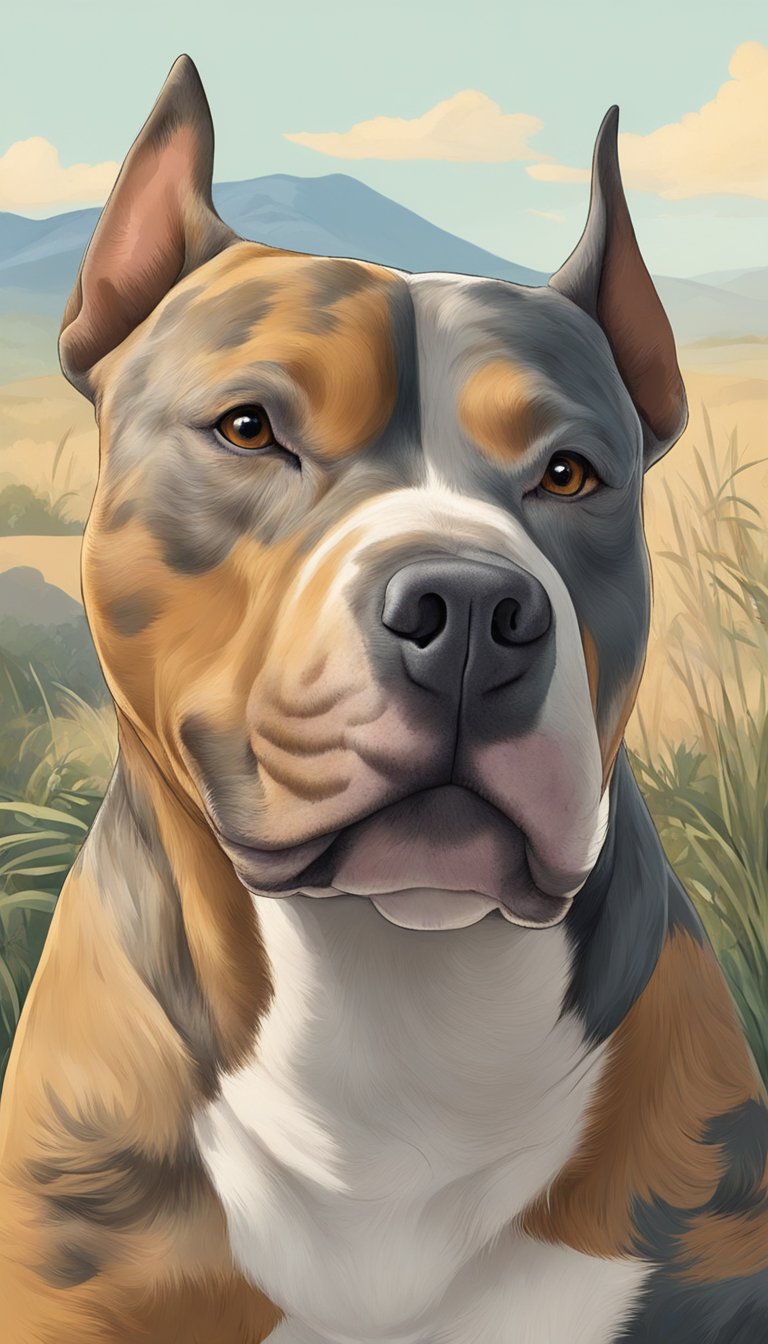
Mange is a common skin problem in Pitbulls. It is caused by tiny mites that invade the skin. These pests can lead to itchiness and discomfort.
There are two main types of mange: sarcoptic and demodectic. Sarcoptic mange, also known as scabies, is highly contagious. It can spread to other dogs and even humans!
Demodectic mange is less contagious. It occurs when the immune system cannot keep the mites under control. This type usually affects younger dogs.
Symptoms of mange include excessive scratching, hair loss, and red, inflamed skin. Dogs may also develop scabs and sores from scratching. These signs can be distressing for both the dog and their owner.
Diagnosis usually requires a vet visit. The vet may perform skin scrapings to check for mites. Once diagnosed, treatment options are available.
Medications can help get rid of the mites. In some cases, medicated shampoos are recommended. It’s important to follow the vet’s instructions closely.
With proper treatment, most Pitbulls recover well. Pet owners should keep a close eye on their dog’s skin health. Regular check-ups can help catch any issues early.
7) Acne
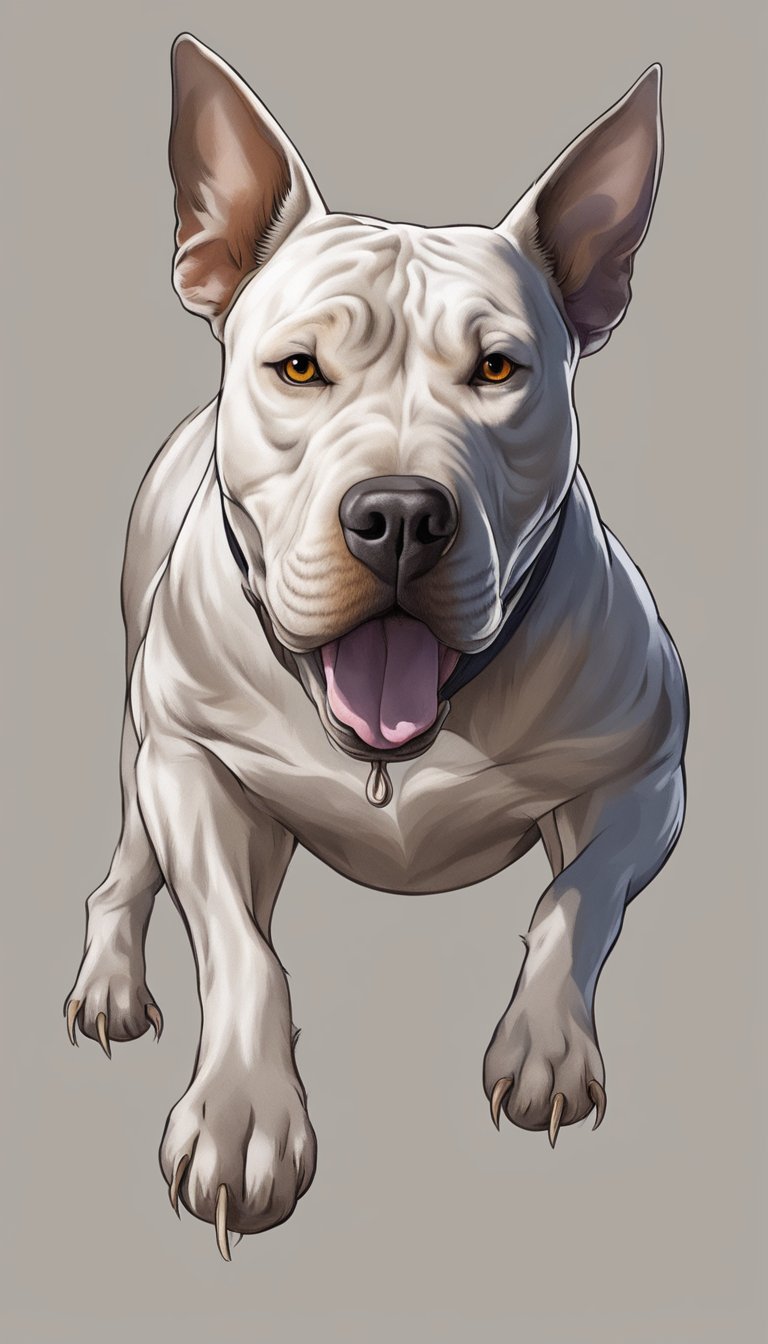
Acne is a common skin issue in Pitbulls. It often appears as small, red bumps on the skin, usually around the face and chin. These bumps can be itchy and may become painful.
The cause of acne in Pitbulls is often linked to hormones. Young dogs are more prone to it, and it can worsen during puberty. However, any age can be affected.
Regular grooming can help keep the skin clean. Washing the dog’s face with a mild, dog-friendly cleanser can remove dirt and excess oil. This might reduce the chances of breaking out.
In some cases, a vet may recommend treatment. This can include medicated shampoos or topical creams. These treatments can help soothe the skin and reduce inflammation.
Keeping the dog’s environment clean is important, too. Regularly washing bedding and toys can help prevent acne from returning. A clean space can promote better skin health.
Pitbull owners should watch for signs of infection. If the acne seems severe or does not improve, a visit to the vet is the best choice. They can provide proper care and guidance for the dog’s specific needs.
8) Ringworm
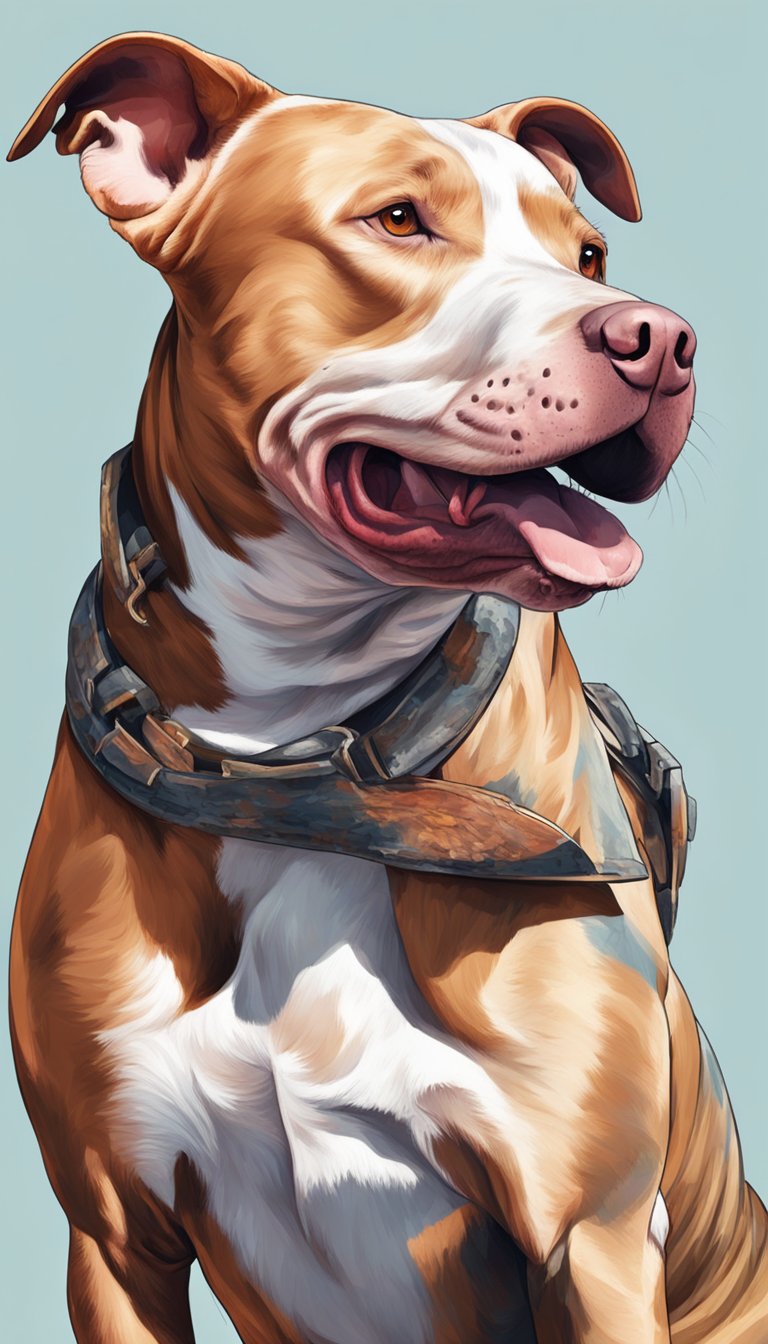
Ringworm is a common fungal infection that can affect Pitbulls. This issue isn’t caused by worms, but by a fungus that lives on the skin.
It often appears as circular patches of hair loss. The skin may look red or scaly in these areas. It can cause itching, leading to discomfort for the dog.
Ringworm can spread easily, both from dog to dog and from dogs to people. If a Pitbull has ringworm, they should see a vet for proper treatment.
Veterinarians commonly prescribe antifungal medications. It is essential to follow the vet’s instructions carefully to clear up the infection.
Keeping the home clean is crucial. Regularly washing bedding and cleaning floors helps prevent the spread of the fungus.
Pet owners can also use antifungal shampoos as a part of the treatment. These can help reduce the fungus on the skin while the dog is healing.
Prompt action is key! Early detection and treatment can help a Pitbull recover quickly and remain healthy.
9) Yeast Infections
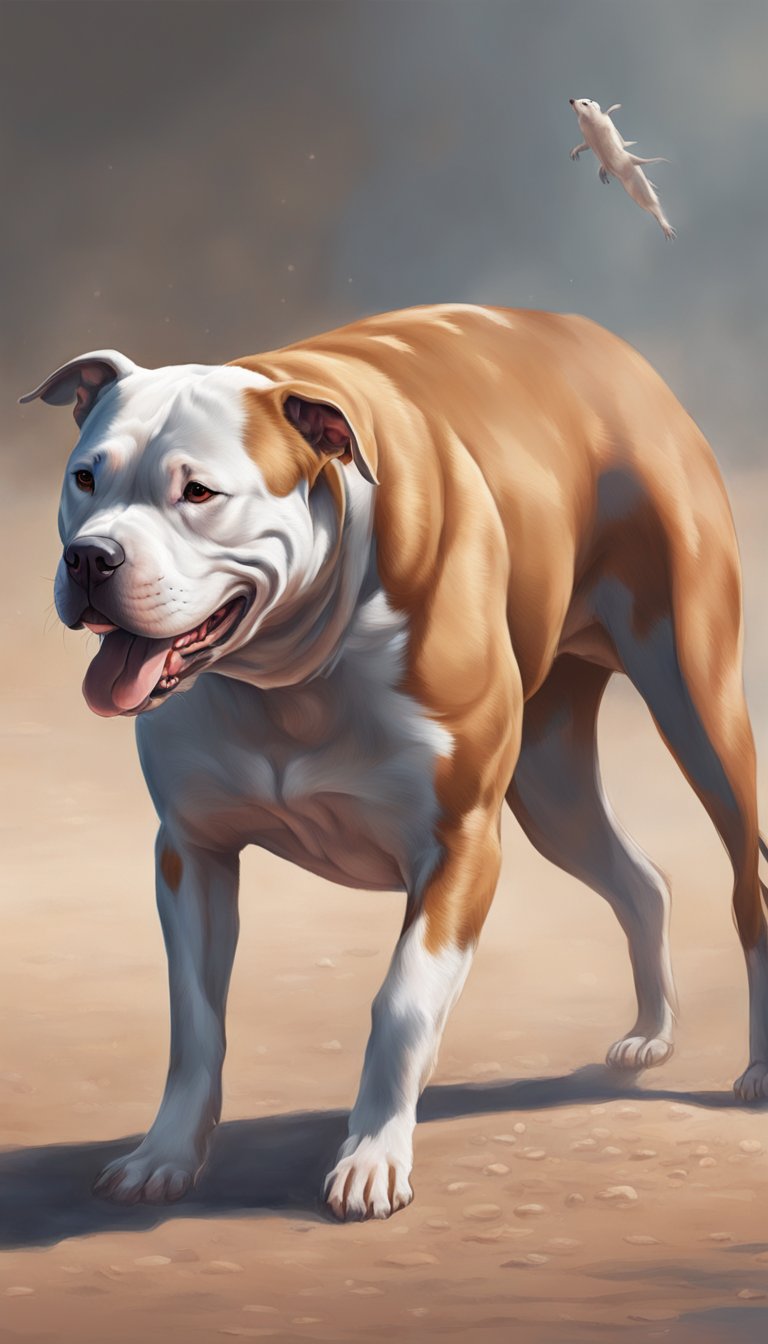
Yeast infections are a common skin problem in Pitbulls. They happen when yeast grows too much on the skin or in the ears. This can cause irritation and discomfort.
Pitbulls may scratch, bite, or lick their skin more than usual. They might also have a strong smell or red, inflamed areas. These signs indicate that it’s time to check for yeast infections.
The ears are a common place for yeast infections. If they shake their head often or have a dark, waxy buildup, it could mean yeast is growing inside. It’s important to keep ears clean and dry to prevent this issue.
To help with yeast infections, a vet may recommend special shampoos or medications. These can kill the yeast and soothe the skin. It’s crucial to follow the vet’s advice and complete the treatment.
Diet can also play a role in yeast infections. Some foods may cause more yeast to grow. It’s best to choose a balanced diet that supports skin health and reduces yeast growth.
Regular check-ups with the vet can help catch problems early. Keeping an eye on your Pitbull’s skin and ears will help them stay happy and healthy. A little attention goes a long way to preventing yeast infections!
10) Seborrhea
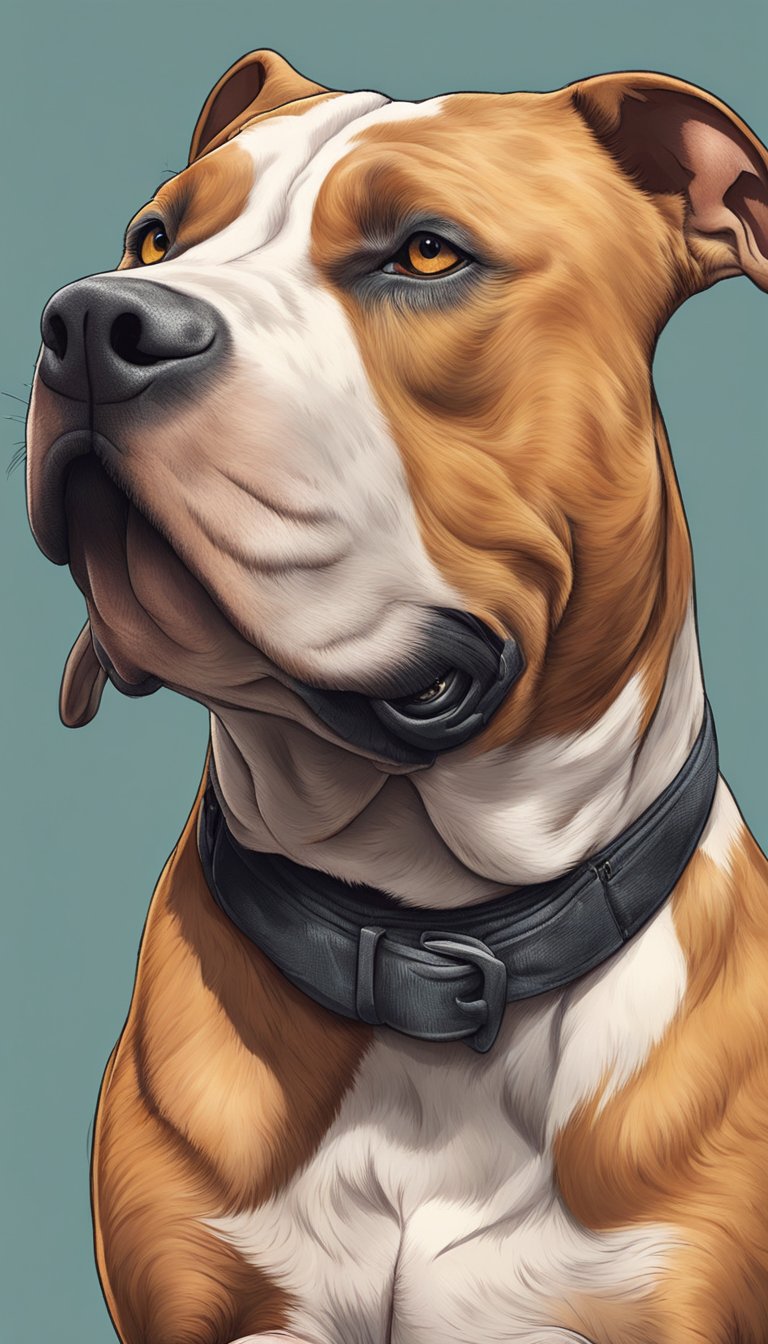
Seborrhea is a common skin issue in Pitbulls. It happens when the skin produces too much oil. This can lead to flaky skin and redness.
There are two types of seborrhea: dry and oily. Dry seborrhea causes dry, flaky skin. Oily seborrhea results in greasy patches, which can smell bad.
Pitbulls with seborrhea may scratch or bite at their skin. This can make the problem worse and lead to infections. It’s important to keep an eye on these signs.
Veterinarians often recommend special shampoos to help manage seborrhea. These products can reduce oil and help soothe the skin.
In some cases, diet can affect skin health. A balanced diet rich in omega fatty acids may help improve their skin condition.
Regular grooming can also make a difference. Brushing helps remove dead skin and promotes healthy oil distribution. Keeping your Pitbull clean is key!
If seborrhea does not improve with home care, a visit to the vet is essential. They can rule out other skin issues and suggest the best treatment.
With the right care, Pitbulls with seborrhea can feel more comfortable and look great!
11) Hives

Hives are a common skin issue that can affect Pitbulls. These raised, itchy bumps appear suddenly on their skin. They can be quite uncomfortable for dogs.
Hives can happen for many reasons. Allergies are one of the main causes. Food, pollen, or even certain medications can trigger this reaction.
When a Pitbull has hives, it may scratch or bite at the areas that itch. This can lead to redness and irritation. Owners should keep an eye on their dog’s behavior.
Sometimes, hives can go away on their own. In mild cases, treatment may not be necessary. However, if the hives continue or worsen, it’s best to see a vet.
A vet can help determine the cause of the hives. They may suggest allergy tests or other treatments. Medications can relieve the itching and help the skin heal.
If a dog shows other signs like swelling or difficulty breathing, it’s important to seek help right away. These could be symptoms of a serious allergic reaction.
Keeping Pitbulls away from triggers is important. Using hypoallergenic products can also help. Regular vet check-ups can catch skin issues early.
Hives may be common, but with the right attention, they can be managed effectively.
Understanding Common Pitbull Skin Issues
Pitbulls can face a range of skin issues, each with distinct signs and causes. Knowing these conditions helps owners keep their pets healthy.
Overview of Skin Conditions
Pitbulls are prone to certain skin problems, such as allergies, hotspots, and parasites. Allergies can cause itching and redness. Common triggers include food, pollen, and dust mites. Hotspots, also known as acute moist dermatitis, appear as red, inflamed patches. They often result from scratching due to itching.
Parasites like fleas and ticks can also lead to skin irritation. Fleas may cause flea allergy dermatitis, leading to severe itching. Mange, caused by mites, creates scabs and hair loss. Owners should check for signs like excessive licking, redness, or hair loss.
Regular grooming can help identify these issues early. Keeping an eye on your Pitbull’s skin health is essential.
Importance of Early Detection
Spotting skin issues in Pitbulls early can prevent them from worsening. Small problems can quickly escalate into serious health issues if ignored.
Regular check-ups and monitoring are crucial. Owners should look for:
- Redness or swelling
- Abnormal hair loss
- Unusual odors
These signs can indicate infections or allergies that need attention. A vet can provide treatment options such as medicated shampoos or dietary changes.
Timely action ensures that your Pitbull stays comfortable and happy. Keeping a close eye on skin health leads to a longer, healthier life for these beloved pets.
Causes of Skin Issues in Pitbulls
Skin problems in Pitbulls can arise from a mix of genetic traits, environmental elements, and what they eat. Understanding these causes can help pet owners take action to keep their dogs healthy and happy.
Genetic Predispositions
Pitbulls may have certain genetic traits that make them more likely to develop skin issues. Conditions like allergies and dermatitis can often run in families. Some Pitbulls may inherit a sensitivity to certain substances, causing their skin to react poorly.
It’s important for owners to be aware of their dog’s family history. If a dog has a parent or sibling with skin problems, it may be more prone to similar issues. Regular vet check-ups can help spot these problems early.
Environmental Factors
The environment plays a key role in skin health. Pitbulls can be affected by allergens like pollen, dust mites, and mold. Changes in weather can also impact their skin. For example, dry winter air can lead to dry, flaky skin.
Additionally, harsh chemicals in cleaning products or yard treatments can irritate a Pitbull’s skin. Keeping the living area clean and using pet-friendly products can help minimize exposure. Owners should also monitor their dog for any signs of discomfort when spending time outdoors.
Diet and Nutrition
What a Pitbull eats can greatly influence its skin health. Poor nutrition can lead to deficiencies that affect the skin and coat. Some Pitbulls may develop allergies to certain ingredients, such as grains or proteins. This can cause itching, redness, and inflammation.
Feeding a balanced diet with high-quality ingredients is important. Owners should consult with a vet to find the best food for their dog. Supplements like omega-3 fatty acids can also support skin health and reduce irritation.
Preventative Measures and Treatments
Keeping a Pitbull’s skin healthy is essential for its well-being. Regular care and specific treatments can help manage and prevent common skin issues.
Regular Grooming Practices
Regular grooming is key to maintaining healthy skin for a Pitbull. Brushing a few times a week removes loose hair and dirt. It also helps spread natural oils throughout the coat, keeping the skin moisturized.
Bathing should be done every month or as needed. Use dog-friendly shampoos that are gentle on the skin. After bathing, ensure the dog is dried properly to avoid moisture buildup, which can lead to skin infections.
Check for signs of irritation or parasites during grooming. Early detection of issues like fleas or hotspots makes treatment easier. Remember, a clean and well-groomed dog is less likely to develop skin problems!
Effective Skin Treatments
For existing skin problems, specific treatments can make a big difference. Ensure to consult a veterinarian before starting any treatment. They can suggest the best options based on the condition.
For allergies, antihistamines or special diets may help. Topical treatments like creams or sprays can soothe irritated areas. Look for products that contain natural ingredients, like oatmeal or aloe vera.
In addition, regular use of medicated shampoos can alleviate conditions like dermatitis. Follow the vet’s advice on frequency to avoid overuse. Keeping a healthy environment, free from allergens, also supports skin health.