Pomeranians are lively and adorable companions, but they can face a variety of skin issues. Being aware of common skin problems can help pet owners maintain their furry friends’ health and happiness. Skin health is crucial for Pomeranians, as their thick coats can sometimes make it hard to spot problems early. With the right knowledge, owners can keep their pets comfortable and reduce the risk of serious complications.
1) Alopecia X
Alopecia X is a skin condition that often affects Pomeranians. This issue leads to hair loss, mostly around the back and tail. It can be surprising for owners to see their furry friend losing fur.
This condition does not come with redness or irritation. The skin usually looks healthy, which can be confusing. Many believe it is caused by hormonal changes in the dog’s body.
Veterinarians are not always sure what causes Alopecia X. Some believe it might be genetic. Pomeranians are more likely to get this condition than some other breeds.
Treatment can vary based on the dog and its needs. Some owners see good results with hormone therapy. Others may try different approaches like special shampoos or supplements.
It can be a little frustrating for Pomeranian owners. They want to see their pets happy and healthy. Learning about Alopecia X can help them understand this condition better.
2) Hot Spots

Hot spots, also known as acute moist dermatitis, are a common skin issue in Pomeranians. These are painful, red patches of irritated skin. They can appear suddenly and grow quickly.
Several factors can cause hot spots. Allergies, insect bites, and moisture can all lead to this condition. Dogs with thick fur, like Pomeranians, are more prone to developing hot spots.
Signs of a hot spot include redness, swelling, and constant scratching or licking. The area may also smell bad or have discharge. It’s important to act fast if you notice these signs.
Treatment usually involves cleaning the area and applying medicated ointments. A veterinarian may recommend antibiotics if there’s an infection. Keeping the dog from licking or biting the area is key to recovery.
Regular grooming can help prevent hot spots. Keeping the fur clean and dry is essential. Checking for fleas and skin irritations also helps keep a Pomeranian healthy.
With care and attention, hot spots can be managed effectively. Owners should stay observant and consult a vet when needed. This way, they can ensure their furry friends remain comfortable and happy!
3) Pyoderma

Pyoderma is an infection that can affect Pomeranians. It often shows up as red, inflamed spots on the skin. These spots may be painful and itchy.
This skin condition usually happens when bacteria enter through broken skin. Pomeranians might develop pyoderma due to allergies or other skin issues. It’s important for owners to pay close attention to their dog’s skin.
Signs of pyoderma include pus-filled bumps or crusty patches. A dog with this condition may also scratch or bite at the affected areas. This can lead to more irritation and discomfort.
Veterinarians typically diagnose pyoderma through a physical exam and skin tests. They may recommend antibiotics to treat the infection. Sometimes, special shampoos or topical ointments can help soothe the skin.
Keeping a Pomeranian’s coat clean and dry can prevent infections. Regular grooming helps to check for any unusual spots or changes in the skin. Early treatment can make a big difference in recovery.
If a Pomeranian shows signs of skin problems, it is best to see a vet right away. Quick action can help the dog feel better faster!
4) Sebaceous Adenitis

Sebaceous adenitis is an interesting condition affecting Pomeranians. It happens when the sebaceous glands, which produce oil for the skin, get inflamed. This can lead to dry skin and hair loss.
Pomeranians with sebaceous adenitis may have patches of hair missing, especially on their back and sides. The skin can also appear flaky or crusty. This condition can be uncomfortable for the dog.
Veterinarians can diagnose sebaceous adenitis through skin tests and examinations. Treatments may include medicated shampoos and special oils to help soothe the skin.
Keeping a Pomeranian clean and well-groomed is important. Regular baths can help, but it’s crucial to use products that are safe for dogs.
With proper care, Pomeranians can manage this condition effectively. Shedding may vary, but many dogs can still have a full, beautiful coat. Regular vet visits can make a big difference too.
5) Allergic Dermatitis
Allergic dermatitis is a common issue for Pomeranians. This skin condition happens when they react to something in their environment or food. It can cause itching, redness, and even hair loss.
Pomeranians might have allergies to pollen, dust mites, or certain foods. Each dog is different, so the triggers can vary widely. It’s important to watch for signs of discomfort.
If a Pomeranian is scratching a lot or licking their paws, it could be a sign of allergic dermatitis. She might also have inflamed skin. Owners should take notice and consult a vet.
A vet may recommend a special diet or allergy tests. These can help identify what is causing the reaction. Treatment might include medicated shampoos or anti-inflammatory medications.
Keeping the environment clean can also help. Regular baths with gentle shampoo can reduce allergens on the skin. It’s exciting to see a dog feel better after finding and treating the cause!
With proper care, Pomeranians can live happily even with allergies. Early detection and treatment make a big difference. Owners can help their furry friends enjoy a comfortable, happy life.
6) Follicular Dysplasia
Follicular dysplasia is a skin condition that affects some Pomeranians. It happens when hair follicles do not grow properly. This can lead to hair loss or thinning fur.
Pomeranians with follicular dysplasia may look patchy or have areas of bare skin. The fur may grow back slowly or not at all in some spots. It can affect their appearance, but it is not usually painful for them.
This condition is often hereditary. Pomeranians may inherit the genes that cause it from their parents. Regular vet check-ups can help identify this issue early.
Treatment options for follicular dysplasia may include special shampoos or medications. A vet may recommend changes in diet or supplements to help improve coat health. Keeping the skin healthy is important for their comfort and well-being.
Pomeranian owners should watch for signs like unusual shedding or bald spots. Early detection can lead to better management of the condition. Being informed helps in caring for these cheerful dogs!
7) Dandruff
Dandruff is a common issue in Pomeranians that can surprise many owners. It appears as white flakes on the skin or fur. These flakes can often be seen on furniture or clothing.
This condition occurs when the skin becomes dry or irritated. Factors like weather changes, poor diet, or skin infections can contribute to dandruff in Pomeranians. It may make their coat look dull and unkempt.
Regular brushing helps remove dead skin and loose fur. Owners can also improve their dog’s diet with good quality food. Omega fatty acids are great for skin health and can reduce dandruff.
If dandruff persists, a vet visit is a smart choice. The veterinarian can suggest specific shampoos or treatments. They can also check for any underlying skin problems that may need attention.
Keeping the Pomeranian’s skin clean and moisturized can prevent future issues. A routine grooming schedule is key. With proper care, Pomeranians can have a healthy, dander-free coat.
Mange
Mange is a skin condition that can affect Pomeranians. It is caused by tiny mites that live on or in the skin. These mites can cause itching and hair loss, which can be uncomfortable for dogs.
There are two main types of mange: sarcoptic mange and demodectic mange. Sarcoptic mange, or scabies, is highly contagious and can spread to other dogs. Demodectic mange is not contagious and usually occurs in puppies or dogs with weak immune systems.
Symptoms of mange include intense itching, redness, and sores on the skin. Pomeranians may scratch or bite at their skin, leading to further irritation. This can make them feel very uncomfortable.
Treating mange often involves medication to kill the mites. In some cases, a vet may recommend medicated shampoos or topical treatments. It is important for owners to follow the vet’s advice to ensure the best care for their Pomeranian.
Regular grooming can help prevent skin issues. Keeping the coat clean and healthy is key. If a Pomeranian shows signs of mange, getting help from a vet quickly can make a big difference.
9) Puppy Strangles
Puppy strangles is an exciting yet serious condition that affects young dogs, including Pomeranians. It usually appears in puppies under six months old. This issue causes swelling around the muzzle and face.
The signs of puppy strangles can include redness and pustules on the skin. Affected pups may also have swollen lymph nodes. It can make them feel uncomfortable or irritable.
The exact cause of puppy strangles is still unknown. Some believe it may relate to an immune system response. Stress or other health issues might trigger it too.
Treatment is crucial! A vet can prescribe medications like corticosteroids. These help reduce inflammation and relieve pain.
Most puppies recover well with proper care. They can return to their playful selves in no time. Early detection and treatment are key to a happy outcome.
Owners should watch for symptoms. If they notice any signs of swelling or skin changes, a vet visit is necessary. Staying alert can help keep their furry friends healthy and safe!
10) Ringworm

Ringworm is a fungal infection that can affect Pomeranians. It is not actually a worm but a fungus that lives on the skin. This condition is highly contagious and can spread easily among pets and even to people.
Symptoms of ringworm in Pomeranians include circular patches of hair loss. The skin may also look red or scaly. They may scratch or bite the affected areas, which can make it worse.
To diagnose ringworm, a vet may do a skin scraping or use a special light. Treatment usually involves antifungal medications and medicated shampoos. It’s important to follow the vet’s advice to ensure a full recovery.
Keeping the dog’s living area clean is key. Regularly washing bedding and toys can help stop the spread. Owners should wash their hands after handling their pet to avoid getting infected.
With care and treatment, Pomeranians can recover from ringworm. It’s important to watch for changes in their skin and seek help if anything seems off. Early detection leads to better results!
11) Hypothyroidism
Hypothyroidism is a condition where the thyroid gland does not produce enough hormones. This can affect a Pomeranian’s skin health and overall well-being.
Signs of hypothyroidism in Pomeranians may include hair loss, dry skin, and increased sensitivity to cold. It can also lead to weight gain and lethargy.
Many Pomeranians with this condition may develop skin infections due to their weakened immune system. Regular vet check-ups can help spot these issues early.
If a vet suspects hypothyroidism, they will likely recommend blood tests. These tests can measure hormone levels and confirm the diagnosis.
Treatment usually involves medication that helps balance hormone levels. With proper care and management, Pomeranians can lead happy, healthy lives, even with this condition.
Keeping an eye on skin health is essential. Owners should watch for changes and consult a vet when needed. Regular grooming can also support skin health and keep fur shiny.
Hypothyroidism can be managed effectively. With the right support, Pomeranians can enjoy a great quality of life.
Understanding Pomeranian Skin Issues
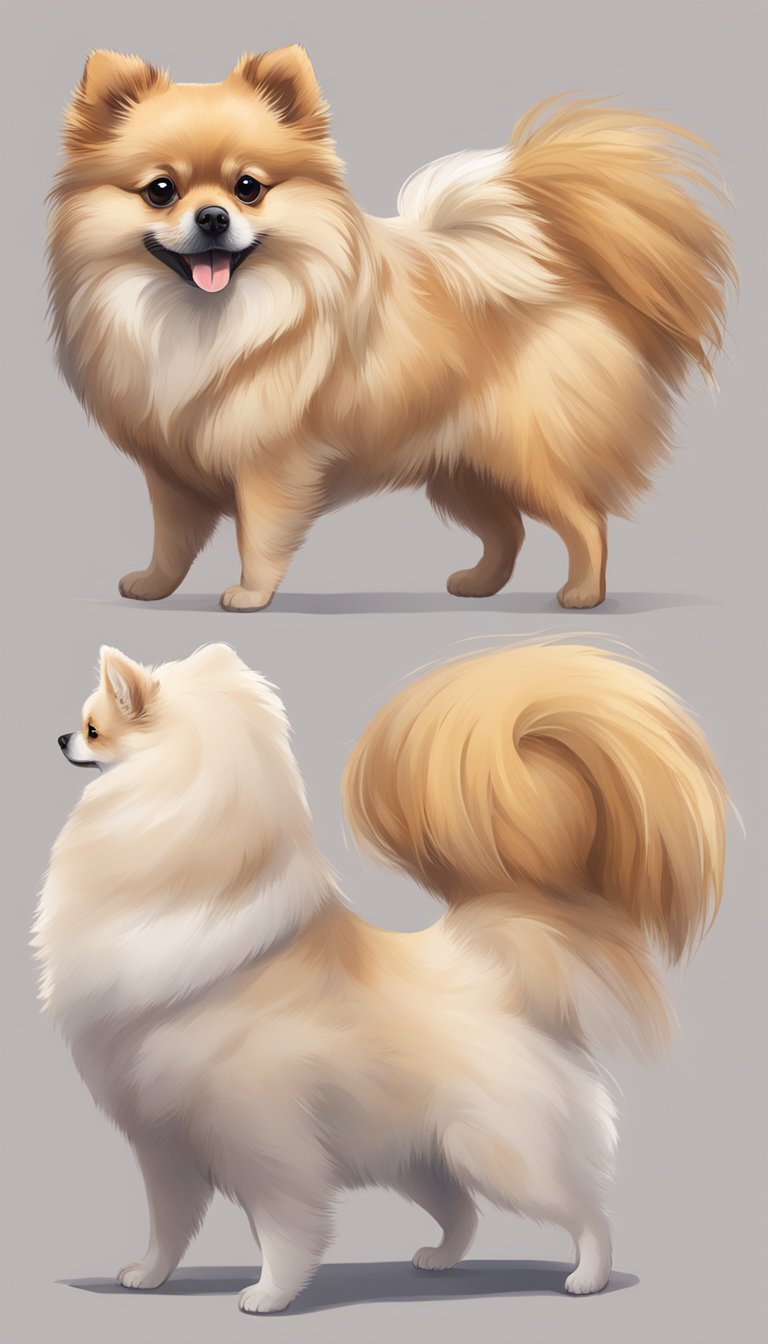
Pomeranians can experience various skin problems due to their unique coat and sensitive skin. It’s important to know why they are prone to these issues and what symptoms to look for.
Why Pomeranians Are Prone to Skin Problems
Pomeranians have a thick double coat, which can trap moisture and dirt. This environment can lead to skin infections and irritations. Their skin is also thin and sensitive, making them vulnerable to allergies and irritants.
Genetics play a role too. Some Pomeranians are more likely to develop skin conditions like dermatitis. Environmental factors, such as temperature and humidity, can aggravate these problems. Regular grooming can help reduce the risk. Brushing helps remove dirt and prevent mats that can irritate the skin.
Common Symptoms to Watch Out For
Pomeranians show different symptoms of skin issues. Some common ones include:
- Redness: Skin may look inflamed or irritated.
- Itching: Pomeranians may scratch or bite at their skin.
- Flaky Skin: Dry, flaky patches can appear.
- Hair Loss: Bald spots or thinning fur are warning signs.
Other symptoms could include:
- Bad Odor: An unusual smell may indicate an infection.
- Swelling: Infected areas might be swollen or warm to the touch.
Noticing these signs early can lead to better treatment options. Regular check-ups with a veterinarian are also important for maintaining skin health.
Preventing and Managing Pomeranian Skin Problems
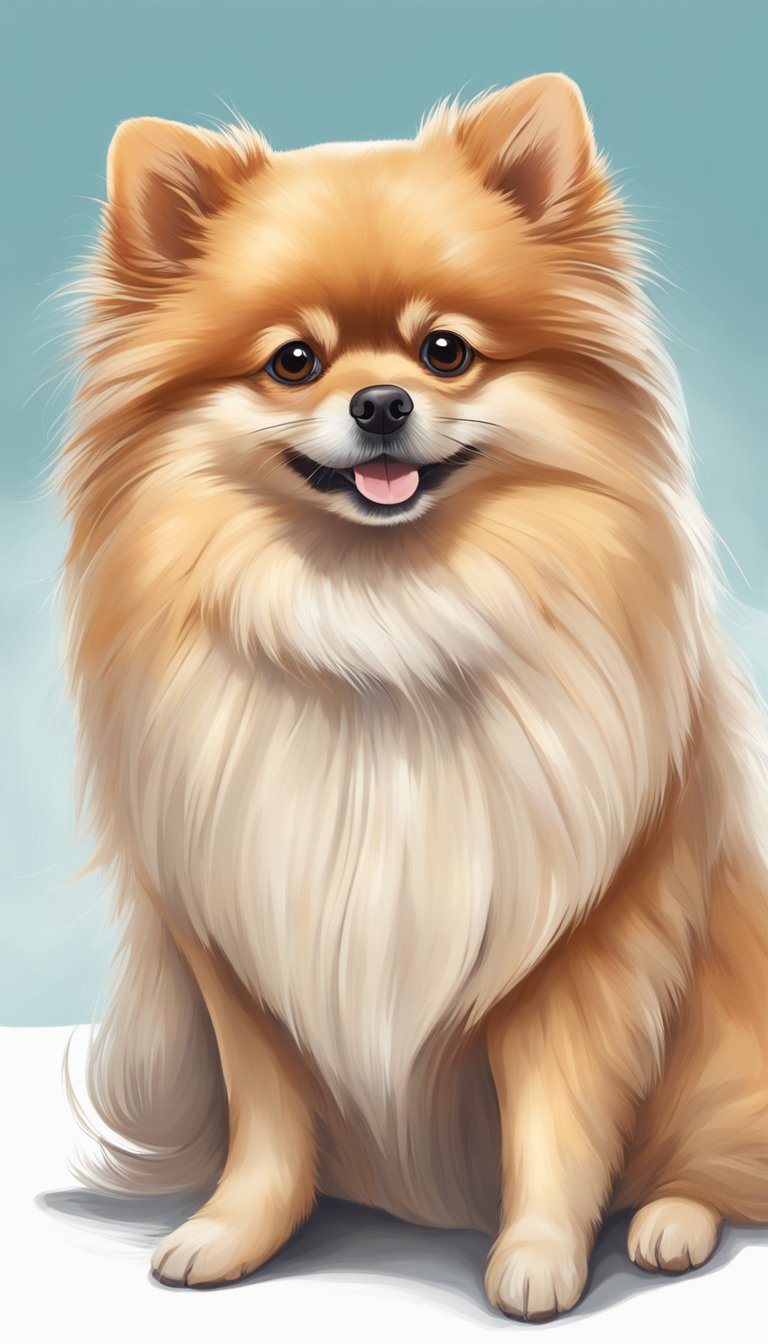
Caring for a Pomeranian’s skin involves being mindful of diet and grooming. Simple changes in these areas can make a big difference in keeping their skin healthy.
Dietary Considerations
A balanced diet is key for Pomeranians to stay healthy. High-quality dog food is crucial. Look for options that list meat as the first ingredient. Avoid foods with fillers like corn or wheat.
Adding omega-3 fatty acids can boost skin health. These can be found in fish oil or flaxseed oil. Some owners also use supplements designed for skin care.
It’s important to keep their diet consistent. Sudden changes might cause stomach issues or skin reactions. Always introduce new foods slowly. Monitor for any allergic reactions, which are common in Pomeranians. Keeping a food diary can help track what works for them.
Grooming Tips for Healthy Skin
Regular grooming is essential for Pomeranians. They need a bath about every four to six weeks. This helps remove dirt and dead hair that can irritate their skin.
Brushing their coat 2-3 times a week is also important. This helps eliminate tangles and distribute natural oils. Using a slicker brush can work wonders.
Don’t forget to check for signs of irritation. Inspect areas like the ears, paws, and belly. Keeping nails trimmed can prevent discomfort or scratching. If any unusual bumps or redness appear, consult a vet promptly. Good grooming maintains not just their coat but their overall skin health, too!
When to See a Vet
It’s important for Pomeranian owners to know when their pet needs a vet. Certain signs can indicate serious skin issues that require professional care. Understanding these signs can help in making timely decisions for your furry friend.
Signs of Severe Skin Conditions
Pomeranians can experience various skin problems. Some signs indicate that a vet visit is necessary. These include:
- Persistent Itching: If the dog is scratching excessively, this can lead to wounds or infections.
- Redness and Inflammation: Skin that looks red or swollen might signal infection or an allergic reaction.
- Hair Loss: Unexplained bald spots may point to conditions like mange or hormonal imbalances.
- Odor: A strong, unpleasant smell from the skin could indicate an infection.
- Changes in Behavior: If the dog seems more irritable or isn’t acting like themselves, something might be wrong.
If a Pomeranian shows these signs, it’s crucial to consult a veterinarian promptly.
Diagnostic Tests and Treatments
When a vet evaluates a Pomeranian’s skin issues, they may perform several tests. This could include:
- Skin Scraping: To check for mites or other parasites.
- Allergy Testing: To identify food or environmental allergies.
- Fungal Cultures: To rule out infections like ringworm.
Treatments vary based on the diagnosis. Common options are:
- Medicated Shampoos: These can help soothe irritated skin.
- Oral Medications: Antihistamines or steroids may be given for allergies.
- Topical Treatments: Creams or ointments can treat infections or rashes.
Regular check-ups can ensure that any skin issues are addressed quickly.