Teaching Pomeranians essential commands is crucial for their training and well-being. Having a set of commands can promote better behavior and strengthen the bond between a Pomeranian and its owner. These smart and energetic dogs thrive with guidance, making training a fun and rewarding experience. With the right commands, owners can manage their Pomeranian’s energy and intelligence more effectively. Simple yet essential commands can help keep the pet safe and happy in various situations. Knowing these commands can make life much easier for both the dog and their human.
1) Sit
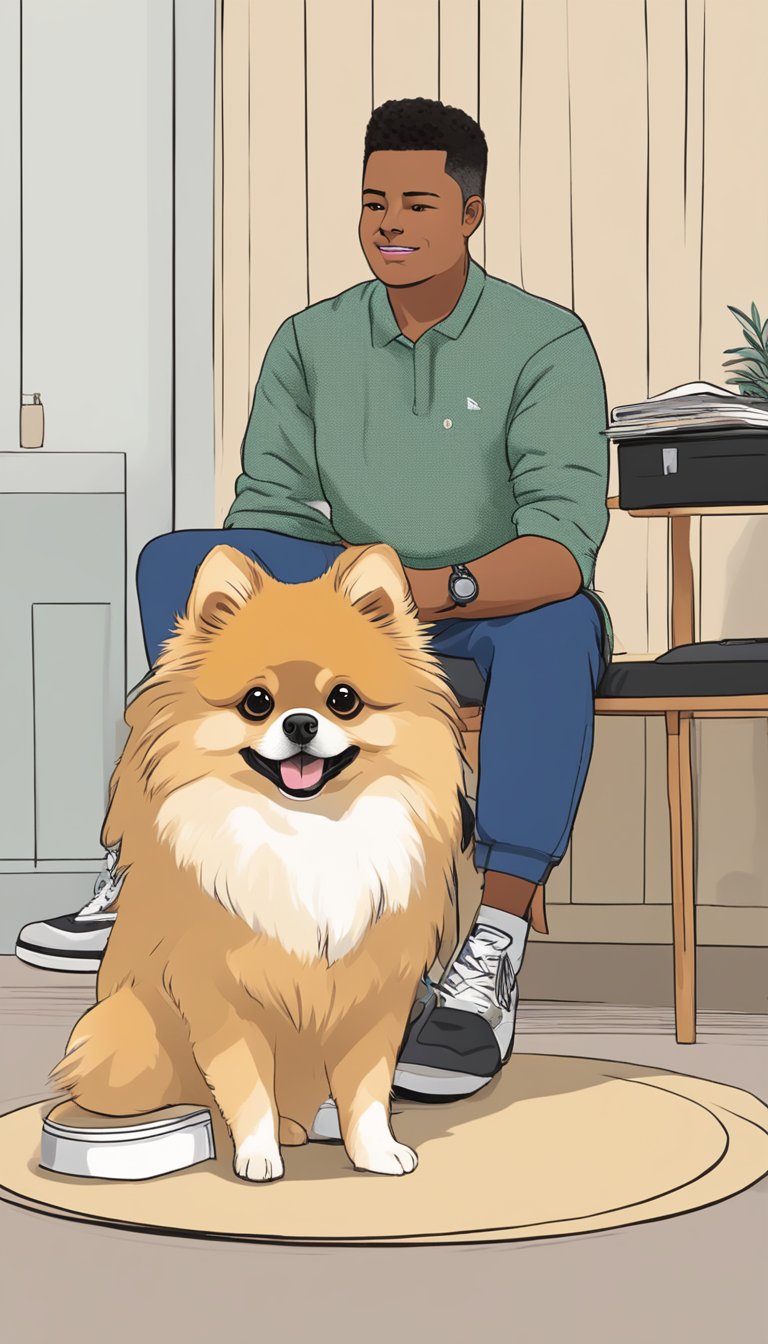
Teaching a Pomeranian to sit is one of the most important commands. It helps with training and good behavior. Plus, it can be so much fun!
To start, the owner should hold a treat close to the dog’s nose. As the dog sniffs the treat, the owner should slowly move the treat up and back over the dog’s head. This action encourages the Pomeranian to sit down.
When the dog’s bottom hits the ground, it’s time to give praise! Saying “good sit” and giving the treat makes the dog associate the action with a reward. Repeating this several times helps the dog learn quickly.
Practice in different locations. This helps the Pomeranian learn to sit no matter where they are. Consistency is key, so keep practicing every day for a few minutes.
With patience and excitement, every Pomeranian can master the sit command. Watching them learn and succeed is very rewarding!
2) Stay
Teaching a Pomeranian to “stay” is very important. This command helps keep them safe and makes walks more enjoyable. When they learn to stay, they can play or explore without running off.
To start, have treats ready. Find a quiet space with few distractions. Put your Pomeranian on a leash if needed.
Use a firm but friendly voice. Say “stay” as you show them a treat. Hold your hand out, palm facing them. Step back a little. If they stay put, reward them quickly.
If they move, gently guide them back to the same spot. Give them another chance to do it right. Patience is key! Repeat this often.
As they improve, try longer distances and more distractions. Always reward their success. They will love the praise and treats!
Consistency is important. Practice daily, even for a few minutes. This builds trust between the owner and their Pomeranian. A well-trained pup will respond better in different situations.
Teaching “stay” not only keeps them safe but also helps them learn discipline. It’s a rewarding experience for both the dog and the owner!
3) Come
Teaching a Pomeranian to come when called is important. This command helps keep them safe and close by.
Start by calling the dog’s name followed by “come.” Use a cheerful voice to make it sound fun. Encourage them with treats when they respond.
Use a long leash during training. This way, if they don’t come right away, you can gently pull them closer. Praise them when they get to you.
Practice this command in different locations. Start in a quiet place, then move to busier areas. This helps your Pomeranian learn to listen, even when distractions are around.
Short training sessions work best. Aim for about 5 to 10 minutes. Pomeranians can lose focus quickly, so keeping it fun keeps them engaged.
Consistency is key! Make sure everyone in the household uses the same command. This helps the dog learn faster.
Always reward them for coming to you. A treat, a toy, or simply some affection works well. This positive reinforcement makes them want to obey in the future.
With patience and practice, your Pomeranian will enjoy coming to you. It builds a strong bond between you both and keeps your fluffy friend safe.
4) Down
Teaching a Pomeranian to lie down can be very rewarding. This command helps dogs learn self-control and can calm them in exciting situations.
To start, hold a treat close to their nose. Once they sniff it, slowly move your hand down toward the ground. As they follow the treat, their bottom will drop. When they are lying down, say “Down” in a cheerful voice.
Reward them immediately with the treat and some praise. Repetition is key. Practice this in short sessions, around five to ten minutes each time. This keeps the training fun and engaging.
If the Pomeranian struggles, you can gently guide them into the position with your hand. Always stay positive and patient. If they get frustrated, take a break and try again later.
Once they learn the command, try using it in different places. This helps them understand that “Down” means the same whether at home or outside. It can improve their behavior while meeting new dogs or people too.
With practice, they will respond quickly to “Down.” This command not only teaches discipline but also deepens the bond between the dog and the owner. It’s a great step in helping a Pomeranian become a well-behaved companion.
5) Heel
The “Heel” command is super important for Pomeranian training. This helps them walk nicely beside their owner. It keeps them safe during walks, especially around busy areas.
To teach this command, start by holding a treat in your hand. Walk a few steps and say “Heel.” When your Pomeranian stays close, give them the treat. This makes the command fun and rewarding!
Practice this in quiet places first. Once they get the hang of it, try walking in busier areas. Remember to keep the leash short to guide them back to your side if they wander off.
Be patient and cheerful during training! Pomeranians love praise and fun. Each time they obey, celebrate with a treat or a happy voice!
Training takes time, but soon they will understand the “Heel” command. It’s a great way to bond and enjoy walks together.
6) Leave it
“Leave it” is a super important command for Pomeranians! It helps keep them safe and out of trouble. This command teaches them not to touch or go after things that aren’t good for them.
To start training, pick a treat and show it to the dog. Then, when they try to grab it, say “Leave it” in a firm voice. When they back away, reward them with a different treat. This teaches them that good things come when they listen.
Practice this command with various items. Use toys, food, or everyday objects. It helps Pomeranians learn to leave things alone outside too.
Make sure to keep the tone fun and playful. Praise them when they follow the command. This encourages them to respond quickly next time.
With practice, they will learn to leave things alone quickly. This keeps them safe from harmful things and helps with their training. A well-trained Pomeranian is happy and confident!
7) Drop it
The “Drop it” command is super important for Pomeranians. This command helps them know when to let go of things they shouldn’t have. It keeps them safe and protects their toys, food, and other items.
To teach this command, a owner can start with a toy. First, let the Pomeranian grab the toy. Then, show a treat. Once she sees the treat, say “Drop it” in a happy voice.
When she drops the toy for the treat, praise her! This encourages her to repeat the action. It helps her connect the word with the action of letting go.
Practice this command often. It can be done during playtime or training sessions. A consistent routine makes learning easier for Pomeranians.
Using “Drop it” can save a dog from chewing on something dangerous. It also teaches them that they can get a tasty treat instead. This command adds fun to their training.
With patience and positive reinforcement, any Pomeranian can learn this command. It’s a great way to strengthen the bond between the dog and owner while keeping them safe.
8) Wait
Teaching a Pomeranian to “wait” is an important command. It helps keep them safe and shows them to be patient.
Start by having your dog sit. Then, place a treat in front of them but don’t let them grab it yet. Say “wait” in a calm voice.
If they stay in place, give them the treat after a few seconds. Gradually increase the time before rewarding them. This encourages good behavior.
Practice this command in different places. It helps your dog learn to wait no matter where they are. Keep sessions short and fun to keep their attention.
Use a clear hand signal along with the word “wait.” This helps reinforce the command. Over time, they will learn to wait without needing the treat right away.
“Wait” can also help in busy situations. If there are other dogs or people, teaching this command keeps your Pomeranian calm. They will learn to stop and stay still when needed.
With patience and consistency, your Pomeranian will master the “wait” command. It will be a valuable tool for both of you.
9) Quiet

Teaching a Pomeranian the “Quiet” command is a great way to keep the peace. These little dogs love to bark, especially when they’re excited or want attention.
To start, choose a time when the Pomeranian is barking. Firmly say “Quiet” and wait for a moment of silence. When the dog stops barking, praise them warmly. They will quickly learn that being quiet brings positive attention.
Practice this command often. Rewarding the Pomeranian with treats or affection helps reinforce the behavior. The key is patience and consistency.
It is also helpful to use the command during other noisy situations, like when the doorbell rings. This way, the dog can relate the command to different sounds.
With time, the Pomeranian will understand that “Quiet” means to stop barking. It’s a useful command that promotes a calmer environment. This command can be a game changer for any Pomeranian owner!
10) Off
The “Off” command is super important for a Pomeranian. It helps them learn when to stop doing something they shouldn’t. This could be jumping on furniture or grabbing items they aren’t allowed to have.
To teach this command, the owner can start by getting their pup’s attention. Using their favorite toy or treat works great! When the Pomeranian is doing something unwanted, the owner should calmly say, “Off.”
If the dog responds by stopping, they should get a treat or praise. This reinforces good behavior. Repeat this process several times for the best results.
Consistency is key! Owners should practice in different situations. This way, the Pomeranian learns that “Off” means stop what they are doing, no matter where they are.
Patience is important. Some dogs may take a little longer to understand. Keep practicing, and with time, Pomeranians will learn that “Off” is a command they need to follow.
This command helps keep the Pomeranian safe and teaches them manners. It’s a fun way to bond with your furry friend while training them!
11) Take it
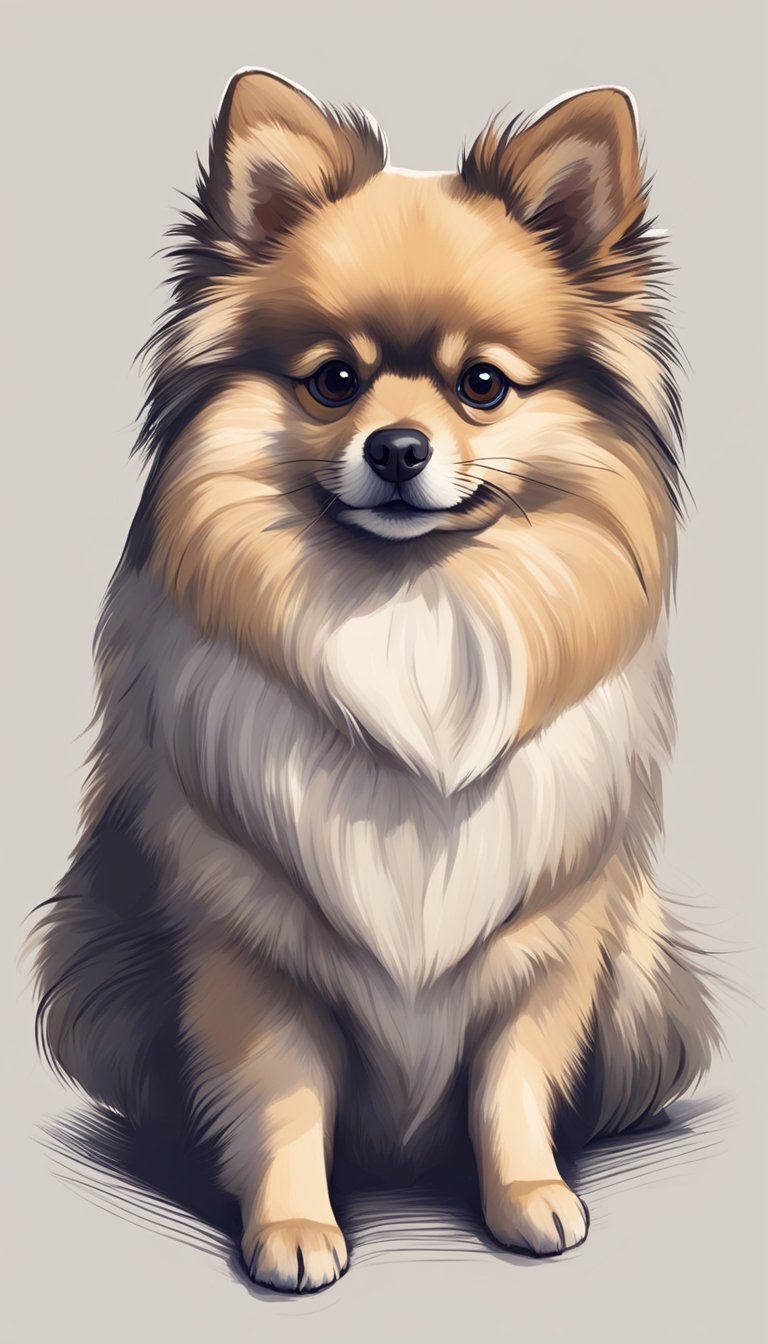
Teaching a Pomeranian the “Take it” command can be a fun experience. This command helps them learn to pick up objects and bring them to you.
To start, hold a toy or treat in front of your Pomeranian. When they show interest, say “Take it” clearly. If they grab the item, praise them excitedly!
Practice this in short sessions. Keep it positive and fun. If your pup doesn’t understand right away, don’t worry! Repetition is key.
Once they get the hang of it, try varying the items. Use different toys or even pieces of soft food. This keeps things interesting for your dog.
You can also make it a game. Toss a toy a short distance and encourage them to “Take it!” This builds their confidence and reinforces the command.
As they improve, add challenges. Make them wait a moment before saying “Take it.” This teaches patience and control.
The “Take it” command is great for bonding, too. It’s a chance for your Pomeranian to feel engaged and connected with you. They love to please!
With practice, your Pomeranian will happily fetch items when asked. What a fantastic skill to have! This command can lead to fun playtimes and a stronger relationship.
Training Techniques for Pomeranians
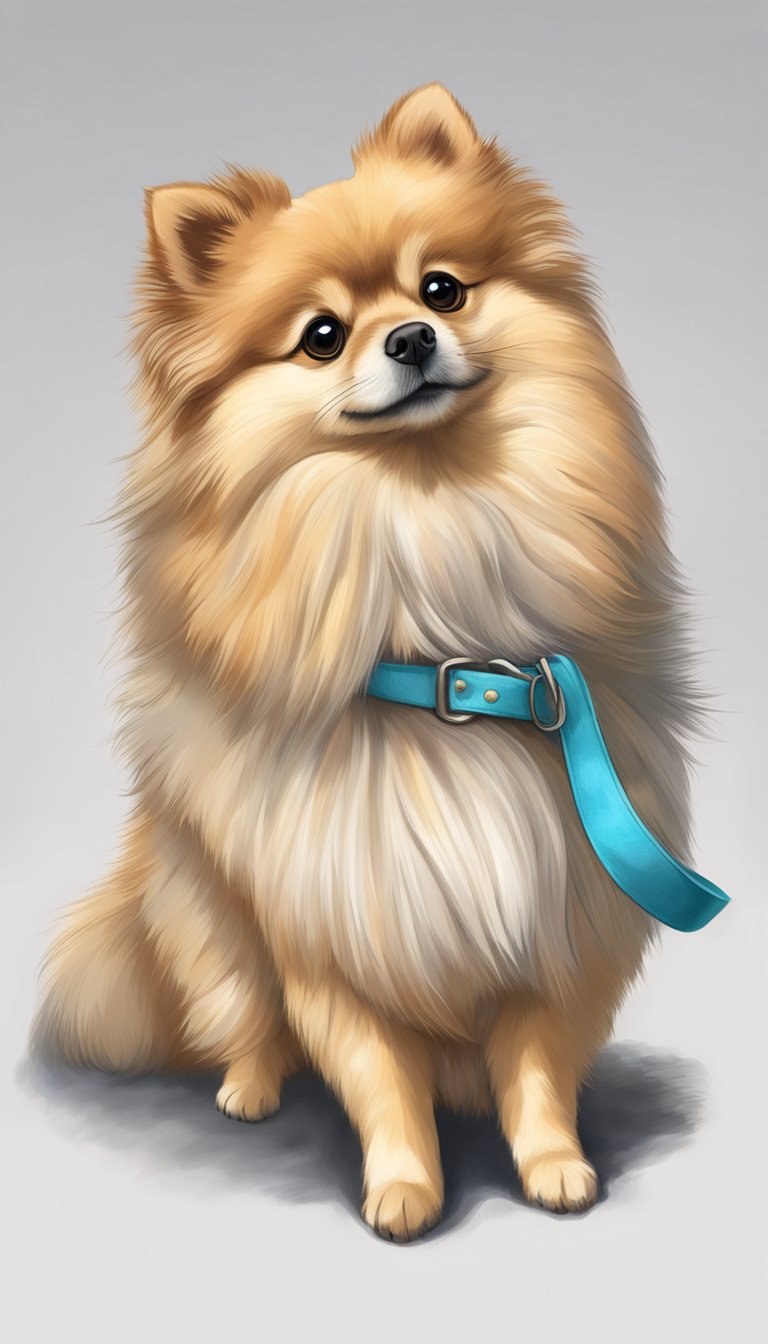
Training a Pomeranian can be a fun and rewarding experience. These little dogs respond well to various training methods, making it important to choose the right techniques for success.
Positive Reinforcement
Positive reinforcement is one of the best ways to train a Pomeranian. This method involves rewarding the dog for good behavior with treats, praise, or playtime. It’s essential to use rewards immediately after the desired behavior so the dog makes the connection.
Using small treats is effective, as it keeps training sessions short and fun. Pomeranians have big personalities, so they love attention! Giving praise, like saying “good boy” or “good girl,” encourages them to repeat the action.
Set clear goals for each training session. Keep the sessions short, around 5 to 10 minutes, to maintain their focus. Changing rewards can also keep the excitement high.
Clicker Training
Clicker training is another excellent technique for Pomeranians. This method uses a small device that makes a clicking sound to mark a desired behavior. When the dog does something right, the trainer clicks the device and gives a treat.
Timing is crucial with clicker training. The click should happen right when the dog performs the correct action. This helps them learn faster. It’s helpful to start with basic commands, like “sit” or “stay.”
Pomeranians love to play, so making training sessions like a game can boost their enthusiasm. This approach can help improve their confidence and response times.
Consistency and Patience
Consistency is key when training Pomeranians. It’s important to use the same commands and gestures every time. If they receive different signals, it may confuse them.
Patience is equally vital. Training can take time, especially for small breeds like Pomeranians. They might find distractions in their environment, making it hard to focus.
Repeating commands and rewarding progress helps reinforce lessons. Always end on a positive note, even if the progress is small. This keeps the dog eager to learn more in future sessions.
Benefits of Training Your Pomeranian
Training a Pomeranian offers exciting advantages. It helps strengthen the bond between the dog and owner while also improving the dog’s behavior. Both aspects lead to a happier and healthier relationship.
Enhanced Bonding
Training a Pomeranian builds a strong connection between the dog and its owner. Working together on commands creates trust and understanding. As they practice together, the dog learns to rely on its owner for guidance.
Positive reinforcement during training encourages Pomeranians to appreciate their owner’s praise. Rewards like treats or toys make learning fun and encourage a cooperative spirit. This shared experience can lead to more affectionate behavior, as the dog feels secure and happy in its environment.
Regular training sessions also establish routines. When Pomeranians know what to expect, they become more confident. This mutual understanding fosters a lasting bond that enhances the overall relationship.
Improved Behavior
Training helps improve a Pomeranian’s behavior significantly. A well-trained dog understands boundaries and acceptable actions. They are less likely to engage in unwanted behaviors like barking excessively or jumping on people.
Commands such as “sit,” “stay,” and “come” provide structure. This structure keeps them safe in various situations. A well-behaved Pomeranian is easier to manage in public and at home.
Training reduces anxiety in dogs. When they understand what is expected, they feel more secure. This leads to a calmer and more balanced personality, making everyday life more enjoyable for both the dog and the owner.