Bringing a Goldendoodle into the home is a wonderful adventure for any first-time pet owner. These friendly and intelligent dogs can be a joy to train and care for. Knowing the best care tips can make all the difference in helping them thrive and fit into the family. Taking care of a Goldendoodle involves understanding their needs, both physical and emotional. From grooming to exercise, each aspect plays a vital role in keeping them happy and healthy. With the right guidance, new owners can enjoy a rewarding experience with their furry friend.
Brush their coat daily

Daily brushing keeps a Goldendoodle’s coat healthy and shiny. It also helps to reduce shedding and tangles.
Their curly fur needs attention to prevent mats. Brushing removes dirt and loose hair, making the coat softer.
Use a slicker brush or a comb designed for curly coats. Start at the base of the fur and work your way up. This will help remove knots without hurting the dog.
Brushing is also a good bonding time. It allows owners to spend quality moments with their pet, which they will enjoy!
Be gentle when brushing sensitive areas like behind the ears and under the legs. If the dog seems uncomfortable, take a break and try again later.
Making brushing a daily routine can also help the dog get used to it. They will learn that it’s a fun part of their day.
Reward the Goldendoodle with treats or praise after each brushing session. This positive reinforcement can make them look forward to being groomed!
Start brushing the puppy early, so they grow up feeling comfortable with it. It sets a good habit for the future.
Daily grooming helps keep the Goldendoodle looking great and feeling happy!
Regular vet check-ups
Taking a Goldendoodle to the vet regularly is very important. These check-ups help keep the dog healthy and happy.
During the visit, the vet will check for any signs of illness. They might also provide vaccinations to prevent diseases. This can help catch any health issues early.
First-time owners should establish a good relationship with a local vet. It helps to find a vet who understands Goldendoodles and their specific needs.
Routine check-ups can create a healthy plan for feeding, exercise, and grooming. The vet can also advise on dental care. Good dental health is essential for a Goldendoodle’s overall well-being.
These visits are the best time to ask questions. New owners can learn about training, behavior, and nutrition. It’s a chance to make sure the dog is thriving and to seek advice on any concerns.
Keeping track of vet visits and vaccinations is important too. Owners can note when vaccinations are due. This helps stay on top of health needs.
Regular vet check-ups can lead to a long and vibrant life for a Goldendoodle. It ensures they get the care they deserve right from the start!
Choose high-quality food

Choosing high-quality food is essential for a Goldendoodle’s health. These dogs need the right nutrients to thrive, so selecting good dog food is key.
Look for food that lists quality proteins as the first ingredient. This helps support strong muscles and keeps energy levels up. Avoid foods with too many fillers like corn and wheat.
Goldendoodles can have different dietary needs based on their size and age. For example, puppies require food that helps them grow and develop properly. Adult Goldendoodles need a balanced diet to stay healthy.
Consider dog food brands that are well-reviewed by other pet owners. Reading labels can be a great way to see what’s in the food. It’s all about giving them the best.
You can also consult a veterinarian for advice on choosing the right food. They can recommend specific brands or formulas that fit your Goldendoodle’s needs.
Always introduce new food gradually to avoid stomach upset. Mixing a little new food with the old food helps make the change smooth.
With the right diet, a Goldendoodle can enjoy a happy and active life. Choosing high-quality food is an important step in keeping them healthy and full of energy!
4) Provide mental stimulation

Goldendoodles are smart and active dogs. They need more than just exercise. Keeping their minds busy is just as important!
Puzzle toys are a great way to engage a Goldendoodle’s brain. These toys challenge them to think and problem-solve. They will love figuring out how to get a treat!
Training sessions can also provide mental stimulation. Teaching new tricks or commands keeps their mind sharp. It’s fun for both the dog and the owner. Plus, it builds a strong bond between them.
Interactive games, like hide-and-seek, can be exciting. Goldendoodles enjoy using their noses to find hidden treats or toys. This keeps them entertained and helps with their natural instincts.
Frequent playdates with other dogs or visits to a dog park can also help. Socializing with other dogs brings new experiences. It can also reduce boredom and help them feel happy.
Try to vary the activities you offer. This will keep their interest high. A mix of physical and mental challenges will help keep a Goldendoodle thriving. Keeping life fun and exciting is key!
Daily exercise routines
Goldendoodles have a lot of energy! They need daily exercise to stay happy and healthy. Regular activity helps them stay fit and keeps them from getting bored.
A good routine includes walks, playtime, and even some training sessions. Daily walks of at least 30 minutes give them a chance to explore and smell new things. This can be a great bonding time, too!
Playing fetch in the yard or at a park is another fun option. Goldendoodles love to chase balls, sticks, or toys. It’s a great way to tire them out while having fun.
Training sessions that involve running or agility exercises can also keep them active. These activities challenge their minds and bodies. They love to show off their skills!
Always remember to adjust the exercise routine based on the dog’s age and health. Puppies may need shorter bursts of play, while older dogs might enjoy leisurely walks.
Getting them out to meet other dogs and people is beneficial, too. Socializing helps them develop good behavior and stay calm.
Regular exercise is key for a happy Goldendoodle! It keeps their energy in check and strengthens the bond with their owner.
6) Basic obedience training

Basic obedience training is essential for any Goldendoodle. It helps them learn good behavior and understand what their owner expects. This training creates a strong bond between the dog and its owner.
Starting early is key. Puppies have a great ability to learn. Teaching commands like “sit,” “stay,” and “come” can be fun and rewarding. Positive reinforcement works well, so giving treats and praise is important.
Consistency is crucial in training. Using the same commands and signals helps the Goldendoodle understand better. Practice should be short and playful to keep them interested.
Socialization also plays a big role. Taking the Goldendoodle to new places and meeting other dogs helps them feel comfortable. This experience can reduce anxiety and improve their behavior in different situations.
Training classes are a great option for first-time owners, too. They provide guidance and support. Plus, it allows the Goldendoodle to interact with other dogs.
Owners should be patient during training. Every dog learns at their own pace. With time, effort, and lots of love, the Goldendoodle will learn to be a well-mannered companion.
7) Regular grooming sessions
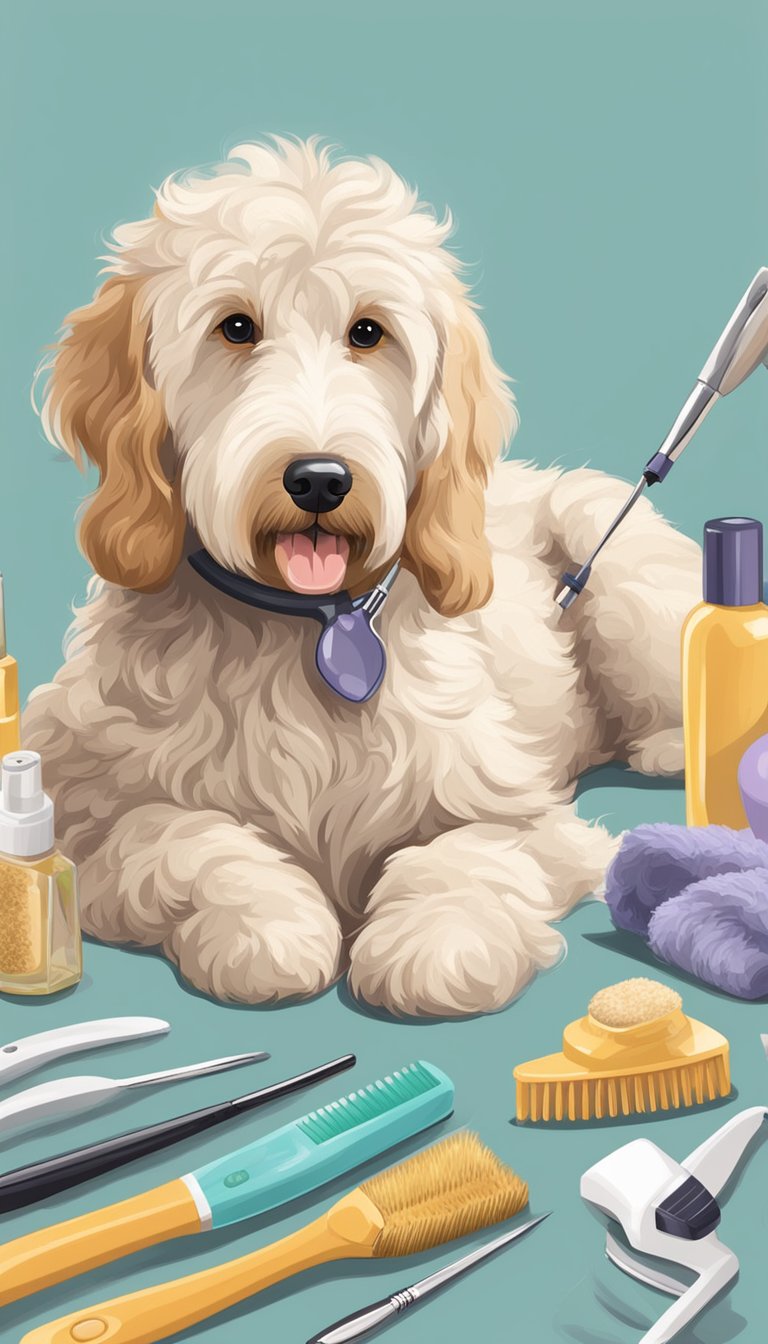
Regular grooming sessions are essential for Goldendoodles. Their fluffy coats can tangle and mat without proper care. Keeping their fur well-groomed helps them look their best and feel comfortable.
Brushing a Goldendoodle two to three times a week is a good practice. This helps remove loose hair and dirt. It also reduces the chance of mats forming.
During grooming, it’s a great time to check for any skin issues. Keeping an eye on the skin helps catch problems early. This keeps the dog healthy and happy.
Bathing should happen every few months, but not too often. Overbathing can dry out their skin. Use a gentle dog shampoo to keep their coat shiny and clean.
Nail trimming is another important task. Long nails can hurt them and make walking uncomfortable. Regular trims help keep paws in good shape.
Don’t forget dental care! Brushing their teeth regularly is key for good health. It helps prevent dental issues and keeps their breath fresh.
Grooming is not just about looks. It’s a bonding time between the owner and the dog. Both can enjoy the grooming process and create a strong connection. Goldendoodles will thrive with regular grooming sessions!
8) Socialize with other dogs

Socializing with other dogs is key for a Goldendoodle! It helps them learn good manners and how to play nicely. This makes for a happy and well-adjusted pet.
Taking the time to introduce them to different dogs can be a fun experience. Dog parks or puppy playdates are great places to start. It’s important for them to feel comfortable around other dogs.
Watching their body language is important too. If they seem scared or unsure, give them space. Encourage positive interactions and reward good behavior.
Regular socialization helps Goldendoodles grow into friendly adults. They can learn how to share toys and take turns. Making new friends is a big part of their happiness.
It’s not just about playtime, though. Socializing helps develop confidence. A well-socialized dog is often calmer and more relaxed at home.
Start early! Puppies are usually more open to meeting new friends. Older dogs can still learn, but it may take more patience.
Make it a fun routine! Regular trips to the park or classes can keep their social skills sharp. Happy Goldendoodles make for happy owners!
9) Monitor for allergies
Goldendoodles can have allergies just like people do. It’s important for owners to keep an eye out for signs. These signs can include itching, redness, or skin rashes.
Owners should also watch for sneezing or watery eyes. If a Goldendoodle is uncomfortable, it might be reacting to something in their environment. Common allergens include pollen, dust mites, and certain foods.
If a dog shows these signs, a trip to the vet is a good idea. The vet can help figure out what is causing the reaction. They might suggest allergy tests or a special diet.
Preventing allergies can sometimes mean changing routines. Regular baths can help reduce allergens on fur. Vacuuming the house often also keeps dust and dander to a minimum.
Being aware of changes in behavior can help. If a Goldendoodle is scratching a lot or has flaky skin, it’s time to take action. With the right attention, they can feel happy and healthy!
10) Use Positive Reinforcement
Positive reinforcement is a great way to train a Goldendoodle. It encourages good behavior by rewarding them when they do something right. This approach helps build a strong bond between the pet and their owner.
When a Goldendoodle sits, stays, or follows a command, giving them a treat or praise makes them happy. They learn to repeat those actions to get more rewards. This method is fun for both the dog and the owner.
Using toys or playtime as rewards can also work well. Many Goldendoodles love to play. Mixing training with play keeps them engaged and eager to learn.
Be patient when using positive reinforcement. Sometimes, it takes time for a dog to grasp a command. Consistency is key in making sure they understand what is expected.
Avoid using harsh words or punishment, as this can cause fear. Instead, focus on celebrating small victories. Each step in the training process should feel like a success.
Goldendoodles respond well to encouragement. By keeping the mood light and positive, training becomes an enjoyable experience. Owners should remember to celebrate their dog’s achievements, no matter how small. This builds confidence and makes learning fun.
11) Provide dental care
Dental care is an important part of keeping a Goldendoodle healthy. Just like people, dogs can develop dental problems. Regular dental care helps prevent issues.
Brushing a Goldendoodle’s teeth should be a fun routine! Use dog-friendly toothpaste and a soft brush. Aim to brush at least two to three times a week.
Dental chews can also be a great addition. These treats can help reduce plaque and keep teeth clean. Look for chews that are specifically made for dental health.
Regular vet visits are key, too. A veterinarian can check for any problems and provide professional cleanings. They can spot issues early, which makes treatment easier.
Taking care of a Goldendoodle’s teeth will make their smile bright and healthy. It can also prevent bad breath, which is a bonus for everyone!
Basic Grooming for Goldendoodles
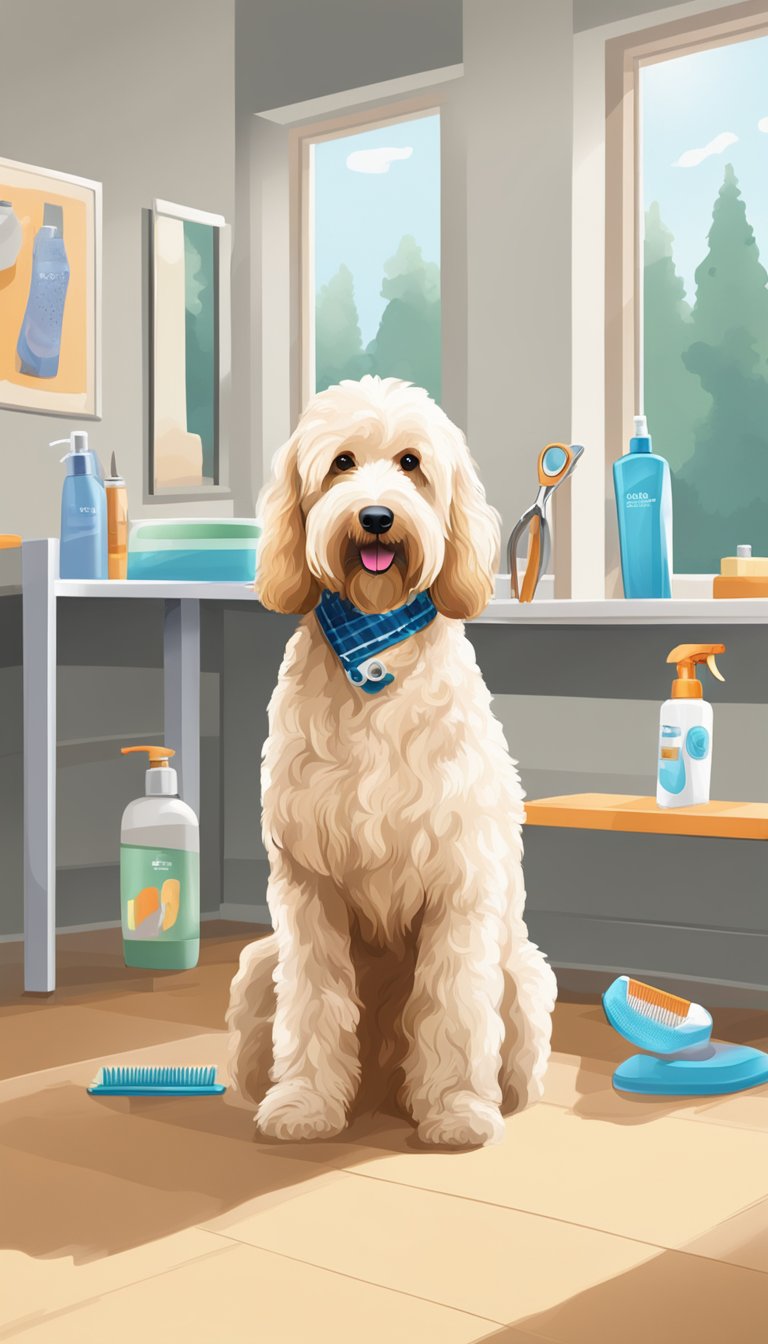
Grooming is an important part of caring for a Goldendoodle. Regular grooming helps keep their coat shiny and healthy while also preventing mats and tangles. Here are some key grooming techniques to follow.
Brushing Techniques
Goldendoodles have curly or wavy coats that require regular brushing. It’s best to brush them at least 3 times a week. This prevents mats and keeps their fur looking great.
Use a slicker brush for the top coat and a wide-toothed comb for the undercoat. Start at the head and work your way down to the tail.
Always brush in the direction of the fur growth. Be gentle, especially around sensitive areas like the ears and stomach. If mats are present, use a mat splitter or scissors. This helps avoid hurting the dog.
Bathing Tips
Goldendoodles should be bathed every 4 to 6 weeks. Using a gentle, dog-specific shampoo is important. Human shampoos can irritate their skin. Make sure to wet their coat well and apply the shampoo evenly.
Rinse thoroughly to avoid any leftover soap, which can cause itching. After rinsing, a good conditioner can keep their coat soft and manageable.
Drying is key! Use a towel first, then a blow dryer on a low setting. Keep the dryer moving to avoid overheating any one spot.
Ear Cleaning
Goldendoodles typically have floppy ears, making ear cleaning essential. Check their ears weekly for dirt and wax. If they look dirty, clean them gently with a dog ear cleaner.
Apply the cleaner to a cotton ball and wipe the inside of the ear flap. Avoid going deep into the ear canal.
If there’s a foul smell or redness, a vet visit is best. Regular cleaning helps prevent infections and keeps their ears healthy.
Essential Health Care
Taking care of a Goldendoodle’s health is vital for their happiness and well-being. Regular check-ups, vaccinations, and awareness of health issues are key to keeping them healthy and active.
Regular Vet Visits
Regular visits to the veterinarian are very important. They help catch any health problems early. Puppies should see the vet every 3-4 weeks until they are about 16 weeks old. After that, annual visits are usually enough.
At these visits, the vet checks weight, coat health, and overall behavior. They might also suggest blood tests to catch hidden issues. Goldendoodles can sometimes have hip or eye problems, so regular checks can help. Following the vet’s advice keeps your pet feeling great!
Vaccinations
Vaccinations protect Goldendoodles from serious diseases. Puppies need a series of vaccinations starting at 6-8 weeks old. This schedule usually includes vaccines for parvovirus, distemper, and rabies. Keeping up with these shots is key to preventing illness.
As they grow, the vet may suggest other vaccines based on lifestyle. For example, if they go to dog parks, the kennel cough vaccine may be necessary. It’s important to follow the vet’s vaccination schedule for a long and healthy life.
Common Health Issues
Goldendoodles are not immune to health issues. Some common ones include hip dysplasia, allergies, and ear infections. Recognizing signs early can make a big difference.
Goldendoodles often have sensitive skin. Regular grooming helps spot skin issues. If they scratch a lot, it might be allergies. Ear infections can happen too, especially in dogs with floppy ears. Cleaning ears regularly can help prevent this.
Keeping an eye on these potential problems helps ensure a happy, healthy Goldendoodle!
Training Your Goldendoodle

Training a Goldendoodle is an exciting journey. With the right techniques, they can learn quickly and become well-mannered companions.
Basic Commands
Teaching basic commands is essential for a well-behaved Goldendoodle. Start with simple commands like sit, stay, and come. These commands help with safety and communication.
Ways to teach commands:
- Use treats: Offer a small treat when they perform the command correctly.
- Be consistent: Use the same words and tone each time.
- Practice regularly: Short, frequent sessions work best. Aim for 5-10 minutes, two to three times daily, to keep it fun and engaging.
Always reward good behavior. Over time, your Goldendoodle will understand what you want and respond eagerly.
Socialization Tips
Socializing a Goldendoodle helps them become friendly and confident. Introduce them to different people, pets, and environments. This can prevent fearful or aggressive behavior later.
Tips for effective socialization:
- Start early: Begin when they are young, ideally around 3 to 14 weeks old.
- Be positive: Use treats and praise during new experiences to create a positive association.
- Expose gradually: Start with calm situations and slowly increase the challenges.
Plan playdates with other dogs and visits to parks. A well-socialized Goldendoodle is happier and more adaptable.
Crate Training
Crate training is useful for both safety and comfort. It helps a Goldendoodle learn good habits and provides a safe space.
Steps for crate training:
- Choose the right crate: It should be big enough for them to stand, turn around, and lie down.
- Make it cozy: Add a soft blanket and a few toys to make the space inviting.
- Practice short stays: Begin by closing the door for just a few minutes while offering treats. Gradually increase the time as they become more comfortable.
Never use the crate as punishment. With patience and encouragement, your Goldendoodle will see the crate as a happy place.