Bringing home a Maltese can be a thrilling adventure for first-time owners. These small, fluffy dogs are known for their playful nature and loving personalities. Knowing how to care for them properly is essential for a happy and healthy relationship. New owners may feel overwhelmed by the responsibility of pet care, but with the right tips, they can provide a great environment for their Maltese. From grooming to training, there are specific needs to keep in mind. This article will cover 11 important care tips to help new owners navigate this exciting journey.
1) Choose a high-quality dog food
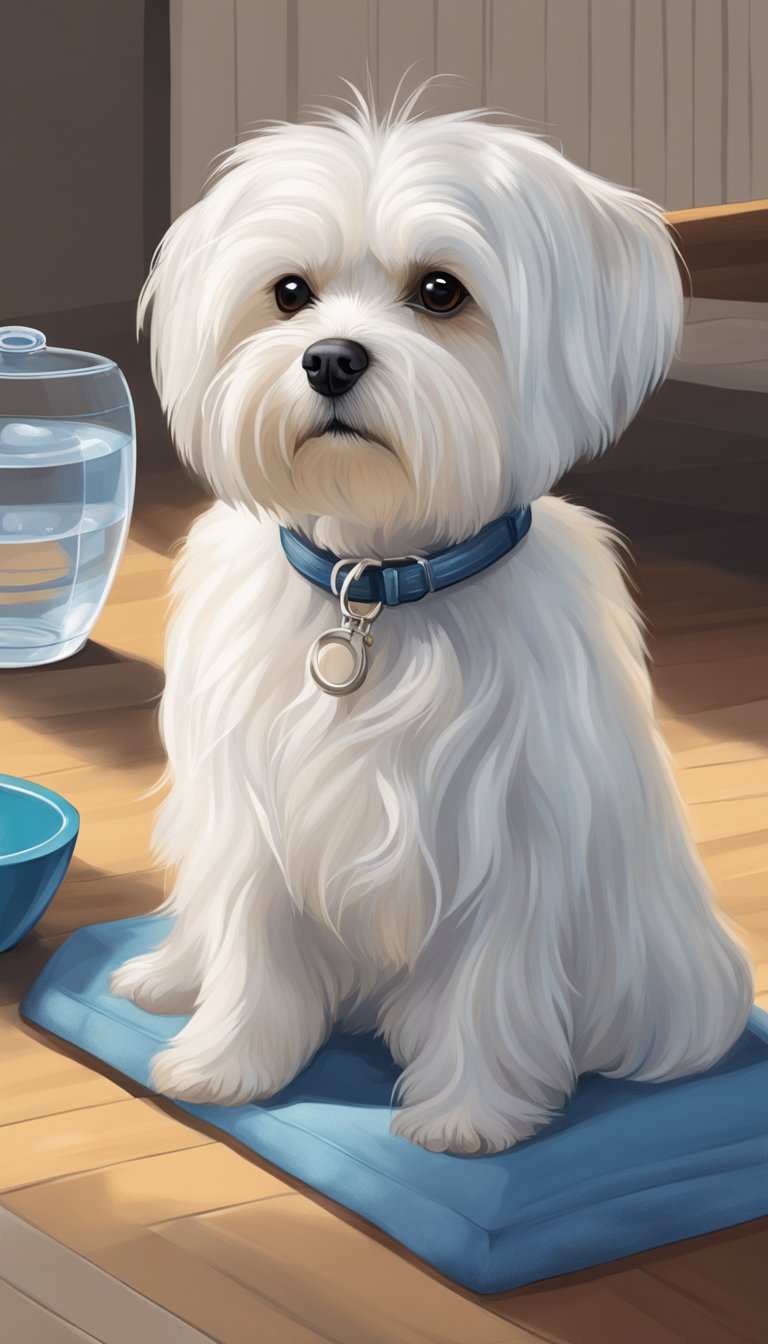
Choosing the right dog food is super important for Maltese owners. These little dogs need balanced nutrition to stay healthy and happy.
High-quality dog food has real meat as the first ingredient. Look for side options like chicken, beef, or fish. This gives Maltese the protein they need for energy.
Grains should be whole and healthy, like brown rice or oats. Avoid foods with fillers like corn or soy. These do not provide good nutrients.
Check for vitamins and minerals in the food. They help with coat health and strong bones. Maltese often have skin issues, so the right food can help reduce problems.
It’s a good idea to ask a vet for advice on the best food. They can suggest brands that fit your Maltese’s age and health needs.
Each dog is unique, so finding the right food takes some experimenting. Watch how the dog reacts to the food. If they seem full of energy and their coat looks shiny, you’re on the right track!
Feeding a high-quality diet can lead to a longer, happier life for a Maltese. Making smart food choices is one of the best things a first-time owner can do!
Regular grooming is essential
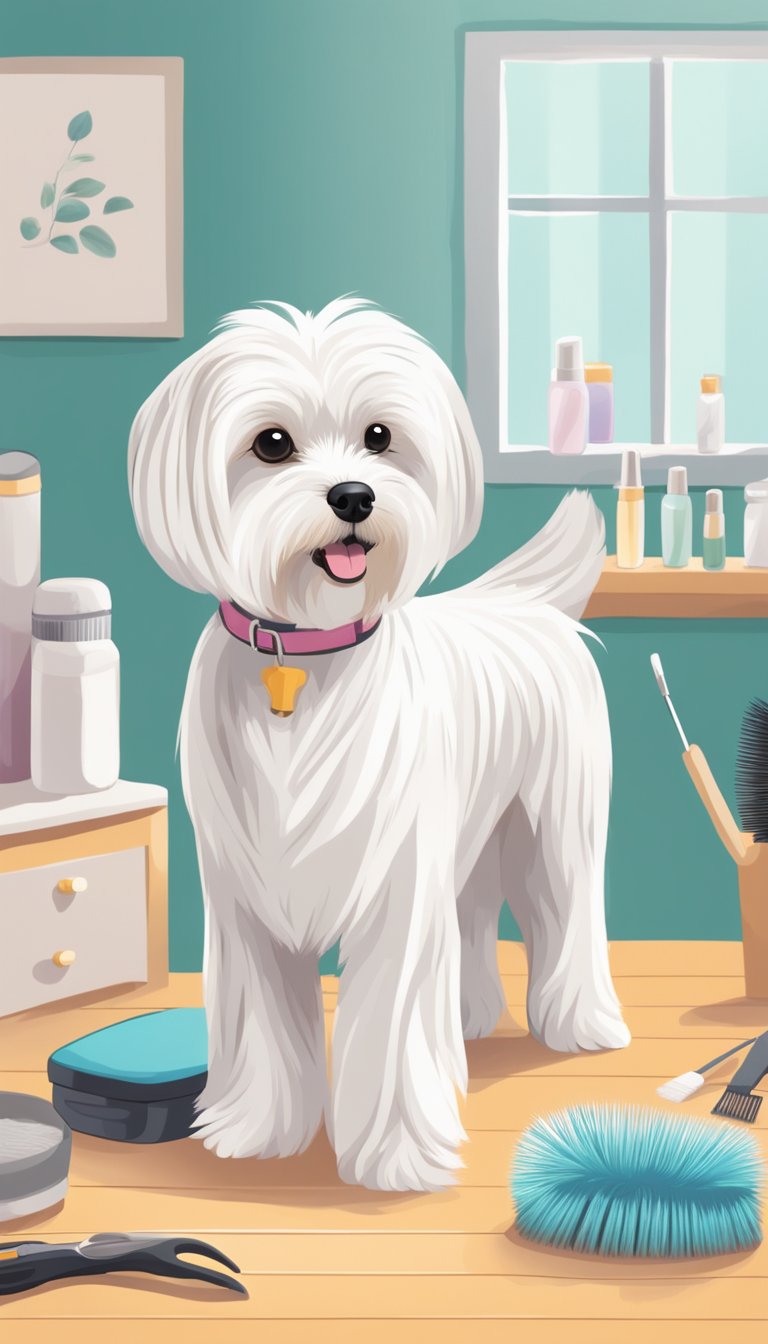
Regular grooming is important for Maltese dogs. Their long, silky coats need attention to stay healthy and looking good. It helps prevent matting and tangles, which can make grooming harder.
Brushing should happen at least a few times a week. This keeps the coat smooth and shiny. Using a soft brush can make the process enjoyable for both the dog and the owner.
Bathing is also part of grooming. Maltese dogs should be bathed every three to four weeks. This keeps their skin clean and fresh. Remember to use a gentle shampoo made for dogs to avoid skin irritation.
Trimming the hair around the eyes and paws is a must. This is not only for looks but also for comfort. It can help prevent tear stains and keep the dog from slipping on floors.
Nail trimming is another key part of grooming. Keeping nails short ensures the dog can walk comfortably. It’s best to check the nails every few weeks.
Regular grooming can be a bonding time between the pet and owner. This routine helps build trust and love. Plus, it’s a chance to check for any signs of skin issues or health problems.
Daily exercise is a must
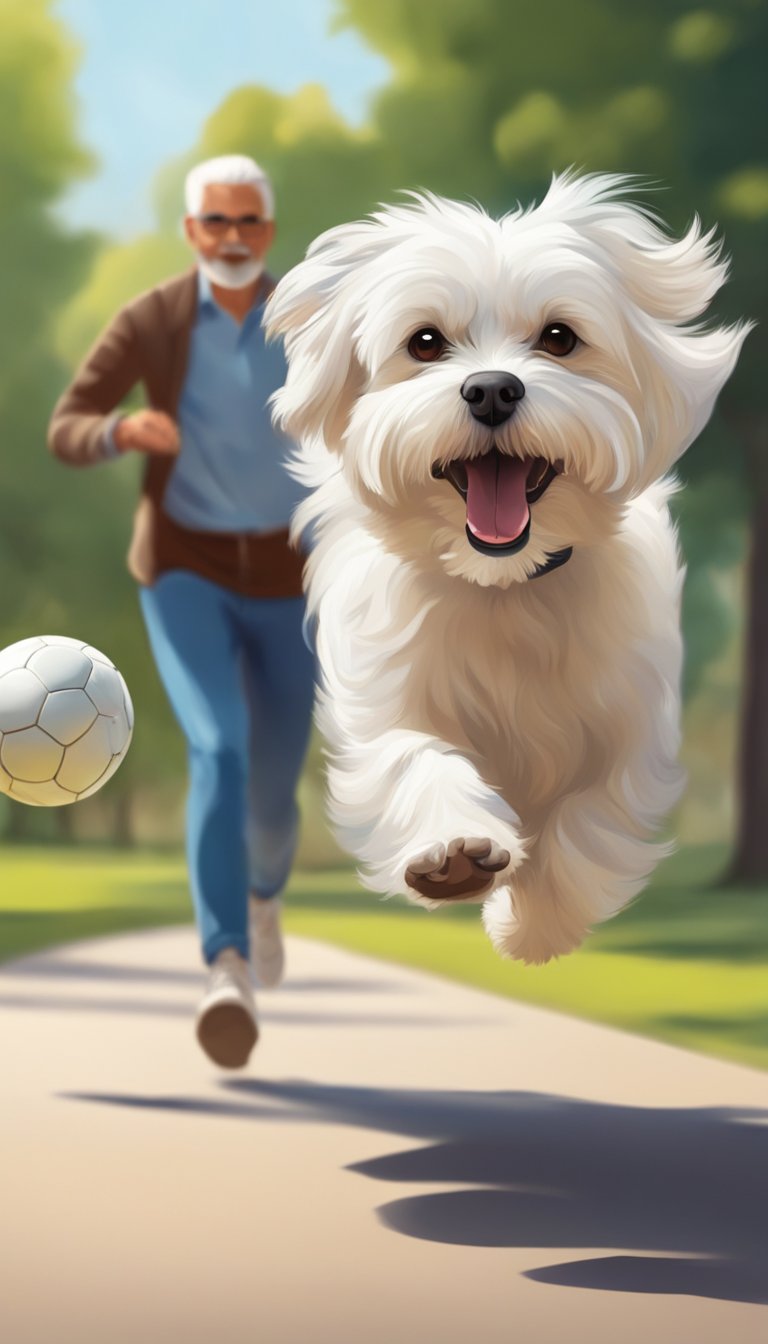
Maltese dogs need daily exercise to stay healthy and happy. These small pups are full of energy and love to play. Regular activity helps them keep a good mood and prevents boredom.
Short walks are great for Maltese. A stroll around the block gives them new sights and smells to enjoy. He or she might also love playing fetch in the yard or at a park.
Playtime is key for their well-being. A few minutes of play each day strengthens their bond with their owner. It also allows them to use their natural instincts.
Maltese can also enjoy fun games inside the home. Tossing toys around or setting up an obstacle course can keep them entertained. Mental stimulation is just as important as physical activity.
Training sessions can double as exercise. Teaching commands and tricks keeps their minds sharp. Plus, it gives them the chance to show off what they’ve learned.
Daily exercise builds a strong, happy Maltese. Keeping them active ensures a good quality of life. With regular movement, they will be ready to share all their love and joy each day.
4) Use a gentle shampoo for sensitive skin
Maltese dogs often have sensitive skin. Using a gentle shampoo is important to keep their coats healthy and shiny. Harsh chemicals can irritate their skin and cause problems.
Look for shampoos that are specifically made for dogs. These products are usually milder and contain soothing ingredients. Avoid human shampoos, as they can be too strong for a Maltese’s delicate skin.
When bathing, it’s best to wet the dog’s coat thoroughly. Then apply the gentle shampoo, massaging it in nicely. Rinse well to ensure no leftover soap irritates the skin.
After the bath, drying is crucial. A soft towel works wonders to avoid irritation. If the Maltese enjoys it, using a low-heat blow dryer can also help.
Regular baths with the right shampoo will keep fur fluffy and soft. It helps to avoid skin issues and keeps the dog feeling comfortable. Your Maltese will love the attention during bath time, especially with the right products.
5) Brush their teeth regularly

Brushing a Maltese’s teeth is super important! It helps keep their mouth healthy and prevents bad breath. Regular dental care can stop gum disease and tooth decay, which are common in dogs.
Using a toothbrush made for dogs is best. They come in handy sizes that fit a Maltese’s little mouth. There are special toothpaste flavors designed just for dogs, so they usually enjoy it!
Start by getting your pet used to having their mouth handled. Gently lift their lips and touch their teeth. This will make brushing easier later on. It can feel strange at first, but with patience, they will adjust.
Aim to brush their teeth a few times a week, if not daily. Short sessions are best, just a minute or two! Make it a fun routine, and give lots of praise afterward.
If brushing seems tough, there are other choices. Dental chews and water additives can help reduce plaque as well. Most dogs love these treats, so it’s a win-win!
Keeping a Maltese’s teeth clean leads to a happier, healthier pup. With regular care, they will have a bright smile and fresh breath! This can help them live a long and joyful life.
Schedule routine vet visits
Regular vet visits are key for a happy, healthy Maltese. These little dogs need check-ups to stay on top of their health. It’s important to establish a routine early on.
Puppies should have their first vet visit around six to eight weeks old. After that, they need more visits for vaccinations. Keeping up with vaccines helps protect them from diseases.
Adult Maltese should see the vet at least once a year. During these check-ups, the vet can check for any health issues. They can also recommend dental care, which is very important for small breeds.
If any new behaviors or health problems pop up, it’s best to call the vet. Early detection can make a big difference. Maltese can be prone to certain health issues, so staying alert helps.
Many vets also provide advice on diet and exercise during visits. This can help keep a Maltese in great shape. Owners can ask questions and learn more about their pet’s needs.
With a good vet, owners can get the support they need for their furry friend. Building a relationship with the vet is beneficial for everyone. Regular check-ups help ensure a long and happy life for the Maltese.
7) Monitor their weight carefully

Keeping an eye on a Maltese’s weight is very important. These little dogs can easily gain weight, which can lead to health problems.
Regular weigh-ins help owners catch any weight changes early. It’s a good idea to weigh the dog every month and keep a record. This makes it easier to spot trends over time.
Healthy weight helps Maltese stay active and playful. Owners should consult a vet to determine the best weight range for their dog.
Portion control is key for feeding. Following the recommended amounts on dog food packages can be helpful. Treats should be given in moderation and shouldn’t make up more than 10% of their daily calories.
A balanced diet is essential. Including quality dog food that meets their nutritional needs keeps them healthy.
Regular exercise also plays a big role in managing weight. Daily walks and playtime will help keep the Maltese fit and happy.
Monitoring weight is not just about looks; it’s about health. A healthy Maltese means more fun times together. Owners can enjoy more playful moments and longer walks with their furry friend.
Provide Interactive Toys
Maltese dogs are playful and intelligent. They can easily get bored. Interactive toys keep them engaged and help them learn.
Toys that make noise or have hidden treats are great for Maltese. They can spend hours figuring out how to get the reward. This activity stimulates their minds and keeps them happy.
Puzzle toys are another fun option. These toys challenge their problem-solving skills. Maltese love to figure things out, and it can be a great bonding time.
Rotating toys is a smart choice too. She can keep different toys available to surprise her dog. This helps prevent boredom and keeps playtime fresh and exciting.
Some toys even encourage physical activity. Balls and tug toys promote exercise and fun. Regular playtime helps keep Maltese healthy and fit.
It’s important to choose safe toys. Look for ones made from non-toxic materials. This ensures her Maltese can play without any worries.
Interactive toys can also help with training. She can use them to reward good behavior. This makes learning fun for both owner and dog.
Investing in interactive toys makes playtime enjoyable. They provide mental and physical stimulation needed for a happy, balanced Maltese.
9) Use a harness instead of a collar
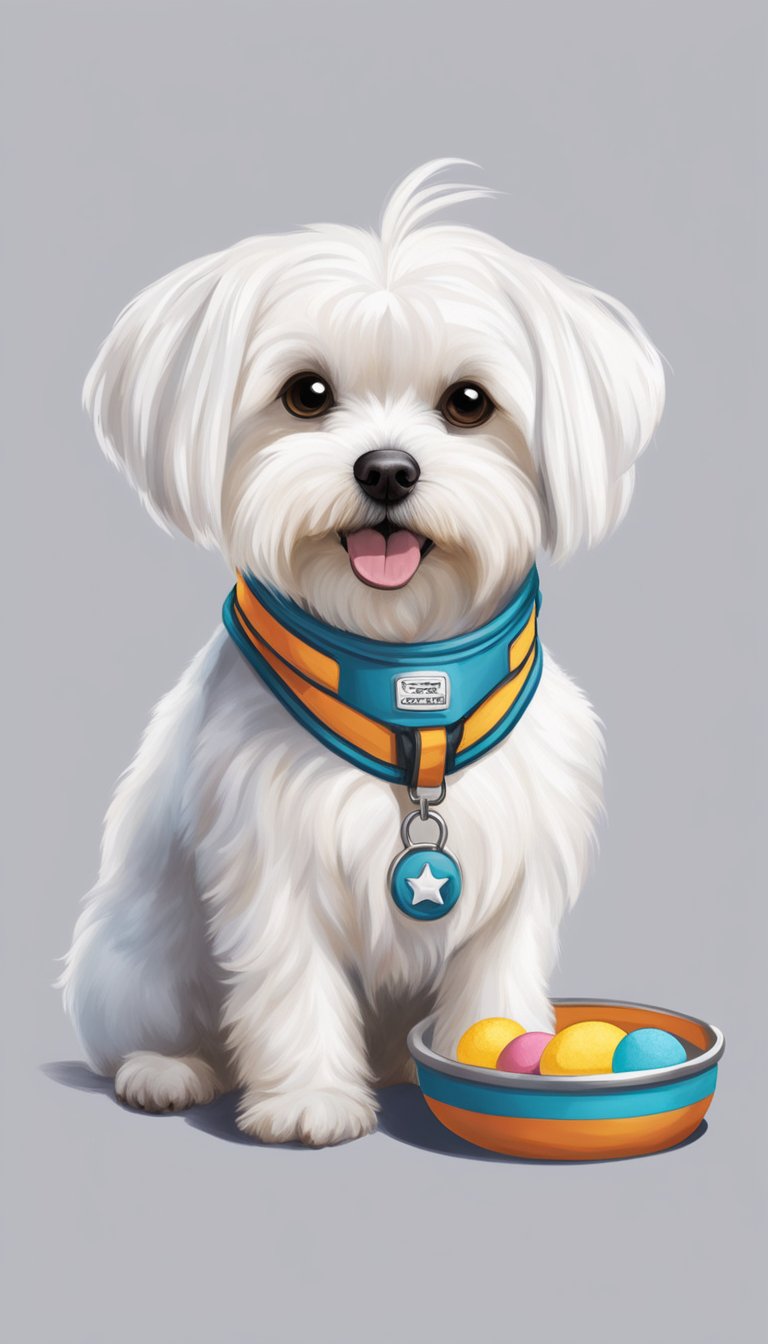
A harness is a great choice for Maltese dogs. It provides better control and comfort while walking. This breed is small and delicate, so a harness can help keep them safe.
Collars can strain a dog’s neck, especially if they pull on the leash. A harness distributes pressure across the chest and back instead. This makes walks more enjoyable for both the dog and the owner.
Maltese dogs are known for their playful nature. With a harness, owners can have peace of mind while allowing their dogs to explore. It helps prevent injury during adventures in the park or neighborhood.
There are many styles of harnesses available. Some are easy to put on and take off, which is perfect for busy owners. Owners should choose a harness that fits snugly but is not too tight.
Remember to check the harness regularly. It should be clean and in good shape. Making sure the harness is the right size will ensure comfort and safety for the Maltese.
Using a harness is a smart choice that can make walks fun and safe. Choosing the right harness type will help keep a Maltese puppy happy and healthy.
10) Socialize them early and often
Socializing a Maltese is fun and important. It helps them learn how to interact with other dogs and people. Starting early makes a big difference in their behavior.
Taking the Maltese to different places helps them get used to new sights and sounds. Parks, pet stores, and busy streets are great spots for this. Meeting different people and pets builds their confidence.
She can also invite friends over. This way, the Maltese can meet new faces in a safe environment. The more experiences they have, the better they will behave in various situations.
Classes for puppies are another great option. Many places offer training classes that focus on social skills. It helps them learn while playing with other dogs.
Always keep the experience positive. Praise and treats can make socializing enjoyable. A happy Maltese is more likely to be friendly and well-adjusted.
Daily walks or playdates with other dogs can create more opportunities. The key is not to rush the process. Gradually increase the challenges as the Maltese becomes more comfortable.
With early and frequent socialization, they will grow into a well-mannered and confident dog. This sets the stage for a happy life together.
Train with Positive Reinforcement
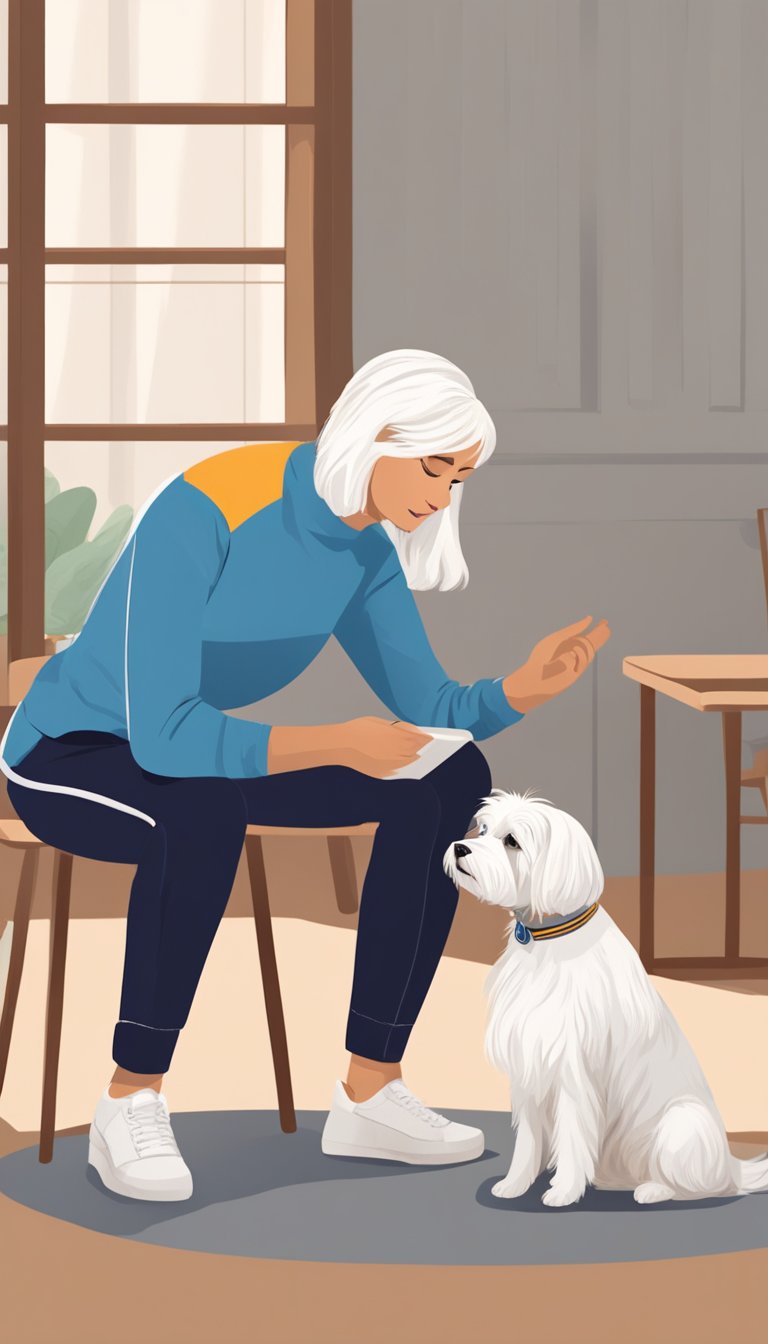
Training a Maltese can be a fun and rewarding experience. Using positive reinforcement helps build a strong bond between the owner and the pet. It encourages good behavior in a loving way.
When training, rewards can be treats, praise, or playtime. They should be given immediately after the dog does something right. This helps the Maltese understand what behavior gets them a reward.
Start with basic commands, like “sit” or “stay.” Keep training sessions short, around 5 to 10 minutes. Maltese can get bored quickly, so exciting, upbeat sessions work best.
Be patient and consistent. If the dog doesn’t respond right away, it’s okay. They will learn at their own pace. Celebrate small successes to keep them motivated.
Avoid punishment when things go wrong. This can lead to fear and anxiety. Instead, redirect the behavior and reward good actions.
Joining a training class can also be helpful. It offers socialization and teaches new skills. Maltese are smart and eager to please, making them great learners.
With positive reinforcement, training becomes an enjoyable journey. Owners can create a happy environment while teaching their Maltese new tricks. This approach strengthens the bond and leads to a well-behaved pet.
Understanding the Maltese Breed
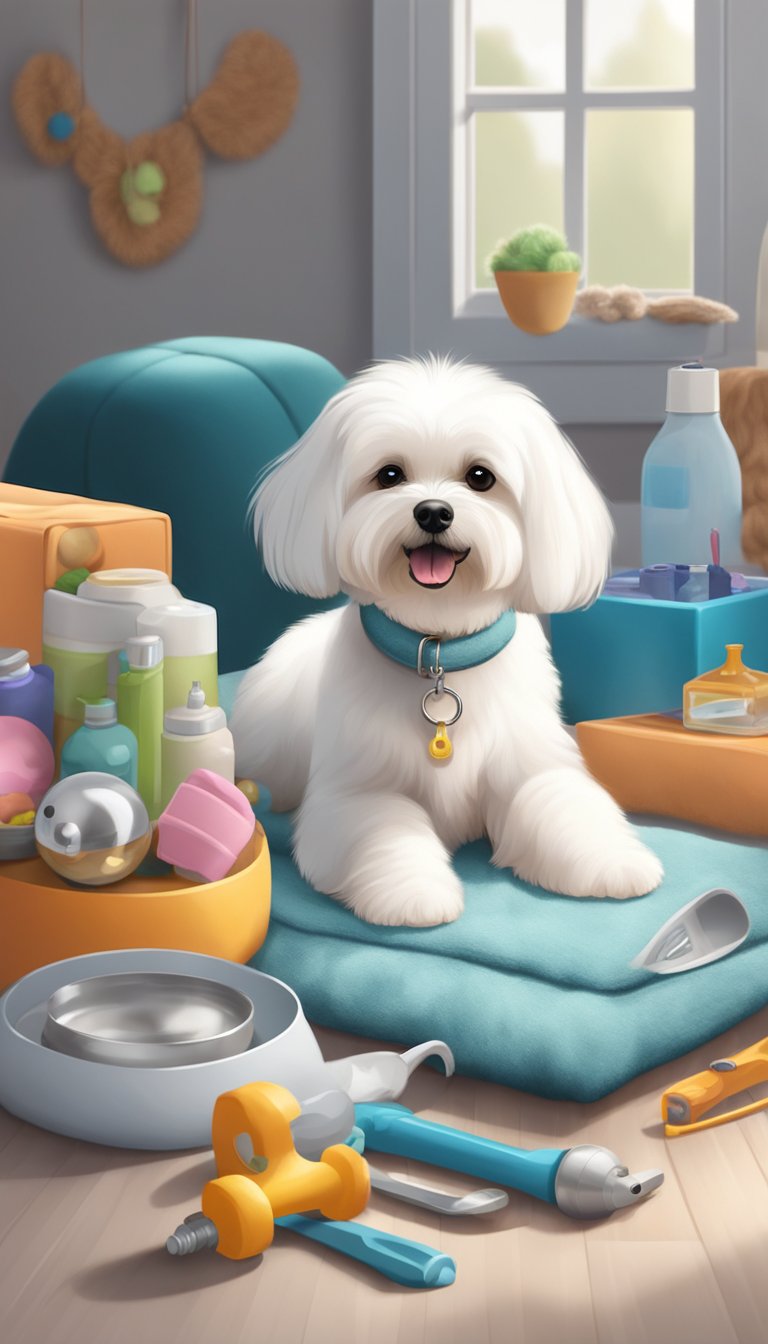
Maltese dogs are small, lively companions with a rich history and charming personalities. These affectionate pets are known for their playful nature and strong bond with their owners.
History and Origin
The Maltese breed dates back over 2,000 years. They likely originated from the Mediterranean, specifically the island of Malta.
These dogs were popular among the aristocracy and were often featured in art and literature. In ancient times, they were cherished by Roman emperors and noblewomen. People admired their beauty and intelligence.
Maltese dogs were bred as companions, and they reflect this role even today. Their stature and coat made them ideal lap dogs, perfect for keeping warm on chilly nights.
Personality Traits
Maltese are known for their affectionate and lively personalities. They are friendly and eager to please, making them great family pets.
These dogs love to play and enjoy interactive games. They thrive on attention and can be quite entertaining with their playful antics.
Maltese dogs are also quite smart, making training a rewarding experience. They may take some time to train due to their stubborn streak, but with patience, they can learn well.
Overall, they are alert and make excellent watchdogs despite their small size. Their loyalty is unmatched, and they often enjoy being close to their humans.
Daily Care Essentials
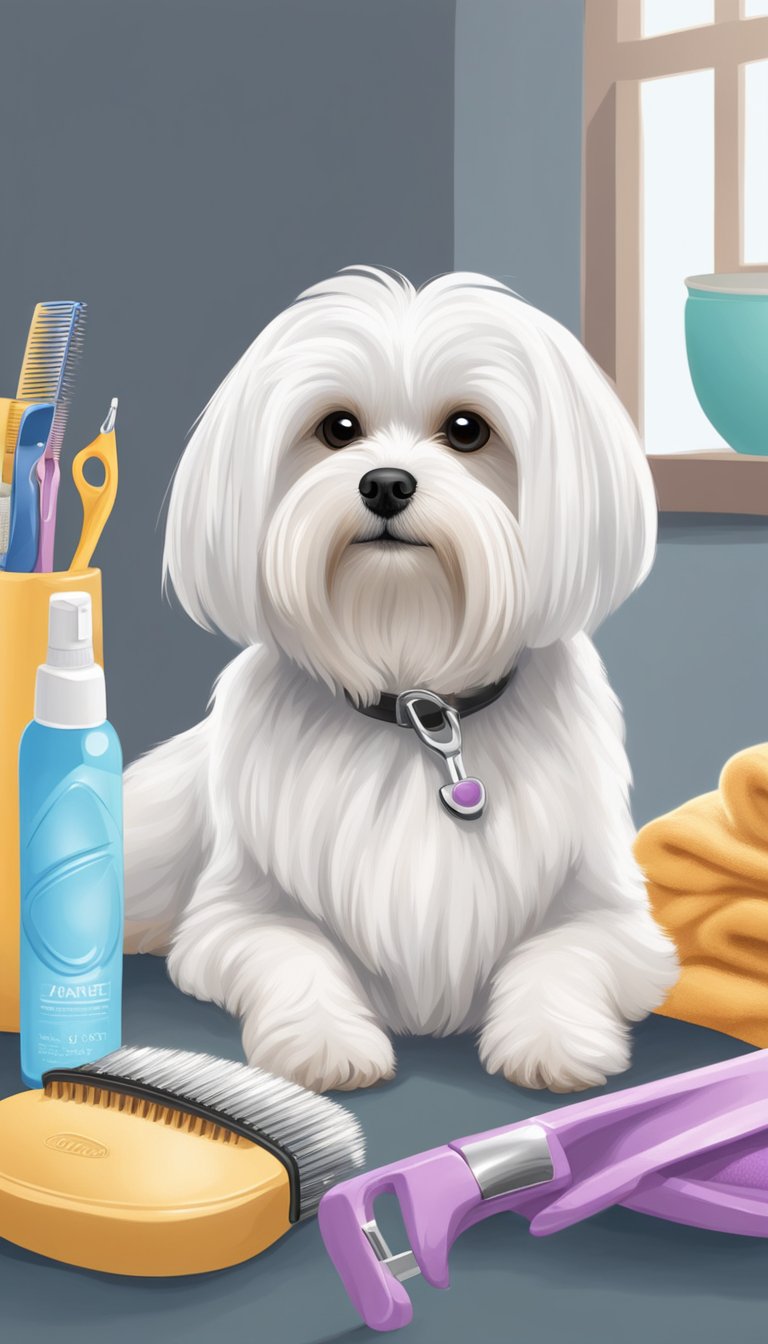
Taking care of a Maltese involves meeting their grooming needs and feeding them the right diet. These daily tasks are vital for keeping the dog healthy and happy.
Grooming Needs
Maltese dogs have a beautiful, long, and silky coat that needs special attention. Daily brushing is essential to prevent mats and tangles. A slicker brush or a comb works well for this task.
Bathing should happen every three to four weeks. Use a gentle dog shampoo to keep their skin from drying out. After a bath, it’s important to dry the coat thoroughly, especially around the ears, to prevent moisture buildup.
Regular trimming around the eyes and paws helps maintain a neat appearance. Owners should also check nails weekly and trim them if necessary. Dental care is another vital aspect. Brushing teeth two to three times a week helps keep gums healthy and prevents bad breath.
Diet and Nutrition
A balanced diet is key to a Maltese’s health and energy. High-quality dog food that lists meat as the first ingredient is recommended. Small breeds like Maltese do best with food specially formulated for their size.
She should be fed two to three small meals each day. This helps with digestion and keeps energy levels steady. Fresh water must be available at all times.
Some Maltese enjoy vegetables like carrots and green beans as treats. Avoid feeding table scraps or foods that are toxic to dogs, such as chocolate and grapes. Keeping a close eye on her weight is important, as Maltese can be prone to obesity.