Getting a new pet is a thrilling adventure, and for first-time owners, Pitbulls can be an excellent choice. These loving dogs bring joy and companionship to families. Learning the best care tips for Pitbulls is essential for successful ownership and a happy, healthy pet. Caring for a Pitbull includes understanding their needs, training techniques, and health requirements. With the right guidance, new owners can create a strong bond with their furry friends. This article will provide valuable tips to ensure a positive experience for both the owner and the dog.
Choose the Right Diet
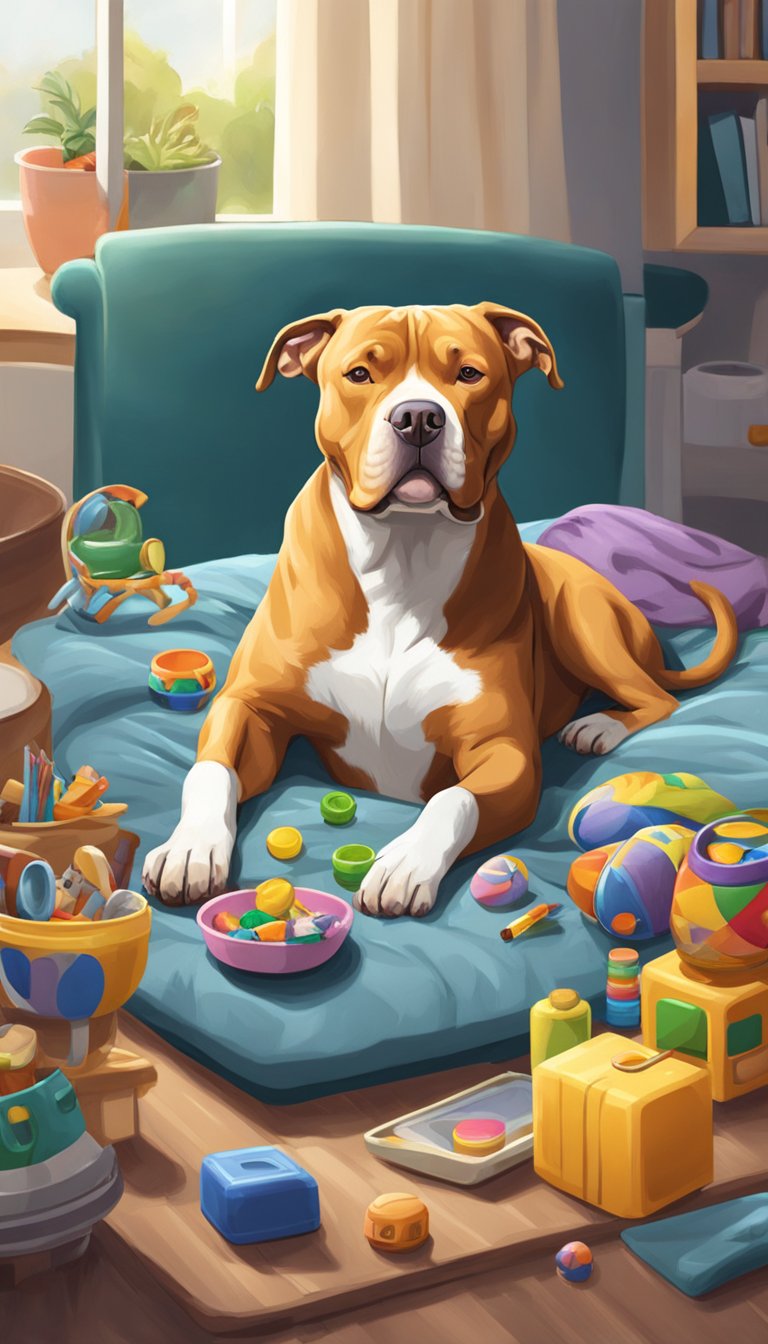
Choosing the right diet for a Pitbull is super important. It helps keep them healthy and full of energy. A balanced diet can also support their muscles and coat.
Look for high-quality dog food that lists meat as the first ingredient. Pitbulls need protein to stay strong and active. Avoid foods with fillers like corn and soy, which aren’t as nutritious.
Feeding them twice a day is a good idea. This can help manage their weight and keep them from getting too hungry. Always measure out their food to avoid overfeeding.
Treats can be part of their diet, but moderation is key. Choose healthy treats and avoid giving them table scraps. This keeps their skin and coat looking great.
Don’t forget to provide fresh water every day. Staying hydrated is just as important as having a good diet. This helps with digestion and overall health.
If there are any changes in diet, do it slowly. This helps their stomach adjust and prevents upset tummies. Always pay attention to how they respond to new food.
Consult with a vet for specific advice. They can recommend the best food based on the Pitbull’s age, weight, and activity level. Finding the right diet will help your Pitbull thrive!
Regular Exercise Regimen

Pitbulls are active dogs that need regular exercise to stay happy and healthy. They have a lot of energy to burn, so daily workouts are key.
A good routine includes walks, playtime, and other activities that get them moving. A simple 30-minute walk can be a great start. It helps them explore and enjoy the outdoors.
Playing games like fetch or tug-of-war is also fun. These games let them use their muscles and minds. It’s a great way for them to bond with their owner.
Pitbulls can benefit from more challenging exercises too. Activities like running or agility training can be exciting for both the dog and owner. These exercises help build strength and confidence.
It’s important to vary the routine. Changing up the activities keeps them interested and engaged. A bored Pitbull may dig or bark to get attention.
Always pay attention to their energy levels. Some days they might need more exercise, while on others, they may be tired. Knowing their needs helps keep them healthy.
Regular exercise also plays a big role in managing behavior. Well-exercised Pitbulls are often calmer and more relaxed at home. This leads to a happier and well-adjusted pet.
3) Socialization Early and Often
Socializing a Pitbull is super important! It helps them become well-adjusted and friendly dogs. Starting early makes a huge difference in their behavior.
Introduce them to different people, animals, and environments. This can happen through puppy classes, parks, or playdates. The more experiences they have, the more comfortable they will be in various situations.
Positive experiences are key. Make sure each interaction is fun and safe. If the dog feels good about meeting new friends, they will grow up to be confident and happy.
Regular socialization can help reduce fears and anxieties. A well-socialized Pitbull is less likely to become nervous or aggressive. They will be more relaxed in new places and around new people.
Don’t forget to keep socializing throughout their lives! Make it a routine to meet new dogs or visit busy areas. This way, they will maintain their social skills and calm nature.
It can be exciting to watch your Pitbull develop. Socialization helps create a loving and well-behaved companion. The time spent on this will pay off in the long run!
4) Training Consistency
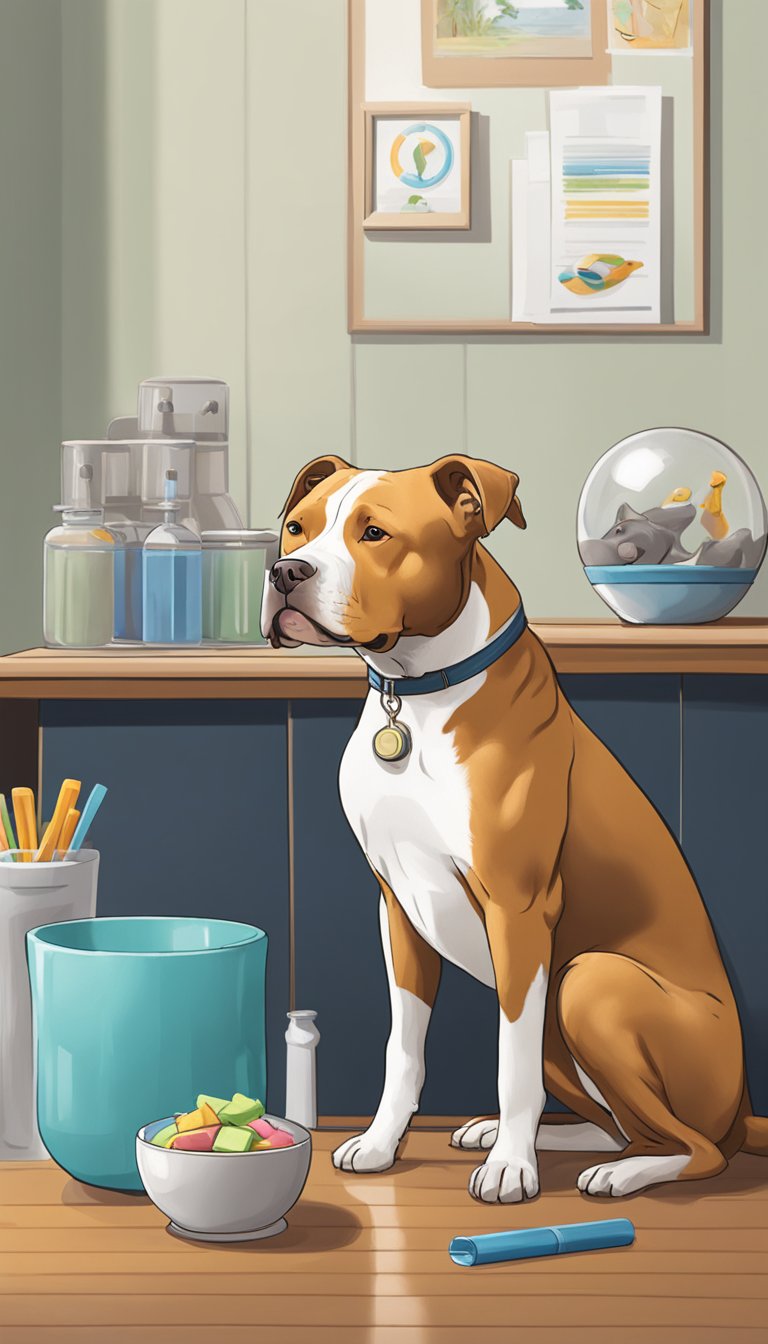
Training consistency is key for a happy Pitbull. Dogs thrive on routine and clear expectations. This helps them learn what is expected of them.
First-time owners should set a regular training schedule. Short, frequent sessions work best. This keeps training fun and engaging for the dog.
Using the same commands every time is important. For example, if he learns “sit,” use that command consistently. Changing commands can confuse the dog.
Positive reinforcement makes training even more effective. Treats, praise, and playtime encourage good behavior. This motivates the dog to want to learn.
Everyone in the household should use the same commands and rewards. Consistency from all family members builds trust. It helps the dog feel secure in their training environment.
Patience is also essential. Learning takes time, and mistakes will happen. Celebrate small victories to keep the training fun and positive.
With consistent training, the Pitbull will learn faster and bond better with its owner. This creates a strong relationship rooted in trust and understanding.
5) Regular Vet Check-ups
Taking a Pitbull to the vet is very important. Regular check-ups help keep them healthy and happy. They help catch any health problems early.
Vaccinations are a big part of these visits. They protect against serious diseases. It’s essential for first-time owners to stay on top of these shots.
During the visit, vets check weight, coat, and teeth. They ensure that the dog is growing well and not suffering from any issues. These health checks help owners feel confident in their pet’s well-being.
Prevention is key. Regular vet visits can also stop problems before they start. It’s much easier to keep a dog healthy than to treat a sick one later.
Owners should ask questions during visits. Vets can offer helpful tips about diet, exercise, and grooming. They can guide how to care for a Pitbull’s specific needs.
Making vet visits a routine can strengthen the bond between the owner and the dog. The dog will feel cared for and loved. Plus, it’s a great opportunity to learn more about their furry friend!
6) Understand Their Energy Levels
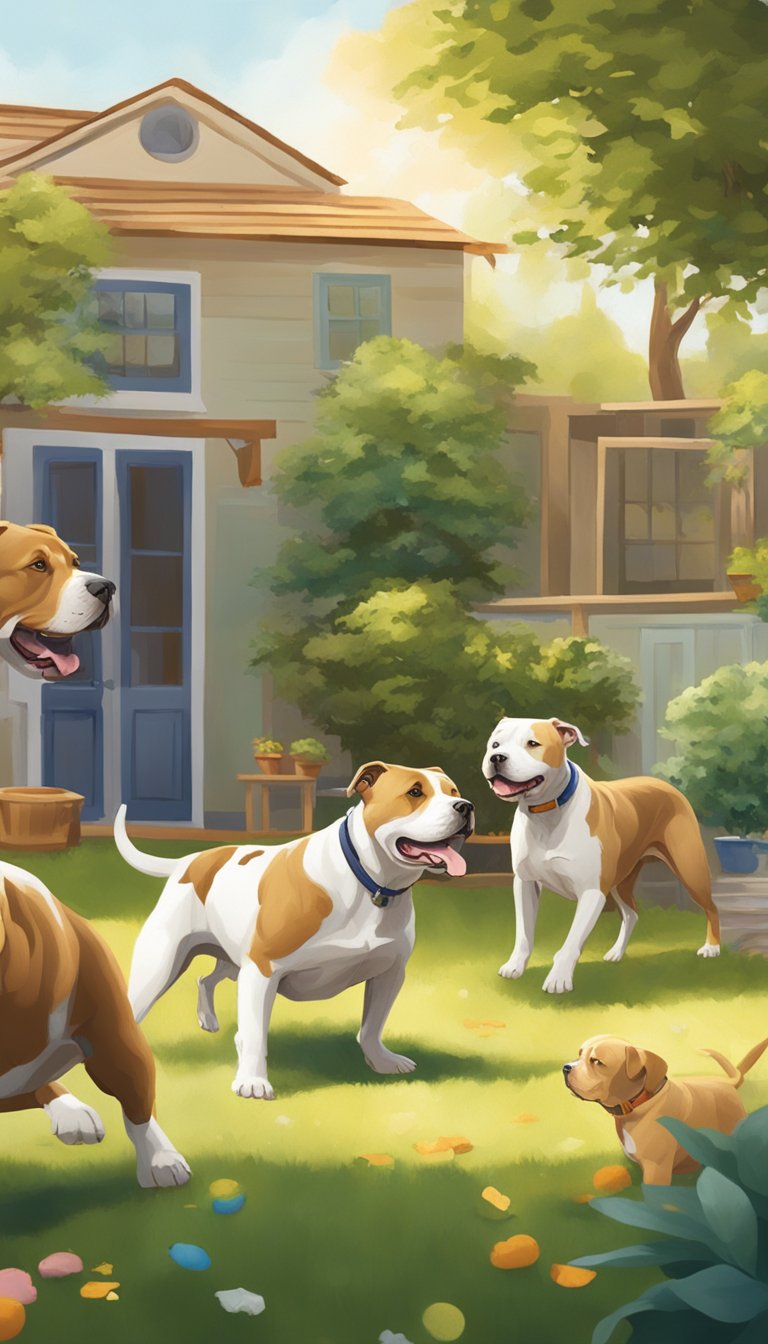
Pit bulls are known for their high energy! They love to run, play, and have fun. This breed needs plenty of exercise to stay happy and healthy.
Daily walks and playtime are essential. A pit bull can become bored or restless without enough activity. Owners should plan for at least an hour of exercise each day.
Engaging in activities like fetch or tug-of-war helps burn off energy. Taking them to a dog park can also provide a great outlet for their enthusiasm.
Socializing with other dogs is crucial too. It offers mental stimulation and helps them learn proper behavior. This interaction can keep a pit bull well-rounded and happy.
Routine and structure can help manage their energy. Regular playtimes and activities create a sense of security for the dog. It also keeps them excited and looking forward to their next adventure.
Understanding their energy levels is key to being a great owner. A well-exercised pit bull will be loving and well-behaved. This can lead to a joyful and fulfilling relationship for both the dog and the owner!
7) Proper Grooming Routine
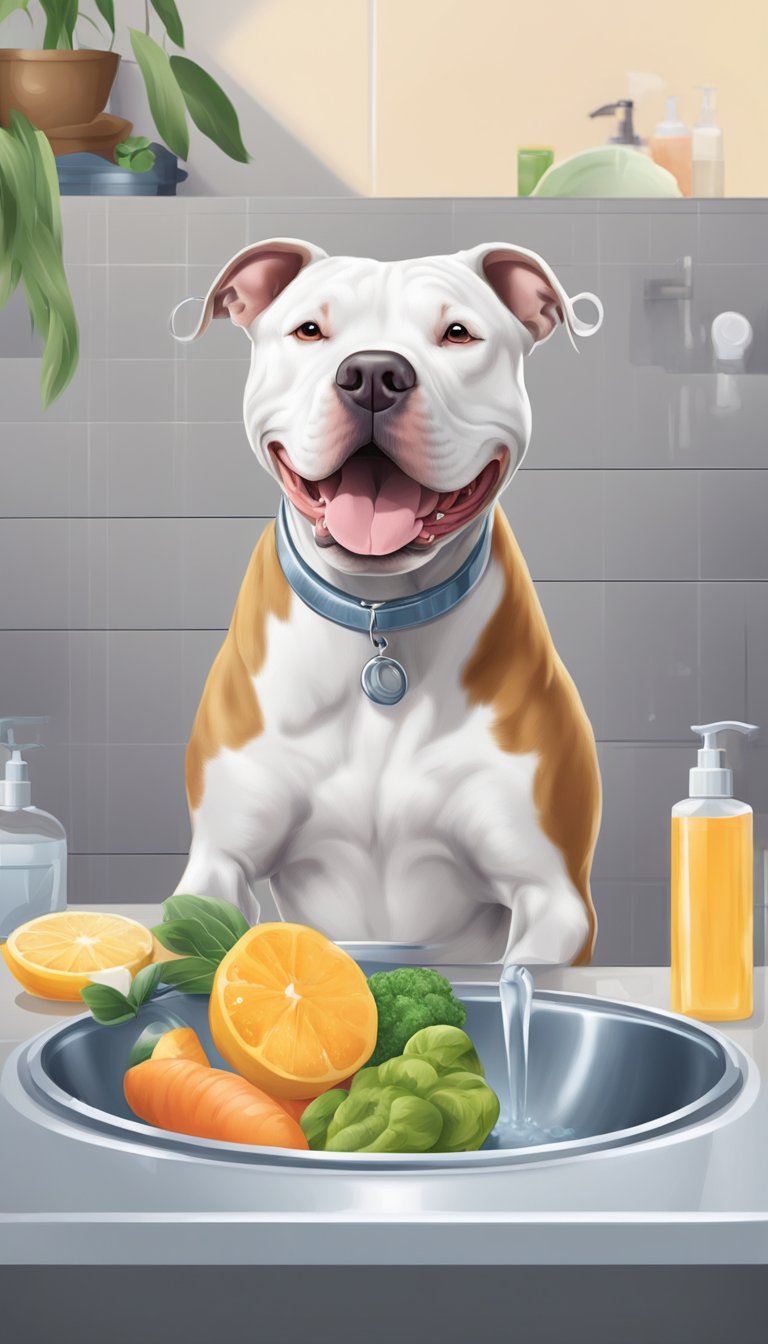
A proper grooming routine is key for a happy and healthy Pitbull. Regular grooming helps keep their coat shiny and free of dirt. It can also catch any skin issues early.
Brushing is important for Pitbulls. They have short hair, but brushing them once a week can reduce shedding. It also helps distribute natural oils in their coat.
Bathing should happen every couple of months or when they get dirty. Using a gentle dog shampoo keeps their skin healthy. Be sure to rinse thoroughly to avoid any soap residue.
Clipping their nails is another must-do. Long nails can hurt their paws and make walking hard. Check their nails every few weeks and trim them as needed.
Ear cleaning is also important. Pitbulls can have ear wax build-up, so checking their ears once a month is good. A damp cloth can help clean the outer part of their ears.
Lastly, don’t forget dental care! Brushing their teeth a few times a week keeps their mouth fresh. Dental chews can also help with keeping their teeth clean.
With a little time and care, grooming can be a fun bonding experience!
Positive Reinforcement
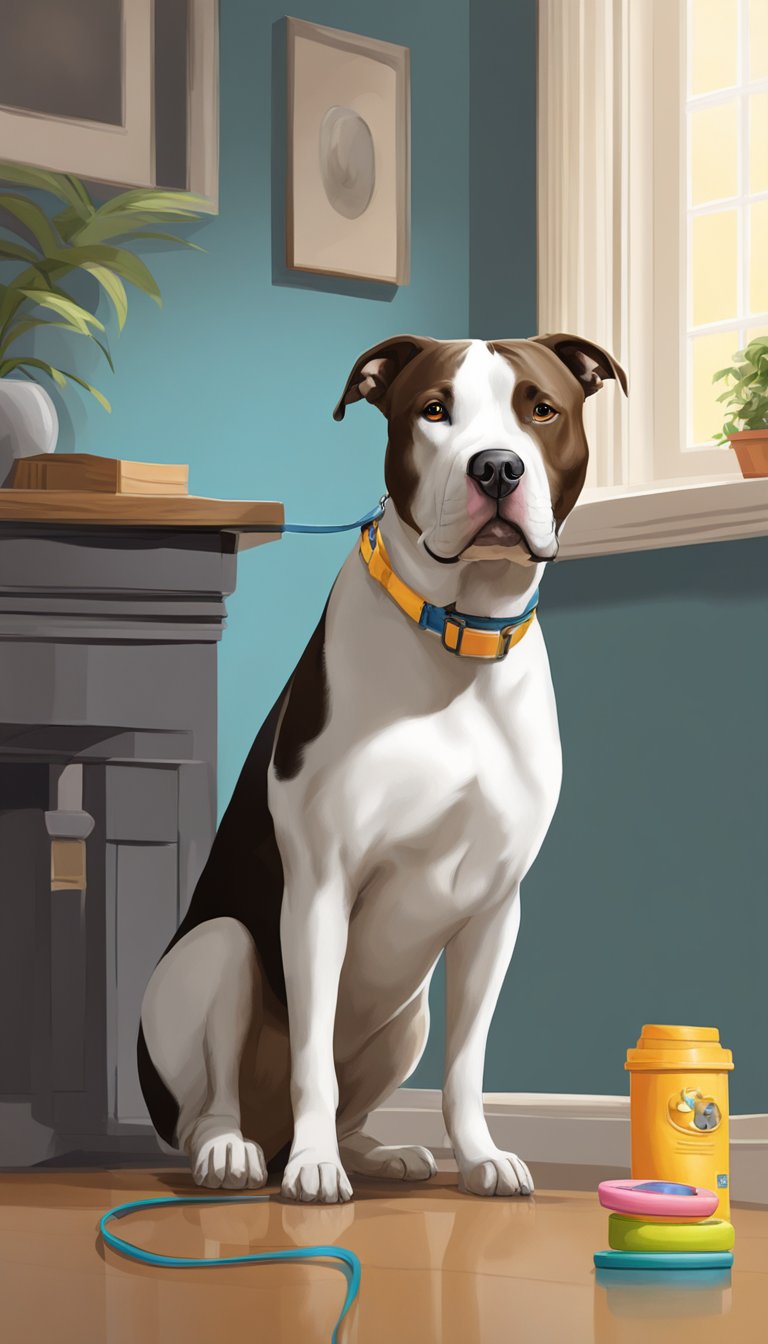
Positive reinforcement is a fun and effective way to train a Pitbull. It involves rewarding good behavior. This can be done with treats, praise, or playtime.
When a Pitbull does something right, giving them a reward helps them learn. They will want to repeat that behavior. This method builds trust and strengthens the bond between the dog and owner.
Consistency is key. Using the same commands and rewards helps the dog understand what is expected. It’s vital for first-time owners to be patient during this process.
Training sessions should be short and exciting. This keeps the dog engaged and eager to learn. Owners can mix in fun activities to keep it interesting.
Remember to celebrate small victories. Even minor progress deserves recognition. This makes the training experience rewarding for everyone involved.
By using positive reinforcement, owners can create a happy and well-behaved Pitbull. This approach leads to a joyful relationship. Training with encouragement helps build confidence in the dog.
Safe and Stimulating Toys
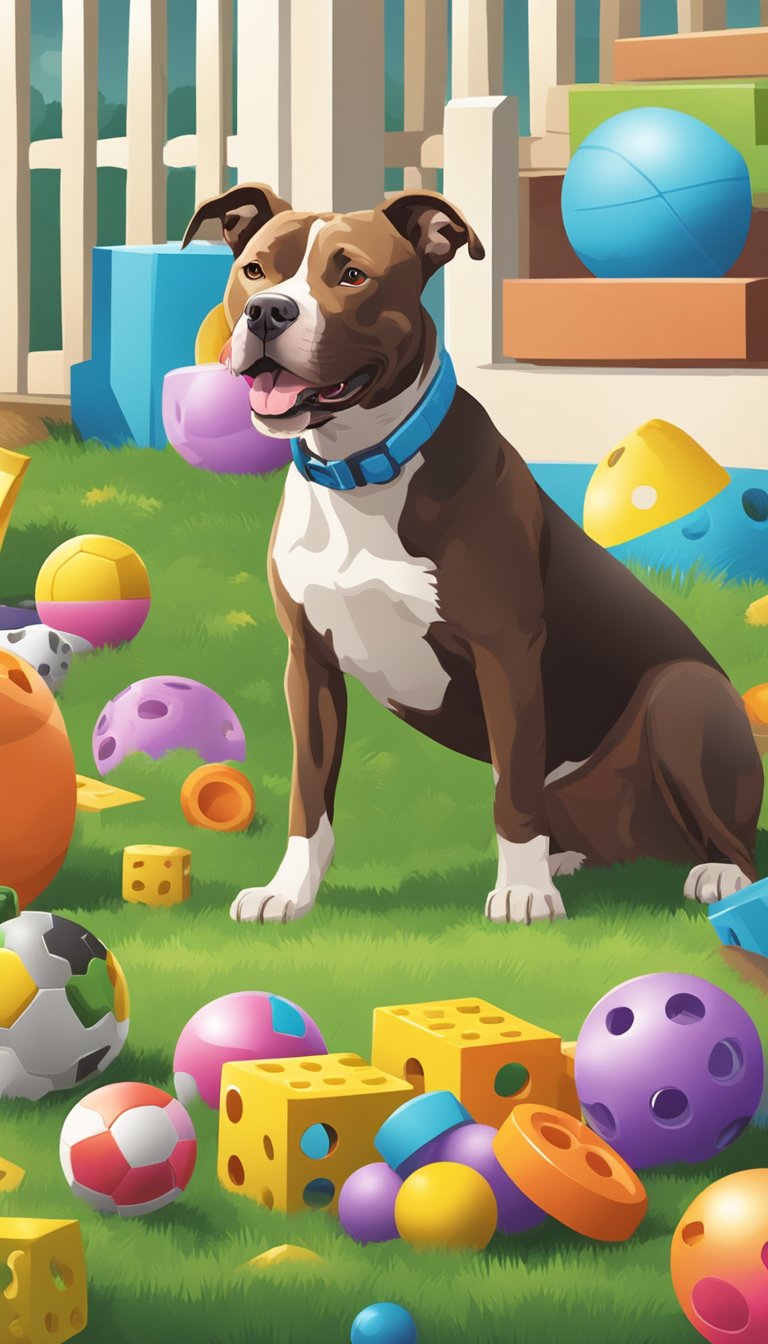
Finding the right toys for a Pitbull is important. These dogs are smart and energetic, so they need toys that challenge and entertain them.
Toys should be sturdy and safe. Look for options made from durable materials that cannot easily break apart. This helps avoid choking hazards.
Interactive toys can keep a Pitbull busy. Treat-dispensing toys are a great choice. They make the dog work for a tasty reward!
Puzzle toys are also fantastic. They require the dog to figure out how to get the treat inside. This keeps their mind sharp and focused.
Chew toys can help satisfy a Pitbull’s natural urge to chew. Look for ones that are designed for strong chewers. These toys can also promote dental health.
Always supervise playtime to ensure safety. If a toy shows signs of damage, replace it right away. Keeping toys in good condition ensures they are safe to use.
Mixing up toys can keep things exciting. Rotating different toys will prevent boredom and keep a Pitbull engaged. A happy dog means a happy owner!
With the right toys, a Pitbull can enjoy playtime while staying safe and active. There are so many great options to choose from!
10) Create a Comfortable Home Environment
Creating a comfortable home for a Pitbull is really important. They want to feel safe and happy in their space.
First, choose a quiet area in the house. This can be a cozy corner or a room where they can relax without too much noise. A calm atmosphere helps them feel secure.
Next, provide a comfortable bed. A soft, warm bed offers a great place for them to sleep and rest. It’s a good idea to pick a bed that suits their size and preference.
Make sure there are toys available too. Pitbulls are playful, and having toys keeps them engaged. It helps them burn off energy and stay entertained.
Keep the temperature comfortable. Pitbulls can be sensitive to extreme heat or cold. Ensure your home is neither too hot nor too cold for them.
Lastly, keep harmful items out of reach. Check for items that could be dangerous if chewed or swallowed. A safe environment allows them to explore without worry.
By creating a cozy and secure space, they will be happier and healthier. A comfortable home really makes a difference in their overall well-being.
11) Learn Pitbull Body Language
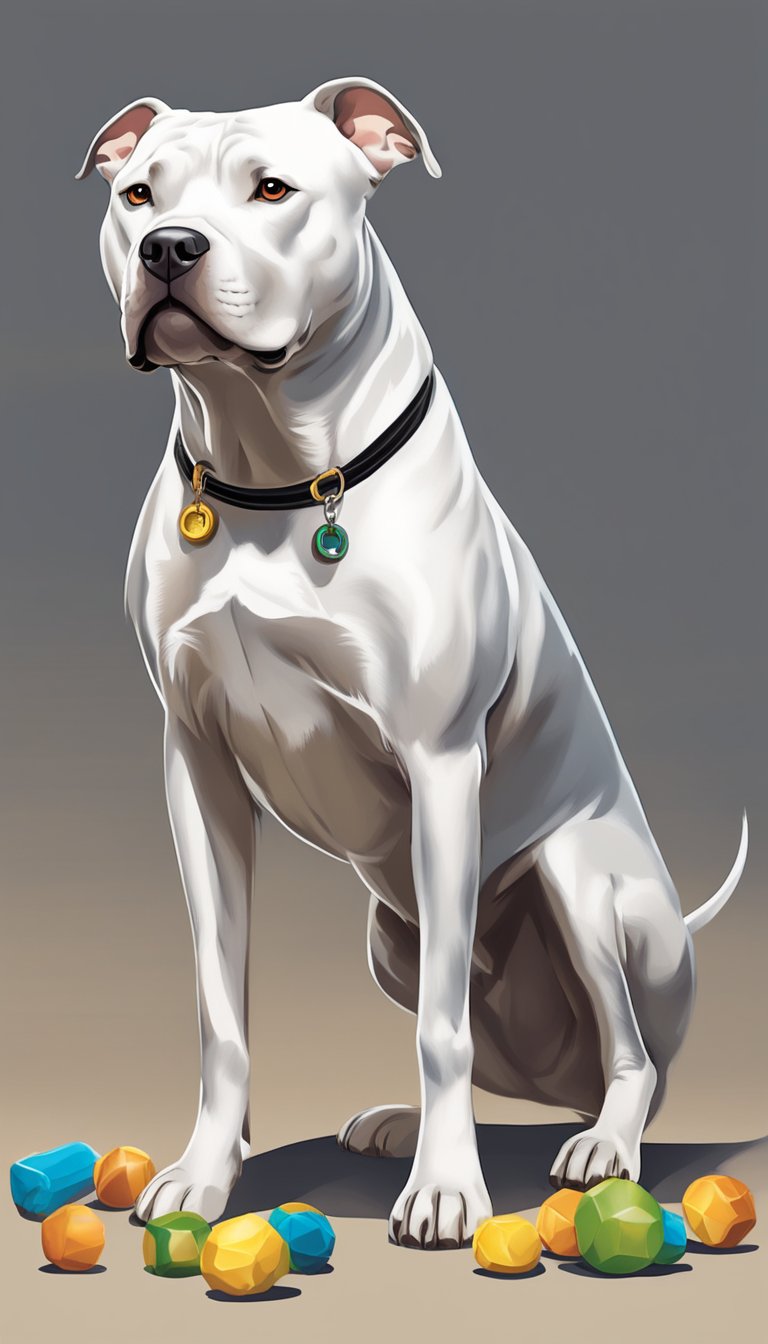
Learning Pitbull body language is important for any first-time owner. It helps in understanding how a Pitbull feels. They communicate through their posture, ears, and even tails.
A relaxed Pitbull has a loose body and a wagging tail. When a Pitbull is happy, they might play bow, inviting you to join in fun. Watching for these signs is key to building a strong bond.
If a Pitbull’s ears are back and their body is tense, they might feel scared or anxious. It’s best to give them space in this situation. Learning these signals helps owners respond in the right way.
A Pitbull showing teeth can mean different things. It might be a friendly smile or a warning. Context matters, so it’s important to look at the whole picture.
When a Pitbull approaches with a wiggly body and a soft gaze, they are likely happy to see you! These moments build trust and friendship.
Spending time watching how a Pitbull acts will lead to better communication. This will create a happier, healthier relationship between the dog and the owner.
Understanding body language takes practice. The more time spent with a Pitbull, the more an owner can learn. Each Pitbull is unique, so there’s always something new to discover!
Understanding Pitbull Behavior
Pitbull behavior can be unique and exciting. Knowing their traits and the importance of socialization can help new owners bond with their pets and ensure a happy life together.
Common Temperament Traits
Pitbulls are known for their strong and loyal nature. They tend to be loving and protective of their families. Many exhibit an enthusiastic personality, often showing great energy and eagerness to play.
Key traits include:
- Affectionate: They enjoy human interaction and often seek attention.
- Intelligent: Pitbulls are quick learners and like to engage in mental activities.
- Energetic: They require regular exercise to stay healthy and happy.
Understanding these traits helps owners create an environment where Pitbulls can thrive. Active playtime and training sessions can strengthen their bond.
Socialization Importance
Socialization is crucial for Pitbulls from an early age. It helps them become well-rounded dogs.
Key points about socialization:
- Early Exposure: Introduce them to various people, places, and other animals. This helps them feel comfortable in different situations.
- Positive Experiences: Use treats and praise to encourage good behavior during social interactions.
- Ongoing Process: Continue social activities throughout their lives for best results.
Proper socialization can prevent behavioral issues and ensure that Pitbulls grow into friendly and confident companions. They thrive in dynamic environments where they can interact with their world.
Diet and Nutrition
Proper diet and nutrition are key for keeping a Pitbull healthy and strong. A good diet helps support their energy needs, muscle development, and overall well-being. Here are some important tips for feeding them right.
Recommended Food Types
Choosing the right food is essential for a Pitbull. High-quality dog food made with real meat should be the first choice. Look for brands that list real meat as the first ingredient. Avoid foods with fillers like corn and soy.
Types of food to consider:
- Dry kibble: It helps clean teeth and is easy to store.
- Wet food: Great for hydration and flavor, but be mindful of calories.
- Raw diet: Some owners prefer raw meat and bones; consult a vet for proper balance.
Also, puppy formulas are vital for young dogs as they need extra nutrients for growth.
Feeding Schedule and Portions
Setting a feeding schedule and portion control is crucial. It’s best to feed adult Pitbulls twice a day. Puppies need more frequent meals, about three to four times daily.
An average adult Pitbull may need about 2 to 3 cups of food daily, depending on their size and activity level. Here’s a simple guideline:
- Puppies: 1 cup per meal, 3-4 times a day.
- Adults: 2-3 cups, split into two meals.
Always monitor their weight and adjust food portions to prevent obesity. Fresh water should be available at all times. Healthy eating leads to a happy and lively Pitbull!
Exercise and Activities
Pitbulls are energetic and playful dogs. They need regular exercise and mental challenges to stay happy and healthy. This section will provide important tips on their exercise needs and ways to keep their minds engaged.
Daily Exercise Needs
Pitbulls require at least 60 minutes of exercise each day. They enjoy activities like walking, running, or playing fetch. A mix of activities can help meet their exercise needs.
- Walking: Aim for two walks a day, ideally in different environments to expose them to new sights and smells.
- Running: If the owner enjoys jogging, bringing the dog along can be great exercise for both.
- Playtime: Regular play with toys can also count as exercise. Tossing a ball or tug-of-war games are favorites for many Pitbulls.
Variety is key. Changing the routine helps avoid boredom. Remember, a tired dog is a happy dog!
Mental Stimulation Tips
Keeping a Pitbull’s mind sharp is just as important as physical exercise. Mental stimulation can help reduce boredom and unwanted behaviors.
- Puzzle Toys: These toys hide treats and require the dog to figure out how to get them. They can provide hours of fun!
- Basic Training: Regular training sessions improve focus and provide a sense of achievement. Teaching new commands keeps their brains active.
- Interactive Games: Hide-and-seek is a great game to play with your dog. It encourages them to use their nose and brain to find the owner.
Using these tips can keep a Pitbull happily engaged and stimulated. A well-exercised and mentally challenged dog will lead to a happier household.