Bringing a Pomeranian into a home can be a joyful adventure! These small, fluffy dogs are known for their lively personalities and affectionate nature. Learning the best care tips is essential for new owners to ensure their Pomeranian thrives and stays happy. Whether one has experience with dogs or is a first-time pet owner, understanding how to care for a Pomeranian can make a big difference. From grooming to training, each aspect of care plays a role in building a strong bond with this energetic breed. By following helpful tips, they can provide a loving and healthy environment for their new furry friend.
1) Brush Fido’s Fluffy Coat Daily

Brushing a Pomeranian’s coat every day is super important! Their fluffy fur can tangle easily, and regular brushing helps keep it smooth. It also helps remove dirt, loose hair, and any knots.
Fido will love this time together. Brushing can feel like a nice massage for him. It’s a great way to bond and make him feel special.
Use a soft brush made for dogs. This will be gentle on Fido’s skin. Start at the head and work your way to the tail, making sure to brush in the direction of the fur.
Don’t forget to check under the arms and behind the ears. These areas can get tangled too. If Fido has any tangles, work them out carefully to avoid hurting him.
Daily brushing also helps with shedding. Pomeranians shed a lot, especially during certain seasons. Keeping up with brushing can help keep your home cleaner.
Make it fun! Use treats to encourage Fido while you brush. This will make him look forward to grooming time each day. Happy brushing!
Use a Harness Instead of a Collar
Using a harness is a smart choice for Pomeranian owners. These little dogs have delicate necks, and a collar can put pressure on them. A harness helps spread the pressure more evenly across their body.
When taking a Pomeranian for a walk, a harness keeps them safe and secure. It gives the owner more control, especially if the dog gets excited and pulls. This is common since Pomeranians are full of energy!
There are many types of harnesses available. Some are easy to put on and take off, making walks simple and fun. Others come with padding for extra comfort. Finding the right fit is important for the dog’s comfort and safety.
A harness is also great for training. It allows for gentle corrections without harming the dog. Pomeranians can be stubborn at times, so having a harness can help guide them better.
Always check the fit of the harness. It should be snug but not too tight. Owners can fit two fingers between the harness and the dog’s body. This way, the Pomeranian can enjoy walks without any stress.
Choosing a harness means choosing comfort and safety for a Pomeranian. It can make walks more enjoyable for both the dog and the owner.
Choose High-Quality Small Breed Food
Choosing the right food for a Pomeranian is super important. These small dogs have unique nutritional needs. High-quality small breed food can help keep them healthy and happy.
Look for food made with real meat as the first ingredient. It should have the right balance of protein, fats, and carbs. This supports their energy levels and helps them maintain a healthy weight.
Check the label for added vitamins and minerals. These nutrients are essential for their growth and overall health. Avoid food with fillers like corn and soy, which offer little nutritional value.
Small kibble size is also important. Pomeranians have tiny mouths, so smaller pieces are easier for them to chew and digest. This can help prevent choking and ensure they get all their nutrients.
Feeding them high-quality food can lead to healthier skin and a shiny coat. It also helps with digestion and can even boost their energy levels. Happy Pomeranians love to play and explore!
Always transition to new food slowly to avoid stomach issues. Mix a little bit of the new food with the old for several days. This way, they can adjust to the change without any trouble.
Choosing high-quality small breed food is a big step toward caring for a Pomeranian. It shows love and commitment to their well-being!
Schedule Regular Vet Checkups
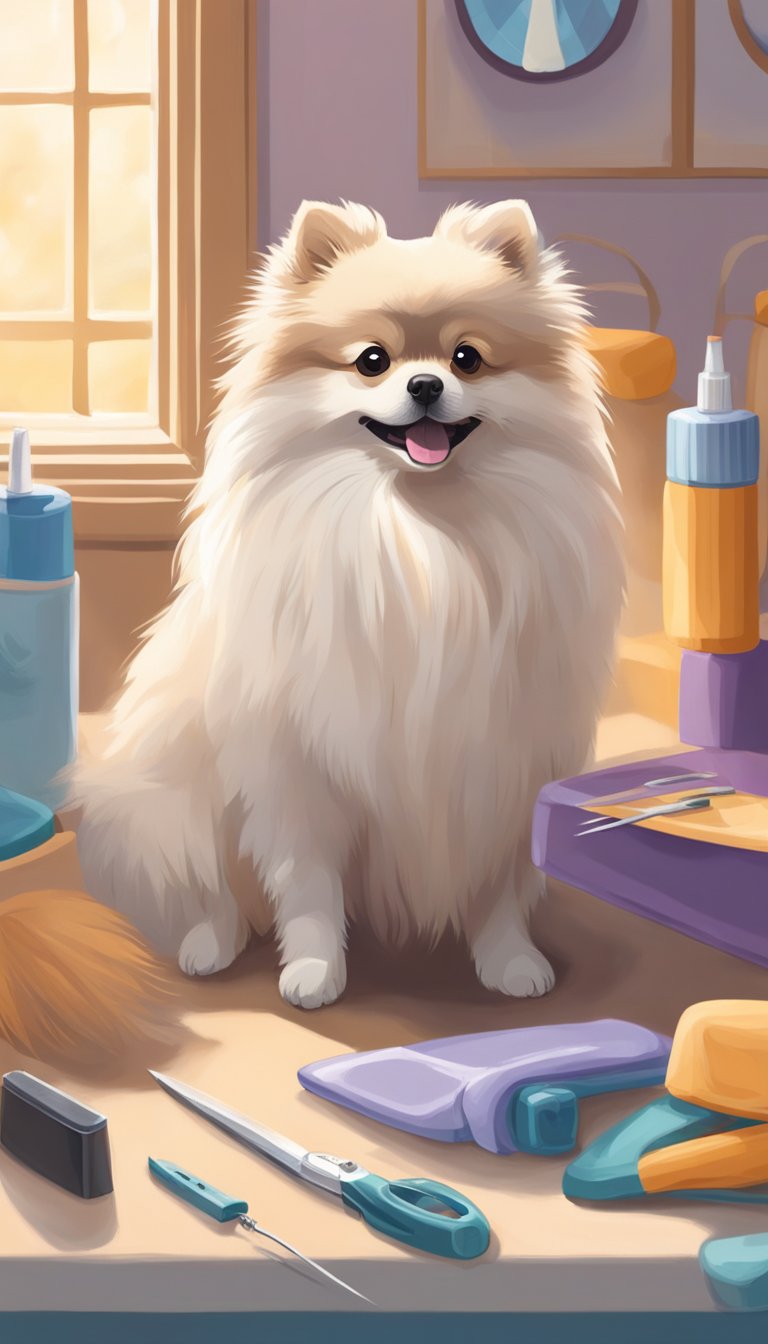
Taking a Pomeranian to the vet is very important. Regular checkups help keep dogs healthy. They can catch problems early when they are easier to treat.
Dogs should visit the vet at least once a year for a full wellness exam. This helps make sure they are up to date on vaccinations. It also gives the vet a chance to check their weight and coat condition.
Pomeranians may have special health needs. Issues like dental problems or eye infections can arise. A vet can give advice on how to prevent these problems. They may also recommend specific foods or dental care.
If a Pomeranian seems sick or behaves differently, it’s important to see the vet right away. Waiting can make issues worse. Regular vet visits can help spot changes before they become serious.
Keeping up with vet appointments also helps build a strong bond with your Pomeranian. It provides a chance for your dog to get used to being handled by professionals. This can make future visits much easier.
It’s a great idea to keep records of vet visits and any treatments. This information will help the vet understand your dog’s health history.
5) Trim Their Nails Weekly
Trimming a Pomeranian’s nails is very important for their health. Long nails can cause pain and make it hard for them to walk.
Weekly trims help keep their nails at a good length. It is a simple way to avoid issues like broken nails or foot problems.
Some dogs may not like nail trims at first. It’s helpful to start slowly and make it a positive experience. Using treats can help them feel calm and happy.
There are different tools for nail trimming. Nail clippers and grinders work well. Owners should choose what feels best for them and their Pomeranian.
If unsure about trimming, a vet or groomer can help. They can show the right way to trim. This is a great option for new owners.
Regular trims also help owners check their dog’s paws. They can look for dirt or any injuries. Keeping nails short is part of good pet care.
With a little practice, trimming nails can become easy. It helps Pomeranians stay healthy and active. A happy pup means a happy owner!
6) Provide Plenty of Chew Toys
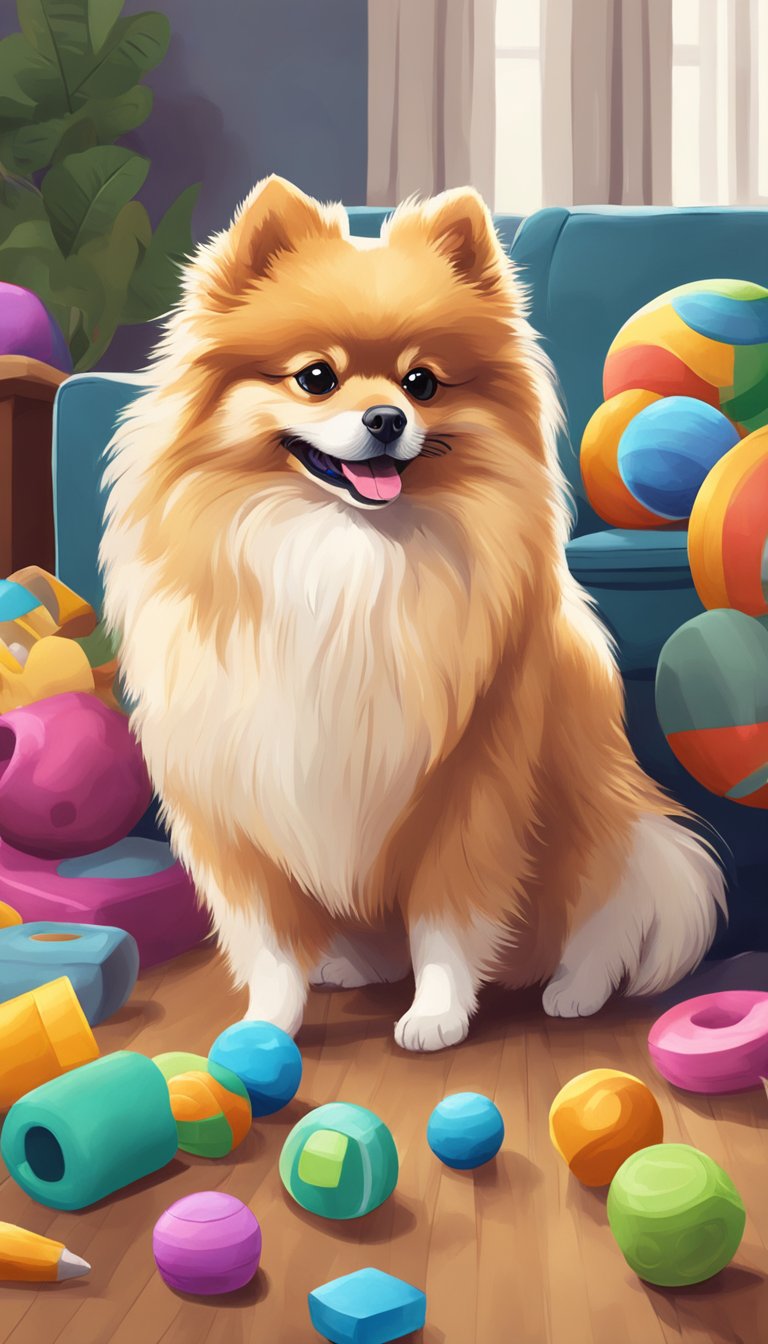
Pomeranians love to chew! Providing plenty of chew toys keeps their teeth healthy and helps prevent boredom. When they have toys to play with, they are less likely to chew on furniture or shoes.
Different types of chew toys are great for this breed. They can enjoy rubber toys, soft plush toys, and even dental chews. It’s a good idea to have a variety so they can choose what they like best.
Always supervise playtime with new toys to ensure they are safe. Some toys may have small parts that can break off and be swallowed. Checking toys regularly for wear and tear is also a smart move.
Interactive toys that make noise or have treats inside can keep Pomeranians entertained for hours. These toys stimulate their minds and prevent boredom. Engaging their curiosity is key to keeping them happy.
Make playtime a fun part of their daily routine. Chew toys allow for playful behavior, which helps them release energy. A happy and engaged Pomeranian is a joy to have around!
7) Socialize Early and Often
Socializing a Pomeranian is key for a happy and well-adjusted dog. These little pups thrive on interaction. Starting early helps them feel more comfortable around new people and situations.
Taking them to parks, puppy classes, and pet-friendly stores can be great. Meeting other dogs and people helps them learn how to behave. This practice builds confidence and reduces fear.
It’s important to expose them to different environments. New sounds, sights, and smells can be exciting! Pomeranians can be curious and bold, so these experiences can help them grow.
Remember to keep interactions positive. Reward them with treats and praise for good behavior. This encourages them to enjoy social settings.
If they show signs of fear, give them space and time. Comfort them and let them approach new experiences at their own pace. Patience is vital!
A well-socialized Pomeranian often makes a friendly companion. They enjoy meeting new friends, both human and canine. Early and frequent socialization helps create those happy moments.
Train with Positive Reinforcement
Training a Pomeranian can be fun and rewarding! Positive reinforcement is a great way to teach them new skills and good behavior.
This method focuses on rewards instead of punishment. When they perform a desired action, it’s important to give them praise, treats, or playtime. This encourages them to repeat the behavior.
Pomeranians are smart and learn quickly. Keeping training sessions short and engaging helps maintain their attention. A few minutes each day is often enough.
Start with simple commands like “sit” or “stay.” Use clear language and be consistent. Celebrate their successes, no matter how small. This builds their confidence.
If a Pomeranian makes a mistake, it’s best to avoid scolding. Instead, redirect them gently and try again. This helps the dog feel safe and secure.
Training in a calm and happy environment also matters. A quiet space helps your Pomeranian focus better. Gradually introduce more distractions as they learn.
Remember, patience is key. Each dog learns at their own pace. With time and practice, your Pomeranian will thrive under positive reinforcement.
9) Keep Their Environment Clean
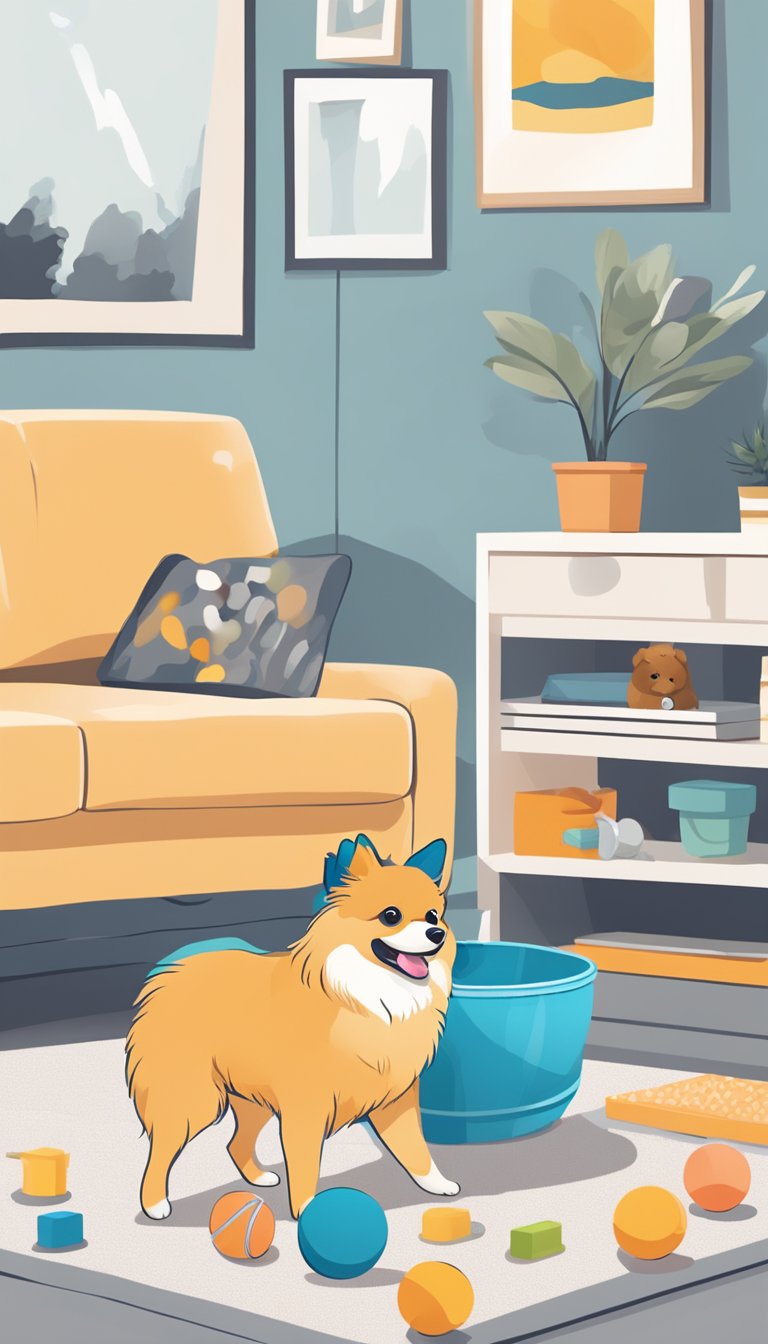
Keeping a Pomeranian’s environment clean is super important! A tidy space helps keep them healthy and happy.
Regularly clean their living area. Sweeping and mopping will remove dirt and hair. This makes sure they have a safe place to play.
Wash their bedding weekly. Fresh bedding is cozy and keeps odors away. It also helps prevent skin problems.
Pomeranians might be small, but they love to explore. Sometimes they can make a mess! Make sure to pick up toys and other items. This helps keep everything organized.
If your Pomeranian uses a potty inside, be quick to clean up. This keeps odors down and teaches good habits. Use safe cleaning products that won’t harm them.
Keeping the yard clean is also key. Regularly pick up pet waste. This keeps the area safe for everyone and prevents any health issues.
Finally, check for any items that could be harmful. Things like wires or small objects can be dangerous. A clean and safe space leads to a happier Pomeranian!
Monitor for Health Issues Like Tracheal Collapse
Pomeranians are adorable and lively pets. Their small size can lead to certain health issues, including tracheal collapse. This condition happens when the trachea, or windpipe, becomes weak and collapses, making it hard for them to breathe.
Owners should watch for signs of trouble. A common sign is a honking cough, which may sound similar to a goose. They may also seem to have difficulty breathing during exercise or get tired easily.
Regular vet visits are essential. A veterinarian can check for any early signs of tracheal collapse. They can also recommend treatments or lifestyle changes to help keep Pomeranians healthy.
Keeping them calm and stress-free can help too. Avoiding harsh collars is crucial. Using a harness instead can protect their trachea from added pressure.
Pomeranians thrive with love and attention. By staying alert and monitoring for health issues, owners can ensure their furry friend lives a happy and healthy life.
11) Brush Their Teeth Regularly
Brushing a Pomeranian’s teeth is an important part of care. Many first-time owners might not realize how essential this is for their pet’s health. Regular brushing helps prevent tooth decay and gum disease.
Start by using a toothbrush and toothpaste designed for dogs. These products are safe and effective. They are made specifically for canine use and are available at pet stores.
It’s best to introduce tooth brushing slowly. Start by letting the Pomeranian taste the toothpaste. Then, gently brush the outer surfaces of the teeth. Make it a fun experience to help the dog enjoy it.
Aim to brush their teeth a few times a week. If daily brushing is possible, that’s even better! Creating a routine can greatly improve dental health.
Looking for signs of dental issues is important. Bad breath, red gums, or difficulty eating may indicate a problem. Regular check-ups with a vet can help catch any issues early.
Positive reinforcement works wonders. Reward the Pomeranian with a treat or praise after brushing. This helps the dog associate teeth brushing with something enjoyable.
Keeping those tiny teeth clean leads to a happier, healthier life for a Pomeranian!
Understanding Pomeranian Behavior
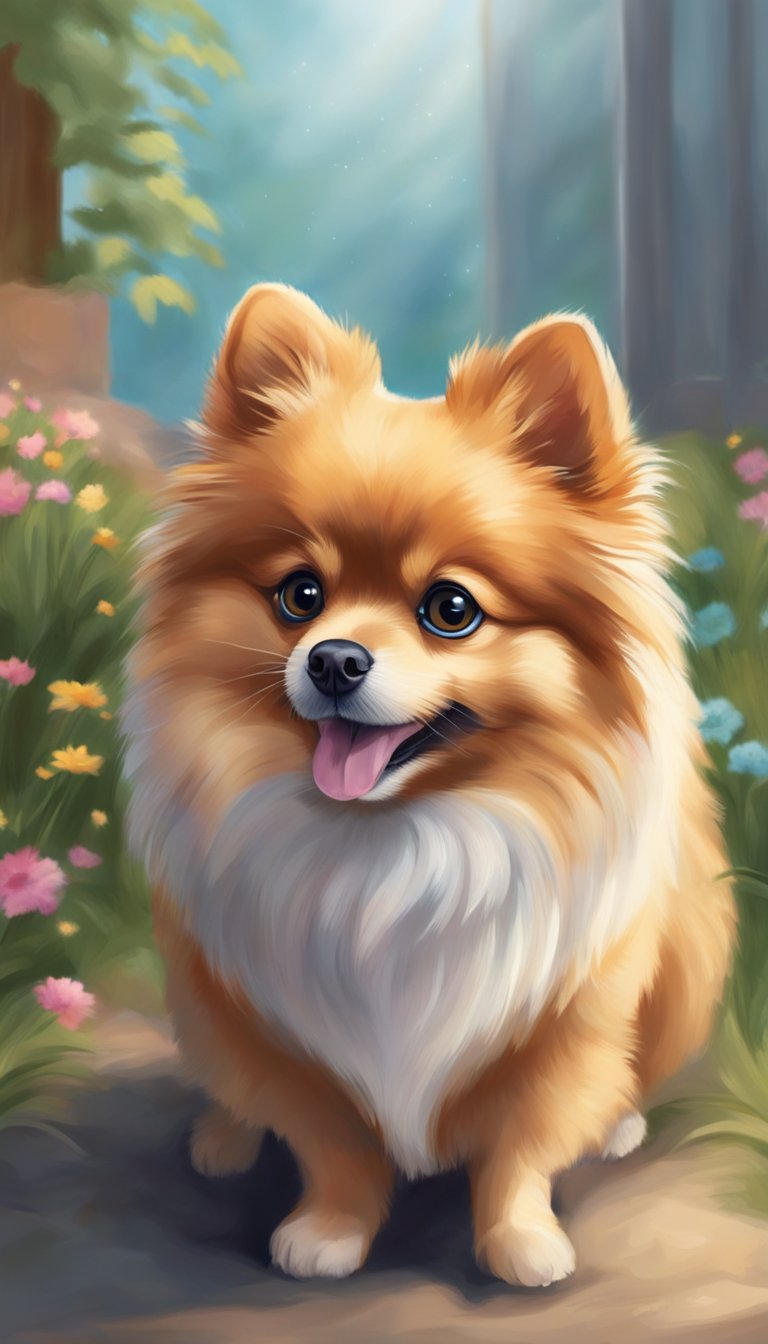
Pomeranians have unique behaviors and traits. Knowing these can help owners create a happy home for their furry friends. Understanding how they feel is key to a strong bond.
Common Traits and Characteristics
Pomeranians are friendly, intelligent, and full of energy. They love attention and enjoy being the center of it. These little dogs can be quite vocal. They often bark to communicate, whether it’s greeting someone or alerting their owner of something unusual.
They are also curious creatures and love to explore. Owners might notice their Pomeranian investigating every corner of the house. Their playful nature makes them great companions. They thrive on social interaction.
It’s important to train them early. A well-trained Pomeranian is more likely to behave well in social situations. Consistency and positive reinforcement work best with this breed.
Signs of Happiness and Stress
Pomeranians show many signs of happiness. A wagging tail and relaxed body posture indicate a happy pup. They may also play with toys or engage in fun antics, showcasing their playful spirit.
Stress can manifest in different ways. Signs of stress include excessive barking or hiding. If a Pomeranian tucks its tail between its legs, it might feel scared or anxious. Owners should observe their pet’s body language carefully.
Providing a safe and loving environment is crucial. Regular exercise and mental stimulation can also keep Pomeranians happy and healthy. This helps minimize stress and encourages positive behaviors.
Nutrition and Diet

Nutrition is key to keeping a Pomeranian healthy and happy. First-time owners should focus on selecting the right foods and being aware of common allergies.
Recommended Foods
Pomeranians need high-quality food that meets their specific needs. They benefit from a diet rich in protein, healthy fats, and fiber. Owners should choose dog food labeled for small breeds, as it provides the right balance of nutrients.
Look for ingredients like:
- Chicken, turkey, or fish as the first ingredient for protein
- Brown rice or sweet potatoes for healthy carbs
- Fruits and vegetables like peas and blueberries for vitamins and antioxidants
Feeding should be done in smaller, frequent meals. This helps with digestion, as Pomeranians can have sensitive stomachs. Always check with a vet before making changes to anyone’s diet.
Avoiding Common Allergens
Many Pomeranians can have food allergies. Owners should be mindful of common allergens that might upset their dog’s stomach. Some often-triggering ingredients include:
- Wheat
- Corn
- Soy
- Dairy
Signs of an allergy may include itching, digestive issues, or ear infections. If any of these symptoms appear, it’s best to consult a vet. Keeping a food diary can help track what the dog eats and any reactions. This way, the owner can identify possible allergens and adjust the diet accordingly.
Healthcare Essentials
Taking care of a Pomeranian’s health is crucial for their happiness and well-being. Regular veterinary visits and proper vaccinations help keep your furry friend healthy and energetic.
Regular Veterinary Check-Ups
Regular check-ups are key for keeping Pomeranians in great shape. They should visit the vet at least once a year for a full health exam. During these visits, the veterinarian checks the dog’s weight, coat, teeth, and overall health.
Owners should note any changes in behavior or habits. If there are updates in diet or environment, sharing this with the vet can help catch any potential issues early. It is also helpful to keep a record of all vet visits, treatments, and medications for easy reference.
Vaccinations and Preventative Care
Vaccinations are essential for protecting Pomeranians from serious diseases. Common vaccines include those for rabies, distemper, and parvovirus. The first round of vaccinations usually starts at six to eight weeks of age.
In addition to vaccines, preventative care is important. This includes treatments for fleas, ticks, and heartworm. Regular dental cleanings are also recommended to prevent tooth decay. Keeping up with these vaccinations and treatments helps ensure a long and healthy life for Pomeranians.