Caring for a senior Pomeranian can be both rewarding and challenging. As dogs age, they may require more attention and special care to ensure a happy and healthy life. Knowing how to meet their unique needs is essential for keeping them comfortable and active in their golden years. In this article, readers will find practical tips tailored specifically for Pomeranians as they age. These tips can help pet owners provide the right support and improvements to their furry friends’ lives. Following these guidelines will lead to a stronger bond and a joyful experience for both the dog and its owner.
1) Regular Vet Checkups
Regular vet checkups are super important for senior Pomeranians. These visits help catch health issues early. This can make a big difference in the dog’s life.
During a checkup, the vet will examine the dog’s teeth, heart, and overall health. They might suggest tests that check for common issues in older dogs. Early detection can lead to better treatment options.
These checkups should happen at least once a year. However, some older dogs might need to go more often. This ensures they get the best care.
Routine vaccinations and parasite control are also discussed. Staying up-to-date on vaccines helps protect the dog from serious illnesses. Parasite prevention keeps them healthy and active.
Pet owners should keep a list of any changes in behavior. This can help the vet understand the dog’s needs better. Changes in eating, drinking, or energy levels are important to note.
Overall, regular vet visits are a great way to keep senior Pomeranians happy and healthy. They provide a chance for questions and advice about care. The vet is the best resource for ensuring a long, enjoyable life.
Proper Diet Adjustment
As Pomeranians age, their dietary needs change, making proper diet adjustment very important. Senior dogs can have different energy levels and health issues that require a special diet.
It’s good for them to eat high-quality dog food made for seniors. These foods often have the right balance of nutrients to help keep their muscles strong and support their joints.
Some Pomeranians may need fewer calories, so adjusting portion sizes can help maintain a healthy weight. This can prevent obesity, which is common in older dogs.
Adding fiber to their diet can also be beneficial. Fiber helps with digestion and can keep their tummy feeling good.
Consulting with a veterinarian is wise when making changes to their diet. The vet can recommend the best foods based on their specific health needs.
Hydration is key too! Older dogs may not drink enough water, so it’s important to always have fresh water available. Wet dog food can also be a great way to add moisture to their meals.
Making these adjustments can help keep senior Pomeranians happy and healthy as they enjoy their golden years.
Gentle Exercise Routines
Gentle exercise is key for senior Pomeranians. Light activities help keep them healthy and happy without putting too much stress on their bodies.
Short walks are a great option. A stroll around the yard or a nearby park gets them moving while letting them explore their surroundings. It can be a fun way to bond!
Playtime with soft toys also works well. Pomeranians enjoy gentle tug-of-war or fetch using lightweight toys. This keeps them active without overdoing it.
Another option is indoor play. Simple games like hide-and-seek or chasing a moving toy can be exciting. It keeps their minds sharp too!
Swimming is excellent for joint comfort. If there’s a safe space, a short swim can be refreshing. It’s low-impact and can help with arthritis.
Always watch for signs of tiredness. A few minutes of activity is enough if they show fatigue. Adjusting to their energy level is important for their well-being.
Keeping the routine consistent helps too. Daily gentle exercises can improve their mood and stamina over time. Make it a regular part of their day for the best results!
Comfortable Sleeping Area
A cozy sleeping area is important for senior Pomeranians. As dogs age, they need a comfortable space where they can rest well.
Soft bedding is key. Orthopedic beds can provide extra support for their joints. Older dogs often feel pain from arthritis or other issues.
Choose a quiet spot for the bed. It should be away from loud noises and foot traffic. This can help them feel relaxed and safe.
Consider positioned cushions or blankets. They can add warmth and comfort. Some dogs enjoy snuggling into soft materials, which can make them feel secure.
Keep the area clean and dry. Regularly check for any messes or odors. A clean space is essential for their health.
Make sure the bed is easily accessible. If the dog has trouble jumping, a low bed is best. They should not struggle to get to their resting place.
A comfortable sleeping area can lead to better sleep. This helps senior Pomeranians stay happy and healthy in their later years.
5) Joint Supplements like Glucosamine
Joint health is essential for senior Pomeranians. As dogs age, their joints may become stiff and painful. This can make it hard for them to move around or enjoy playtime.
Glucosamine is a popular supplement for supporting joint health. It may help reduce pain and improve mobility. Many pet owners report that their dogs seem more active with this supplement.
Pomeranians can benefit from glucosamine in different forms. It comes in tablets, powders, or treats. This makes it easy to find a type that works for each dog.
While glucosamine is generally safe, it’s best to check with a vet. They can recommend the right dosage and form for individual needs. This ensures that the Pomeranian gets the best care possible.
Adding glucosamine to a daily routine can be a great choice. It helps keep senior Pomeranians feeling young and spry. Happy, healthy joints can lead to more wagging tails and playful moments!
6) Paw and Nail Care
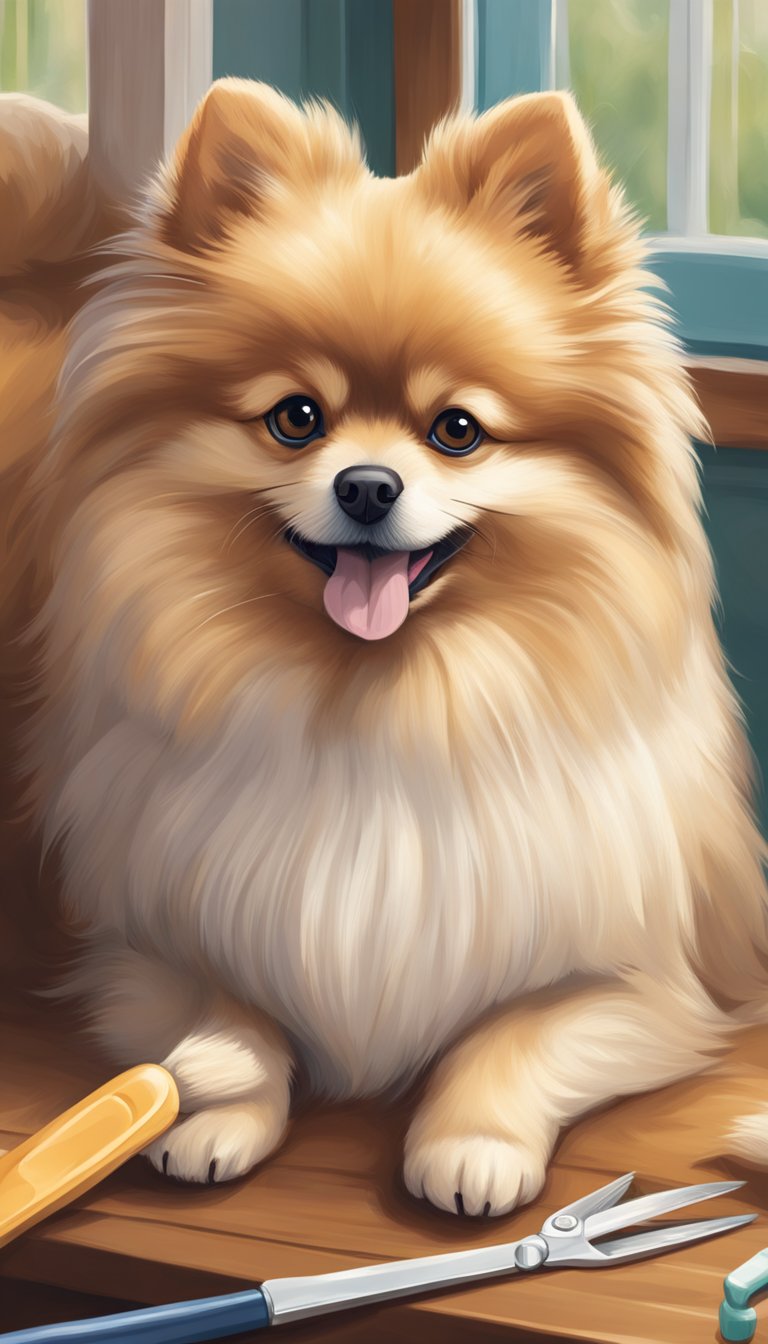
Paw and nail care is very important for senior Pomeranians. As dogs age, their paws can become more sensitive. Keeping them clean and healthy is key.
Regularly check their paws for any cuts, debris, or signs of irritation. This can help catch problems early and keep them comfortable.
Nail trimming is also crucial. Long nails can cause pain when walking. It can even lead to injuries. A good rule is to trim their nails every few weeks.
If trimming at home feels tricky, a groomer can help. Make sure to use dog-friendly tools for the best care.
Consider using paw wax to protect their paws. This can help prevent cracking and soreness. A little extra attention makes a big difference in their comfort.
Always reward them with treats after care sessions. This helps them associate paw and nail care with positive experiences. Happy paws lead to a happy dog!
7) Soft and Plush Toys
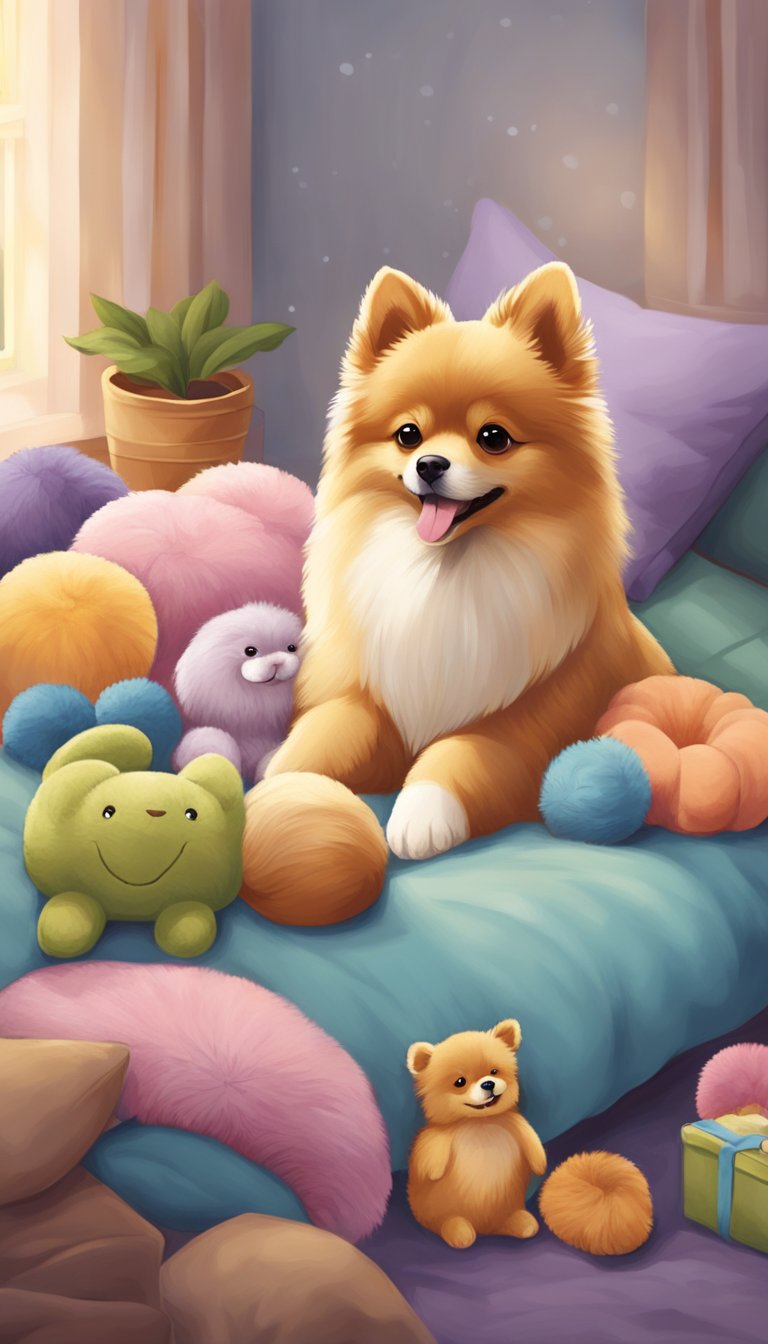
Soft and plush toys are great for senior Pomeranians. They provide comfort and a sense of security. Many older dogs love to snuggle with these toys, making them feel cozy.
These toys are gentle on a senior dog’s teeth and gums. They are easy to chew, which is important for dogs that may have dental issues. Soft toys can also encourage gentle play without risking injury.
Pomeranians often enjoy toys that squeak. The sound can capture their attention and make playtime more fun. Choosing plush toys with different textures can also keep them interested.
When selecting a toy, make sure it is the right size. A toy that is too small can be a choking hazard. Safety is key, so look for toys without small parts that can be swallowed.
Regularly check the toys for wear and tear. If a toy gets damaged, it’s best to replace it. Keeping soft toys fresh will ensure they stay safe and enjoyable for your Pomeranian.
Soft and plush toys not only provide physical comfort but also emotional well-being. They can help reduce anxiety, especially during stressful times. Whether it’s for playtime or naptime, these toys are perfect for senior Pomeranians!
8) Hydration and Fresh Water
Keeping a senior Pomeranian hydrated is crucial for their health. They may not drink enough water on their own, so it’s important to encourage them.
Fresh, clean water should always be available. Filling their bowl daily helps keep them excited about drinking. Some dogs prefer a bowl, while others might enjoy a pet water fountain.
Pomeranians can be picky about water. If they seem reluctant, try adding a splash of low-sodium chicken broth. This can make water more appealing for them.
Watch for signs of dehydration, such as dry gums or lethargy. If a dog is not drinking enough, it can lead to serious health issues.
Offering ice cubes can make drinking fun! Many dogs love to crunch ice, which can also help cool them down on hot days.
After walks, always provide fresh water. This can help them recover from exercise and stay refreshed.
Encouraging hydration keeps a senior Pomeranian happy and healthy. Making sure they drink enough shows love and care.
9) Grooming and Brushing
Grooming and brushing are essential for senior Pomeranians. Their fur can become tangled and matted more easily as they age. Regular brushing helps keep their coat healthy and clean.
A gentle brush can remove loose hair and dirt. It also stimulates the skin and promotes healthy blood circulation. This is especially important for older dogs who might not groom themselves as well.
Seniors may have sensitive skin, so a soft brush is best. Owners should brush their Pomeranian at least a few times a week. This routine creates a bonding experience too!
Bathing is also important, but senior dogs may not need as many baths as younger ones. A bath every few months should be enough unless they get dirty. Use a mild dog shampoo to avoid irritating their skin.
Always check their ears, eyes, and paws during grooming. Senior Pomeranians can be prone to infections and other issues. Keeping these areas clean helps prevent problems and keeps them comfortable.
Regular grooming can help owners spot any unusual changes. This might include lumps or skin irritations. Early detection of these issues can lead to better care for the dog.
10) Temperature Control
Keeping a Pomeranian comfortable is key, especially for senior dogs. They can be sensitive to both heat and cold. This means extra attention to temperature is important.
In warmer months, make sure they have a cool place to rest. Air conditioning or fans can help. Fresh, cool water should always be available.
During cold weather, provide a warm spot indoors. A cozy blanket or a pet bed can make a big difference. Consider getting a doggy sweater for walks.
It’s crucial to avoid leaving a Pomeranian outside for too long in extreme temperatures. They might not show discomfort right away but can easily feel too hot or cold.
Watch for signs of heatstroke or frostbite. Symptoms can include excessive panting, shivering, or lethargy. If they show any of these signs, seek help right away.
Keeping the temperature just right helps maintain their health and happiness. A few small changes can make a big impact on their comfort level.
11) Specialized Senior Dog Food
Finding the right food for a senior Pomeranian is important. Specialized senior dog food can help keep them healthy and happy. These foods are made to meet the needs of older dogs.
Senior dog food often has fewer calories. This helps prevent weight gain, which can be a problem for older dogs. They may not be as active as they used to be, so lower calories are key.
These dog foods usually have added nutrients. Ingredients like omega fatty acids can support joint health. They may also contain fiber to help with digestion.
Some brands include supplements that promote a healthy immune system. This is great for senior dogs that may need extra support. It’s essential to read the labels and choose a high-quality brand.
Always consult a vet before changing a dog’s diet. They can recommend the best type of food based on the dog’s health. Regular check-ups can also help monitor any dietary changes needed over time.
When transitioning to new food, do it slowly. Mixing old food with new food can help prevent stomach issues. A happy and healthy diet is a vital part of keeping a senior Pomeranian thriving.
Understanding the Needs of Senior Pomeranians
Senior Pomeranians have unique needs that change as they age. Knowing these needs is key to keeping them happy and healthy. They may experience physical changes and require special attention to their health.
Aging Process in Pomeranians
As Pomeranians age, they may slow down. Their energy levels often decrease. Owners might notice their furry friend sleeping more than before.
The coat may also change, becoming less glossy. Hairs can thin out, which may lead to skin issues. Regular grooming and baths help keep their coat in good shape.
Their teeth may become worn or suffer from dental disease. Regular check-ups at the vet can help catch any issues early. Diet also becomes important at this stage. Senior Pomeranians often benefit from specially formulated dog food that supports their changing needs.
Common Health Issues
Senior Pomeranians are more likely to face health problems. Some common issues include arthritis, diabetes, and dental problems. Arthritis can make movement painful. A dog may need help getting up or jumping onto furniture.
Diabetes can result in weight gain or increased thirst. Monitoring their diet and keeping a regular feeding schedule is crucial.
Dental health is another concern. Regular teeth cleaning can prevent bad breath and gum disease. Owners should consult a vet for appropriate dental care options.
Awareness of these issues allows owners to provide the best care. Regular vet visits become important for catching any problems early. Keeping an eye on any changes in behavior or habits is also essential.
Creating a Comfortable Environment
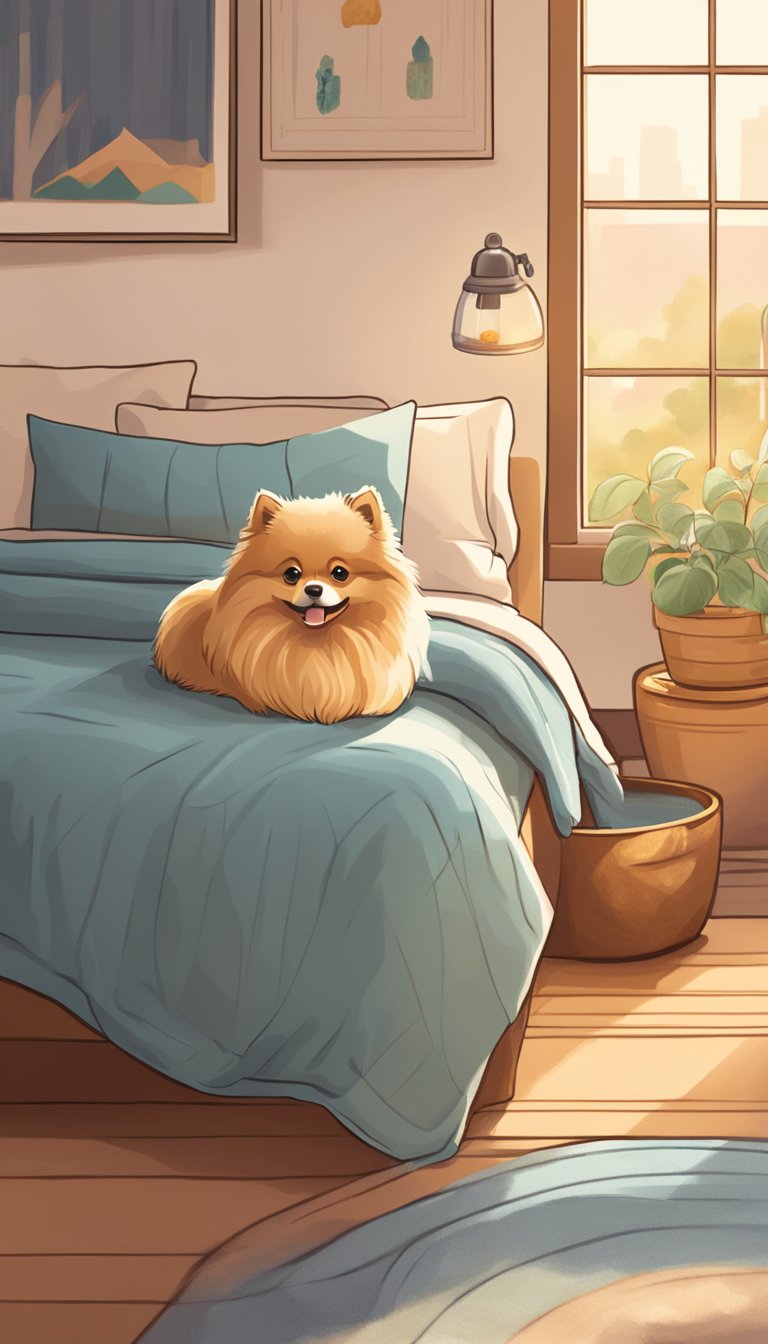
Creating a space where a senior Pomeranian feels safe and cozy is essential for their happiness. It involves thoughtful changes to their environment that support their needs and comfort.
Adapting Living Spaces
Adjustments to living spaces can make a big difference. Start by providing a soft bed that offers good support for their joints. Look for one with memory foam or plush material.
Keep their favorite spots easily accessible. Place their bed in a quiet area away from noise and drafts.
Consider using ramps or pet stairs if they struggle with jumping. This helps them reach couches or beds without stress.
Organize their space by keeping toys, food, and water nearby. This way, they don’t have to travel far.
Avoid clutter, as it can be a tripping hazard.
Safe and Accessible Areas
Safety is key in creating a comfortable home. Make sure the flooring is non-slip to prevent falls.
Use rugs or mats that stay in place, especially in frequently used areas.
Lighting is also important. Good lighting helps your Pomeranian see clearly and avoid obstacles. Consider using night lights for nighttime visibility.
Set up pet gates to block off stairs or dangerous areas. This helps keep them safe while they move around.
Finally, monitor the temperature of their spaces. Ensure it’s not too cold or hot, as senior dogs can be sensitive to extremes. A cozy blanket can help keep them warm on chilly days.
Diet and Nutrition for Senior Pomeranians
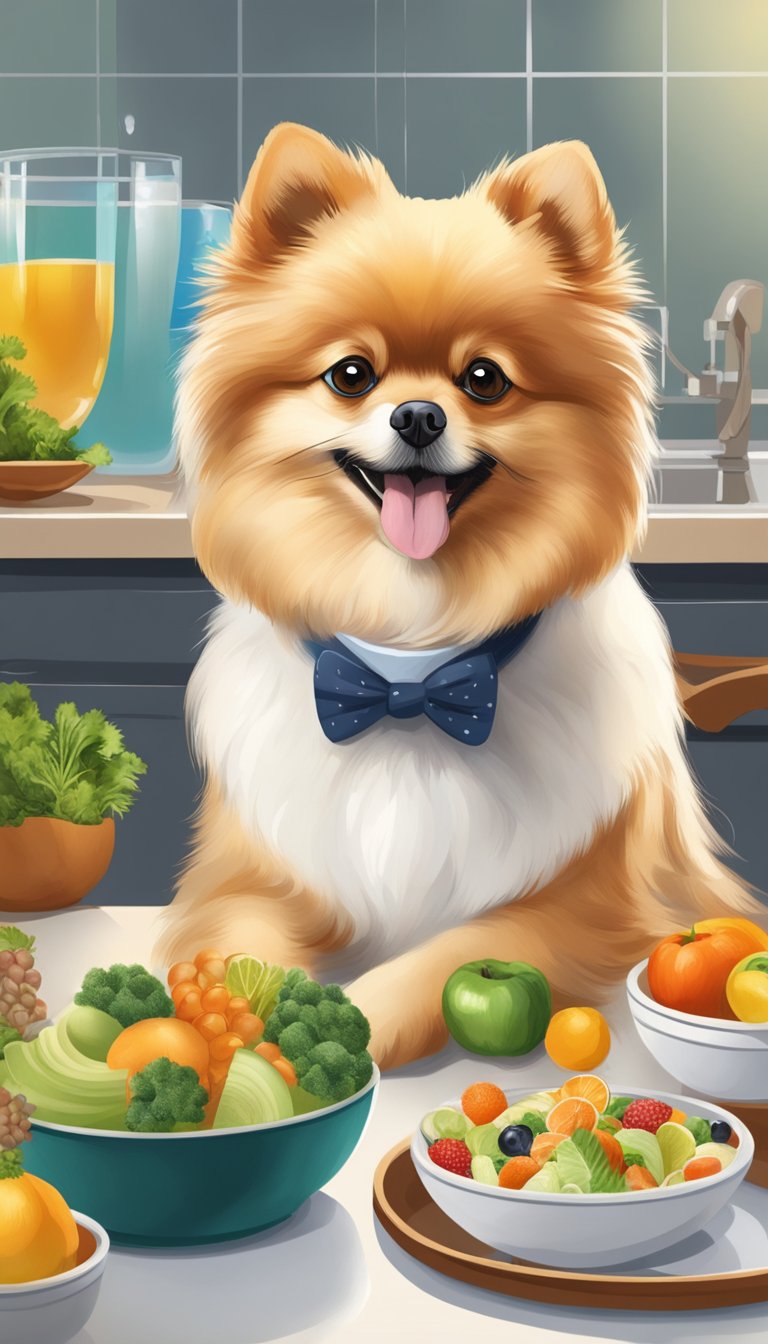
Senior Pomeranians have different dietary needs compared to younger dogs. Providing the right nutrients can support their health and energy levels. It’s essential to consider their specific needs and any special dietary requirements they may have.
Nutritional Needs
Senior Pomeranians require a balanced diet that focuses on high-quality protein. Protein helps maintain muscle mass, which can decrease as dogs age. Aim for sources like chicken, turkey, or fish.
Carbohydrates are also important, but they should come from whole grains and vegetables rather than fillers. Foods like brown rice and sweet potatoes provide energy without excessive calories.
Don’t forget healthy fats! Omega-3 and Omega-6 fatty acids support skin and coat health. Look for dog foods with fish oil or flaxseed oil. Additionally, fiber is crucial for digestion. Ingredients like pumpkin or beet pulp can help keep their digestive systems functioning well.
Special Dietary Considerations
Some senior Pomeranians may have specific health concerns, such as arthritis or dental issues. It’s important to adjust their diet accordingly. Joint supplements or foods enriched with glucosamine can be beneficial for those with joint problems.
For dental health, softer foods or dental chews can help. Always check with a veterinarian to consider any allergies or intolerances. A gradual change in diet is best to avoid stomach upset.
Hydration is vital too! Ensure fresh water is available at all times. Adding wet food to their diet can help with hydration and make meals more appealing. Regular vet check-ups will help monitor specific dietary needs as they age.