Monstera plants are popular for their stunning leaves and unique shapes. They add a tropical touch to any space, making them a favorite among plant lovers. When leaves start to curl, it can be confusing and concerning for owners.
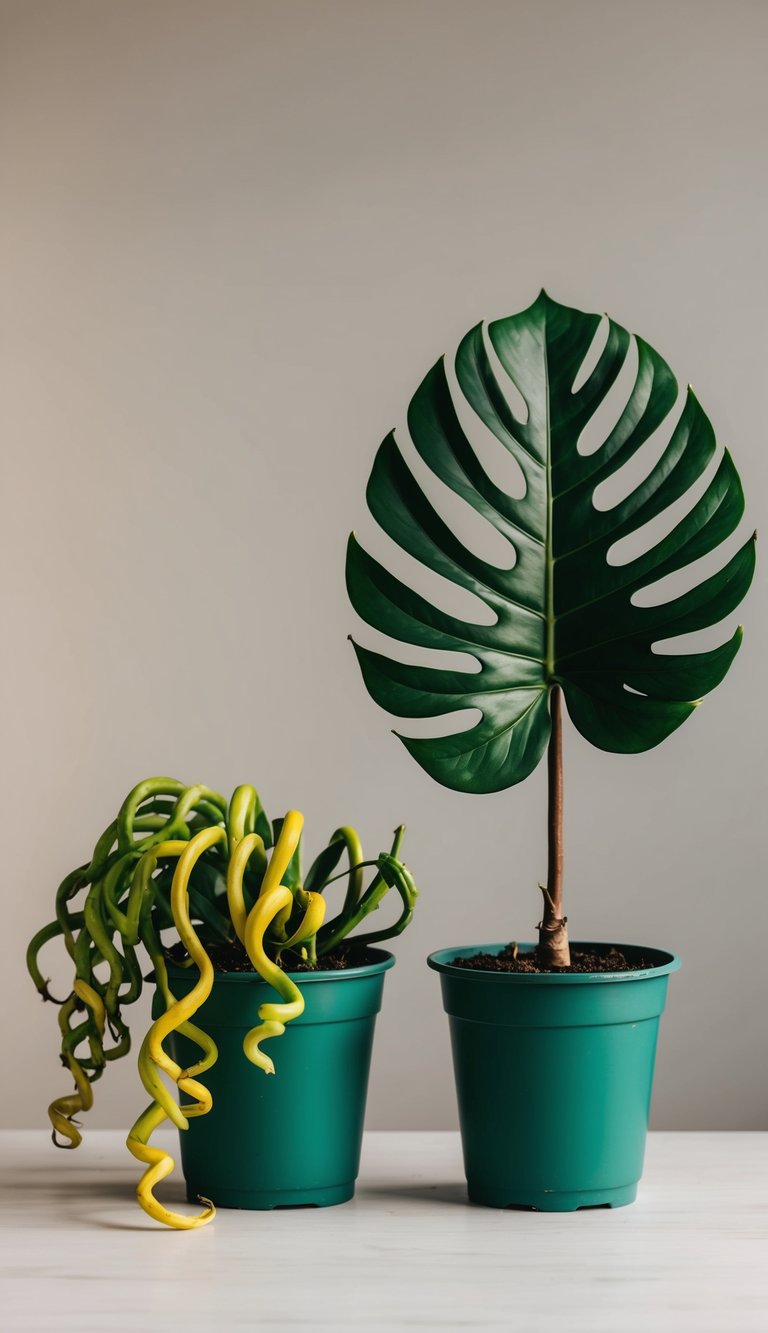
This article will explore the main reasons why this happens and offer helpful tips to fix it. Whether it’s about water, light, or pests, understanding these factors is key to keeping a Monstera healthy and thriving.
1) Overwatering
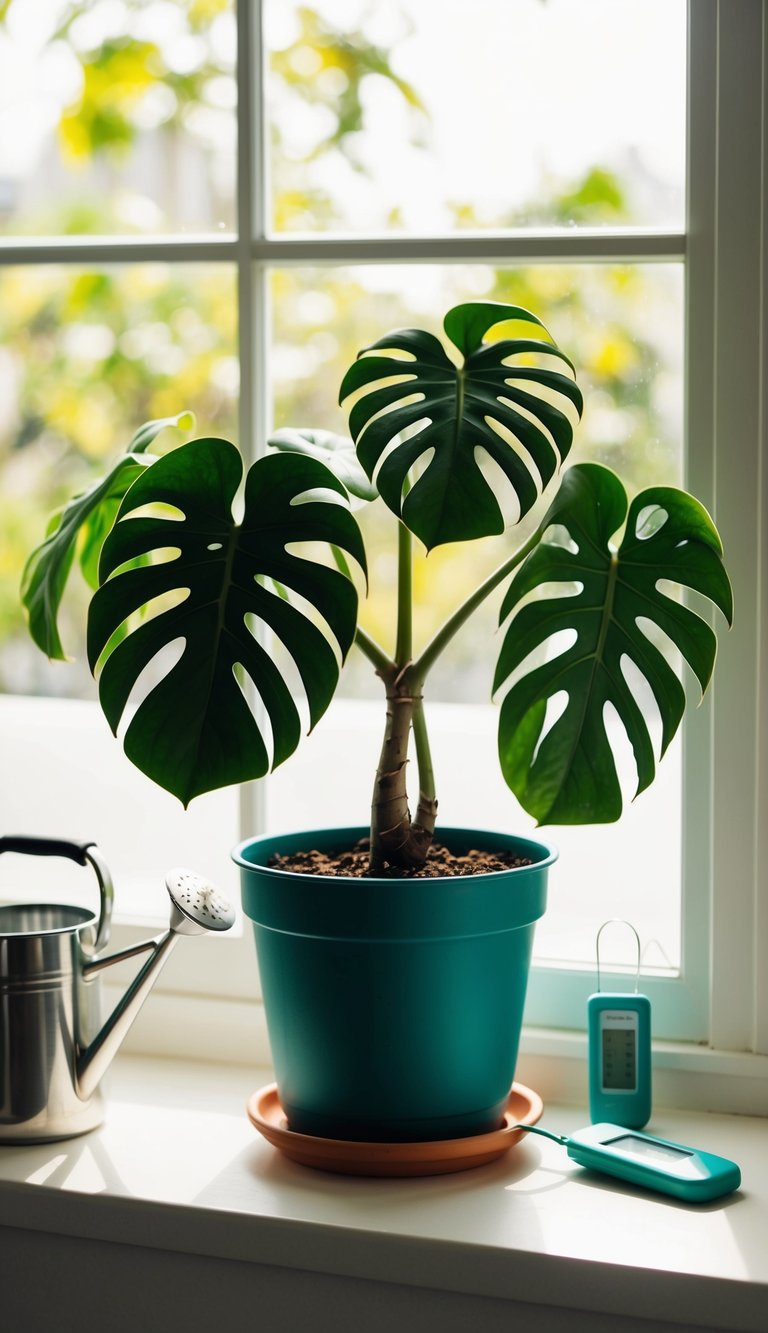
Overwatering is a common problem for Monsteras. When the soil is too wet, it can cause the leaves to curl. This happens because the roots can’t breathe properly.
When roots sit in water, they may start to rot. This damage affects the whole plant, making it weak and unhealthy. Signs of overwatering include yellowing leaves and drooping stems.
To fix this, it’s important to check the soil regularly. If it’s still wet a few inches deep, it’s time to wait before watering again. He or she can also use pots with drainage holes to help excess water escape.
When watering, it’s best to soak the soil thoroughly and then let it dry out before the next watering. This method keeps the plant happy and healthy. Monitoring your watering habits can make a big difference!
Underwatering
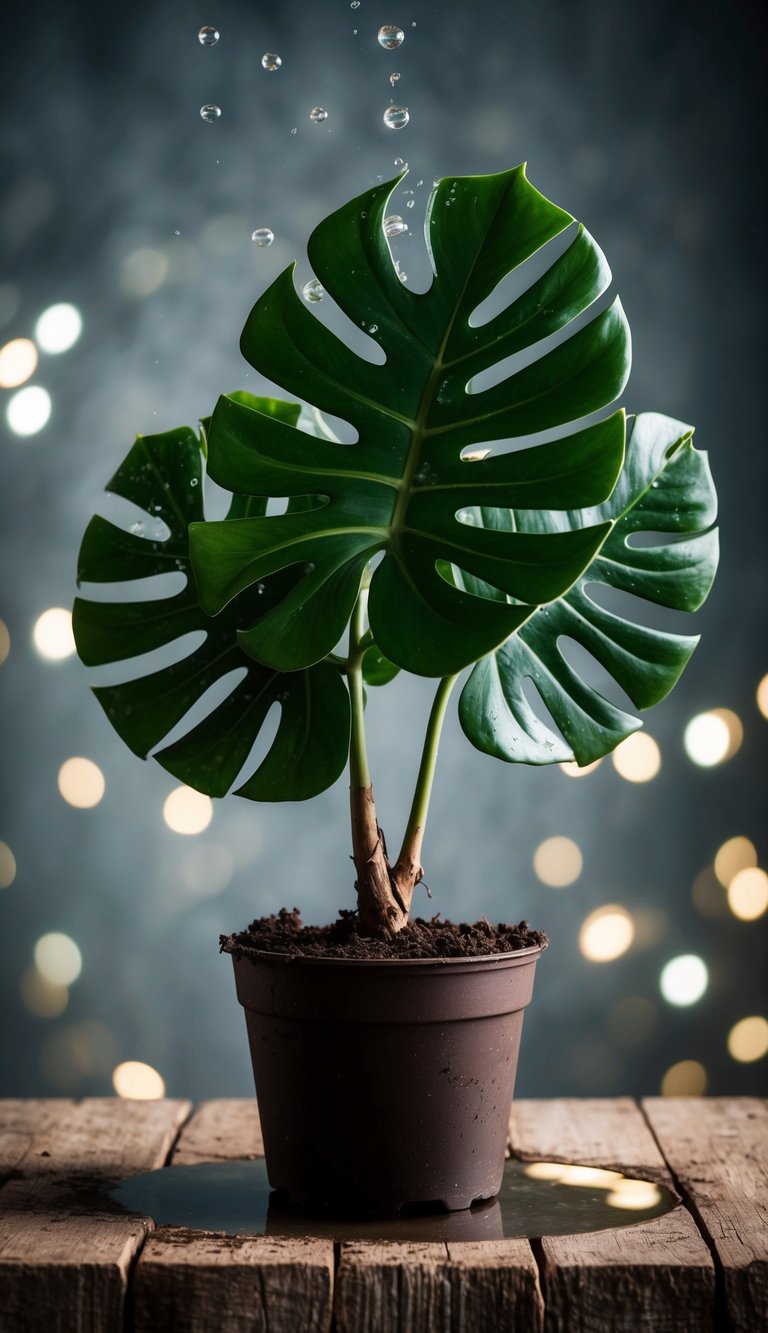
Underwatering can be a big problem for Monstera plants. When they don’t get enough water, their leaves can start to curl. This curling is a sign that the plant is stressed and needs attention.
Monstera plants like moist soil. If the soil dries out completely, it can cause the leaves to lose water. The plant tries to conserve its moisture by curling the edges of the leaves.
To fix this issue, check the soil regularly. A good rule is to water when the top inch feels dry. This helps keep the plant hydrated.
It’s important to soak the soil when watering. Ensure that water seeps out of the drainage holes. This ensures the roots are getting enough moisture.
After a watering, the leaves should start to perk up. New growth may appear healthy and vibrant. Regular attention helps prevent underwatering and keeps the plant happy.
Keeping an eye on your Monstera’s needs can make a big difference!
3) Low Humidity
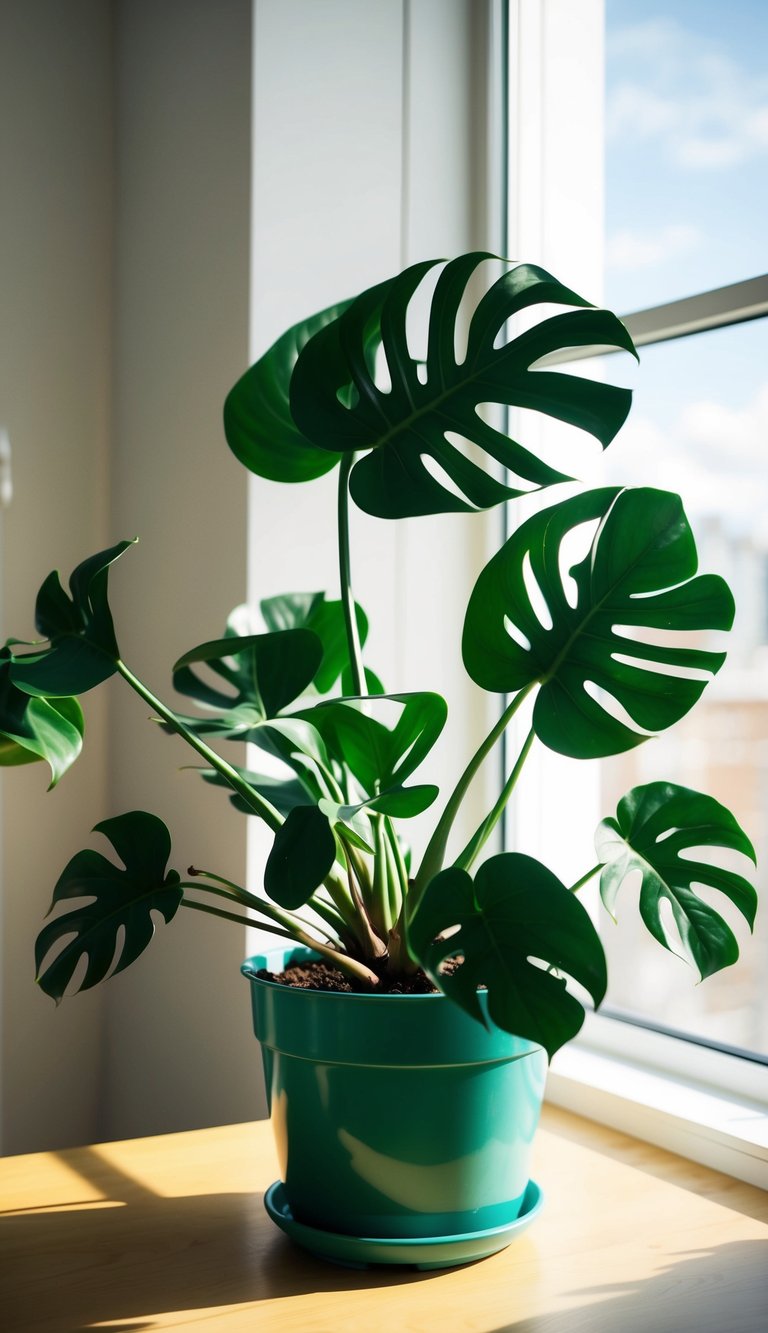
Low humidity can be a common issue for many plant owners. Monstera plants thrive in humid environments, often found in their tropical homes.
When the air is too dry, the leaves may start to curl. This is a sign that the plant is not getting enough moisture from the air.
To fix low humidity, try misting the leaves regularly. This adds moisture and can help the plant feel better.
Another option is to place a humidifier nearby. This will increase the humidity and improve the plant’s health.
Grouping plants together can also help. They create a mini humid environment, benefiting all the plants.
Checking humidity levels is important. Monstera prefers humidity levels between 50% and 60%.
If it gets too dry, the leaves may become crispy and unhealthy. Keeping an eye on humidity is key for a happy Monstera.
High Humidity
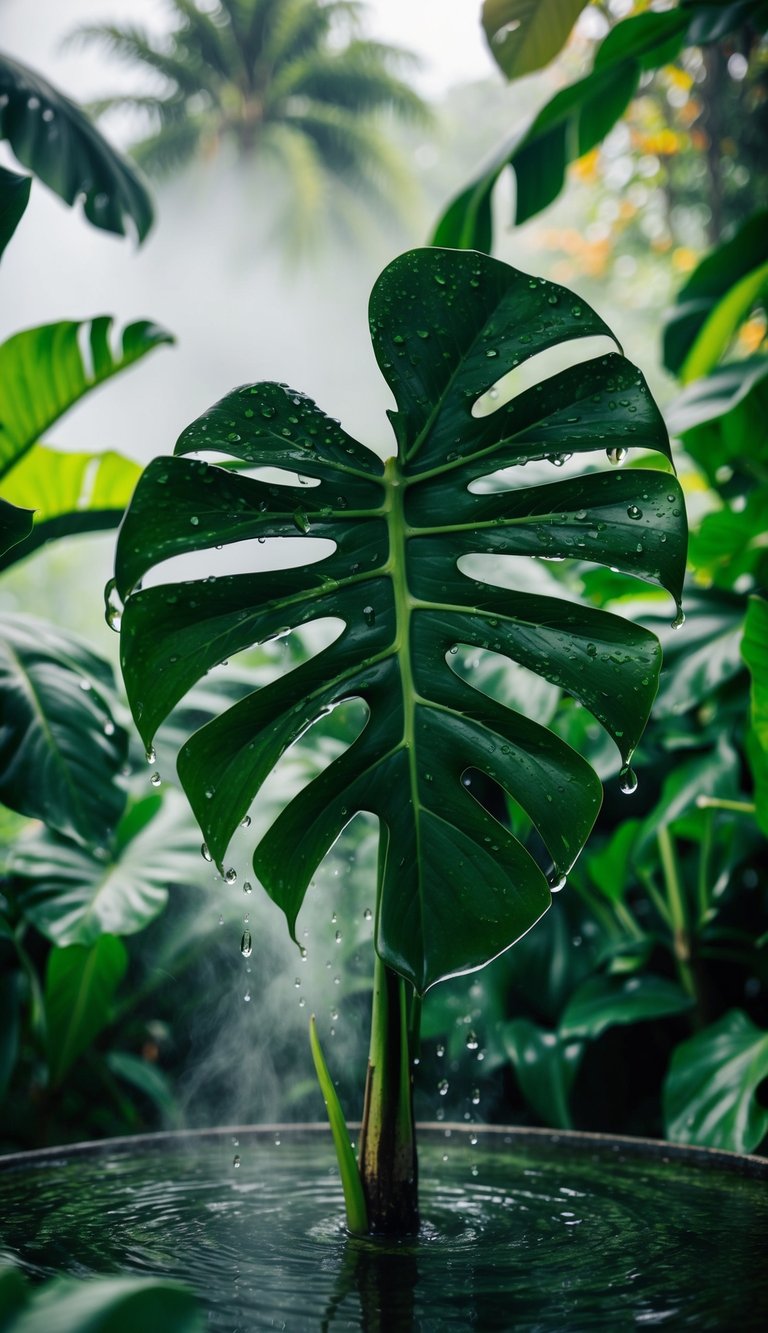
Monstera plants love a humid environment! High humidity can help them thrive and show off their beautiful leaves. When the air is moist, it keeps the leaves from curling.
If the humidity is too low, the leaves may curl as a sign of stress. This happens because the plant loses water faster in dry air. Curling helps it conserve moisture.
To fix this, you can increase humidity around the plant. Placing a humidifier nearby is a great start. Another option is to group the Monstera with other plants. This increases moisture in the air.
Misting the leaves can help, too. Just be careful not to overdo it. Too much water on the leaves can lead to mold or pests.
Some people prefer placing the plant in a tray with water and pebbles. As the water evaporates, it creates humidity around the plant. This simple trick can make a big difference in the health of the Monstera.
Keeping humidity levels around 60% is usually ideal. Regularly check the humidity level in the room. This can help prevent curling and keep the plant looking vibrant. A happy Monstera makes for a happy plant parent!
5) Temperature Stress
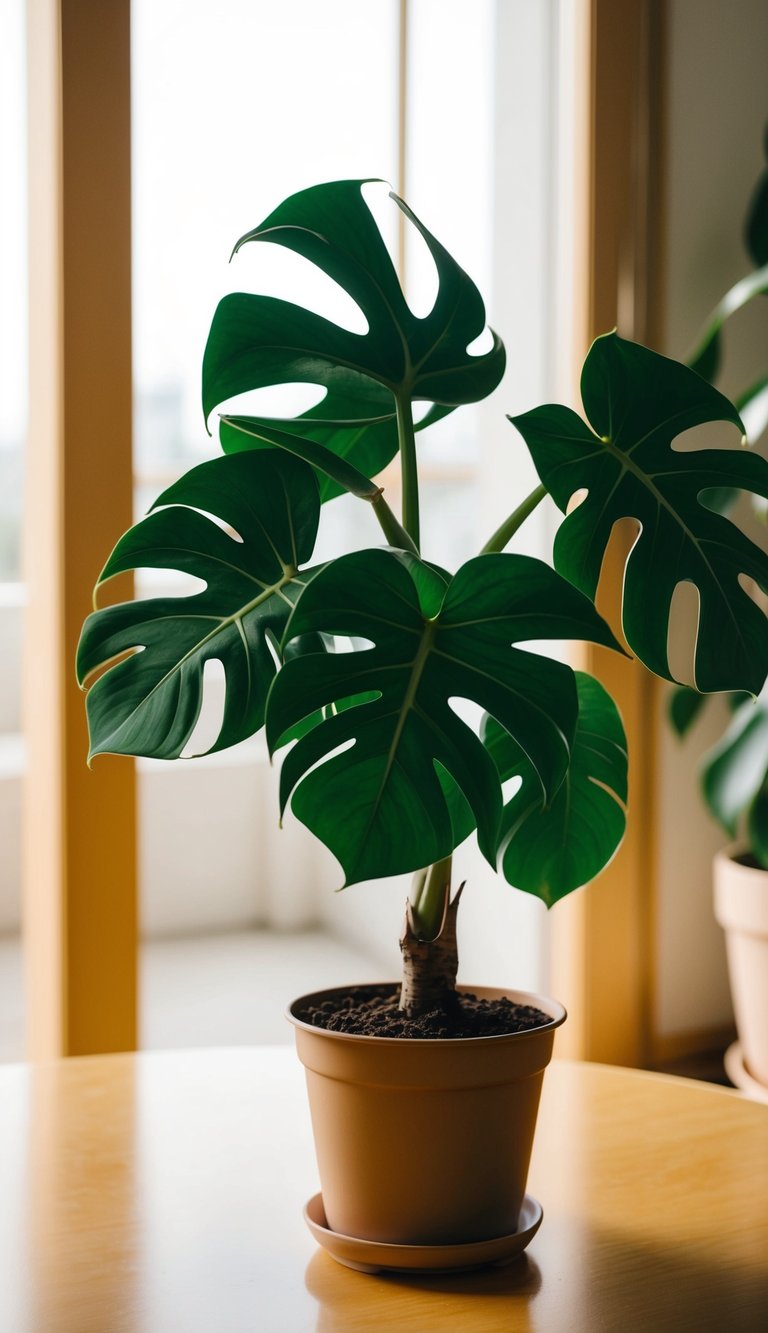
Temperature can greatly affect Monstera leaves. If it’s too hot or cold, the leaves may curl. Plants prefer a stable environment.
When temperatures drop below 60°F (15°C) or rise above 85°F (29°C), it can cause stress. This stress makes the leaves curl as a way to protect themselves.
Checking the surroundings is key. If a Monstera is near a draft or heat source, it might struggle. Moving the plant to a more suitable spot can help.
Maintaining a steady temperature helps the plant thrive. It’s essential for keeping the leaves healthy. A cozy home environment can make a big difference.
Indoor plants love warmth but not extreme heat. They also prefer humidity. So, adjusting heat and moisture levels can improve leaf health.
Monitoring temperature regularly ensures a happy plant. Taking these small steps can lead to great results in plant care. Happy plants mean happy owners!
6) Pest Infestation
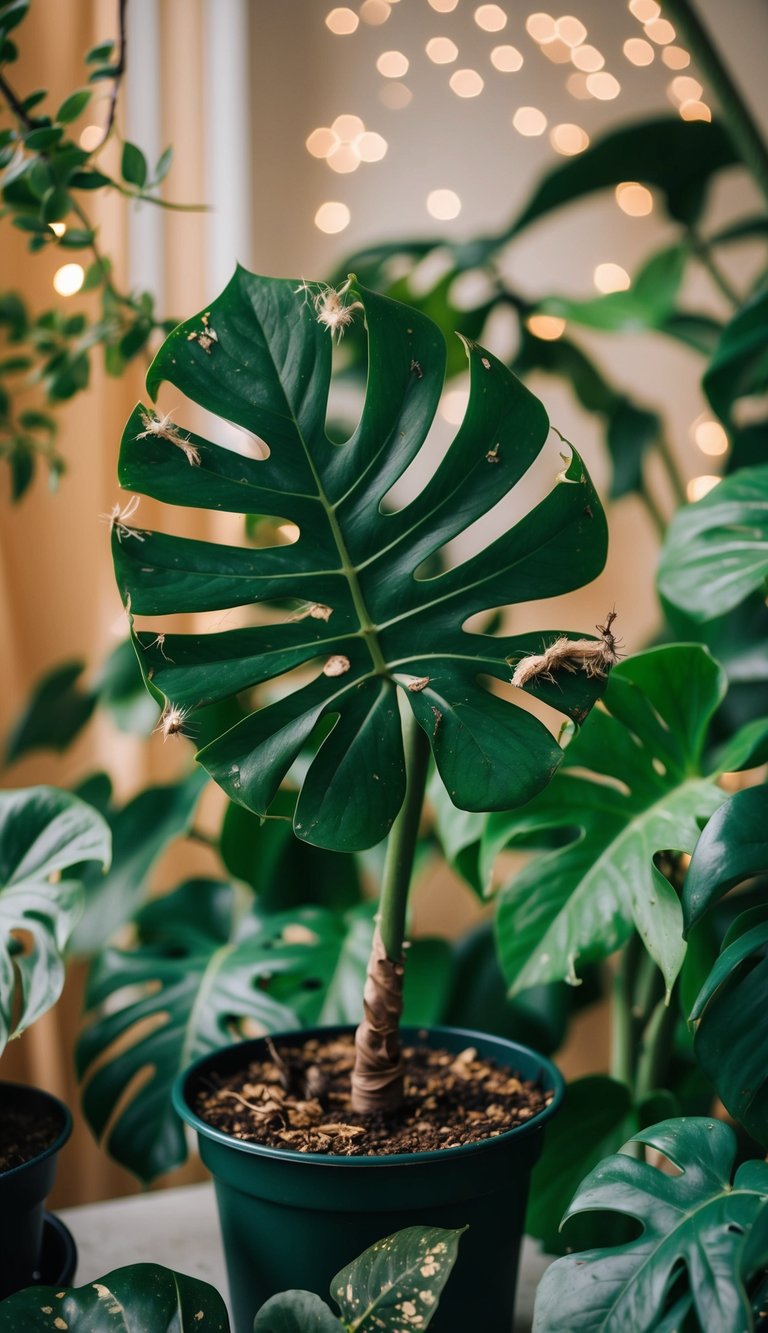
Pests can be a big problem for Monstera plants! Tiny creatures like spider mites, aphids, and mealybugs may invade the leaves. When this happens, the leaves can curl or look damaged.
Spider mites are hard to spot. They are super small and can make web-like structures on the plant. Aphids are slightly bigger and suck the sap from the leaves. Mealybugs look like tiny white cotton balls.
If someone notices curled leaves, checking for pests is essential. They should look closely at the undersides of leaves and along the stems.
If pests are found, there are ways to fix the problem! Washing the plant with water can help get rid of some pests. Using insecticidal soap or neem oil is also effective. These methods can protect the Monstera without harming it.
Regularly inspecting the plant can prevent infestations. Keeping the plant healthy and stress-free will also help. Happy Monstera plants are less likely to attract pests!
7) Nutrient Deficiencies
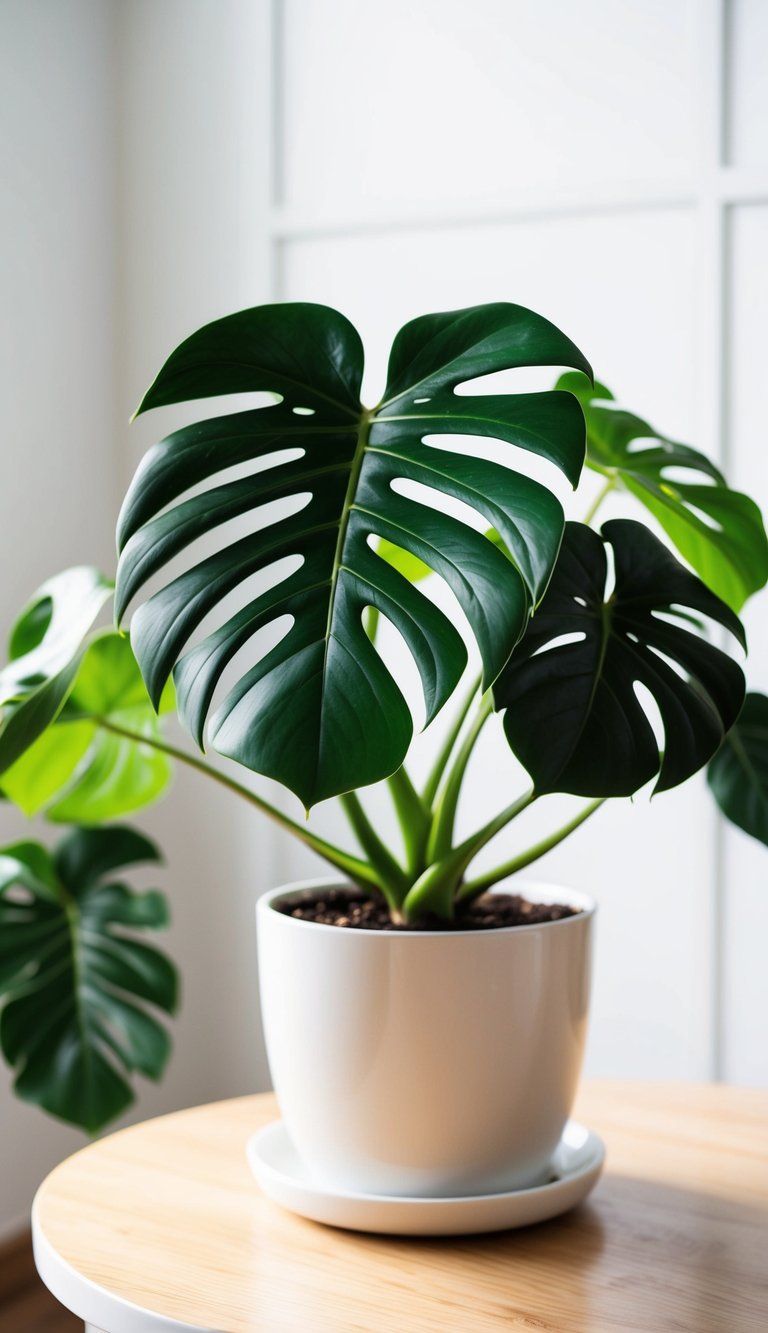
Nutrient deficiencies can be a problem for Monstera plants. When a plant lacks essential nutrients, it can lead to curling leaves. This often happens with nitrogen, potassium, or magnesium shortages.
Nitrogen is essential for healthy leaf growth. Without enough nitrogen, leaves can turn yellow and curl. Potassium helps with overall plant health, while magnesium supports chlorophyll production. A lack of these nutrients can stress the plant.
To fix nutrient deficiencies, regular fertilization is key. Using a balanced fertilizer can provide the necessary nutrients. Liquid fertilizers often work best for Monstera plants since they are easy to use and absorb quickly.
It’s important to follow the instructions on the fertilizer package. Over-fertilizing can harm the plant, so moderation is crucial. Additionally, checking the soil pH can help since it affects nutrient absorption.
Monitoring the plant’s leaves can provide clues. If they start curling, it may be time to evaluate nutrient levels. Catching deficiencies early can prevent further issues and keep the Monstera thriving.
8) Inconsistent Care
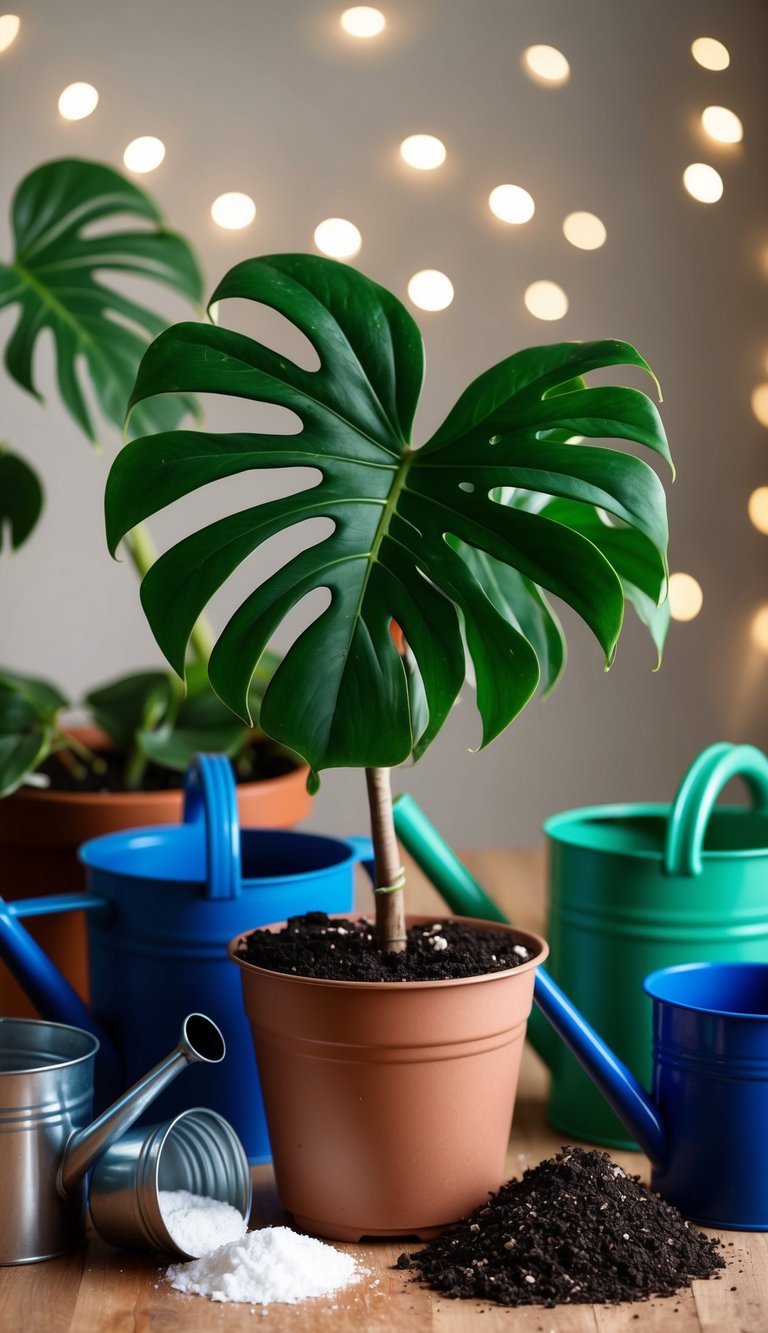
Inconsistent care can cause Monstera leaves to curl. Plants thrive on routine. If their needs change too often, they can show they are unhappy.
Lighting is one area where consistency matters. Moving a Monstera around too much can lead to stress. It prefers stable light conditions.
Watering is another important part of care. If it receives water at random times, it can become confused. Regular watering schedules help keep it healthy.
Fertilizing should also be done consistently. If it gets fed too much or too little, this can affect its growth. It is best to follow a regular feeding plan specific to the plant’s needs.
Temperature is crucial too. Monstera likes warm spots. Sudden temperature changes can make it uncomfortable and lead to curling.
Humidity levels play a role as well. They enjoy slightly humid conditions. If the air is too dry or too damp, it can cause problems.
By providing steady care, a Monstera can flourish. Keeping a routine helps prevent curling leaves and promotes healthy growth. Attention to detail can make a huge difference in its happiness!
9) Improper Light Exposure
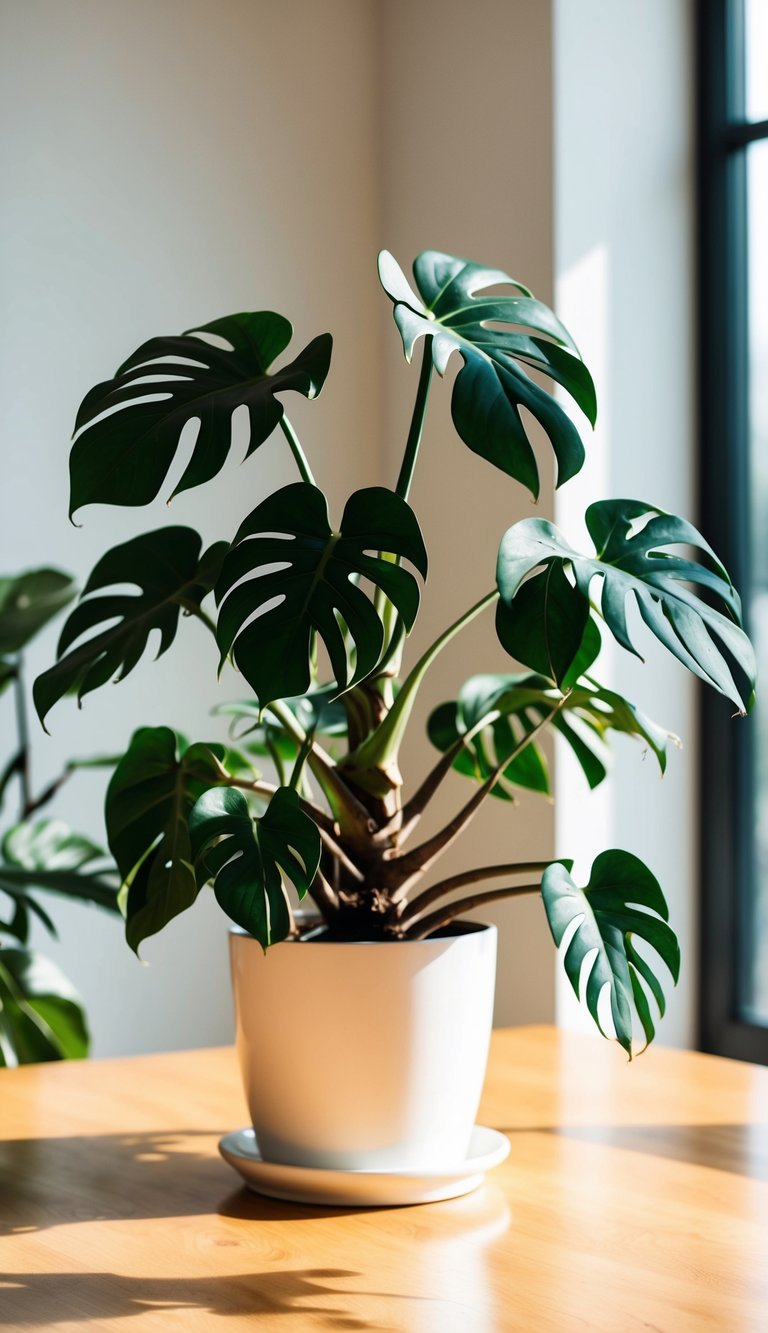
Improper light exposure can cause Monstera leaves to curl. These plants love bright, indirect light. When they don’t get enough light, their leaves may start to twist and bend.
Too much direct sunlight can lead to problems as well. The leaves can scorch, which causes them to curl and turn brown. It’s essential to find a balance for optimal growth.
If a Monstera is in a dark spot, moving it to a brighter area can help. She can also rotate the plant occasionally to ensure all sides get some light.
Using sheer curtains can filter harsh sunlight while still providing brightness. This way, the leaves stay healthy and happy!
Checking the light conditions regularly is key. With the right light, those beautiful Monsteras can thrive and show off their striking leaves.
10) Root Bound
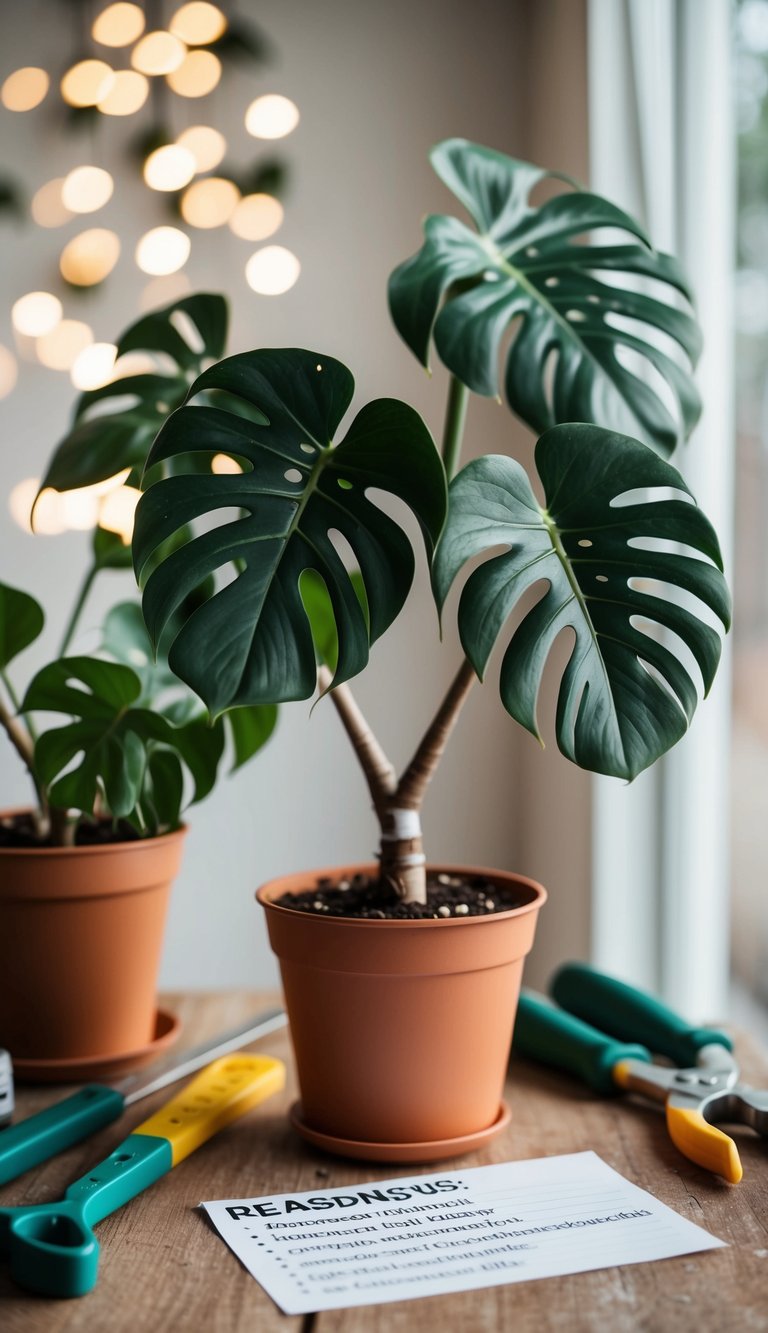
When a Monstera is root bound, it means its roots have taken up all the space in the pot. This can cause the leaves to curl.
Roots that are too crowded can’t get enough water or nutrients. As a result, the plant shows signs of stress. This can be alarming for any plant lover!
A visible sign of a root-bound Monstera is a mat of roots at the bottom of the pot. The growth might slow down, and the leaves may not look as healthy.
To fix this issue, it’s important to repot the plant. Choosing a pot that is a few inches wider allows the roots to spread out.
When repotting, shake off excess soil to check the roots. If they seem tangled or in bad shape, it helps to trim them a little.
After repotting, give the plant some time to adjust to its new home. With proper care and space, the leaves should start to look better!
11) Drafts or Sudden Changes

Monstera plants are sensitive to their environment. Drafts from windows or doors can cause their leaves to curl. These plants prefer stable conditions.
Sudden changes in temperature or humidity can also lead to problems. If a Monstera is moved to a colder area, it might react by curling its leaves. This is its way of showing stress.
Keeping the plant in a consistent spot helps it thrive. It’s important to avoid placing it near air vents or frequently opened windows. Monstera loves warm, humid environments, and sudden shifts can harm its health.
She could also create a more protected area with a humidity tray or room humidifier. This way, the plant can stay moist and happy, preventing curling.
Checking for drafts can make a big difference in how a Monstera behaves. They thrive best in cozy spaces where they won’t be bothered by sudden chills or dry air. A stable environment allows them to grow big, beautiful leaves!
Understanding Monstera Leaf Curl
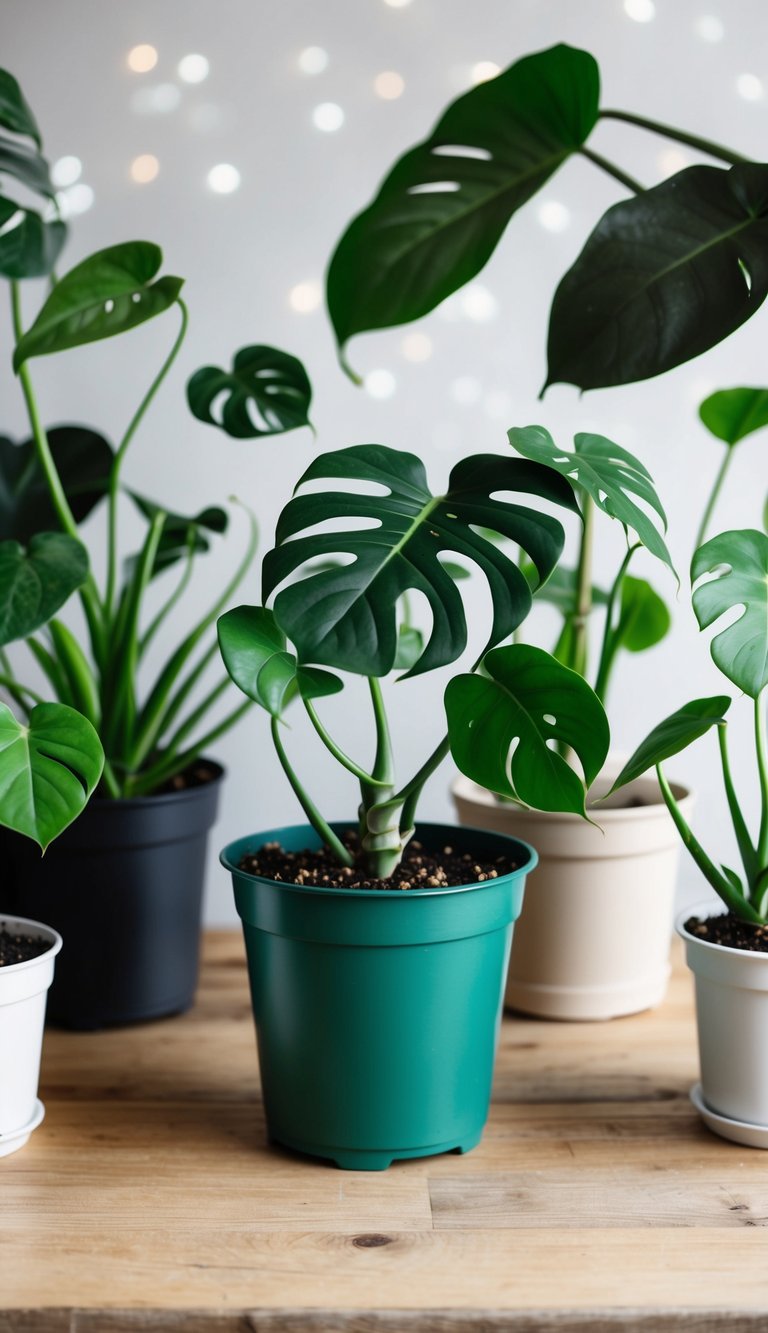
Monstera leaf curl can signal various issues, from natural growth patterns to environmental stress. Identifying the cause is crucial for keeping these plants healthy and strong.
Natural Behavior vs. Potential Problems
Monstera plants are known for their large, vibrant leaves. Leaf curl can sometimes be a normal part of their growth. As new leaves unfurl, they may curl until they fully open. This behavior is common and usually nothing to worry about.
On the other hand, curling can indicate problems. Environmental factors, like inconsistent watering or extreme temperatures, can cause distress. When the plant cannot absorb enough water, the leaves may curl as a protective measure. Be sure to observe any changes carefully to distinguish between natural behavior and signs of trouble.
Common Signs and Symptoms
Identifying leaf curl early is important. Curling can occur in various forms, such as:
- Downward Curl: This usually suggests overwatering. The leaves turn downward and may appear droopy.
- Upward Curl: This may indicate underwatering or excessive heat. The tips of the leaves curl upward and look dry.
- Yellowing Leaves: Yellowing can accompany curling and indicates nutrient deficiencies or poor soil conditions.
Plants showing these signs need immediate attention. Analyzing the growing conditions can help in finding the right solution. Proper moisture, fertilizer, and light levels can revive your Monstera and restore its beautiful leaves.
Environmental Factors Affecting Monstera Health
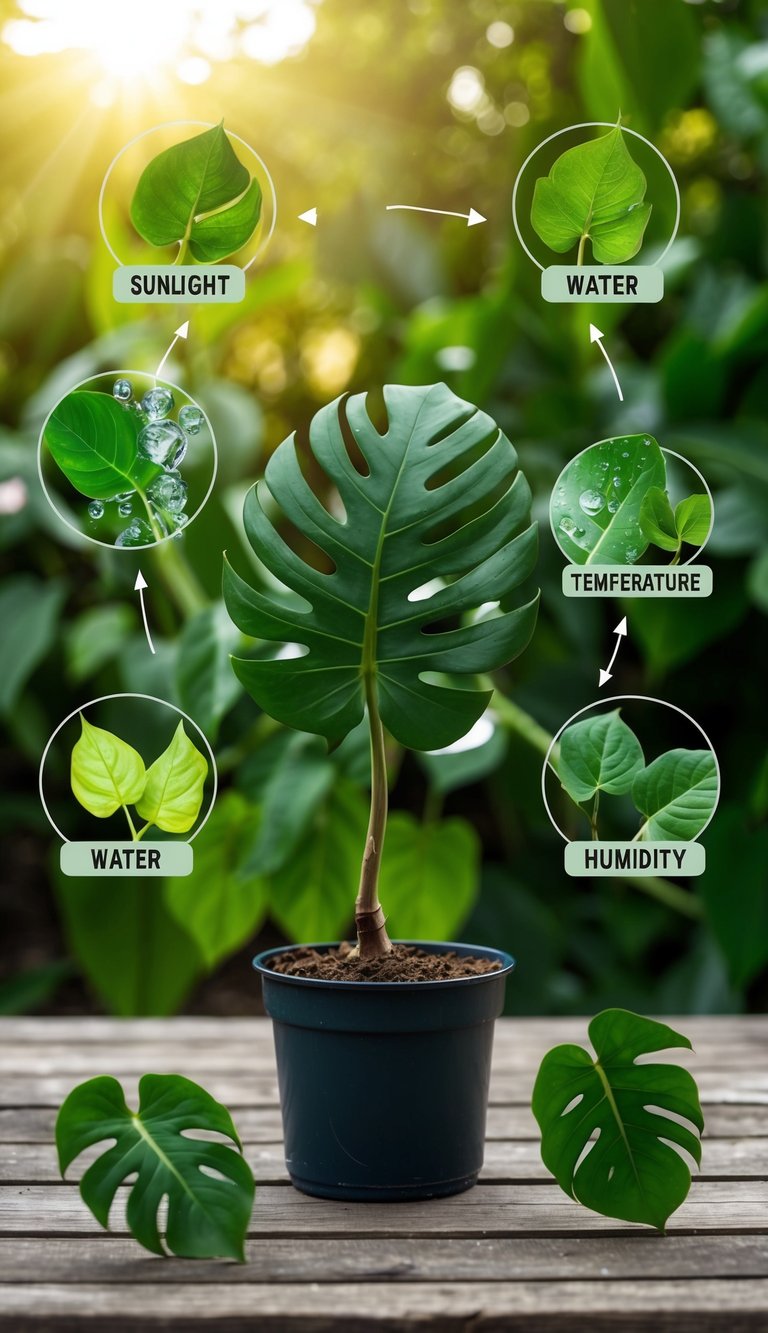
Environmental factors are key to keeping a Monstera healthy. Two major influences are temperature and humidity, along with light requirements. Understanding these elements is essential for vibrant, strong leaves.
Temperature and Humidity
Monstera plants thrive in warm temperatures. They prefer a range of 65°F to 85°F (18°C to 29°C). If temperatures drop below 50°F (10°C), it can stress the plant, leading to curling leaves.
Humidity levels also play a significant role. Monstera enjoys a humidity level of 40% to 60%. Low humidity can cause leaf edges to brown and curl. Mist the leaves regularly or use a humidity tray to help increase moisture in the air.
Signs of humidity stress include wilting and dry spots. If the air is too dry, consider placing a humidifier nearby. Adjusting temperature and humidity can lead to fuller, healthier leaves.
Light Requirements
Monstera plants flourish in bright, indirect sunlight. Too much direct light can scorch their leaves, causing damage. Aim for light that is bright but filtered.
In low-light conditions, the plant may grow slowly or show signs of stress. If leaves begin to curl, it could indicate insufficient light. Rotating the plant can help ensure even light distribution.
Using grow lights can also assist in providing the right conditions. It’s essential to monitor light exposure. Proper light conditions will help maintain strong and beautiful leaves.
Proper Care to Prevent Curling
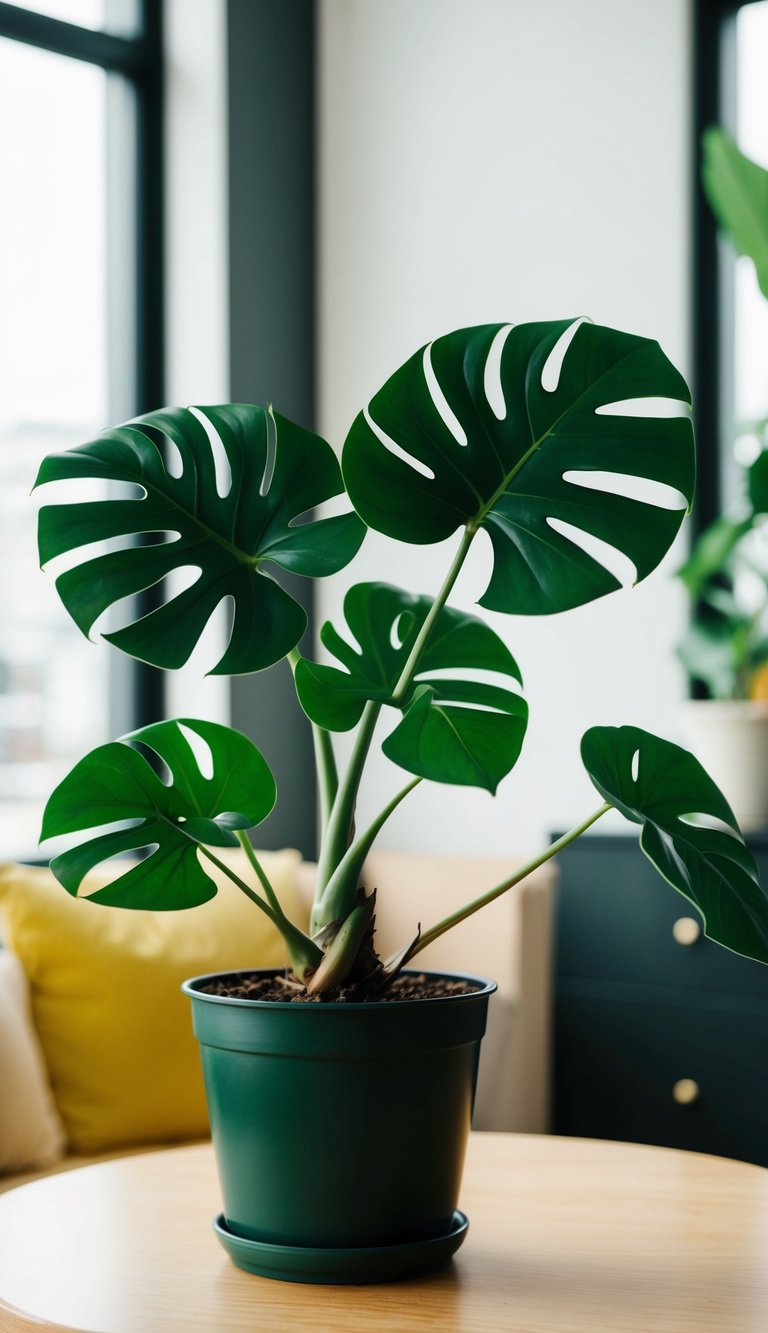
Taking good care of a Monstera plant can keep its leaves healthy and prevent curling. Key areas to focus on include watering, using the right soil mix, and managing nutrients effectively. Here’s how to ensure the best care for this popular houseplant.
Watering Techniques
Watering is crucial for keeping Monstera leaves healthy. They thrive in moisture but do not like to sit in water. A good rule is to check the top inch of the soil. If it feels dry, it’s time to water!
To avoid overwatering, use a pot with drainage holes. This allows excess water to escape. When watering, do so thoroughly, letting water flow out of the bottom.
Tip: Consider using room temperature water. Cold water can shock the roots, leading to curling leaves.
Soil and Potting Mix
The right soil is vital for a happy Monstera. A well-draining potting mix helps reduce the risk of root rot, which can cause leaves to curl.
A mix of peat, pine bark, and perlite works great! This blend retains moisture but also drains excess water. When repotting, choose a pot that is 1-2 inches larger than the current one to give roots room to grow.
Warning: Avoid using heavy garden soil. It can retain too much water, harming the plant.
Nutrient Management
Nutrient supply is important for plant health. Monsteras benefit from balanced fertilizers during the growing season, typically spring and summer. A balanced formula with equal parts nitrogen, phosphorus, and potassium is ideal.
Fertilize every 4-6 weeks but avoid over-fertilizing. Too much can lead to nutrient burn, causing leaf curling.
Reminder: During the fall and winter, reduce fertilization as the plant’s growth slows. This helps the plant focus on maintaining its existing leaves.