Many plant lovers adore their Monstera for its unique look and easy care. When a Monstera isn’t thriving, it can be frustrating and confusing for its owner. Understanding the reasons behind its struggles can help gardeners nurture their plant back to health.
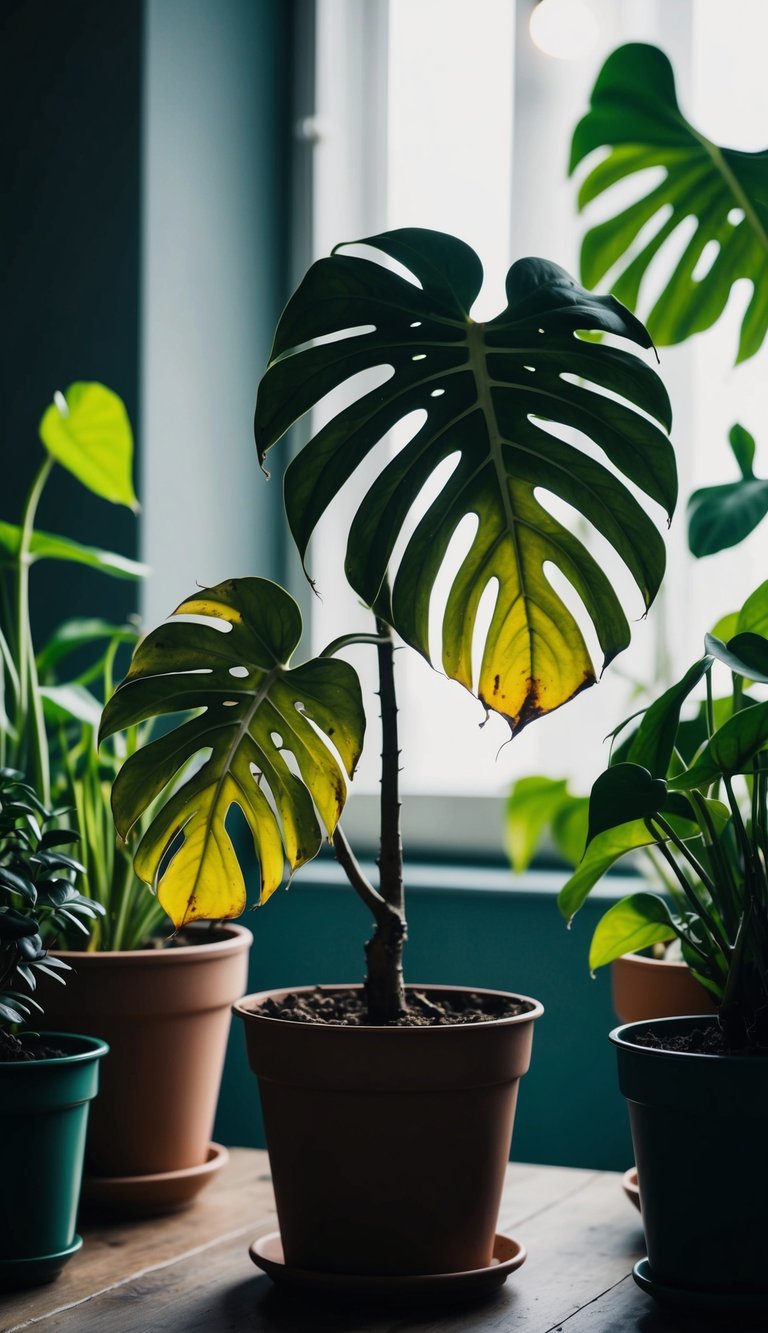
In this article, readers will discover 11 common issues that can affect the growth and health of their Monstera. By exploring these reasons, plant owners can better identify what their plants need to flourish.
1) Inconsistent Watering Routine
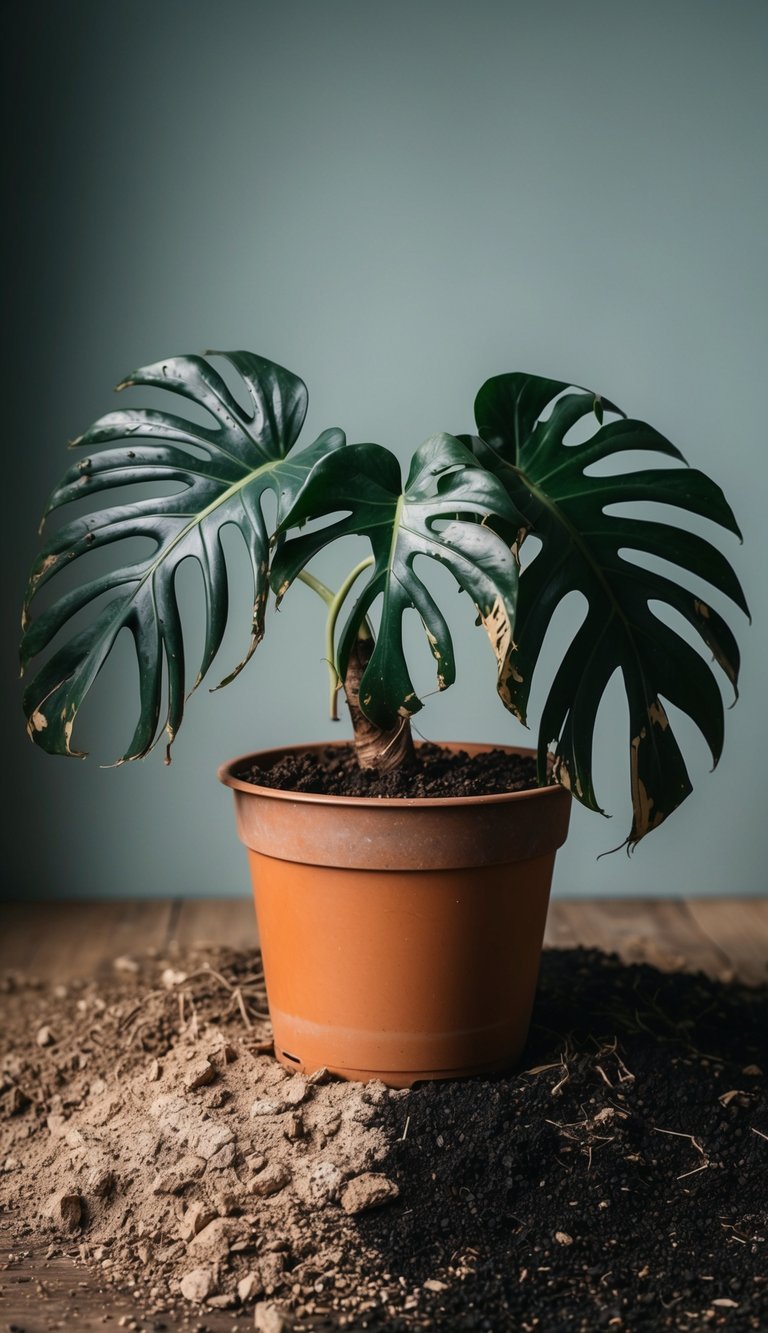
Many plant owners struggle with finding the right watering schedule for their Monstera. This can lead to problems for the plant.
Monsteras prefer a consistent level of moisture in their soil. If they get too much water, their roots can rot. If they don’t get enough, the leaves may turn yellow and droop.
It’s essential to check the soil regularly. If the top inch feels dry, it’s time to water. If it feels moist, waiting is best.
Temperature and humidity affect how often to water. In warmer months, a Monstera may need more frequent watering. During cooler months, it may need less.
Using a pot with drainage holes is important. This helps prevent sitting water, keeping roots healthy.
Creating a watering schedule can make a big difference. A simple reminder on a phone or calendar can help keep track.
Staying mindful of changes in the plant’s appearance is also key. If the leaves are fading, it may signal an issue with watering.
By keeping a consistent watering routine, she can help her Monstera thrive. It leads to healthier growth and vibrant foliage!
2) Lack of Humidity
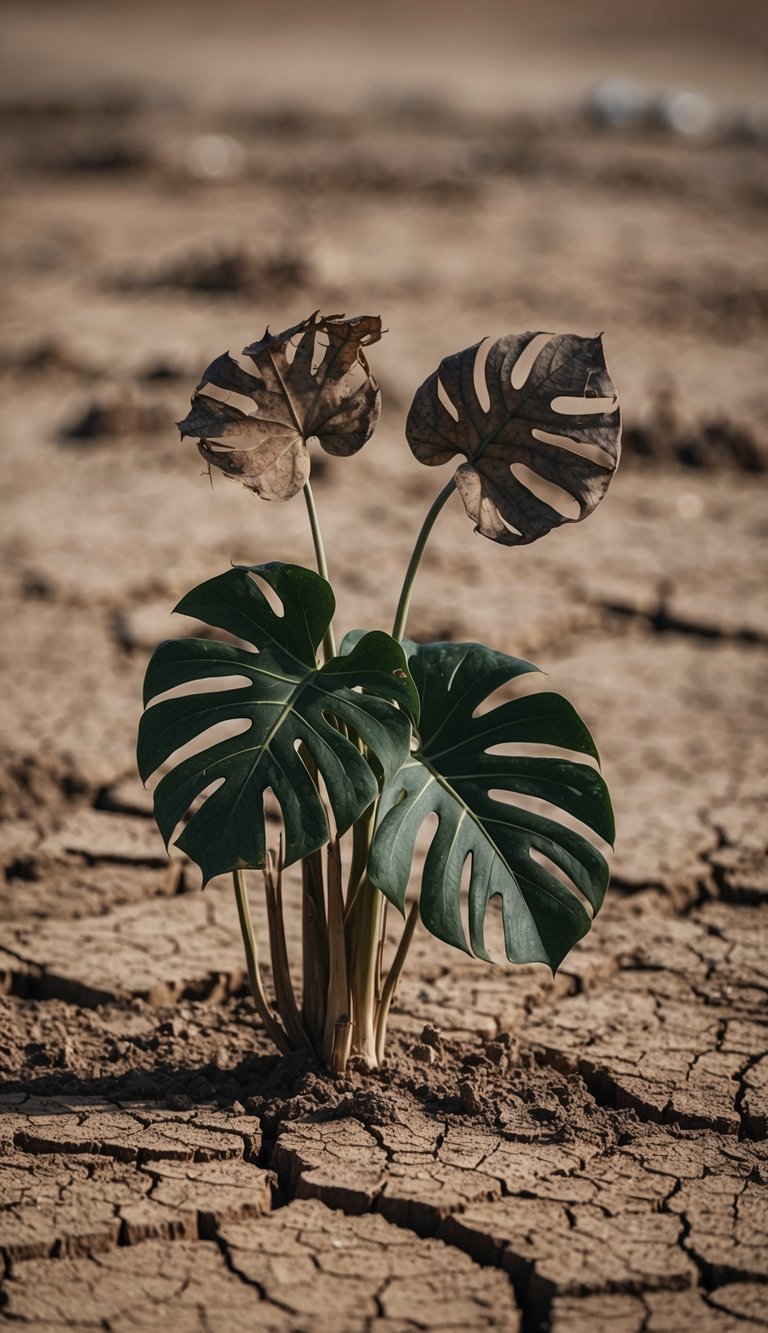
Monstera plants love humidity! They thrive in a moist environment, just like their native tropical homes. A lack of humidity can make them unhappy and cause problems.
When the air is too dry, the leaves may turn brown at the edges. This is a big sign that the plant needs more moisture in the air. It may also slow down new leaf growth.
To boost humidity, people can use a humidifier. This device adds moisture to the air and can be a game-changer for Monstera health. Grouping plants together can also help. They create a mini-humid environment by releasing moisture.
Another trick is to put the plant on a tray of water with stones. The water evaporates, raising the humidity around the plant. Just make sure the roots are not sitting in the water.
Misting the leaves can give a quick boost in humidity as well. It’s a simple way to keep the plant feeling fresh. Regularly checking the humidity levels helps know when to take action.
Making these changes will help the Monstera feel more at home. It can lead to lush, green leaves and strong growth. Keeping the humidity just right makes a big difference!
3) Poor Drainage
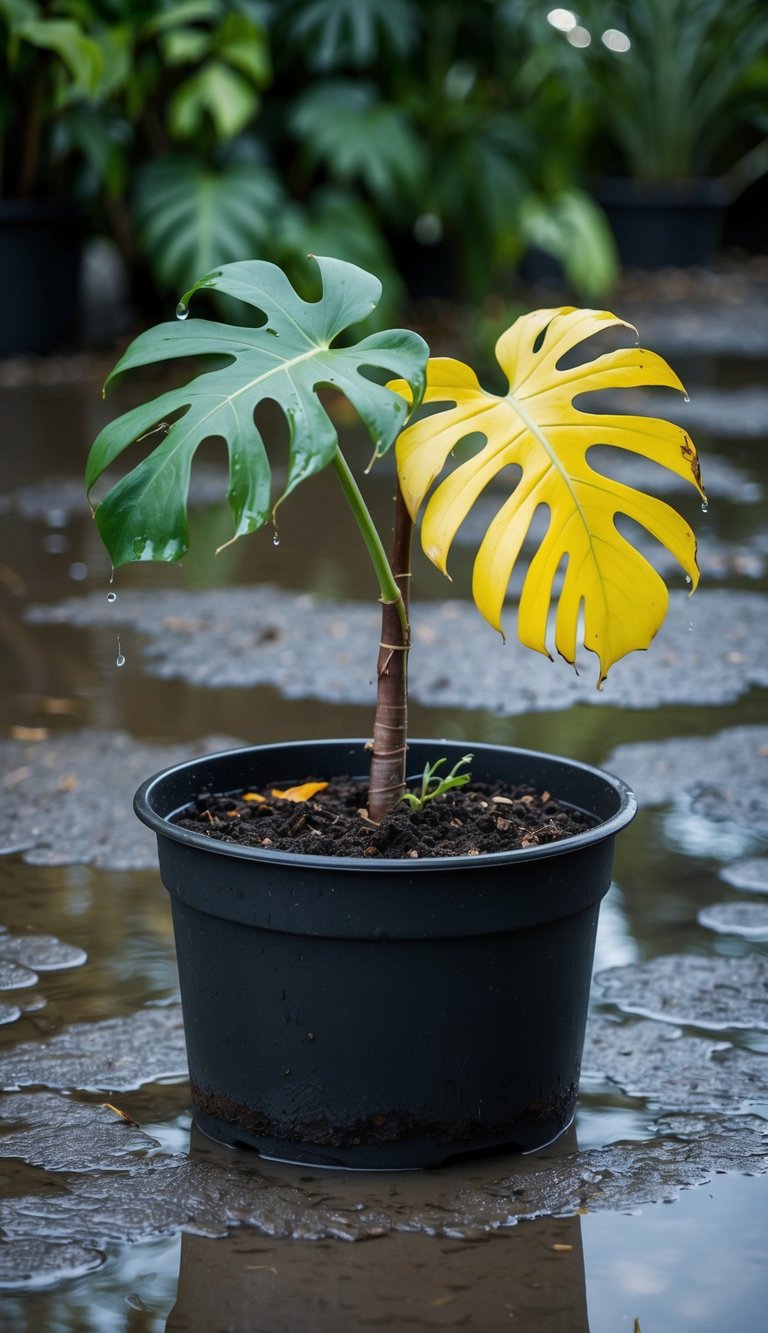
Poor drainage can hurt a Monstera’s health. If water builds up in the pot, it can lead to root rot. This condition makes it hard for the plant to absorb nutrients.
Monstera plants need soil that drains well. A pot with drainage holes is important. Without proper drainage, excess water will stay in the bottom.
Using the right soil mix helps too. A blend of potting soil, perlite, and orchid bark can work wonders. This combination allows air to reach the roots and helps water flow through.
Checking the pot regularly is a good idea. If it feels heavy or too damp, the plant might be sitting in water. Moving it to a drier spot can make a big difference.
It’s key to avoid overwatering as well. Giving the plant a good drink is great, but too much water can be harmful. Allow the soil to dry out between waterings for better results.
By ensuring good drainage, the Monstera can grow strong and healthy. Healthy roots lead to beautiful leaves and more joy for plant lovers.
4) Insufficient Light
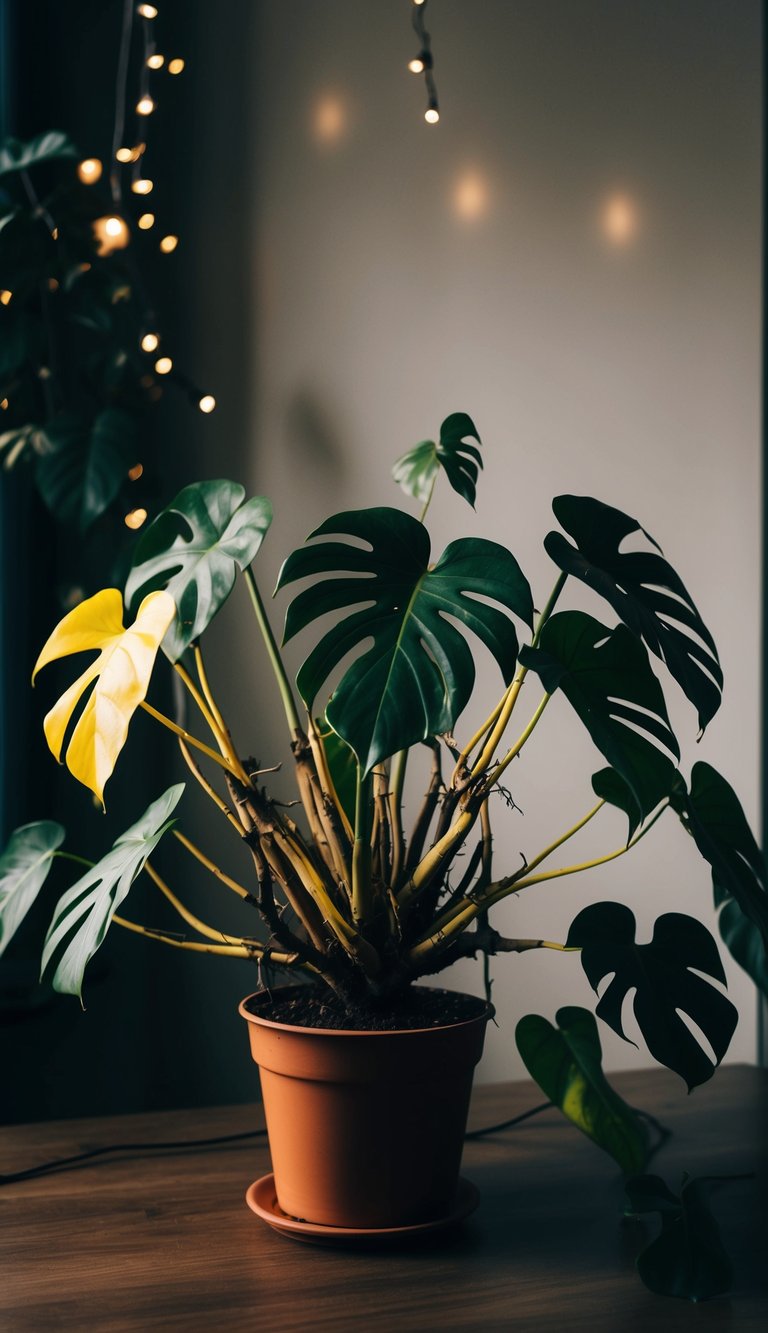
Monstera plants love bright, indirect light. When they don’t get enough light, their growth can slow down. Leaves may become small and slow to develop.
If a Monstera is in a dark corner, it struggles. It might show signs like yellowing leaves. This indicates the plant is not happy!
Moving the plant closer to a window can help. The right light encourages healthy, vibrant growth. A little extra sunlight can make a big difference.
For indoor settings, east or west-facing windows are great options. These allow bright light without harsh conditions. However, avoid direct sunlight for long periods to prevent leaf burn.
Use sheer curtains to filter the light if needed. This way, the plant receives enough energy without damage. It’s a perfect balance for thriving growth!
If changing the location is not possible, consider using grow lights. These can provide the needed brightness. It’s an easy fix for Monstera care.
With the right light, a Monstera can shine bright and show off its beautiful leaves! Happy plants bring joy to any space.
5) Nutrient Deficiency
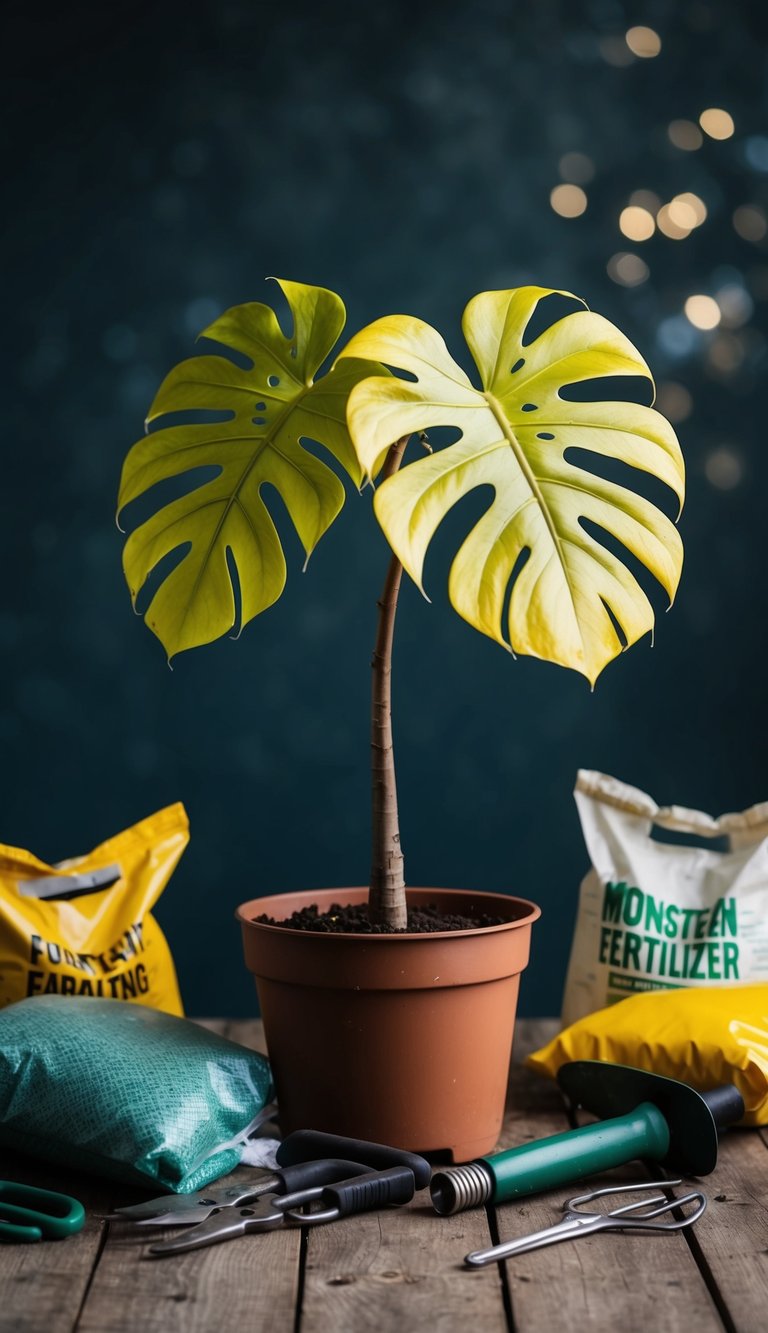
A Monstera needs the right nutrients to grow strong and healthy. Without them, it may struggle and show signs of stress.
Yellowing leaves can be a clear indicator of nutrient deficiency. This often happens when the plant lacks nitrogen, iron, or magnesium.
Another sign is slow growth. If the Monstera isn’t getting enough nutrients, it can become stunted. This means it won’t grow as much as expected.
Checking the soil is key. Poor soil quality can lead to a lack of nutrients. Adding a balanced fertilizer can help boost nutrient levels.
It’s also important to follow the right feeding schedule. During the growing season, a good fertilizer every few weeks can make a big difference.
When fertilizing, the type of fertilizer matters, too. Liquid fertilizers often work well. They’re easy to apply and can be quickly absorbed by the plant.
Keep an eye on the leaves. If they start to look pale or deformed, it could point to nutrient issues. Taking action early can help restore vibrant health to the Monstera.
Incorporating compost can also enhance soil quality. It provides essential nutrients and improves overall plant health. With proper care, the Monstera can thrive and surprise you with its beauty!
6) Incorrect Pot Size
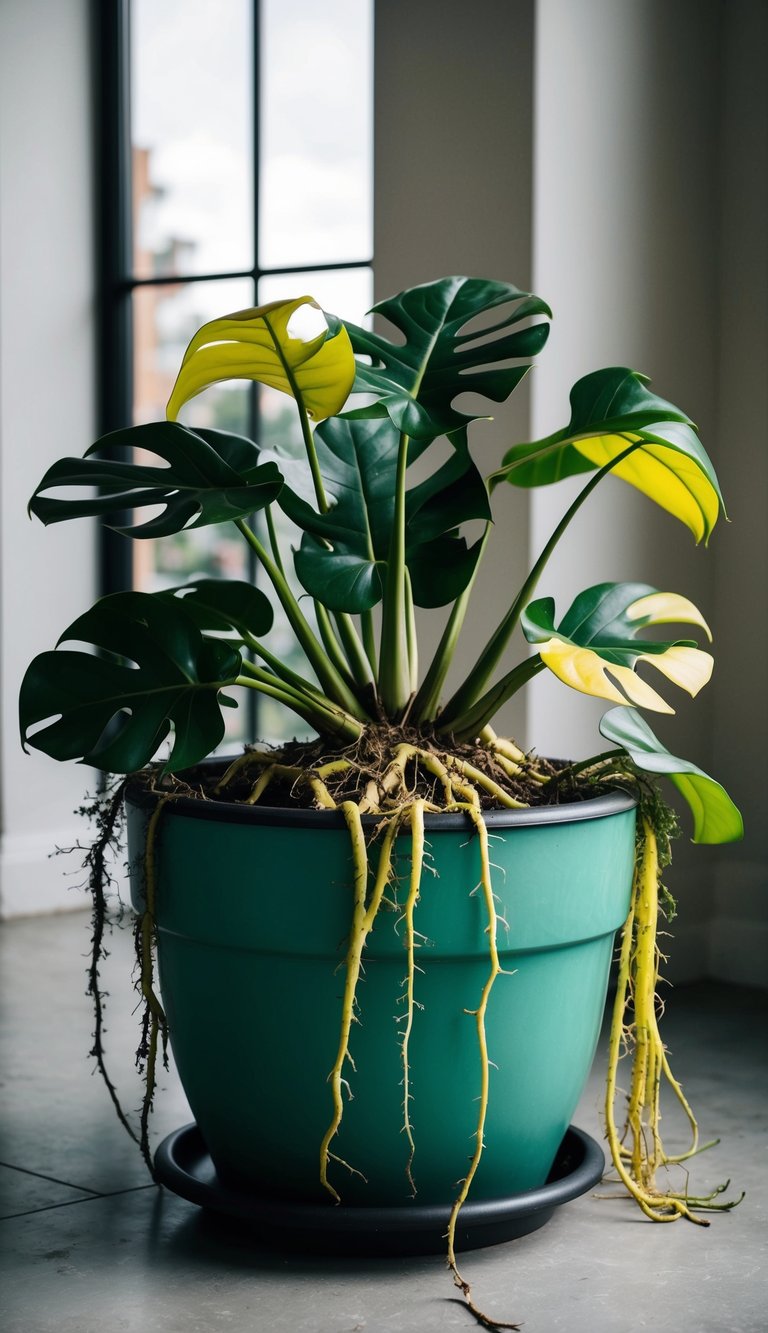
Choosing the right pot size is crucial for a Monstera to thrive. If the pot is too small, the roots won’t have enough space to grow. This can stunt the plant’s development and cause droopy leaves.
On the other hand, a pot that’s too large can hold too much moisture. This leads to root rot, which is a common problem for Monsteras. They prefer to dry out a bit between waterings.
She needs a pot that allows her roots to breathe and grow. A general rule is to select a pot that is one size larger than the current one when repotting. This helps provide just the right amount of room.
It’s also important to use a pot with drainage holes. These holes let excess water escape, preventing water from building up at the bottom. Good drainage is key to keeping the roots healthy.
Regularly check if it’s time to move the Monstera to a new pot. If roots are poking out from the drainage holes, it’s time for a change. With the right pot size, she’s sure to flourish!
7) Temperature Fluctuations
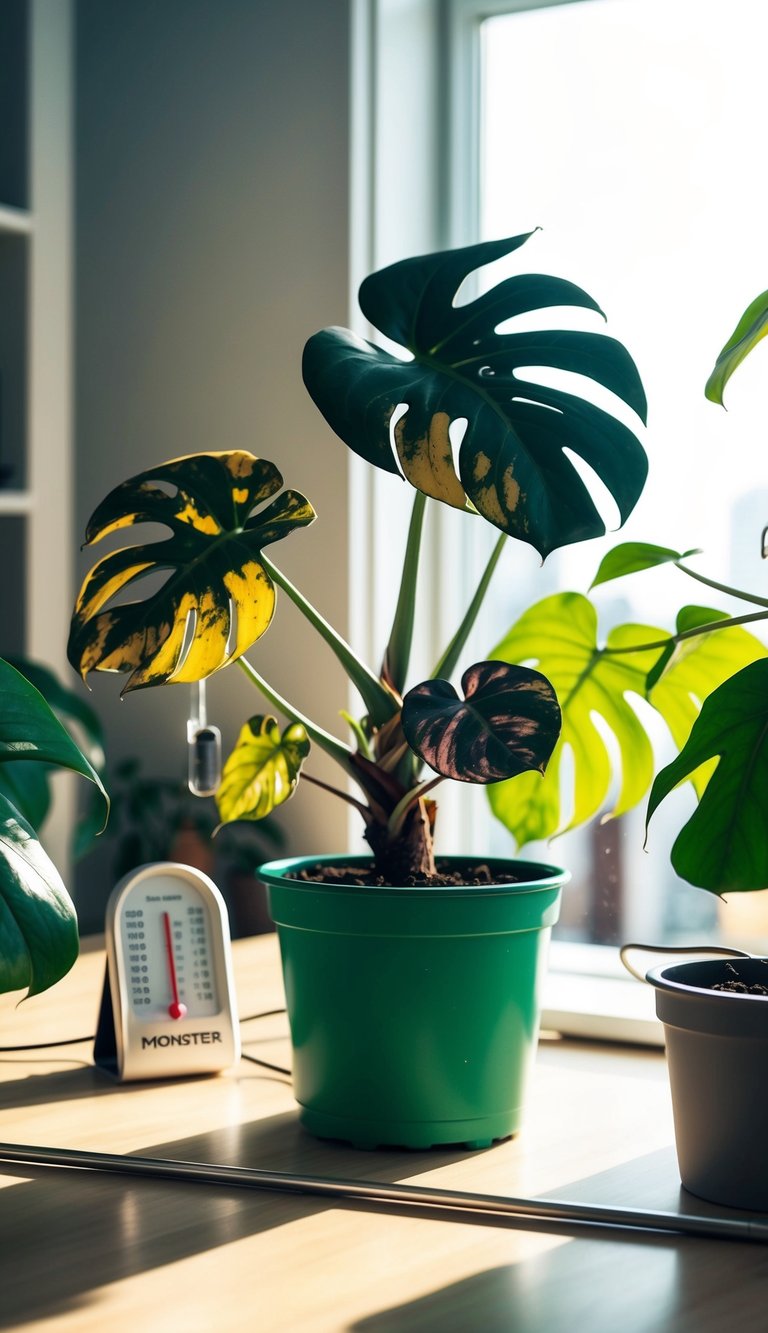
Temperature changes can really affect a Monstera’s health. They like warm and stable environments. Sudden drops or rises in temperature can stress the plant.
If it gets too cold, the leaves may turn yellow. A Monstera prefers temperatures between 65°F and 85°F. Anything outside this range can cause problems.
Positioning is important. If the plant is near a drafty window or an air vent, it might experience temperature swings. This can lead to weak growth and unwanted leaf drop.
During winter, make sure it is away from chilly drafts. In summer, avoid placing it too close to heaters or direct hot air. Keeping a steady temperature will help the Monstera thrive.
If the temperature changes often, it could affect how much water the plant needs. Fluctuations can lead to overwatering or underwatering. Monitoring these changes will help keep the plant happy.
Creating a stable environment makes a big difference. The Monstera will grow better and look lush. A cozy spot can lead to healthy leaves and strong growth, so pay attention to temperature!
8) Pest Infestation
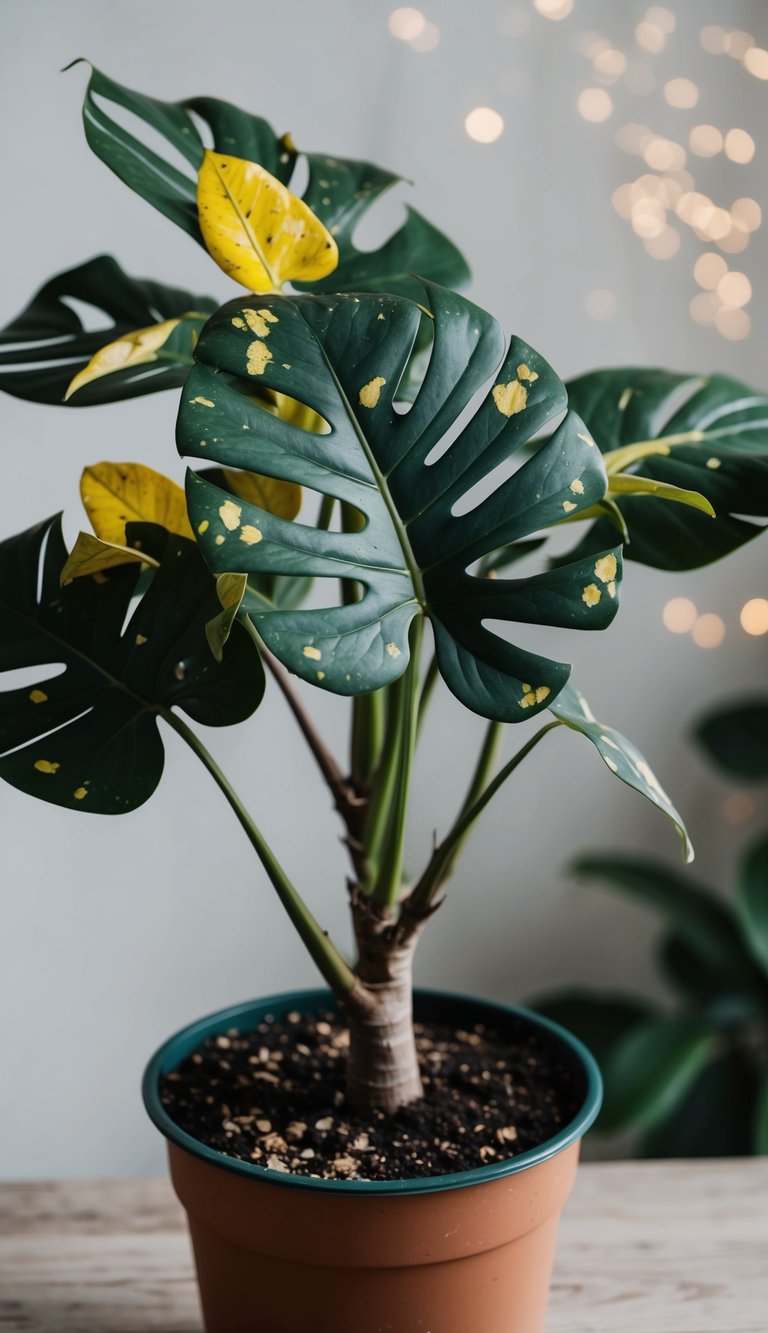
Pests can be a hidden enemy for a Monstera plant. They may go unnoticed at first but can cause serious damage. Common pests include spider mites, mealybugs, and aphids.
These pests suck sap from the leaves, leading to yellowing and wilting. If not addressed, they can weaken the plant and stunt its growth. Regularly checking the leaves, especially the undersides, can help catch any infestations early.
Using insecticidal soap or neem oil can be an effective way to control these pests. It’s important to follow the instructions carefully for the best results. Keeping the plant clean by wiping the leaves can also help prevent pests from settling in.
If there are signs of pests, it is vital to act quickly. Removing infested leaves can help save the rest of the plant. Creating a healthy environment will make your Monstera less appealing to pests.
9) Overwatering
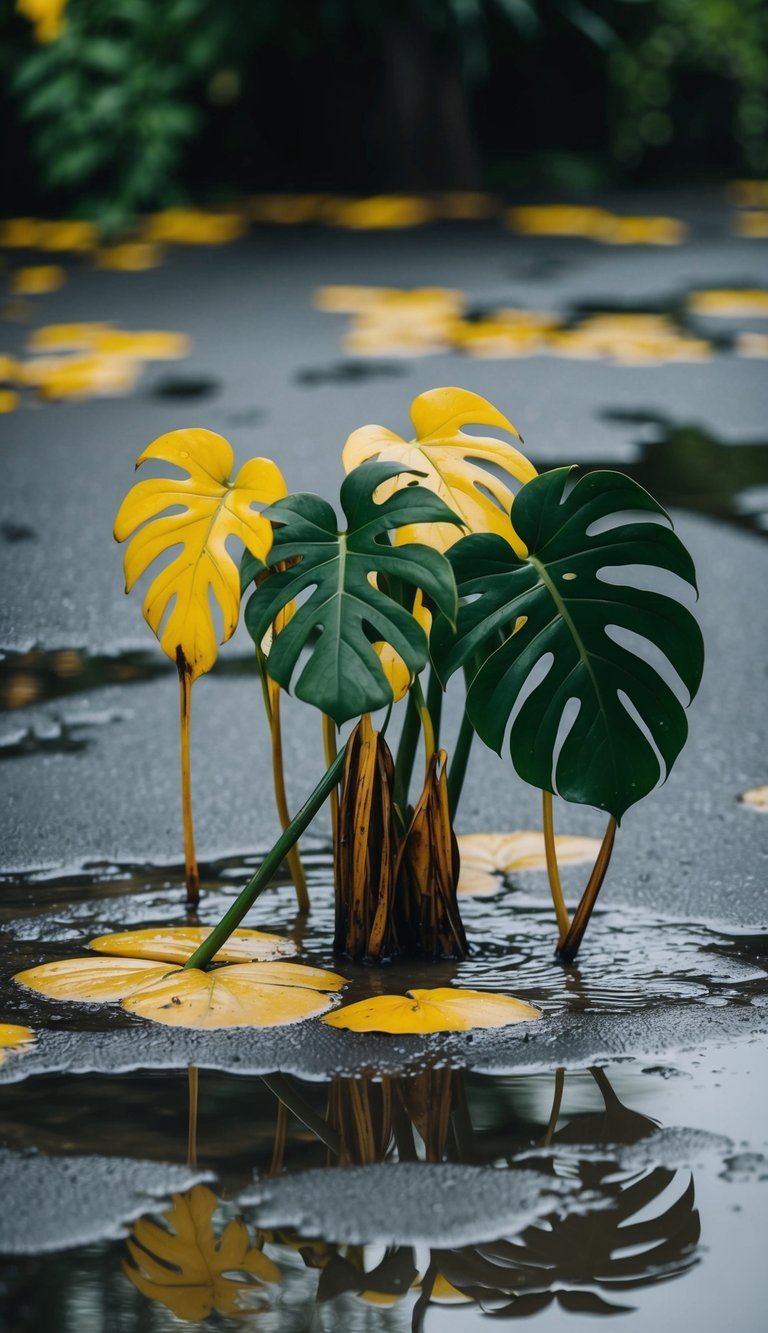
Overwatering is a common mistake many plant owners make. It can cause serious problems for a Monstera. When the roots sit in water, they can become weak and rot.
Signs of overwatering include yellowing leaves and wilting. The soil may feel soggy, and there might even be a bad smell. This is because the roots are not getting enough air.
To avoid overwatering, check the soil before watering. If the top inch of soil feels dry, it’s time to water. Always use a pot with drainage holes to help excess water escape.
If someone suspects overwatering, it’s good to let the plant dry out. Reducing watering can help the Monstera recover. It may take a little time, but the plant can bounce back!
Keeping an eye on the watering schedule is important. With the right care, the Monstera can thrive and show off its beautiful leaves. Taking these steps can make a big difference in the plant’s health.
10) Underwatering
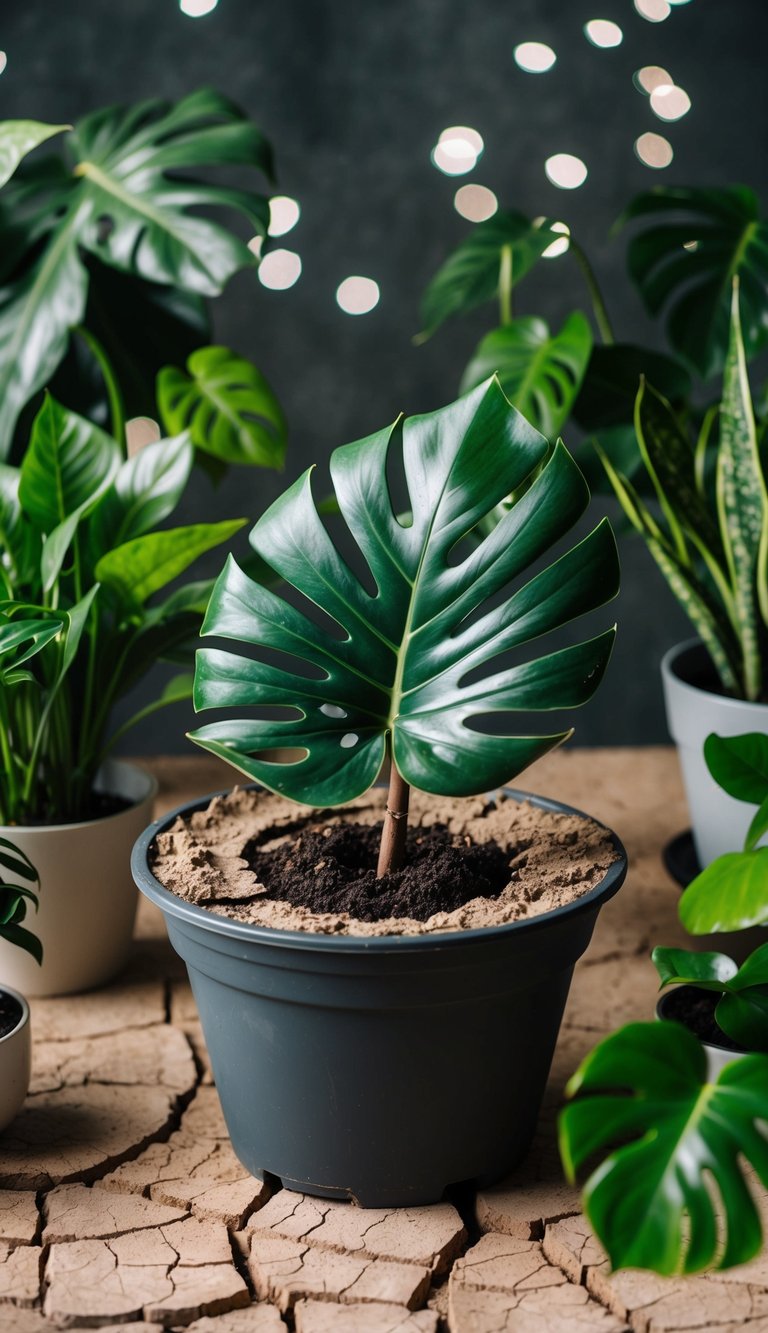
Underwatering can be a major reason why a Monstera struggles. When the soil remains dry for too long, the plant can’t take in enough water. This makes the leaves droop and may cause them to turn brown.
It’s important to check the moisture level of the soil. If the top inch feels dry, it’s time to water. This helps the plant regain its strength and vitality.
Monsteras typically like a balance in watering. They enjoy a good soak, but they don’t like to sit in water. Finding the right watering schedule can keep the plant happy and healthy.
Signs of underwatering can include curled leaves or yellowing. If these symptoms appear, it’s time to act fast. Watering the plant can help it bounce back quickly.
Regularly checking the plant’s needs can make a big difference. Each Monstera is unique and may require different amounts of water. Observing the plant will help ensure it thrives.
11) Root Bound
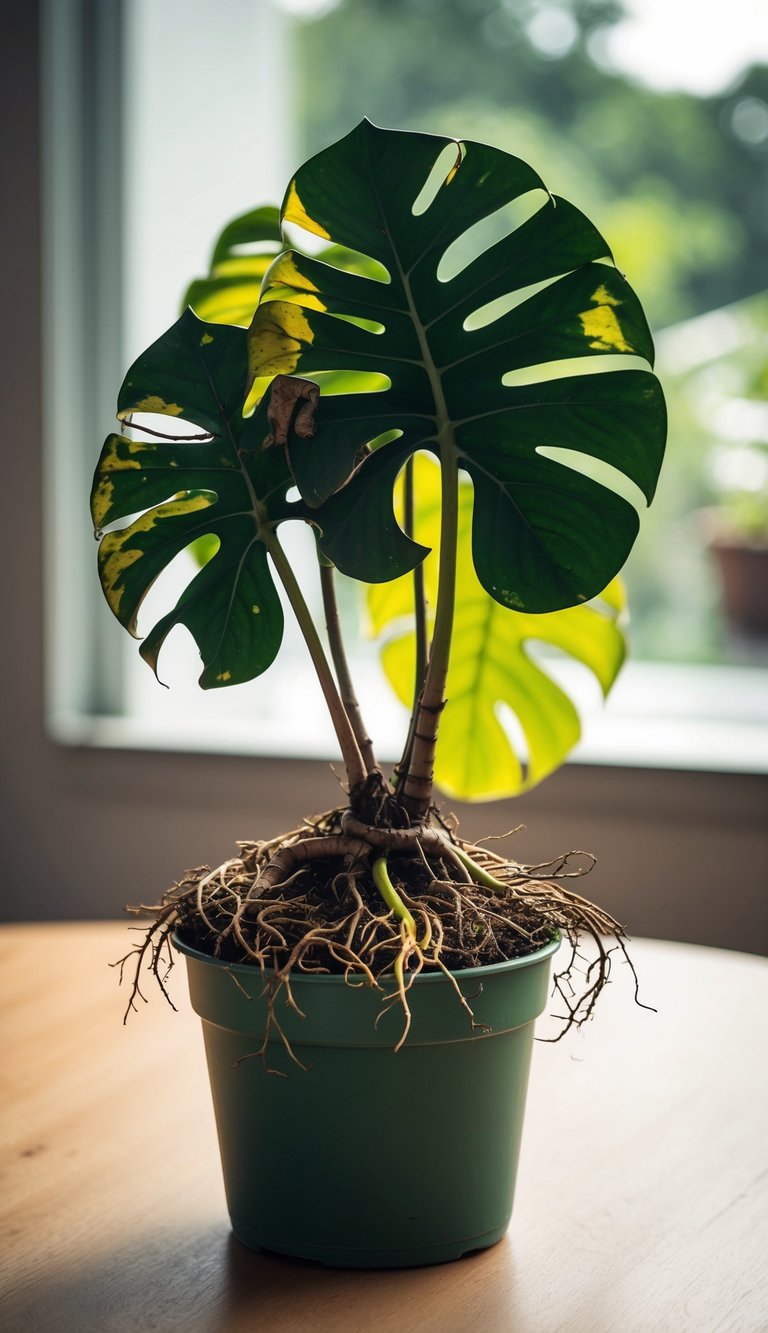
When a Monstera becomes root bound, it means its roots are cramped in the pot. This often happens when the plant has grown a lot and doesn’t have enough space to expand.
Signs of a root-bound Monstera include slow growth and yellowing leaves. It may look healthy, but its roots can’t get the nutrients and water they need.
To fix this issue, the plant should be repotted into a larger container. This gives the roots room to spread out, which helps the plant thrive.
When repotting, make sure to use fresh soil. This helps provide the nutrients that the plant needs.
Checking the roots during repotting is important. If they look tangled or dark, it means the plant needs more space.
Helping a root-bound Monstera can lead to new growth. With more room, the plant can develop a strong root system.
A happy Monstera will show its excitement by growing large, vibrant leaves. This is a great sign that the plant is on its way to thriving.
Importance of Proper Lighting
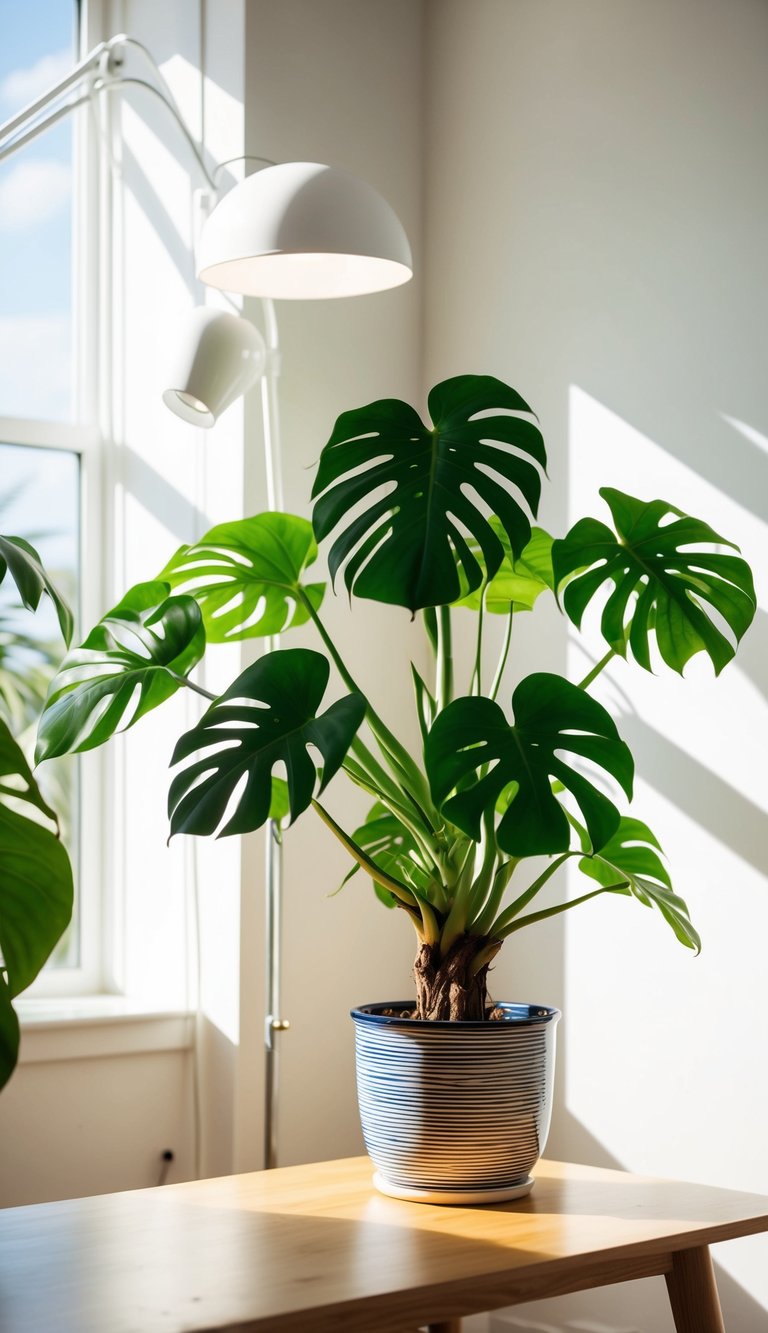
Lighting plays a crucial role in the health of a Monstera plant. The right amount of light helps the plant grow strong and vibrant. Understanding how to provide optimal light conditions and recognizing signs of inadequate lighting can make a big difference.
Optimal Light Conditions for Monstera
Monsteras thrive in bright, indirect light. This natural light mimics their native habitat, allowing them to grow well. Placing them near a window with filtered sunlight is ideal.
Direct sunlight can harm the leaves, causing scorch marks. It is better to avoid placing them in harsh, direct light for long periods.
If the light is too low, the Monstera may grow slowly and become leggy. Best light conditions include:
- Bright, indirect light: Positioning about 2 to 8 feet from a window.
- Filtered sunlight: Using sheer curtains for protection.
- Supplementing light: Consider grow lights if natural light is scarce.
Signs of Inadequate Lighting
It’s important to watch for signs that show a Monstera isn’t getting enough light. Some clear indicators can help identify the issue early.
Common signs include:
- Leggy growth: The plant stretches towards the light source, becoming tall and thin.
- Yellowing leaves: This can indicate stress from low light levels.
- Slow growth: If the plant isn’t growing much during its active season, it may need more light.
If these signs appear, it may be time to adjust the plant’s placement. Move the Monstera to a brighter area gradually. Keeping an eye on light conditions will help in maintaining a happy, thriving Monstera!
Watering Best Practices
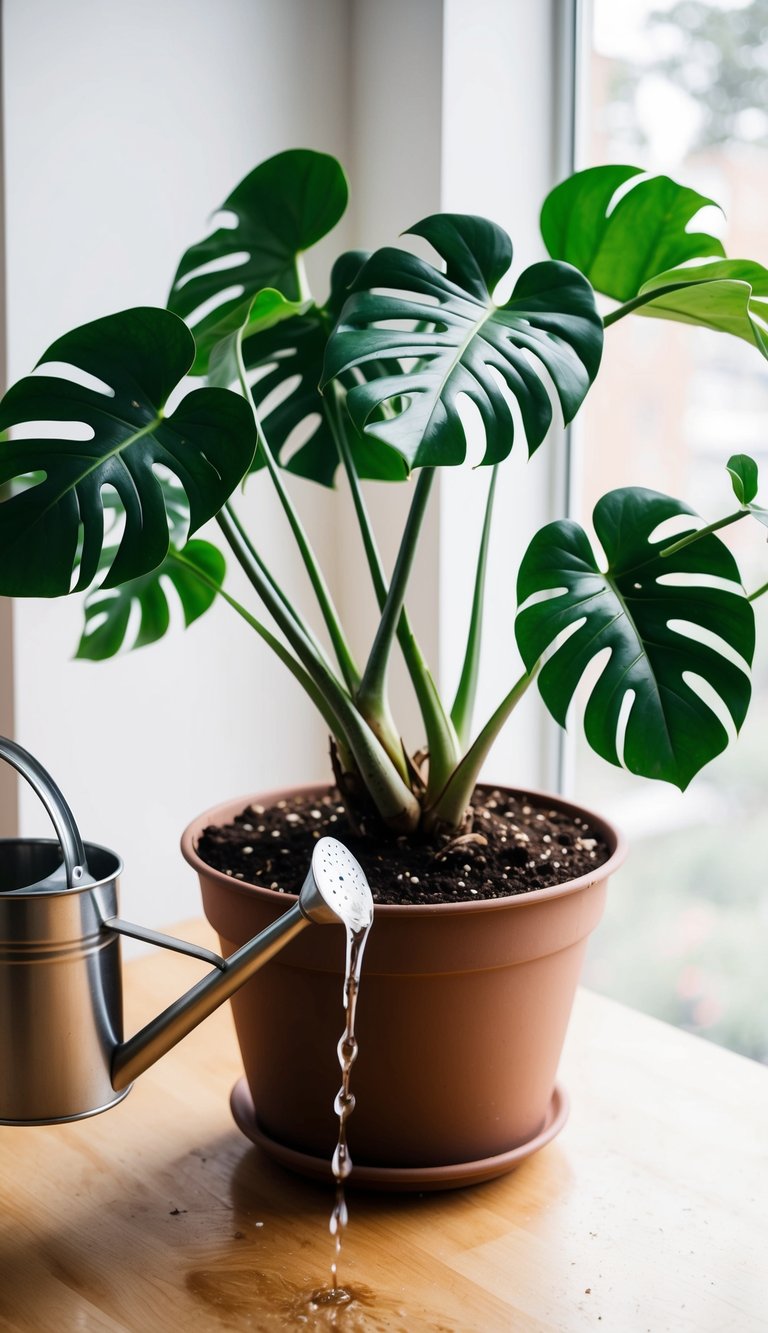
Watering is crucial for a Monstera’s health. It can influence growth and leaf health. Finding the right balance is key!
How to Avoid Overwatering
Overwatering is a common problem for Monsteras. It can lead to root rot, which is harmful. To prevent this, ensure the pot has drainage holes. This allows excess water to escape.
He or she should check the soil regularly. Stick a finger about an inch into the soil. If it feels moist, hold off on watering. Always water the plant thoroughly when needed but let the topsoil dry out first.
Another great tip is to use well-draining soil. This helps keep the roots healthy. The type of pot is important too. A terracotta pot can absorb some moisture, helping the soil dry out faster.
Signs of Underwatering Your Monstera
Underwatering can also harm a Monstera. It can lead to droopy leaves and browning edges. To tell if underwatering is an issue, observe the leaves closely.
If they look wrinkled or crispy, it’s time to water. Leaves may also curl inward. This is a clear sign the plant needs more moisture.
Water the Monstera until it starts to drain from the bottom. This ensures the roots get enough moisture. To help maintain moisture, using a humidity tray can be beneficial. Keeping an eye on the plant’s environment aids in understanding its needs better!
Soil and Fertilizer
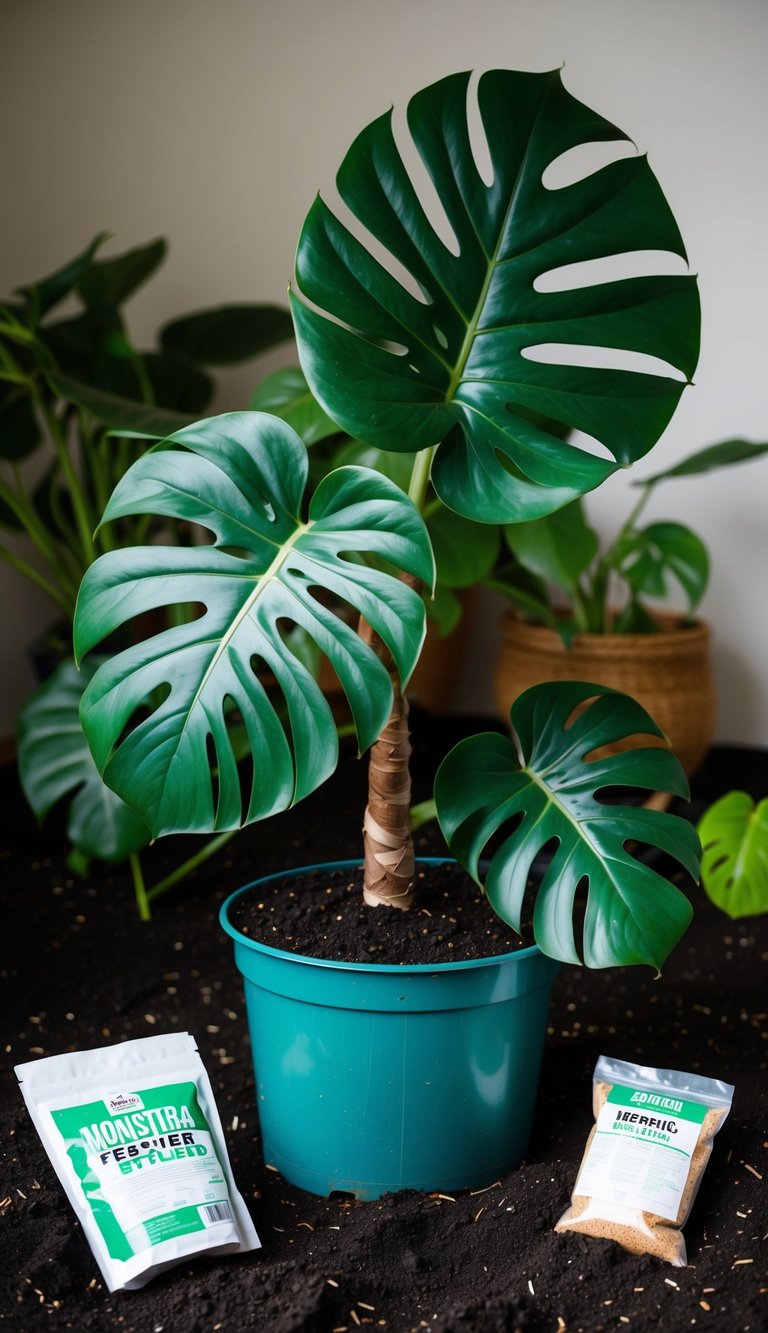
The right soil mix and proper fertilization are crucial for a healthy Monstera. This section breaks down how to choose the best soil and the type of fertilizer that supports growth.
Choosing the Right Soil Mix
A good soil mix is essential for a thriving Monstera. A well-draining potting mix helps avoid waterlogging. Look for blends that include peat, pine bark, and perlite. These materials allow air to reach the roots while keeping moisture balanced.
Monstera enjoy a slightly acidic to neutral pH. Aim for a pH between 5.5 and 7.0. It’s helpful to check the soil mix using pH test kits. This ensures nutrient absorption stays optimal.
When repotting, make sure the new soil is fresh and not compacted. Regularly aerate the soil by carefully fluffing it. This practice allows roots to grow freely and helps prevent issues.
Fertilizing for Optimal Growth
Fertilization is key to supporting a Monstera’s growth. During the growing season, which is usually spring and summer, use a balanced liquid fertilizer. A formula with an N-P-K ratio of 20-20-20 can be helpful.
Feed your Monstera every 4-6 weeks during this period. Dilute the fertilizer according to package instructions to prevent root burn. Monitor how the plant responds and adjust feeding based on its appearance.
In the fall and winter, when growth slows, reduce fertilization or stop altogether. This helps prevent nutrient buildup in the soil. Remember, healthy soil and proper fertilization are vital for a happy Monstera!