Pitbulls are known for their loyalty and playful nature, but like all dogs, they can experience stress. Pet owners should be aware of the signs that indicate their furry friends are feeling anxious or uncomfortable. Recognizing these signs is crucial for ensuring their well-being and happiness. Stress in dogs can stem from various factors such as changes in their environment, loud noises, or even new routines. Identifying these stress signals can help owners take the right steps to support their pets. Understanding a Pitbull’s behavior is the key to keeping them content and healthy.
1) Loss of Appetite
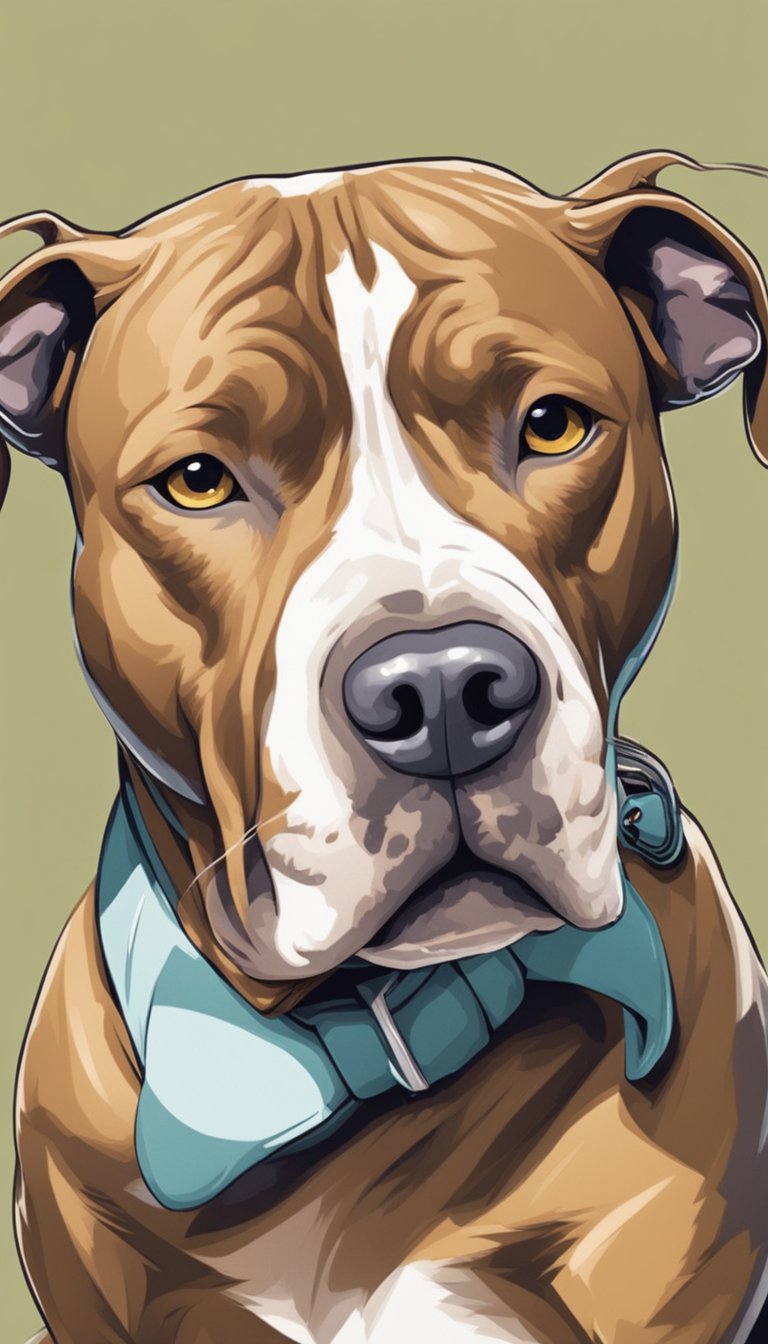
When a pitbull suddenly loses interest in food, it can be a sign of stress. Dogs usually love to eat, so changes in their appetite can be worrisome.
A stressed pitbull may refuse their favorite meals or treats. If they are not eating, it might be due to anxiety or discomfort. They might feel overwhelmed by changes in their environment or routine.
Observing behavior is key. If a pitbull skips meals for more than a day, it’s important to pay attention. Other signs of stress may appear alongside the loss of appetite.
Sometimes, stress can be caused by loud noises, unfamiliar people, or changes at home. Pitbulls are sensitive dogs. They respond to their surroundings and can easily pick up on the emotions of their owners.
Getting your pitbull to eat might require patience. Offering smaller portions or different types of food can help. It’s important to create a calm and comforting space during mealtime.
If the loss of appetite continues, consulting a vet is a good idea. They can rule out any health issues. Keeping your pitbull happy and healthy is the goal!
2) Excessive Panting
Excessive panting can be a clear sign that a pitbull is stressed. When dogs pant more than usual, it often means they’re trying to cool down. This is normal after playtime or exercise, but it can also signal anxiety.
A stressed pitbull may pant even when resting. This panting is often fast and heavy. It can happen in situations that make the dog feel scared or overwhelmed.
Look for other signs that come with the panting. If the dog’s body feels tense or it keeps avoiding eye contact, stress is likely the cause.
Things like loud noises, new places, or changes in routine can trigger this reaction. If a pitbull pants excessively during these times, it’s important to be aware.
Providing a calm space can help reduce stress. A favorite blanket or toy may make them feel safer. Observing their behavior can help pet owners better understand their dog’s feelings.
3) Lethargy

Lethargy in a Pitbull can be a clear sign of stress. When a normally active dog suddenly becomes tired or sluggish, it may indicate something is wrong.
These dogs usually love to run and play. If they stop engaging in games or seem uninterested in their favorite activities, pay attention. This change in behavior can mean they are feeling overwhelmed.
A stressed Pitbull may also sleep more than usual. They might choose to stay in their bed instead of exploring the house or yard. This withdrawal can show that they need a calmer environment.
If a dog shows signs of lethargy, it’s important to consider their surroundings. Loud noises, unfamiliar people, or changes in routine can stress them out. Making their space more comfortable can help them feel better.
Owners should keep an eye on their dog’s energy levels. If lethargy lasts for more than a day or two, a vet visit might be a good idea. It’s important to rule out any health issues.
Addressing stress early is essential. With a little love and attention, a stressed Pitbull can return to their joyful, energetic self!
Increased Aggression
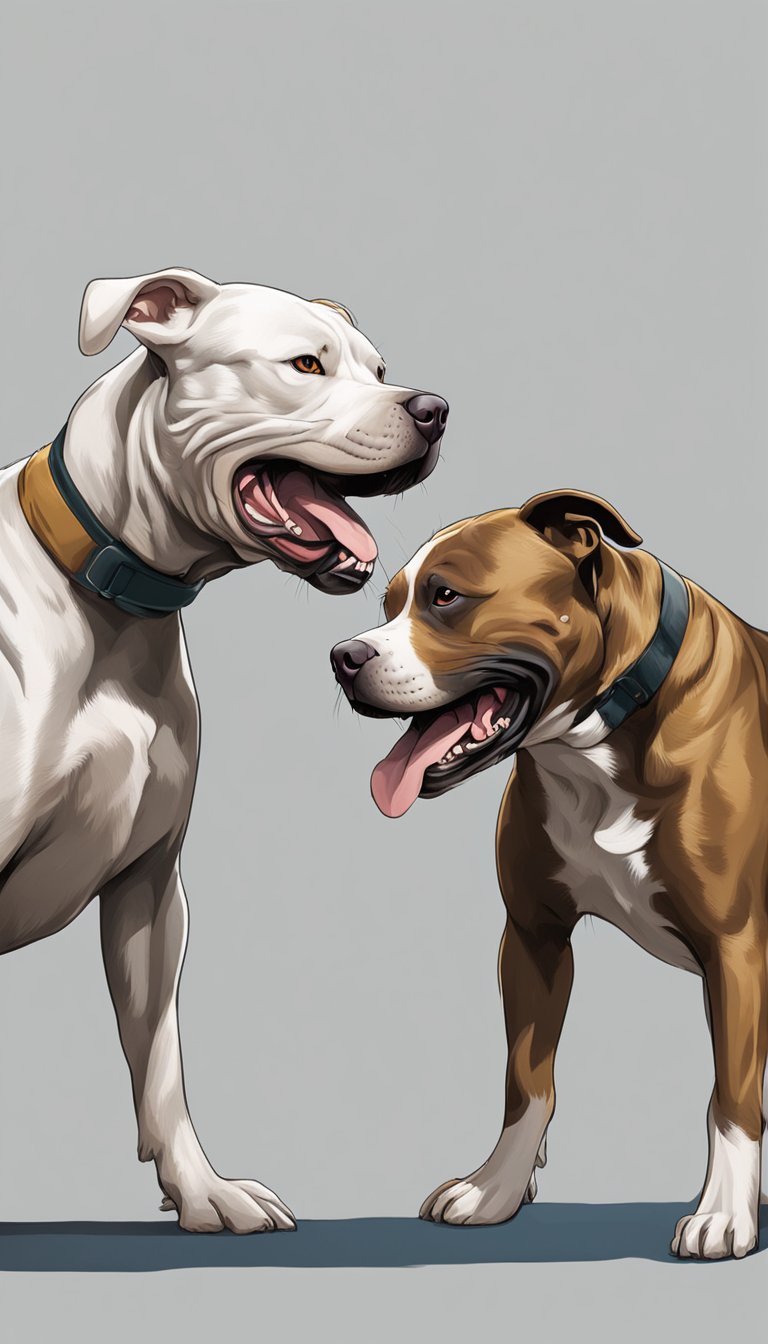
Increased aggression in a Pitbull can be a sign of stress. A normally friendly dog may start growling or snapping. This change in behavior can be surprising for any owner.
Pitbulls may react aggressively when they feel threatened or anxious. Situations that cause fear, like loud noises or unfamiliar animals, can trigger this response.
It’s important to pay attention to their body language. Raised fur, stiff posture, and a tense tail can all indicate stress. If your Pitbull is showing these signs, it might lead to aggressive behavior.
Owners should avoid putting their dogs in situations that cause stress. Learning to recognize signs of discomfort helps keep everyone safe.
If a Pitbull shows increased aggression, it’s key to address the issue quickly. This may involve creating a calm environment and providing support. Seeking help from a professional trainer can also be beneficial.
Addressing the root cause of stress can lead to a happier and more relaxed dog. By understanding their feelings, owners can help their Pitbull feel safe and secure.
5) Whining or Crying
Whining or crying can be a big sign of stress in a Pitbull. When they make these sounds, it often means they are feeling anxious or uncomfortable.
Sometimes, dogs whine when they want attention or feel scared. If a Pitbull is whining, it may need comfort from its owner.
Crying can indicate that something is wrong. This could be due to pain, a change in their environment, or fear.
Pay close attention to the context. If a Pitbull starts whining out of nowhere, it could mean they are stressed.
Listening to these sounds is important. A stressed dog may need some extra love and reassurance.
Sometimes, finding out what is causing the stress can help. Is there a loud noise nearby? Are there too many people around?
Helping a Pitbull feel safe when they whine or cry can be very effective. Giving them a cozy spot or time to relax may help ease their tension.
Understanding this behavior is key to keeping a Pitbull happy and healthy. Each dog is different, so it’s essential to know their signs of stress.
6) Pacing or Restlessness
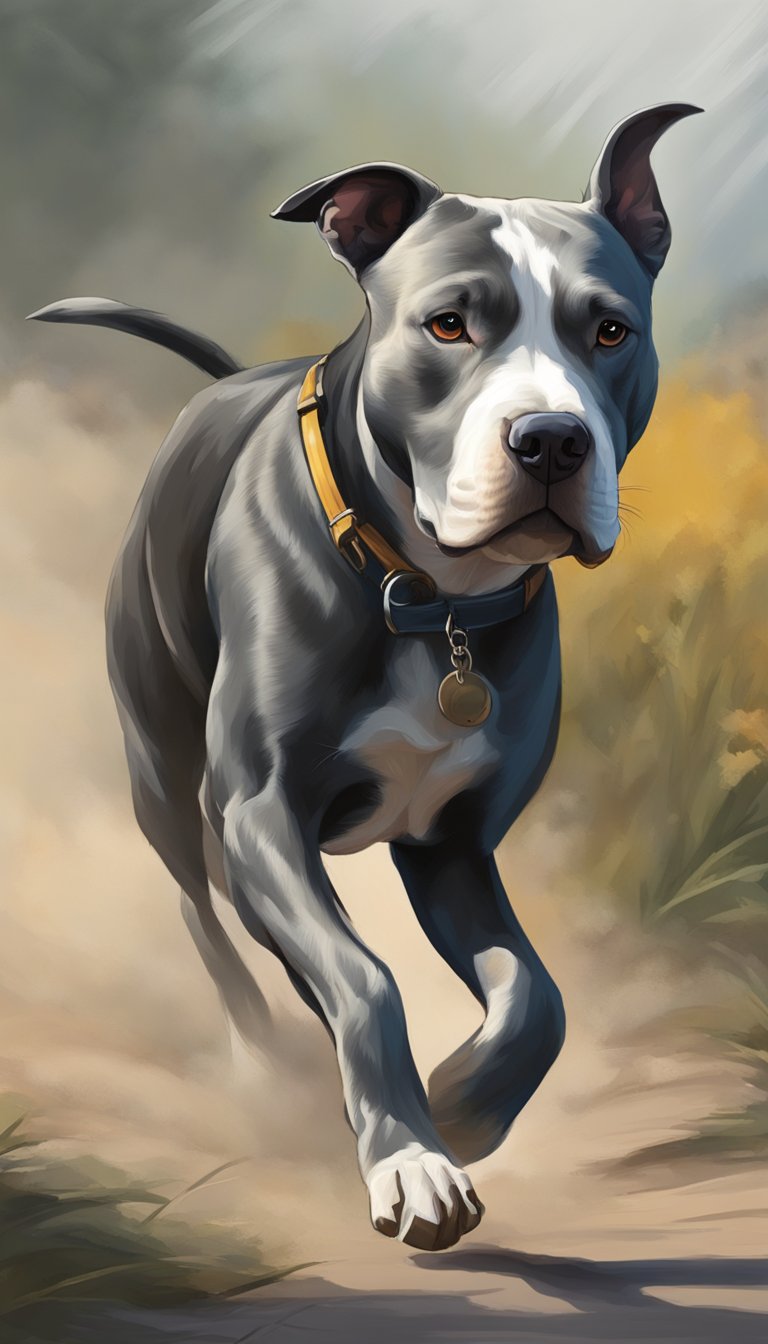
Pacing or restlessness can be a clear sign that a Pitbull is feeling stressed. When they start to move around a lot without settling down, it can indicate discomfort.
She may walk in circles or move back and forth. This behavior often shows that she is trying to cope with her feelings.
Pitbulls may also seem unable to find a comfortable spot. They might change positions frequently or seem unable to relax.
Pacing can happen when there are loud noises, new people, or changes in their environment. These situations can make them anxious and lead to restless behavior.
It’s important to observe what triggers this pacing. Noticing patterns can help owners create a calmer environment for their dog.
In some cases, providing a safe space can help reduce restlessness. A cozy bed or a quiet room might give them the comfort they need.
When a Pitbull paces, it’s a good idea to check on them. Ensuring they feel secure and relaxed can make a big difference in their stress levels.
7) Clinginess
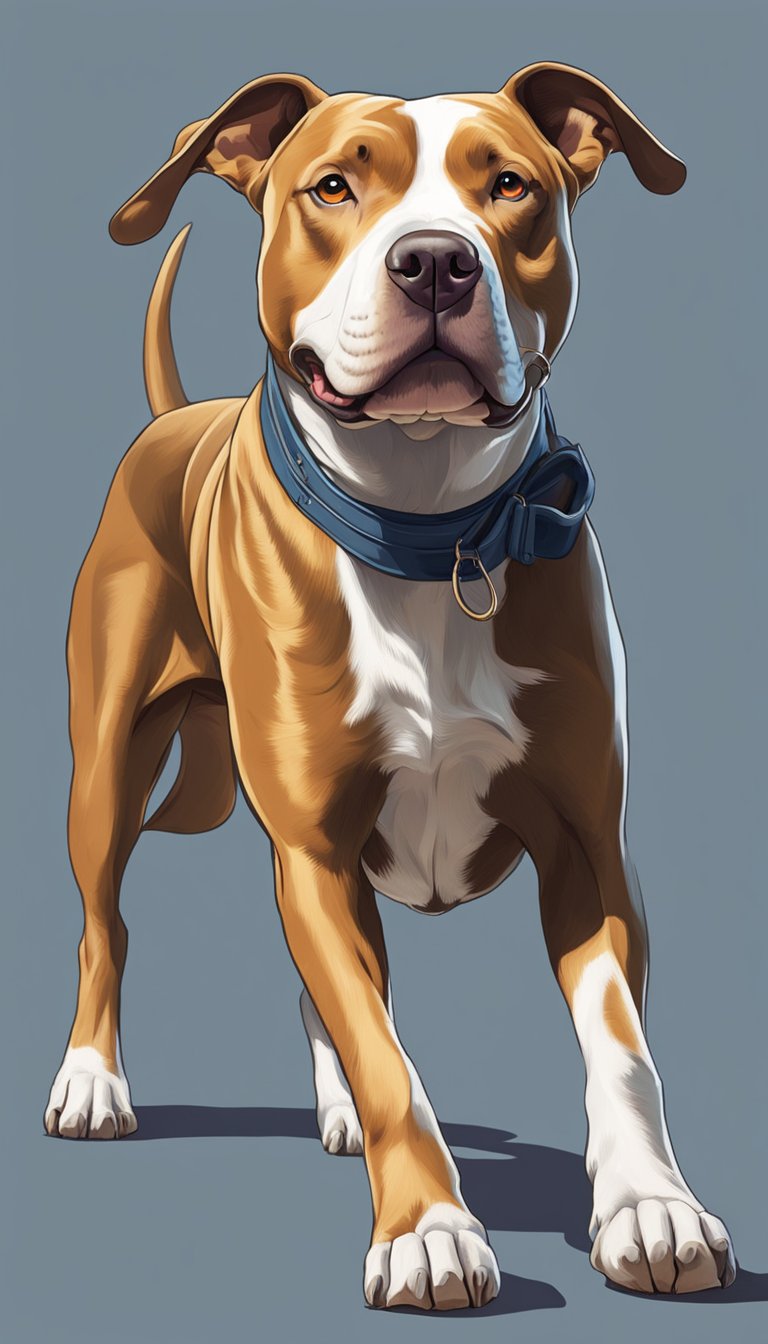
Clinginess is a big sign that a Pitbull might be feeling stressed. When a Pitbull suddenly wants to stay very close to their owner, it could show they are worried or anxious.
They might follow their owner from room to room. If a Pitbull usually likes space but now wants to sit right next to someone, that change can mean something is bothering them.
This behavior can increase during stressful situations, like loud noises or changes in the home. It’s important to keep an eye on how often they want to be by your side.
Sometimes, a stressed Pitbull will seek comfort by leaning on their owner or looking for pets. This need for closeness helps them feel safer.
Clinginess can also be a sign that the dog is trying to communicate their needs. They may want reassurance that everything is okay.
If this behavior continues, it’s a good time to check on their environment. Reducing stressors can help them feel more relaxed and less clingy.
Being aware of these signs can help owners support their dogs. A little extra love and care can make a big difference in a Pitbull’s mood.
8) Destructive Behavior
When a Pitbull feels stressed, it might show signs of destructive behavior. This can include chewing on furniture, digging in the yard, or tearing up toys. These actions often happen when they need a way to release pent-up energy.
Many dogs express their discomfort through these behaviors. They might feel bored, anxious, or overwhelmed. If a Pitbull starts to destroy things, it is a clear signal that they need attention and care.
Providing a safe space can help reduce this behavior. Offering engaging toys and regular exercise can keep them busy. Daily walks and playtime can make a big difference in their mood.
Sometimes, destructiveness comes from being left alone for too long. Pitbulls are social animals that enjoy being with their families. Spending quality time can help soothe their stress.
Training can also play a vital role. Teaching commands and using positive reinforcement can help redirect this behavior. A stressed Pitbull needs guidance and understanding to feel secure.
9) Excessive Licking
Excessive licking is a clear sign that a Pitbull is stressed. When a dog licks too much, it can mean they are trying to comfort themselves.
This behavior can happen for various reasons. They might feel anxious or overwhelmed by their environment. It could also be a response to boredom.
If a Pitbull licks constantly, it can lead to skin problems. This can make the situation worse. It’s important to pay attention to this sign.
Owners should look for patterns in their dog’s licking. Is it happening during certain situations or after specific events? Understanding these triggers can help in finding a solution.
Providing a safe and calm space for the dog is key. Engage them in activities that can reduce their stress, like playing or going for walks. Keeping their environment stable can help them feel more secure.
Regular vet check-ups are important, too. This ensures that there are no underlying health issues causing the excessive licking. With the right care and attention, stress can be managed effectively.
10) Shaking or Trembling
Shaking or trembling can be a sign that a Pitbull is feeling stressed. This behavior may happen when they are scared or anxious. It can also be a reaction to loud noises or sudden changes in their environment.
When a Pitbull shakes, it can look like they are cold. Even if the temperature is warm, stress can cause this reaction. Owners should not ignore this behavior. It often shows that the dog is uncomfortable.
A stressed Pitbull may shake before going to the vet or during a storm. They might also tremble when meeting new people or animals. Watching for these signals is important for a pet owner.
If the shaking persists, it’s best to seek help. A vet can check to make sure there are no other health issues. Then, they can suggest ways to reduce the dog’s stress.
Creating a calm environment at home can help ease their anxiety. Providing a safe space with their favorite toys or blankets can be comforting. Owners can also use calming techniques to help their Pitbull feel more secure.
11) Yawning Frequently

Yawning is not just a sign of tiredness. For a Pitbull, frequent yawning can mean something more. It often shows they are feeling stressed or anxious.
When a Pitbull yawns a lot, it might be a way for them to calm themselves down. They could feel uncomfortable in their surroundings. This can happen during loud events, busy places, or when they meet new people.
Owners should pay attention to this behavior. If a Pitbull is yawning frequently, it may need some space. Creating a quiet area for them can help ease their stress.
It’s important to watch for other signs, too. If they’re yawning and also pacing or hiding, they may need extra comfort. Offering a favorite toy or some gentle petting can make a big difference.
Many dogs communicate their feelings in different ways. Yawning is one of those signals that should not be ignored. Taking steps to reduce stress can help a Pitbull feel safer and happier.
Understanding Stress in Pitbulls
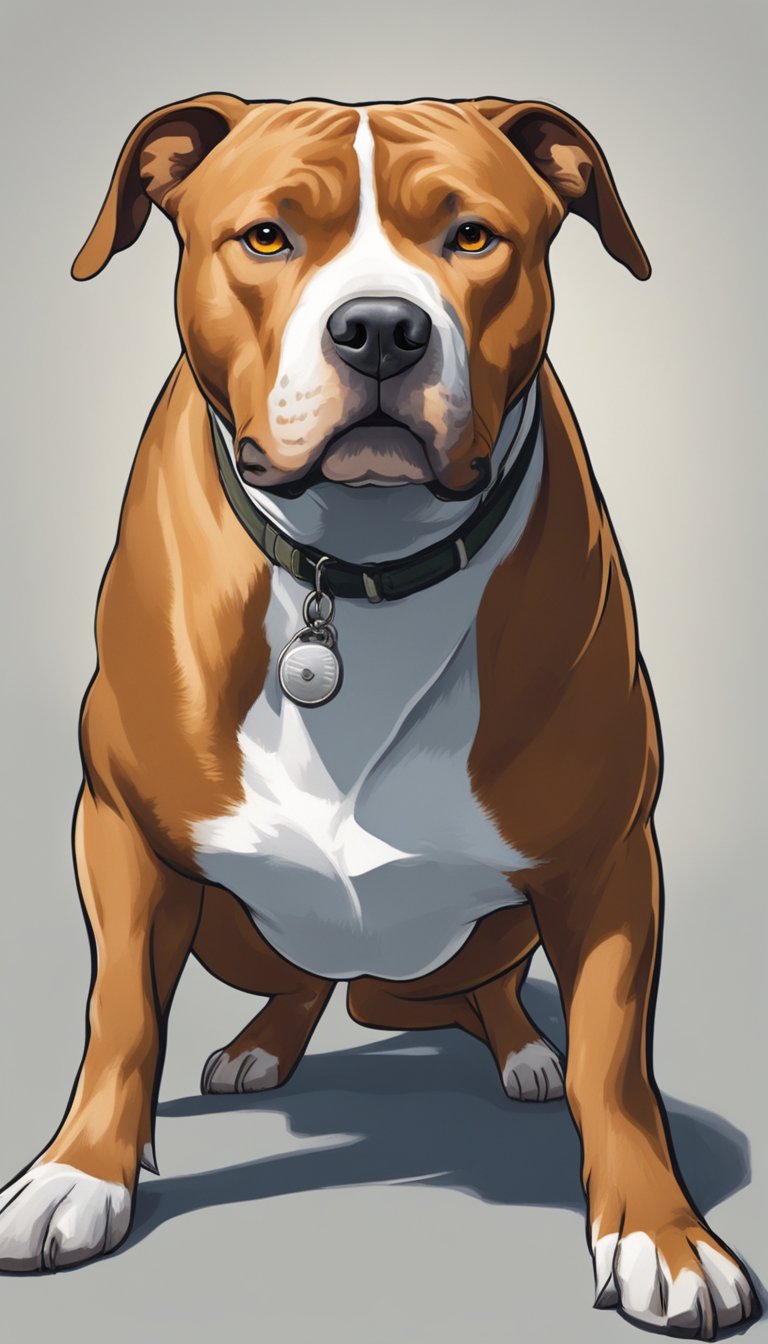
Stress in Pitbulls can come from many different sources. Recognizing these signs is important for their health and happiness. Stress can affect their behavior and overall well-being in several ways.
Why Pitbulls Get Stressed
Pitbulls may experience stress for various reasons. Common triggers include changes in their environment, loud noises, or a lack of exercise.
- New Environments: Moving to a new home or being in unfamiliar places can make them anxious.
- Loud Sounds: Thunderstorms, fireworks, or even sudden loud noises can startle them.
- Social Interactions: Not being well-socialized can lead to fear in new situations or around other animals.
Recognizing these triggers can help owners provide a more comfortable environment for their pets.
Effects of Stress on Pitbulls
Stress can lead to noticeable changes in a Pitbull’s behavior. They may show signs like:
- Excessive Barking: This can be a way to express their discomfort.
- Destructive Behavior: Chewing furniture or digging might become more frequent.
- Withdrawal: A stressed Pitbull may isolate themselves from family members.
Such behaviors can be concerning for pet owners. It’s important for owners to address these signs quickly. Creating a calm environment and providing consistent routines can help reduce their stress levels. This leads to a happier and healthier life for the Pitbull.
How to Help Your Stressed Pitbull
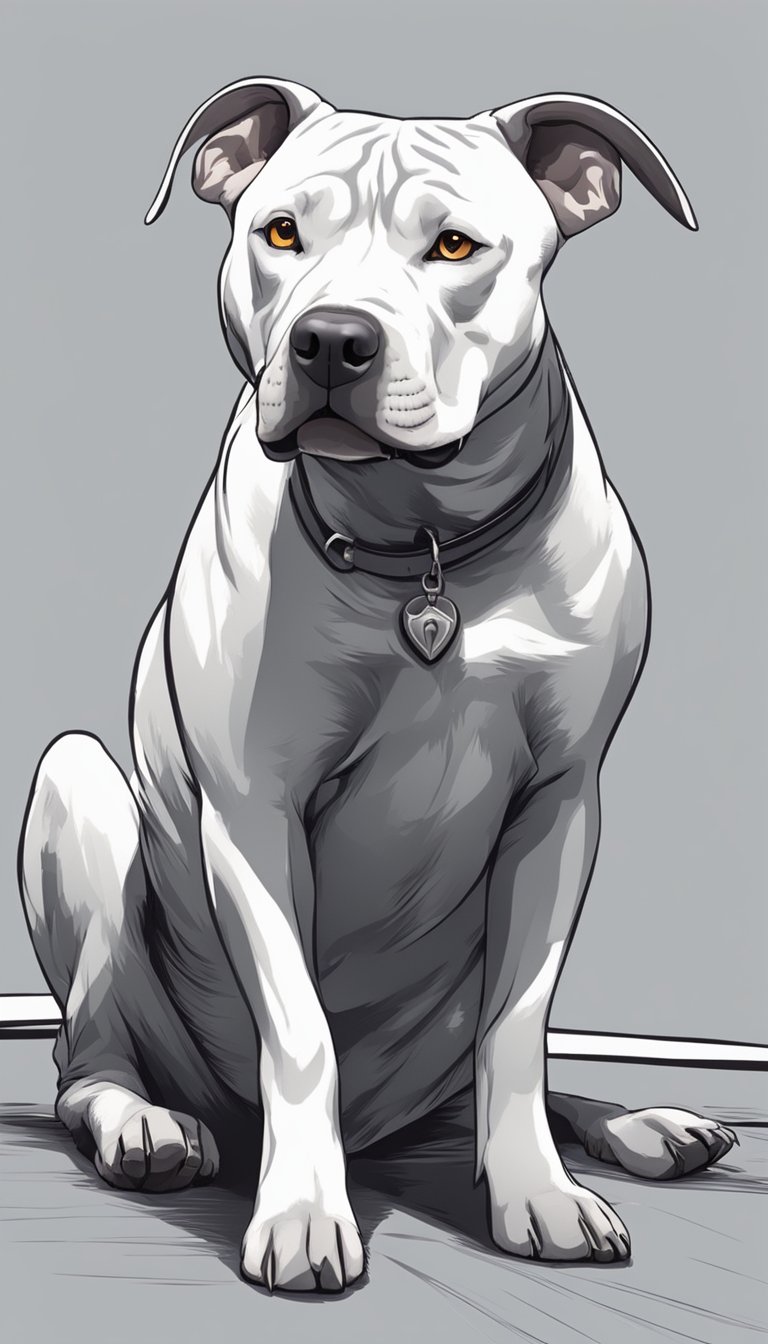
Creating a peaceful space and rewarding positive behavior can greatly ease a stressed Pitbull. These strategies focus on comfort and encouragement.
Creating a Calm Environment
A calm environment is essential for a stressed Pitbull. Start by designating a quiet area in your home where they can relax. This space should be away from loud noises and busy activities.
Use soft bedding and familiar toys to make this area inviting. You might try playing soft music or using a white noise machine to drown out sudden sounds.
Routine is also important. Keeping a regular schedule for feeding, walks, and playtime can help your dog feel more secure. Consider using calming products like pet-safe essential oils or pheromone diffusers to reduce anxiety.
Using Positive Reinforcement
Positive reinforcement encourages good behavior in stressed Pitbulls. When they show calm behavior, it’s essential to reward them immediately. This can be done with treats, praise, or play.
Training sessions should focus on gentle commands like “sit” or “stay.” Using clear and simple commands helps your dog grasp what you want.
Also, avoid punishing your pet for anxious behavior, as this can increase stress. Instead, celebrate small achievements. This method builds confidence and strengthens your bond. Regular engagement through treats and affection can create a happier, more relaxed pet.