Pomeranians are lively little dogs full of personality. They can be playful and affectionate, but like all pets, they can also feel stressed from different situations in their lives. Recognizing the signs of stress in a Pomeranian is key to ensuring they remain happy and healthy. Owners should be aware of how their Pomeranian behaves in various environments. Knowing the signs of stress can help them take steps to calm their pet and create a more comfortable atmosphere. Understanding these behaviors can lead to a happier and healthier companion.
1) Panting Heavily

Heavy panting is a clear sign that a Pomeranian might be stressed. When they pant more than usual, it can mean they are feeling anxious or overwhelmed.
This behavior can happen in different situations. For example, a loud noise, a new place, or even meeting new people can trigger this response.
Panting helps dogs cool down, but if it’s not hot outside, it can signal stress. If a Pomeranian is panting heavily without exercise or heat, it’s important to pay attention.
Look for other signs of stress too. If they are shaking, hiding, or have their ears back, it could mean they need a break.
Taking steps to calm them down can help. Creating a safe, quiet space for the dog can make a big difference. It’s essential to ensure the Pomeranian feels secure and relaxed.
2) Excessive Barking

Excessive barking can be a big sign of stress in a Pomeranian. This breed is known for its lively personality, but when barking becomes constant, it can mean something is wrong.
They might bark a lot when they feel scared or threatened. Loud noises, strangers, or other animals can make them feel anxious, causing them to vocalize more than usual.
Sometimes, boredom can also lead to excessive barking. If they don’t get enough exercise or mental stimulation, they may bark to express their frustration.
It’s important to pay attention to the context of the barking. Is it happening during times of stress, like when there are loud noises? Or is it more frequent during quiet times? Knowing this can help owners understand their Pomeranian’s needs.
If a Pomeranian barks excessively, it might be time to change their routine. Offering more playtime and training can reduce their stress and help them feel more secure.
3) Hiding Often
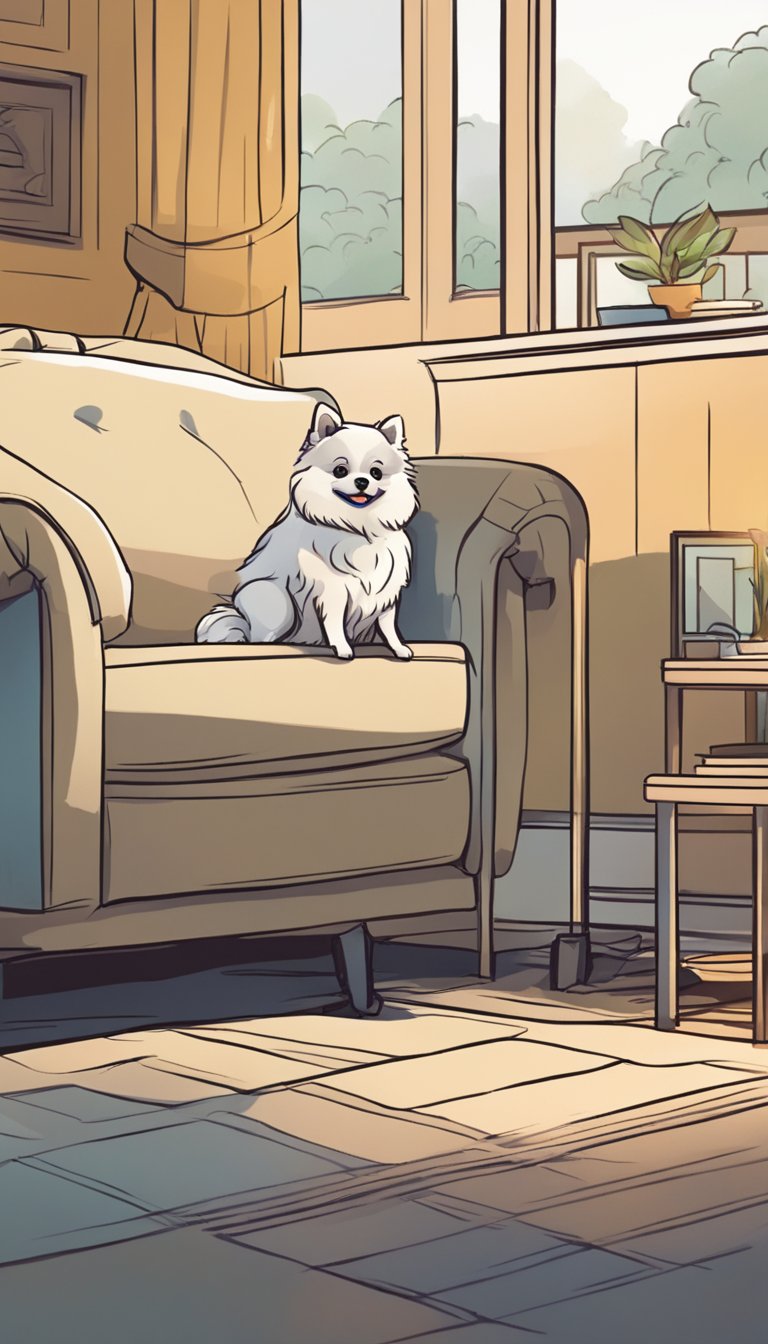
When a Pomeranian feels stressed, it may start to hide more than usual. This behavior can indicate that something is bothering them.
They might seek shelter under furniture or in a quiet corner. This is their way of finding comfort when they feel uneasy.
If the dog suddenly chooses to stay in one place, it can be a sign of stress. Pomeranians are social dogs, so hiding often means they are overwhelmed.
Observing this change can help owners understand their pet’s feelings. A stressed Pomeranian needs extra love and care to feel safe again.
If hiding becomes a regular behavior, it’s time to look at the environment. Loud noises, changes in routine, or new pets can contribute to their stress. Taking action to reduce stress can help the dog feel more secure.
4) Loss of Appetite
A Pomeranian that suddenly stops eating can be a sign of stress. This little furball might feel anxious due to changes in routine or environment.
If they used to gobble up their food and now just sniff it, something is off. They may be reacting to loud noises, new people, or other pets.
Watch for other signs of stress too. If they are not eating, they might be feeling overwhelmed.
It’s important to pay attention to their habits. A loss of appetite can lead to other health issues if it continues.
If a Pomeranian doesn’t eat for more than a day, it is a good idea to consult a vet. The vet can help find the cause and suggest ways to help your pup feel better.
Stressed Pomeranians can be sensitive, so being aware of their eating habits is key!
5) Pacing Back and Forth
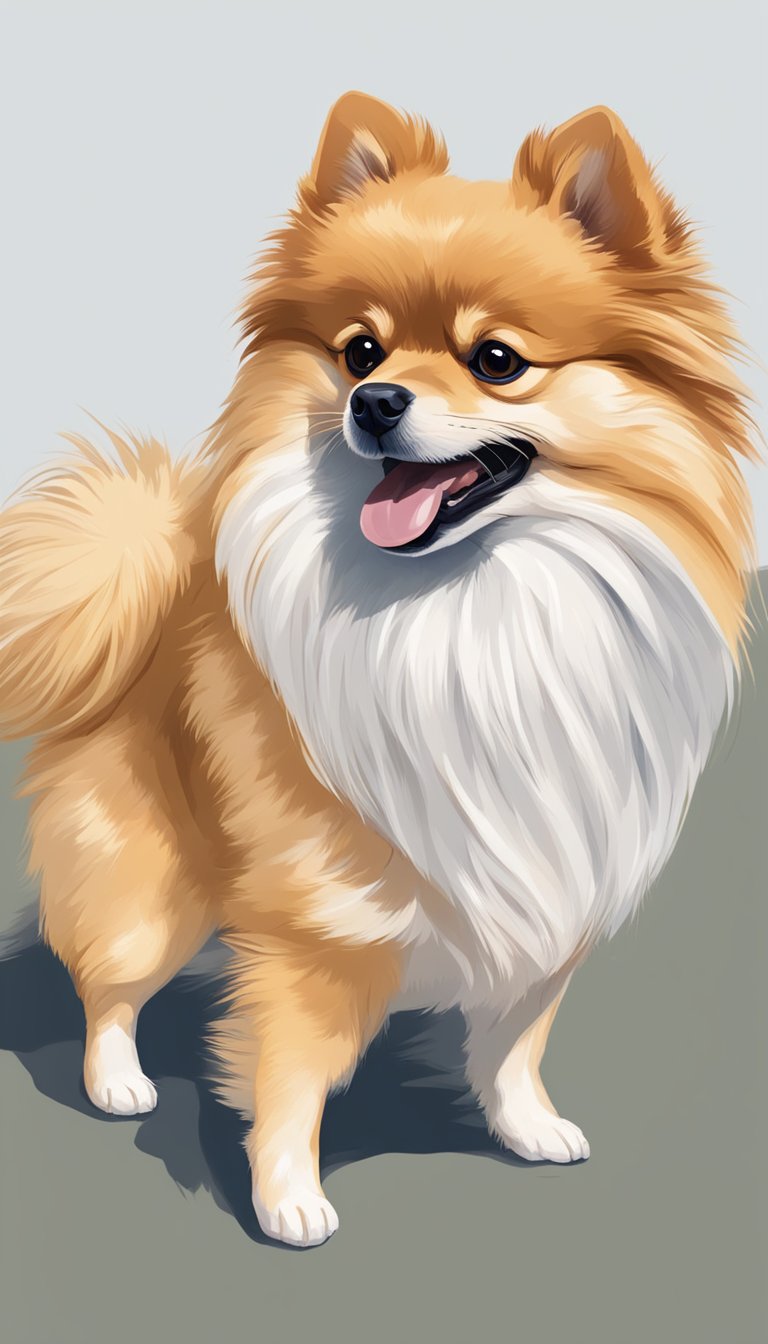
When a Pomeranian is feeling stressed, pacing back and forth can be a clear sign. They might start moving around in small circles or walking back and forth quickly. This behavior often shows that they are anxious about something.
The pacing might happen when there are loud noises, unfamiliar people, or changes in their environment. It could also occur during times when they feel bored or restless. Pacing can help them release some of that built-up energy.
If a Pomeranian is constantly moving, it is important to observe their body language. Are their ears back? Is their tail low? These signs can indicate they are not entirely comfortable. Providing a safe space for them to relax can help reduce their stress.
It’s also helpful to provide distractions. Offering toys or engaging in playtime can redirect their focus. This may calm them down and stop the pacing.
Pacing back and forth is a behavior to watch closely. It reveals that a Pomeranian is trying to cope with stress. Understanding this sign can lead to better care and support for the dog.
6) Shaking or Trembling

When a Pomeranian shakes or trembles, it can be a sign of stress. This behavior might happen in different situations, like loud noises or unfamiliar environments.
Sometimes, they shake because they feel scared or anxious. It is their way of showing that they need comfort and reassurance.
If a Pomeranian is shaking, it’s important to pay attention. They might be feeling overwhelmed. Providing a safe space or a favorite toy can help calm them down.
This shaking can also be related to excitement. In some cases, they shake when they are really happy or eager to play. Knowing the difference can help owners respond in the right way.
Owners should observe their dog’s body language closely. If shaking occurs often or seems severe, consulting a vet is a good idea. It’s always best to check for any underlying health issues, too.
Stress is not just emotional; it can affect a dog physically as well. A trembling Pomeranian needs support to feel more at ease.
7) Aggression or Growling
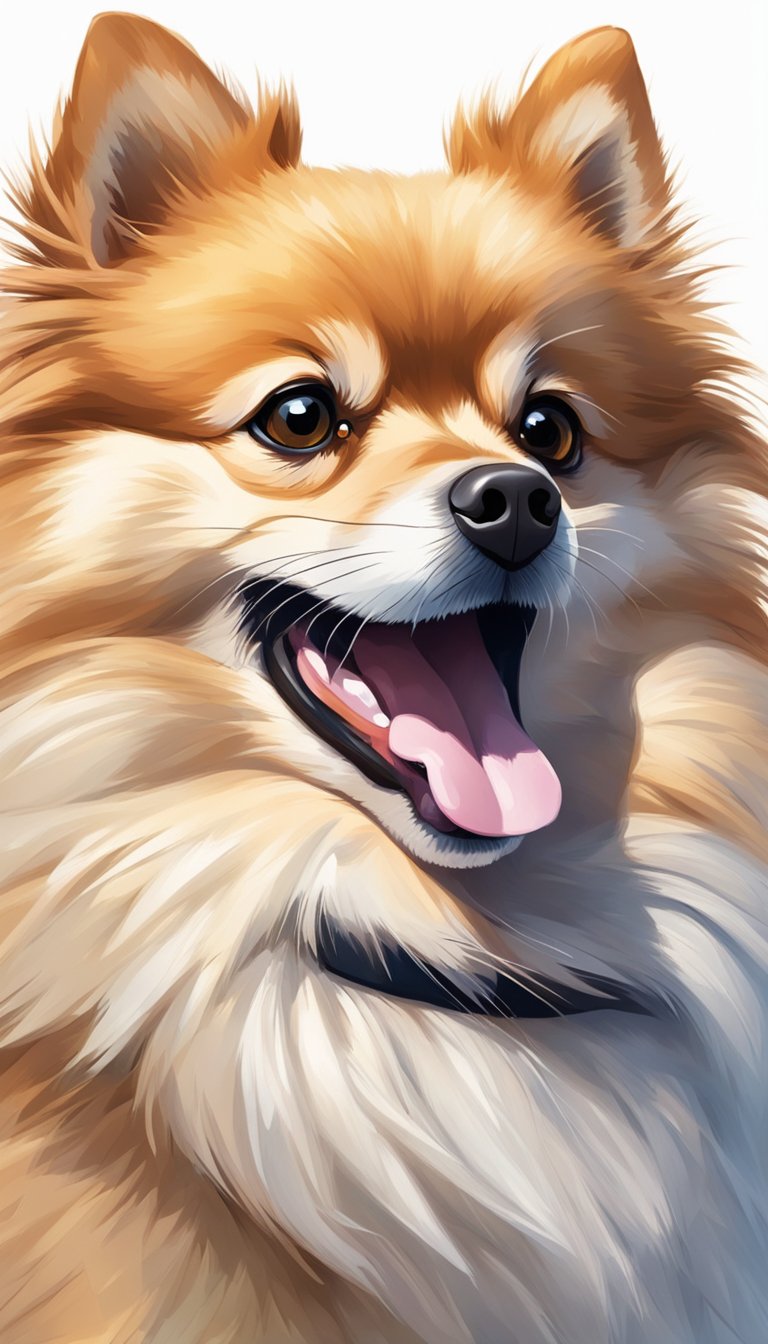
When a Pomeranian feels stressed, they might show signs of aggression or growl. This behavior can be surprising since Pomeranians are usually friendly and playful.
Growling can be a way for them to express discomfort. If they feel threatened or scared, they might use growling as a warning.
It is important to pay attention to this behavior. A stressed Pomeranian may react aggressively if they feel cornered or anxious.
Understanding the cause of their stress is key. It could be loud noises, unfamiliar people, or other pets.
Owners should take note of the situations that trigger this aggression. It’s crucial to handle these moments calmly to help the dog feel safe.
Sometimes, giving them a quiet space can make a big difference. Encouragement and positive reinforcement can also help reduce stress.
Being aware of these signs can lead to a happier and more relaxed Pomeranian. Recognizing growling or aggression early helps in addressing their needs effectively.
8) Excessive Licking or Chewing
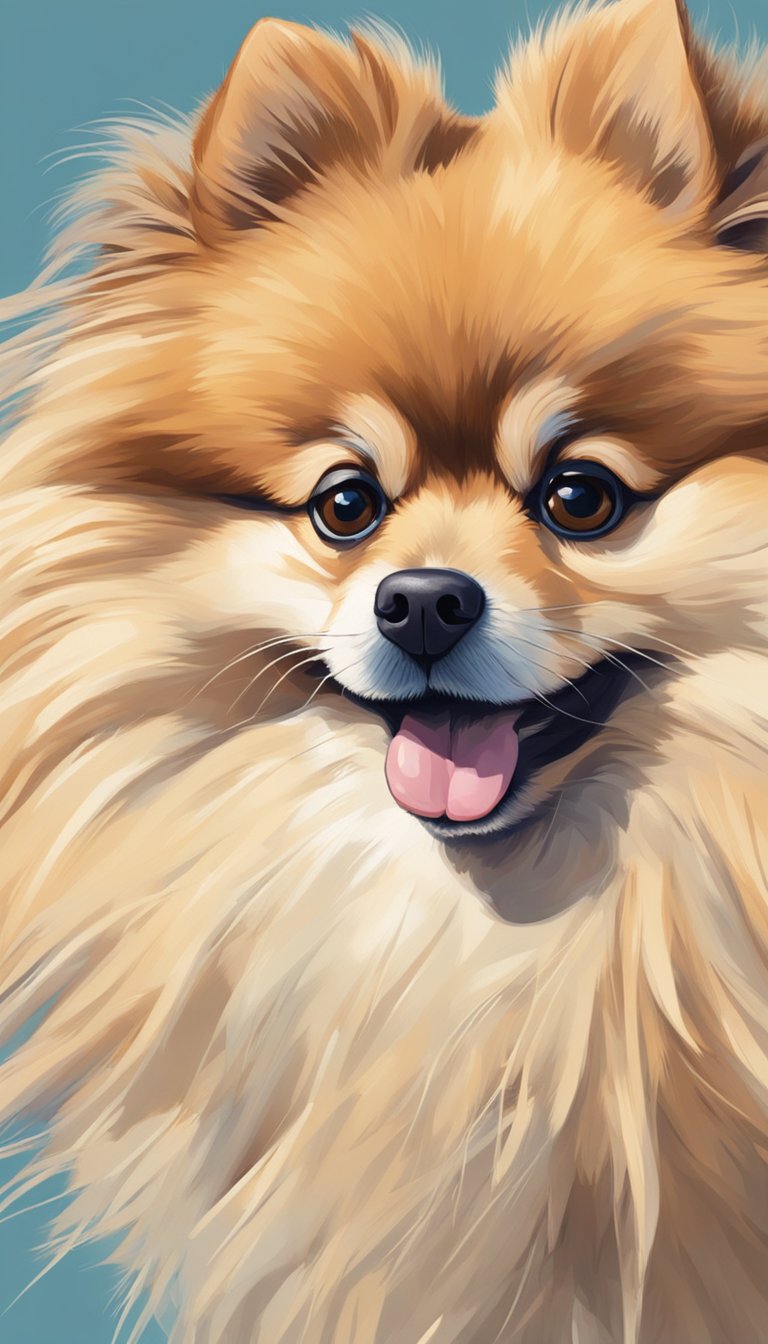
When a Pomeranian licks or chews a lot, it can be a sign of stress. This behavior sometimes acts as a way for them to cope with their feelings.
Pomeranians may lick their paws or other body parts repeatedly. This can lead to sore spots and skin problems if not addressed.
Chewing on objects, like furniture or toys, might also happen. This could signal that they are feeling anxious or bored.
The key is to pay attention to how often they do this. If it becomes a habit, it’s time to investigate further.
Offering them distraction through playtime or new toys can help. This may reduce the urge to lick or chew out of stress.
Creating a calm environment is essential, too. This helps Pomeranians feel safe and secure.
Yawning Frequently
When a Pomeranian yawns a lot, it can mean something is off. While yawning is often linked to tiredness, in dogs, it can signal stress too.
If a Pomeranian is yawning repeatedly, it might be trying to show that it feels uneasy. This is not just about sleepiness; it is a way to cope with stress or confusion.
Owners should pay attention to the situation when their dog yawns. Is there a noisy environment or a lot of unfamiliar faces? These factors can make a Pomeranian feel anxious.
Yawning can also occur during a visit to the vet. As the pet feels nervous, yawning may increase. Recognizing this sign is important for understanding how to help the dog feel secure.
Watching for other signs along with frequent yawning is a good idea. If a Pomeranian appears restless or avoids certain situations, it indicates that stress might be present.
Creating a calm space for the dog can make a difference. Reducing stressors and offering comfort can help the Pomeranian feel safe again.
Pinned-back Ears

When a Pomeranian’s ears are pinned back, it can be a sign of stress. This posture may indicate that they feel scared or uncomfortable in their environment.
Pomeranians are known for their fluffy, perky ears. When they pull their ears back, it’s like a signal. They might want to avoid something that’s bothering them.
This behavior often happens in response to loud noises or new experiences. If a Pomeranian hears a loud sound, they might press their ears back tightly against their head.
It’s important for owners to pay attention to this sign. If they notice this behavior, they should check for anything that might be causing stress.
Making their space calm and safe can help. Providing comfort can ease their anxiety and help them feel better.
Keeping a close eye on their surroundings can also help owners understand their dog’s feelings better. Noticing the pinned-back ears early can lead to quick action to help them feel secure.
11) Whining or Whimpering
When a Pomeranian is feeling stressed, whining or whimpering is a common sign. This vocal behavior often means that something is bothering them.
Pomeranians might whine when they are anxious or uncomfortable. It can occur in new environments or during loud noises. If a pup feels unsure, they may express their feelings through these sounds.
Whining is also a way for them to get attention. If they feel neglected or lonely, they may try to reach out for comfort. This can happen especially when they are left alone for too long.
Owners should pay attention to the tone and frequency. A soft whimper might indicate mild stress, while loud whining can show more serious anxiety. This behavior is a signal that they need help or reassurance.
It’s important for owners to consider the situation. Identifying triggers can help in finding a solution. Whether it’s calming distractions or providing extra cuddles, responding to these signs can keep a Pomeranian happy.
Understanding Stress in Pomeranians

Pomeranians can show stress in many ways. Knowing the causes and types of stress can help owners support their furry friends better. Here are some important details about stress in Pomeranians.
Causes of Stress
Pomeranians can get stressed for many reasons. Common causes include loud noises, like thunderstorms or fireworks. New environments, such as moving to a new home, can also lead to stress.
Changes in routine, like a different feeding schedule, might upset them too. They could feel anxious when left alone for long periods. Social changes, like a new pet or family member, can be tough for them as well.
Identifying these triggers is key for owners. Keeping a calm atmosphere can help Pomeranians feel safe. Regular exercise and emotional support are valuable in reducing their stress.
Short-Term vs Long-Term Stress
Short-term stress is often temporary. It can happen during events like vet visits or traveling. Pomeranians usually bounce back quickly once the event is over.
Long-term stress is different and can lead to serious health issues. If a Pomeranian faces constant triggers, it may develop anxiety or depression. Signs of long-term stress include changes in appetite, lethargy, or increased barking.
Owners need to monitor these signs. Creating a stable and loving environment can help reduce long-term stress. Daily routines, safe spaces, and positive reinforcement can support their well-being.
Managing and Reducing Your Pomeranian’s Stress
Keeping a Pomeranian happy and relaxed is essential. There are effective ways to manage stress. A change in their environment, a consistent routine, and positive reinforcement training can greatly help.
Environmental Enrichment
Environmental enrichment is all about making your Pomeranian’s space exciting and engaging. This can include interactive toys, puzzle feeders, and cozy spots to rest. Changing the layout of their space can also spark curiosity.
Adding new smells with different scents can stimulate their nose. Providing safe outdoor access will allow them to explore and play. Engaging with them through games like fetch or tug-of-war can keep their minds sharp. Regular playtime can reduce feelings of anxiety and boredom.
Routine and Consistency
A steady routine helps Pomeranians feel safe and secure. By keeping feeding, walks, and playtime at the same time each day, they will know what to expect. Predictability can lower their stress levels.
It’s important to have a calming bedtime routine. This could include quiet cuddle time or gentle brushing. Changes in the daily schedule may confuse them, so adjustments should be gradual. Sticking to familiar patterns can make a big difference in their well-being.
Positive Reinforcement Training
Positive reinforcement training encourages desired behavior and builds trust. Using treats, praise, or toys as rewards can motivate Pomeranians during training sessions. Short, fun training sessions work best to keep their attention.
Consistency in commands and rewards helps reinforce learning. This method can help reduce stress by making them feel accomplished. Focus on basic commands like sit, stay, and come to strengthen their bond with you. A confident dog is generally less stressed.
Signs vs Symptoms: What To Look For
When observing a Pomeranian, it’s important to know the difference between signs and symptoms of stress.
Signs are behaviors or physical changes that can be seen. They are often noticeable by anyone around. Here are some common signs:
- Excessive Barking: Constant barking can mean your Pomeranian is anxious.
- Licking or Chewing: If it’s licking or chewing on itself more than usual, this might indicate stress.
- Trembling: Shaking can be a clear signal that something is wrong.
Symptoms are internal feelings or reactions that may not be seen directly. These can be harder to spot. Typical symptoms include:
- Loss of Appetite: If your Pomeranian refuses food or treats, it may feel stressed.
- Isolation: They might hide or not want to be near others.
- Changes in Bathroom Habits: Going outside the usual areas can signal discomfort.
Being aware of these differences can help owners respond to their pet’s needs. Noticing both signs and symptoms can provide a fuller picture of how a Pomeranian is feeling.
By watching closely, owners can help their Pomeranian feel safe and happy!