Bringing home a new pet can be an exciting adventure. For many, welcoming a pit bull into the family is a choice filled with joy and anticipation. It is important to prepare by knowing what steps to take before bringing home a pit bull. This breed has unique needs and traits that potential owners should understand. By planning ahead, families can ensure a smooth transition for both themselves and their new furry friend.
1) Research Pitbull Breed Characteristics

Learning about Pitbulls is the first step to bringing one home. They are friendly and can be very loyal companions. It’s important to know what makes them unique.
Pitbulls are strong dogs with a lot of energy. They need regular exercise to stay happy. Daily walks or playtime will help them release energy.
These dogs are known for being good with families. They often get along well with children and other pets. Socializing them at a young age helps a lot.
Pitbulls can show protective instincts. They may bark to alert their owners. It’s important for owners to train them well to manage this behavior.
Understanding their personality traits is crucial. They can be playful and affectionate. With proper training, they can be well-mannered and obedient.
Researching breed characteristics will help prepare for their needs. Knowledge makes the transition smoother. Creating a happy home for a Pitbull can be a fun adventure!
Visit a Local Shelter
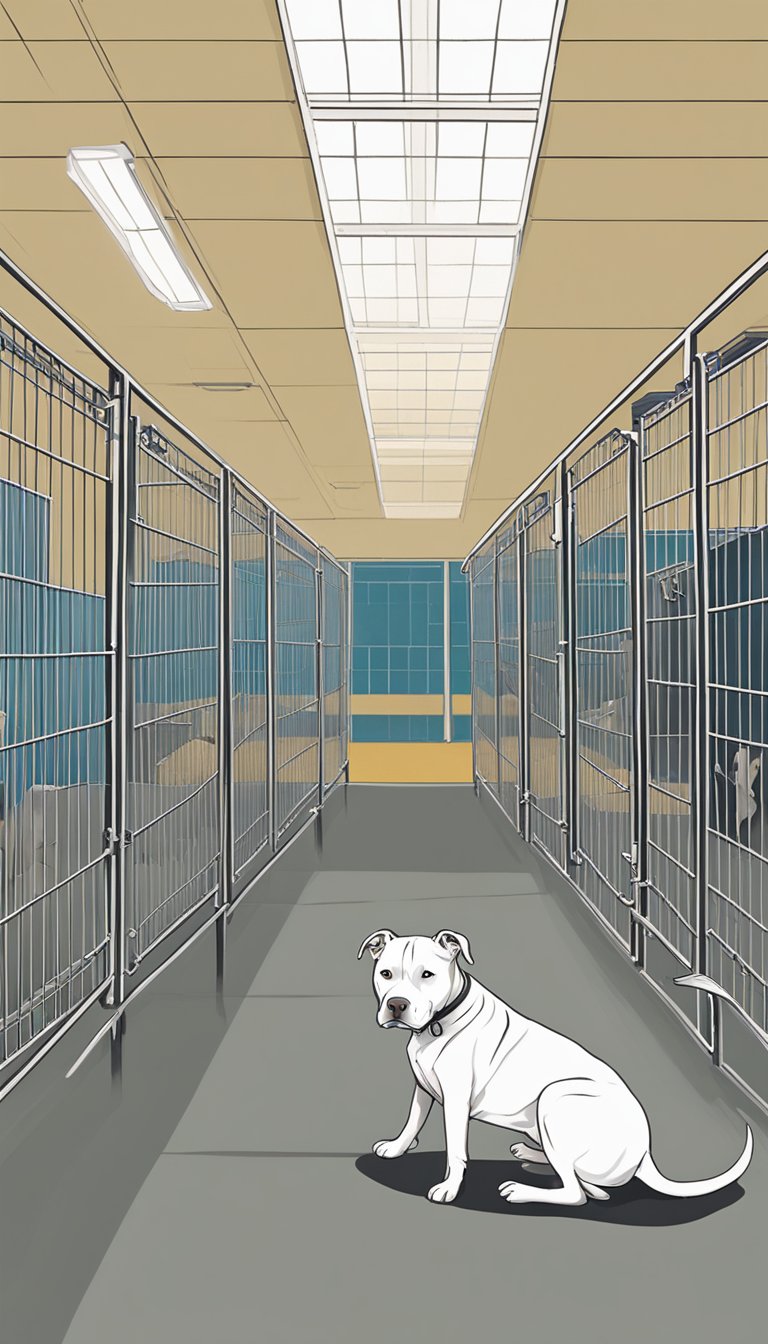
Visiting a local shelter is a great way to start the journey to finding a Pitbull. Shelters often have many dogs looking for loving homes. It’s exciting to meet different dogs and learn about their personalities.
At the shelter, she can ask staff about the dogs. They can provide information about each dog’s history and behavior. This helps in finding a good match for her family.
Shelters also often have adoption events. These events can be a fun way to see many dogs at once. She might find the perfect Pitbull while meeting different pets.
Spending time with dogs at the shelter is important. It allows her to see how each dog reacts to people and different environments. This can help her notice any signs of anxiety or excitement.
Adopting from a shelter can save a dog’s life. Many shelters are overpopulated, and they need loving homes. By choosing to adopt, she becomes a hero to a dog in need.
In addition, most shelters provide vaccinations and spaying or neutering. This can save money and ensure a healthier pet. It’s a smart option for someone ready to welcome a Pitbull into their home.
3) Secure Home and Yard

Before bringing home a Pitbull, it’s important to secure the living space. These dogs are strong and curious. They need a safe environment to thrive.
First, check the yard for any gaps in the fence. Pitbulls can jump or dig, so a tall fence is best. Make sure it is at least six feet high and kept in good condition.
Next, clear your yard of any harmful items. Remove sharp tools, small toys, or plants that could be toxic. Keeping a tidy yard helps prevent accidents.
Inside the home, place away anything the dog could chew on. Shoes, cords, and cleaning supplies should be stored safely. This keeps the home safe for the new pet.
Consider using baby gates to restrict access to certain areas. This will help keep the dog in safe spaces, especially during training times. Creating a special area for them can help with adjustment.
Finally, make sure to check for any small openings in the doors and windows. A solid door with locks is ideal. Taking these steps helps create a secure and welcoming space for a Pitbull.
4) Schedule a Vet Appointment
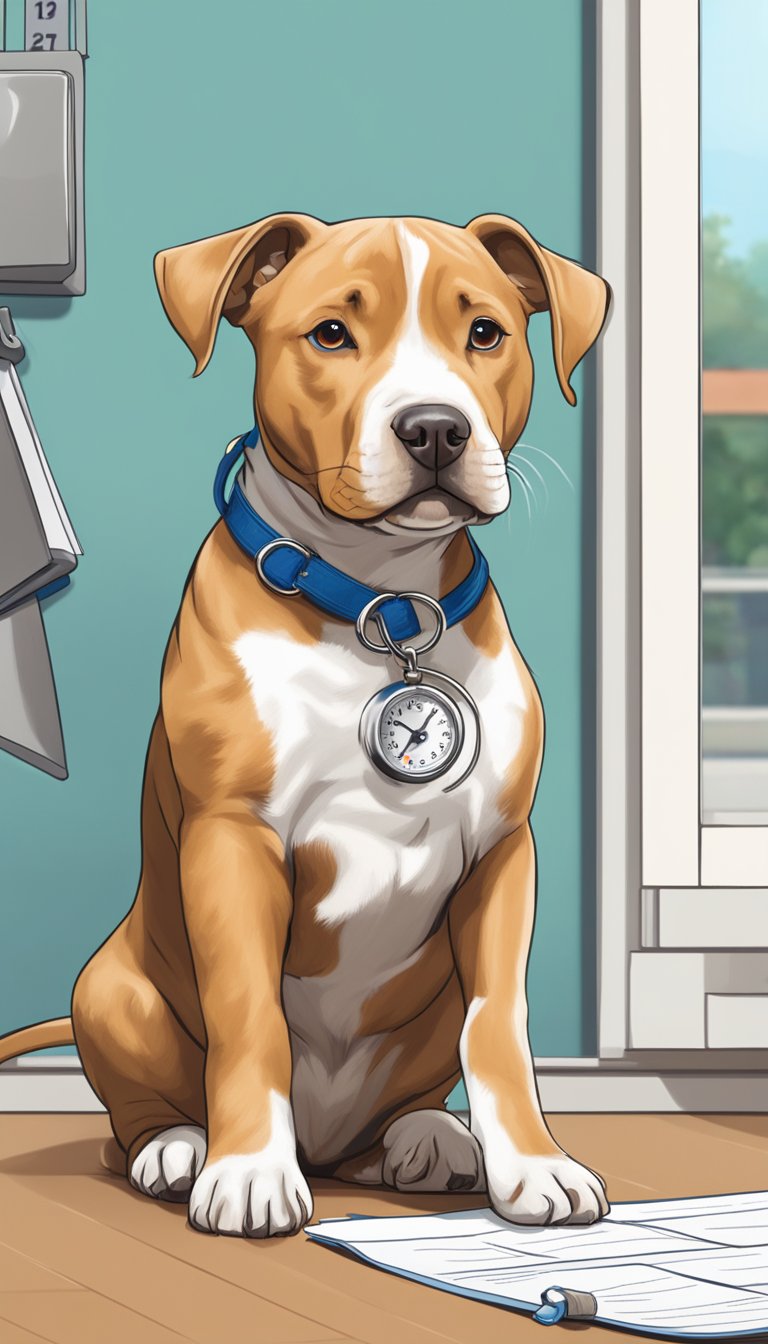
Getting a new pitbull is exciting! One of the first things to do is make a vet appointment. This step is important for the dog’s health and happiness.
A vet can check if the pitbull is healthy. They will check for any signs of illness or problems. This ensures the new pet starts life in a good way.
Vaccinations are key for a young dog. The vet will talk about what shots the dog needs. These shots keep the pitbull safe from diseases.
Testing for parasites is also needed. The vet might suggest tests for worms or fleas. Treating these issues early keeps the pitbull comfortable and healthy.
Spaying or neutering is another topic to discuss. The vet can explain the benefits of this procedure. It can help control the pet population and promote better behavior.
Setting up regular check-ups is a smart idea. Routine visits help catch any health issues early. They offer a chance to ask questions and learn more about the dog.
Bringing home a pitbull is a big responsibility. A vet appointment helps ensure the dog starts off strong and well-cared-for. This sets a great tone for a long, happy life together!
5) Purchase High-Quality Dog Food
Choosing the right dog food is super important for a Pitbull. They need a balanced diet to stay healthy and energetic. High-quality dog food has the right nutrients.
Look for food that lists meat as the first ingredient. Good protein is essential for muscle growth and overall health. Also, avoid foods with too many fillers or artificial additives.
Reading labels is key. Knowing what’s in the food helps ensure it meets your pet’s needs. Many brands offer specific recipes for different life stages, so find one meant for adult Pitbulls.
Consider grain-free options if your dog has sensitivities. Some Pitbulls do better without grains. Check the ingredient list and choose recipes that work for your pet.
Remember to provide fresh water alongside their meals. Staying hydrated is vital for health and activity levels. Pitbulls need plenty of water, especially if they’re active.
Finally, keep a close eye on your Pitbull’s weight. Adjust portion sizes as needed. A healthy diet supports a happy and playful pet!
6) Buy a Comfortable Dog Bed
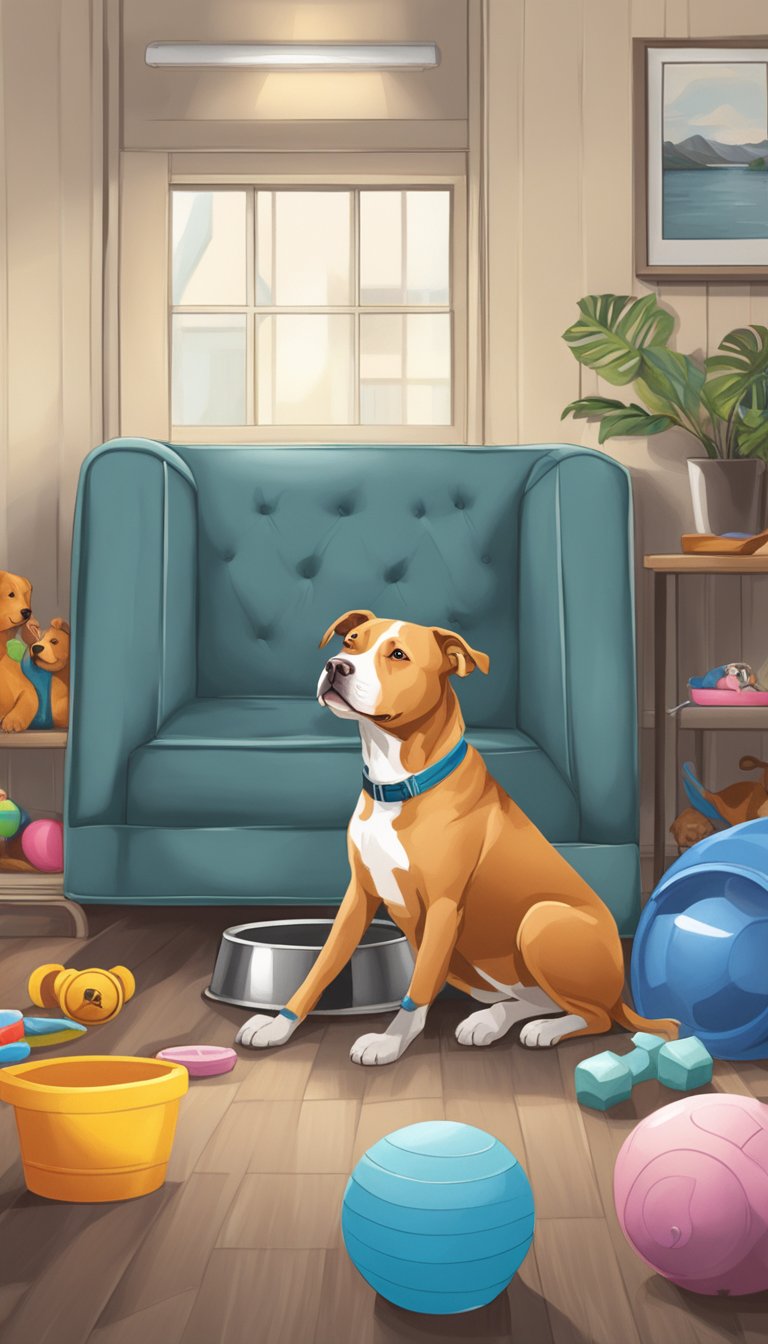
Choosing a comfortable dog bed is important for a new pitbull. They need a cozy spot to rest after playing and exploring. A good bed helps them feel safe and relaxed in their new home.
Look for a bed with soft padding. Memory foam beds can give extra support for their joints. This is especially helpful for active dogs that love to run and play.
The size of the bed matters. It should be big enough for the dog to stretch out. Measuring the pitbull before buying can ensure a perfect fit.
Consider the material too. Washable covers make cleaning easier. A bed made from durable materials will last longer, especially with a playful pup around.
Choose a bed with raised edges or a den-like shape. A bed that offers a sense of security can make the dog feel more at home.
Colors and patterns can be fun! A bed that matches the home can be nice for everyone. It adds to the style of the space while keeping the dog happy.
Finally, placing the bed in a quiet, cozy corner will make it extra inviting. A special spot can help the dog settle in and feel comfortable in their new environment.
7) Organize Training Classes
Training classes are a fun way to help a new pitbull learn good behavior. These classes teach basic commands like sit, stay, and come. They also help with socialization, which is important for a friendly dog.
Finding the right class is key. Many local shelters and pet stores offer training programs. They often have classes for different skill levels, which is great for any dog.
Enrolling in a class allows owners to learn more about dog behavior too. This knowledge helps them understand their new pet better. With guidance from experienced trainers, they can practice techniques at home.
Group classes also offer a chance for pitbulls to meet other dogs. Socialization is vital for developing confidence and reducing anxiety in new situations. A well-trained pitbull is more likely to be happy and calm.
It’s exciting for owners to see their pitbull grow and learn. Every small success in training creates a strong bond between them. With patience and consistency, training classes can make a big difference.
8) Get Chew Toys and Puzzles

Getting chew toys and puzzles is fun and important for a pitbull. These toys help keep them busy and happy. Pitbulls are strong and like to chew, so having the right toys is key.
Chew toys can help keep their teeth clean and healthy. They can also stop unwanted chewing on furniture or shoes. When they have something to chew, they use their energy in a good way.
Puzzles make playtime more exciting. They challenge the dog and get their mind working. This is great for a pitbull’s intelligence and keeps them from getting bored.
Look for durable chew toys made for tough chewers. Brands often make toys just for pitbulls. There are many fun colors and shapes, too!
Try different types of puzzles, like treat dispensers. This encourages problem-solving as they figure out how to get the treats. Your pitbull will love the challenge!
Having a variety of chew toys and puzzles is the best way to keep a pitbull entertained. It helps them stay happy and healthy while making sure they have fun!
9) Find a Reliable Dog Walker
Finding a reliable dog walker is important for any dog owner. This is especially true for a breed like a Pitbull. They need regular exercise to stay happy and healthy.
A good dog walker will know how to handle a strong dog. They should be experienced and trained. It’s best to look for someone who has worked with Pitbulls before.
She can ask friends or family for recommendations. Online reviews can also help find a trustworthy walker. Meeting the walker in person before hiring is a good idea. This helps both the owner and the dog feel comfortable.
The walker should have a plan for the walks. Keeping the dog safe is key. They should also know how to handle any behavior issues that may come up.
It is also helpful if the dog walker can provide updates. A quick text or photo during the walk can give peace of mind. It lets the owner know their Pitbull is having a great time.
Setting regular walking days and times can help establish a routine. A good plan ensures the Pitbull gets enough exercise. This also helps the owner keep track of their dog’s energy levels.
Finding the right dog walker can lead to fun adventures together! It makes life better for both the dog and the owner.
10) Prepare a Safe Space
Creating a safe space for a new Pitbull is very important. This area will help the dog feel secure in their new home. It should be a quiet place where they can relax and unwind.
Start by choosing a cozy spot in the house. A corner of the living room or a separate room can work well. Add a comfortable dog bed for them to lie on.
Make sure the area is free of hazards. Remove any sharp objects or things they could chew on. Pet-proofing the space helps keep the dog safe.
Consider using baby gates to limit access to certain areas. This way, they can feel secure while exploring their new environment.
Keep their toys in the safe space. This encourages positive play and helps them settle in.
Also, add some familiar items. A blanket or a toy from their previous home can help them feel more at ease.
Providing a safe space helps build trust. The dog will appreciate having a place to call their own as they adapt to their new life. It shows that they are welcome and loved.
11) Establish House Rules
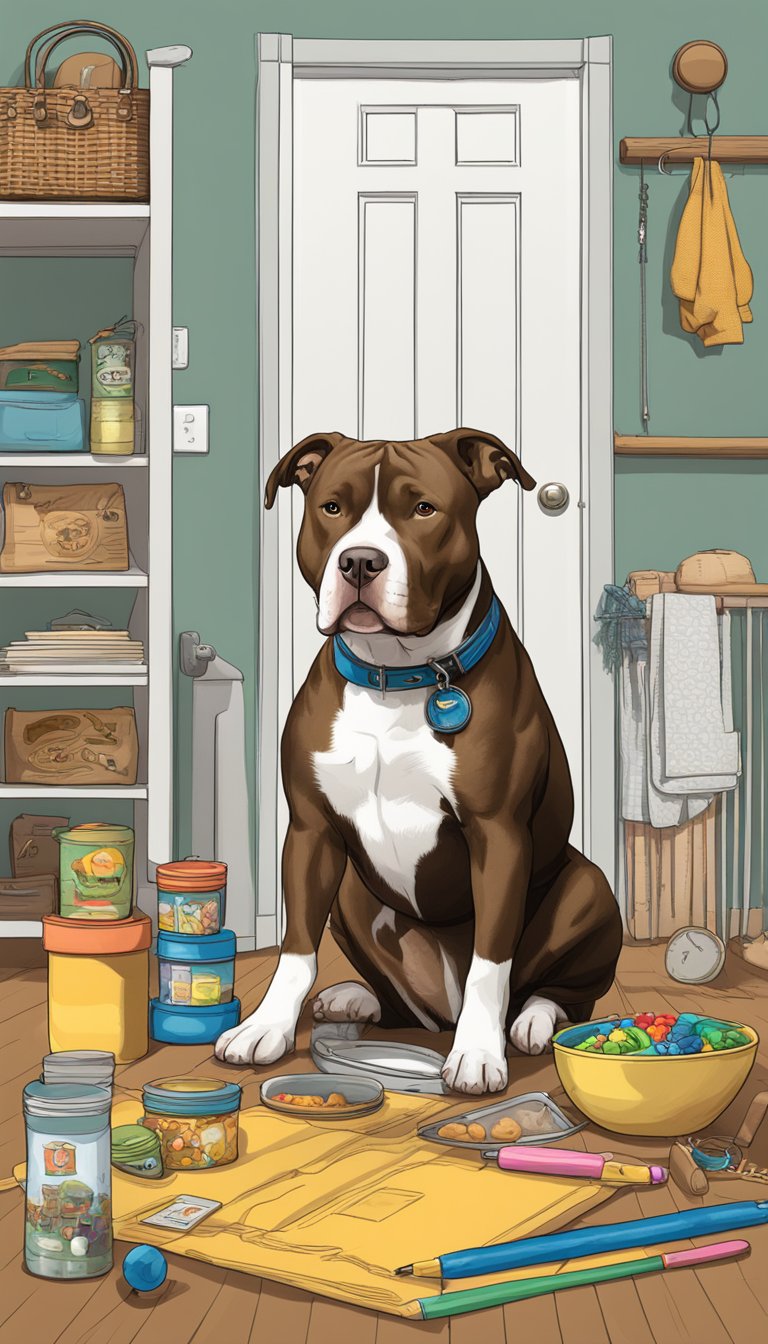
Setting house rules is important when bringing home a Pitbull. This helps everyone in the family know what is expected. It also helps the new pet feel secure.
Start with basic rules like where the dog can go in the house. Decide if they will be allowed on the furniture or in certain rooms. Clear rules will help prevent confusion.
Next, set rules for feeding. Decide when and where the dog will eat. This routine will help with training and create a calm atmosphere during meal times.
Training rules are also key. Decide if she will be allowed to jump on people or bark excessively. Consistent rules help teach the dog what is okay and what isn’t.
It’s also a good idea to establish guidelines around playtime. Determine what toys are allowed and how long play sessions will last. This keeps things fun and exciting while maintaining order.
Lastly, make rules about interaction with guests. Decide how you want the dog to behave when friends or family visit. This helps ensure everyone feels comfortable.
Establishing these house rules will pave the way for a smooth transition. It makes owning a Pitbull a joyful experience for everyone involved!
Understanding the Breed

Pitbulls are a unique breed known for their strength, energy, and loyalty. Learning about their traits and addressing common myths is essential for potential owners.
Pitbull Characteristics
Pitbulls are muscular dogs with a strong build. They typically weigh between 30 to 85 pounds and stand about 18 to 21 inches tall. Their short coat requires minimal grooming, making them low-maintenance.
These dogs are known for their friendly and affectionate nature. They are often great with children and can form strong bonds with their families. Pitbulls are also very energetic and need regular exercise. Daily walks, playtime, and mental stimulation are key to keeping them happy.
Training is important as well. Pitbulls are intelligent and eager to please, so positive reinforcement methods work best. Socializing them at a young age helps them become well-rounded pets.
Common Misconceptions About Pitbulls
Many people hold misconceptions about Pitbulls. A common myth is that they are inherently aggressive. While they can exhibit aggressive behavior, this is often due to poor training or abuse rather than their breed.
Another misconception is that Pitbulls are only effective as guard dogs. In reality, they can be gentle and friendly. They often show great affection towards their owners and can be good companions.
People may also believe that Pitbulls cannot be trained. With the right approach, they can learn commands and tricks just like any other breed. Early training and socialization play critical roles in shaping their behavior.
Preparing Your Home
Bringing a Pitbull home is exciting! Before they arrive, it’s important to prepare your space. This means getting the right supplies and creating a safe area for them to feel comfortable.
Essential Supplies
When getting ready for a Pitbull, having the right supplies makes a big difference. Here’s a list of what to gather:
- Food and Water Bowls: Sturdy and easy to clean bowls are a must.
- High-Quality Dog Food: Choose a brand that fits your dog’s age and health needs.
- Collar and Leash: A strong collar and a leash are crucial for walks and trips.
- Dog Bed: A comfy bed gives them a special spot to relax.
- Toys: Durable toys help with playtime and keeping teeth healthy.
Having these essentials ready will help the transition go smoothly.
Setting Up a Safe Space
Creating a safe space for a Pitbull is essential. This area should be quiet and free from hazards. Here are some tips for setting it up:
- Choose a Quiet Area: Find a corner in the house that’s away from loud noises.
- Add a Dog Crate: A crate can be a great spot for them to feel secure.
- Remove Hazards: Keep cords, small objects, and plants out of reach.
- Use Baby Gates: Gates can help control where the dog goes in the house.
- Prepare for Training: Have treats and training tools ready for teaching commands.
These steps create a welcoming environment for a new friend.