Getting a Pitbull can be a rewarding experience for anyone who loves dogs. There is a lot to learn before bringing one into the home. Knowing key facts about their care, behavior, and training can help ensure a happy life for both the dog and the owner. Pitbulls often get a bad reputation, but they can be loyal and loving companions. It’s important to understand what to expect from this breed. Being informed helps prepare future owners for the joys and challenges of having a Pitbull.
1) Research the Breed Thoroughly

Researching the Pitbull breed is an exciting first step. It helps people understand what to expect. Knowing the breed will make a big difference in the experience of owning one.
Pitbulls are strong, energetic, and loving dogs. They were originally bred for work. This means they need plenty of physical exercise and mental stimulation.
Many resources are available to learn about Pitbulls. Reading books and articles can be helpful. Watching videos about their training and behavior can provide great insights.
Talking to current Pitbull owners can also be beneficial. They can share their experiences and answer questions. Joining local or online Pitbull communities allows for valuable discussions.
Understanding the breed’s history is essential. This can help create a better bond between the owner and the dog. It also sets realistic expectations about their needs and behavior.
Not all Pitbulls are the same. Each dog has a unique personality. Researching helps owners recognize traits that fit their lifestyle.
By exploring the breed thoroughly, someone can prepare for a joyful journey. A well-informed owner sets the stage for a happy, healthy life together.
2) Understand Pitbull Myths and Realities

Many people have strong opinions about Pitbulls. Some believe they are very aggressive, but that’s not true for all. Like any breed, behavior depends on training and socialization.
A common myth is that Pitbulls have locking jaws. This isn’t supported by science. Their jaws are similar to other dogs. They can bite hard, but that’s true for many breeds.
Another myth is that they can’t be trusted with children. In reality, many Pitbulls are gentle and loving. They can be great family pets with proper training.
Some think Pitbulls need a lot of exercise. While they are active dogs, their needs vary. Each dog is unique and should have a routine that fits them.
Many believe Pitbulls are always dangerous. This stereotype comes from media stories. Many dogs, including Pitbulls, can be friendly and well-behaved.
Understanding these myths helps people see the real nature of Pitbulls. They can be wonderful companions when cared for properly. It’s important to learn about their traits to make a well-informed decision.
3) Prepare for High Energy Levels

Pitbulls are known for their high energy levels. They love to play and need lots of exercise every day. This makes them fun but also requires commitment.
Owners should expect to spend time walking, running, or playing with their Pitbull. Daily activities will keep the dog happy and healthy. Without enough exercise, a Pitbull might feel bored and could develop bad habits.
Creating a routine for physical activities is important. Going to dog parks, hiking, or playing fetch are great ways to burn off energy. Pitbulls enjoy being active with their families.
Mental stimulation is just as vital. Puzzle toys or training games are excellent for keeping their minds sharp. Challenging a Pitbull helps them stay engaged.
Training also connects energy with learning. Teaching commands and tricks is a perfect way to use their energy wisely. Consistency in training helps build a strong bond between the dog and its owner.
People should also be ready for excitement at home. Pitbulls may bounce around or seek attention. Keeping a safe space is key for a happy living environment.
Being prepared for their high energy can lead to joyful moments. With enough activity and engagement, a Pitbull can be a wonderful companion.
4) Invest in Strong, Secure Leashes
Getting a pitbull means being prepared for their strength and energy. It’s crucial to invest in strong, secure leashes. A solid leash helps ensure safety for both the dog and the owner.
Pitbulls can pull hard, especially when excited. A weak leash might snap, leading to dangerous situations. Choosing a durable leash made from strong materials can provide peace of mind during walks.
Look for leashes that are at least 1 inch wide. The thickness adds strength and control. Leashes made from nylon or leather are often reliable choices.
Additionally, a secure clasp is important. A reliable clip prevents the leash from coming undone. It ensures the pitbull stays safe and close at all times.
Consider the length of the leash too. A standard 6-foot leash works well for control. It gives enough freedom while keeping the dog close to the owner.
If the pitbull loves to run, a harness might be a good option. Harnesses distribute pressure better than collars. This can lead to a more comfortable experience for the dog.
In the end, investing in a strong, secure leash is a smart choice. It provides safety and helps build a great bond between the owner and their pitbull. Happy walking!
5) Get Ready for Socialization Training
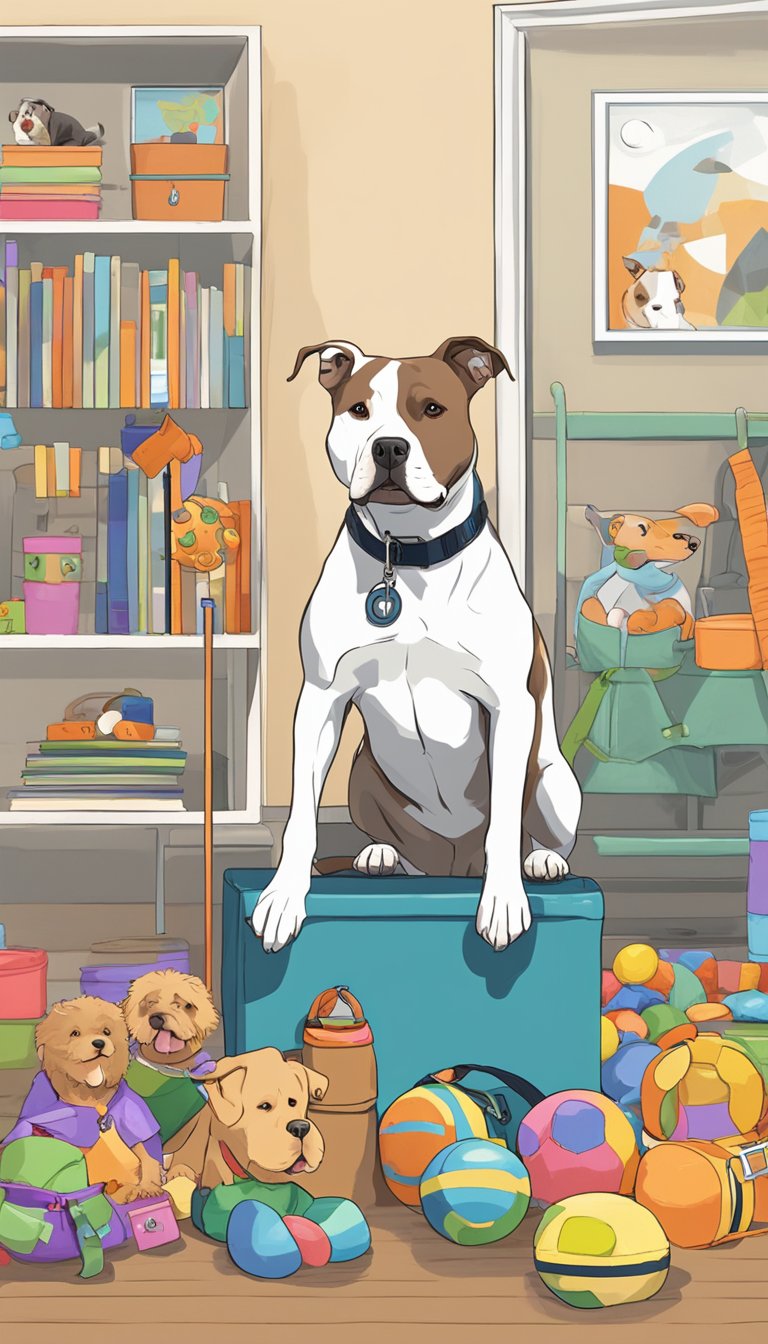
Socialization training is key for a happy Pitbull! It helps them learn how to get along with people and other animals. This training should start when they are young.
Taking a puppy to different places is a fun way to socialize them. They can meet new people and other dogs. This helps them feel more comfortable in different settings.
Exposing a Pitbull to various sounds and sights is also important. This means taking them to parks, stores, or busy streets. These experiences build their confidence and make them less anxious.
Training classes can be very helpful. They offer a chance for Pitbulls to interact with other dogs in a controlled setting. A trainer can guide the process and give helpful tips.
Consistency is crucial during training. Owners should practice socialization regularly. Small trips or playdates can make a big difference over time.
Positive reinforcement works best with Pitbulls. Rewarding them with treats or praise encourages good behavior. This makes training fun and strengthens the bond between the dog and the owner.
With the right socialization, a Pitbull can grow up to be a friendly and well-adjusted dog! It takes time and effort, but the results are worth it.
6) Plan for Consistent Exercise
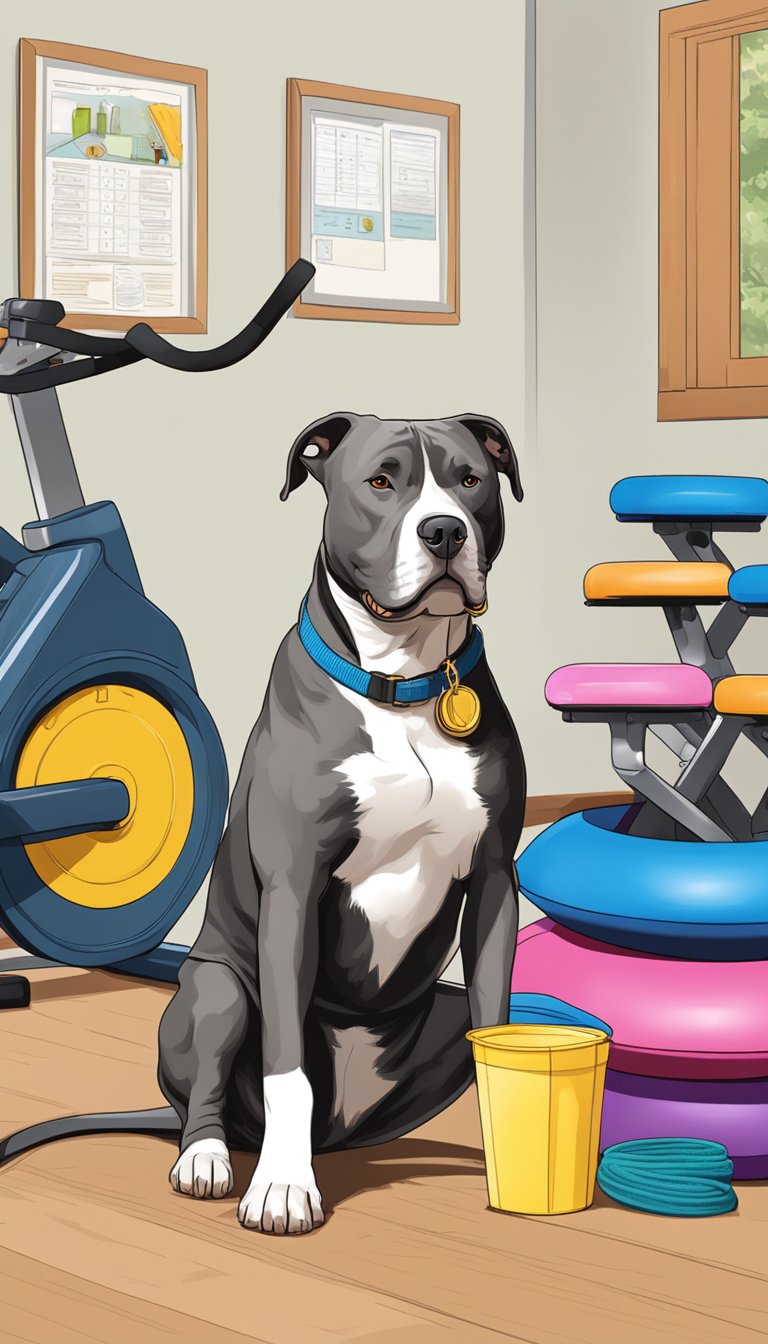
Pitbulls have a lot of energy and need regular exercise. He or she will thrive with daily walks, playtime, and activities. This helps keep them happy and healthy.
A good routine could include long walks in the morning and evening. He or she will also enjoy fetch or tug-of-war games. These activities not only provide exercise but also help with training.
Socialization is important too. Taking them to dog parks can be fun. It allows them to meet other dogs and people.
Training sessions can double as exercise. Teaching tricks can be exciting and mentally stimulating for them. It also strengthens the bond between the dog and the owner.
Consistency is key for a happy Pitbull. Sticking to an exercise schedule will help prevent boredom. Boredom can sometimes lead to unwanted behaviors.
Regular exercise keeps their muscles strong and their minds sharp. A tired dog is often a well-behaved dog! With enough physical activity, they will be excited and ready for anything.
7) Provide Positive Reinforcement
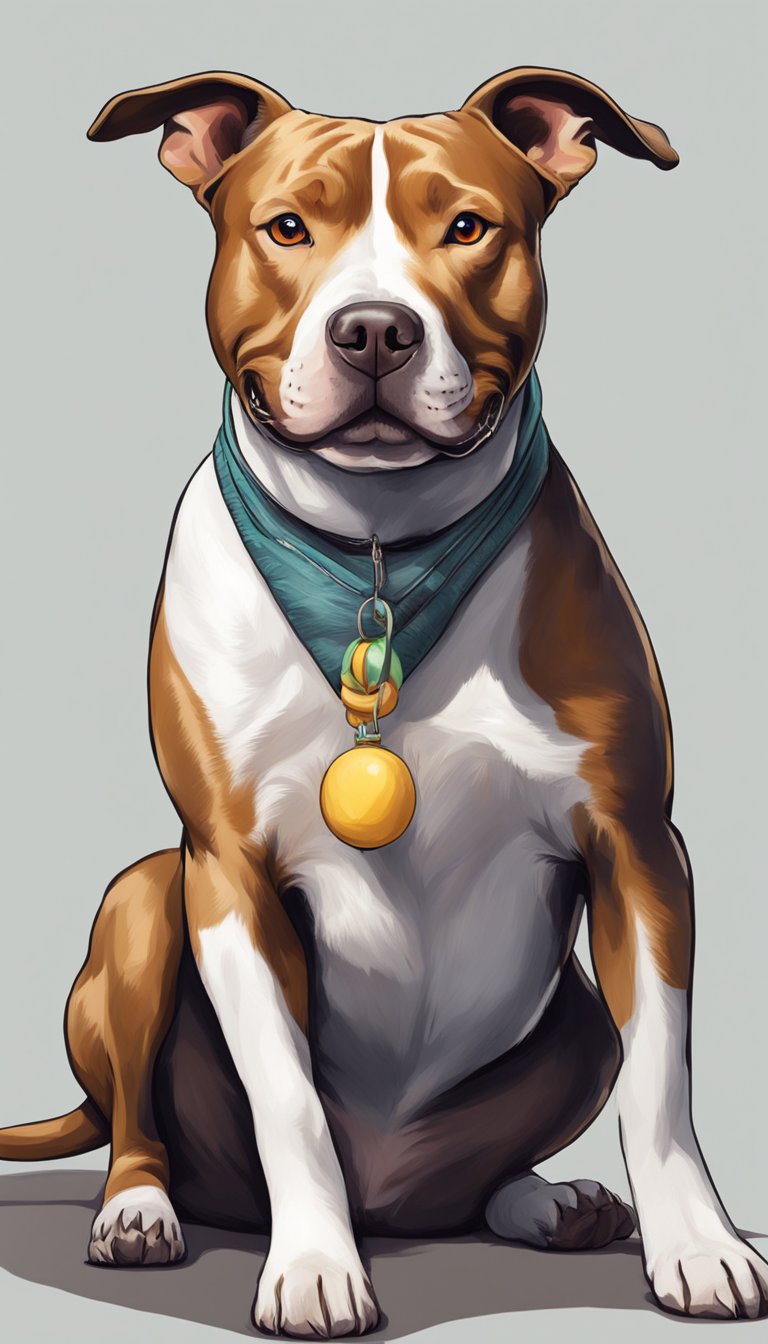
Positive reinforcement is an excellent way to train a Pitbull. It creates a fun and loving atmosphere for both the dog and its owner. When a dog behaves well, it’s important to reward that behavior.
Treats, praise, and playtime work wonders! Giving treats right after good behavior helps the dog make a connection. This way, they learn what actions please their owner.
Consistency is key. If they sit, stay, or come when called, reward them every time. This builds trust and encourages them to repeat those good behaviors.
Using a happy voice is important too. Pitbulls respond well to excitement. Praise them with a cheerful tone to motivate them even more.
Avoid punishing your dog for mistakes. Instead, redirect them to the right behavior. Teaching them what to do helps them learn better than just saying “no.”
Training should be fun! Incorporating games into training can keep a Pitbull engaged. It makes learning a joyful experience, leading to a strong bond between the dog and owner.
Finally, remember to be patient. Training takes time, and every dog learns at their own pace. Offering constant positive reinforcement leads to a happy and well-behaved Pitbull. It helps them feel loved and secure.
8) Commit to Regular Vet Visits
Getting a Pitbull means being ready for regular vet visits. These check-ups are important for keeping your dog healthy and happy.
Veterinarians can spot health issues early. This can prevent bigger problems down the line. Vaccinations are also a key part of these visits. They protect against diseases.
Pitbulls can have specific health needs. Regular check-ups help monitor their weight and skin conditions. A vet can give advice on diet and exercise too.
Routine visits help keep your Pitbull’s teeth and gums in good shape. Dental health is often overlooked, but it’s very important. A vet can perform cleanings and suggest the best dental care.
Don’t forget about preventive care. Treatments for fleas, ticks, and worms are essential. Your vet can provide these and keep your Pitbull safe.
When you commit to regular vet visits, you show you care. It’s a great way to bond with your pet. Your Pitbull will thrive with the right care and attention.
9) Stock Up on Durable Toys

Getting a Pitbull means being ready for some serious playtime! These dogs have strong jaws and love to chew. So, it’s important to buy durable toys that can stand up to their energy.
Look for toys made from tough materials like rubber or nylon. These materials can handle rough play and last longer than regular toys. Avoid soft toys that can easily fall apart.
Stuffed toys may seem fun, but Pitbulls can tear them apart quickly. Instead, choose toys designed specifically for heavy chewers. They come in fun shapes and colors that will keep your dog entertained.
Interactive toys are also a great choice. They challenge your Pitbull’s mind while providing physical activity. Look for ones that can be filled with treats to keep them engaged.
Don’t forget about balls! Many Pitbulls love to chase and fetch. A solid rubber ball can offer hours of fun. Just make sure it’s big enough so they can’t swallow it.
Stocking up on durable toys means fewer trips to the store. Your Pitbull will have the right options to play and stay active. Happy playing!
10) Learn About Breed-Specific Laws
Before bringing a Pitbull home, it’s important to know about breed-specific laws. Many places have rules that apply to certain breeds, including Pitbulls. These laws can vary by city, county, or state.
Some regions might have restrictions or even bans on owning Pitbulls. This can affect where someone can live or if they can adopt a Pitbull at all. It’s essential for potential owners to check local laws.
Understanding these laws helps avoid surprises. Pitbull owners must ensure they are following all regulations to keep their pets and family safe.
Pitbulls can be wonderful companions, but knowledge is key. Knowing the laws helps owners make responsible decisions. It also supports a positive image of the breed in the community.
Owners should reach out to local animal shelters or breed-specific rescue groups for guidance. These resources can provide valuable insight into breed laws and responsibilities.
Educating oneself about the laws is a smart step. It shows commitment to being a responsible owner and provides peace of mind.
11) Be Prepared for a Strong-willed Dog

Pitbulls are known for their strong personalities. They have a strong will and can be quite determined. This makes training and socialization important.
Owners need to show leadership and consistency. It helps to set clear rules from the start. A strong-willed dog needs a handler who is calm and confident.
Training should be positive and fun. Rewarding good behavior works well with this breed. They respond best to praise and treats.
Socialization is also key. Exposing a Pitbull to different people and environments will help shape their behavior. Early socialization can help them grow into well-adjusted adults.
It is important to be patient. Sometimes, they may test limits. Staying calm and firm will encourage them to follow commands.
Strong-willed dogs can be wonderful companions. Their loyalty and energy make them loving pets. With the right approach, the bond can be strong and rewarding.
Understanding Pitbull Temperament
Pitbulls are often misunderstood dogs. Their temperament is affected by many factors, including training and socialization. Knowing the truth can help in choosing this breed.
Common Misconceptions
Many people believe Pitbulls are aggressive. This is not always true. While they are strong dogs, their behavior depends on how they are raised. A well-trained Pitbull can be friendly and loving.
Another common myth is that they are dangerous to children. In reality, many Pitbulls are gentle and great with kids. Responsible owners teach their pets good behavior.
Education is key. Learning about a Pitbull’s past, breed traits, and personality helps people understand them better. Proper training and love shape their true selves.
Socialization Tips
Socialization is very important for Pitbulls. Introducing them to new people and experiences early in life can help them become well-adjusted adults.
Take the dog to parks, events, and pet-friendly places. This builds confidence and teaches them how to behave around others. Positive reinforcement works best. Use treats and praise when they act well.
Enroll in obedience classes. This not only helps with training but also adds social experiences. Meeting other dogs is vital for developing friendly behavior.
Always supervise interactions, especially with children or small pets. Teach kids how to approach and play with the dog safely. Understanding each other’s boundaries creates a happy home.
Training Your Pitbull

Training a Pitbull can be a rewarding experience. Using the right techniques helps build a strong bond and ensures a well-behaved pet. Two key aspects are positive reinforcement and crate training.
Positive Reinforcement Techniques
Positive reinforcement focuses on rewarding good behavior. This can be done using treats, praise, or playtime. It’s important to reward the Pitbull immediately after the desired action. This helps the dog understand what behavior is being encouraged.
For example, when teaching “sit,” the owner should give a treat as soon as the dog sits. Consistency is vital. Everyone in the household should use the same commands and rewards.
Training sessions should be short, around 5 to 10 minutes. This keeps the dog engaged without losing interest. Using toys or interactive games can also make training fun!
Crate Training Essentials
Crate training is a useful tool for managing a Pitbull’s behavior. A crate provides a safe space for the dog. It can help with potty training and reduce anxiety.
Begin by introducing the crate gradually. Place treats and toys inside to make it inviting. Allow the dog to enter and exit freely at first.
Establish a routine for crate time. Short periods at first will help the dog adjust. Over time, increase the duration as the dog becomes comfortable.
Always make the crate a positive experience. Avoid using it for punishment. A happy Pitbull will be more willing to learn and behave!