Getting a Pomeranian is an exciting decision! These tiny dogs have big personalities and can bring a lot of joy to a home. Many important factors can help ensure that a Pomeranian is a good fit for a person or family. Before diving into Pomeranian ownership, it’s essential to learn what to expect. From their grooming needs to their playful temperament, understanding these details can make a world of difference. With the right preparation, bringing a Pomeranian into a home can be a rewarding experience.
1) Adorable Personality and Traits
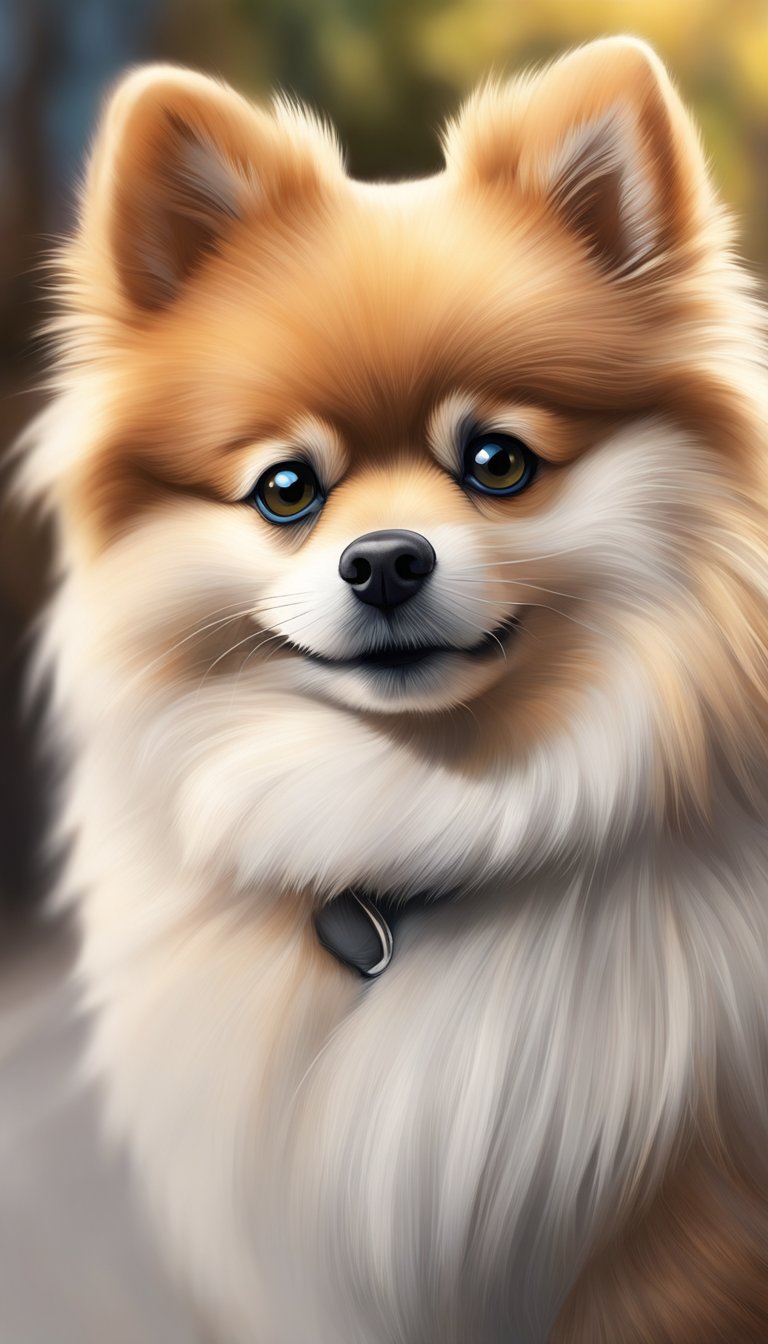
Pomeranians have such charming personalities! They are known for being lively and playful. Their energy can light up a room.
These little dogs are often very friendly. They love to be around people and can be great with kids. Many Pomeranians enjoy making new friends.
Pomeranians are quite curious. They love exploring their surroundings. This trait makes them fun companions during walks and playtime.
They can also be very smart. Training and teaching tricks can be an exciting challenge. Many Pomeranians pick up commands quickly.
Another endearing trait is their loyalty. They form strong bonds with their owners. This makes them loving and protective pets.
Pomeranians can be a bit sassy, too! They often have bold personalities. This spunk can create amusing moments in the home.
Their fluffy coat adds to their adorable appeal. Many people can’t resist snuggling with them. The cuteness of these dogs is truly hard to deny.
With their fun personalities, Pomeranians can bring joy to any family. They are sure to keep everyone entertained!
Grooming Needs
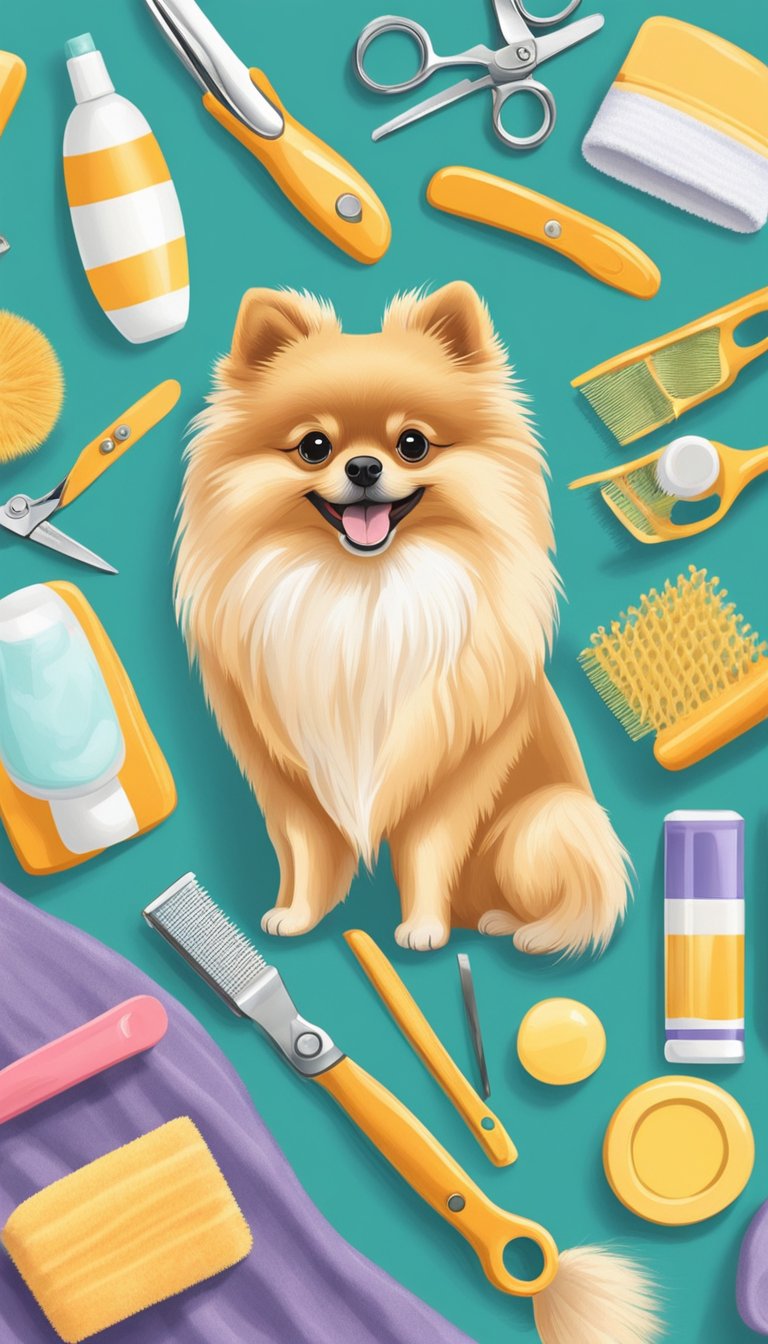
Pomeranians have thick, fluffy coats that look amazing. Regular grooming is important to keep their fur healthy and neat.
Brushing is a must, and it should happen at least twice a week. This helps prevent mats and tangles in their fur. Daily brushing is even better, especially during shedding season.
Bathing is also part of the routine. It’s good to bathe a Pomeranian every few weeks. This keeps their coat clean and shiny.
Nail trimming is important too. Keeping nails short helps prevent discomfort while walking. A good rule is to trim nails every 3-4 weeks.
Cleaning their ears and teeth is key for their health. Ear cleaning can happen monthly, while teeth brushing should be done several times a week.
Pay attention to their eyes as well. Pomeranians can sometimes have tear stains, so wiping their eyes gently can help.
Grooming can be a fun bonding time. With the right tools and a bit of practice, it can be a great experience for both the dog and the owner!
3) Training Essentials
Training a Pomeranian can be a fun adventure! These little dogs are smart and eager to learn. With the right approach, they can pick up commands quickly.
Positive reinforcement works best. Treats, praise, and playtime motivate them to listen. It creates a happy learning environment.
Start with basic commands like “sit,” “stay,” and “come.” Short training sessions help hold their attention. Five to ten minutes is often enough for young Pomeranians.
Socialization is key too. Taking them to parks or pet classes can help them feel comfortable around others. This helps them develop good behavior and confidence.
Consistency is important. Use the same commands and rules at all times. This helps the dog understand what is expected.
Be patient and encouraging. Pomeranians may have their stubborn moments. Staying calm and positive makes a big difference.
Overall, training a Pomeranian can lead to a strong bond. With time and effort, they can become well-mannered companions.
4) Understanding Health Issues
Pomeranians are small and adorable, but they can have some health concerns. Knowing these can help owners take better care of their furry friends.
One common issue is dental health. Pomeranians often have problems with their teeth, so regular brushing is important. Owners should also consider dental check-ups to keep those smiles bright.
Another concern is joint problems, like patellar luxation. This is when the kneecap slips out of place. It can cause pain, and some Pomeranians may need surgery to fix it.
Heart issues can also affect Pomeranians. They are prone to conditions like heart murmurs and congestive heart failure. Regular vet visits can help catch these problems early.
Pomeranians may also deal with skin allergies. These can cause itching and discomfort. A vet can recommend the best treatments and diet to manage these allergies.
Lastly, they can be sensitive to temperature changes. Pomeranians are small and can get cold easily. Owners should keep them warm during chilly months.
Being aware of these health issues helps owners keep their Pomeranians happy and healthy! Regular vet visits, a good diet, and proper care can make a big difference in their lives.
5) Exercise Requirements
Pomeranians are small but full of energy! They need daily exercise to stay healthy and happy.
A good amount of playtime is important. It keeps them fit and helps prevent boredom. Short walks and play sessions work well. About 30 minutes a day is a great goal.
Games like fetch can really get them moving. They love to chase after toys. It’s a fun way to bond with them too!
Pomeranians also enjoy mental challenges. Puzzle toys or learning new tricks can keep them stimulated. This helps them use their energy in a positive way.
Too little exercise can lead to behavior issues. A Pomeranian might become anxious or bark more if they don’t get enough activity. Regular movement helps keep these little dogs calm and content.
Always pay attention to their needs. Each Pomeranian can have different energy levels. Some might want more playtime than others.
With regular exercise, they stay strong and healthy. Plus, it helps build a strong connection with their owners. Making exercise fun keeps both Pomeranian and owner excited for more!
6) Feeding Guidelines
Feeding a Pomeranian is fun and important! These small dogs need a balanced diet to stay healthy and happy.
Most owners choose high-quality dog food made for small breeds. This food contains the right mix of protein, fats, and carbohydrates. Look for brands that list meat as the first ingredient.
Pomeranians often do best with dry kibble. It helps keep their teeth clean and strong. Some owners also add a bit of wet food for variety.
Pomeranians are prone to being overweight. It’s important to measure their food. A good rule is to feed them about 1/4 to 1/2 cup of food each day, split into two meals.
Fresh water should always be available. It helps keep them hydrated, especially after playtime.
Treats are great for training but should not make up more than 10% of their daily calories. Healthy options include small pieces of fruits or veggies.
Be cautious with human food. Some foods are toxic to dogs, like chocolate and grapes. Always check before sharing snacks with a Pomeranian.
Regular vet visits are important too. The vet can offer more specific feeding advice based on the dog’s age, weight, and health needs.
7) Socialization Tips
Socializing a Pomeranian is important for their happiness. It helps them feel comfortable in different situations. Starting early is key.
Introduce the puppy to various people, pets, and environments. This can happen at home, in the park, or during walks. New sights, sounds, and smells will excite them.
Encourage positive experiences with treats and praise. This makes learning enjoyable and helps build confidence. If they meet another dog, let them interact on a leash.
Taking your Pomeranian to puppy classes is a great idea. It allows them to learn with other dogs and people. They will build social skills in a fun setting.
Frequent outings can help a shy Pomeranian grow more comfortable. Short trips to pet-friendly stores or parks are great starts. Let them explore at their own pace.
Continuously socialize them as they grow. Regular interactions keep their skills sharp and fear at bay. Always monitor their responses and adjust as needed.
Patience is crucial during this process. Some Pomeranians may take longer to adjust. Consistency and a positive attitude will lead to success.
Choosing the Right Breeder
Finding the right breeder is exciting and essential for getting a healthy Pomeranian. A good breeder cares about the dogs and their well-being.
First, they should provide a clean and safe environment. Visiting the breeder’s facility is important. It gives the chance to see how the puppies are raised.
A responsible breeder will happily show health clearances for the parents. This means the dogs have been checked for common health issues. It helps prevent problems in the future.
Talking to the breeder is vital. They should answer questions about the breed and the specific puppies. A passionate breeder wants to match the right puppy with the right family.
Ask about the puppies’ socialization. A good breeder will expose them to different people and environments. This experience helps the puppy grow into a friendly and confident dog.
Check reviews and ask for references. Hearing from other puppy owners can provide valuable insights. A reputable breeder should have positive feedback from happy customers.
Finally, trust your instincts. If something feels off, keep looking. There are many breeders out there. Finding the right one will lead to a joyful experience with a loving Pomeranian.
9) Vaccination Schedule
Vaccinations are super important for a Pomeranian. They help protect against common diseases. Following a proper vaccination schedule keeps them safe and healthy.
Puppies usually get their first vaccinations around six to eight weeks old. These shots often include vaccines for parvovirus and distemper. It’s important to stick to this schedule.
At around twelve weeks, they’ll need more vaccinations. This typically includes more doses of the earlier vaccines and rabies. Rabies shots are often required by law, so this is crucial!
The vet will suggest booster shots as your Pomeranian grows. Yearly check-ups are a great time for these. Regular boosters help maintain their immunity.
Always keep a vaccination record. This helps track what shots your Pomeranian has received. It also helps when visiting doggy daycare or boarding facilities.
Make sure to discuss any questions about vaccinations with the vet. They can guide you on the best schedule for your Pomeranian. Keeping up with vaccines means your furry friend can enjoy a long, happy life!
10) Housebreaking Tips
Housebreaking a Pomeranian can be fun and rewarding! Consistency is key. Set a regular schedule for bathroom breaks.
Take the puppy outside after eating, drinking, or waking up. This helps them learn when and where to go. Pomeranians are small, so they might need more frequent trips outside.
Reward your Pomeranian every time it goes outside. Use treats or lots of praise to encourage good behavior. This teaches them that going outside is a great thing!
If there are accidents inside, don’t scold the puppy. Clean it up quietly and remember they are still learning. Take them outside right after an accident to reinforce where to go.
Choose a specific spot outside for bathroom breaks. This helps your Pomeranian understand where to do their business. The scent will remind them what to do.
Consider using puppy pads if going outside isn’t possible. Place the pads in a designated area. Gradually move them closer to the door as the puppy learns.
Be patient! Every puppy learns at their own pace. Celebrate the small victories along the way. With love and support, your Pomeranian will be housebroken in no time!
11) Dental Care Musts
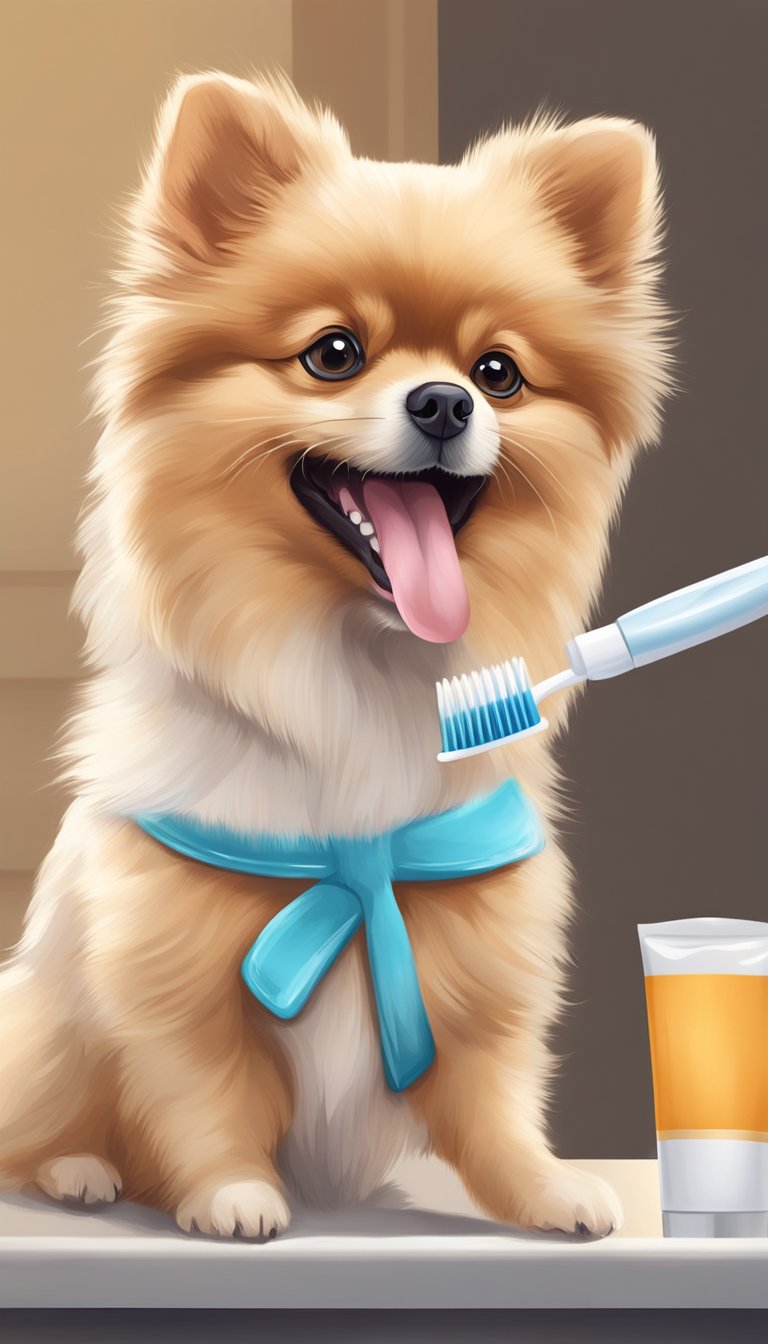
Pomeranians have tiny teeth that need special care. Regular dental hygiene is important to keep their mouths healthy.
Brushing their teeth is a key part of care. It’s best to use dog toothpaste and a soft toothbrush. Start slowly, so they get used to the process.
Chew toys are also great for their teeth. These can help remove plaque and keep gums strong. Make sure to choose toys meant for small dogs.
Dental treats can help keep their breath fresh. Look for treats that are specifically designed for dental care. They can help reduce tartar buildup.
Regular vet visits are important as well. A vet can check for dental issues and provide professional cleanings if needed. This helps prevent more serious problems later on.
Keeping an eye on their eating habits can also make a difference. Soft foods can lead to a quicker buildup of plaque. Mixing in some crunchier options can promote better dental health.
With the right care, Pomeranians can have bright smiles. It’s exciting to give these little dogs the care they need for happy, healthy lives!
Pomeranian Temperament and Personality
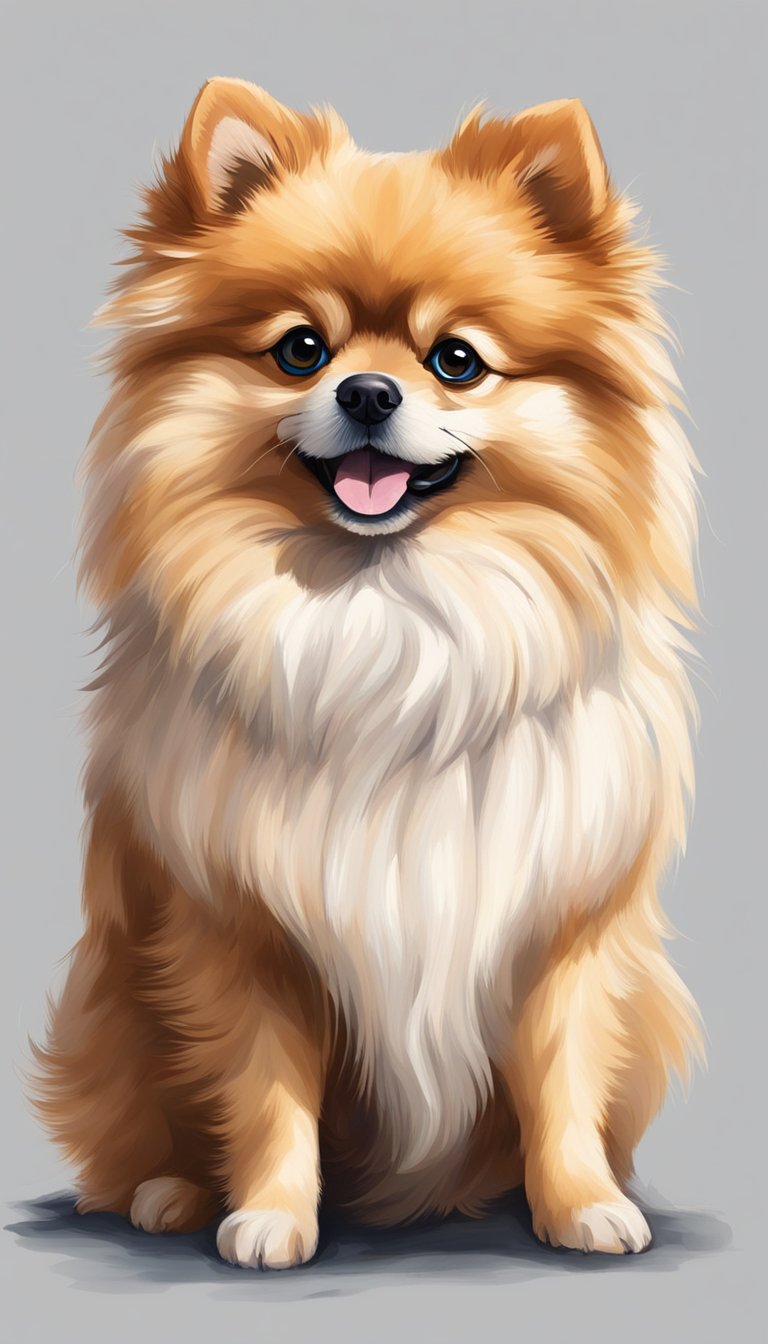
Pomeranians are known for their lively spirits and engaging personalities. Their temperament can make them wonderful companions for families or individuals looking for a playful pet.
Friendly and Playful Nature
Pomeranians are often described as cheerful and outgoing. They love to interact with people and enjoy playing games. With their small size, they can easily fit into different living situations, from apartments to houses with yards.
These dogs usually get along well with children and other pets. Their playful nature makes them great playmates. They often show their affection through cuddling and following their owners around. When they see new people, they might act a bit shy at first, but they quickly warm up.
Their energetic personality means they need regular playtime and social interaction. A bored Pomeranian can become anxious, so engaging them in activities is key.
Temperament Considerations
While Pomeranians are generally friendly, their temperament can vary. Some can be a bit feisty and protective, making them great watchdogs. This can also mean they may bark at strangers, which could be a concern in quiet neighborhoods.
Training is important to manage their behavior. Early socialization is key to helping them adjust to new situations and people. It’s ideal to teach them boundaries to prevent excessive barking.
Pomeranians can also develop strong bonds with their owners. They may become clingy, seeking attention and companionship. Owners should balance giving affection while encouraging independence to help with their dog’s confidence.
Grooming and Care Requirements
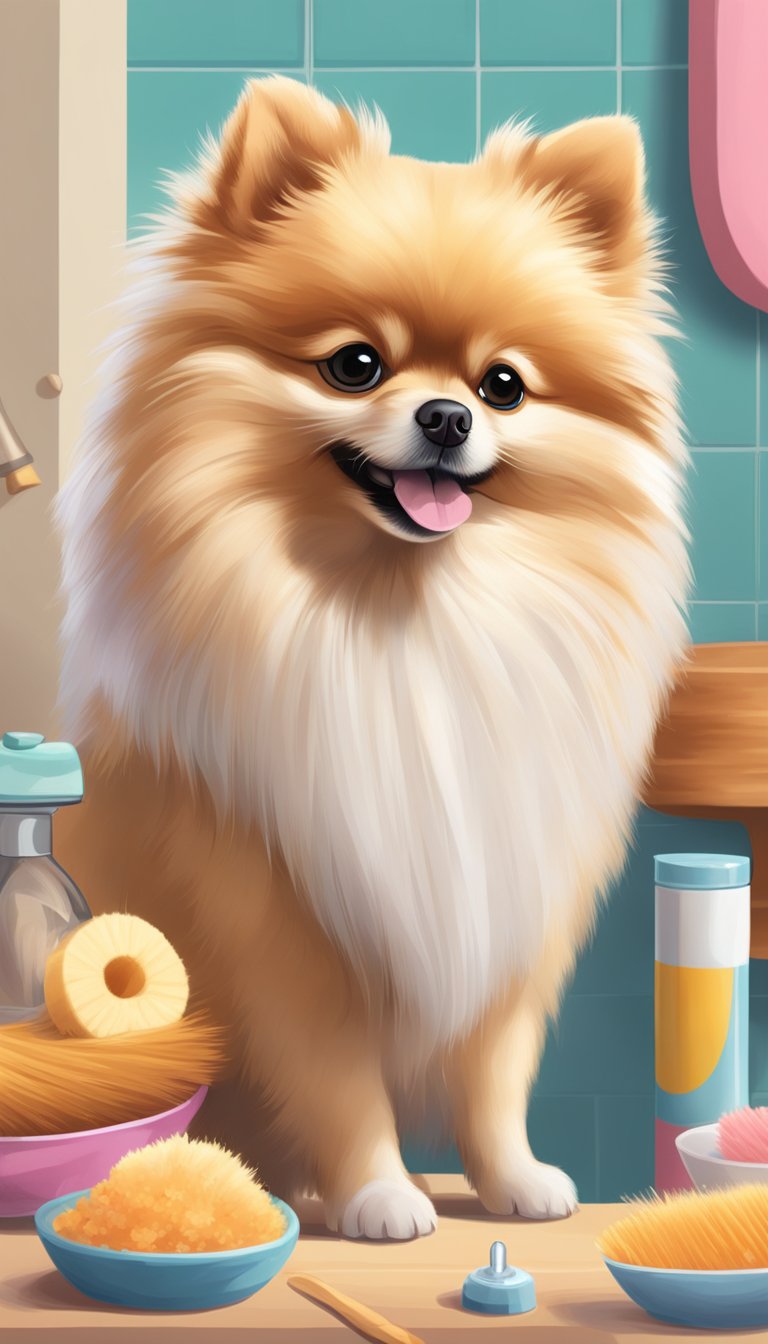
Pomeranians need regular grooming and proper care to keep them looking great and feeling healthy. Understanding their grooming needs and nutrition can help keep these fluffy companions happy.
Regular Grooming Routine
Pomeranians have thick, double coats that require consistent grooming. Owners should brush their Pomeranian’s fur at least two to three times a week. This helps prevent mats and tangles while also reducing shedding.
During shedding season, daily brushing is a good idea. Use a slicker brush or a comb designed for dense fur. Bathing should happen every 4 to 6 weeks, or as needed if they get dirty. Make sure to use a dog-specific shampoo to protect their sensitive skin.
Pay attention to their nails, too. Regular clipping is important. Overgrown nails can cause discomfort and pain. Cleaning their ears and teeth should be part of the grooming routine as well. Check ears for dirt and wax and brush teeth several times a week.
Health and Nutrition Tips
Nutrition is key for a Pomeranian’s health. They need a balanced diet with high-quality dog food. Look for options with real meat as the first ingredient. Protein is essential for their energy and overall well-being.
Pomeranians are small and prone to obesity. Portion control is important to keep them healthy. Treats should be limited and healthy, like small pieces of fruit or vegetables.
Hydration matters, too. Always provide fresh water. Sometimes, adding wet food can boost their water intake. Regular vet check-ups help spot any health issues early. Staying on top of vaccinations and preventative care keeps them happy and healthy.
Training and Socialization
Training a Pomeranian can be exciting and rewarding. These dogs are smart and eager to learn. Socializing them early is crucial for their development.
Basic Training Tips
Start with simple commands like “sit,” “stay,” and “come.” Use positive reinforcement to encourage good behavior. This can be treats, praise, or playtime. Keep training sessions short, about 5 to 10 minutes, to hold their attention.
Be consistent with commands and rewards. Pomeranians learn best when they understand what is expected. Patience is key. If they don’t get a command right away, try again later.
Socialize them with different people and environments. This helps reduce fear and anxiety. Always make training fun, as it strengthens the bond between the owner and the dog.
Importance of Early Socialization
Early socialization sets the stage for a well-rounded Pomeranian. These dogs can be wary of strangers and new experiences. Exposing them to various places, sounds, and people helps them become confident.
Take them on car rides or visits to pet-friendly places. Let them meet other dogs and animals in safe environments. This experience teaches them how to behave in different situations.
Well-socialized Pomeranians are usually more relaxed and adaptable. This lowers the risk of behavioral issues like barking or biting. Fostering positive experiences from a young age leads to a happier, healthier dog.