Maltese dogs are known for their loving nature and strong bond with their owners. To help these adorable pets feel secure and happy, managing separation anxiety is essential. Many Maltese owners face challenges when leaving their furry friends alone, but with the right strategies, it is possible to ease their worries. In this article, readers will find practical tips to support their Maltese and reduce feelings of anxiety. By understanding the needs of these charming dogs, owners can create a more comfortable environment for them when they must be apart.
1) Create a Safe Space
Creating a safe space for a Maltese can help ease separation anxiety. This area should feel cozy and welcoming. It helps them know they have a spot to call their own.
A quiet corner or a small room works well. Add a comfortable bed, their favorite toys, and a blanket. This gives them a sense of security.
Using familiar scents can make the space feel even more comforting. A piece of clothing or a blanket that smells like their owner can help. It can remind them of home when they are alone.
Keeping the area clean and free of distractions is also important. Too much noise or activity can make them anxious. A calm environment allows the Maltese to relax.
Try to spend a little time in this space with them. Play, cuddle, or do some training. This will help them connect the area with positive experiences.
With a safe space ready, they are likely to feel more secure when left alone. It helps them adjust and cope better when their owner is away.
Use Interactive Toys
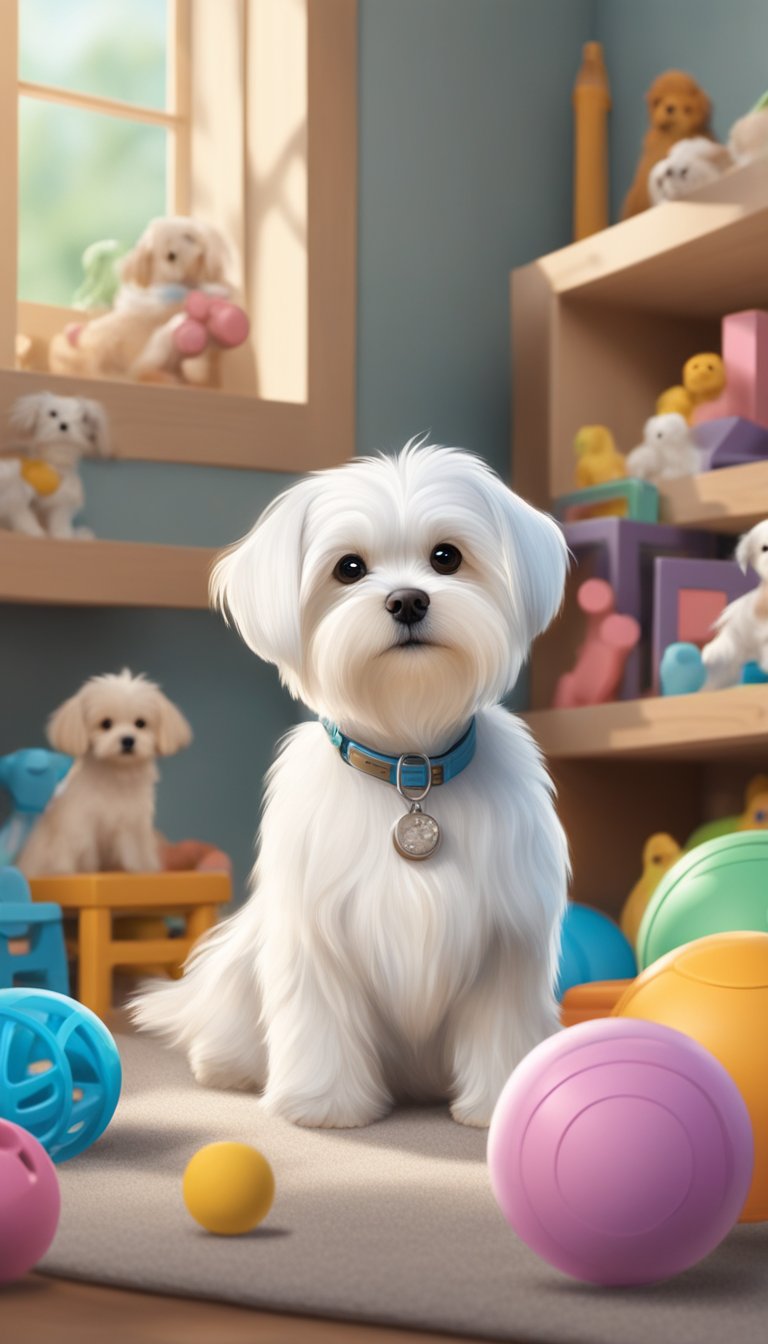
Interactive toys can be a great solution for Maltese dogs. These toys keep them busy and help reduce anxiety. They engage the dog’s mind and can entertain them for a long time.
Puzzle toys are a popular choice. They encourage dogs to use their problem-solving skills. By hiding treats inside, they motivate the dog to work for their reward.
Squeaky toys are also exciting for a Maltese. The noise can capture their attention and stimulate their playfulness. It helps them focus on something fun instead of feeling anxious.
Tug toys can encourage active play. They allow the dog to engage with their owner when they are home. This can keep them happy and strengthen the bond between owner and pet.
Rotating toys is another great idea. By changing toys regularly, they stay fresh and interesting. This prevents boredom and keeps the Maltese engaged.
Interactive toys are fun and helpful for separating anxiety. They provide mental stimulation and distraction. With these toys, a Maltese can feel more secure and relaxed when alone.
3) Practice Gradual Departures
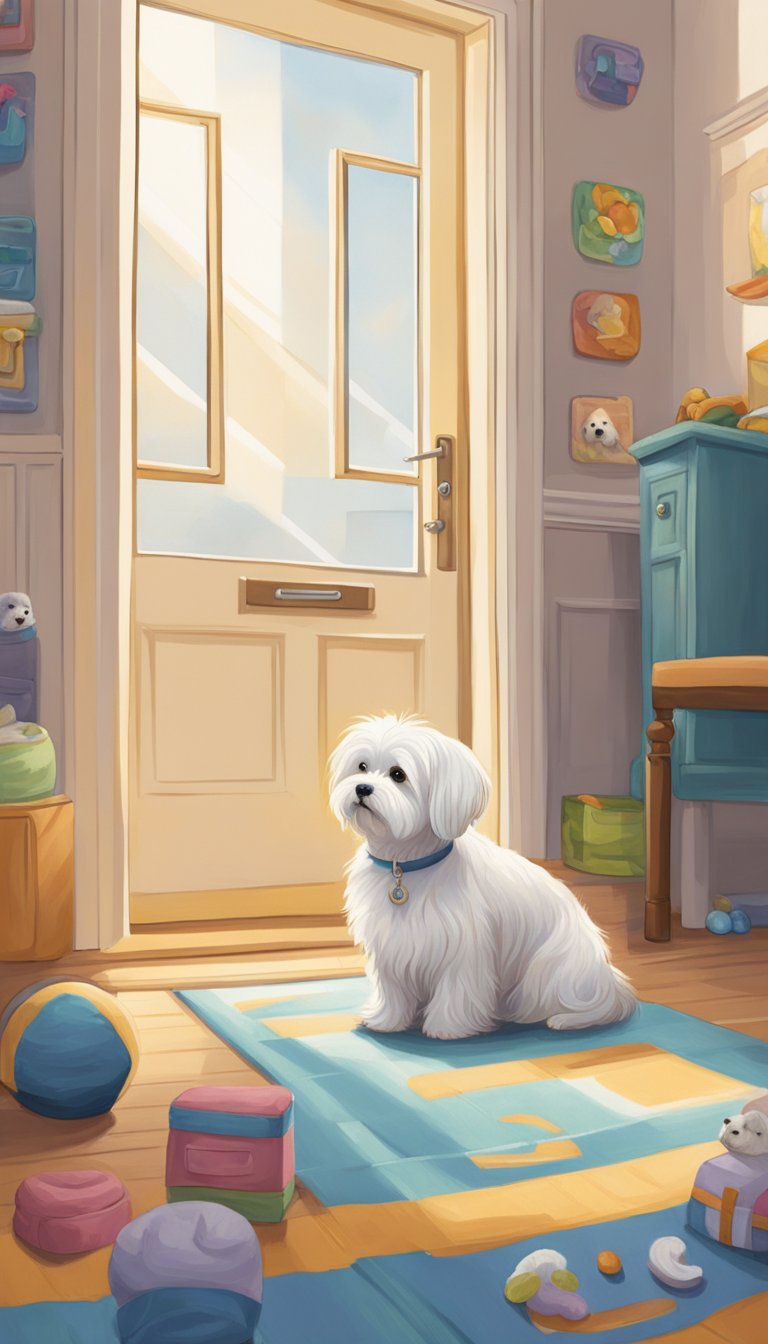
Practicing gradual departures can help a Maltese feel more comfortable when left alone. This method makes goodbyes less stressful.
Start by leaving the Maltese for short periods. She can begin with just five minutes. Then, slowly increase the time apart. After a few days, it can extend to fifteen minutes or more.
It is important to keep the mood positive. When leaving, they should not make a big fuss. A calm and casual goodbye works best. This helps the Maltese learn that being alone is okay.
When returning home, the same calm approach should be used. Ignoring the Maltese for the first few minutes can help reduce excitement. This teaches the dog that goodbyes and hellos are normal.
Using this method regularly can build the Maltese’s confidence. With time, she will learn that departures do not mean anxiety. Instead, they can mean a short break before fun times together.
Consistency in practice is key. The more she experiences gradual departures, the easier it will become. This way, she can feel secure and happy, even when alone.
Provide Calming Music
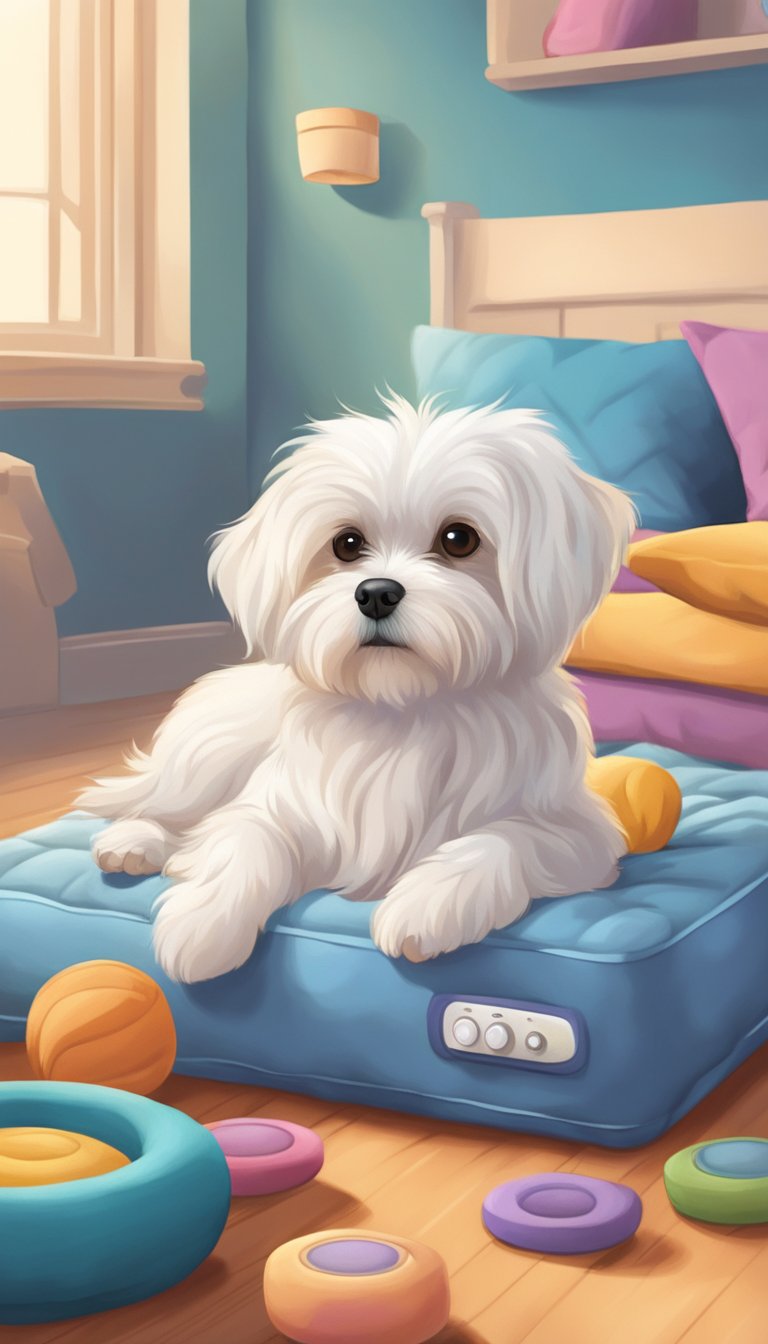
Music can work wonders for a Maltese with separation anxiety. Soft, soothing tunes help create a peaceful environment. This can make the dog feel more secure when left alone.
Playing calming music can distract them from any stress. Many pet owners find that classical music works great. There are also playlists made just for dogs that can help them relax.
It’s important to test different types of music. Each dog has unique tastes. Some might enjoy gentle piano music, while others prefer sounds of nature.
Setting the volume at a comfortable level is key. Too loud could scare the dog, while too soft might not be effective. The goal is to create a cozy atmosphere.
Choosing the right time to play the music matters too. Starting it before leaving can help ease their anxiety. This way, they associate the sound with comfort.
Using calming music as a tool can really help. It provides comfort during stressful moments and makes time alone more enjoyable. With time, it can become a comforting routine for your Maltese.
5) Use Dog Pheromone Diffusers
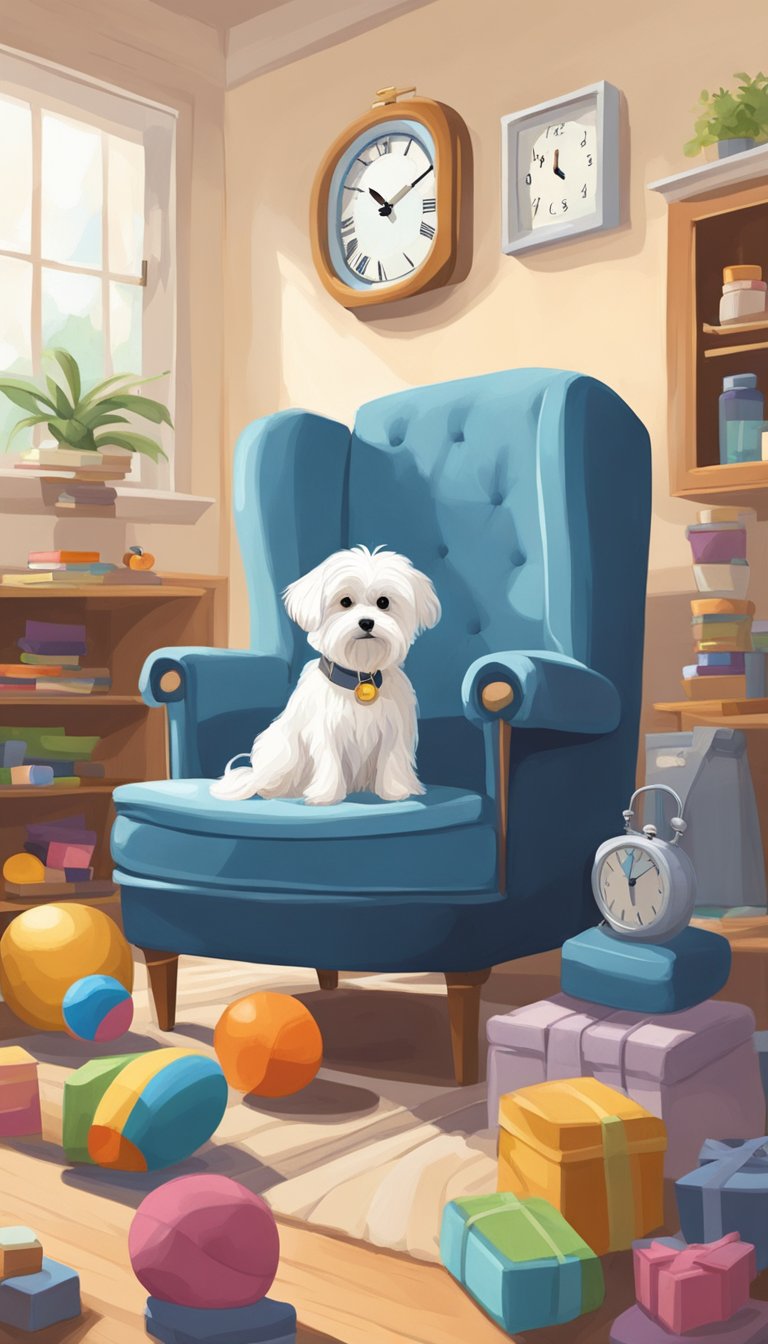
Dog pheromone diffusers can help calm a Maltese with separation anxiety. These diffusers release calming scents that mimic the natural pheromones that dogs produce. They can create a sense of security for the dog when left alone.
Many pet owners find success using these products. The gentle scent doesn’t overwhelm the senses. It can make the dog feel more relaxed in their environment.
Setting up a diffuser is easy. Just plug it in and let it do its job. It works best when used in areas where the dog spends most time, like their bed or favorite spot.
Owners should check for the right type of diffuser. Some are designed for specific issues, like anxiety or stress. Choosing the right one can make a noticeable difference.
Using a pheromone diffuser is a safe, drug-free option. It can be a helpful part of a larger plan to manage separation anxiety. Many owners report seeing positive changes in their dog’s behavior over time.
Hire a Dog Walker
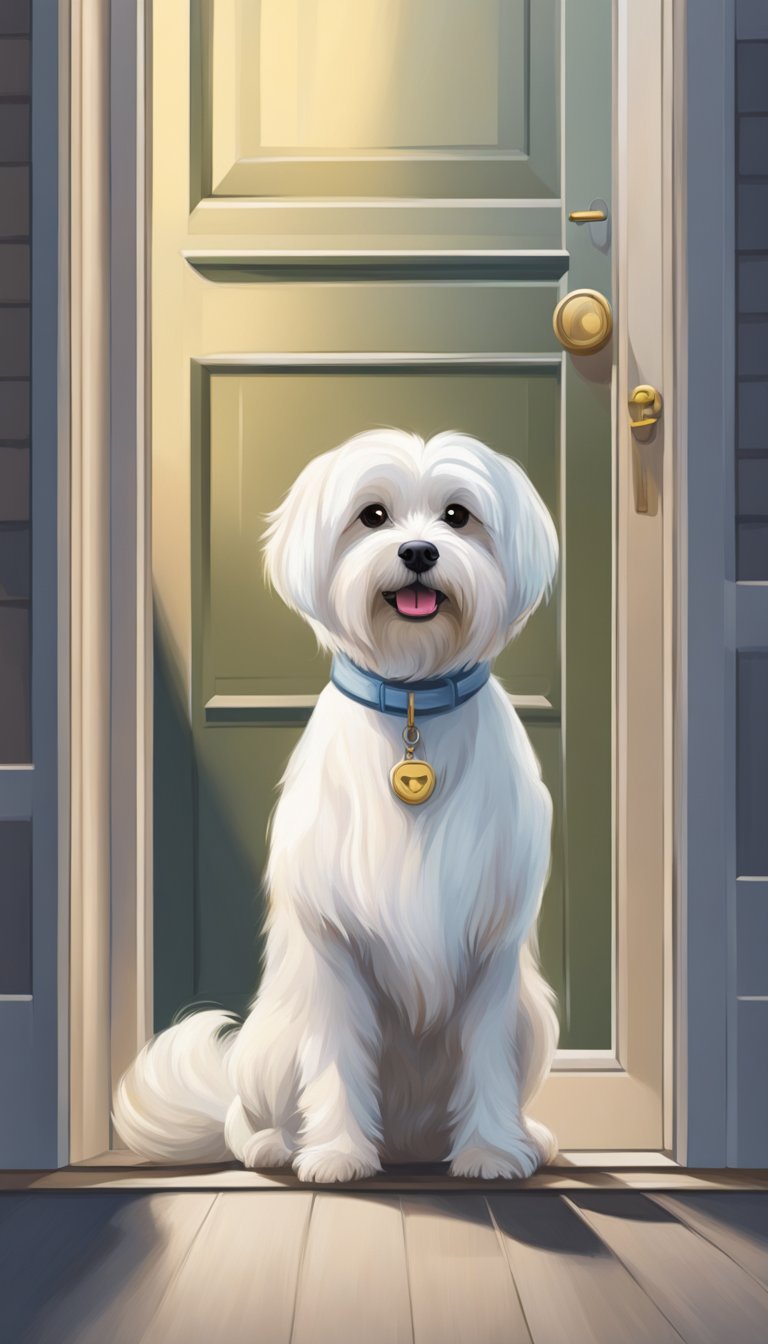
Hiring a dog walker can be a game changer for a Maltese dealing with separation anxiety. Many Maltese dogs thrive on attention and exercise. A dog walker provides both, helping to ease their stress.
A dog walker can take the dog on daily walks. This helps burn off extra energy. Regular exercise can improve mood and reduce anxiety.
Dog walkers can also offer socialization opportunities. Meeting other dogs can help the Maltese feel more comfortable and confident. It is great for building friendships and making them less lonely.
The right dog walker understands the needs of a Maltese. They should be gentle, patient, and tuned into the dog’s feelings. Finding someone knowledgeable can make a big difference.
This option also breaks up the day for the dog. It adds a little excitement and a new experience. A happy, well-exercised dog is less likely to display anxious behaviors.
Many dog walkers offer flexibility in scheduling. This means they can come when the owner is busy. This support allows owners to manage their time better while ensuring their pet gets the care they need.
With a dog walker, the Maltese gets to enjoy their time while the owner is away. It makes the day easier and more fun for both.
7) Establish a Routine
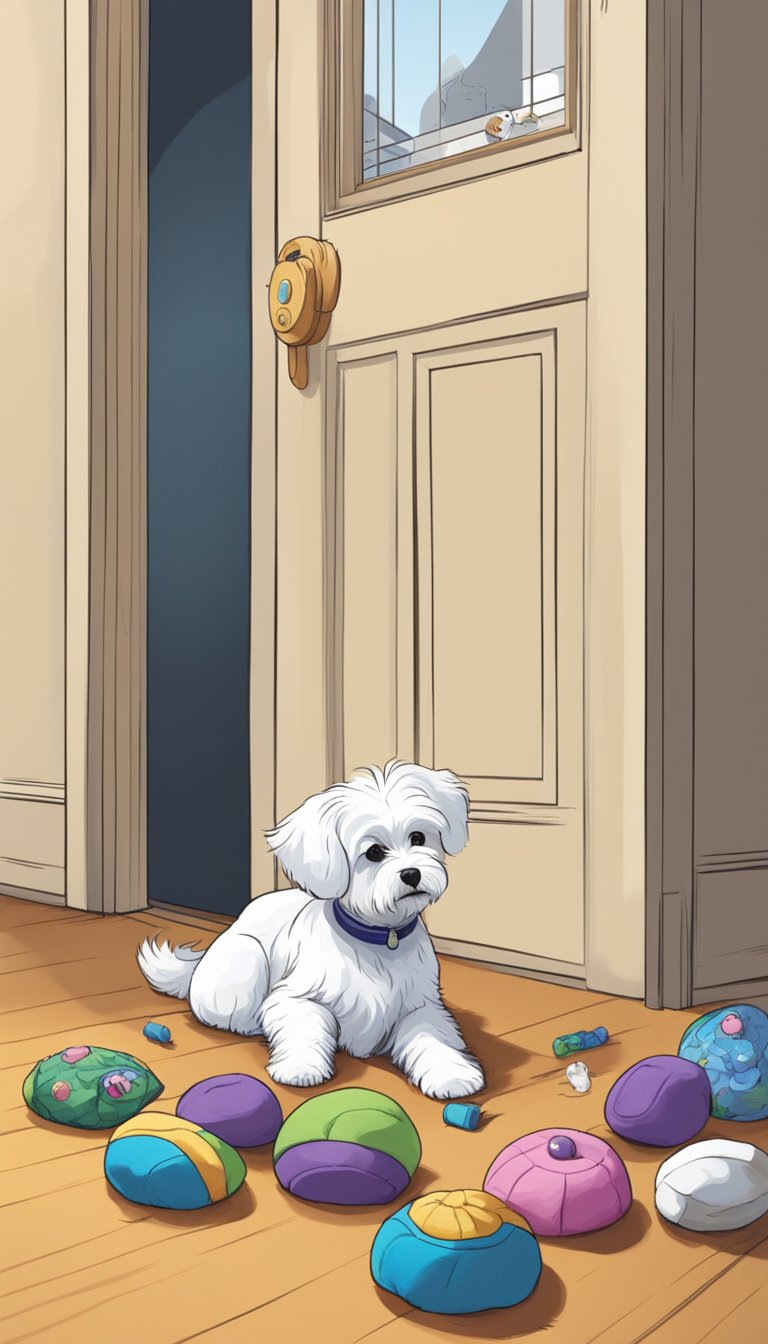
Creating a routine can really help a Maltese feel safe and secure. Dogs thrive on predictability, and having a daily schedule offers just that.
Start by setting specific times for feeding, walks, and playtime. This can help the dog know what to expect throughout the day.
Regular activities can reduce anxiety and build confidence. When a Maltese knows their routine, they feel more at ease when left alone.
Include quiet time in the schedule. This allows the dog to rest and recharge, which is important for their well-being.
Consistency is key! Try to keep the same times for each activity every day. This way, your dog learns when to expect your return and feels more relaxed.
Slowly adjust the routine as needed. If things change, pets can adapt better if they have a solid routine to rely on.
Remember, the goal is to create a calm and loving environment. A routine can make a big difference in managing separation anxiety. It’s a simple way to help your Maltese feel happier and more secure.
8) Crate Train Your Maltese
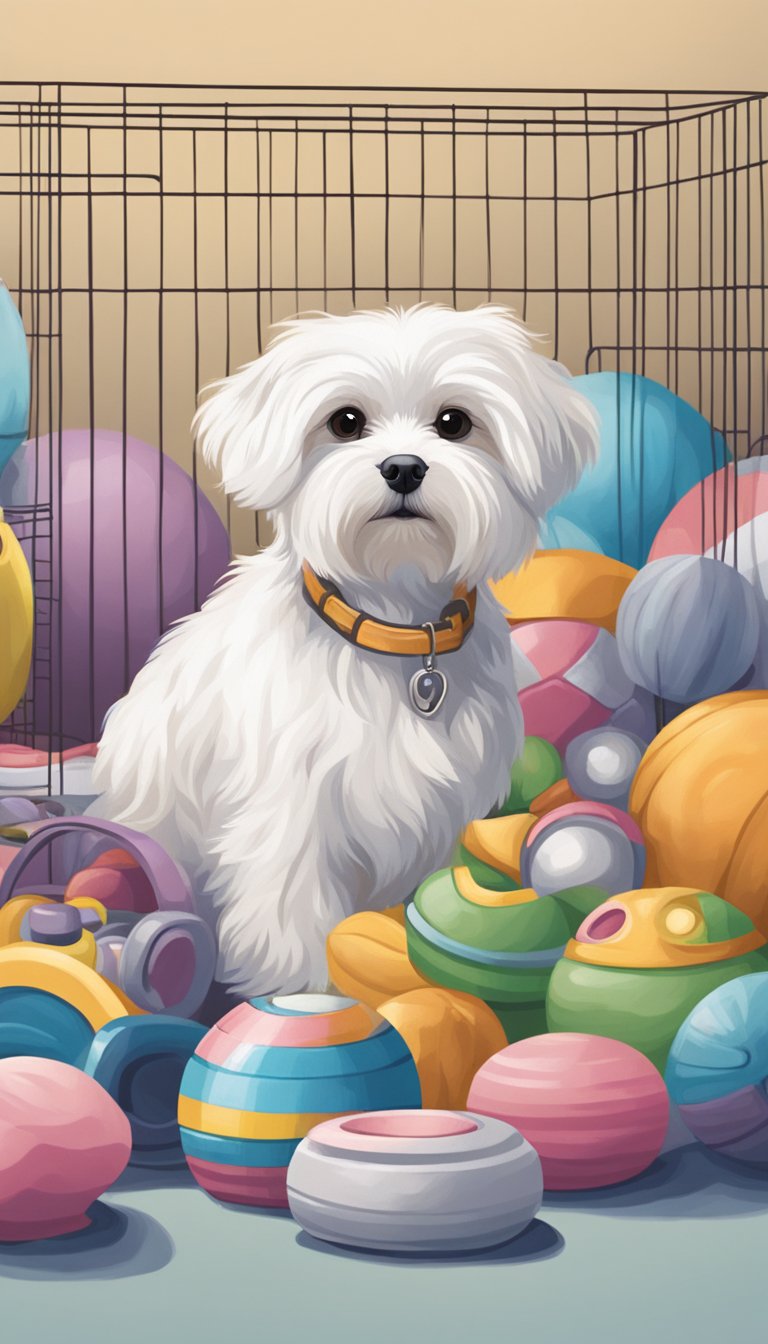
Crate training can be a great way to help a Maltese feel safe. It gives them a cozy space to relax. A crate can also help with separation anxiety.
Start by choosing the right crate size. It should be big enough for the Maltese to stand up, turn around, and lie down comfortably. A crate that is too big may make them feel insecure.
Introduce the crate slowly. Place it in a quiet area and leave the door open. Encourage the Maltese to explore by using treats or toys. It’s important to make the crate a fun place.
Once the Maltese is comfortable, begin closing the door for short periods. Gradually increase the time they spend inside while you’re at home. This helps them get used to being alone in their space.
Always use positive reinforcement. Praise and reward them when they enter the crate. This builds a positive association with it.
Avoid using the crate for punishment. It should feel like a safe haven. A happy Maltese will be less anxious when left alone.
Routine is key! Make crate time a regular part of the day. This helps the Maltese feel secure and confident when it’s time to relax.
9) Reward Calm Behavior
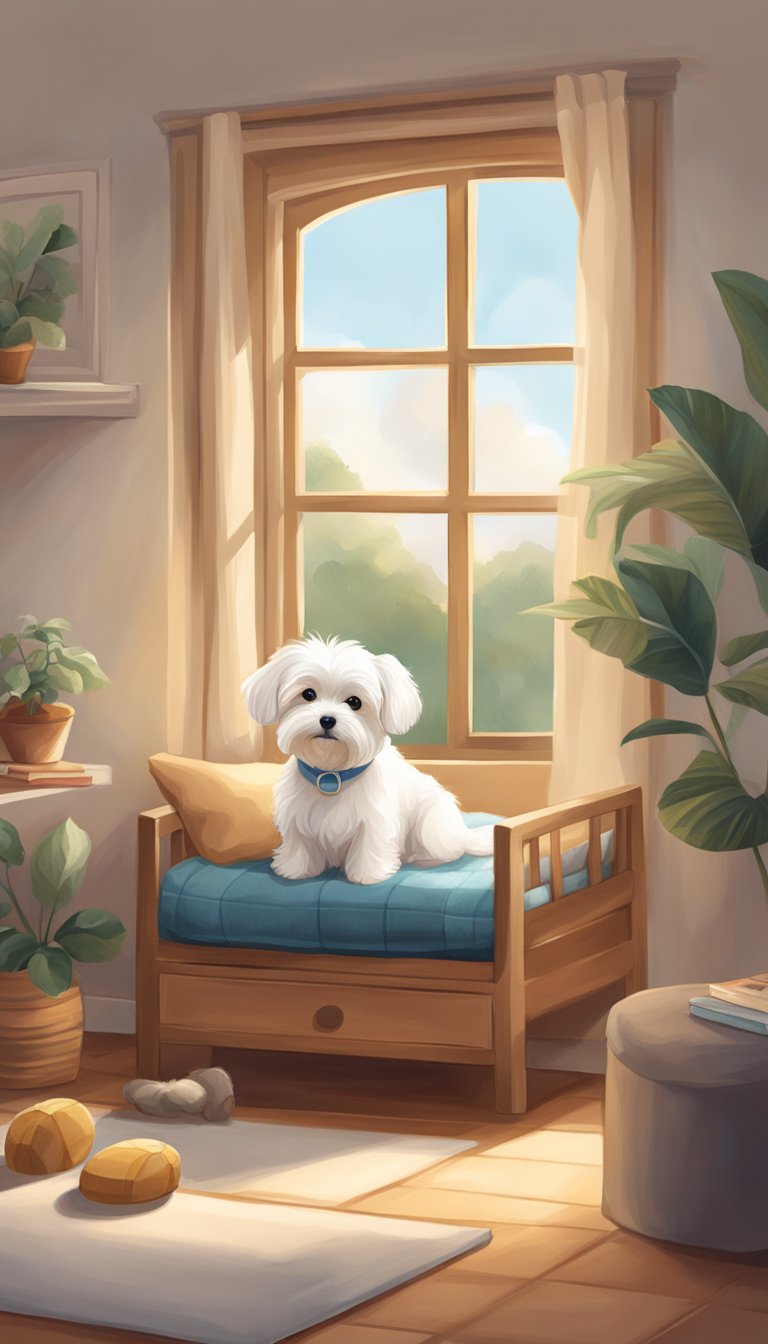
Rewarding calm behavior is a great way to help a Maltese feel secure. When they are calm, it shows they are learning to relax. Positive reinforcement can make a big difference.
When a Maltese stays calm during times of separation, it’s important to acknowledge this behavior. This can be done with treats, praise, or playtime. It lets them know that staying calm is a good thing.
If a Maltese starts to show signs of anxiety, it’s important not to reward them during that time. Only give rewards when they are calm and relaxed. This teaches them that being calm is what gets them attention and rewards.
Short training sessions can also help reinforce positive behaviors. For example, owners can practice leaving the room for a few minutes while the Maltese is calm. When they return, they can reward their pet.
Making calm behavior a habit will help a Maltese manage separation anxiety. Over time, they will feel more at ease when left alone. It’s all about making sure they know calmness is what brings them love and treats.
10) Socialize Your Maltese
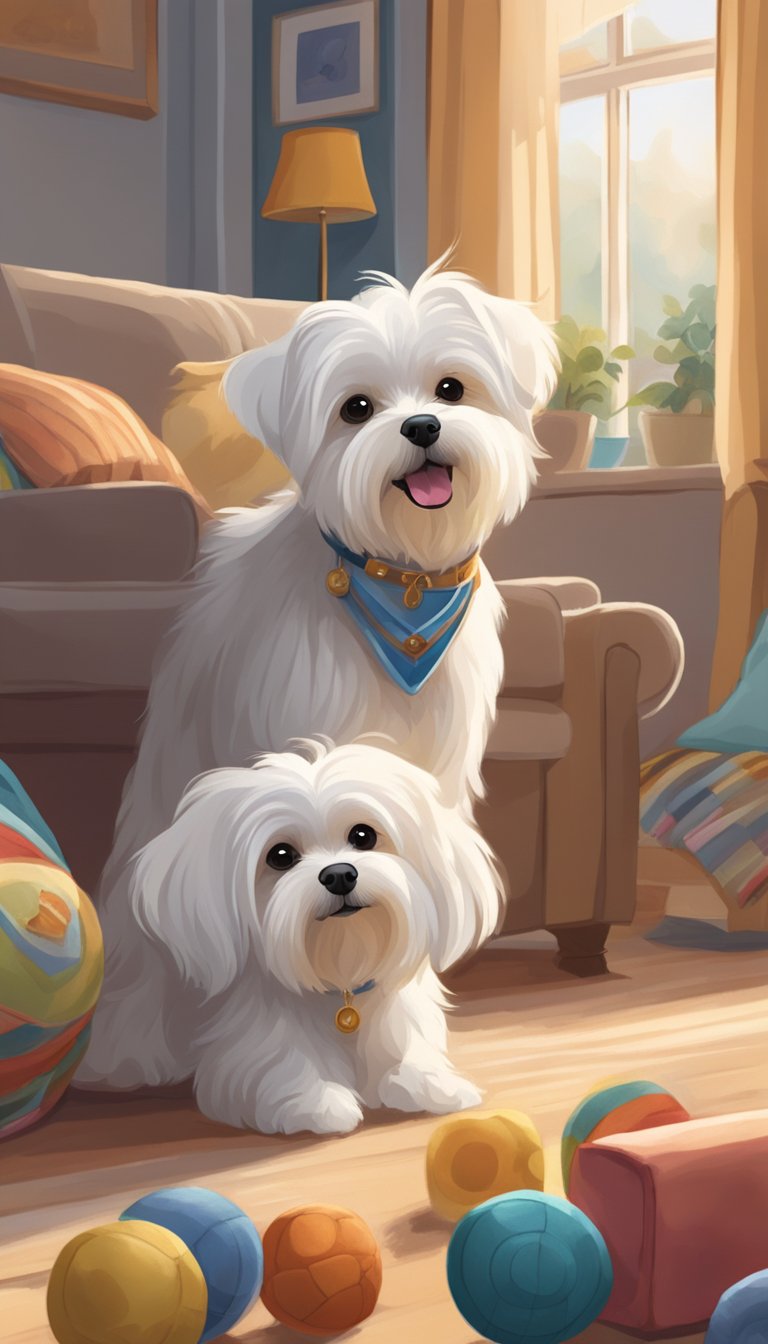
Socializing a Maltese is a fun and important task. It helps them feel comfortable around other people and pets. This can reduce feelings of anxiety when left alone.
Start early by exposing them to different environments. Take them to parks, pet-friendly stores, or friends’ houses. The more experiences they have, the more confident they become.
Meet new people regularly. Let your Maltese greet friends and family. Positive interactions help them learn that new people are friendly and fun.
Introducing her to other dogs is also key. Playdates with calm and friendly dogs can be great. This helps her learn how to interact and play.
Enroll in puppy classes or agility courses. These places provide great socialization opportunities. Plus, they offer training and help build a strong bond between the dog and owner.
Regular outings are essential. Go on walks in busy areas where they can see and hear new things. This will help desensitize them to various sounds and sights.
Always reward your Maltese with treats and praise during these experiences. Positive reinforcement makes them more likely to enjoy social situations.
With consistent socialization, your Maltese will feel more secure. She’ll be more relaxed when left alone.
11) Desensitize to Departure Cues
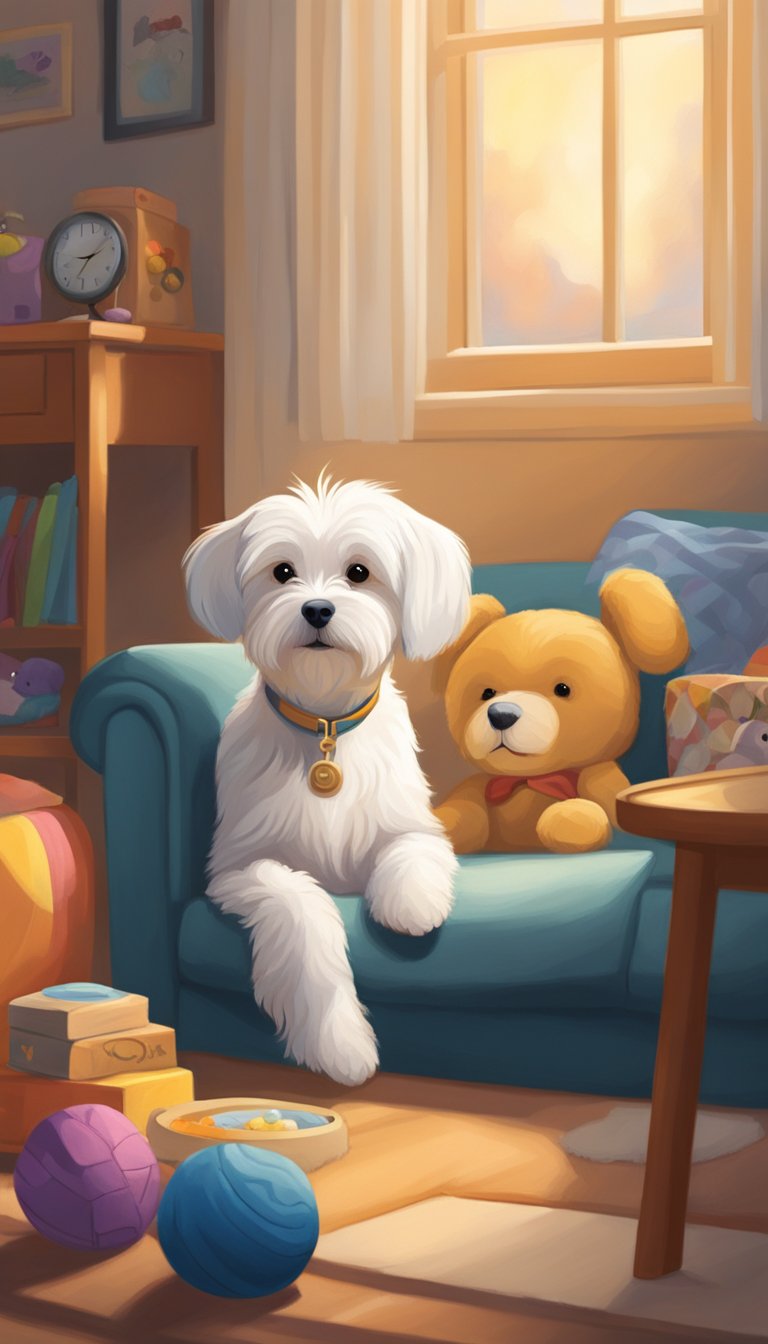
Desensitizing a Maltese to departure cues can help reduce separation anxiety. This means helping them feel calm when they see signs of leaving.
Start with simple actions like picking up your keys or putting on your shoes. Do these things without leaving. This helps the dog learn that these actions do not always mean you are going away.
Next, practice short trips. Leave for just a few minutes and then come back. This helps them get used to the idea that you will return.
Gradually increase the time you are away. This way, the Maltese learns to trust that you will always come back.
Try to make your departures and arrivals low-key. A calm goodbye and a quiet hello can help keep the dog relaxed.
Using treats during these practices can also help. Giving a treat when you leave and when you return makes the experience positive for them.
Create a safe space for the dog while you’re gone. This can be a cozy bed or a favorite toy. This makes them feel secure when you leave.
By desensitizing to these cues, the Maltese can feel more comfortable when left alone. This builds confidence and makes for a happier dog!
Understanding Maltese Separation Anxiety
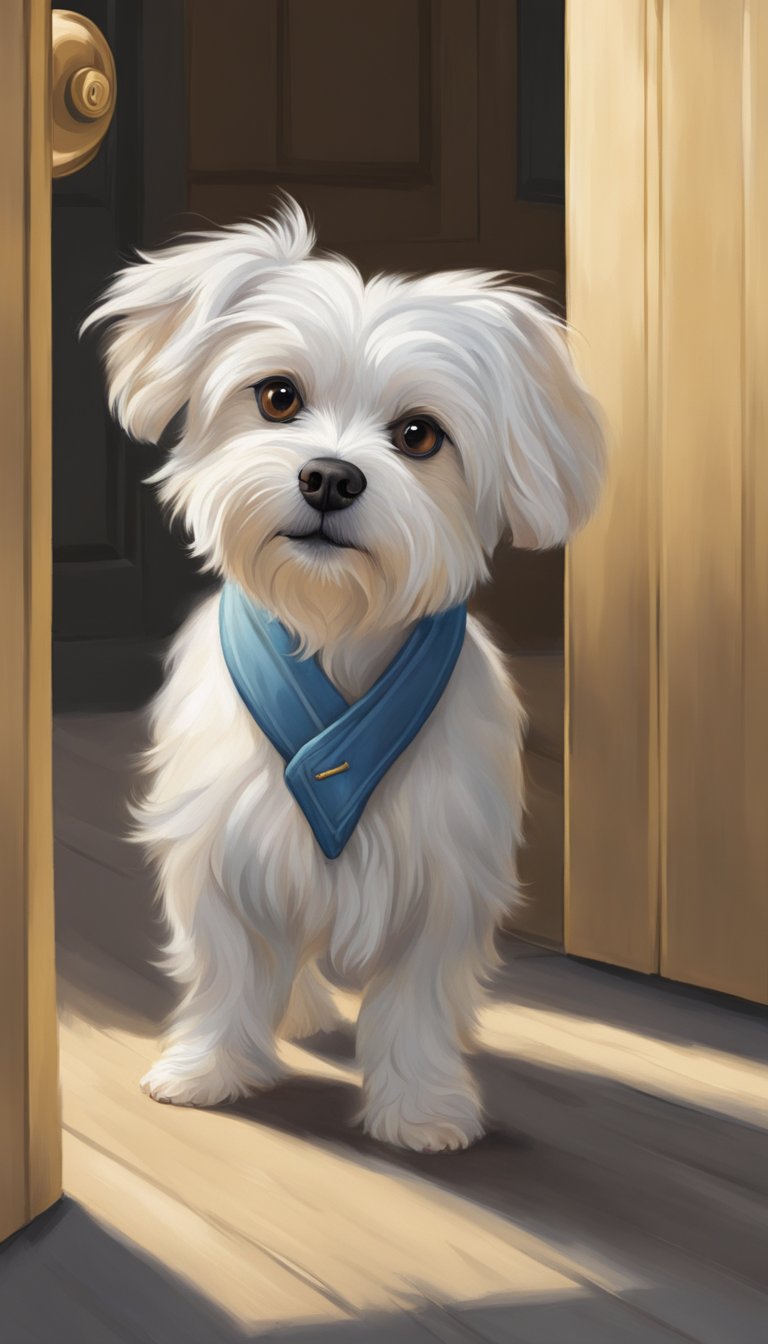
Maltese dogs are known for their affectionate nature, but they can struggle when left alone. Recognizing the signs of separation anxiety, understanding its causes, and knowing the unique traits of the breed can help owners manage this issue effectively.
Common Symptoms
Maltese dogs show several clear signs when they suffer from separation anxiety. Some typical symptoms include:
- Excessive Barking: They may bark or whine continuously when left alone.
- Destructive Behavior: Chewing furniture or scratching doors can be a sign of stress.
- Pacing: They often walk in circles or look for their owners.
- House Soiling: Accidents may happen even if they are house-trained.
These behaviors can start quickly after the owner leaves and may continue until they return. Being aware of these symptoms can help owners respond swiftly to their pet’s needs.
Causes and Triggers
Maltese separation anxiety often stems from various causes. Common triggers include:
- Change in Routine: New work hours or moving to a new home can unsettle them.
- Past Trauma: Rescue dogs may have previous experiences of being abandoned.
- Lack of Socialization: Limited exposure to different settings can lead to anxiety.
Recognizing these triggers helps owners create a more comforting environment. Understanding the roots of anxiety can make it easier to prevent symptoms from developing.
Breed-Specific Tendencies
Maltese dogs have certain traits that make them more prone to separation anxiety. These include:
- Strong Attachment: They often bond closely with their owners and can struggle when apart.
- Sensitivity to Change: Quick shifts in their environment can disturb their calm.
- Small Size: Being small may make them feel more vulnerable alone.
Knowing these breed-specific tendencies allows owners to take preventive actions. Awareness can lead to better coping strategies, ensuring a healthier and happier Maltese.
Behavioral Strategies for Anxiety Management
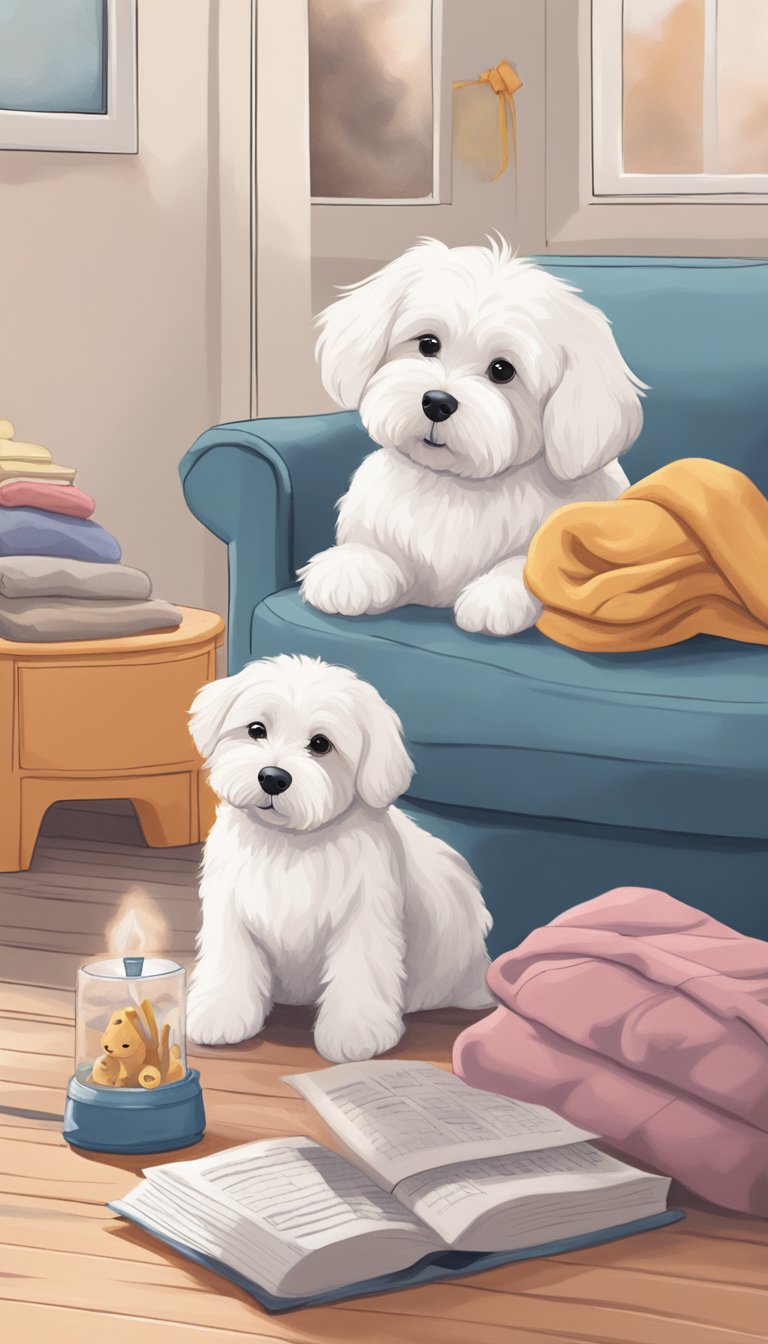
Managing separation anxiety in Maltese dogs can be done through specific behavioral strategies. These techniques focus on helping the dog feel more secure when left alone.
Gradual Desensitization
Gradual desensitization involves slowly getting the Maltese used to being alone. Start with short departures and gradually increase the time away. For instance, leave the room for just a few minutes at first.
When returning, keep the greeting low-key to avoid creating excitement. Over time, the dog learns that being alone is okay. This approach can help reduce anxiety.
Another effective tip is to leave a piece of clothing with your scent. It can provide comfort while the owner is away. This technique helps them feel more secure and less lonely.
Positive Reinforcement Techniques
Positive reinforcement is a powerful tool for managing separation anxiety. Rewarding the Maltese with treats or praise when they stay calm boosts their confidence.
Creating a safe space, like a cozy bed or crate, can help. Encourage the dog to relax in this area before leaving. This space should feel safe for your pet.
Use relaxing music or toys to keep the dog occupied during absences. Interactive toys can provide mental stimulation. This keeps the Maltese busy and reduces anxiety when alone.
Implementing these techniques can lead to a happier, more relaxed dog over time.