Pomeranians are known for their playful and loving nature, but they can also suffer from separation anxiety. Managing this anxiety is essential for the well-being of these adorable pups and their owners. Recognizing the signs and finding ways to help these furry friends can lead to a happier life for both. With the right strategies in place, it is possible to reduce this anxiety. There are various tips and techniques that can help make departures easier for Pomeranians and their families. Understanding these methods can foster a strong bond and peace of mind.
1) Create a Safe Space
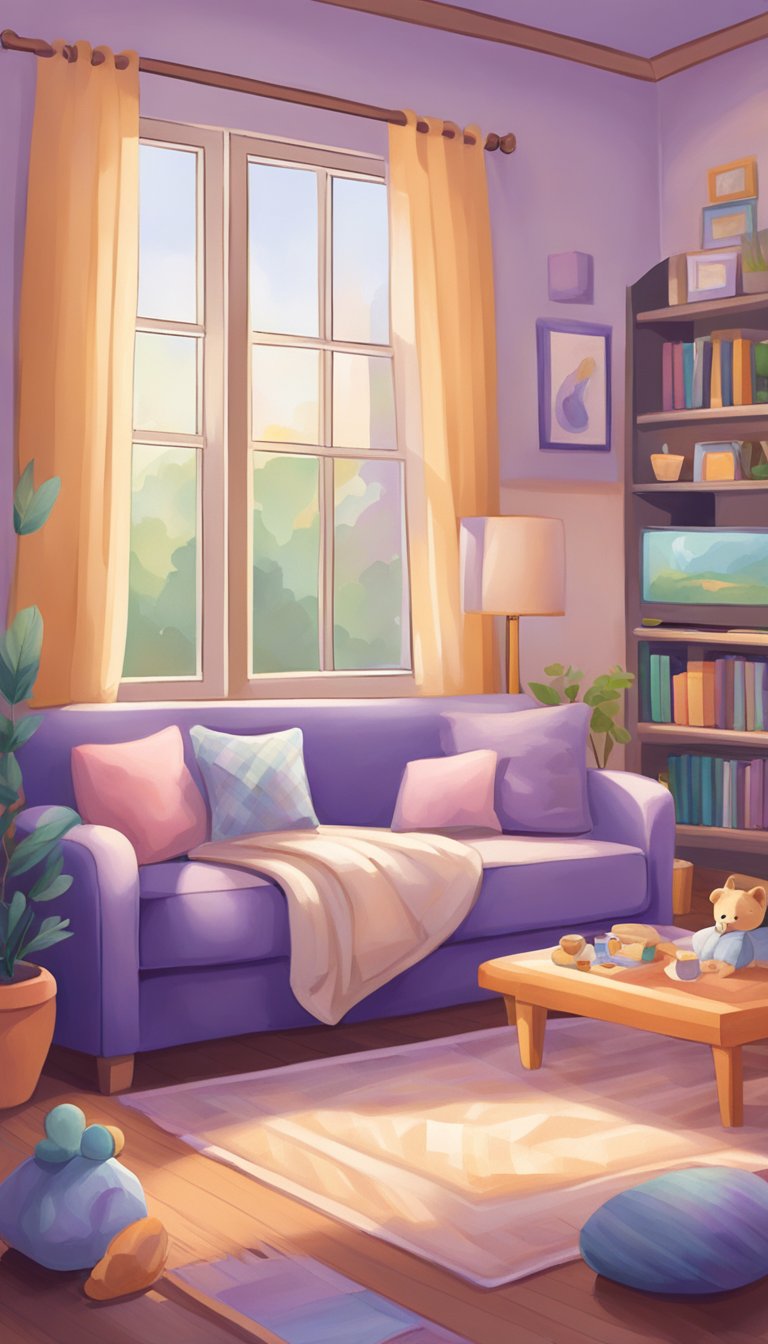
Creating a safe space for a Pomeranian is key to helping with separation anxiety. This space should feel cozy and inviting. It can be a specific room or a comfortable corner in the house.
Choose a spot with soft bedding and some favorite toys. This area can help your dog feel secure when left alone. Adding an item with your scent, like a worn shirt, can also provide extra comfort.
Make it a happy place. Spend time there with your dog to help them associate it with positive feelings. Offering treats or playing games in this space can build good memories.
Keep the area free of distractions that might cause stress. Ensure it is quiet and calm. Setting up a dog gate can help keep them in this safe spot without feeling trapped.
Pomeranians thrive in a routine. Gradually increase the time they spend in their safe space. This practice can help them adjust to being alone and feel less anxious.
Introduce Comfort Objects
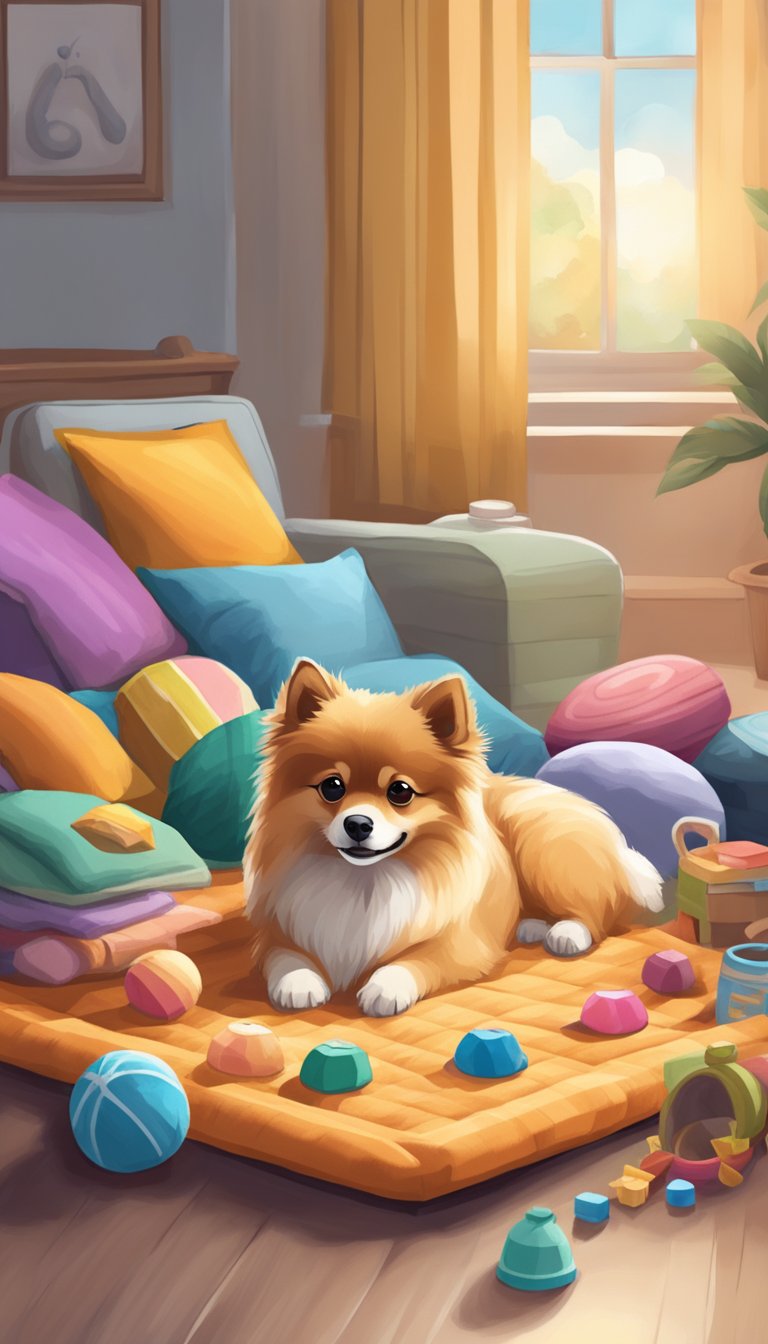
Comfort objects can help a Pomeranian feel more secure when they are alone. These items can provide a sense of familiarity and safety. A favorite toy or blanket often works well.
Choosing the right comfort object is important. Look for something that smells like home, maybe a piece of clothing or a soft toy. Pomeranians enjoy cuddling, so a cozy stuffed animal can be a great choice.
When introducing the comfort object, make it special. Allow the Pomeranian to sniff and explore it. Encourage them to play with it during happy times to create positive associations.
Try rotating comfort items to keep things exciting. This way, they won’t become bored with just one object. New smells can add variety and help reduce anxiety.
Some owners use calming sprays on the comfort object. These can make the item even more soothing. Just be sure to use pet-safe products.
Pomeranians may also enjoy an item that has their owner’s scent. This connection can provide extra comfort when the owner is away. Engaging their sense of smell can help ease their worries.
Overall, comfort objects are a simple yet effective way to help manage separation anxiety in Pomeranians. They can help create a sense of security and ease tension during tough times.
3) Practice Short Absences
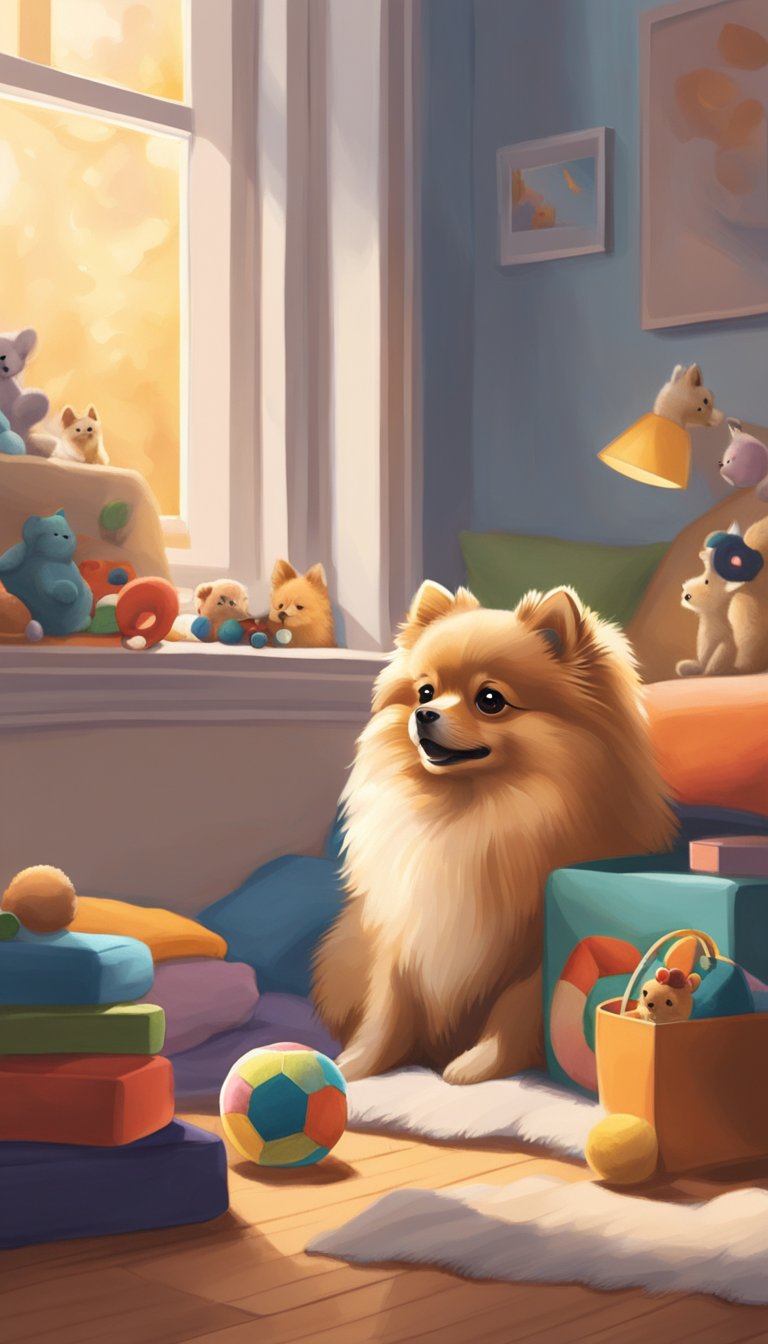
Practicing short absences can help a Pomeranian feel more comfortable when left alone. It’s a great way to build confidence. Start by leaving the dog alone for just a few minutes.
Gradually increase the time as they get used to being alone. This way, the Pomeranian learns that being alone is not scary. It’s important to stay calm when leaving and returning.
Before leaving, give the dog a special toy or treat. This distraction can make the goodbye easier. It helps to create a positive association with the time apart.
When returning home, ignore the dog for a short time. This teaches them that being alone is normal. After a moment, greet them warmly to show that everything is okay.
Using this method regularly can help reduce anxiety over time. The Pomeranian will learn that the owner always comes back. This builds trust and a sense of safety.
Remember, progress may take time. Each dog is different, and that’s okay! Patience and consistency are key to helping a Pomeranian adapt.
Use Calming Supplements
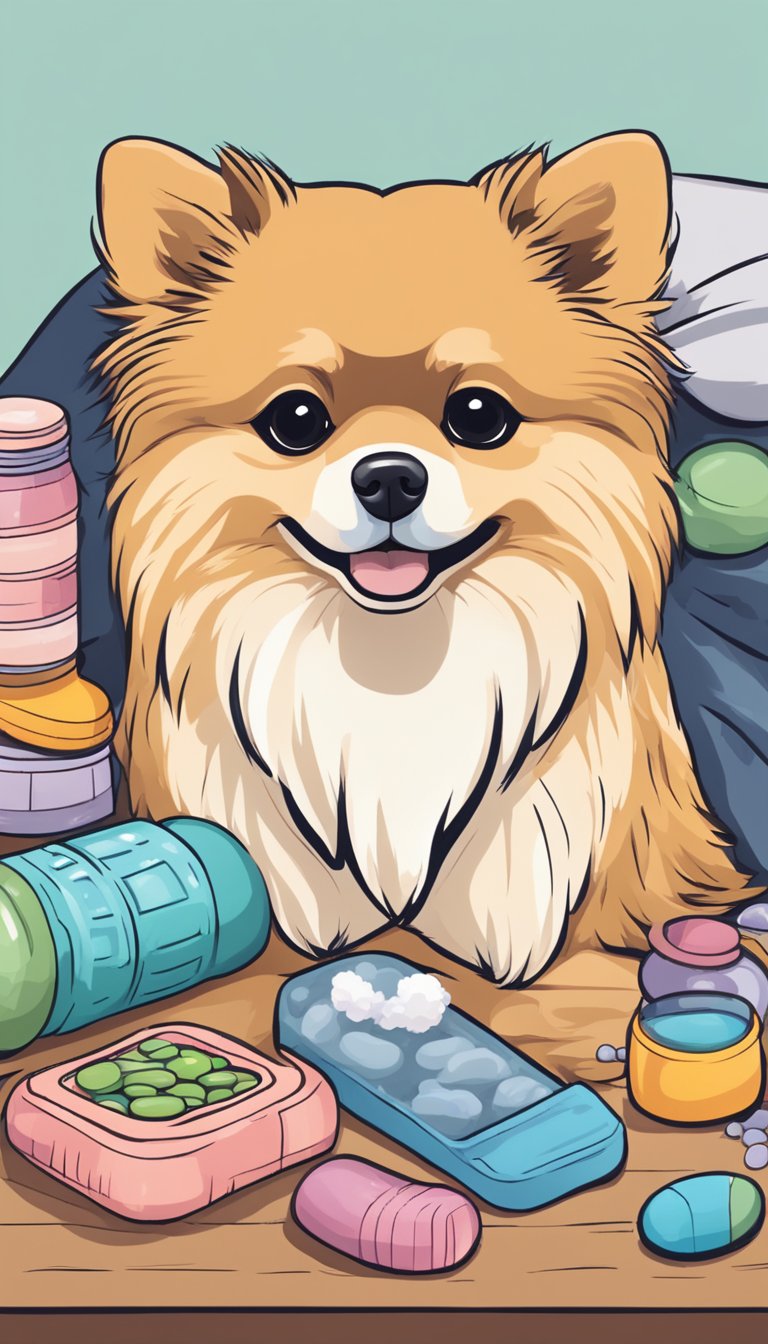
Calming supplements can be great for Pomeranians dealing with separation anxiety. These products often contain natural ingredients that help reduce stress and promote relaxation.
Many calming supplements include ingredients like chamomile, valerian root, or melatonin. These herbs can help soothe the nervous system without causing drowsiness.
It’s important to choose products specifically made for dogs. Some human supplements can be harmful to pets. Always check the label and consult a vet if unsure.
Pomeranian owners should try different options to see what works best. Some dogs may respond well to chews or soft gels, while others prefer powders mixed with food.
Timing is key! Giving the supplement about 30 minutes before leaving the house can help calm the pup. This gives the ingredients enough time to take effect.
Always observe the dog’s behavior after using a new supplement. If there are any negative side effects, it’s best to stop using it and consult a veterinarian for advice.
Calming supplements can be a helpful tool in managing a Pomeranian’s anxiety. They can make a significant difference in how a dog feels when left alone.
5) “A tired Pomeranian is a happy Pomeranian” – Anonymous
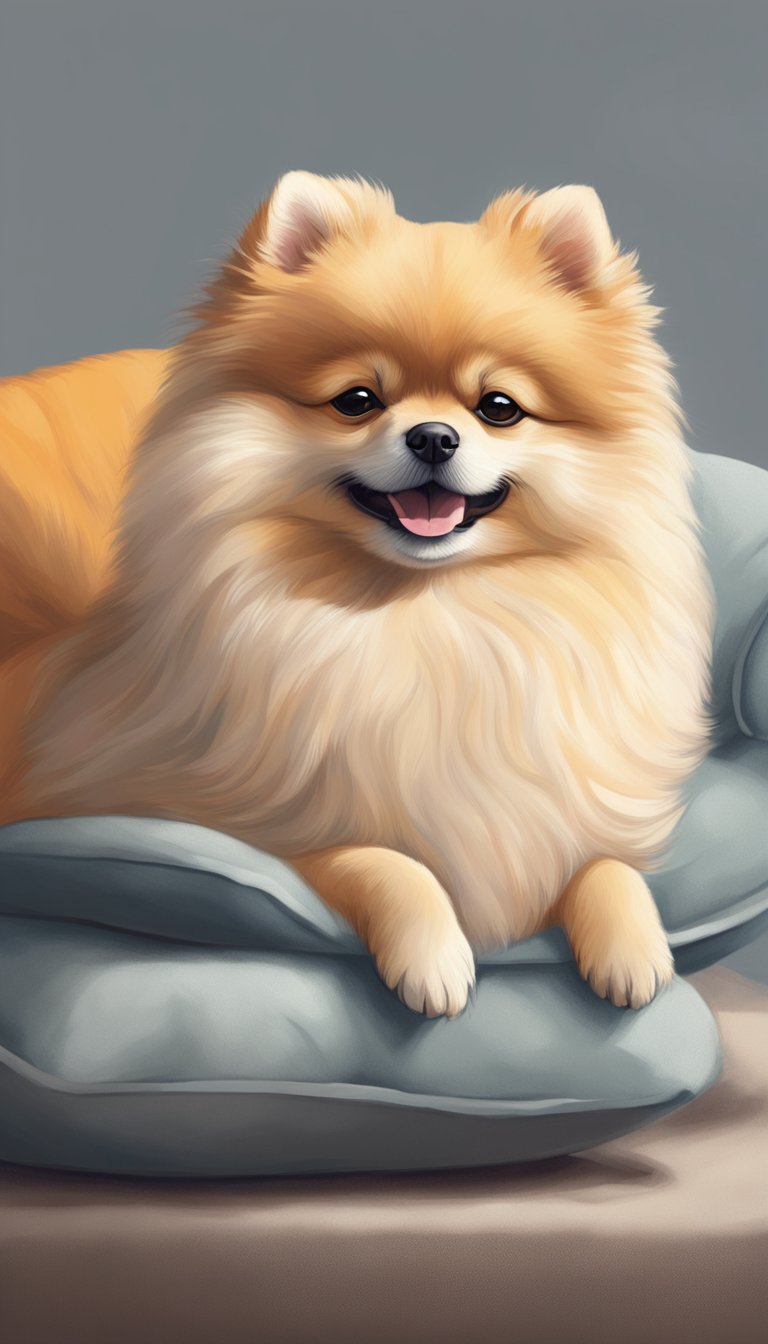
Pomeranians are energetic little dogs. They love to play and explore. Regular exercise helps keep them happy and calm.
Taking your Pomeranian for walks is a great start. Even short walks can help use up some of that energy. A tired dog is less likely to feel anxious when left alone.
Playtime is also key. Playing fetch or tug-of-war can work wonders. These activities not only tire them out but also strengthen your bond.
Mental games are important, too. Puzzle toys can keep their minds busy. This helps reduce stress and makes them feel fulfilled.
Socialization can help as well. Meeting other dogs at the park can provide fun. It gives them the chance to use up energy and learn new habits.
Setting up a daily routine can also make a difference. Consistency helps Pomeranians feel secure. When they know what to expect, they can relax more easily.
Be creative with activities. Try agility training or teaching tricks. All these fun ways keep them active and happy.
In short, keeping a Pomeranian busy and tired is key. A tired Pomeranian is not only happier but also less anxious. With a mix of exercise and mental challenges, they can thrive!
Interactive Toys with Treats
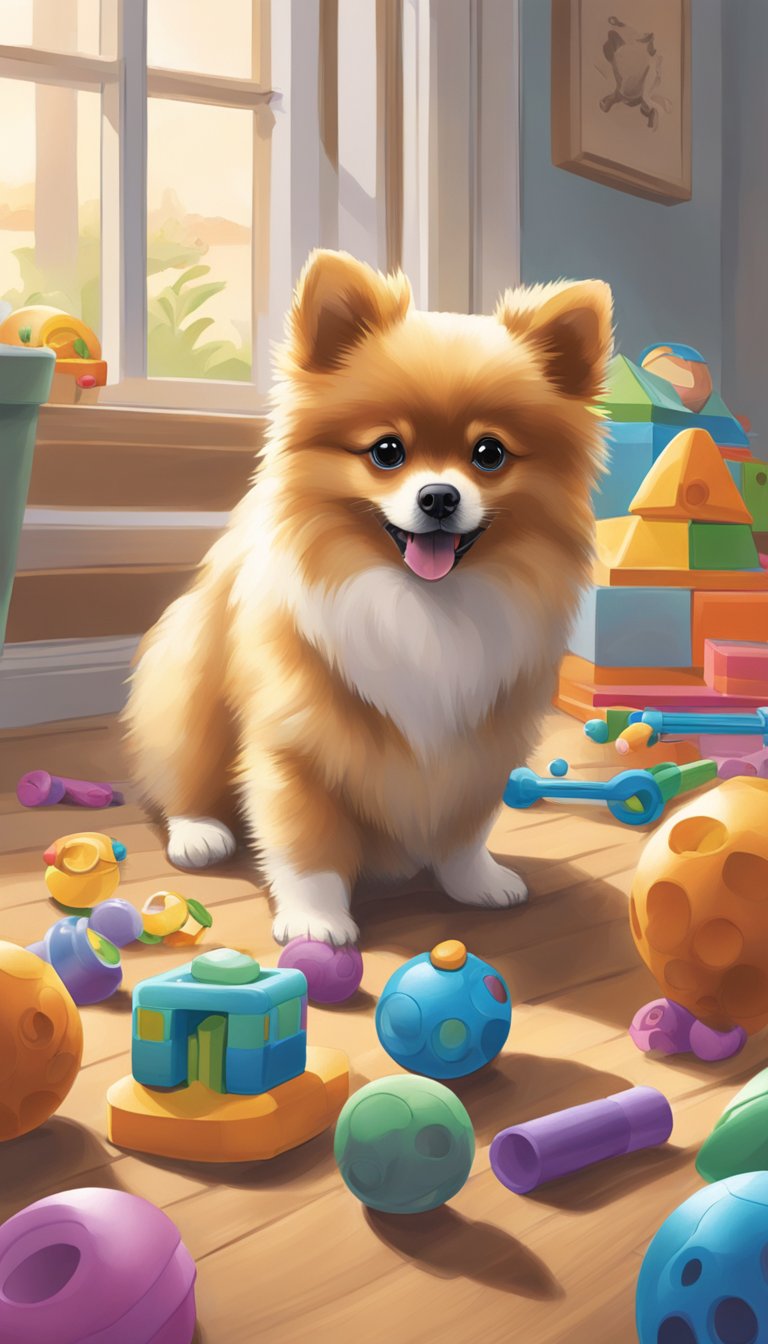
Interactive toys with treats can be a game-changer for Pomeranians. These toys keep dogs entertained and distracted while their owners are away. They can help reduce feelings of anxiety.
Many of these toys require dogs to solve puzzles to get to the treats. This engages their minds and encourages problem-solving skills. It’s a fun way for dogs to play and learn at the same time!
Pomeranians enjoy toys that have hidden compartments for treats. They can nudge, roll, or chew to find the goodies inside. This activity keeps them busy and can tire them out, helping to ease anxiety.
Choosing the right interactive toy is important. Look for ones that match your dog’s size and play style. Some may prefer soft toys, while others might like harder puzzles.
Regular use of these toys can establish a routine. When a Pomeranian has something fun to do, they may feel less stress. This routine can help them learn that being alone can be enjoyable.
Interactive toys with treats are also great for bonding time. Owners can play with their Pomeranians and show them how to use the toys. This encourages trust and happiness.
Soothing Music or White Noise
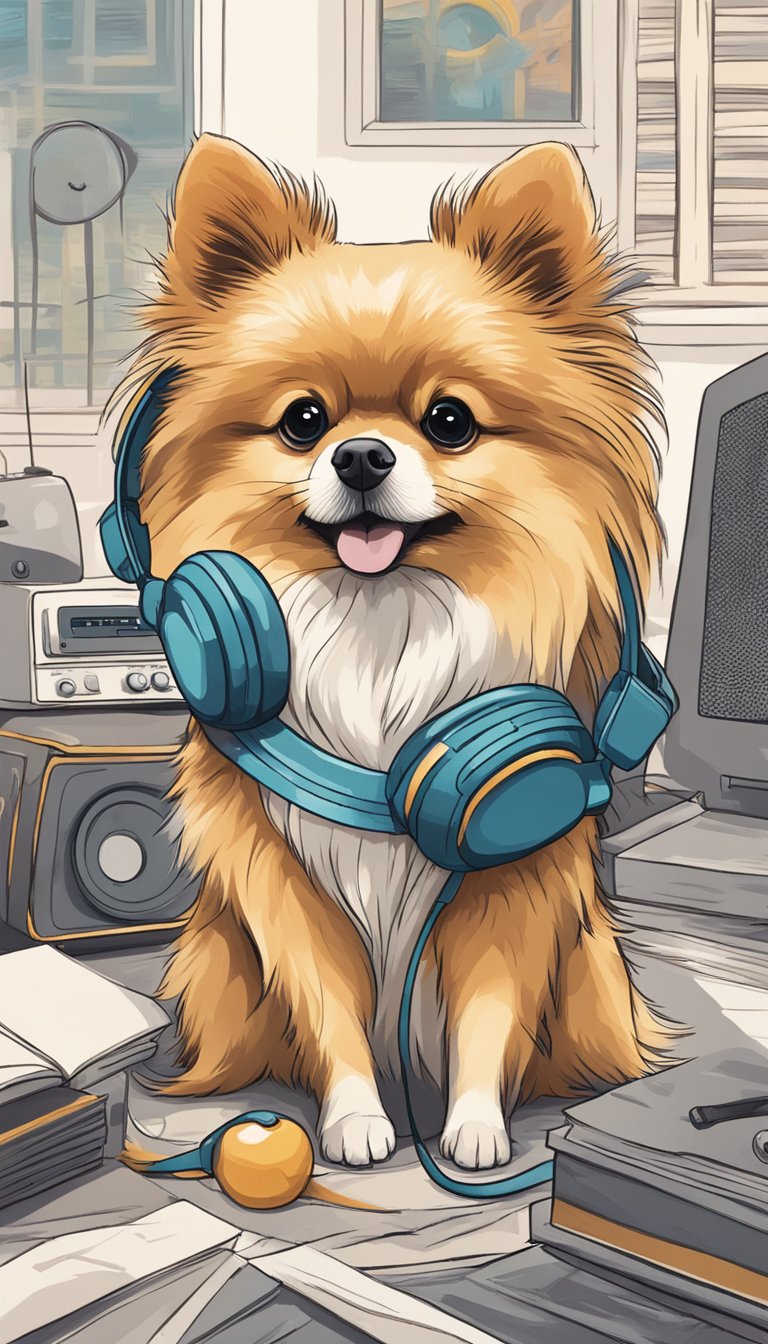
Soothing music or white noise can be a great way to help Pomeranians feel calm. Many dogs respond positively to sound, which can make them feel less alone.
Soft music can reduce anxiety. Some studies suggest that classical music is especially effective. Play it quietly in the background when leaving the house.
White noise machines can also work wonders. The consistent sound can mask other noises that might frighten a dog. This helps Pomeranians feel safe and relaxed.
Pet owners can experiment with different sounds to see what their dog prefers. Some Pomeranians might enjoy nature sounds, like rain or waves. Others may like soft instrumental music.
Setting up a playlist can be fun. Owners can create a mix of sounds that calm their dog. Be sure to keep the volume at a level that’s comfortable for the Pomeranian.
Using soothing sounds can create a cozy atmosphere. This can help ease the stress of being alone. It’s all about finding the right sound to comfort the dog when they need it most.
8) Consider Doggy Daycare
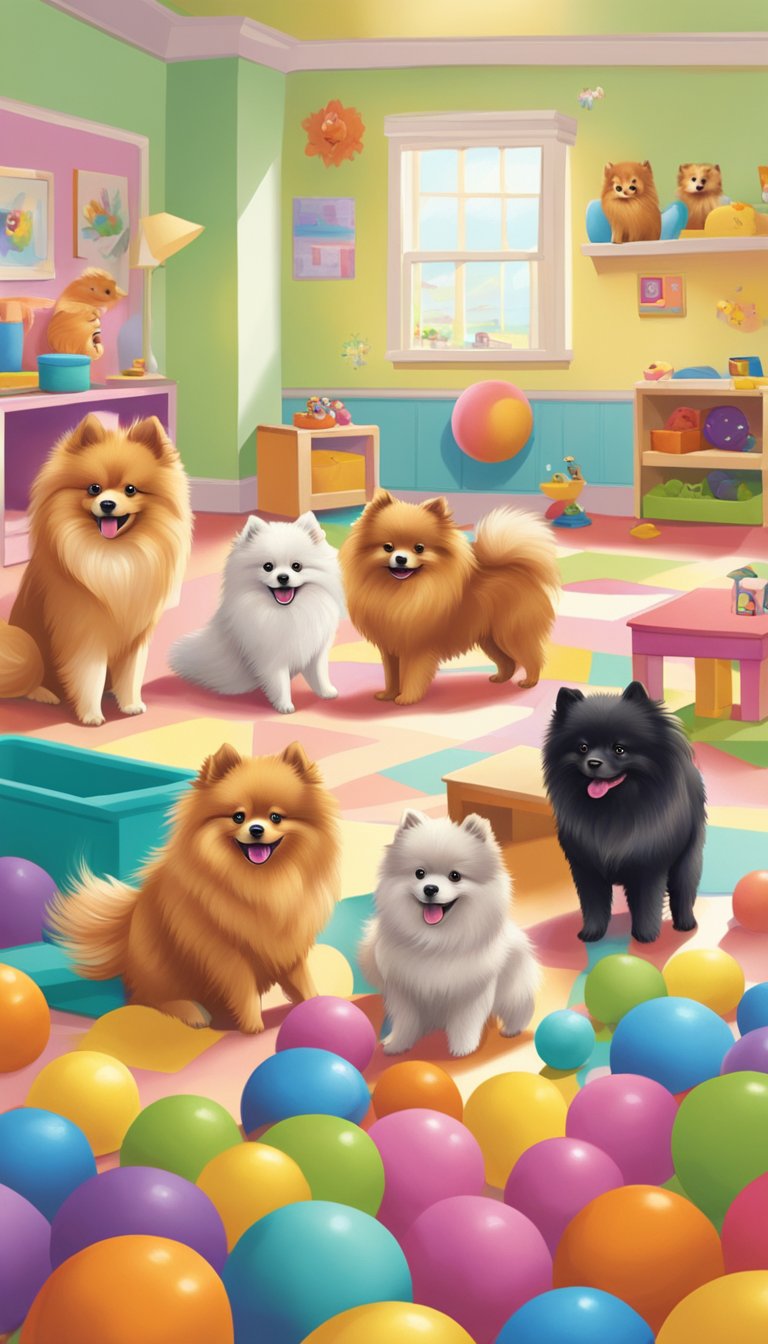
Doggy daycare can be a great option for a Pomeranian with separation anxiety. It provides a fun and safe place for dogs to play and socialize when their owners are away.
At daycare, Pomeranians get to interact with other dogs. This can help them feel less lonely and more comfortable. They can learn new skills, play games, and even take naps!
Choosing a quality daycare is important. Look for one that has trained staff and a clean environment. Take a tour to see the facilities.
Many daycares offer different activities to keep dogs engaged. This can help reduce anxiety by keeping the mind and body busy.
Some owners notice a difference in their dog’s behavior after going to daycare. Their Pomeranians may seem happier and more relaxed when they come home.
Doggy daycare can also help dogs become more social. This can be beneficial if the dog is timid or shy. Meeting new dogs and people can boost their confidence.
Overall, doggy daycare can be a smart choice for managing separation anxiety in Pomeranians. It offers companionship and fun while their owners are away.
9) Gradual Desensitization
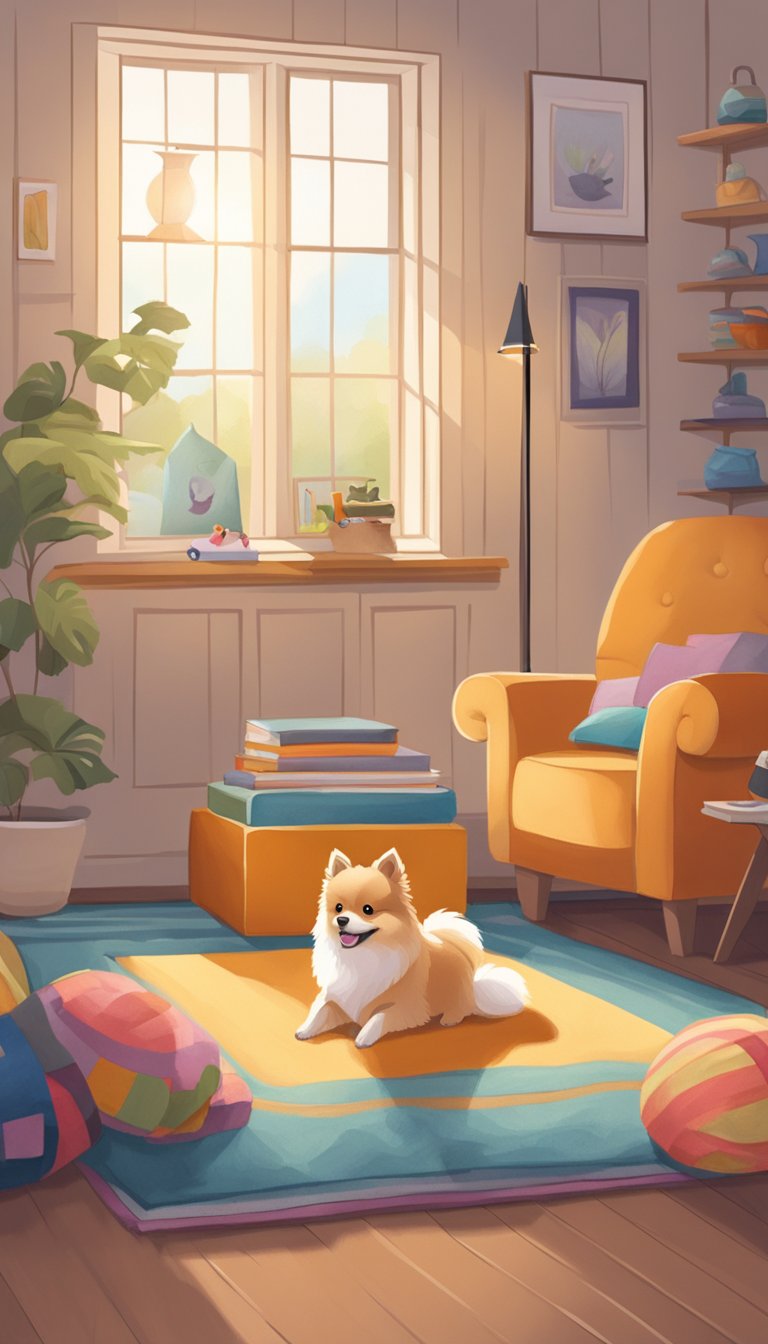
Gradual desensitization involves slowly getting a Pomeranian used to being alone. It helps reduce their anxiety over time. The goal is to make separations less scary for them.
Start by leaving the dog alone for short periods. This might be just a few minutes at first. Gradually increase the time as the Pomeranian becomes more comfortable.
While away, try to keep the environment calm. Avoid making a big fuss when leaving or returning. Saying goodbye in a relaxed way can help your dog feel more secure.
Use positive reinforcement when the dog stays calm. After returning, give treats or praise. This will create a positive association with being alone.
It’s important to track progress. Notice how the dog reacts over time. If they are less anxious, that’s a great sign!
If your Pomeranian shows distress, go back to shorter separations. Patience and consistency are key. Each dog is different, so move at a pace that works for them.
With time and practice, most Pomeranians can learn to handle being alone. This approach creates a happier and more confident pet. It’s worth the effort!
10) Establish a Routine
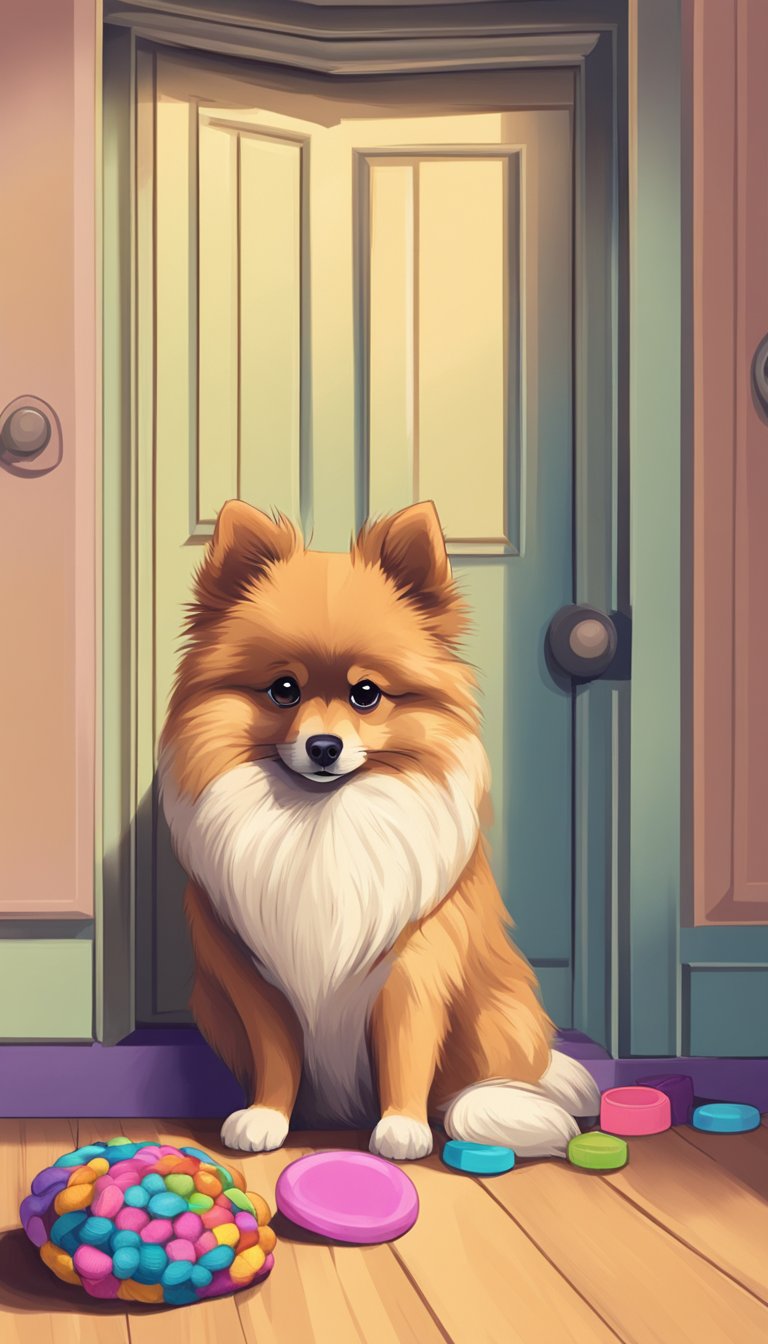
Creating a routine for a Pomeranian can make a big difference. Dogs love knowing what to expect each day. A consistent schedule helps reduce anxiety.
Start by setting regular times for meals, walks, and playtime. This predictability can help the dog feel secure. When they know when to eat or go outside, they stay calmer.
Also, keep morning and evening routines similar. Dogs thrive on structure. If they wake up and see the same faces and activities, they feel more at ease.
It’s also important to practice short separations. If a Pomeranian knows they’ll be left alone for a short time, they can adjust better. Gradually increase the time apart so they get used to it.
Be sure to include fun activities in the routine, too. This keeps the Pomeranian engaged and happy. Regular play can also help tire them out, which can make separations easier.
A daily routine offers stability. It helps Pomeranians understand what happens next. This approach supports their emotional health and reduces anxiety over time.
11) Hire a Pet Sitter
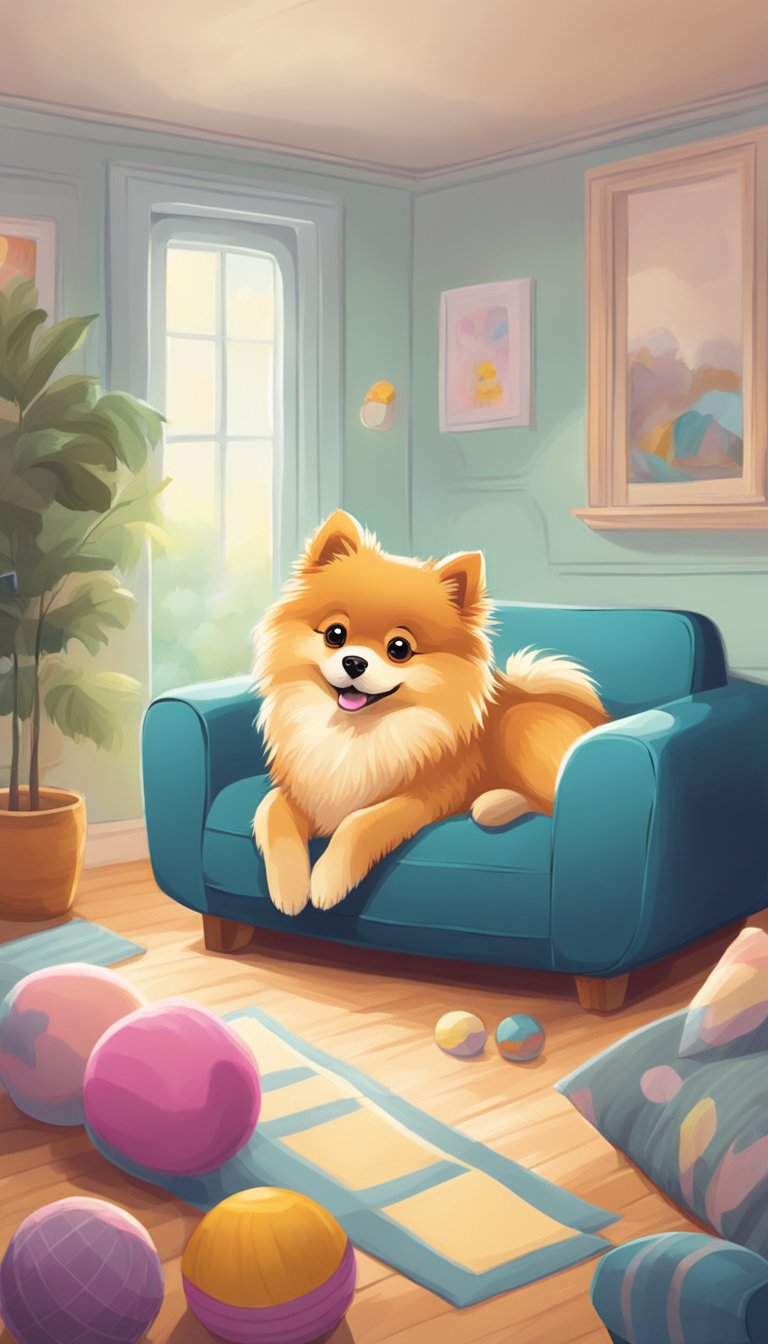
Hiring a pet sitter can be a fantastic way to help a Pomeranian with separation anxiety. It allows the dog to stay in a familiar environment while receiving care and attention.
A pet sitter can visit several times a day or even stay overnight. This helps the Pomeranian feel less lonely and stressed when its owner is away.
The sitter can play with the dog, take it for walks, and provide companionship. This interaction keeps the Pomeranian engaged and happy.
Choosing a qualified pet sitter is important. Owners should look for someone with experience and good references. Meeting the pet sitter beforehand can help the Pomeranian feel comfortable.
Many pet sitting services offer updates and photos. This gives the owner peace of mind while away. It can also ease the dog’s anxiety, knowing someone is looking after it.
Finding a reliable pet sitter is a great investment. It can make a big difference in how a Pomeranian handles being alone. With help from a pet sitter, the dog can feel safe and loved, easing both the pup’s worry and its owner’s.
Understanding Pomeranian Separation Anxiety
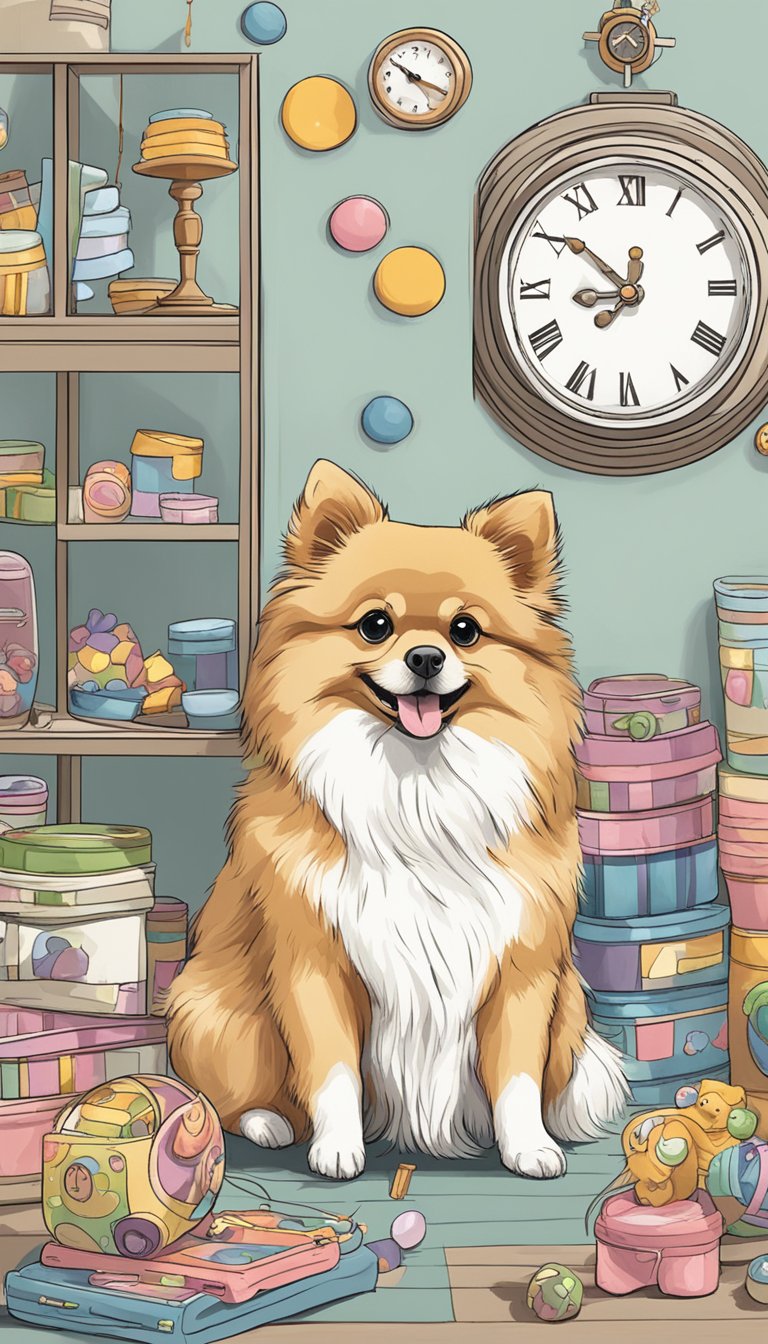
Pomeranians are loving and social dogs. They often become very attached to their owners. When left alone, they can show signs of separation anxiety. Knowing what this means can help owners provide better care.
What Is Separation Anxiety?
Separation anxiety is a condition where a dog feels stressed when separated from its owner. Pomeranians are particularly prone to this issue because of their strong bond with humans. When they are left alone, they may not know how to cope.
This anxiety can lead to various behaviors, such as barking, whining, or even destructive actions. Some Pomeranians may try to escape, which can be dangerous. Helping them feel safe when alone is important for their well-being.
Signs and Symptoms
Recognizing the signs of separation anxiety is the first step in managing it. Common symptoms include:
- Excessive barking or whining: This can start as soon as the owner leaves.
- Destructive behavior: They may chew on furniture, shoes, or even try to dig out.
- Pacing: They might walk around in circles or follow their owner too closely.
- Accidents in the house: This can happen even if they are house-trained.
These behaviors typically occur within the first 30 minutes after being left alone. Owners need to be observant to help their Pomeranian feel more secure.
Why Pomeranians Are Prone to Separation Anxiety
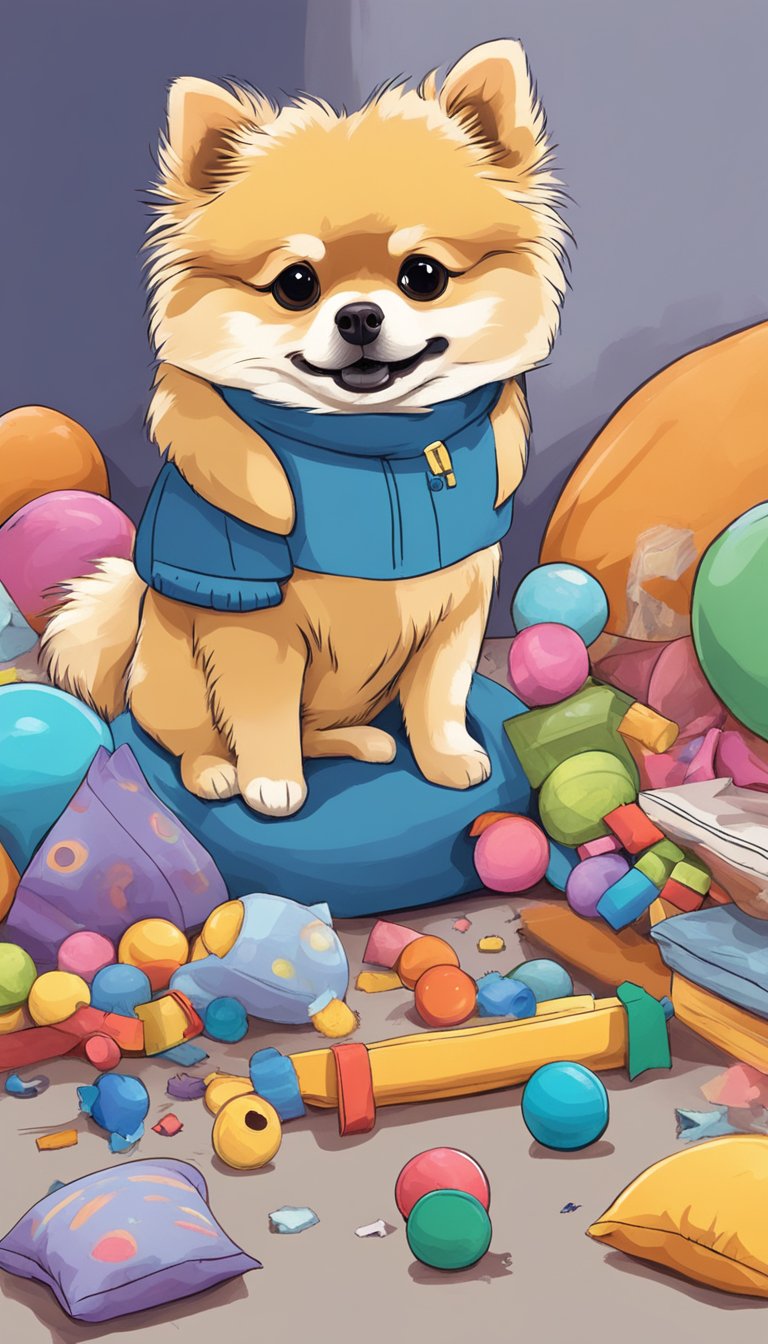
Pomeranians are a lively breed known for their strong attachments and playful nature. Their size and energy can make them more sensitive to being alone, leading to separation anxiety in some cases.
Breed Characteristics
Pomeranians are small, fluffy dogs with a vibrant personality. They thrive on interaction and love being around people. This breed is very alert and can become anxious when they feel their environment is changing.
Their small size may contribute to their more intense focus on their owners. If left alone, they may bark, chew, or show signs of stress. Training and socialization are vital for this breed. Without proper guidance, they may struggle with being alone.
Attachment to Owners
Pomeranians are known for forming strong bonds with their owners. This creates a deep emotional connection that can make separation difficult for them. When they spend a lot of time with their owners, they become accustomed to their presence and routine.
When left alone, they may feel abandoned or stressed. Their attachment can lead to behaviors like whining or destructive chewing. This breed requires consistent companionship and attention for emotional balance. It’s important to help them feel secure when their owner is away.
Creating a Comfortable Environment
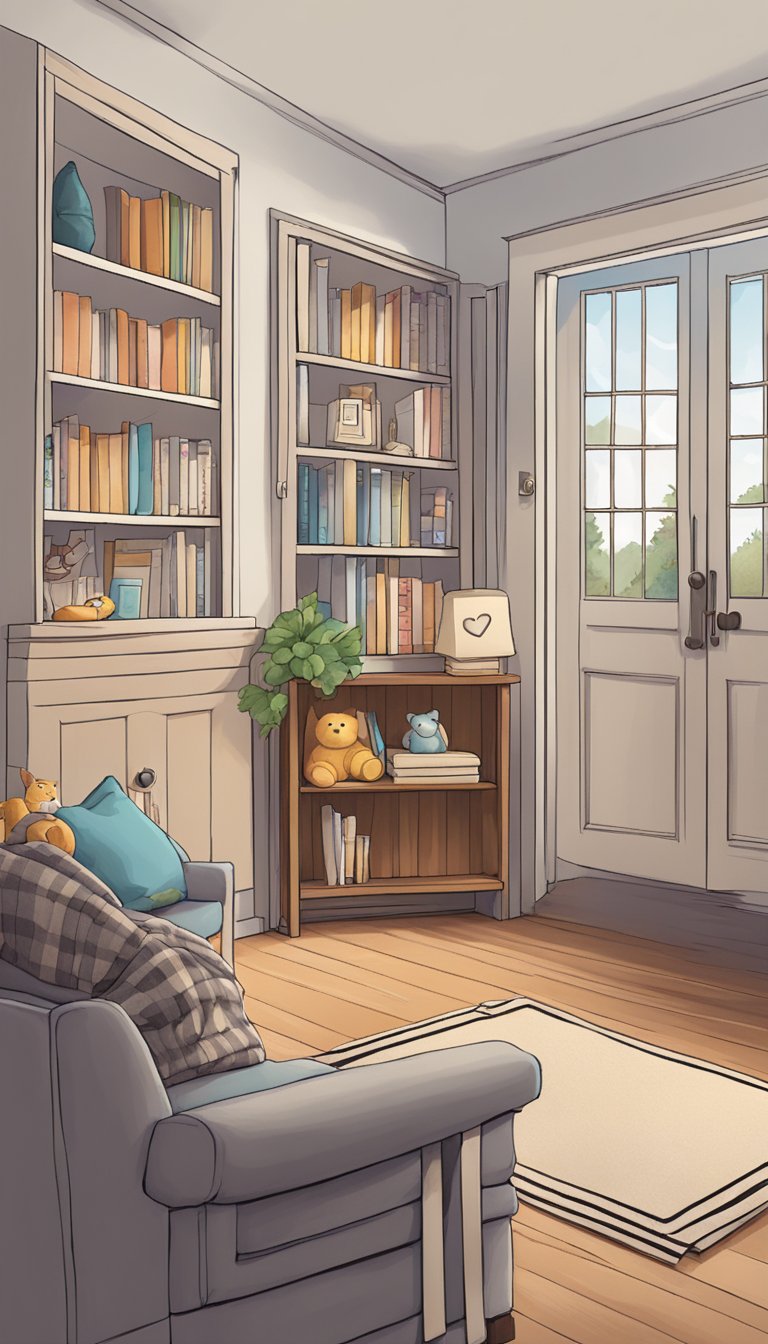
Creating a comfortable home can help a Pomeranian feel more relaxed and secure. This section highlights key ways to set up safe spaces and use calming products effectively.
Safe Spaces At Home
Pomeranians thrive when they have a safe and cozy spot to retreat to. Designate a quiet area in the home where the dog can relax. This could be a cozy corner in the living room or a quiet room away from noise.
Include a soft bed or blanket in this space to make it inviting. Adding familiar toys can also provide comfort. Consider using a crate as a den-like space. Pomeranians often find crates comforting, especially with the door left open for easy access.
Keep this area free from interruptions. Don’t allow strangers or loud noises to disturb them. This sense of security can significantly reduce anxiety.
Using Calming Products
There are various calming products available to help ease separation anxiety in Pomeranians. Calming collars infused with natural ingredients can help reduce stress. These collars release soothing scents that can make the dog feel more at ease.
Another option is calming treats. Many treats contain ingredients like chamomile and valerian root. These can provide a gentle calming effect.
Music and white noise machines can also create a soothing environment. Soft music can mask loud sounds and help promote relaxation.
Experiment with different products to find what works best for the dog. Each Pomeranian is unique, and finding the right combination can make a big difference in their comfort.