Pitbulls are known for their strength, loyalty, and loving nature. Many people see them as fierce dogs, but the truth is that they can be wonderful companions with the right guidance. Raising a well-behaved Pitbull requires time, patience, and the right tips to help shape their behavior. With proper training and socialization, Pitbulls can thrive in any home environment. These dogs need clear rules and consistent boundaries to feel secure and happy. This article will share effective tips to help owners raise a friendly and well-mannered Pitbull.
1) Start Early with Socialization
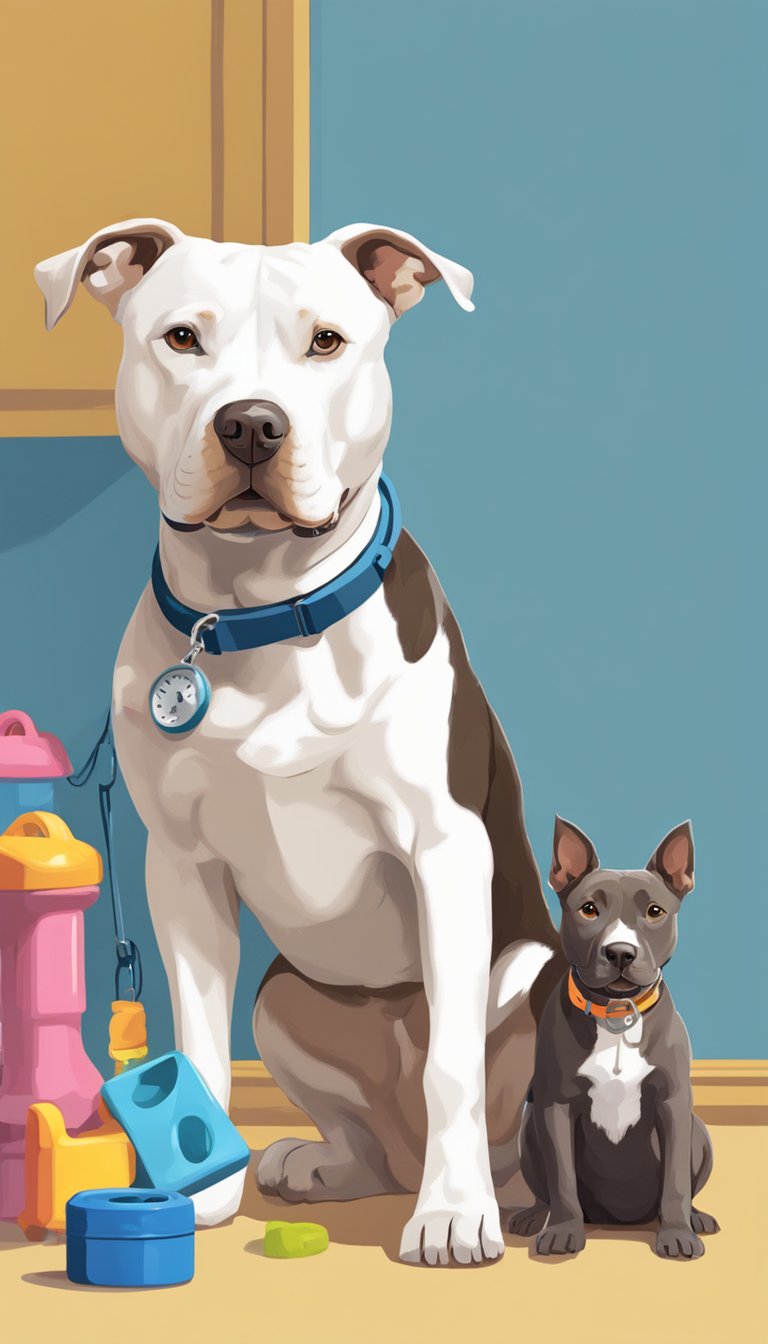
Starting early with socialization is key for a well-behaved Pitbull. Puppies are like sponges, ready to soak up new experiences. The first few months are crucial for their development.
Exposing a Pitbull to different people, pets, and environments helps them learn how to behave. Visits to parks, puppy classes, and even playdates can make a big difference.
Positive experiences help build confidence. When they are socialized early, they are less likely to be fearful or aggressive later on. It’s important to ensure these interactions are fun and safe.
Meeting new people and other dogs helps them learn proper greetings. Guidance during these interactions is vital. Owners can help their pet learn how to play nicely and respond to commands.
Socialization shouldn’t stop after puppyhood. Keep introducing your Pitbull to new experiences as they grow. This ongoing process will help them remain well-adjusted and friendly throughout their life.
Starting early sets a strong foundation for good behavior. Socialized Pitbulls are more likely to be happy and well-mannered. With the right approach, any owner can raise a friendly and well-behaved companion!
Consistent Training Routine
A consistent training routine is key for raising a well-behaved Pitbull. Dogs thrive on routine. It gives them a sense of safety and understanding.
Starting with short training sessions helps keep their attention. Aim for 5 to 10 minutes a day. This is perfect for learning new commands and tricks.
Using the same commands every time is also important. This helps the dog connect the word with the action. For example, always use “sit” for the sitting command.
Positive reinforcement works wonders. When the dog does something right, reward them right away. Treats, praise, or playtime can motivate them to repeat good behavior.
Training should happen in different environments. Dogs need to learn to behave well both at home and outside. Practicing in various places helps them adapt.
Be patient and stay calm during training. If they don’t get it right away, that’s okay. Consistency and kindness will lead to great progress.
Mixing in fun games during training keeps it exciting. It can be a good way to build a bond while learning.
Remember, the goal is to enjoy the process. A loving and consistent training routine makes a happy and well-mannered Pitbull.
3) Positive Reinforcement

Positive reinforcement is a great way to train a Pitbull. It involves rewarding good behavior. This can be treats, praise, or playtime.
When she follows a command, give her a tasty treat. This encourages her to repeat that behavior. Dogs love to please their owners, and rewards make learning fun.
Timing is important. She should get her reward right after she performs the desired action. This helps her connect the behavior with the reward.
Consistency is key. Everyone in the household should use the same commands and rewards. This helps prevent confusion for the dog.
It’s also important to be patient. Some dogs take longer to learn than others. Celebrate small successes to keep the training positive.
If he jumps up when he sees you, ask him to sit. When he sits, then give him a treat. This teaches him to stay calm and reinforces good manners.
Using positive reinforcement builds trust. It strengthens the bond between the dog and the owner. It makes training a joyful experience for both.
Remember, training should be fun! Keep sessions short and engaging. This way, your Pitbull will look forward to learning new things.
4) Establish Boundaries Early
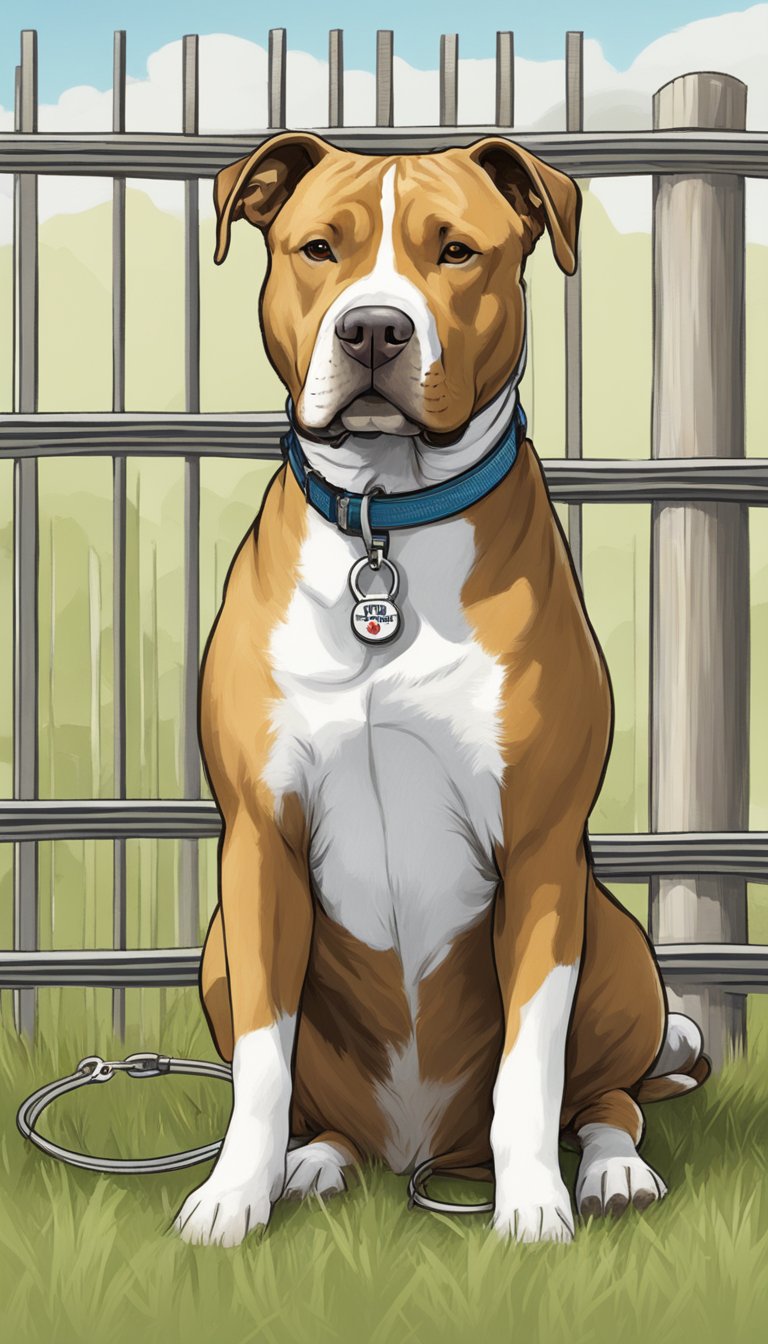
Establishing boundaries early is key to raising a well-behaved Pitbull. Dogs thrive on clear rules and knowing what is expected of them. Setting these rules early helps prevent confusion.
When a puppy joins the family, everyone should agree on the house rules. It might be where they can sleep, what they can chew on, and which areas are off-limits. Consistency is crucial.
If a puppy jumps on people, it should be corrected right away. If jumping is allowed sometimes, the dog gets mixed signals. It’s important that everyone in the home uses the same commands and reactions.
Training should start as soon as the puppy arrives. Simple commands like “sit,” “stay,” and “no” can make a huge difference. Positive reinforcement can help teach them to follow the rules.
Using treats and praise will encourage good behavior. When a pitbull knows what is acceptable, they can feel secure. This understanding can lead to a happier and more confident dog.
Making sure boundaries are clear can help build a strong bond between the owner and the dog. Building this trust helps them feel safe and loved. A well-structured environment leads to a well-behaved Pitbull!
5) Regular Vet Visits
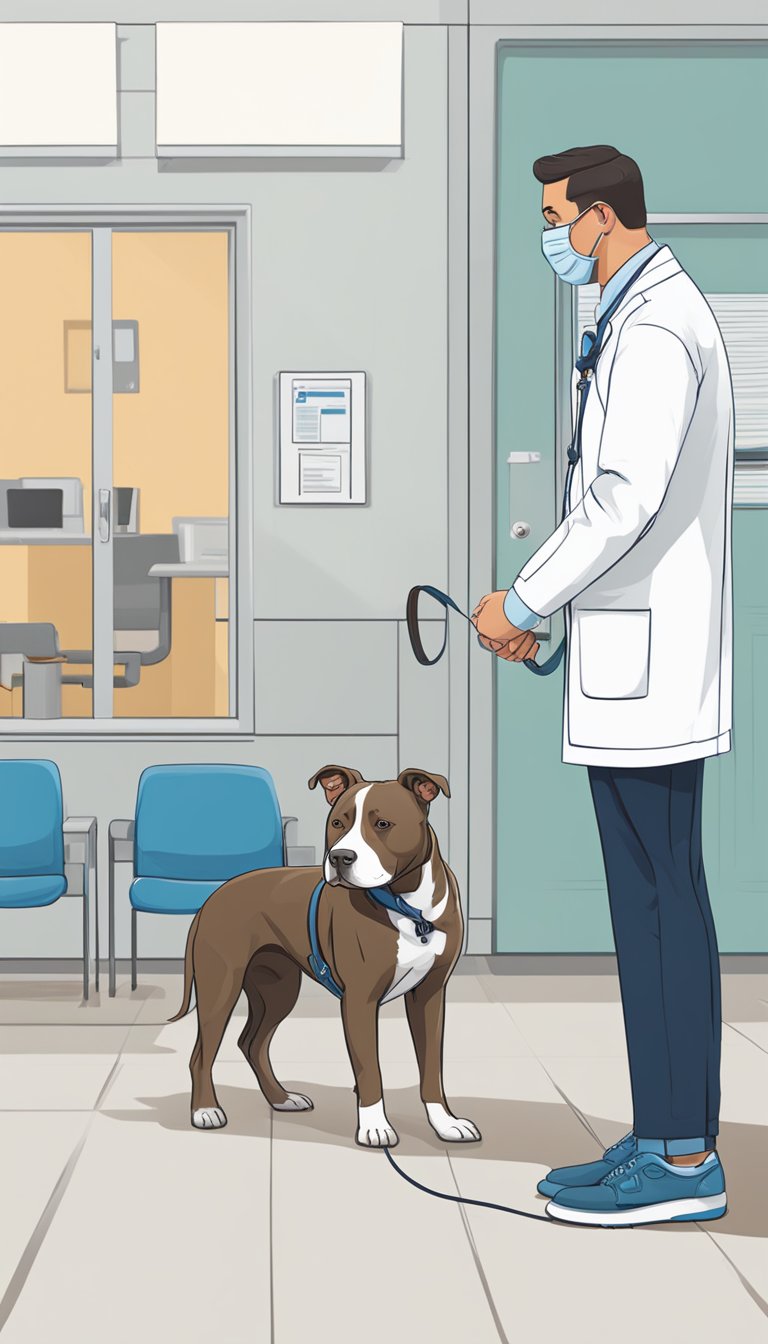
Regular vet visits are key to keeping a Pitbull healthy and happy. These check-ups help catch any health issues early. This means better care for your furry friend.
Vaccinations are important. They protect dogs from serious diseases. Staying up-to-date on shots keeps Pitbulls safe and healthy.
During vet visits, weight checks are done. Maintaining a healthy weight is crucial for a Pitbull’s health. This helps avoid problems like diabetes or joint issues.
Routine exams usually include checking teeth, ears, and skin. A vet can spot signs of infection or allergies early. This ensures any issues get addressed quickly.
Regular vet visits also allow owners to ask questions. Owners can learn about training tips or diet advice. This knowledge helps owners make the best choices for their pets.
Most vets recommend annual check-ups for healthy dogs. Older or sick dogs may need visits more often. Scheduling these appointments is a great way to show love for a Pitbull.
Remember to keep records of visits and vaccinations. This helps monitor your dog’s health history. It’s also useful for future vet visits.
With regular vet visits, Pitbulls can live longer, healthier lives. Happy visits to the vet mean a happier dog!
6) Provide Mental Stimulation

Keeping a pitbull’s mind active is key to raising a well-behaved pet. These dogs are smart and need challenges to stay happy. Boredom can lead to bad behavior, so it’s important to engage them mentally.
Puzzle toys are a great choice. They require dogs to think and solve problems to get a treat. This helps keep their minds sharp and entertained.
Training sessions also provide mental stimulation. Teaching new tricks or commands can be fun for both the dog and the owner. Short, regular sessions work best. They can make learning enjoyable and rewarding.
Interactive games are another option. Playing fetch or hide and seek offers both physical exercise and mental challenge. These activities can strengthen their bond with their owners too.
Socializing with other dogs can also stimulate a pitbull’s mind. Playing with friends at the park can introduce new experiences. This helps them learn how to behave around other dogs and people.
Finally, consider scent games. Hiding treats around the house encourages them to use their noses. Searching for treats will keep them entertained and engaged.
7) Physical Exercise Daily
Daily exercise is key for a well-behaved Pitbull. These dogs are full of energy and need to burn it off.
Taking them for walks is a great start. A 30-minute walk in the morning and evening can make a big difference.
Playing games like fetch is also fun. It keeps them active and strengthens the bond between the dog and owner.
Some Pitbulls love to run. If possible, let them run in a safe, enclosed area. This helps them release energy and stay healthy.
Engaging in training sessions can be exercise too. Teaching new tricks or commands can tire them out mentally and physically.
Swimming is another great option. Many Pitbulls enjoy the water, and it provides a good workout without too much strain.
Consistency is important. Stick to a routine so the Pitbull knows when to expect exercise each day.
Finally, be sure to adjust the exercise based on age and health. Older or recovering dogs may need gentler activities, while young puppies can handle more vigorous play.
A tired Pitbull is a happy Pitbull!
8) Understand Their Body Language

Understanding a Pitbull’s body language is key to knowing how they feel. It helps in creating a strong bond between the owner and the dog.
A wagging tail can mean happiness, but the way it wags matters. A loose, fast wag usually means excitement. A slow wag can show uncertainty or caution.
Watch their ears too! Ears up and alert mean interest or excitement. Ears down might signal fear or submission.
Body posture is important too. A relaxed body with a loose stance shows calmness. If they stiffen up, they might feel threatened or scared.
Start noticing their facial expressions. Raised eyebrows can show curiosity, while a flat face might mean they are unsure.
Pay attention to their mouth. A relaxed, open mouth often indicates a happy dog. A closed mouth with tense lips can signal stress or discomfort.
Understanding these signs can help in training. It allows for positive interactions and creates trust. By reading their body language, owners can better meet their Pitbull’s needs.
Being aware of these cues makes interactions more enjoyable. It helps build a happy environment for both the dog and the owner. Happy dogs are well-behaved dogs!
9) Use Crate Training
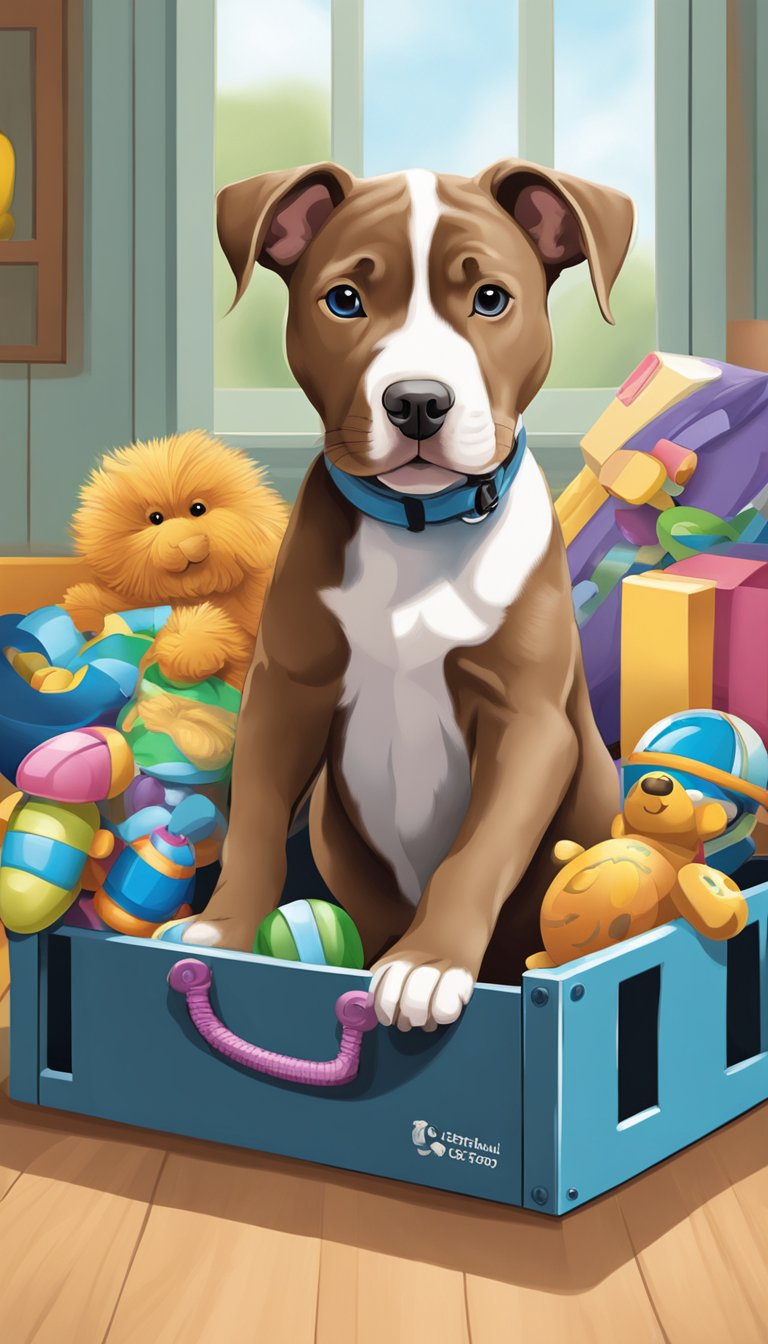
Crate training can be a fun way to teach a Pitbull how to behave well. A crate is like a safe space for the dog. It helps them feel cozy and secure.
When introducing a crate, it’s important to make it inviting. Adding a soft blanket and some toys can encourage the dog to use it. Treats can also help them see the crate as a positive place.
Crate training is not just for house training. It can help with behavior issues too. For example, if the dog tends to chew on things they shouldn’t, the crate can prevent that.
Short periods in the crate while the owner is away can help the dog learn patience. The dog will eventually feel comfortable being in the crate alone.
Gradually increase the time spent in the crate. This helps the Pitbull get used to it without feeling anxious. Always ensure they have enough time outside of the crate to play and socialize.
Crate training can also make traveling easier. A well-adjusted Pitbull will be more comfortable in new environments if they know their crate is a safe spot.
By using the crate effectively, owners can raise a well-behaved and secure Pitbull. It builds trust between the owner and the dog.
10) Reward Good Behavior

Rewarding good behavior is a great way to train a Pitbull. When she does something right, like sitting or staying, give her praise right away. This helps her connect the action with getting a reward.
Treats work well, too. A small piece of food can be a strong motivator. When he listens to commands, offer him a tasty treat to show approval. This encourages him to repeat that behavior.
Positive reinforcement builds trust. It makes the dog feel loved and appreciated. Over time, the dog will learn what behaviors are expected.
Sometimes, a simple pat on the head or a cheerful “good job!” can be enough. Dogs thrive on attention and affection. Offering these rewards makes training enjoyable for both the owner and the dog.
Consistency is key. Reward the behavior every time at first. As the dog learns, rewards can become less frequent, but still important. This helps the dog stay engaged and excited about training.
Creating a routine around training and rewards also helps. It gives the dog something to look forward to each day. This keeps the experience fun and positive.
11) Avoid Harsh Punishments

Using harsh punishments can be harmful to a pitbull. These dogs respond better to positive training methods. When they get scared or stressed, it can lead to more behavior problems.
Instead of yelling or hitting, focus on gentle correction. When a pitbull does something wrong, redirect their behavior calmly. This approach helps build trust between the dog and the owner.
Praise and rewards are much more effective. Offer treats or affection when the dog behaves well. This encourages good behavior and strengthens their bond with their owner.
Consistency is key. If a pitbull knows what is expected, they will try to please. It is important to use the same commands and rules every time.
Training sessions should be fun and engaging. Keeping things positive makes learning enjoyable for the dog. It helps them feel secure and happy.
If a pitbull keeps misbehaving, it might be due to stress or anxiety. Consider factors in their environment. Sometimes, providing more exercise or mental stimulation can make a big difference.
Creating a loving and supportive environment will lead to better behavior. With patience and understanding, a well-behaved pitbull is achievable.
Understanding Pitbull Temperament

Pitbulls are known for their strong and loyal nature. Understanding their temperament helps in raising a well-behaved dog. It’s important to know the truth about these dogs and how they interact with families.
Dispelling Common Myths
Many myths surround the Pitbull breed. One common belief is that they are inherently aggressive. In reality, a dog’s behavior often depends on its upbringing rather than its breed.
Pitbulls can be loving and kind when properly trained. They usually want to please their owners. Socialization from a young age can help them become well-adjusted pets. Understanding these facts is key to debunking stereotypes.
Additionally, irresponsible ownership contributes to negative behaviors in any dog. Educating themselves about the breed will help owners raise a friendly and well-mannered Pitbull.
Pitbulls and Children: Building Trust
Pitbulls often bond well with children. They are known to be protective and gentle with kids. Supervision is key in every situation to ensure safe interactions.
Teaching children how to approach and play with the dog helps create a positive relationship. Encouraging gentle play allows both the dog and child to enjoy each other’s company.
Training the Pitbull to respond to commands makes interactions safer. This trust-building helps develop a strong bond. Positive experiences together can lead to a lifelong friendship between Pitbulls and children.
Training Techniques for Pitbulls
Training a Pitbull can be an enjoyable experience. Using specific methods can make a big difference in shaping their behavior and building a strong bond. Here are some effective training techniques.
Positive Reinforcement Methods
Positive reinforcement is a popular way to train dogs, including Pitbulls. It involves rewarding good behavior with treats, praise, or playtime. For example, when a Pitbull sits on command, giving them a tasty treat encourages them to repeat the action.
This method builds trust and motivation. Using a clicker can also be helpful. A clicker marks the desired behavior, followed by a reward. This clear communication helps the dog understand what they did right.
Be consistent with rewards. Quick and immediate feedback is crucial. If the reward comes too late, the dog may not connect the behavior with the reward.
Socialization Strategies
Socialization is essential for Pitbulls. Exposing them to different people, animals, and environments helps them feel comfortable and confident. Starting this process when they are puppies is ideal.
Taking them to parks, dog-friendly events, and busy places allows them to interact with other dogs and humans. Positive experiences in these settings can reduce fear and aggression.
Introducing them slowly to new situations is key. Always watch their body language. If they seem scared or stressed, remove them from the situation. Gradually increase exposure over time to build their confidence.
Consistency in Commands
Using consistent commands is vital for training success. If training sessions use different words or gestures for the same command, it can confuse a Pitbull. Stick to one word or signal for each behavior.
Keep commands clear and simple. For instance, use “sit” for sitting and avoid variations like “settle down.” Consistency helps the dog learn faster and reduces frustration for both owner and pet.
Practice commands daily to reinforce learning. Short, fun training sessions work best. This keeps the dog engaged and eager to learn. Remember to always praise them for their efforts!