Socializing a Pomeranian can be an exciting journey for any dog owner. These little dogs are full of energy and personality, making them great companions. Understanding how to socialize a Pomeranian effectively can lead to a happy and well-adjusted pet. Pomeranians are known for their fluffy coats and lively demeanor. They thrive on interaction, which is why socializing them is so important. With the right tips and techniques, anyone can help their Pomeranian become more confident and friendly around others.
1) Use Positive Reinforcement
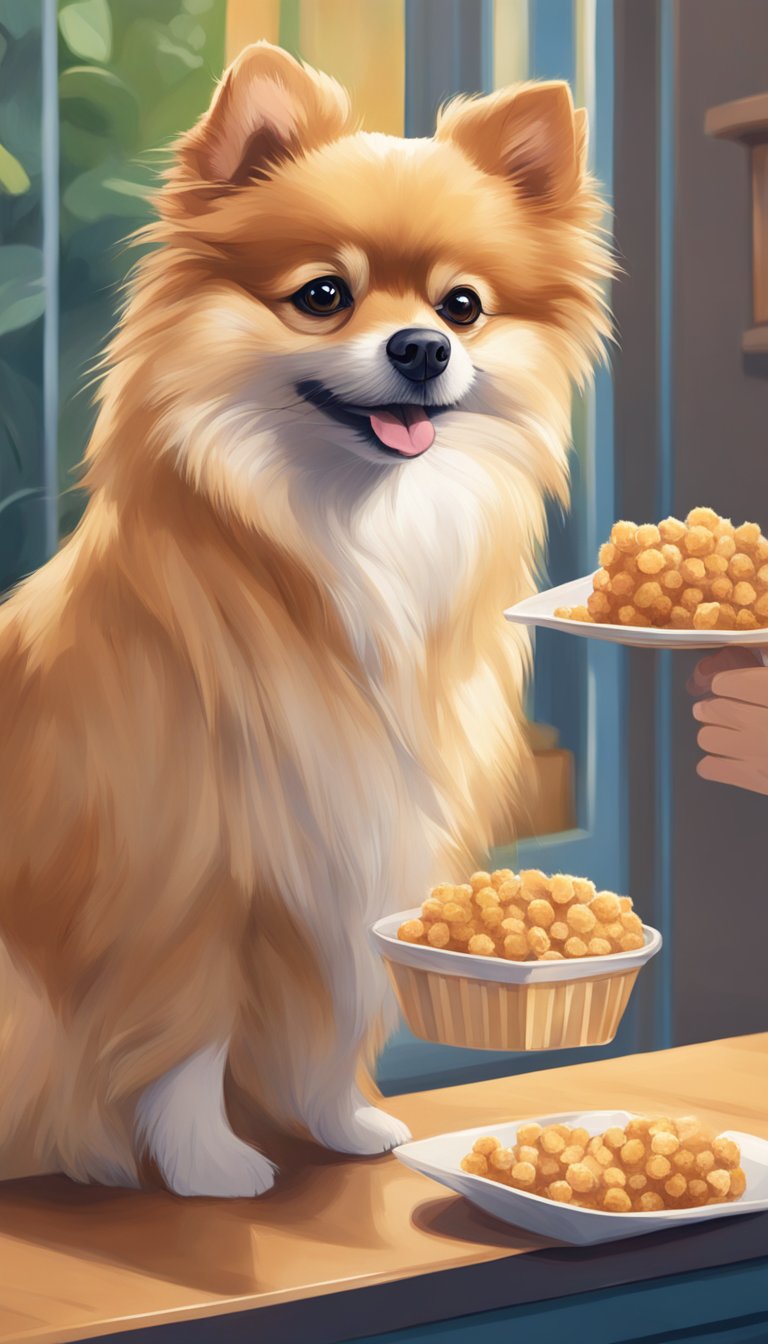
Using positive reinforcement is key when socializing a Pomeranian. This method encourages good behavior and builds trust between the dog and its owner.
Every time the Pomeranian acts in a desirable way, like meeting new people or being calm in a busy setting, the owner should offer treats or praise. This helps the dog understand what behaviors are wanted.
Consistency is crucial. The owner needs to reward the Pomeranian every time it behaves well in social situations. This reinforces the learning process.
It is also important to keep the rewards varied. Treats, toys, and even affection can be used to keep the dog excited and motivated.
Positive reinforcement not only helps with socializing but also strengthens the bond between the dog and its owner. Happy interactions lead to a more confident Pomeranian.
Owners should be patient, too. It might take time for the dog to feel comfortable around new people or environments. Each step forward, no matter how small, should be celebrated.
Creating a positive atmosphere will make social experiences fun. A Pomeranian that feels secure and rewarded is more likely to enjoy meeting new friends.
Start Socialization Early
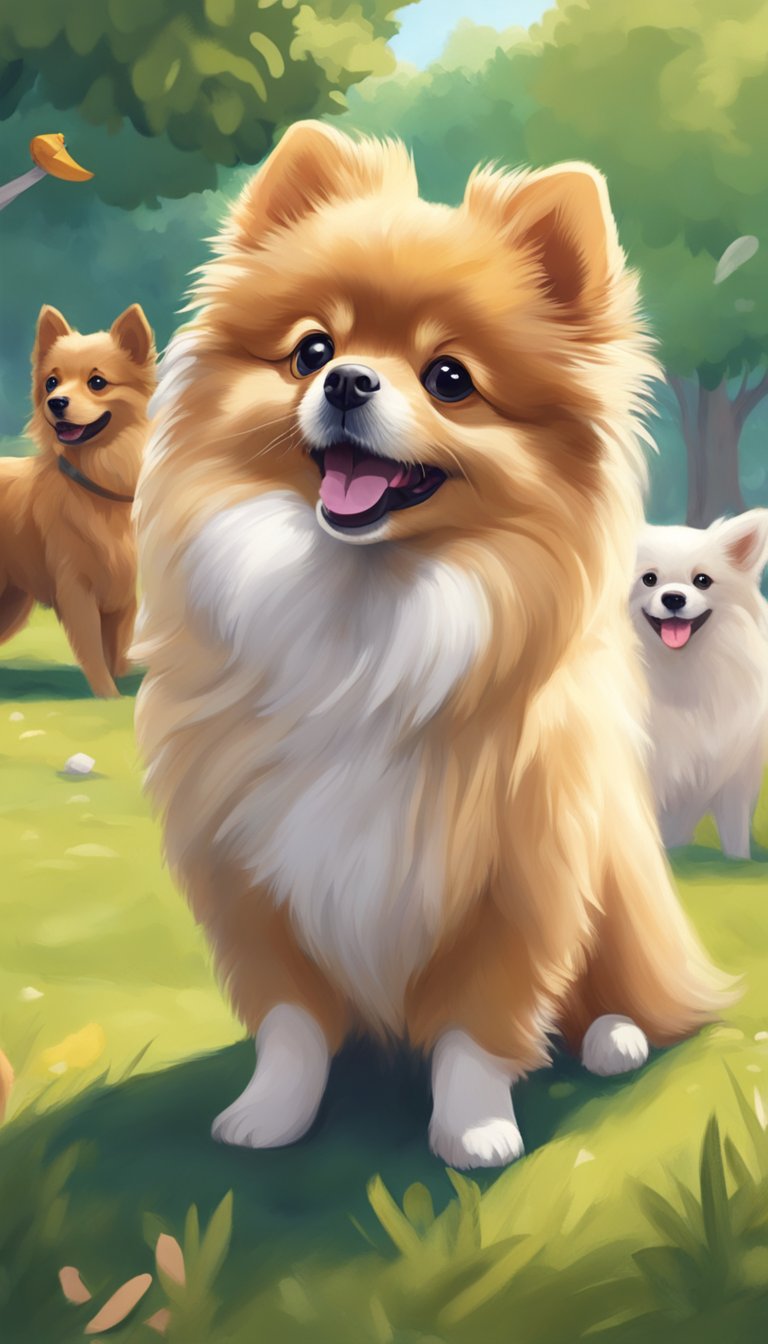
Starting socialization early is key for a happy Pomeranian. The first few months in a puppy’s life are crucial for learning and adapting.
Exposing a Pomeranian to new experiences, people, and other pets will help shape their behavior. A young puppy is like a sponge, ready to soak up everything around them.
Taking them to parks, puppy classes, and pet stores can be very beneficial. These experiences help build their confidence and make them more comfortable in different settings.
Positive interactions are important during this time. When a Pomeranian meets new people and pets, it should be a fun and rewarding experience.
Using treats and praise helps reinforce good behavior. This encourages the puppy to look forward to new encounters and learn to react positively.
Starting socialization early can prevent fear and aggression later. Meeting a variety of people and situations helps them become well-adjusted adults.
Consistent socialization sets the stage for a friendly and well-behaved Pomeranian. The effort put in during these early days pays off in the long run.
Introduce New People Slowly
Introducing a Pomeranian to new people can be fun! It’s important to take it slow to help them feel comfortable.
Start by letting the Pomeranian see the new person from a distance. This gives them a chance to sniff and observe without feeling overwhelmed.
Once the dog seems relaxed, allow the person to slowly approach. They can crouch down to the dog’s level. This helps make the interaction less intimidating.
Encourage gentle petting once the Pomeranian feels safe. They might initially just want to stay close to their owner. That’s perfectly fine!
Make sure the person knows how to approach a dog. They should avoid sudden movements and loud voices. This keeps the Pomeranian calm and happy.
Short and positive visits work best at first. If the dog enjoys the interaction, gradually lengthen the time. With patience, they will become more comfortable with new friends.
Always watch the Pomeranian for any signs of stress. If they seem nervous, take a step back and try again later. Each positive experience will help build their confidence.
With time, Pomeranians can become social butterflies! They will enjoy meeting new people and making friends. It’s all about taking those first steps at their own pace.
4) Create Positive Associations
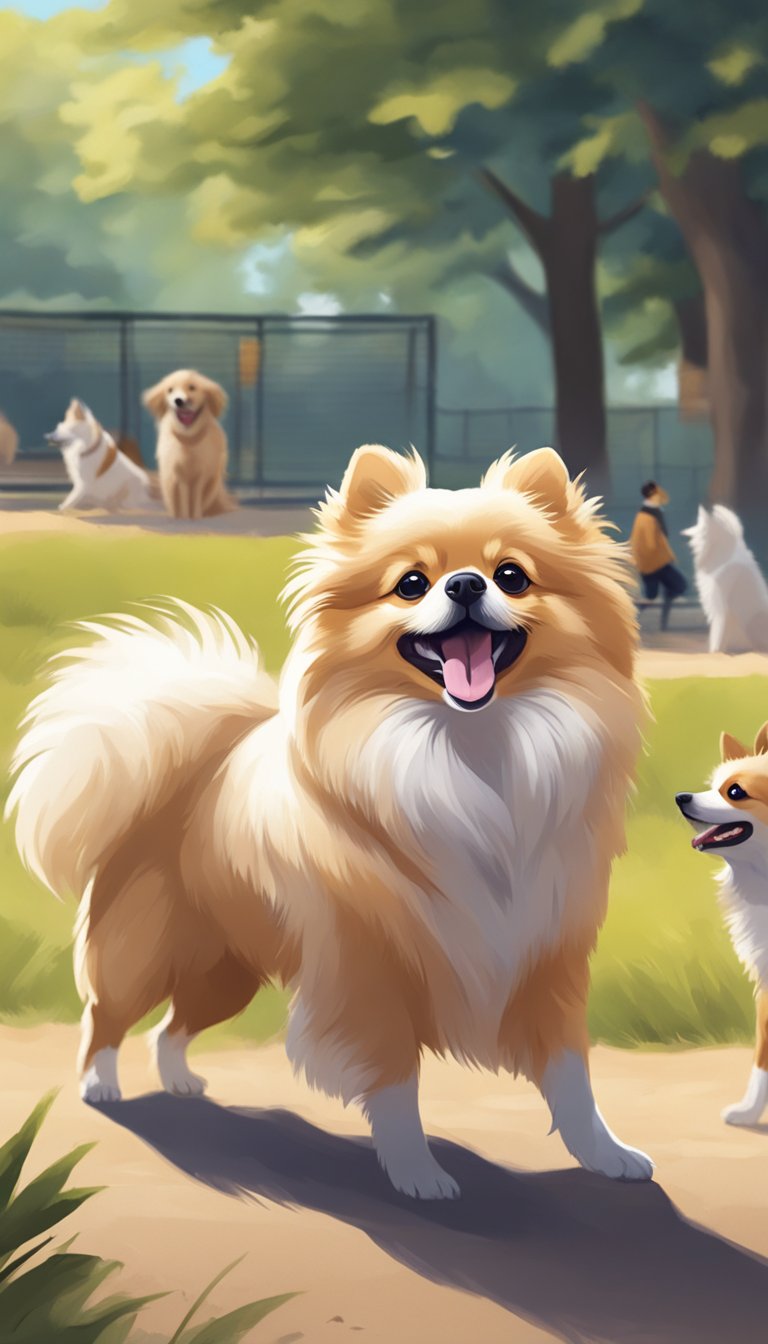
Creating positive associations is key for a happy Pomeranian. This means linking fun experiences to different people, places, and situations. She can feel more comfortable when she sees her friends or visits new spots.
Start by using treats during social interactions. Whenever she meets a new person or plays with a dog, give her a tasty treat. This helps her connect the experience with something enjoyable.
Playtime is another great way to create good feelings. If she plays with a friendly dog, she should receive praise and rewards. This builds her confidence and encourages her to join in more often.
Introducing her to different environments can also help. Take her for walks in parks or busy streets. Make sure to offer treats and praise when she stays relaxed. This teaches her that these places are safe and fun.
Routine can also play a role. Regularly schedule playdates with friendly dogs. It helps her expect positive interactions with others.
Lastly, stay patient and positive. If she feels anxious, take a step back. Allow her to explore at her own pace. This support will help her build trust and enjoy connecting with the world around her.
5) Attend Puppy Classes
Attending puppy classes is a great way for a Pomeranian to learn and socialize. These classes provide a safe environment for puppies to meet other dogs and people.
During classes, they can practice basic commands and learn good behaviors. The guidance from trainers helps puppies feel more confident.
Pomeranians love to play and explore. Being in a class allows them to connect with other furry friends. It’s a fun way to make new pals.
Learning together is a bonding experience for owners and their Pomeranians. This shared time builds trust and encourages positive interactions.
Puppy classes often involve games and fun activities. This keeps dogs engaged and happy while they learn. Each session brings new challenges that help them grow.
Overall, these classes can set a strong foundation for a well-mannered Pomeranian. The skills learned in class can make socializing easier later on.
6) Provide Toys and Treats
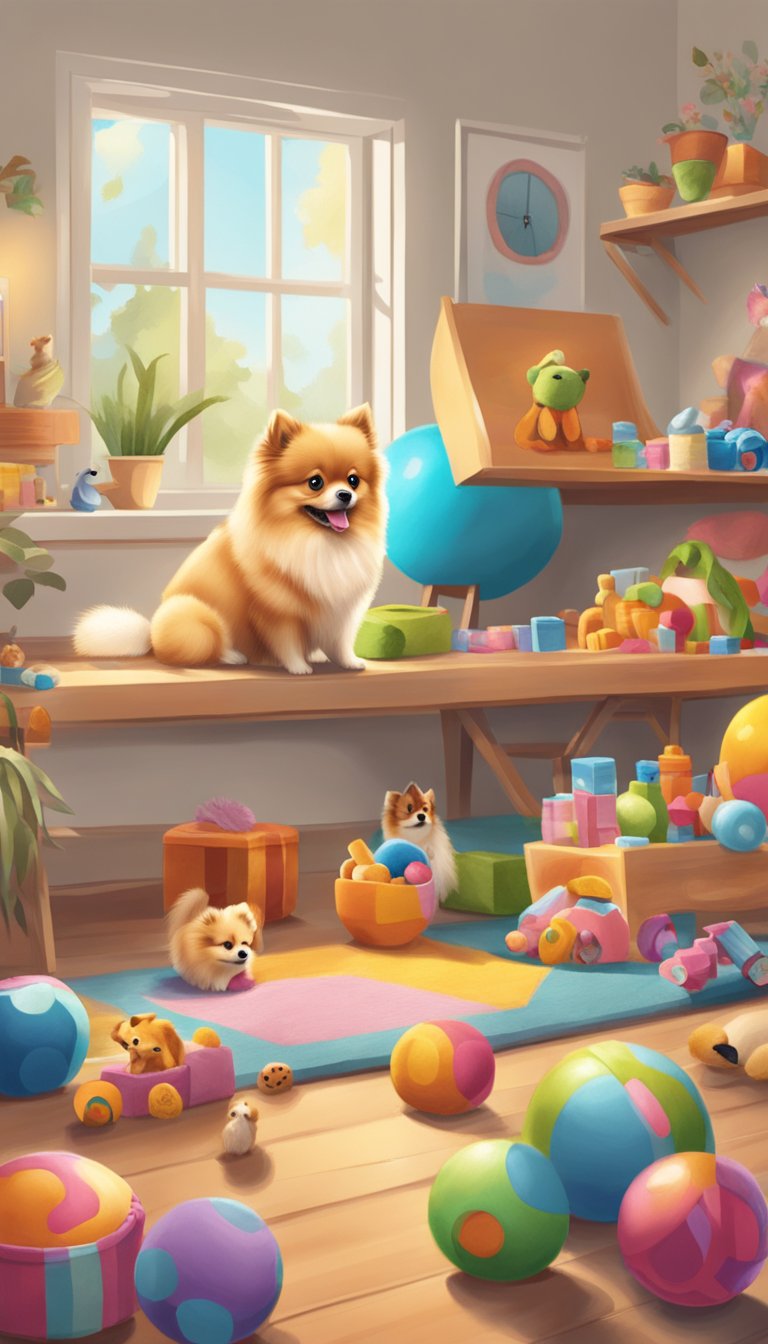
Toys and treats can make socializing a Pomeranian fun and exciting! They enjoy playing and exploring with different toys. Offering various toys can keep them engaged and happy.
Soft toys and squeaky toys are great choices. Pomeranians love to chew and chase. Interactive toys can also help boost their mental skills as they figure out how to get treats from them.
Treats are fantastic for positive reinforcement. Using small, tasty treats can motivate Pomeranians during training or social outings. Rewarding them for good behavior helps them learn and feel confident.
Choosing healthy treats is important. Look for options that are safe and nutritious. This way, they stay healthy while having fun.
Changing toys regularly can keep your Pomeranian interested. They love new scents and textures. Try rotating the toys to maintain excitement.
Pomeranians also enjoy tug-of-war and fetch games. These activities build their bond with others and provide great exercise. Plus, they help reduce any stress during socialization.
Overall, toys and treats are simple yet powerful tools. They can make socializing a Pomeranian a joyful experience!
7) Arrange Playdates with Other Dogs
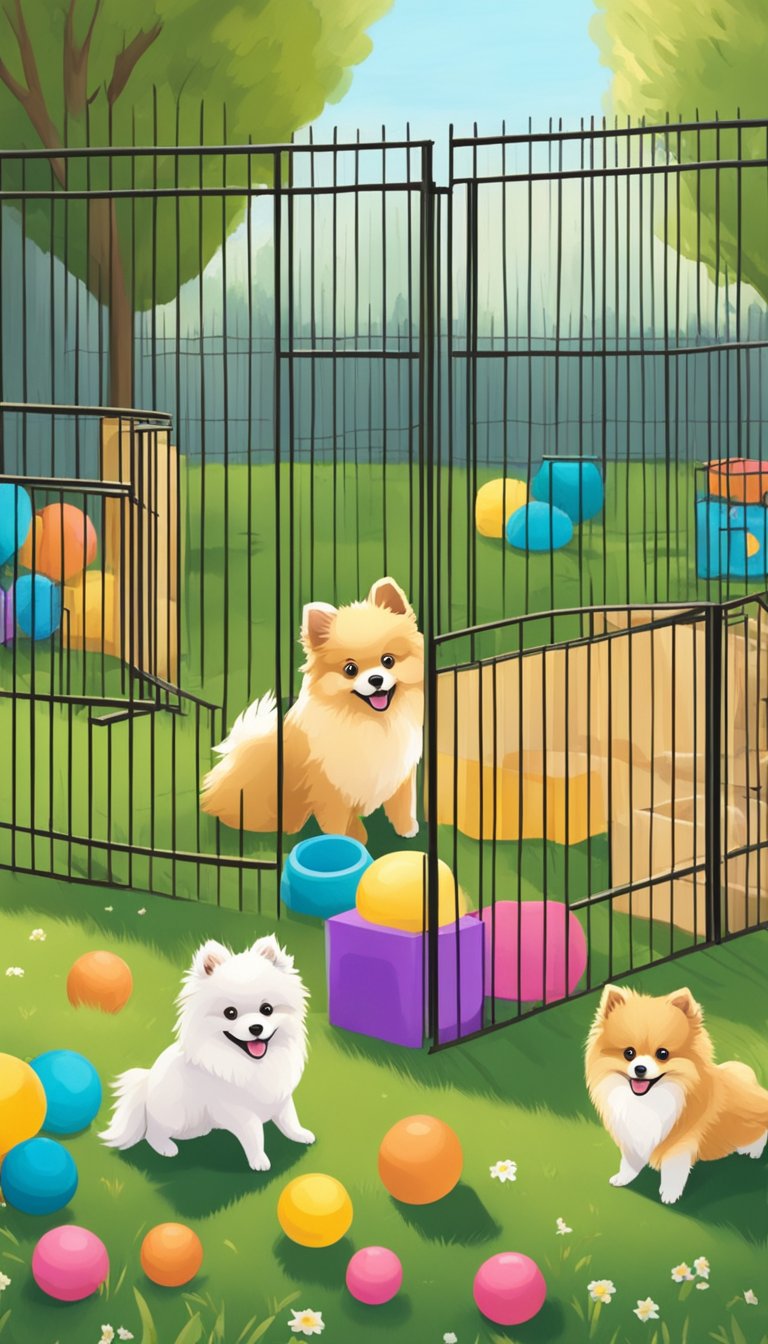
Setting up playdates is a fun way for a Pomeranian to socialize! Meeting other dogs helps them learn social skills and builds confidence.
Choose dogs that are friendly and have similar energy levels. This keeps the play enjoyable and safe for everyone. It’s important to watch how both dogs interact during the first meeting.
Start with short playdates. A brief time together allows both dogs to get used to each other without feeling overwhelmed. Gradually increase the time as they become more comfortable.
Select a neutral location for the playdate. Parks or open spaces work well since they are free from territorial behaviors. This helps the dogs feel relaxed while playing.
Always supervise the dogs during playdates. This ensures they are having fun and staying safe. If any signs of discomfort appear, it’s best to separate them and try again later.
Encourage play by bringing toys and treats. This can help keep the energy up and make the experience more enjoyable for both dogs.
Regular playdates can lead to lasting friendships for Pomeranians. As they bond with other dogs, they also become more confident and sociable in different situations.
8) Use a Gentle Training Approach
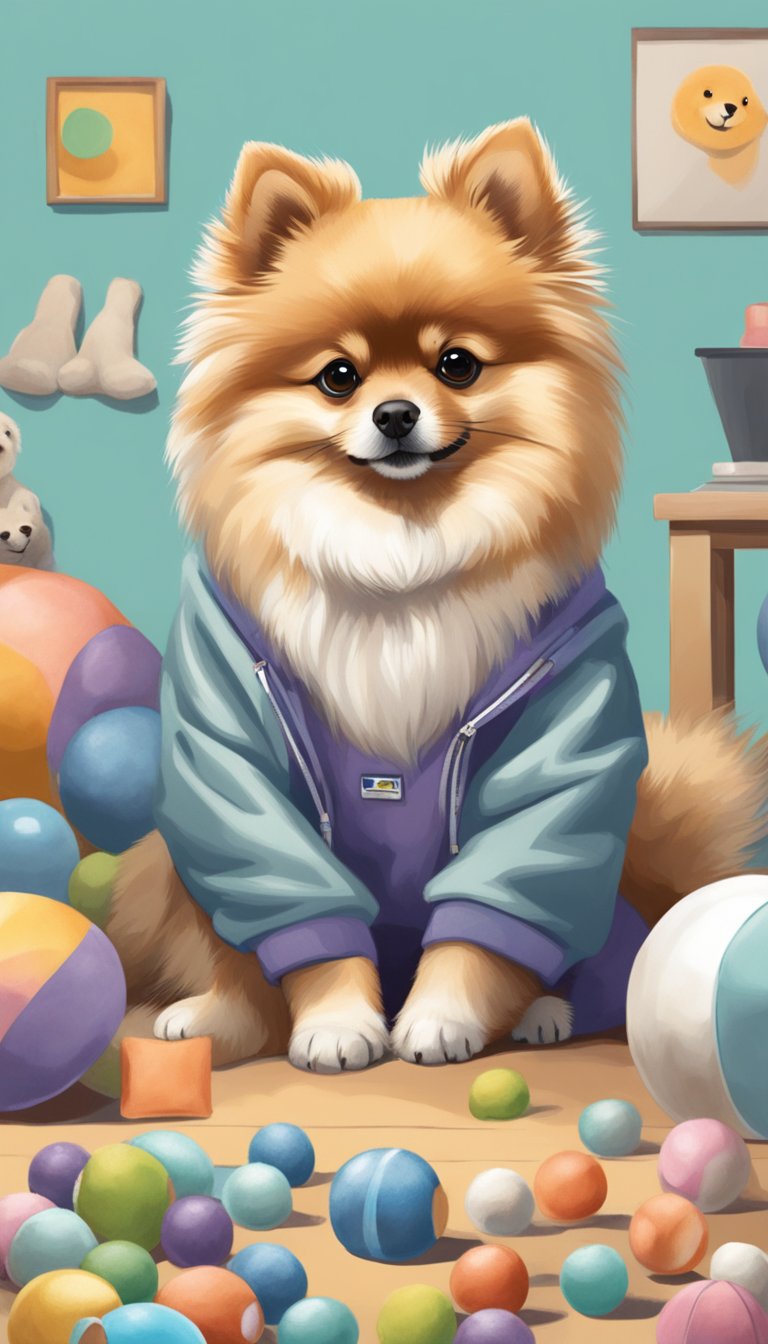
A gentle training approach is key for socializing a Pomeranian. Positive reinforcement works wonders. Instead of harsh corrections, she encourages good behavior with treats and praise.
Using fun games can make learning exciting. Pomeranians are curious and smart. They love to explore, so turning training into a game keeps them engaged.
Consistency is important. He should use the same commands and rewards each time. This helps the dog learn faster and feel more secure.
Short training sessions are best. Pomeranians have short attention spans. Keeping sessions to 5-10 minutes can make learning fun without overwhelming them.
Remember to be patient. Each dog learns at their own pace. If she struggles with a command, taking a break can help.
Socialization should happen gradually. Introduce new people and pets slowly. Rewarding her for calm behavior will build her confidence.
A gentle touch goes a long way. Simple gestures, like pats and soft words, can create a safe space for the dog. Building trust helps her feel comfortable and ready to learn.
9) Expose to Different Environments
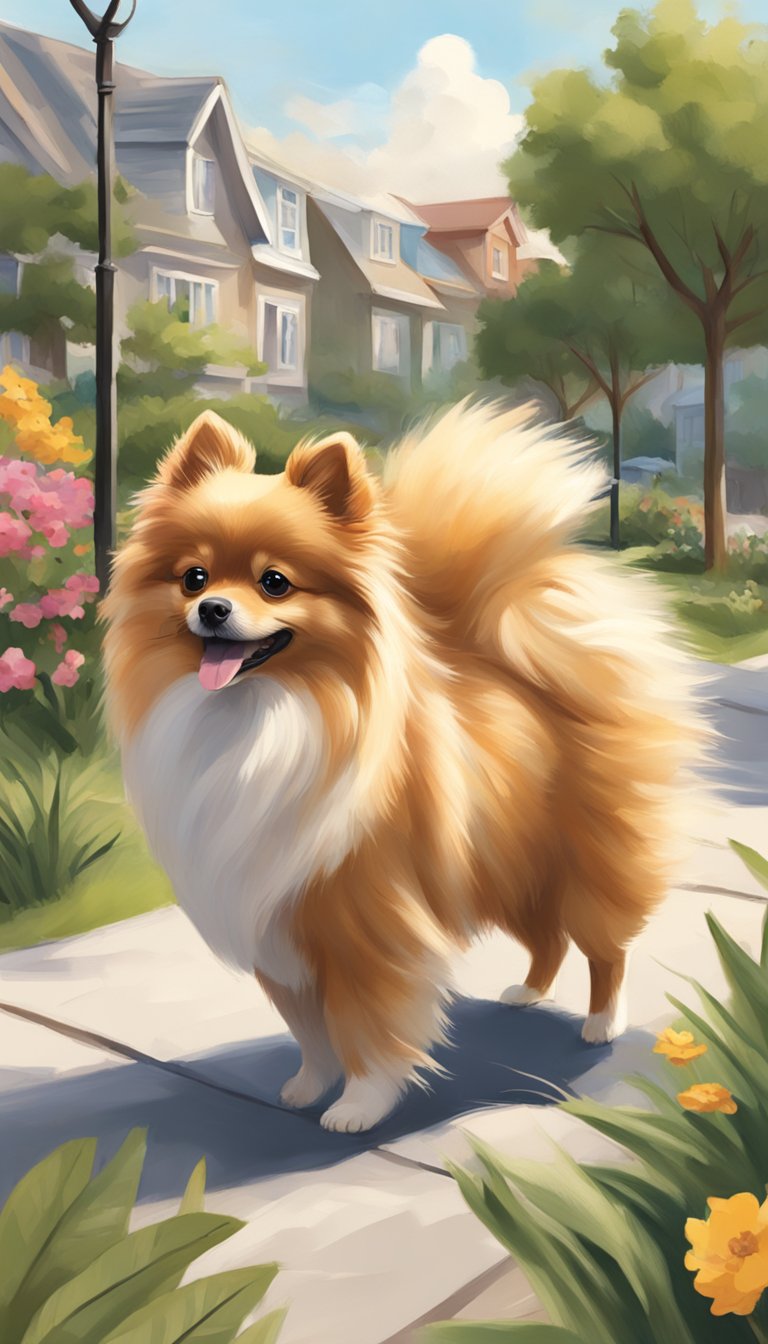
Introducing a Pomeranian to various environments is key to their socialization. Each new place offers unique sights, sounds, and smells that can help build confidence.
Start with quiet areas, like a park or a friend’s backyard. Gradually take them to busier places, such as pet stores or busy streets. This helps them learn to adapt to different levels of activity.
It’s important to observe their reactions. If they seem scared or anxious, give them space. Comfort and encourage them with praise and treats. This builds positive associations with new experiences.
Pomeranians are naturally curious. They enjoy exploring different surroundings. Exposing them to different environments can stimulate their minds and keep them happy.
Visit dog-friendly cafes or outdoor events. Meeting other pets and people in these settings can help them learn to interact well. It’s a fun way for them to grow more comfortable in social situations.
Consistency is important. Regularly taking them to new places can help maintain their progress. This helps ensure your Pomeranian stays confident and social throughout their life.
10) Teach Basic Commands
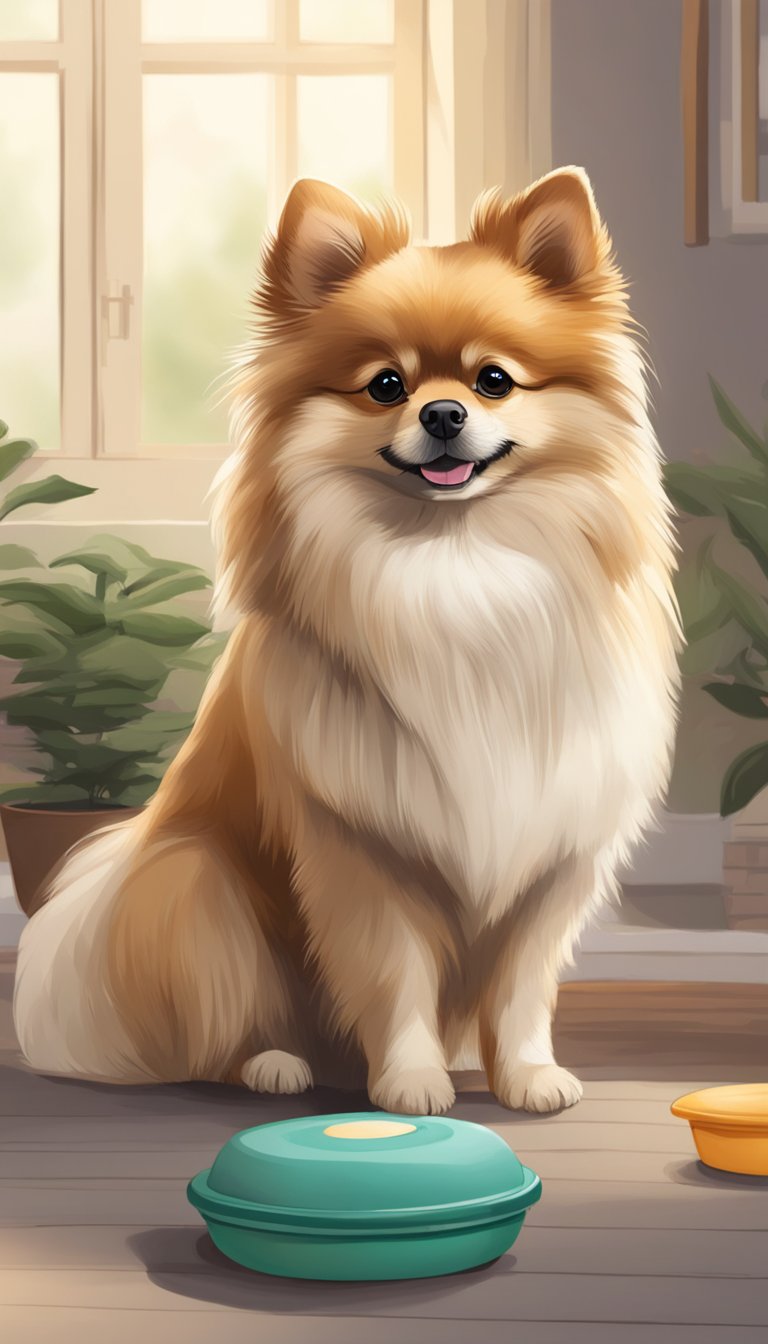
Teaching basic commands is a fun way to bond with a Pomeranian. It helps them feel secure and builds their confidence. Commands like “sit,” “stay,” and “come” are essential for good behavior.
Start with short training sessions. Pomeranians have short attention spans, so keep it brief and playful. Use treats to reward them for following commands. This positive reinforcement makes learning enjoyable.
Use a clear and happy voice when giving commands. Pomeranians respond better to cheerful tones. Consistency is key, so use the same commands every time. This helps them learn faster.
Practice in different locations. Training in new places helps them get used to following commands in various situations. This prepares them for socializing with other dogs and people.
Don’t forget to be patient! Some days, they may not get it right away. That’s normal. Keep practicing and celebrating small wins. This builds a strong bond between them and their owner.
Teaching commands is not just practical; it makes walks and playtime more enjoyable. A well-trained Pomeranian is more confident and can socialize better. The journey of training can be filled with laughter and joy!
11) Monitor Body Language
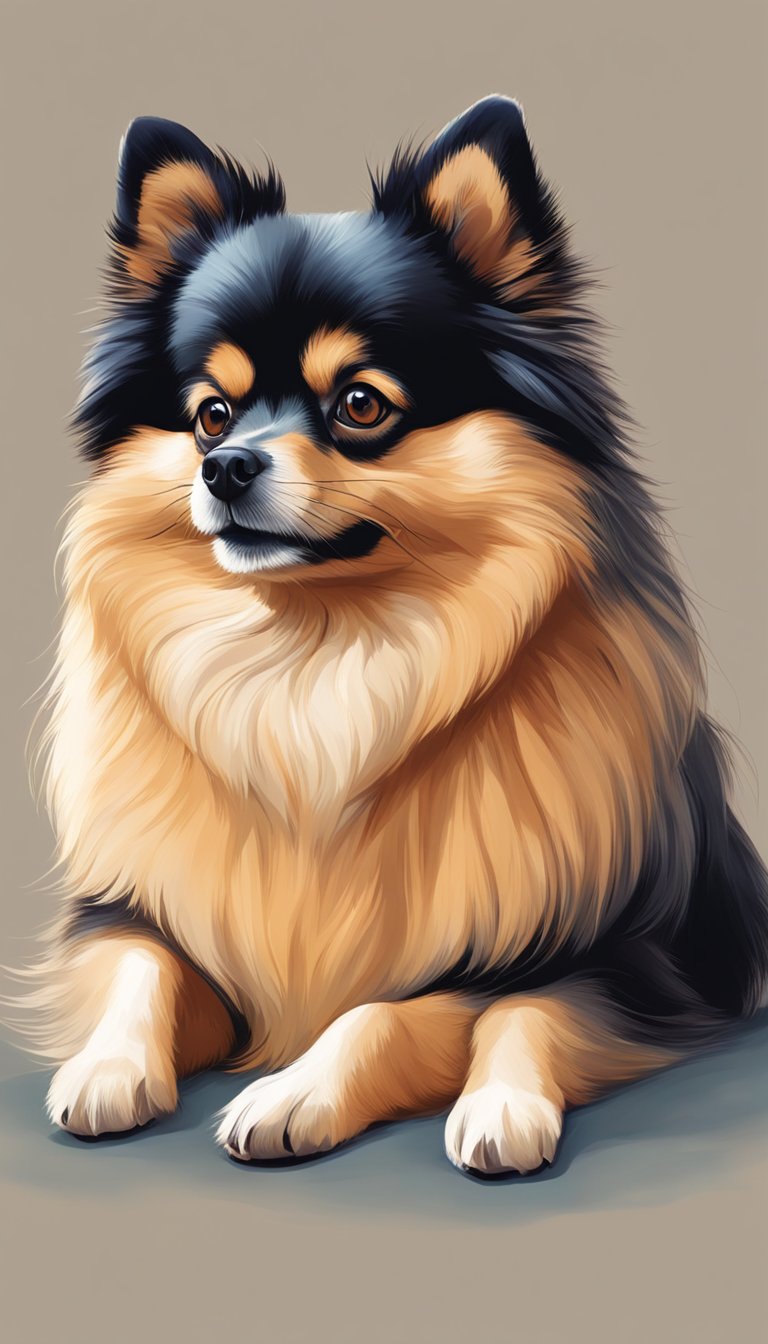
Monitoring a Pomeranian’s body language is key to understanding how they feel. Their actions can tell you a lot about their comfort level.
Watch the tail. If it’s wagging high, the dog is likely happy. If it’s tucked between their legs, they might feel scared or anxious.
Ears also provide signals. Ears up and alert means they are curious. If the ears lay flat against the head, it could indicate fear or aggression.
Look at the eyes. Soft eyes usually show a calm and relaxed dog. Hard stares can mean the dog feels threatened or uncomfortable.
Pay attention to their stance. A relaxed dog will have a loose body. If they stand stiff or are backing away, it’s a sign they may need space.
Vocalizations matter too. Barking loudly can express excitement or alertness. Lower growls can signal discomfort or aggression.
By observing these cues, a Pomeranian can enjoy social interactions more. The right signals help prevent stress. It creates a happier experience during playdates or outings.
Understanding body language helps build trust and confidence. This way, the Pomeranian feels secure in new situations. Happy socializing leads to a well-adjusted pet!
Understanding Pomeranian Behavior
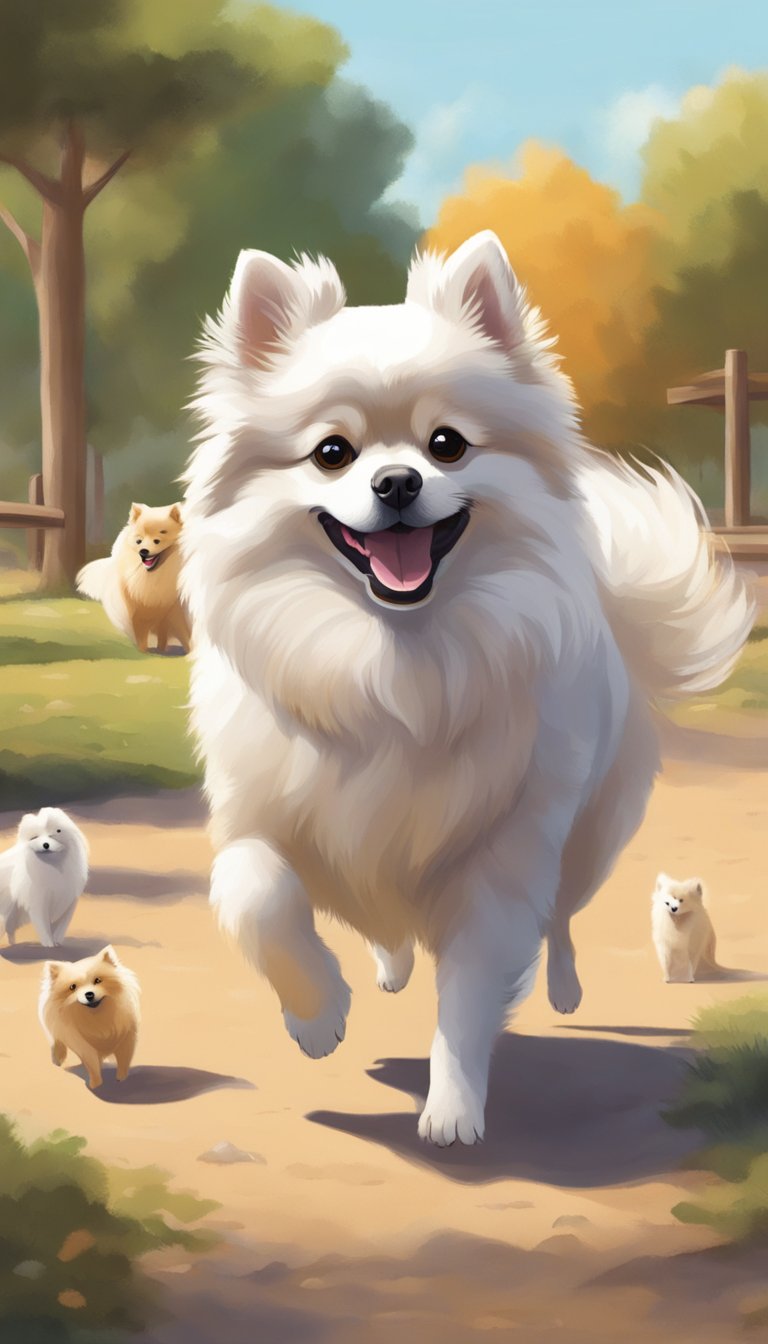
Pomeranians have a lively and playful nature. Grasping their behavior helps owners connect and socialize them better. It’s important to recognize their temperament and the challenges they may face in social settings.
Typical Temperament
Pomeranians are known for their vibrant and confident personalities. They are often curious, friendly, and alert. This breed enjoys being the center of attention. Pomeranians typically bond closely with their owners, showing loyalty and affection.
They are intelligent and can be easy to train, especially with positive reinforcement. Their small size does not stop them from being strong-willed. This can sometimes lead to a stubborn streak. Keeping sessions fun and engaging is key to successful training.
Pomeranians thrive on social interactions and enjoy meeting new people and pets, as long as they are introduced properly.
Socialization Challenges
While Pomeranians are friendly, they can face some socialization hurdles. They may become wary of strangers or unfamiliar animals, which can lead to barking or fear. Early exposure to various environments is essential to help them feel secure.
Sometimes, they might show signs of dominance, especially around other dogs. Owners should ensure that socialization experiences are positive and stress-free. Gradual introductions can help them adjust and feel comfortable.
Regular playdates and group training classes can improve their social skills. Using treats and praise during social situations can reinforce good behavior and encourage confidence.
Creating a Positive Socialization Environment
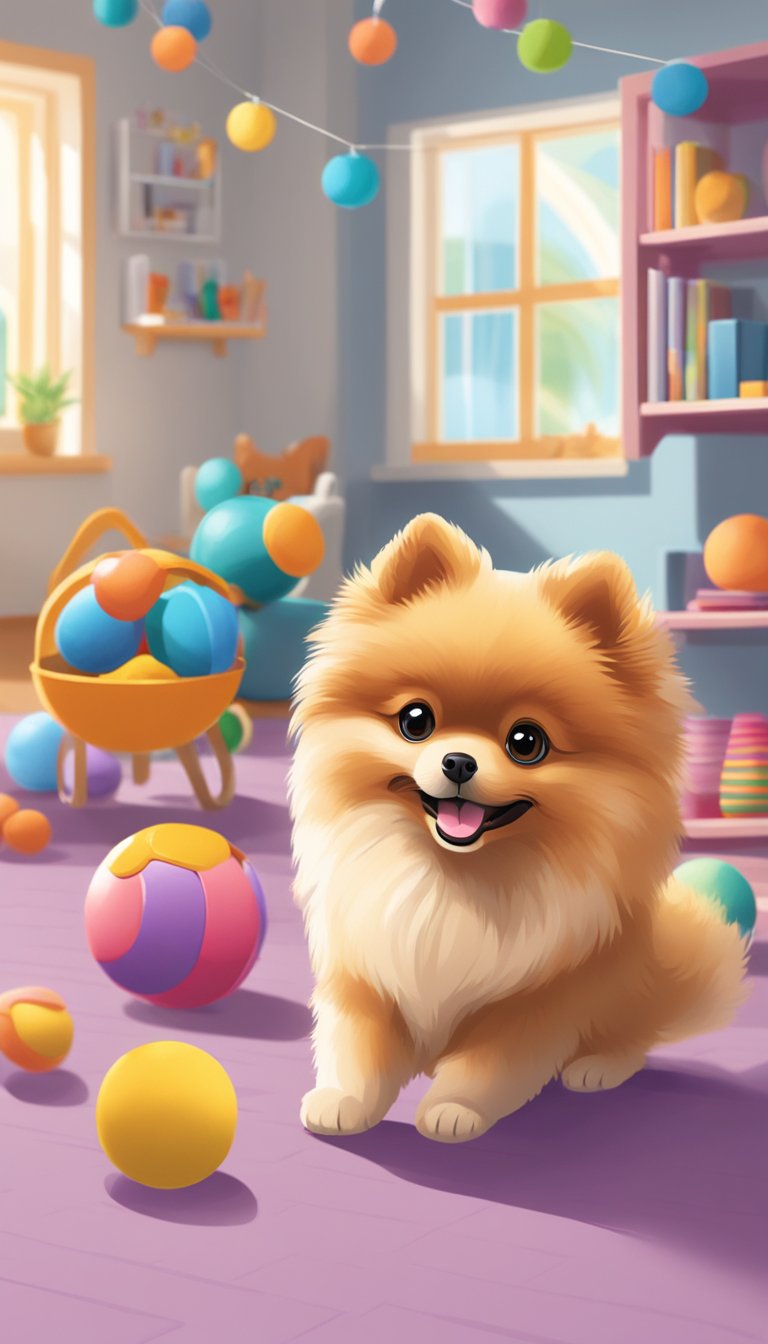
Creating a welcoming space for a Pomeranian is key to successful socialization. This involves ensuring safety and comfort while gradually introducing new experiences. Here are two important aspects to focus on.
Safe Spaces
A safe space gives a Pomeranian comfort and security. This can be a cozy area in the home where they feel relaxed, like a bed or a corner with their toys. Adding familiar items like blankets or favorite toys can help too.
Make sure this space is free from loud noises and sudden movements. It should be a retreat where the dog can escape when feeling anxious. This helps build confidence, allowing your Pomeranian to explore the world around them at their own pace.
Gradual Exposure to New Experiences
Gradual exposure means slowly introducing a Pomeranian to new people, places, and situations. Start with short visits to unfamiliar places, like parks or pet stores. Keep the visits brief and fun, helping the dog feel comfortable with each new experience.
Always pay attention to the dog’s body language. If they seem scared or overwhelmed, take a break or step back. Positive reinforcement, like treats and praise, encourages brave behavior. This method builds trust and helps the Pomeranian enjoy social interactions over time.
Building Trust and Confidence
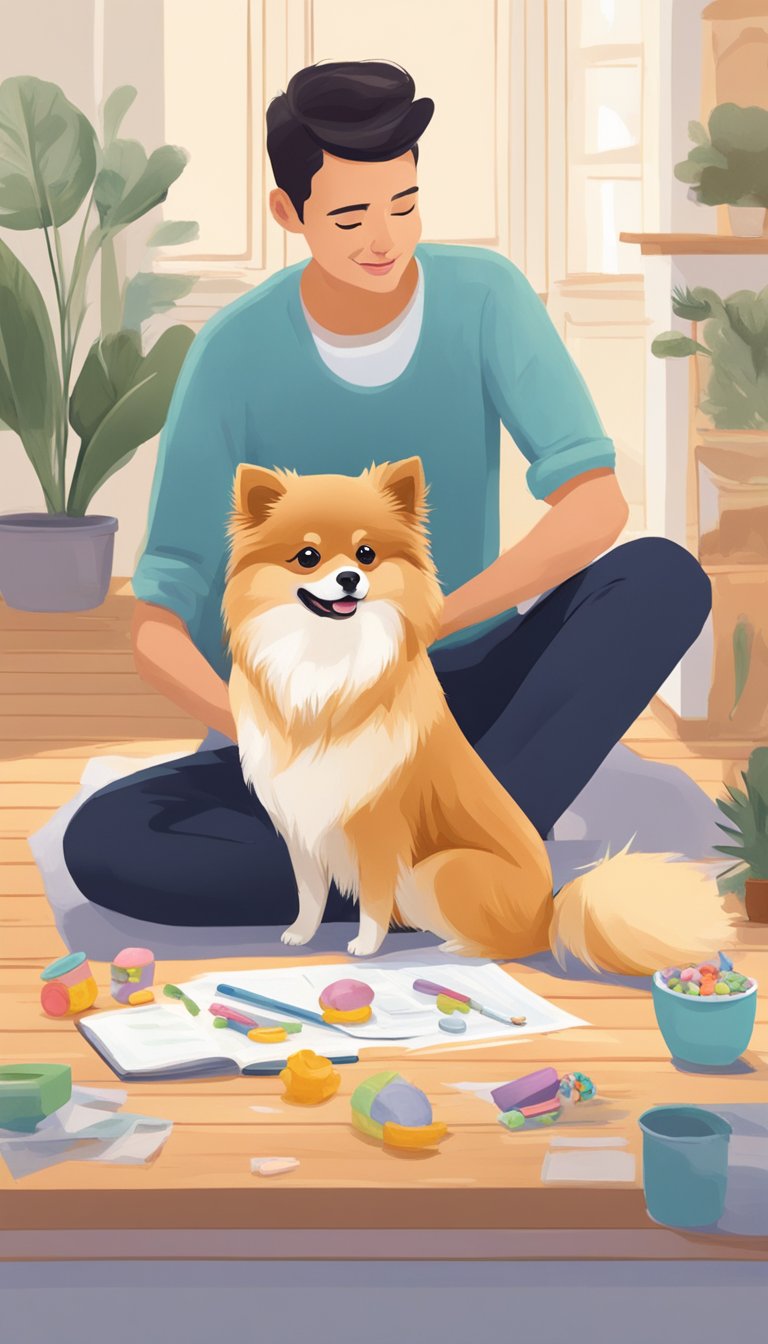
Building trust and confidence in a Pomeranian is essential for socializing. This can be achieved through positive reinforcement and consistent training. Both methods help a Pomeranian feel secure and willing to interact with others.
Positive Reinforcement Techniques
Positive reinforcement is one of the best ways to build trust. This means rewarding good behavior with treats or praise. When a Pomeranian does something right, offering a small treat shows them they did well.
Using a happy tone can also encourage them. Simple commands like “sit” or “stay” can be reinforced with rewards. It’s important to reward right away so they connect the behavior with the treat.
Another great technique is clicker training. A clicker makes a sound, and when used properly, it tells the Pomeranian they did something good. This method can boost their confidence. As they learn, they become more willing to socialize.
Consistency in Training
Consistency is key in building trust. Keeping training sessions short, fun, and regular helps the Pomeranian learn better. This establishes a routine, making the dog feel safe.
Setting clear rules is also vital. For example, if jumping on people is not allowed, make sure everyone knows it. If rules are inconsistent, it confuses the dog.
Practicing grooming and handling every day also builds trust. Regularly brushing or touching them helps them feel more comfortable with human interaction. This can lead to a more social and confident Pomeranian over time.