Training a stubborn Pitbull can be a rewarding experience for both the dog and the owner. Many people love this breed for their strength and loyalty but may struggle with training challenges. With the right tips and techniques, anyone can successfully train a stubborn Pitbull and build a strong bond. These dogs are known for their intelligence and energy, which can sometimes make training difficult. Understanding how to motivate them and keep their attention is crucial. This article offers 11 valuable tips to help owners navigate training sessions with their stubborn Pitbull, making the process enjoyable and effective.
1) Use Consistent Commands
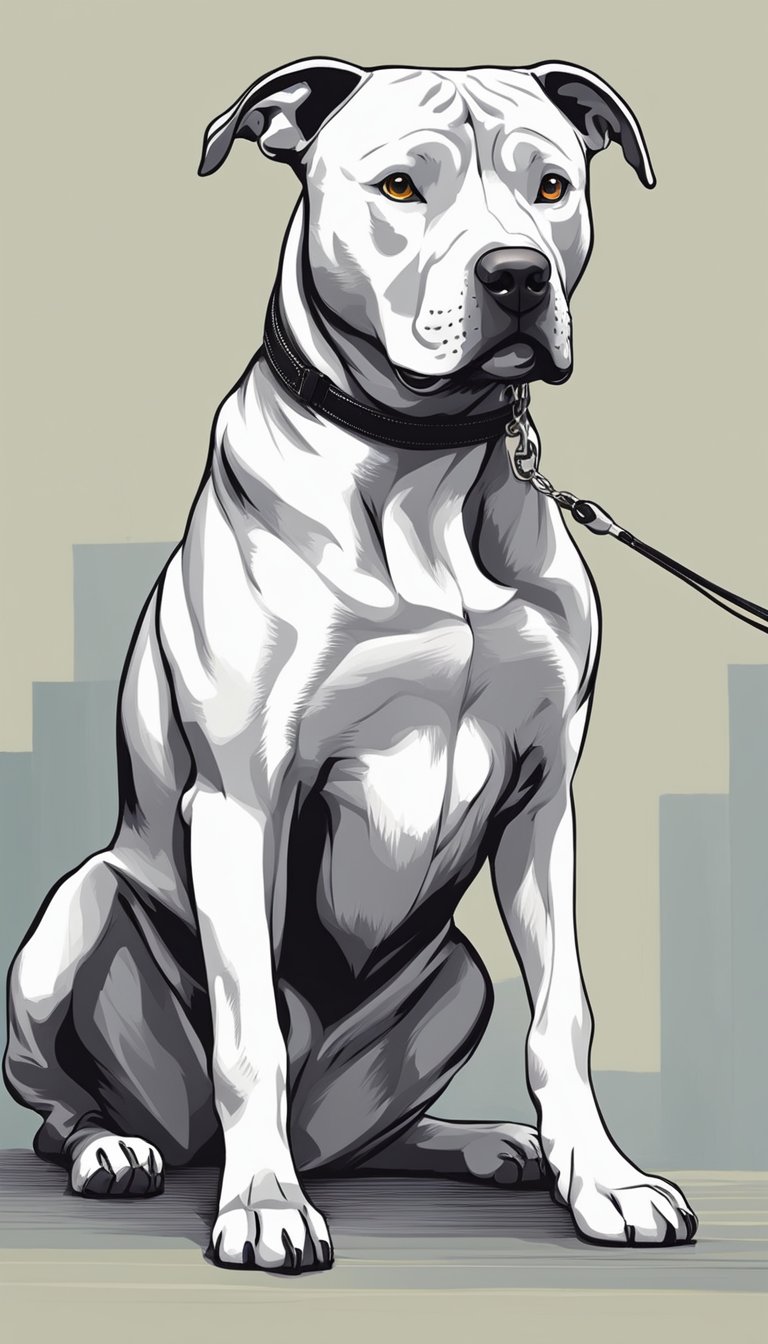
Using consistent commands is key when training a stubborn Pitbull. They learn best when the same words are used each time. This helps them understand what is expected.
If commands change frequently, it confuses the dog. For example, saying “sit” always instead of switching to “down” or “stay” makes training clearer. This consistency helps the dog feel more secure.
Trainers should keep commands simple and related to specific actions. Using distinct words for each command can help reinforce learning. When commands are clear, the dog finds it easier to respond.
It is also important to be patient. Repetition is part of the process. When the dog hears the same command enough times, they will begin to understand.
For each command, it helps to use the same tone of voice. A happy and excited tone can motivate the dog to perform the action. Dogs respond well to positive energy.
Making training sessions fun and engaging can also boost learning. When they succeed with a command, providing praise is essential. This combination of consistency and encouragement leads to better results.
2) Reward Positive Behavior
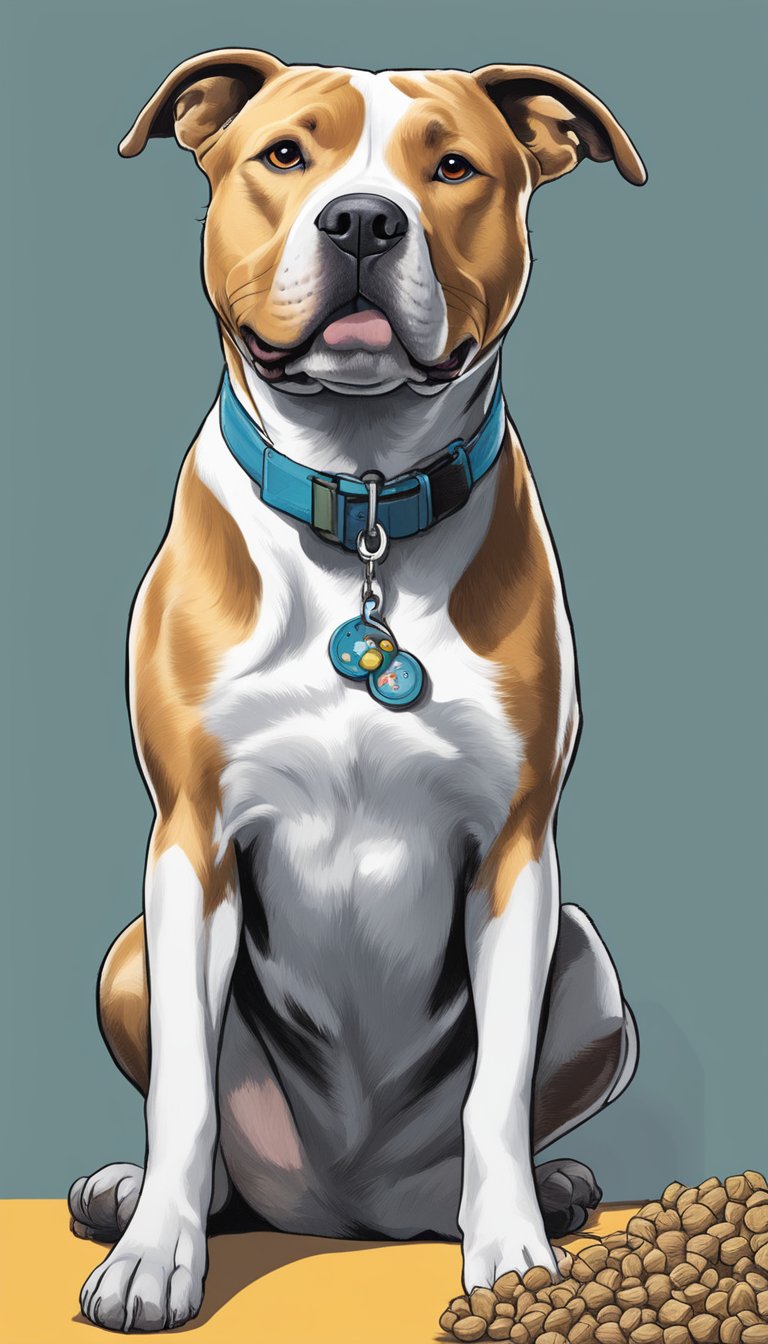
Rewarding positive behavior is key when training a stubborn Pitbull. This method creates a fun learning environment.
Whenever the dog shows good behavior, like sitting or staying, give them a treat right away. This helps the dog make a connection between the action and the reward.
Verbal praise is also important. Using enthusiastic words can make the dog feel happy and encouraged. A cheerful tone goes a long way in reinforcing good behavior.
Be consistent with rewards. If a dog gets treats for sitting one day but not another, it can become confused. They need to know what behaviors earn those tasty treats!
Using toys or extra playtime can be great rewards too. A game of fetch or tug-of-war can motivate the dog to listen better. These activities make the training experience enjoyable.
It’s also helpful to keep training sessions short. A few minutes a day is often enough. This way, the dog stays engaged and eager to learn.
Celebrate little victories! Whether it’s mastering a new command or just being calm, every win counts. This makes training exciting for both the owner and the dog.
Rewarding positive behavior strengthens the bond between them. It helps build trust and encourages the dog to learn more. With patience and positivity, stubborn Pitbulls can learn and thrive!
3) Incorporate Treats and Praise

Using treats is a great way to train a stubborn Pitbull. Every time the dog does something right, a tasty reward can help reinforce good behavior. This can motivate them to learn new tricks quickly.
Praise is just as important as treats. When they obey a command, a cheerful voice and lots of petting can make them feel proud. This positive feedback boosts their confidence.
Finding the right treats is key. It’s best to choose something they really enjoy. This makes them excited to work for the reward.
Timing matters too. Giving a treat right after they follow a command helps them connect the action with the reward. This makes learning a fun experience.
Vary the treats to keep training interesting. Sometimes using their favorite snack, and other times offering a toy can keep them engaged. Mixing things up helps to prevent boredom.
Overall, combining treats with praise creates a happy training environment. It helps stubborn Pitbulls learn while feeling loved. This can strengthen the bond between the dog and the owner.
Establish Leadership Roles
Establishing leadership roles is crucial for training a stubborn Pitbull. Dogs need to know who is in charge. This helps them feel secure and understand what is expected.
To show leadership, the owner must be consistent. Commands should be clear and straightforward. When giving commands, using a firm and calm voice can make a difference.
Setting rules is also important. A Pitbull should know what behaviors are allowed and which ones are not. For instance, the dog should have a designated spot for eating and sleeping.
Using positive reinforcement helps strengthen leadership. Rewarding the dog for good behavior encourages them to listen. Treats, praise, and playtime can all motivate a stubborn Pitbull.
Daily routine is another way to show leadership. Regular walks and playtime help build trust. It gives the dog structure and shows them that their owner is in charge.
It’s important to be patient. Some days will be harder than others. Stubborn Pitbulls may test their owner’s limits, but staying consistent is key.
By establishing clear leadership roles, a strong bond forms between the owner and the dog. This makes training easier and more enjoyable for both.
5) Use a Gentle Leash Technique

Using a gentle leash technique can make training a Pitbull much easier. A simple, comfortable leash helps promote good behavior. This can be done with a standard leash or a harness.
When walking, it’s important to stay calm. If the dog pulls, gently guide it back. This shows the dog that pulling won’t get them where they want to go.
It can also help to stop walking when the dog pulls. This teaches them that pulling means the fun stops. Once they relax and walk beside her, she can start moving again.
Using treats can make this technique even more effective. Rewarding the dog for walking calmly creates positive habits. This motivates them to stay close and listen better.
A gentle approach builds trust between the dog and its owner. It creates a strong bond, making the training process smoother. With patience and consistency, both can enjoy their walks together.
6) Engage in Daily Exercise
Daily exercise is key for a stubborn Pitbull. These dogs have lots of energy that needs to be burned off. Without enough exercise, they can become bored and disruptive.
Taking them for walks helps them explore their surroundings. It allows them to sniff and play, which keeps their minds active. Owners can mix in a jog to make it even more fun.
Playing fetch is also a great option. These dogs love to chase after balls or toys. This game can be played in the yard or at a dog park.
Training sessions can be included in exercise time. Short, fun training while playing keeps them focused. They will learn new tricks while getting their energy out.
Engaging in activities like agility courses can be exciting too. Setting up simple obstacles can make exercise fun and challenging. It keeps the dog engaged and helps with training.
Overall, keeping a routine is important. Regular exercise can make a big difference in behavior. A tired dog is usually a happy dog!
7) Enroll in Obedience Classes

Obedience classes are a great option for training a stubborn Pitbull. They offer a structured environment where dogs can learn commands and social skills. Plus, these classes are often taught by experienced trainers.
In class, dogs practice basic commands like sit, stay, and come. This helps them listen better at home. The presence of other dogs may also encourage socialization, which is essential for Pitbulls.
Owners benefit too! They learn effective training methods and gain confidence in handling their dogs. It creates a bond between them and helps build trust.
Classes usually include positive reinforcement techniques. Treats and praise work wonders! This can motivate a stubborn Pitbull to follow commands more willingly.
Many communities offer different types of classes. It’s important to find one that matches the dog’s skill level. Beginners or advanced classes can provide the right challenge.
Joining an obedience class is also fun! It allows for regular outings and helps keep a dog active. Socializing with other dogs and people can reduce anxiety and negative behavior.
Investing in obedience classes can lead to a well-behaved and happy Pitbull. It’s a rewarding experience for both pets and their owners!
8) Use Puzzle Toys for Mental Stimulation
Puzzle toys are a fantastic way to keep a stubborn Pitbull engaged! These toys challenge their minds and help reduce boredom.
When a Pitbull has a task to solve, it requires focus. This mental workout can improve their mood and behavior. They enjoy the challenge!
Many puzzle toys require the dog to find treats hidden inside. This makes playtime exciting and rewarding. As they work to get the treat, they stay busy and have fun.
Using puzzle toys can also help to bond with the dog. Playing together encourages teamwork and builds trust. The more time spent figuring out puzzles, the closer the connection.
Choose toys that fit the dog’s skill level. Start with easier puzzles and move to harder ones as they get better. It’s like a game that grows with them!
Regular playtime with puzzle toys means less time for unwanted behaviors. When a dog is mentally stimulated, they are less likely to chew furniture or bark excessively.
So, keep a variety of puzzle toys available. Rotate them to keep things fresh and interesting. This keeps the Pitbull excited for playtime!
9) Employ Clicker Training
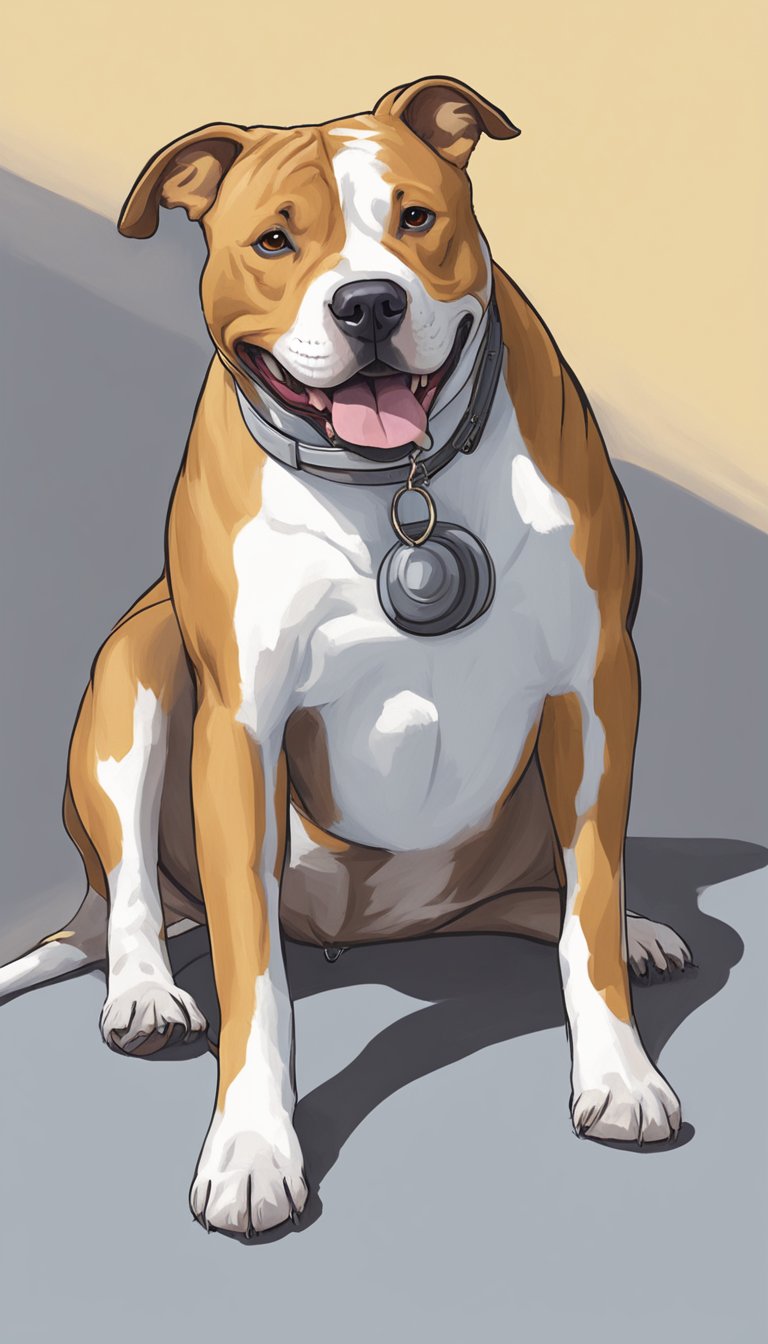
Clicker training can be a fun way to teach a stubborn Pitbull. This method uses a small device that makes a clicking sound to mark good behavior. When the dog hears the click, it knows it did something right.
To start, the owner clicks the device right when the dog does what they want. Then, they can give a treat. This helps the dog connect the sound with a reward.
Consistency is key in this training. Clicking should happen every time the dog performs the desired behavior at first. As the dog learns, the owner can click less often.
Pitbulls often respond well to clear signals. The clicker provides an instant message about what to do. This can make training easier and more enjoyable for both the dog and the owner.
Using a clicker can build a strong bond too. The dog will learn to trust their owner and pay attention. This method can turn training sessions into exciting games.
Owners should remember to keep sessions short and fun. A few minutes each day is enough to keep the dog engaged. Clicker training can be a great tool for teaching commands and tricks.
10) Maintain Patience and Calmness

Training a stubborn Pitbull can be challenging, but staying patient is key. These dogs may take time to learn commands or tricks. They often test boundaries, so keeping a cool head helps.
When a dog doesn’t respond right away, frustration can build. It’s important to remember that getting upset won’t help. Instead, take a deep breath and give the dog a moment.
Using a calm voice can create a positive atmosphere. Pitbulls can sense their owner’s emotions. If they see calmness, they are more likely to relax and focus on learning.
Rewards for good behavior can also help. When they do something right, praise them with a cheerful tone. This reinforces positive actions while keeping the mood light.
Sometimes, taking a break is helpful. If training feels too tough, stepping away for a bit allows both the dog and owner to reset. Short training sessions can also prevent frustration and keep things fun.
Patience is not just a skill but a mindset. When the owner stays patient and calm, it sets the stage for success. A happy and relaxed dog is more eager to learn.
11) Create a Structured Routine
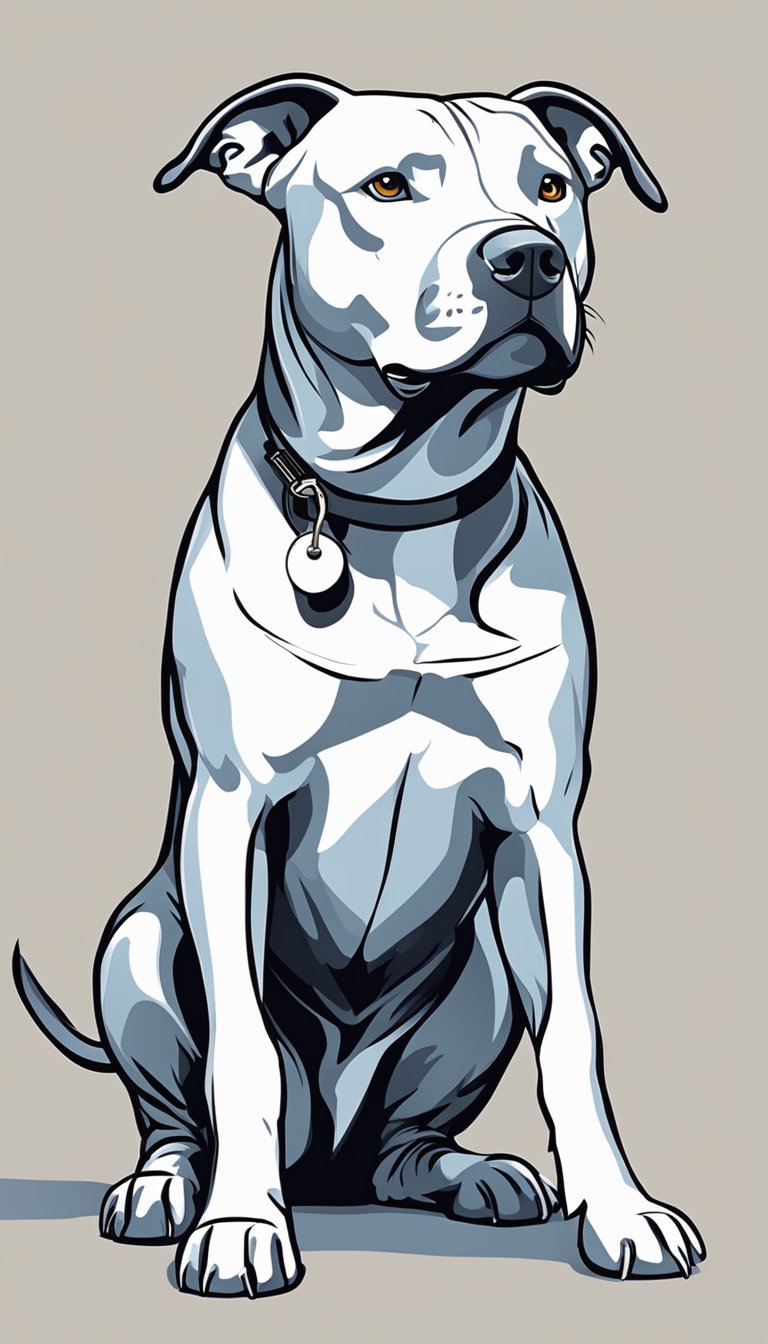
Creating a structured routine is key for training a stubborn Pitbull. Dogs thrive on consistency. A set schedule helps them know what to expect each day.
Start with fixed times for feeding, walking, and training. This builds anticipation and helps them focus. They feel secure when they know what comes next.
Incorporate training sessions into the daily routine. Short, fun sessions keep their attention. Regular practice helps reinforce commands and tricks.
Include playtime in the schedule. Pitbulls love to be active. Play keeps them engaged and strengthens the bond with their trainer.
Be patient and stick to the routine. It might take time, but a structured life improves behavior. They learn faster when training becomes part of their everyday life.
Keep the training environment calm and distraction-free. This makes it easier for them to learn. A positive atmosphere makes training enjoyable for both the dog and the trainer.
Celebrate small successes! Rewards can motivate a stubborn Pitbull. Using treats, praise, or playtime after completing tasks builds enthusiasm.
A structured routine not only helps with training but also creates a happy, well-adjusted dog. With consistency, they can learn better and become a great companion.
Understanding Pitbull Behavior
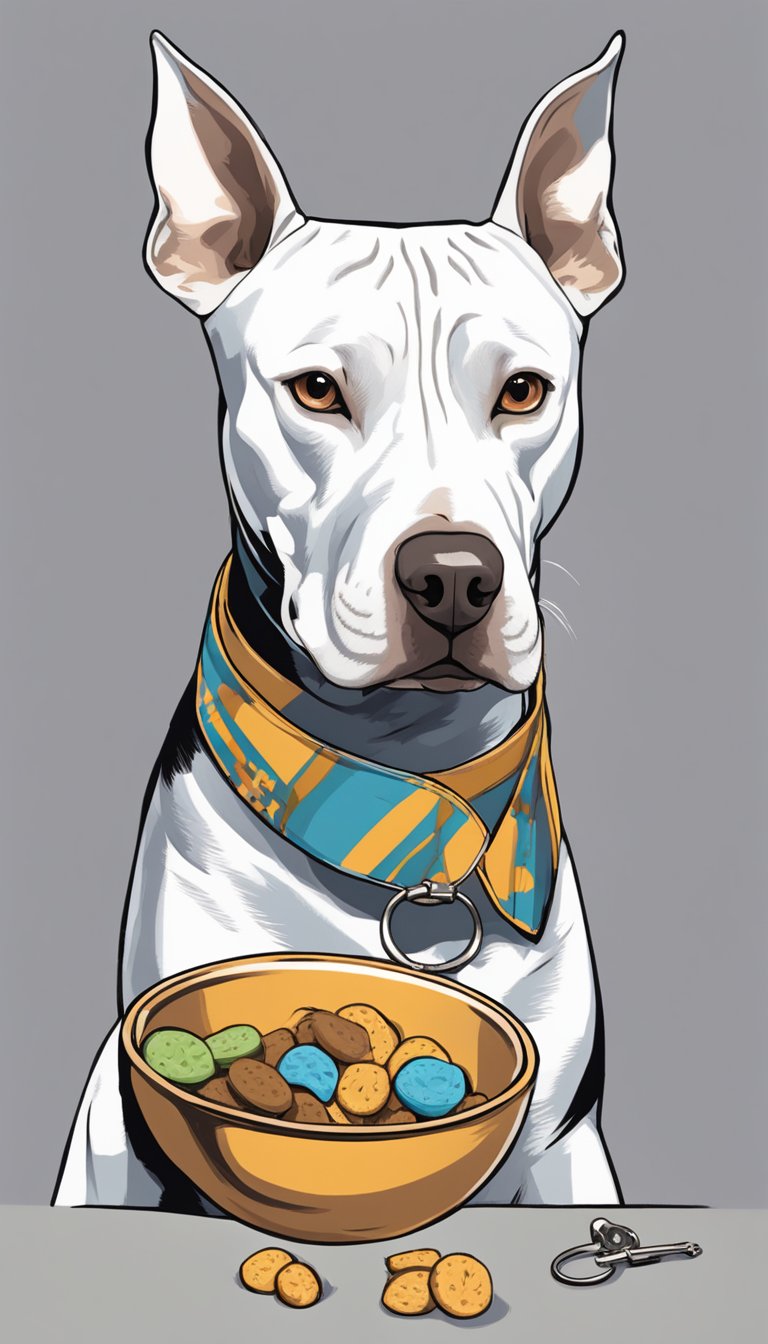
Knowing the behavior of a stubborn Pitbull is key to successful training. These dogs have unique traits that make them special but can also challenge trainers.
Breed Characteristics
Pitbulls are known for their strength and loyalty. They are medium-sized dogs with a muscular build. This breed has a strong jaw and high energy levels.
Pitbulls are also very intelligent. They learn quickly, but their independence can make training tricky. Socialization is essential. Early exposure to different people, pets, and environments helps shape their behavior.
These dogs are often affectionate and protective. They form strong bonds with their families and can be wary of strangers. Understanding this can help trainers create a safe environment for learning.
Behavioral Traits of Stubborn Pitbulls
Stubborn Pitbulls often show certain behaviors. They may resist commands or ignore instructions. This independence can be mistaken for disobedience.
These dogs respond well to positive reinforcement. Treats and praise can motivate them to follow commands. It’s important to be consistent; using the same commands helps them learn faster.
Some Pitbulls can be overly excited, especially during training. Keeping training sessions short and fun can help maintain their focus. Setting clear boundaries is also crucial. They need to know what is expected of them.
With patience and the right techniques, trainers can harness the strong-willed nature of Pitbulls, turning challenges into successes.
Building a Strong Foundation
Building a strong foundation is key for training a stubborn pitbull. Establishing trust and creating a consistent training routine can lead to better behavior and a stronger bond.
Establishing Trust and Leadership
Trust is essential in dog training. A pitbull needs to feel safe and secure with their owner. Here are some tips:
- Be Calm and Confident: Pitbulls respond well to calm energy. Speak in a steady voice and avoid sudden movements.
- Build Positive Experiences: Use treats, praise, and playtime to create positive interactions. This helps the dog associate training with good things.
- Set Clear Boundaries: Dogs need to know what’s expected. Consistently enforce rules so that the pitbull understands limits.
Establishing trust helps the pitbull feel valued. When the dog respects its owner, training becomes smoother and more effective.
Consistency and Patience in Training
Consistency is crucial when training a pitbull. Having a regular routine helps the dog learn faster. Follow these tips for effective training:
- Use the Same Commands: Always use specific words for commands. This helps the dog understand what is being asked.
- Practice Daily: Short, daily training sessions are more effective than long, infrequent ones. Aim for around 10-15 minutes each day.
- Stay Patient: Training takes time. If the dog doesn’t get it right away, stay calm and keep trying.
Consistent training builds trust and reinforces learning. Patience allows the pitbull to progress at its own pace, leading to lasting results.