Training a Pomeranian can be a fun and rewarding experience. These lively dogs are known for their intelligence and playful nature, which makes them eager to learn new things. With the right tips and techniques, anyone can teach their Pomeranian essential skills and commands. Whether a new puppy or an adult Pomeranian, understanding their unique personality is key to effective training. Engaging methods can build a strong bond while ensuring the dog learns important behaviors. This article will share tips that help owners create a successful training plan for their furry friend.
1) Use Positive Reinforcement
Positive reinforcement is a great way to train a Pomeranian. This method encourages good behavior by rewarding your pup when they do something right.
Rewards can include treats, praise, or playtime. It’s important to give the reward right after the good behavior so they connect the action to the reward. For example, if they sit on command, give them a treat immediately.
Pomeranians love attention. A happy voice, petting, or a fun game can motivate them to learn. Keeping training sessions short, about 5 to 10 minutes, helps keep their interest high.
Be consistent with commands and rewards. This helps your Pomeranian understand what is expected. If a command is given, it should always mean the same thing.
Avoid using punishment. It can create fear and make training harder. Instead, focus on what they do well and celebrate those moments.
Engaging with your Pomeranian during training creates a strong bond. They will want to please you and be eager to learn. With patience and lots of encouragement, your Pomeranian can learn amazing tricks and behaviors.
2) Set a Consistent Routine
A consistent routine helps Pomeranians learn better. When they know what to expect, they feel more secure and ready to learn.
Start with a set schedule for feeding, playtime, and training sessions. This helps the dog understand when it’s time to eat and when it’s time to train. Regular times create a rhythm.
Use short training sessions. Pomeranians can lose focus quickly, so 5 to 10 minutes is perfect. Having frequent, short sessions keeps it exciting.
Be sure to include playtime in the routine. Pomeranians love to play and need this time to burn off energy. Combining play with training makes learning fun.
Stay patient and positive. If the routine gets disrupted, that’s okay! Just return to it as soon as possible. Consistency builds trust and helps the Pomeranian feel more comfortable.
After a few weeks, the dog will adapt to the routine. They will look forward to training sessions and know what to expect. With time, they’ll respond better and make training even more enjoyable!
3) Start Training Early
Starting training with a Pomeranian early is key for success. Puppies can learn quickly, especially when they are young. It helps them adjust to new rules and learn good habits.
Training should begin as soon as the puppy comes home. This can be as early as eight weeks old. At this age, they are curious and eager to please.
Short, fun training sessions work best. They keep the puppy engaged and prevent boredom. Simple commands like “sit” and “stay” are great starting points.
Using positive reinforcement is important. Treats and praise motivate the puppy to learn. She will enjoy training when she knows she will get rewarded.
Socialization is also part of early training. Exposing her to different people, places, and other pets makes her more confident. This can help reduce fear and anxiety later in life.
Regular practice helps reinforce what she learns. Daily 5 to 10-minute sessions are perfect. Consistency is vital to help them remember commands.
Starting early gives Pomeranians a good foundation for training. It helps them become well-behaved and happy pets. With early training, the bond between the owner and puppy becomes stronger.
4) Use Clicker Training
Clicker training is a fun and effective way to teach a Pomeranian new tricks! It uses a small device that makes a clicking sound when the dog does something right.
This method helps the dog understand exactly what behavior earned them a reward. When they hear the click, they know they did a good job.
To start, the owner needs to associate the click sound with a treat. Each time the Pomeranian does the right behavior, the owner clicks and gives a treat right away. This builds a strong connection between the action and the reward.
Pomeranians are smart dogs and will quickly learn that the click means they are being praised. It keeps training sessions exciting and helps them stay engaged.
Using clicker training also makes it easier to teach commands like sit, stay, or come. With patience and practice, the Pomeranian will respond well.
Make sure to keep training sessions short, just 5 to 10 minutes. This helps the dog stay focused and excited to learn.
Clicker training can be a great way for the owner and dog to bond. The rewards and praise create a positive training experience for both!
5) Incorporate Socialization
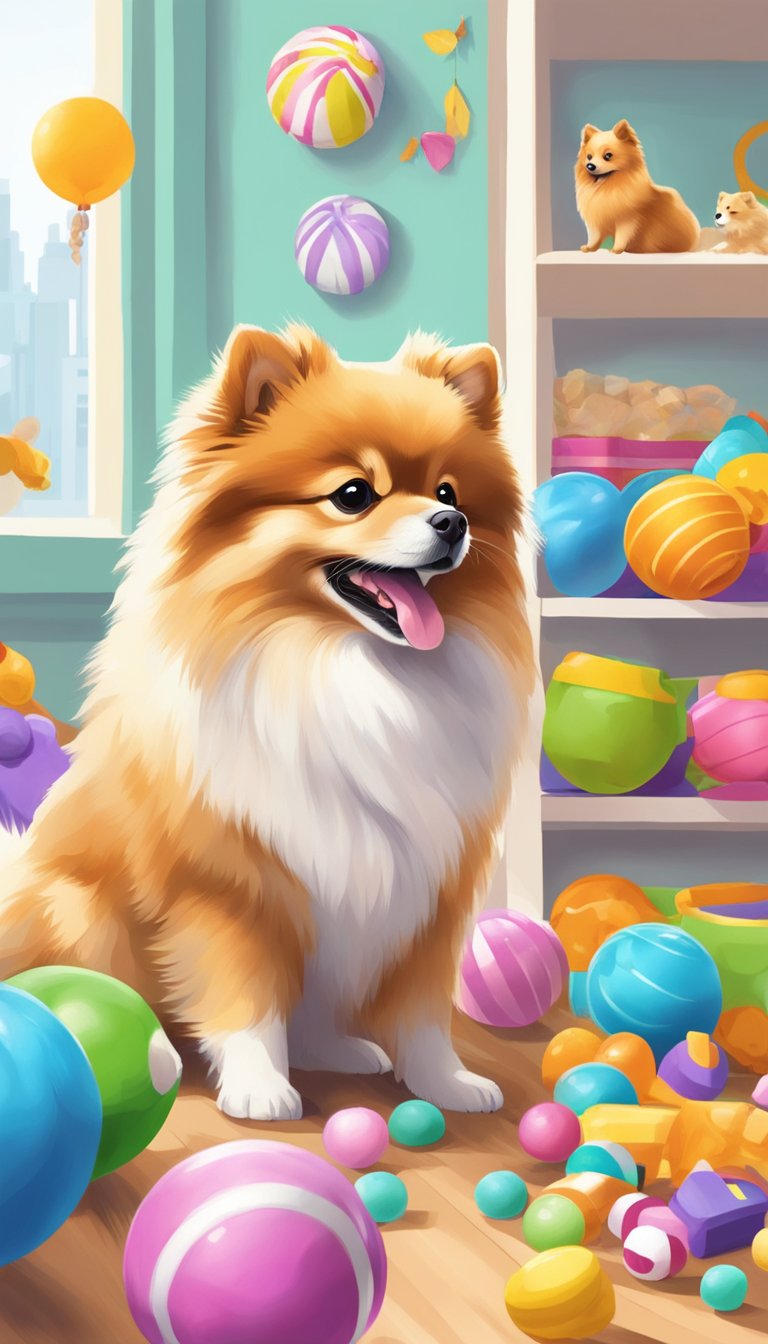
Socialization is key for a happy Pomeranian! It helps them feel comfortable around new people and other pets. Starting early is the best way to set the stage for a friendly dog.
Bring the Pomeranian to different places. Parks, pet stores, and dog-friendly cafes are great options. This exposure helps them learn about new sights, sounds, and smells.
Invite friends over to meet the Pomeranian. Positive interactions with different people help reduce fears. Reward the dog with treats during these meetings to create happy memories.
Playdates with other dogs can also be fun! This helps the Pomeranian learn how to play nicely. It’s important to monitor interactions to ensure everyone is safe and happy.
Don’t forget puppy classes! They provide a great chance for socialization and learning basic commands. Being around other dogs in a controlled environment is beneficial.
Always use positive reinforcement. Praising the dog for being friendly will encourage good behavior. Gradually introducing new experiences will build their confidence.
Mixing up social interactions keeps the Pomeranian engaged. Variety makes the socialization process enjoyable. The goal is a well-rounded, confident dog who loves meeting new friends!
6) Teach Basic Commands First
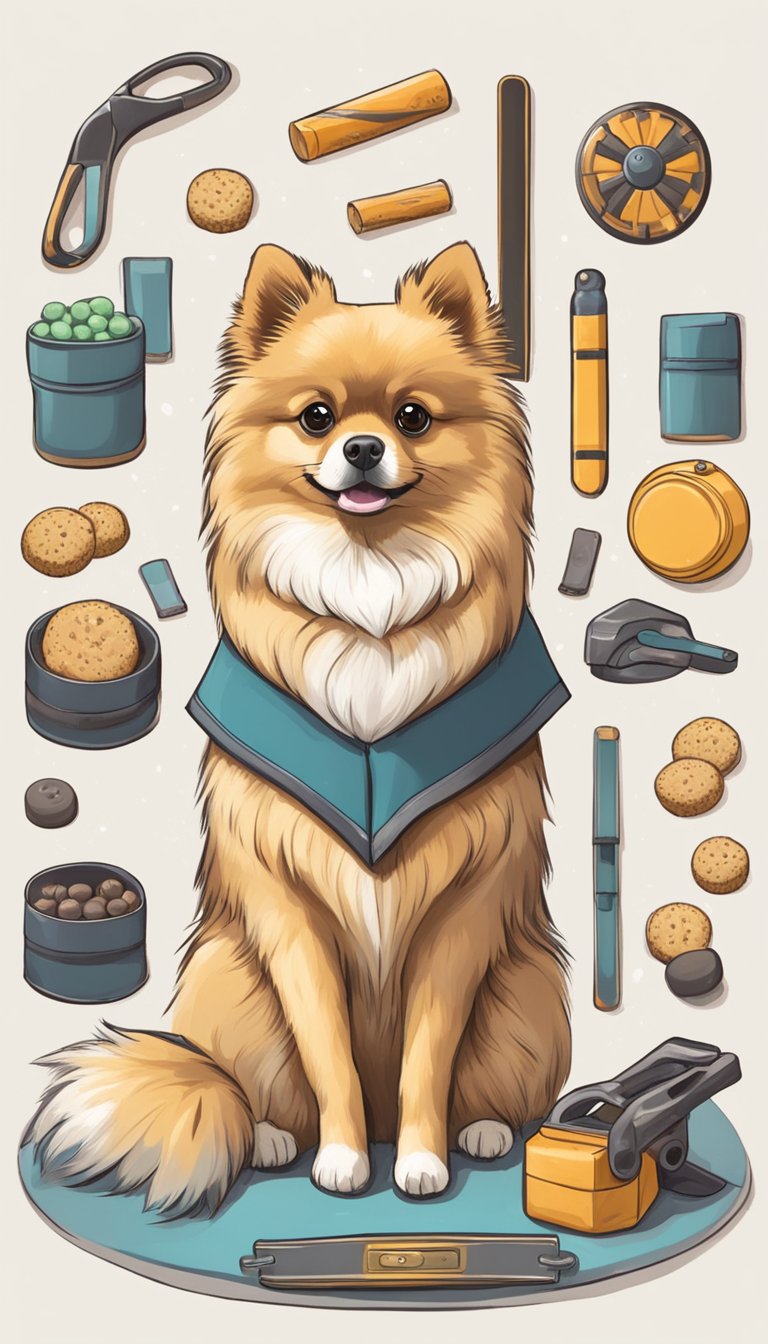
Teaching basic commands is the first step in training a Pomeranian. Simple commands like “sit,” “stay,” and “come” help create a good foundation for more advanced training later.
This breed is smart and eager to please. Starting with basic commands helps build a strong bond between the dog and its owner. It also boosts the dog’s confidence and understanding.
Using positive reinforcement works best. Treats, praise, and playtime encourage Pomeranians to learn. When they successfully follow a command, it’s important to reward them immediately.
Keep training sessions short and fun. Pomeranians can lose focus quickly, so 5 to 10 minutes is a good length. Frequent short sessions make training enjoyable and effective.
Practice commands in different settings. This helps the dog learn to obey in various situations. It also makes the commands more useful in everyday life.
Consistency is key. Using the same word for each command every time helps the dog learn faster. Everyone in the household should use the same commands to avoid confusion.
As the Pomeranian masters the basics, more complex commands can be introduced. This creates excitement and keeps the dog engaged in the learning process. With patience and practice, a well-trained Pomeranian is just a few commands away!
7) Be Patient and Persistent
Training a Pomeranian takes time. These small dogs can be stubborn, so it’s important to stay patient. If they don’t get a command right away, that’s okay!
It’s normal for Pomeranians to take longer to learn. With regular practice, they will understand what is expected. Celebrate small victories along the way to keep things fun.
Use positive reinforcement like treats and praise. This encourages them to keep trying. If they seem frustrated, take a break. Coming back later can help them feel fresh and ready to learn.
Consistency is key in training. Use the same words and commands for each lesson. This helps the Pomeranian connect the dots faster. They thrive on routine, so regular sessions are helpful.
Sometimes, progress won’t happen as quickly as expected. Don’t be discouraged. Keep a positive attitude, and remember that every dog learns at their own pace.
Training can also be a bonding experience. Patience and persistence will lead to a stronger relationship. With time and effort, Pomeranians can become well-trained companions.
8) Avoid Negative Punishment
Training a Pomeranian can be a fun journey! It’s important to focus on positive methods rather than negative punishment.
Negative punishment means taking away something your dog enjoys when they misbehave. For example, stopping playtime or removing treats can confuse them. Pomeranians thrive on attention and interaction.
Instead of punishment, try redirecting their behavior. If the dog is barking too much, offer a toy or divert their attention to something else. Rewards and praise work wonders in helping them learn.
Using positive reinforcement encourages good behavior. Treats, praise, and affection show them they’re on the right track. This creates a happy training atmosphere.
Pomeranians respond better when they feel loved and secure. They want to please their owners, so helping them understand what’s right is key. Positive methods make training enjoyable for both the dog and the owner!
Always keep training sessions upbeat and fun. This can help build a strong bond while training successfully. A happy Pomeranian makes for a happy home!
9) Use Treats Wisely
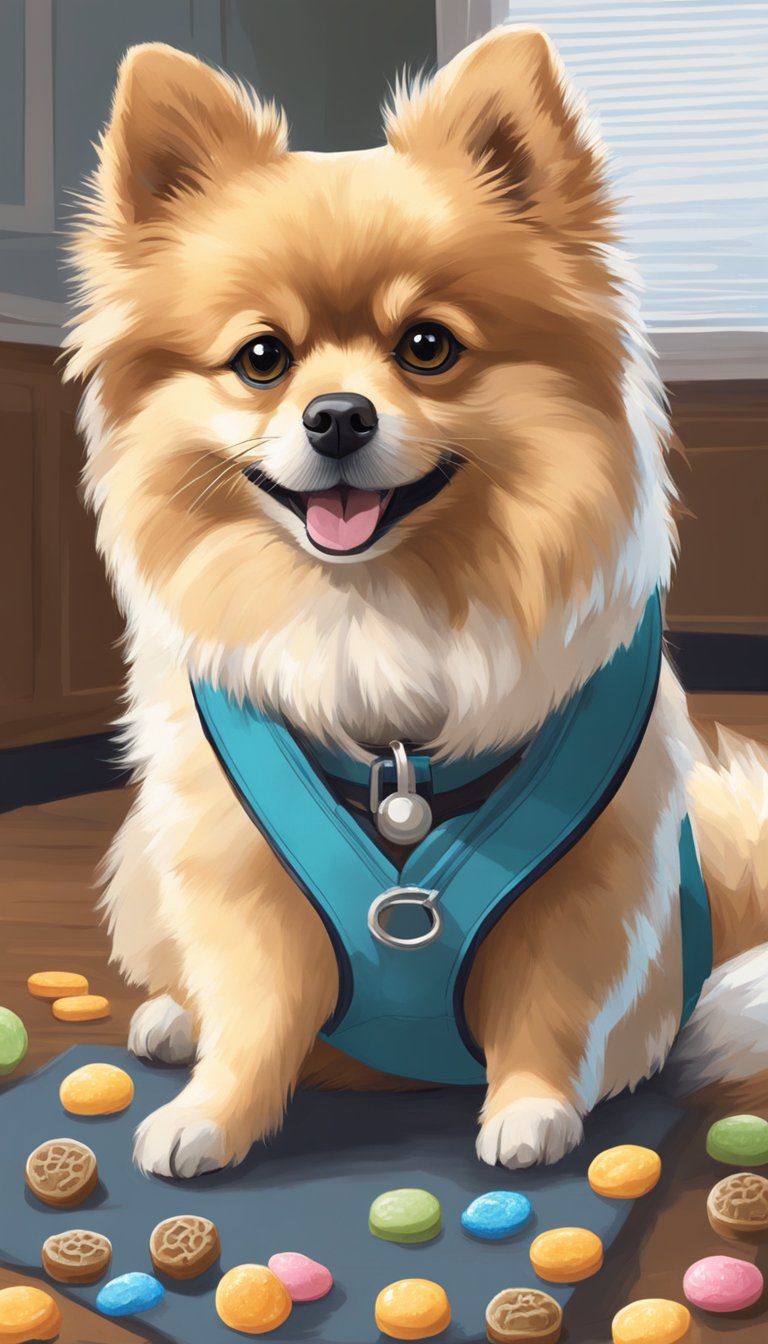
Using treats can make training a Pomeranian fun and effective! They respond well to positive reinforcement.
Select small, tasty treats that are easy to chew. This keeps your Pomeranian focused during training without filling them up too quickly.
Timing is important! Give a treat right after the dog does something good. This helps them connect their action with the reward.
Vary the treats to keep things exciting. Use different flavors or textures to hold their interest. This makes training more engaging for them.
Be careful not to overdo it. Too many treats can lead to weight gain. Make sure to adjust meal portions if using treats often.
You can also use other rewards, like praise or playtime. This helps keep your Pomeranian motivated without relying only on food.
Remember to keep training sessions short and fun! This will help maintain their focus and enthusiasm. A happy Pomeranian learns best!
10) Create a Safe Environment
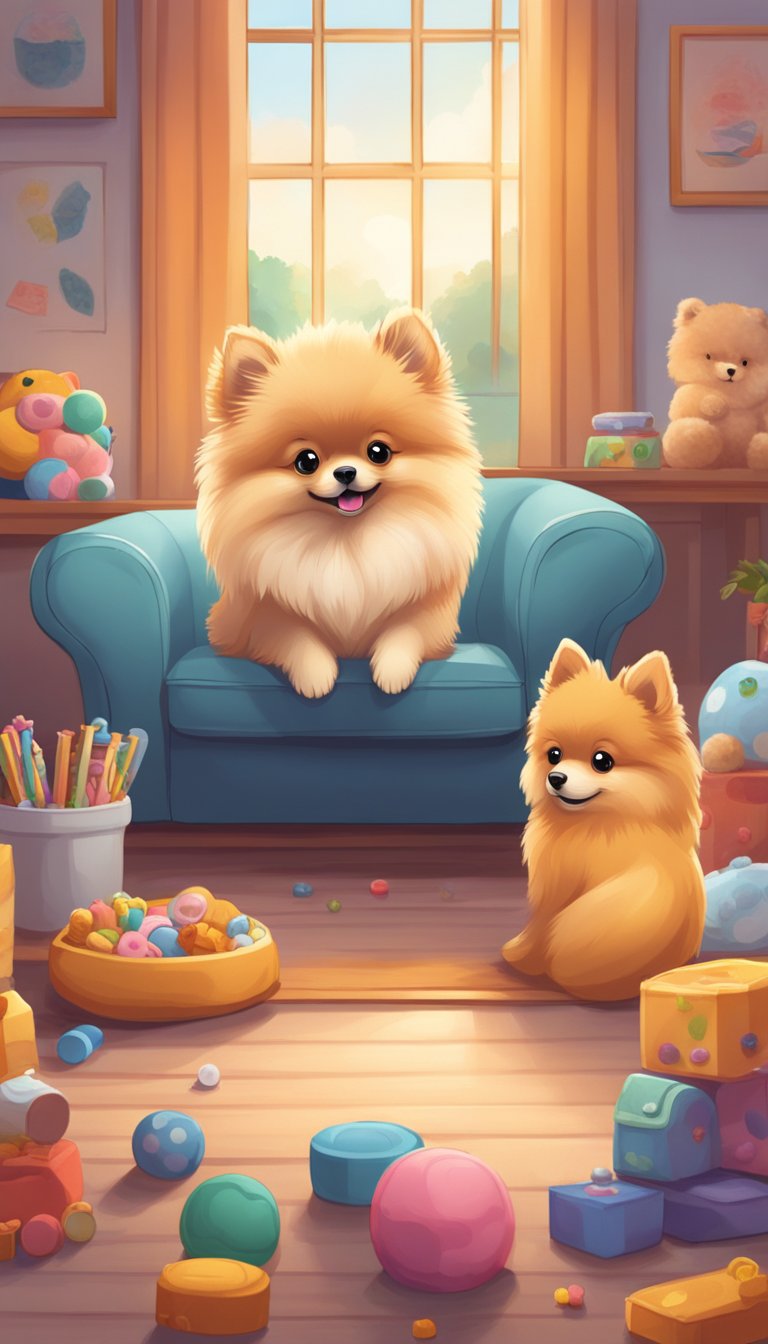
Creating a safe environment is super important for a Pomeranian. These little dogs are curious and can get into trouble easily.
Start by dog-proofing your home. Remove any small objects that could be swallowed. Keep electrical cords out of reach.
Have safe spaces for your Pomeranian to play. Use baby gates to block off areas that may be dangerous.
Make sure they have a cozy spot to relax. A comfortable dog bed can help them feel secure.
Check for any toxic plants or chemicals in your home. Ensure that everything they might touch is safe for them.
Supervise playtime, especially with kids or other pets. This helps prevent accidents and keeps everyone happy.
Regularly check the yard for holes or dangerous items. A safe outdoor space is just as important as indoors.
By making these changes, their home will be a true safe haven. Happy training begins with a worry-free environment!
11) Engage in Play-based Learning
Training a Pomeranian can be a fun journey, especially with play-based learning. This method keeps training sessions lively and enjoyable for both the dog and the owner.
Using toys during training makes learning fun. Pomeranians love to chase balls or tug on ropes. These activities keep their interest and energy high.
Incorporate games like hide and seek. They can learn commands while searching for treats or toys. This gets their minds working and encourages them to follow directions.
Pomeranians thrive on interaction. Rewarding them with praise or treats during play reinforces good behavior. It helps them connect training with positive experiences.
Rotate toys to keep things fresh. New objects can spark curiosity and maintain enthusiasm. They’ll stay engaged and eager to learn.
Short sessions work best. Pomeranians have short attention spans. Keeping training fun and brief helps them focus.
Play-based learning also strengthens the bond between owner and dog. It creates a trusting relationship built on joy and fun. This makes training not just effective but also a delightful experience for both.
Remember to stay playful and patient. The more fun the training, the more your Pomeranian will want to learn!
Understanding Your Pomeranian
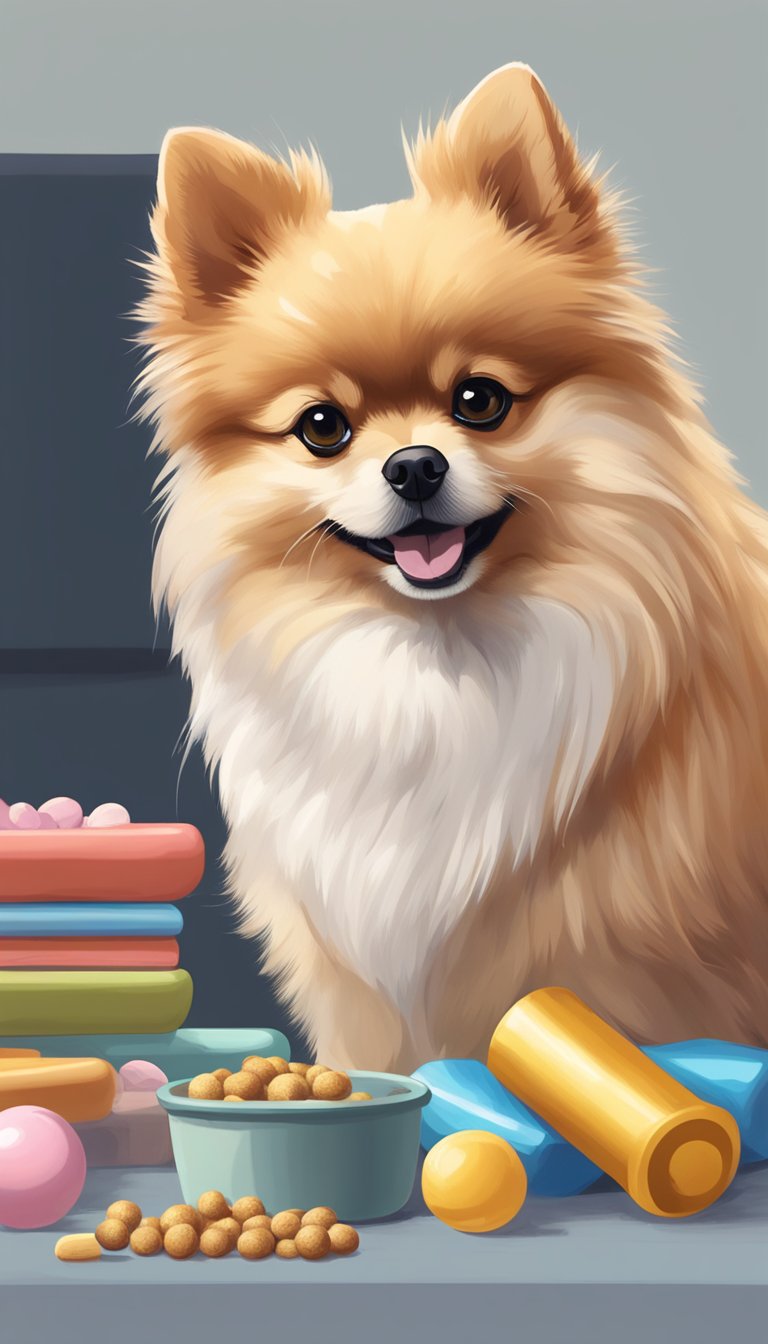
Pomeranians are lively and intelligent dogs. Knowing their characteristics and behavior is crucial for effective training. This insight can help owners build a strong bond with their furry friends.
Breed Characteristics
Pomeranians are small, fluffy dogs with a distinctive double coat. They typically weigh between 3 to 7 pounds and stand about 8 to 12 inches tall. Their coats can come in various colors, including orange, black, and cream.
These dogs are known for their fox-like faces and perky ears. Their compact size makes them perfect for apartments, but they still need plenty of exercise. Pomeranians are energetic and enjoy playtime.
This breed is also known for being alert and curious. They are great watchdogs, as they will bark to alert their owners of anything unusual. Because of their size, Pomeranians can fit into small spaces, so proper training is essential to prevent any accidents.
Behavioral Traits
Pomeranians have vibrant personalities that shine through. They are often described as playful and outgoing. These dogs love to engage with their owners and can be quite social.
Pomeranians are smart and eager to learn. This can make training enjoyable, but it also means they can become bored easily. Keeping training sessions short and fun will help maintain their interest.
They can also exhibit stubbornness at times. Consistency and positive reinforcement are key to overcoming this challenge. Pomeranians thrive on attention and affection, making bonding activities great for behavior training.
With proper guidance, Pomeranians can become well-behaved companions. Understanding their quirks leads to a happier and more fulfilling relationship.
Essential Training Techniques
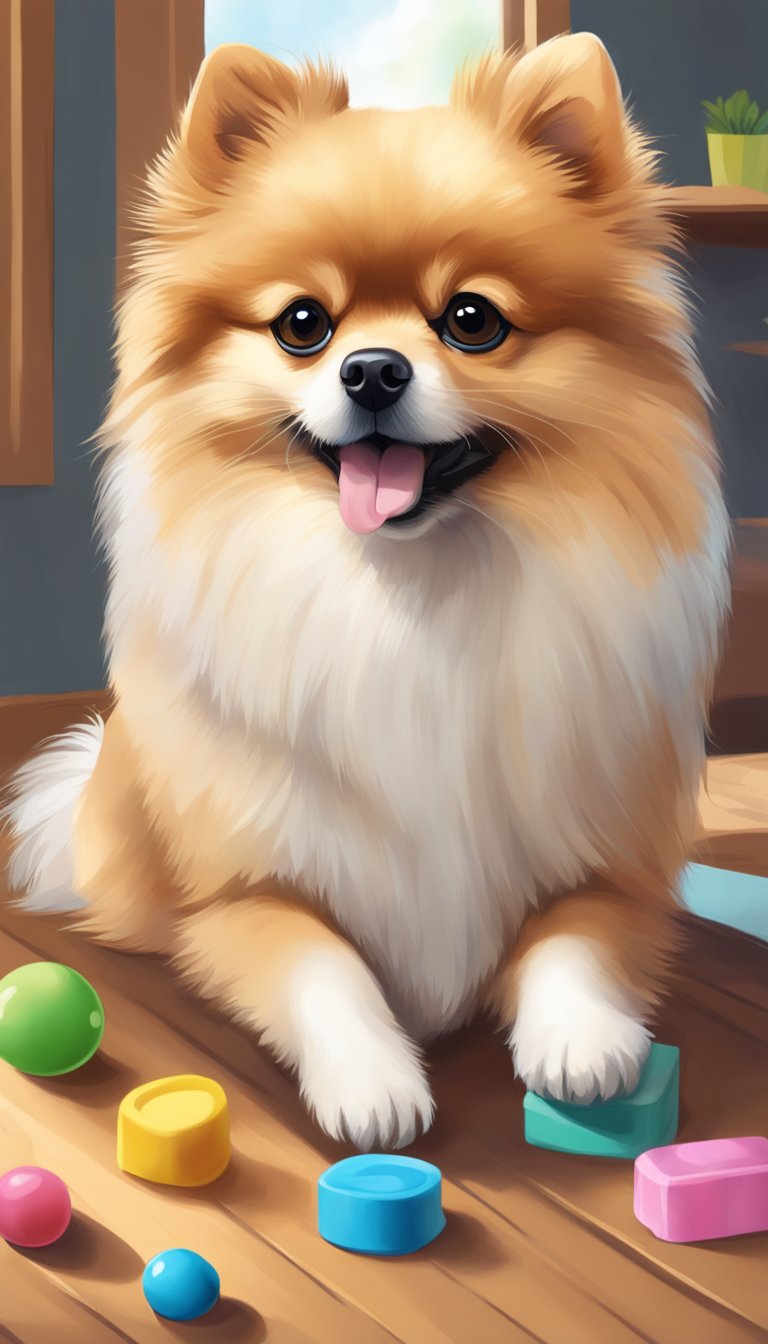
Training a Pomeranian involves specific methods that can make a big difference. Using effective techniques will help them learn quickly and happily.
Positive Reinforcement
Positive reinforcement is a key method for training Pomeranians. It involves rewarding good behavior with treats, praise, or playtime. When they do something right, like sitting on command, she should get a tasty reward. This motivates them to repeat the behavior.
Choose high-value treats that excite your Pomeranian. Use small pieces so they don’t fill up too fast. Be sure to reward immediately so they make the connection between the action and the treat.
Always stay cheerful when giving praise. This encourages a fun and happy training experience. Over time, she can phase out treats and rely more on verbal praise if the dog has learned the command well.
Consistency and Routine
Consistency is crucial in training Pomeranians. It helps them understand what is expected. Use the same commands and rewards each time. If she says “sit” one day and “down” the next, it confuses them.
Establishing a routine also supports learning. Set aside regular times for training sessions, even just 5-15 minutes a day. This keeps training a part of their daily life.
Keep sessions short and fun to hold their attention. If they seem bored or distracted, it’s okay to end the session early. Remember, a happy Pomeranian learns better!
Advanced Training Tips
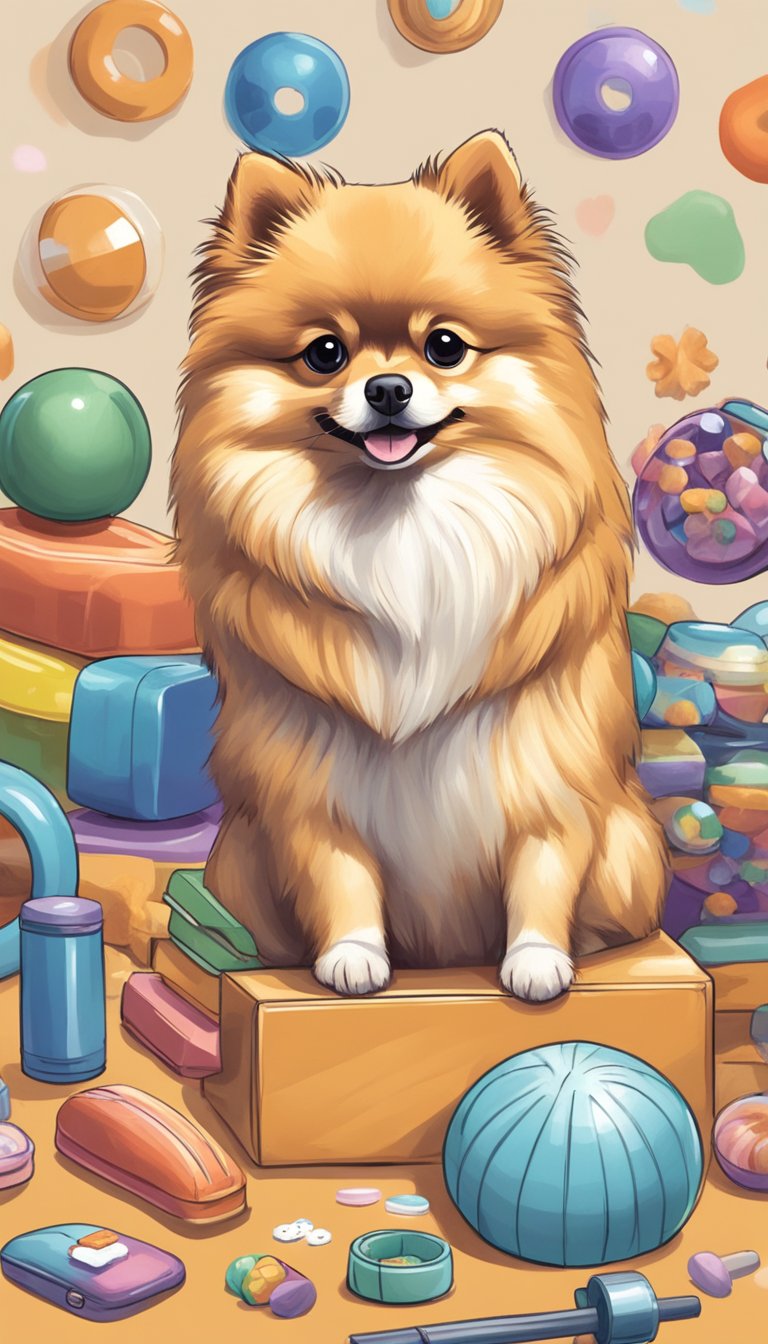
Training a Pomeranian can reach exciting new heights with advanced techniques. These specialized tips focus on important aspects like crate training and effective socialization strategies.
Crate Training
Crate training teaches a Pomeranian to feel safe and secure in her own space. Start by introducing the crate as a cozy area with soft bedding and toys.
To make it appealing, allow her to explore the crate with the door open. Use treats to encourage her to enter. Gradually, close the door for short periods while she is inside.
Always associate the crate with positive experiences, like feeding and playtime. Make sure to never use the crate for punishment. This creates a safe haven where she can relax.
Socialization Strategies
Socialization is crucial for a Pomeranian’s confidence and behavior. Begin by exposing her to a variety of people, pets, and environments.
Take her on walks in busy areas, and visit parks where she can meet other dogs. Positive interactions help her learn to be friendly and well-behaved.
Utilize puppy classes, which provide structured playtime and training. Always reward good behavior with treats or praise.
Remember, socialization should be fun and stress-free. Keeping experiences positive ensures she grows into a balanced, happy dog.