An anxious Pitbull can be a challenge for many pet owners. These dogs have big hearts and lots of energy, but anxiety can make it hard for them to feel comfortable. Learning how to calm an anxious Pitbull can create a happier and healthier environment for both the dog and its owner. There are several effective strategies that can help ease anxiety in these beloved pets. Understanding what might trigger their stress is the first step towards finding relief and comfort for them. With the right techniques, anyone can help their Pitbull feel more at ease.
1) Create a Safe Space

Creating a safe space is key for an anxious Pitbull. This area should feel cozy and secure for the dog. It can be a special corner in the living room or a quiet spot in the bedroom.
Use soft bedding and some favorite toys. Adding a blanket can make it even more inviting. This space should be away from loud noises or busy areas.
It helps to keep the area clean and pleasant. The right environment lowers stress and offers comfort. If they feel stressed, they know where to go.
Consider using calming scents, like lavender, that can soothe the dog. A gentle light can also help. Having a safe space gives the Pitbull control over their environment.
They can retreat there when things feel overwhelming. It’s important to let the dog choose when to use this space. Creating a safe zone shows them that they are loved and cared for.
2) Regular Exercise
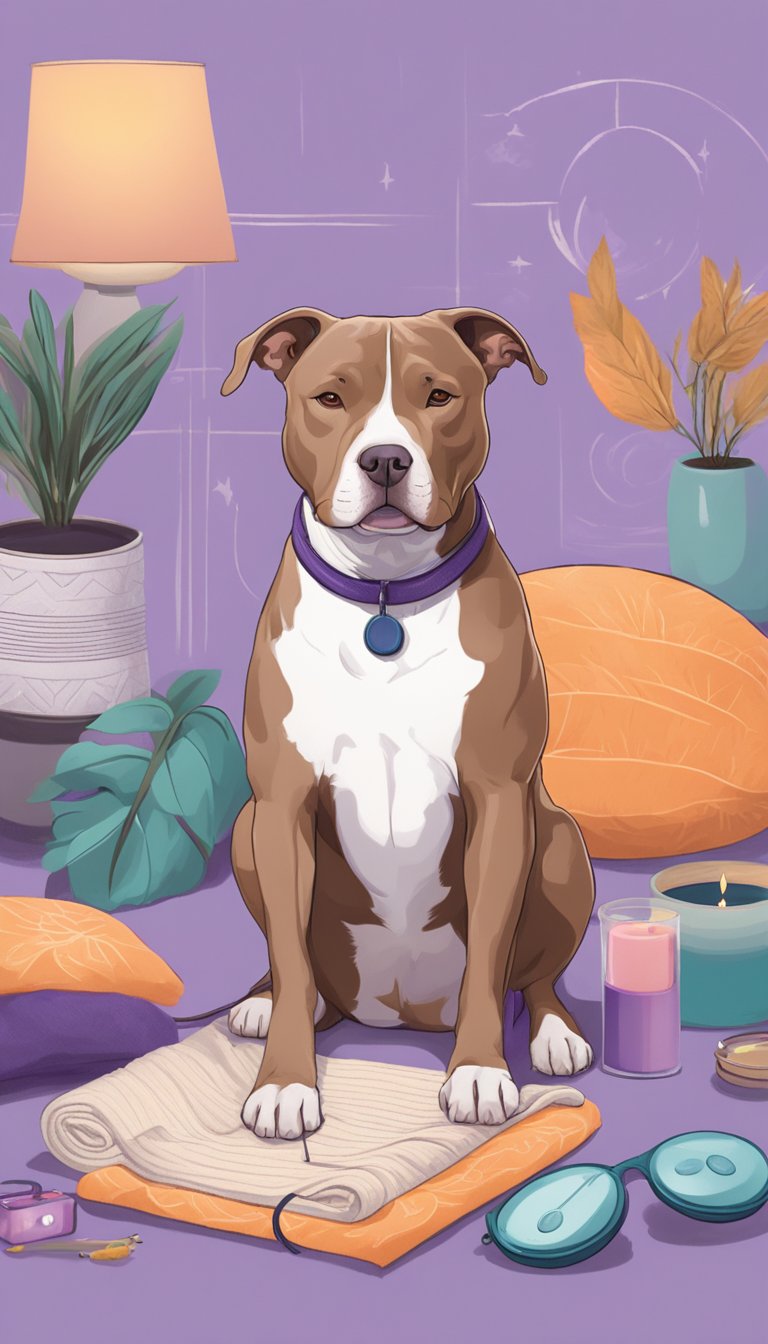
Regular exercise is essential for an anxious Pitbull. It helps them release energy and reduces stress. A tired dog is often a calm dog!
Taking walks every day can work wonders. Short, brisk walks can help your Pitbull understand their surroundings. This makes them feel more secure and relaxed.
Playing fetch is another fun way to exercise. It keeps them engaged and teaches them to focus. Plus, it’s a great way to bond with your pet!
Visit a dog park whenever possible. Socializing with other dogs can lessen anxiety. It provides new experiences that can help your Pitbull feel more confident.
Training sessions can also count as exercise. Teaching commands or tricks keeps their mind active. Mental stimulation is just as important as physical activity!
Try to establish a routine. Regular exercise helps your Pitbull know what to expect. Consistency can make a big difference in their mood.
Always pay attention to your dog’s needs. Some may require more exercise than others. Adjust their activity level based on their health and age.
With regular exercise, Pitbulls can become calmer and happier. It’s a simple yet effective way to help manage their anxiety.
3) Consistent Routine

A consistent routine can greatly help an anxious Pitbull. Dogs thrive on knowing what to expect each day. A regular schedule for feeding, walks, and playtime makes them feel more secure.
Setting a daily routine gives the dog a sense of stability. They will learn when it is time to eat, exercise, and rest. This predictability eases their anxiety.
Owners can start by keeping feeding times the same. Scheduling walks at the same time every day also helps. When the dog knows what comes next, it can reduce stress.
Incorporating playtime into the routine is important too. Fun activities like fetch or tug-of-war can boost their mood. It also gives them something to look forward to.
During routine changes, like moving or travel, maintaining as much of the schedule as possible is key. This approach keeps their environment familiar, which helps with their anxious feelings.
Recognizing signs of stress is essential. If they seem restless, owners can adjust the routine slightly. This can mean increasing physical activity or adding more calming moments to the day.
A consistent routine builds confidence in a Pitbull. With each passing day, they will learn that they can rely on their owner’s schedule. This knowledge can lead to a calmer, happier dog.
Herbal Calming Treats
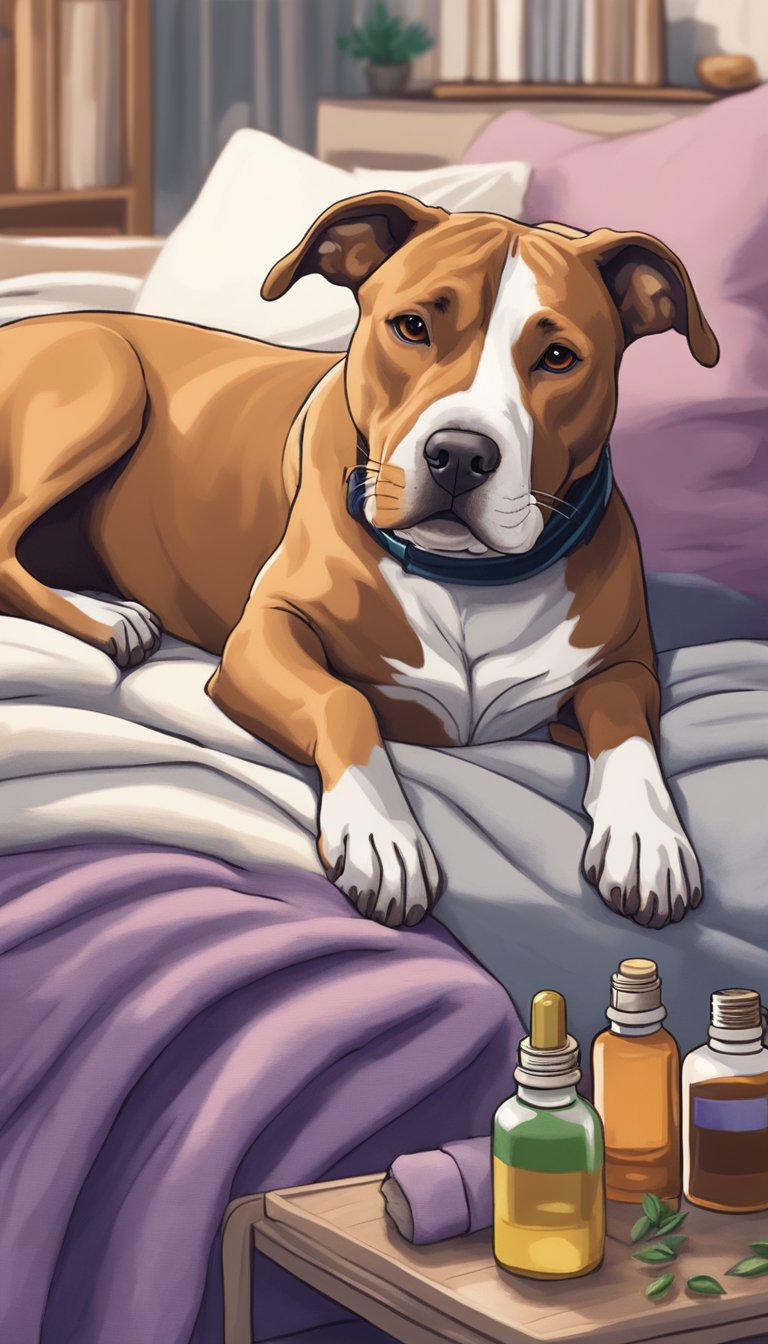
Herbal calming treats can be a fun and effective way to help an anxious Pitbull. Many of these treats use natural ingredients that promote relaxation.
Ingredients like chamomile and valerian root are popular choices. They can help ease anxiety and create a calm feeling without strong medications.
These treats come in many forms, such as biscuits or soft chews. Pitbulls often enjoy the taste, making it easy to give them a little extra support.
It’s important to check the label for safe ingredients. Look for treats specifically made for dogs and that do not contain harmful additives.
Some pet owners like to prepare homemade versions. Mixing oats, peanut butter, and calming herbs can create a tasty treat. This way, the owner knows exactly what goes into the snack.
Giving these treats during stressful moments can help a Pitbull find comfort. Whether it’s during a storm or when company arrives, herbal treats can make a difference.
Always start with a small amount to see how the dog reacts. Some Pitbulls might respond well, while others may need more time to adjust.
With a little research and care, herbal calming treats can be a great addition to a Pitbull’s routine. They provide a natural way to soothe an anxious pup.
5) Positive Reinforcement Training

Positive reinforcement training can be a game changer for an anxious Pitbull. This method focuses on rewarding good behavior instead of punishing bad behavior. It helps build trust and confidence.
Using treats, praise, or playtime can motivate a Pitbull to learn. For example, when she sits calmly, she gets a tasty treat. This encourages her to repeat that calm behavior.
Consistency is key. Regular training sessions can help the dog feel more secure. When the dog knows what to expect, it can reduce anxiety.
It’s important to be patient. Learning takes time, especially for anxious dogs. Small steps can lead to big improvements.
Owners should watch for signs of anxiety. If the dog seems nervous, it’s best to take a break. Stress can make learning harder.
Incorporating fun activities makes training enjoyable. Playing games while teaching commands can keep the dog’s interest.
Building a routine helps, too. A set schedule can make the dog feel more at ease. Knowing what comes next can ease worries.
Positive reinforcement creates a strong bond between the dog and owner. Trust grows when the dog knows she will be rewarded for good actions. This encourages more positive behavior and less anxiety.
6) Use a Thundershirt
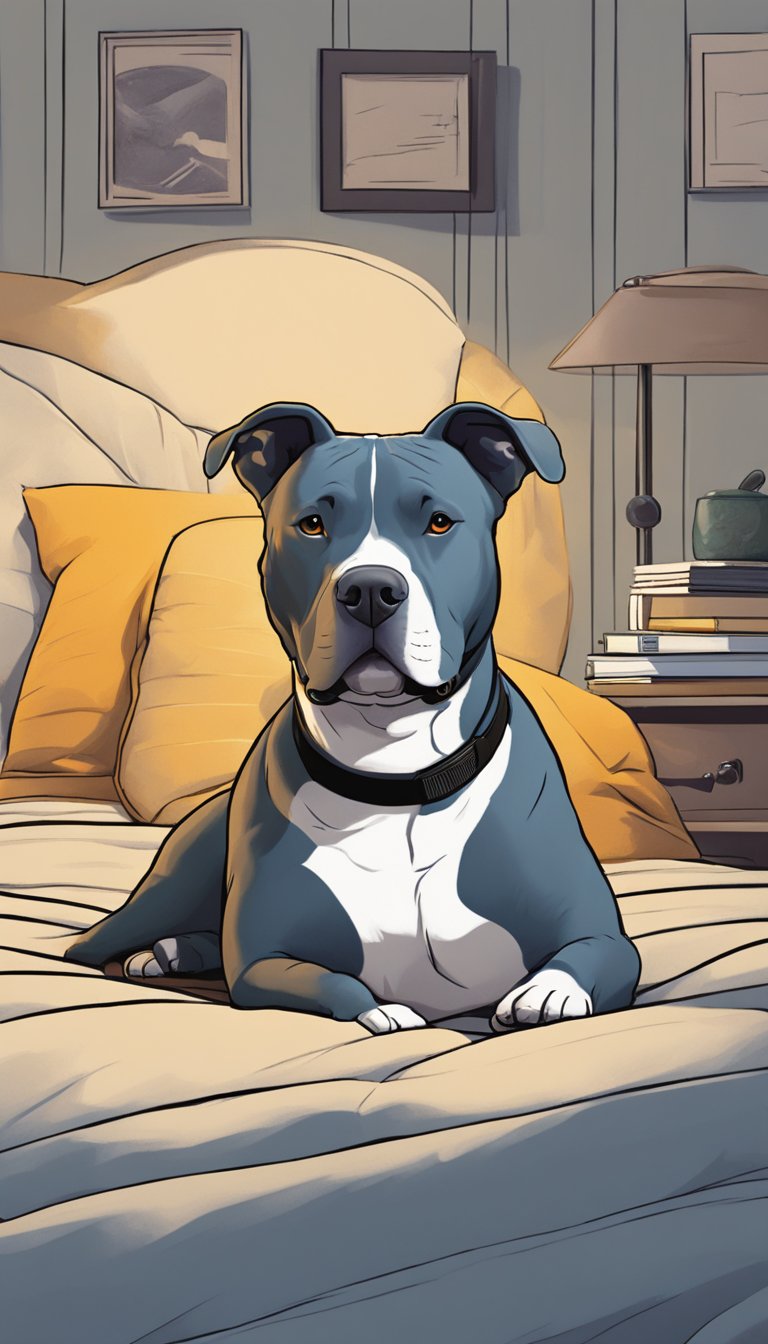
A Thundershirt is a special garment designed for dogs. It works by applying gentle, consistent pressure to the dog’s body. This can help the dog feel calmer during stressful situations.
Many pitbulls experience anxiety during storms or loud noises. A Thundershirt can provide comfort and security in these times. The snug fit can mimic a reassuring hug, which many dogs find soothing.
To use a Thundershirt, just wrap it around the dog like a jacket. It’s important to put it on properly for the best effect. The shirt should fit snugly but not too tight.
Some pitbulls show improvement right away, while others may need time to adjust. It’s a good idea to let the dog wear it for short sessions at first. This can help them get used to the shirt without feeling too overwhelmed.
The Thundershirt is easy to wash, making it a practical choice for pet owners. Always follow the size guide to find the best fit for the dog. Many owners praise Thundershirts for their effectiveness in reducing anxiety.
In addition to the shirt, pairing it with a quiet space can help even more. It’s a simple way to support an anxious pitbull and help them feel more at ease.
Calm Music
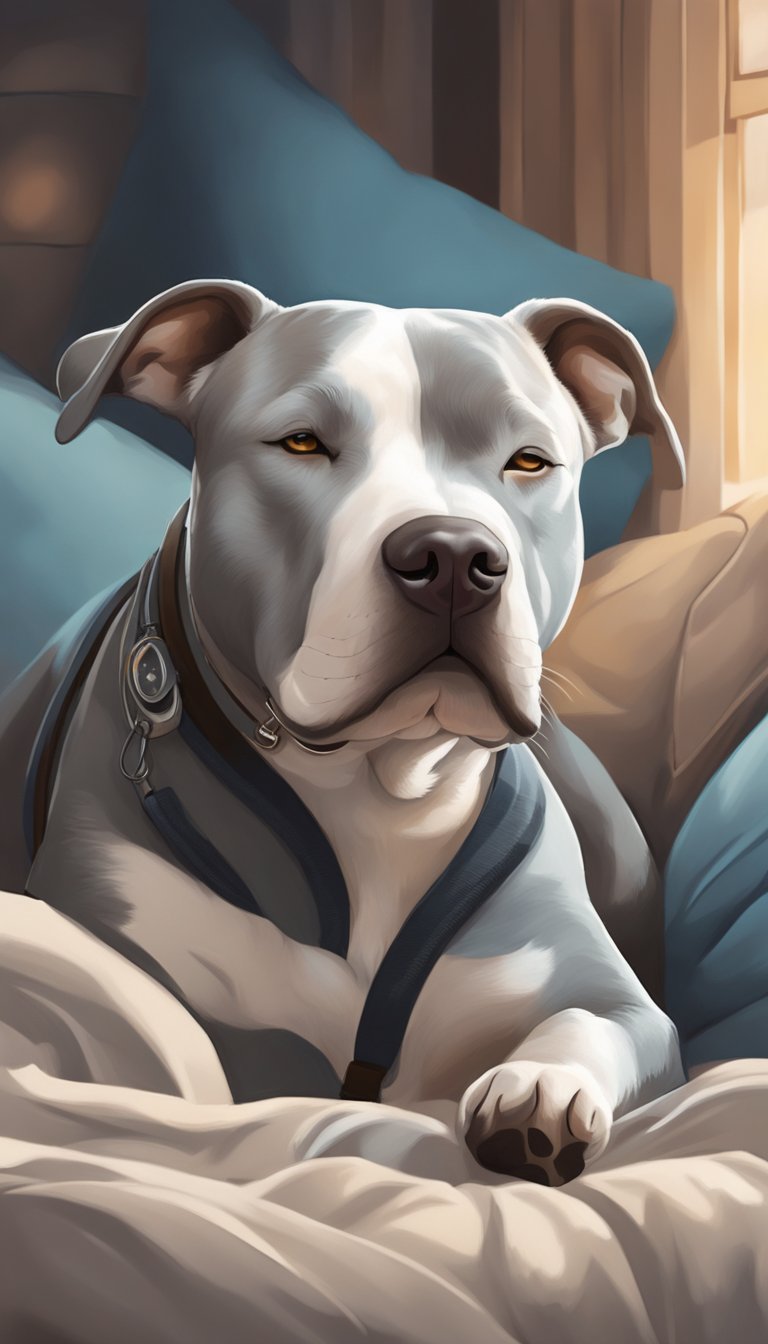
Calm music can be a wonderful tool to help an anxious Pitbull relax. Many dogs respond positively to soothing sounds. Playing gentle music can create a peaceful environment.
Research shows that certain types of music can lower anxiety in dogs. Classical music is often a great choice. Soft piano melodies or string instruments are especially effective.
It’s easy to try this method. Simply find a calm playlist or a CD specifically made for dogs. Play the music at a low volume to start.
Pay attention to how the Pitbull reacts. If they seem to calm down, continue playing the music regularly. This routine can help them feel safe and secure.
Some owners find that nature sounds, like rain or ocean waves, work well too. Experiment with different genres to see what the dog enjoys most.
Creating a designated relaxing space with music can also help. A cozy bed in a quiet room, combined with calm tunes, can be very comforting.
Music can turn anxious moments into peaceful ones. By incorporating calm music into the Pitbull’s daily life, owners can help them feel more relaxed and content.
8) Aromatherapy Diffusers
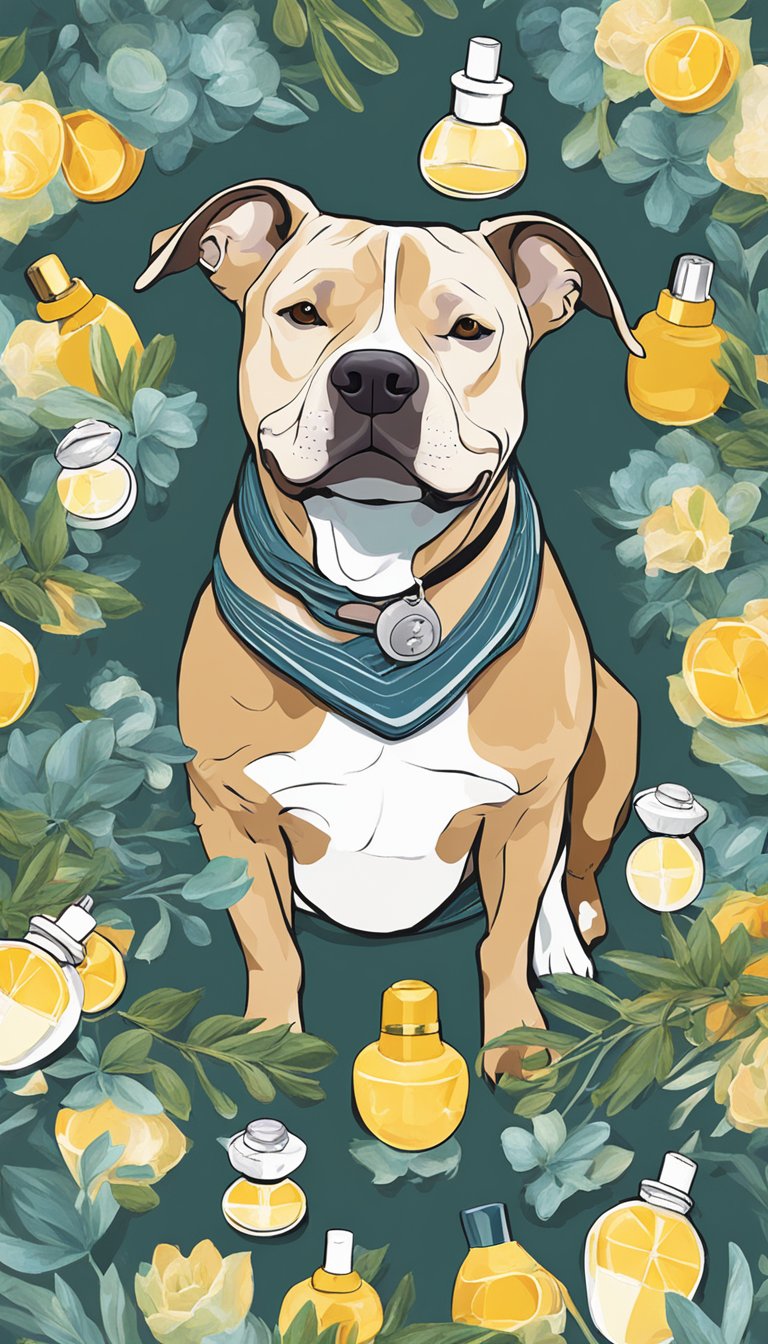
Aromatherapy diffusers can be a fun way to help calm an anxious Pitbull. These devices spread pleasant scents into the air, creating a soothing environment.
Certain essential oils, like lavender and chamomile, are known for their calming effects. Using these oils in a diffuser can make a space feel more relaxing for the dog.
He can sit, breathe in the soothing scents, and feel less stressed. It’s important to use oils that are pet-safe. Some oils can be harmful to dogs, so it’s good to check before using.
Setting up the diffuser in a cozy spot, like a dog bed or a favorite corner, can create a nice retreat. The gentle mist from the diffuser is also calming.
Using an aromatherapy diffuser is easy. Just add water and a few drops of essential oil, then plug it in.
Watching a Pitbull relax with these calming scents can be very rewarding. It’s a simple way to help them feel more secure and comfortable at home.
Scheduled Playtime
Scheduled playtime is a great way to help an anxious Pitbull relax. It gives them something to look forward to each day. Regular play helps build trust and strengthens the bond between the dog and its owner.
Setting up a routine will make playtime feel safe and predictable. Knowing when fun time will happen can reduce anxiety. Pitbulls thrive on structure, so a consistent schedule is key.
Engaging in different activities keeps things exciting. Fetch, tug-of-war, or even a simple walk can be great options. Mixing it up keeps the Pitbull’s mind active and reduces stress.
Playtime also serves as a physical outlet. It allows the Pitbull to burn off excess energy, which can help calm them down. A good exercise routine can improve their overall mood.
Additionally, setting aside specific times for play encourages interaction. It creates a chance for positive experiences. The joy of play reinforces good behavior and promotes happiness.
Owners should make it a priority to stick to the schedule. Consistency helps the Pitbull feel more secure. Scheduled playtime can become a highlight of their day, making them feel loved and cared for.
10) Desensitization Training
Desensitization training helps an anxious pitbull face their fears slowly. It teaches them to stay calm in situations that usually cause stress.
This method starts with small steps. For example, if the dog is scared of loud sounds, they can listen to soft sounds at first. Gradually, the sounds can get louder as the dog grows more comfortable.
The key is to reward the dog for staying calm. Treats and praise can help them feel good about facing their fears. Each success builds their confidence.
Consistency is important. Training should happen in safe environments. It takes time, but with patience, a pitbull can learn to handle many situations.
Owners should note their dog’s reactions. This helps them adjust the training methods as needed. With regular practice, a pitbull can become braver and more relaxed.
Desensitization training is a great way to support an anxious dog. It strengthens the bond between the dog and owner, making both feel better.
11) Dog Massage
Dog massage can be a wonderful way to calm an anxious Pitbull. It helps relax their muscles and can ease their tension. Just like people, dogs can benefit from gentle touch.
When giving a massage, start by creating a calm environment. Find a quiet space where the dog feels safe. Soft music or a cozy blanket can make the setting even better.
Begin by slowly stroking the dog’s back. Use your fingertips to apply gentle pressure. Pay attention to any tight spots and massage those areas a little longer.
Focus on the neck and shoulders, as dogs often carry stress there. Circular motions can be very soothing. Keep it light and watch the dog’s reactions.
It’s important to observe how the dog responds. If they seem relaxed, continue. If they pull away or seem uncomfortable, stop and try again later.
Regular massages can lead to more relaxed behavior over time. It can be a bonding experience for the dog and the owner. With practice, massage can be a great tool to help calm an anxious Pitbull.
Remember to end the session on a positive note. A scratch behind the ears or some gentle praise can help the dog feel loved and secure.
Understanding Anxiety in Pitbulls
Anxiety in Pitbulls can stem from various factors. Recognizing these causes and identifying the signs is essential for helping them feel safe and calm.
Causes of Anxiety
Pitbulls may experience anxiety due to several reasons. Common causes include:
- Separation Anxiety: This happens when a dog feels stressed when alone.
- Loud Noises: Things like thunderstorms or fireworks can frighten them.
- Changes in Routine: Moving to a new home or changes in family structure can unsettle a Pitbull.
- Past Trauma: Rescue dogs may have had negative experiences that lead to anxiety.
Understanding these triggers helps owners create a calm environment. Keeping routines consistent can also reduce stress for these dogs.
Identifying Signs of Anxiety
It is important to notice the signs of anxiety in Pitbulls. Common signs include:
- Excessive Barking: Barking more than usual can signal discomfort.
- Restlessness: A dog that cannot settle down may be anxious.
- Panting or Drooling: Stress can lead to increased panting or making a mess.
- Hiding or Avoidance: A dog trying to escape can be a sign of fear.
Being aware of these behaviors allows owners to address issues early. Providing comfort and reassurance helps Pitbulls feel more secure in their surroundings.
Behavioral Techniques to Calm an Anxious Pitbull

Calming an anxious pitbull can be done with the right behavioral techniques. These methods focus on creating a positive environment and clear routines, which help reduce anxiety.
Positive Reinforcement
Positive reinforcement is a powerful tool for training and calming an anxious pitbull. It involves rewarding good behavior with treats, praise, or playtime. When the pitbull shows calm behavior, they should immediately receive a reward.
This method encourages the dog to repeat those positive behaviors. For example, if a pitbull sits quietly during a thunderstorm, it should get a treat. The key is to be consistent and patient. Over time, the pitbull will learn to associate calmness with rewards.
Creating a Safe Space
A safe space is essential for any anxious pitbull. This area should be comfortable and free from distractions. It could be a cozy corner with a bed or a crate where the dog feels secure.
Adding favorite toys or blankets can make this space even more inviting. When anxiety strikes, the pitbull should be able to retreat to this area. Encouraging the dog to use this space during stressful times will help them feel safer and more relaxed.
Consistent Routine
A consistent routine can greatly benefit an anxious pitbull. Dogs thrive on predictability. Setting specific times for walks, meals, and play can help reduce anxiety.
When the dog knows what to expect, it is less likely to feel stressed. This routine should include time for training and socialization. Regular exercise is also vital. It not only keeps the pitbull healthy but also helps reduce excess energy that may lead to anxiety.
Using Natural Remedies for Anxiety
Natural remedies can help ease anxiety in Pitbulls. They offer gentle solutions that support calmness without harsh effects. Here’s a look at herbal supplements that may help.
Herbal Supplements
Herbal supplements can be a great choice. They may help reduce anxiety in Pitbulls. Some popular options include:
- Chamomile: Known for its calming properties, chamomile can help relax anxious dogs.
- Valerian Root: This herb may help soothe nerves and promote relaxation.
- Lavender: The scent of lavender is calming. It can be used in oils or sprays around the home.
- Passionflower: Often used for anxiety, passionflower may help reduce restlessness.
Always consult a veterinarian before starting any herbal supplement. They can suggest the right dosage and check for interactions with other medications. Using natural remedies can create a calm and happy environment for your furry friend!