Growing a Monstera can bring a vibrant touch to any space. Many plant lovers are eager to see their plants thrive and become lush. This article reveals effective ways to encourage faster Monstera growth, helping enthusiasts transform their plants into stunning focal points.
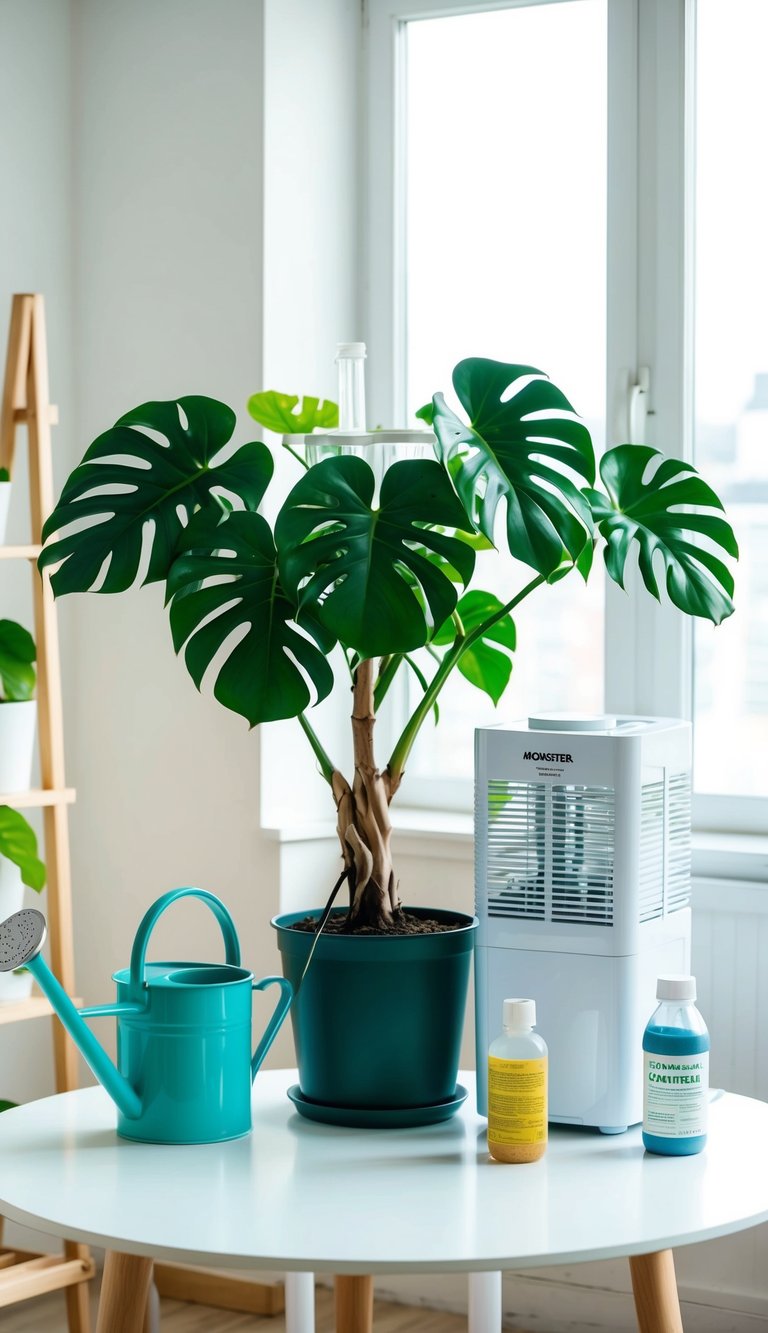
Proper care and attention can lead to impressive results. By following the tips provided, anyone can unlock the potential for their Monstera to grow more quickly and robustly. Getting to know these strategies will benefit both beginners and seasoned plant owners alike.
1) Proper Lighting
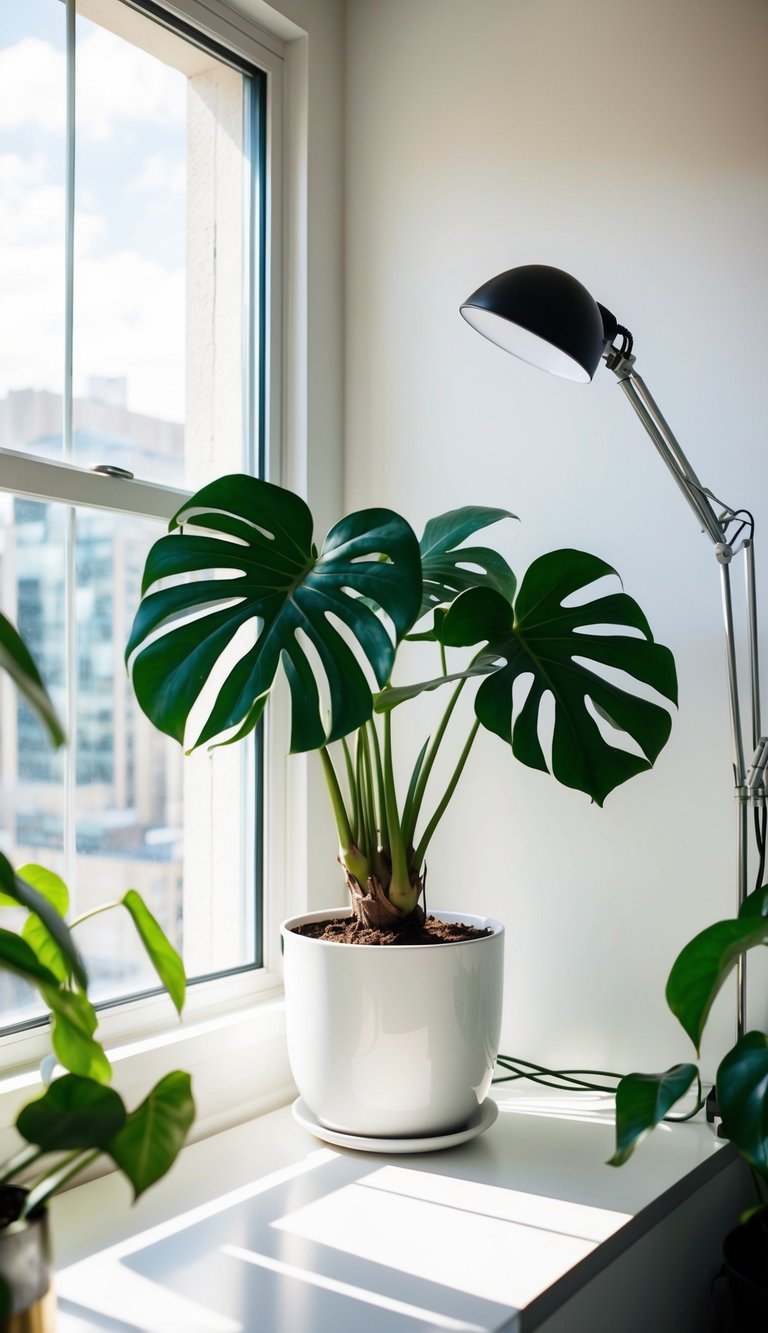
Proper lighting is key to keeping a Monstera healthy and happy. These plants thrive in bright, indirect light. Placing them near a window can help them grow faster.
Direct sunlight can be too harsh. It may scorch the leaves, causing damage. Filtering light through sheer curtains works well for these plants.
If natural light is limited, using grow lights can help. These lights mimic the sun’s rays and boost growth. They can be a great solution during dark winter months.
It’s important to rotate the plant every few weeks. This helps all sides get equal light and promotes even growth. Small adjustments in lighting can make a big difference.
Monstera leaves can grow large and vibrant when they receive the right amount of light. Keeping an eye on light levels will help ensure the plant stays strong and healthy.
2) Consistent Watering
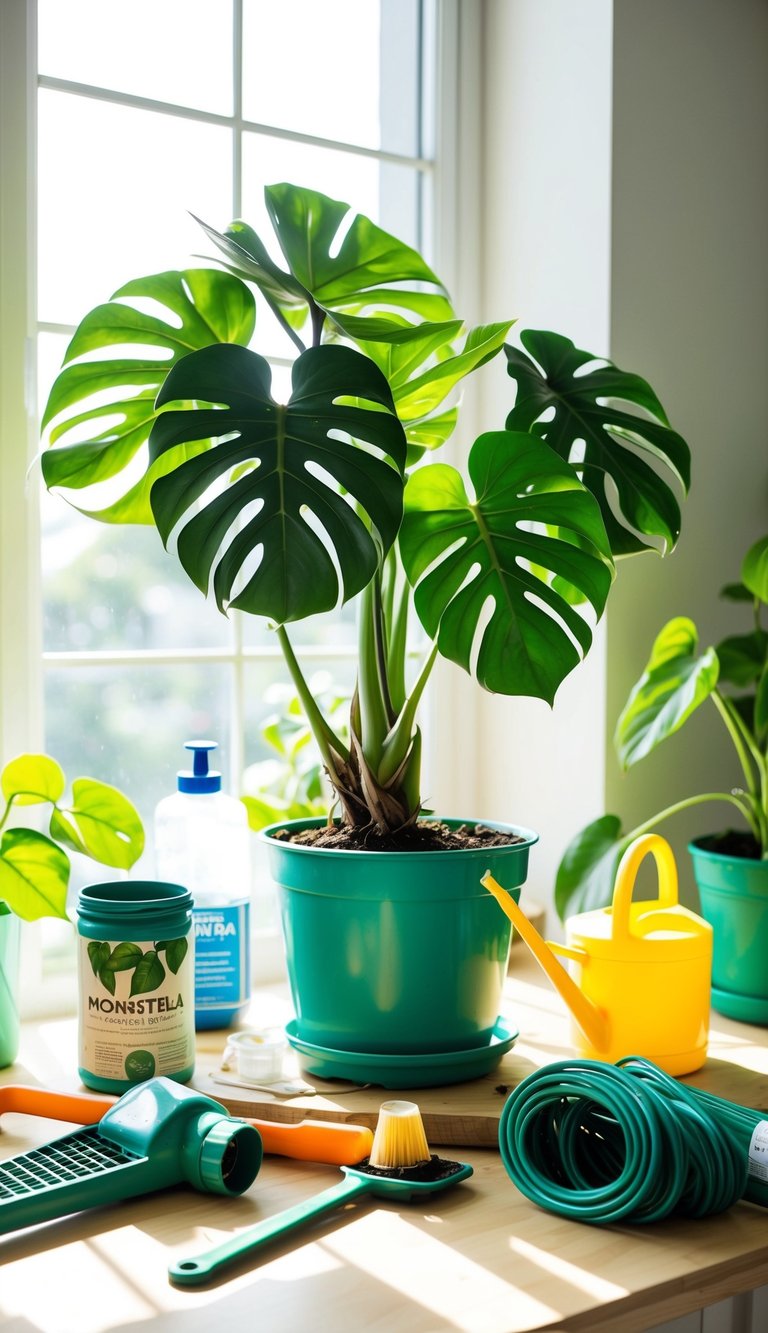
Consistent watering is key for a healthy Monstera plant. It helps keep the soil moist, which is essential for strong growth. Dry soil can stress the plant and slow its progress.
Watering should depend on the plant’s environment. If it’s hot or dry, the plant may need more water. In cooler conditions, it may need less.
He or she should check the soil before watering. If the top inch feels dry, it’s time to add water. This encourages healthy roots and vibrant leaves.
Using room temperature water is best. Cold water can shock the plant. A gentle watering method helps prevent soil from washing away.
Keep an eye on the leaves. Yellowing leaves can mean overwatering, while browning edges can suggest underwatering. Adjusting the watering routine can help the plant bounce back.
Establishing a routine can make this easier. He or she might choose to water at the same time each week. This builds a habit for both the grower and the plant.
A well-watered Monstera can thrive and grow faster. Regular attention keeps things in balance. Happy watering leads to happy plants!
3) Use a Humidifier
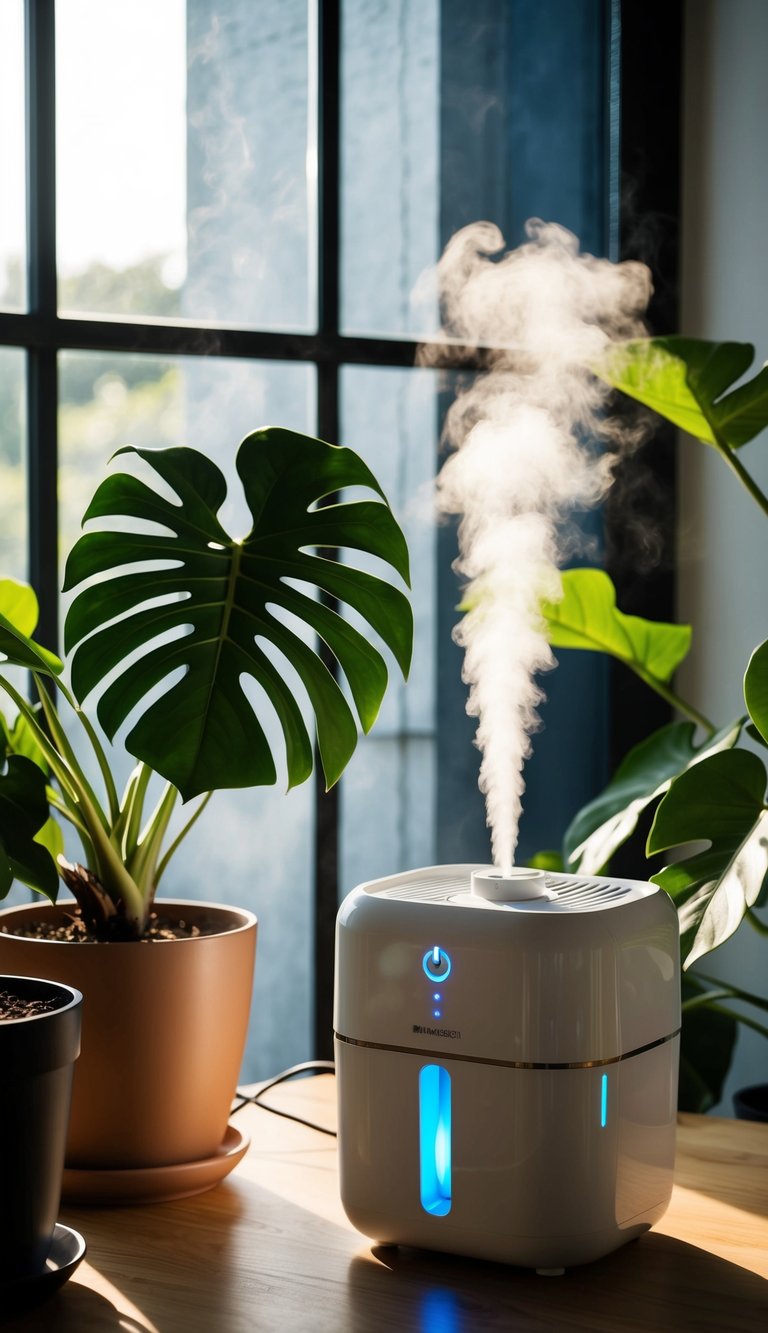
A humidifier can be a great tool for boosting Monstera growth. These plants thrive in humid environments. Using a humidifier adds moisture to the air and mimics their natural tropical habitat.
When the air is drier, Monsteras can struggle to grow. Leaves may turn brown or become crispy. This is often due to a lack of humidity.
By running a humidifier, it keeps the air around the plant moist. This helps the Monstera absorb more water through its leaves. As a result, it may grow faster and healthier.
It’s a good idea to place the humidifier near the plant. Ideally, the humidity should be around 60% or higher. This can create a perfect environment for the Monstera to thrive.
Regularly checking the water level in the humidifier is important. A well-maintained humidifier will work effectively. This simple addition can make a noticeable difference in growth rate.
Many people notice improvements in their plant’s overall health with increased humidity. Leaf growth can become more vibrant and lush. With just a little extra moisture in the air, she can see a big change!
4) Fertilize Monthly
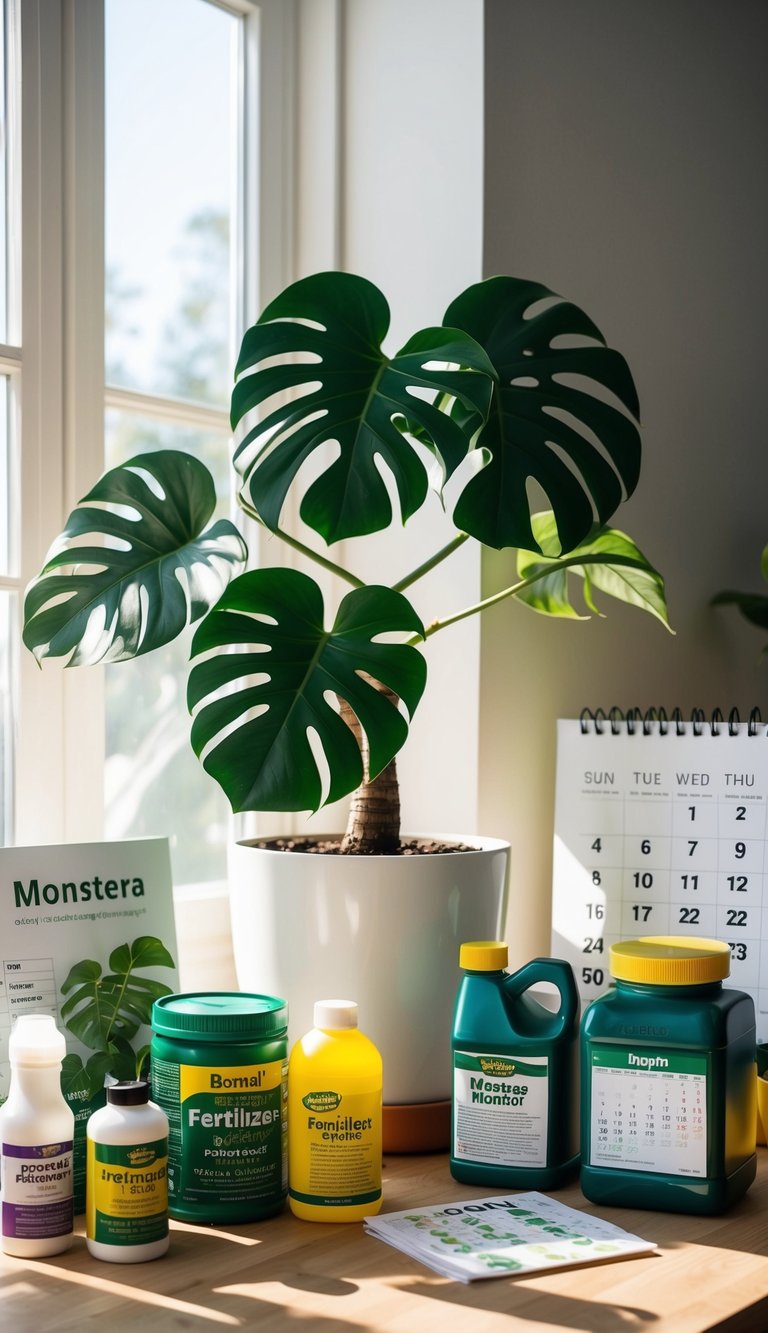
Fertilizing monthly can really help a Monstera grow faster. Plants need nutrients to thrive, and fertilizer gives them what they need.
Using a balanced liquid fertilizer works best. This type usually has equal parts of nitrogen, phosphorus, and potassium. These nutrients encourage strong roots and lush leaves.
During the growing season, which is spring and summer, she should fertilize every month. This is when the plant is most active and uses more nutrients.
In the fall and winter, it’s okay to reduce fertilizing. The plant may not need as much during these cooler months.
When fertilizing, it’s important to follow the instructions on the package. Over-fertilizing can harm the plant. It’s better to give less than too much, as this keeps the Monstera happy.
Water the plant after applying fertilizer. This helps the nutrients spread evenly through the soil and reach the roots.
Overall, monthly fertilizing keeps the Monstera healthy and encourages new growth. Keeping a routine makes it easy to remember. With a little care, that Monstera can become a stunning centerpiece.
5) Prune Dead Leaves
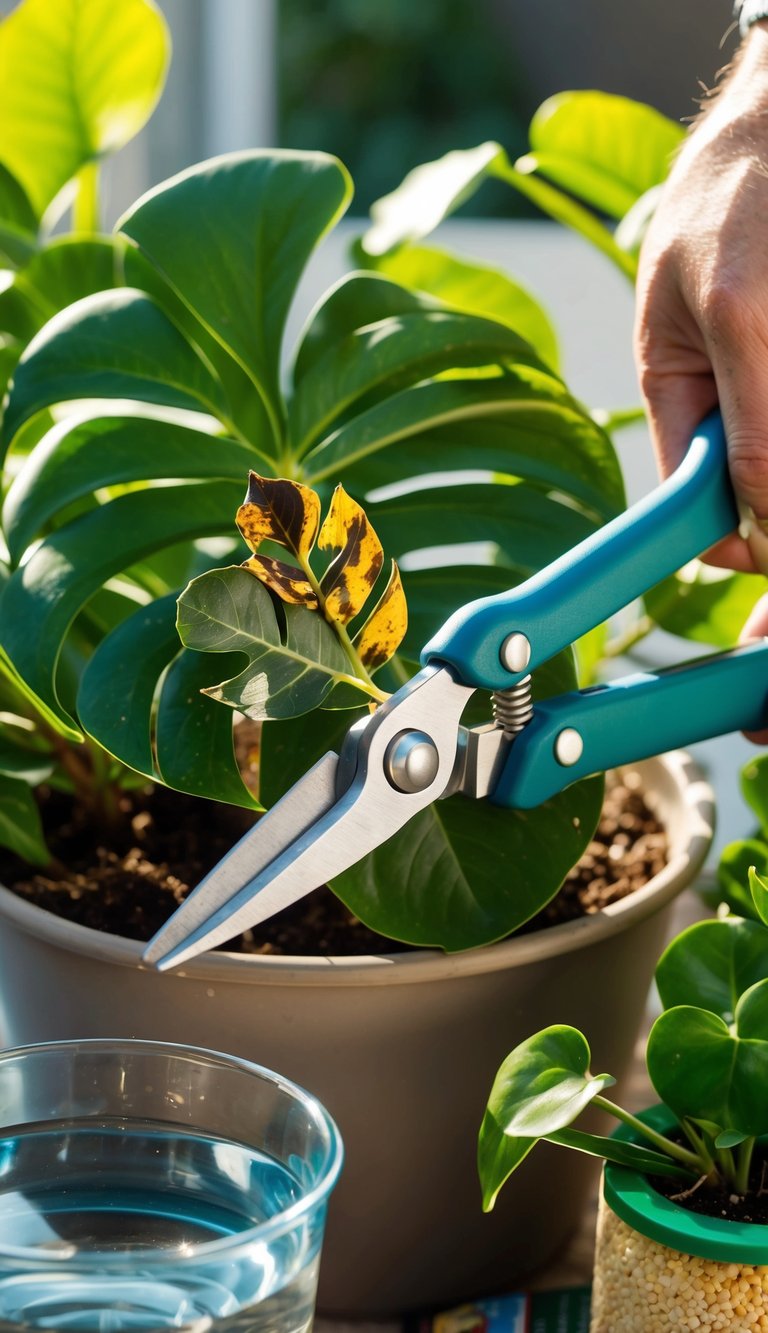
Pruning dead leaves is an important step for a healthy Monstera. When a leaf dies, it can take energy away from the plant. Removing these leaves helps the plant focus its energy on new growth.
She can spot dead leaves by looking for those that are brown or yellow. These leaves often look wilted and may feel dry to the touch. Using clean, sharp scissors or pruning shears is the best way to cut them off.
It’s good to prune dead leaves regularly. This can happen every few weeks, especially during the growing season. Keeping the plant tidy not only looks better but also helps prevent pests and diseases.
By clearing away dead foliage, the plant can breathe and receive more light. It also opens up space for healthy leaves to thrive. A little pruning goes a long way in encouraging faster growth!
Make sure to check for any damaged or unhealthy stems while pruning too. Removing these can help the plant grow stronger. With just a few careful cuts, it’s possible to boost the overall health of the Monstera.
6) Rotate the Plant
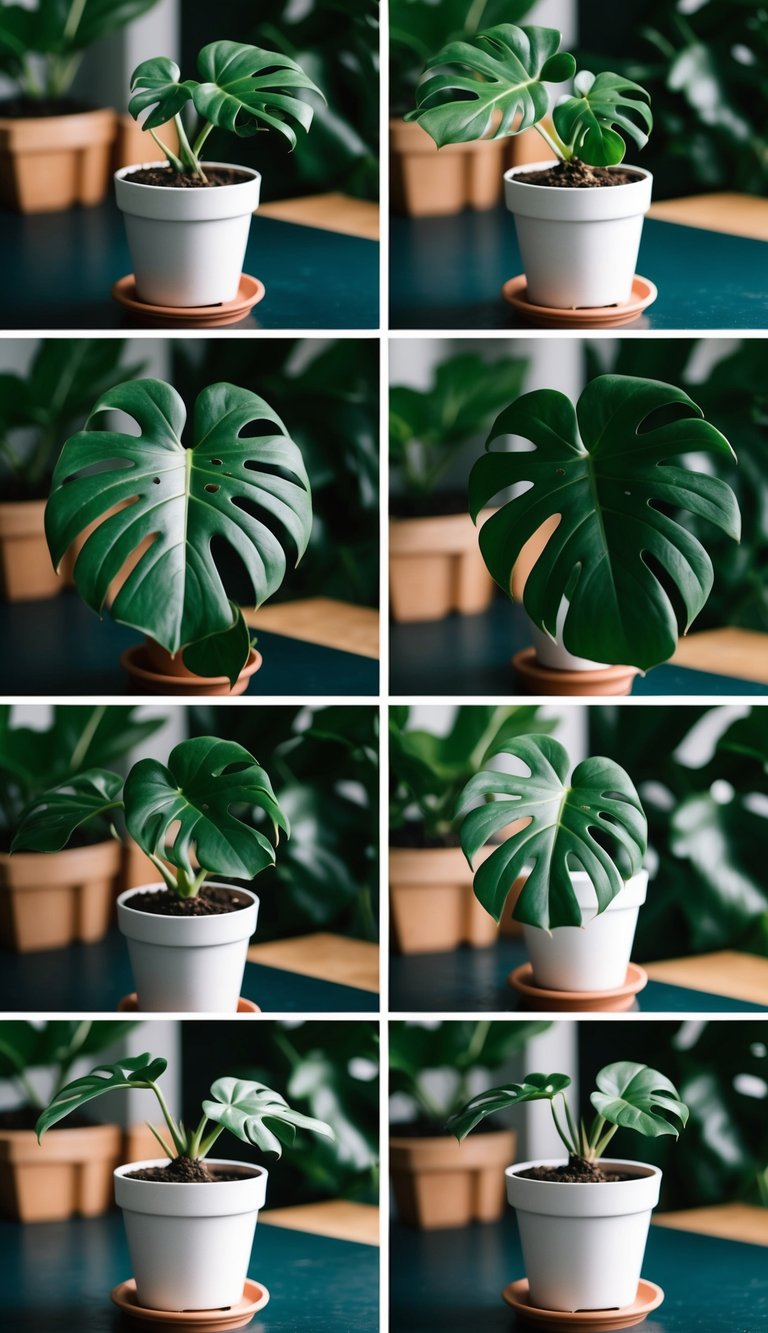
Rotating a Monstera can help it grow faster. This simple action encourages even growth on all sides of the plant.
When a Monstera gets light from one direction, it tends to lean toward that light. By rotating the pot every few weeks, the plant receives sunlight from different angles. This helps it develop balanced leaves and a strong structure.
Plants that are rotated regularly often show more vibrant, healthy leaves. They also tend to grow larger and fuller. This is because they are not straining to reach for light.
It’s easy to incorporate rotation into care routines. Just pick a day each month to turn the pot a quarter turn. This small effort can lead to big changes in how the plant grows.
Be careful not to rotate too much or too quickly. This can stress the plant. A gentle rotation is all it needs to thrive!
With consistent rotation, the Monstera will become a stunning focal point in any space. It’s a fun and simple way to help a beloved plant reach its full potential.
7) Provide a Moss Pole
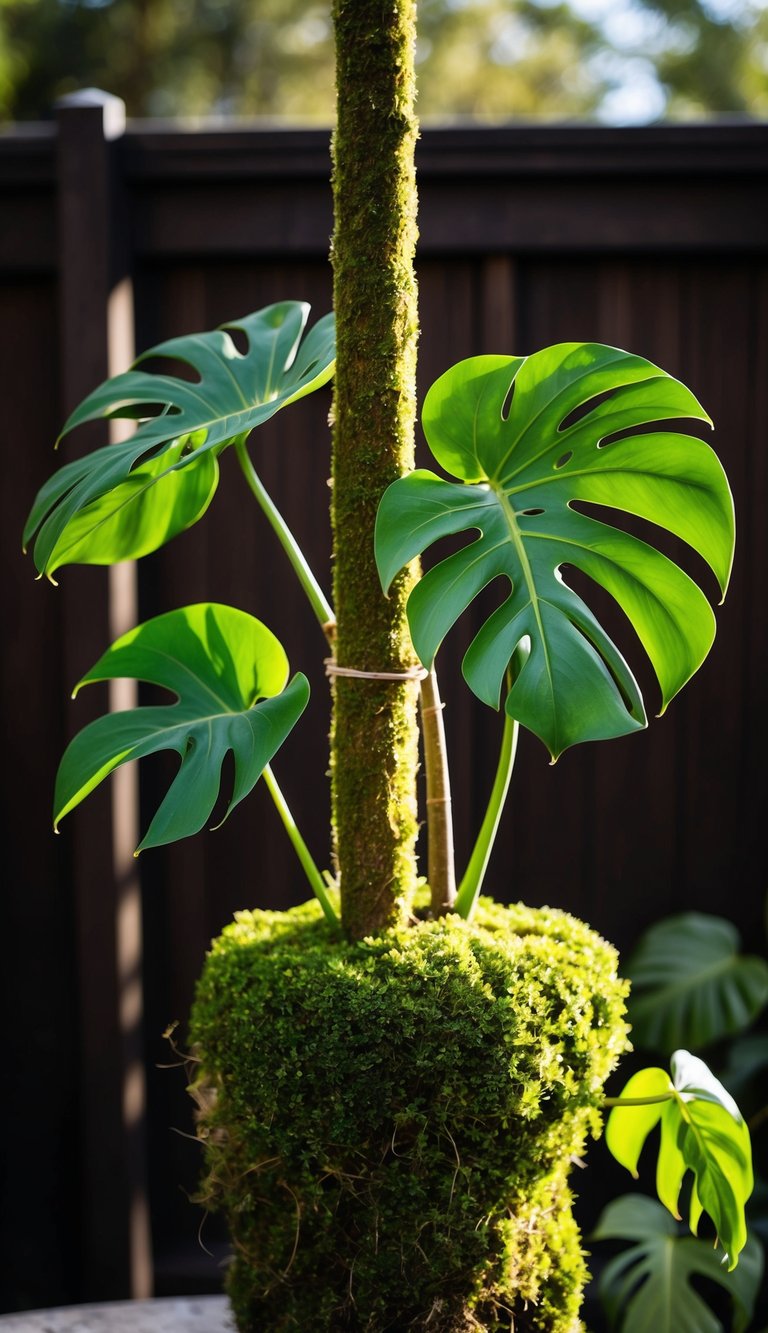
A moss pole is a great tool for helping Monstera plants grow quickly. It gives these plants support as they climb. This can lead to healthier growth and bigger leaves.
Monstera plants naturally grow on trees in the wild. They like to climb and reach for light. A moss pole mimics their natural environment.
When a Monstera uses a moss pole, it can grab on with its aerial roots. This makes the plant feel secure and encourages it to grow taller. Plus, it allows the plant to get more sunlight.
To set up a moss pole, choose one that is tall enough for your plant. It should be sturdy and made from materials like Coco Coir or sphagnum moss. These materials hold moisture, which helps the roots thrive.
Wrap the moss pole in damp moss to attract the aerial roots. She can then gently tie the plant to the pole with soft ties. This keeps the Monstera in place and promotes healthy growth.
Regularly check the moss pole to keep it moist. Spray it with water as needed. This will create humidity, which Monstera plants love.
Using a moss pole can make a big difference in plant growth. It helps them reach new heights and grow beautifully.
8) Repot Annually
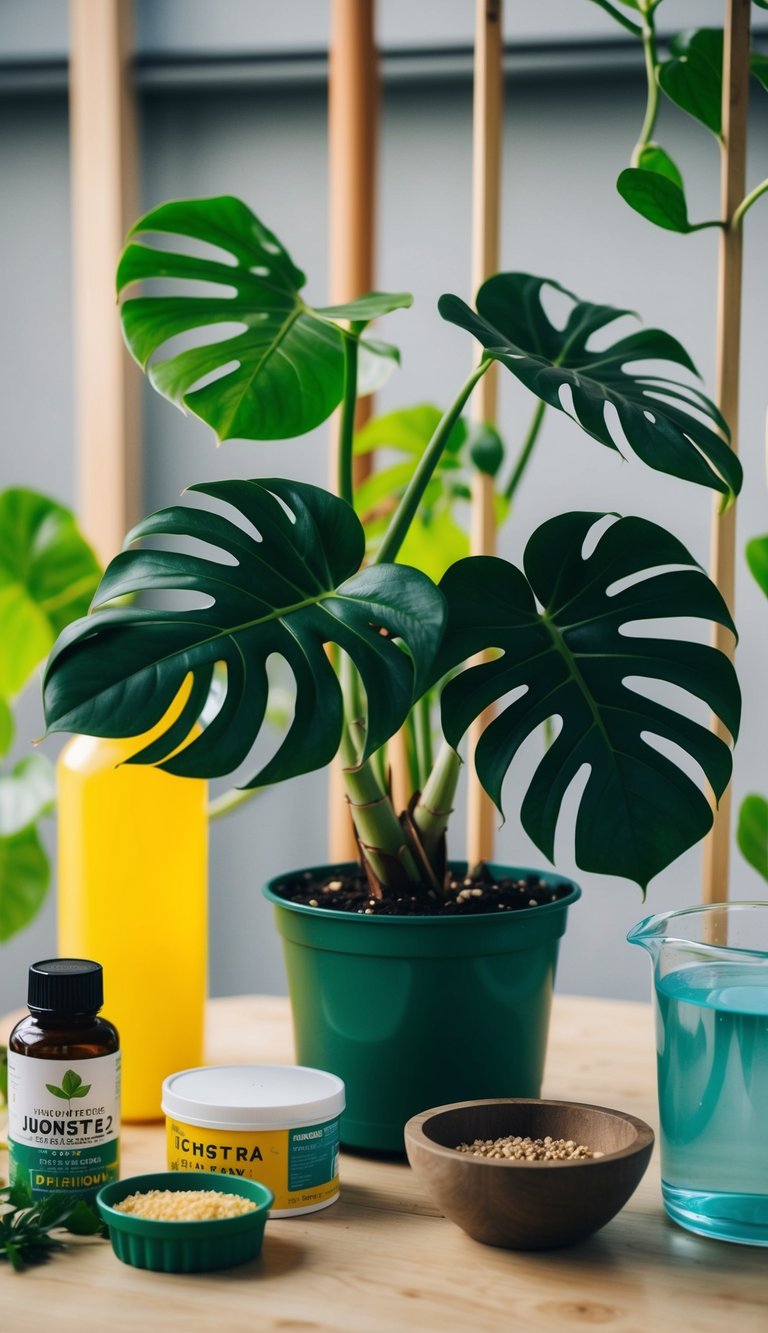
Repotting a Monstera every year helps it grow big and strong. As the plant grows, its roots need more space. A larger pot gives them room to spread out.
When repotting, choose a pot that is slightly bigger than the current one. This encourages the roots to thrive and take in more nutrients. Fresh soil also helps provide the right balance of water and air.
It’s best to check the roots before repotting. If they are crowded or circling around, it’s time for a new pot. Gently remove the plant from the old pot and shake off excess soil.
After placing it in the new pot, fill in with fresh potting mix. Make sure the plant is stable and water it lightly. This will help reduce stress and promote faster growth.
Repotting can also be a good time to check for pests or diseases. Keeping the plant healthy and happy is important. With proper care, the Monstera will reward with beautiful, lush leaves.
9) Use Rich Soil Mix
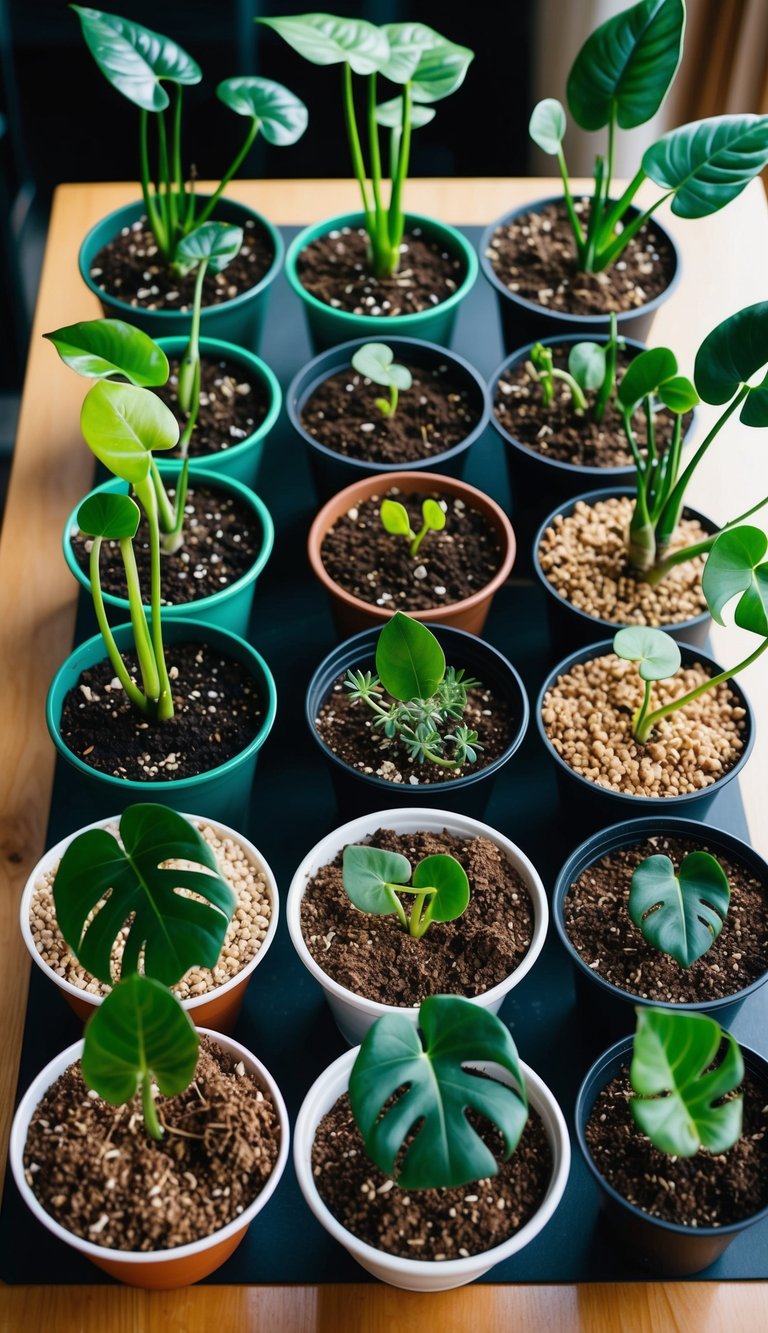
Using a rich soil mix can really boost Monstera growth. A good mix provides the right nutrients and support for these plants. It helps them grow strong and healthy.
Monstera loves a soil mix that drains well while holding moisture. A combination of potting soil, peat moss, and perlite works wonders. This mix creates an ideal environment for root growth.
A rich soil mix contains organic matter. This can include compost or worm castings. These additives give the plant essential nutrients.
It’s also key to check the pH level of the soil. Monstera prefers slightly acidic to neutral soil. This helps the plant absorb nutrients effectively.
When repotting, choose a larger pot with fresh soil mix. This encourages better growth and allows the roots to spread. A bigger space means more room for the plant to thrive.
Regularly refreshing the soil mix can also help. Over time, soil loses nutrients. Changing the top layer can give a quick boost.
In summary, a rich soil mix is vital for healthy Monstera growth. It provides the nutrients and structure needed for success. Using the right mix will make any Monstera thrive!
10) Keep Away from Drafts

Keeping a Monstera away from drafts is very important for its growth. Drafts can stress the plant and slow it down. It prefers stable environments to thrive.
When a plant is placed near windows or doors that are often open, it can experience sudden temperature changes. This can prevent the Monstera from growing strong and healthy.
A steady temperature helps the plant take in nutrients better. It also improves its overall health. Choosing a location that avoids cold air or hot air can make a big difference.
Look for a spot in the home where the temperature is consistent. This can be away from heating vents or air conditioners. Finding the right place helps the Monstera feel secure and encourages growth.
Checking the weather can also help. On windy days, it’s best to keep windows closed. This protects the plant from chilling drafts.
By ensuring a draft-free zone, the Monstera can focus its energy on growing bigger and greener. A happy plant is a fast-growing plant!
11) Wipe Down Leaves
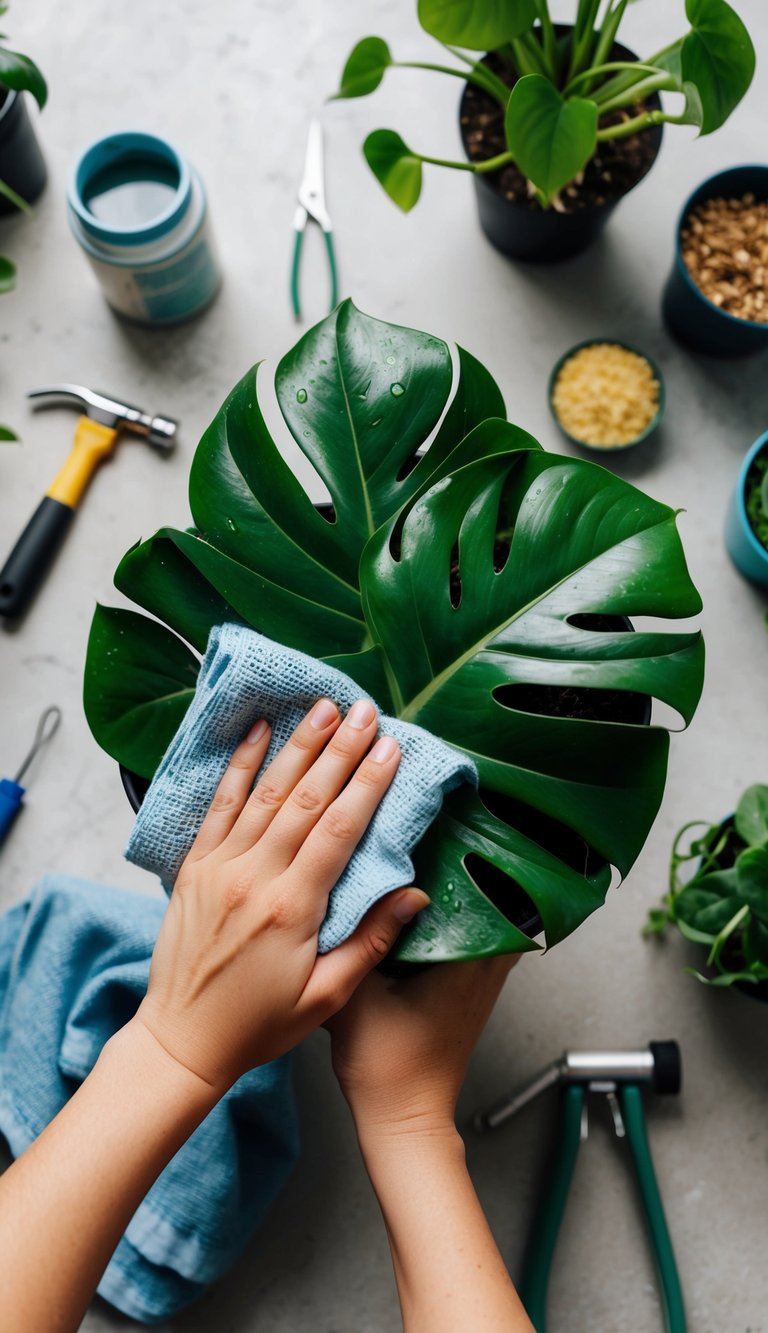
Wiping down the leaves of a Monstera plant can make a big difference. Dust and dirt can collect on the leaves over time. This can block sunlight and slow down growth.
Using a soft, damp cloth is a great way to clean the leaves. This gentle method keeps the leaves safe and shiny. It also helps the plant absorb more light.
When the leaves are clean, they look better too. A clean Monstera is a happy Monstera! Regular cleaning can be part of a simple care routine.
It’s a good idea to wipe the leaves every few weeks. This will help keep them healthy and free of dust. It’s a small task but can lead to big results.
She can also check for any pests while cleaning. Spotting pests early makes it easier to treat any problems. Keeping leaves clean will help the plant stay strong.
He can enjoy a lush and vibrant Monstera with this easy step. Happy cleaning leads to happier plants!
Ideal Growing Conditions
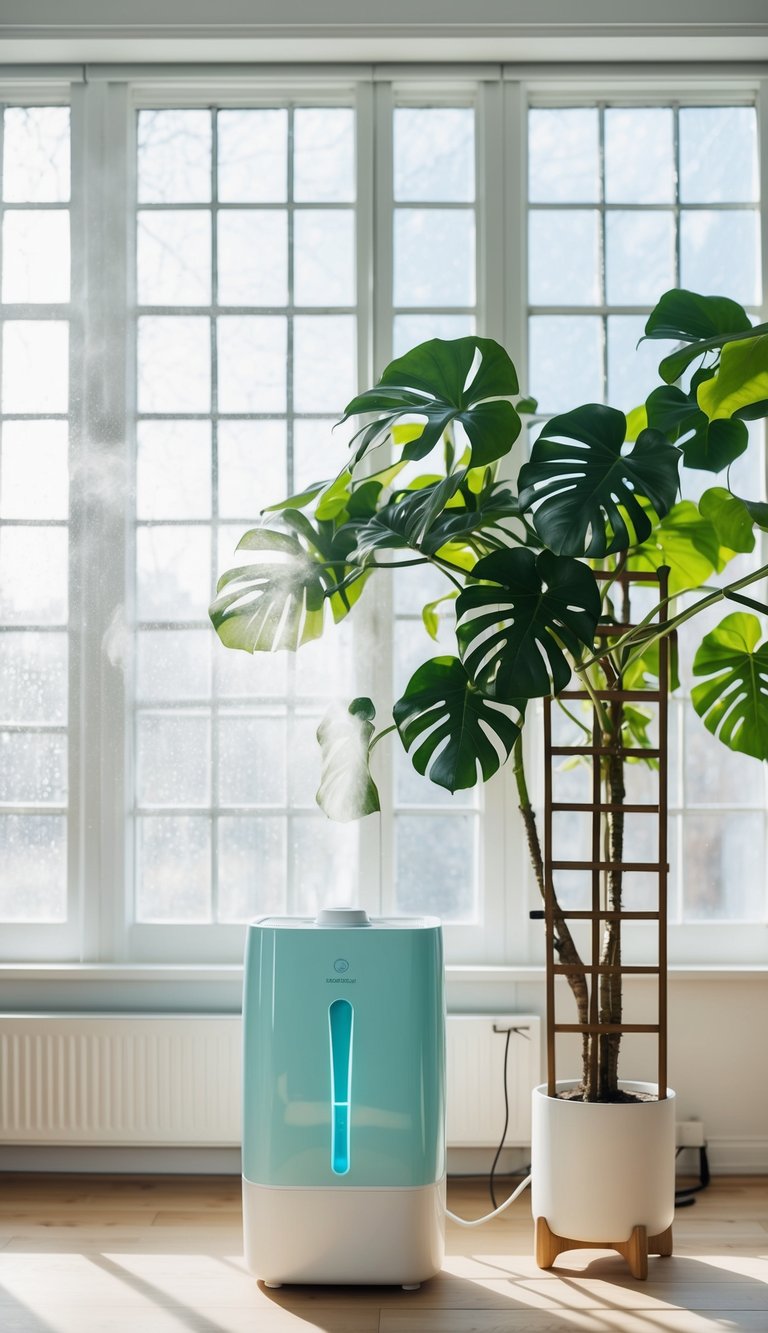
Getting the right growing conditions is crucial for a healthy and thriving monstera. Light, soil, and water all play important roles in promoting faster growth.
Optimal Light Requirements
Monstera plants love bright, indirect light. Placing them near a window that filters sunlight provides the best conditions. Direct sunlight can scorch the leaves, so it’s good to avoid that.
If natural light is limited, using a grow light can be beneficial. Aim for about 12 to 14 hours of light each day. This helps the plant photosynthesize efficiently, leading to faster growth.
Rotating the plant every few weeks ensures even light exposure, preventing it from leaning to one side. Happy plants grow faster!
Soil and Potting Mix
Selecting the right soil is vital for monsteras. A well-draining potting mix keeps the roots healthy and prevents water from sitting too long.
Using one part potting soil, one part perlite, and one part orchid bark creates excellent drainage. This mix allows air to circulate, which promotes root growth.
When repotting, choose a pot that’s only slightly larger than the current one. This helps avoid excess moisture around the roots. A pot with drainage holes is also important to prevent root rot.
Watering Schedules
Watering monsteras at the right time helps them grow strong and vibrant. They prefer to have their top couple of inches of soil dry out between waterings.
Checking the soil moisture can be done by sticking a finger into the dirt. If it feels dry, it’s time to water. On average, watering once a week works for most conditions, but factors like humidity and light can change that.
Always water deeply until it drains from the bottom. Avoid letting the plant sit in water as this can lead to root rot. Consistent care will give monsteras the nutrients they need for faster growth!
Growth Boosting Techniques
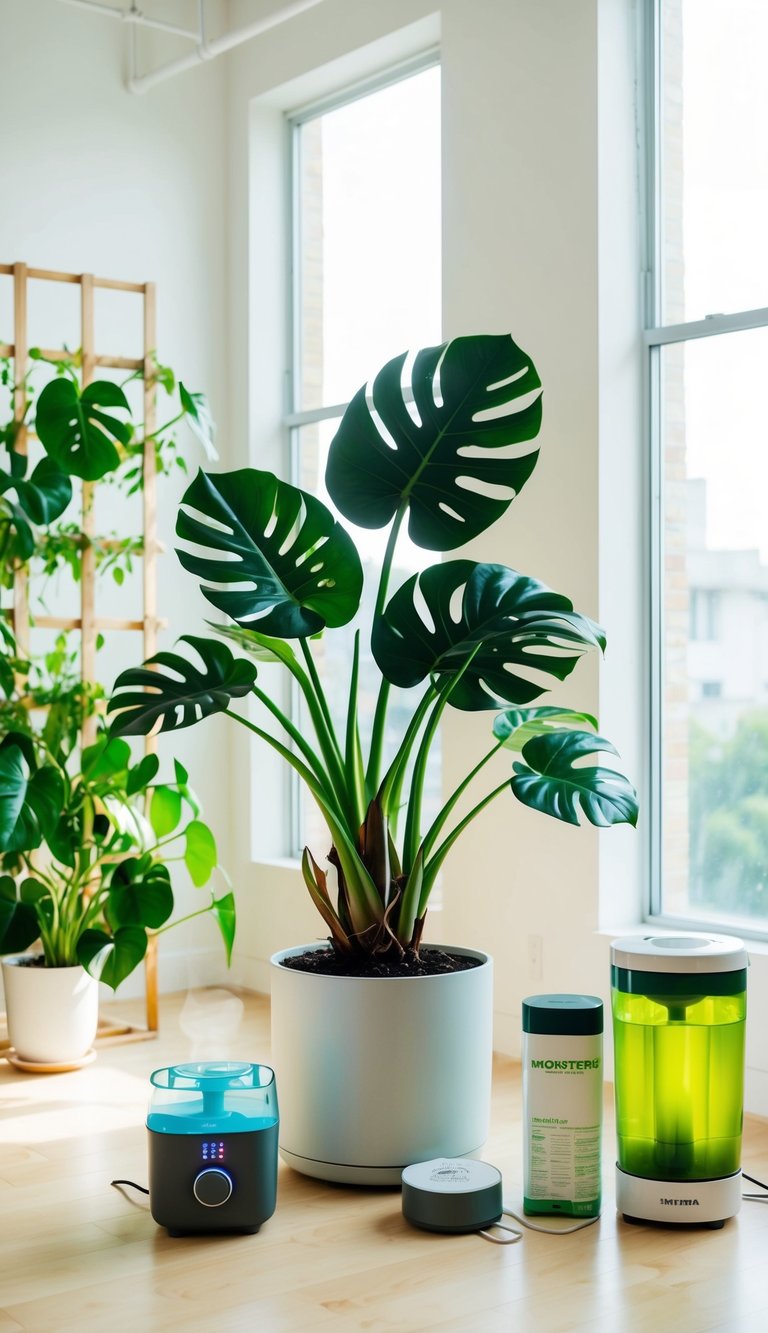
To encourage faster growth in Monstera plants, certain techniques can make a big difference. Pruning, using the right fertilizers, and controlling humidity are key steps to maximizing growth potential.
Pruning and Trimming
Pruning is essential for Monstera health. It helps remove dead or yellowing leaves, which can drain energy from the plant. By trimming back overly long vines, it directs energy to new growth.
Using clean, sharp scissors or pruning shears is important. Shear cuts should be made right above a leaf node to promote branching. Regular pruning not only keeps the plant tidy but also encourages fuller growth.
Remember to prune during the growing season, typically spring or early summer. This timing allows the plant to recover and grow more quickly.
Using Fertilizers
Fertilizers provide essential nutrients to boost growth. A balanced, water-soluble fertilizer works best for Monstera. Look for a mix that includes nitrogen, phosphorus, and potassium.
Applying fertilizer every 4-6 weeks during the growing season can keep the plant thriving. Diluting the fertilizer to half-strength can prevent burning.
It’s crucial to stop fertilizing in the autumn and winter months. During this time, the plant’s growth slows down, and it doesn’t need as many nutrients.
Humidity Control
Monstera plants love humidity. Higher humidity levels can significantly enhance growth. Keeping humidity above 60% can create an ideal environment.
Using a humidifier or placing a tray of water near the plant can help increase humidity. Misting the leaves occasionally also provides a moisture boost.
If the air is too dry, the leaves might develop brown tips or edges. Monitoring and adjusting humidity can make a big impact on how quickly a Monstera grows.