Pitbulls are known for their energy, loyalty, and playful spirits. Many owners share a deep bond with their pets and want to ensure they live long, happy lives. There are simple ways to help pitbulls enjoy better health and increase their lifespan. By making a few changes to their daily routines and care, owners can make a real difference. From proper diet to keeping them active, these tips can lead to a healthier, happier pitbull. With the right approach, dogs can thrive for many happy years.
1) Regular Vet Check-ups
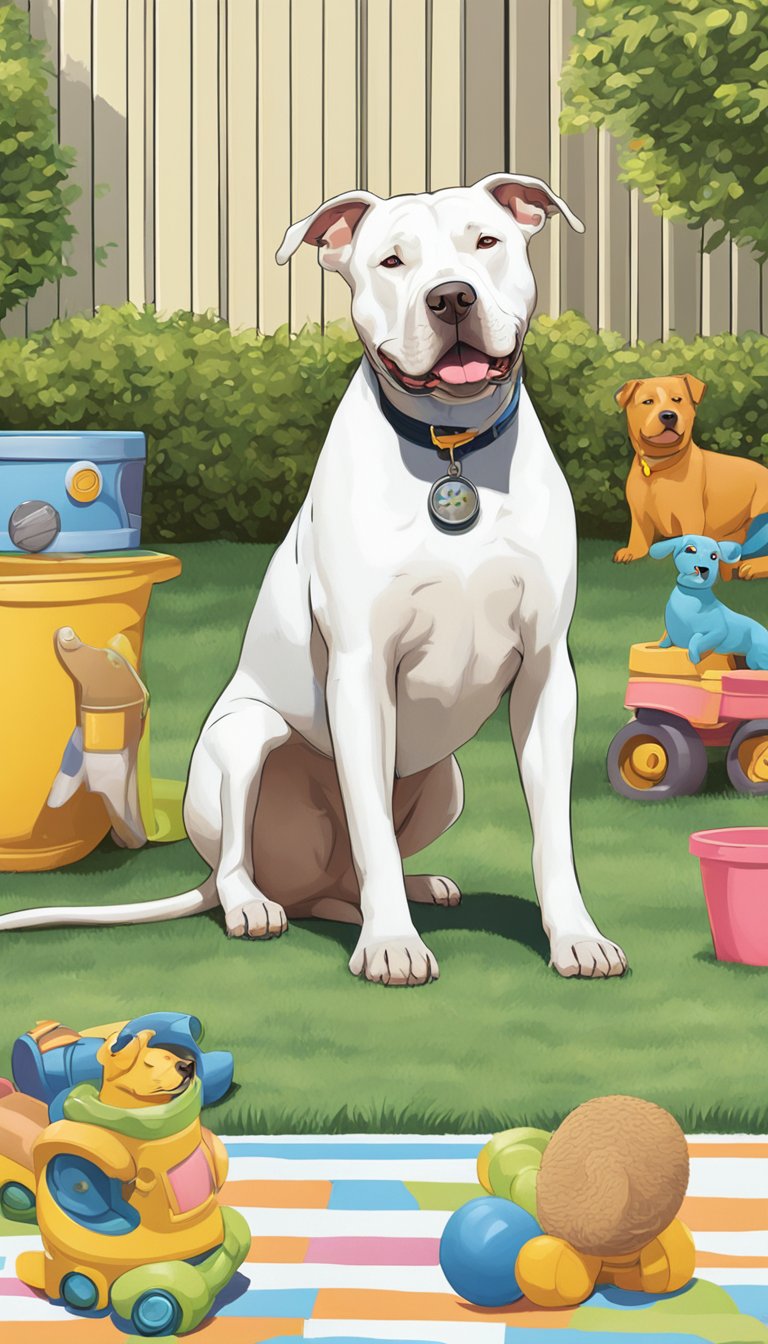
Taking a pitbull to the vet regularly is very important. These check-ups help catch any health problems early. A vet can spot issues that you might not notice at home.
During a visit, the vet checks the pitbull’s weight, heart, and other vital signs. They also might give vaccinations to protect against diseases. Staying up to date with vaccines keeps her healthy and happy.
Routine check-ups allow the vet to monitor your pitbull’s overall well-being. They can suggest the best diet and exercise plan based on her needs. This advice helps maintain a healthy weight and active lifestyle.
Your vet will also discuss dental care, which is key for pitbulls. Healthy teeth lead to a happier life. Regular cleanings can prevent serious issues later on.
Fixing any potential concerns early can help your pitbull live a longer life. Keeping track of health records helps you see changes over time. This information is useful for future visits.
A good relationship with the vet makes care easier. This way, your pitbull will feel more comfortable during visits. Regular check-ups are a great way to show love and care!
Balanced Diet

A balanced diet is essential for a pitbull’s health and longevity. This means feeding them the right mix of nutrients every day. Proper nutrition helps maintain a healthy weight and supports their energy levels.
High-quality dog food should be a top choice. Look for food that lists meat as the first ingredient. It provides the protein needed for strong muscles.
Fruits and vegetables can also be beneficial. Adding small amounts of safe options like carrots, blueberries, and sweet potatoes can boost vitamins. These treats are tasty and healthy!
It’s important to avoid table scraps and unhealthy snacks. Foods like chocolate, grapes, and onions can be harmful. Stick to vet-recommended treats to keep them safe.
Hydration is another key part of a balanced diet. Fresh water should always be available. Staying hydrated aids digestion and keeps their coat shiny.
Feeding a pitbull the right amount is also crucial. Overfeeding can lead to obesity, while underfeeding can cause weakness. It’s important to follow serving sizes on the dog food package or ask a vet for guidance.
Regular meals help keep their energy steady. This also supports their metabolism. A reliable feeding schedule can make a big difference in their overall health.
With the right diet, a pitbull can enjoy a happy, active life. Nutrition plays a vital role in helping them thrive!
3) Routine Exercise

Routine exercise is vital for keeping a pitbull healthy and happy. Regular activity helps maintain a healthy weight. It also keeps their muscles strong and their hearts healthy.
A good exercise routine includes daily walks, playtime, and training sessions. Pitbulls love to run and play, so throwing a ball or playing tug-of-war is perfect. This way, they can burn off energy while having fun.
Regular exercise can also improve a pitbull’s mood. Physical activity releases endorphins, which makes them feel good. A happy dog is less likely to develop behavior problems.
Aim for at least 30 minutes of exercise each day. This can be split into two or three sessions. It’s important to keep the activities varied to keep things interesting.
Always consider the weather when planning exercise. On hot days, it’s best to walk early in the morning or later in the evening. On cold days, shorter indoor play sessions can keep them active and entertained.
Pay attention to your pitbull’s energy levels and health. Adjust exercise routines as needed. Keeping them fit and engaged allows them to live a happy, long life.
4) Mental Stimulation
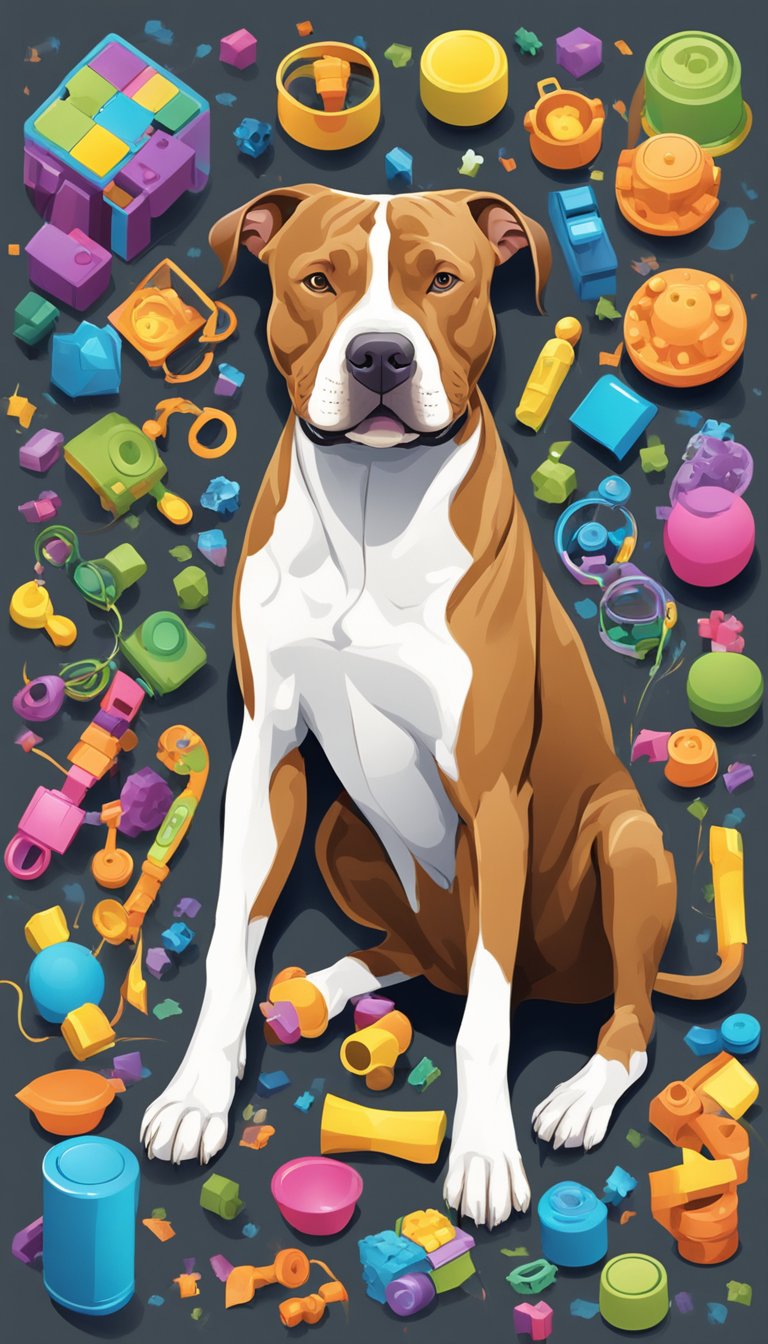
Mental stimulation is key for a Pitbull’s happiness and health. Engaging their minds keeps them sharp and can prevent boredom-related behaviors.
Puzzles and interactive toys can be great fun. These toys challenge dogs to think and work for treats. They can help boost problem-solving skills.
Training sessions are also excellent for mental exercise. Teaching new commands or tricks keeps a Pitbull focused. It can strengthen the bond between the dog and its owner.
Another fun activity is hide and seek. This game encourages dogs to use their noses and brains. They love searching for hidden toys or treats around the house.
Group classes or agility training can offer both exercise and mental challenges. Socializing with other dogs adds excitement. It allows them to learn new skills and meet new friends.
Rotating toys can help keep things fresh. A new toy can spark curiosity and joy. It’s like giving them a new game to play.
Lastly, daily walks are not just for physical activity. Exploring different areas provides new sights and smells. This variety keeps their minds active.
Providing mental stimulation enriches a Pitbull’s life. Happy, engaged dogs often live longer, healthier lives!
5) Dental Care
Dental care is super important for a Pitbull’s health! Proper dental hygiene helps keep teeth and gums strong. It can also prevent big problems like gum disease and tooth loss.
Regular brushing is one of the best ways to care for your dog’s teeth. It’s easy to find dog toothpaste that is safe and tasty. Brushing a few times a week can make a big difference.
Dental chews and treats are another fun way to help. These snacks can help reduce plaque and make teeth cleaner. Make sure to choose products made for dogs to keep them safe.
Routine vet check-ups are important too! Vets can clean teeth and check for any issues. Catching problems early can save pain and money later.
If a Pitbull has bad breath, it might mean something is wrong. It’s a good idea to visit the vet if that happens. They can provide the right treatment to make it better.
Keeping a Pitbull’s mouth healthy adds to their happiness and life span. With good dental care, your furry friend can enjoy a lifetime of playful moments. Isn’t that exciting?
6) Vaccinations
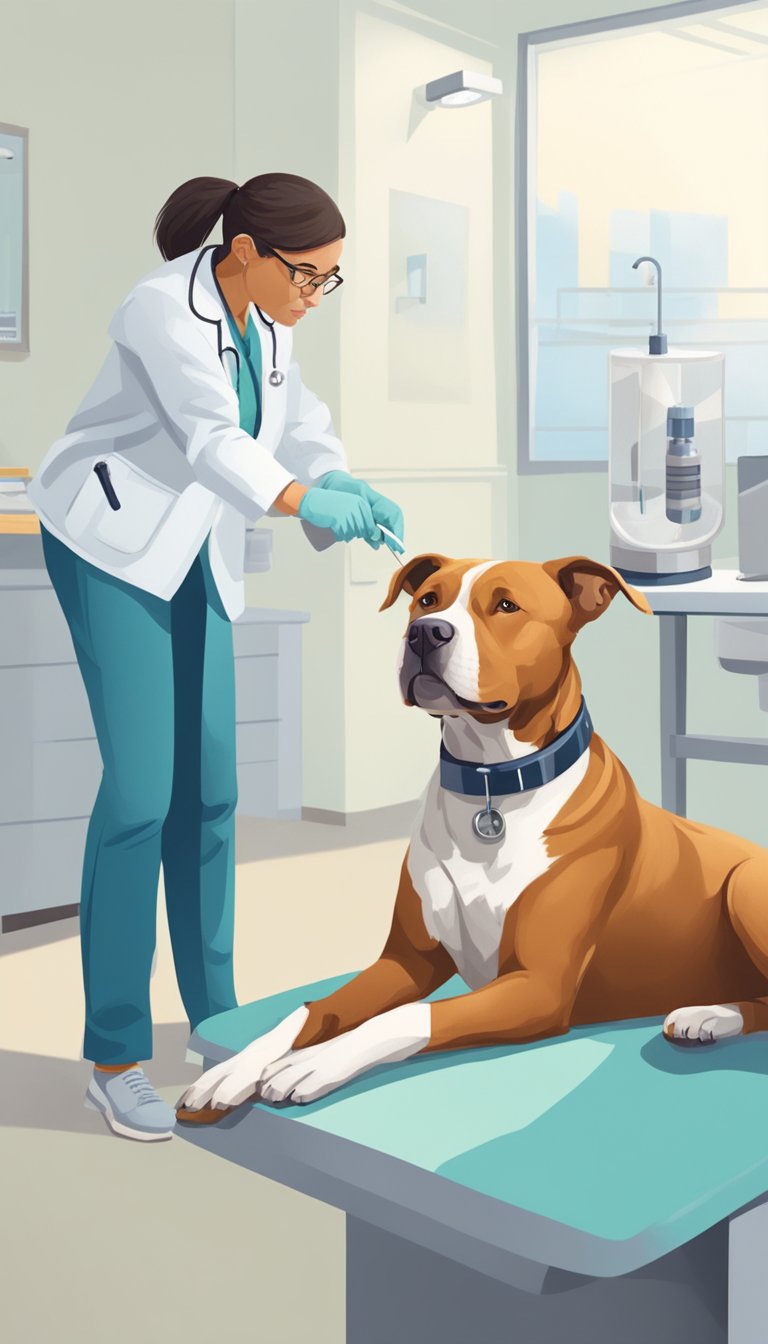
Vaccinations are important for keeping a Pitbull healthy. They protect against many serious diseases that can be harmful or even deadly.
Routine vaccinations help prevent illnesses like parvovirus, distemper, and rabies. These conditions can make dogs very sick. Staying up to date on vaccines keeps them safe and happy.
Puppies usually get their first vaccinations starting at around six weeks old. It is essential for new owners to keep track of their dog’s vaccination schedule. Regular visits to the vet for booster shots are also important.
Every vaccine has a specific purpose. Some protect against diseases spread by other animals, while others help with illnesses caused by bacteria. Vaccinating a Pitbull is a vital part of their overall health care plan.
Many vets recommend a yearly check-up to ensure vaccinations are current. This keeps dogs safe from outbreaks in their area. Some vaccines are even required by law, like rabies shots.
Vaccinations can also help in preventing health issues later in life. They are an easy and effective way to care for a pet. Keeping a Pitbull vaccinated contributes to a longer, healthier life.
Flea and Tick Prevention
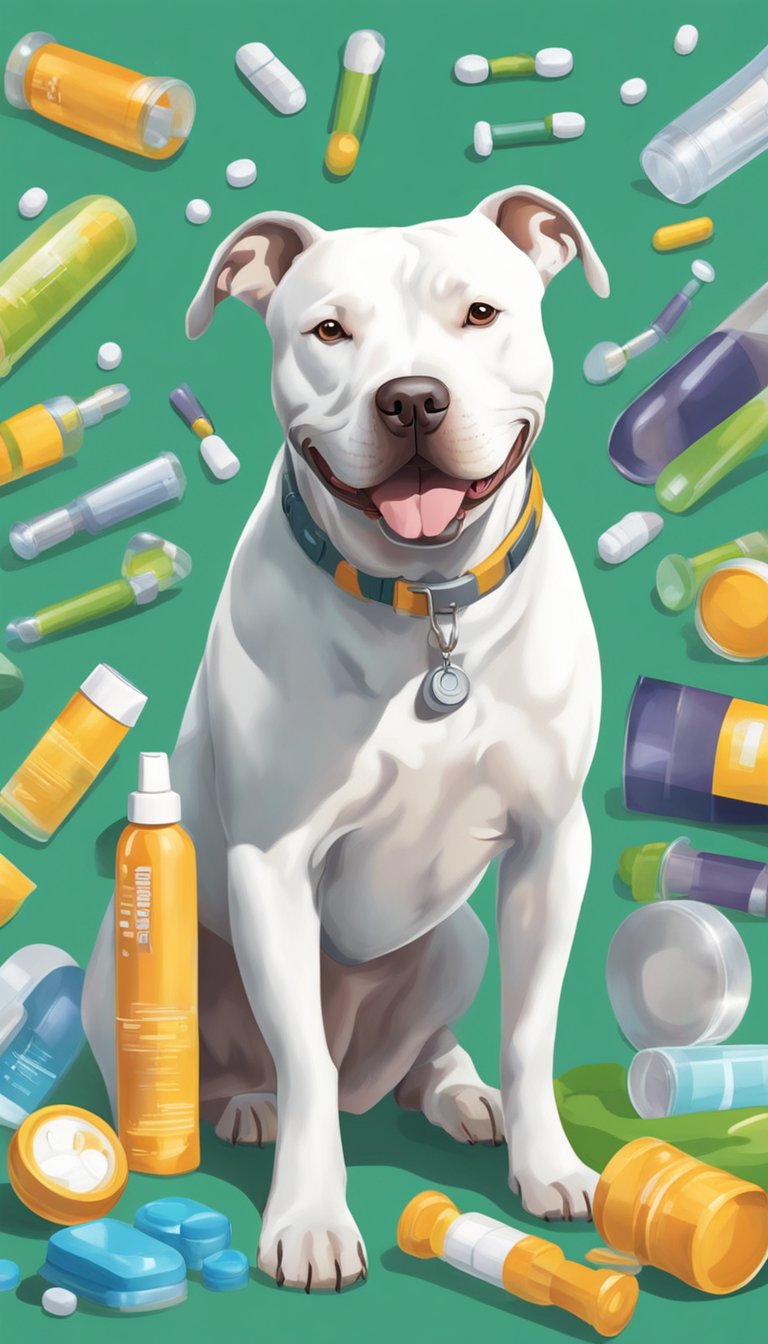
Keeping a pitbull free from fleas and ticks is key for their health! These pests can cause skin problems and lead to serious diseases. Regular prevention helps keep them safe and happy.
Using vet-recommended flea and tick treatments is a great first step. Options include topical treatments, collars, and oral medications. Each choice works differently, so it’s good to ask the vet what is best.
Regularly checking your pitbull for fleas and ticks is also important. Look through their fur, especially after walks in tall grass or wooded areas. If any pests are found, act quickly to treat your dog.
Cleaning your home and yard can prevent infestations. Frequent vacuuming and washing dog bedding help remove eggs and larvae. Keeping the yard trimmed reduces hiding spots for pests.
During warmer months, be extra vigilant. Fleas and ticks are more active then. Continued use of prevention methods during this time keeps your pitbull protected.
Staying informed about flea and tick seasons in your area helps too. Knowing when to start and stop treatments is key to keeping pests away. Your pitbull will thank you for their itch-free, happy life!
8) Heartworm Prevention
Heartworm is a serious disease that can affect pitbulls. It is caused by a parasite spread through mosquito bites. Protecting a pitbull from heartworm is very important for a long, healthy life.
Preventive medicine is the key. There are several options available, like chews, tablets, and topicals. A veterinarian can help choose the best one based on the pitbull’s needs.
Regular testing is also essential. Before starting preventive medication, a vet should test for existing heartworm. This ensures the dog stays safe and healthy.
It’s important to give the medication on time. Consistency helps keep the protection strong. Missing doses can allow heartworms to take hold.
Pitbull owners should check for mosquitoes. Eliminating standing water around the home can help reduce mosquito populations. Keeping a clean yard is one more way to keep a pitbull safe.
Lastly, regular vet visits are crucial. These check-ups allow for monitoring of any health issues. Staying on top of heartworm prevention will help a pitbull live a longer and happier life.
9) Comfortable Bedding
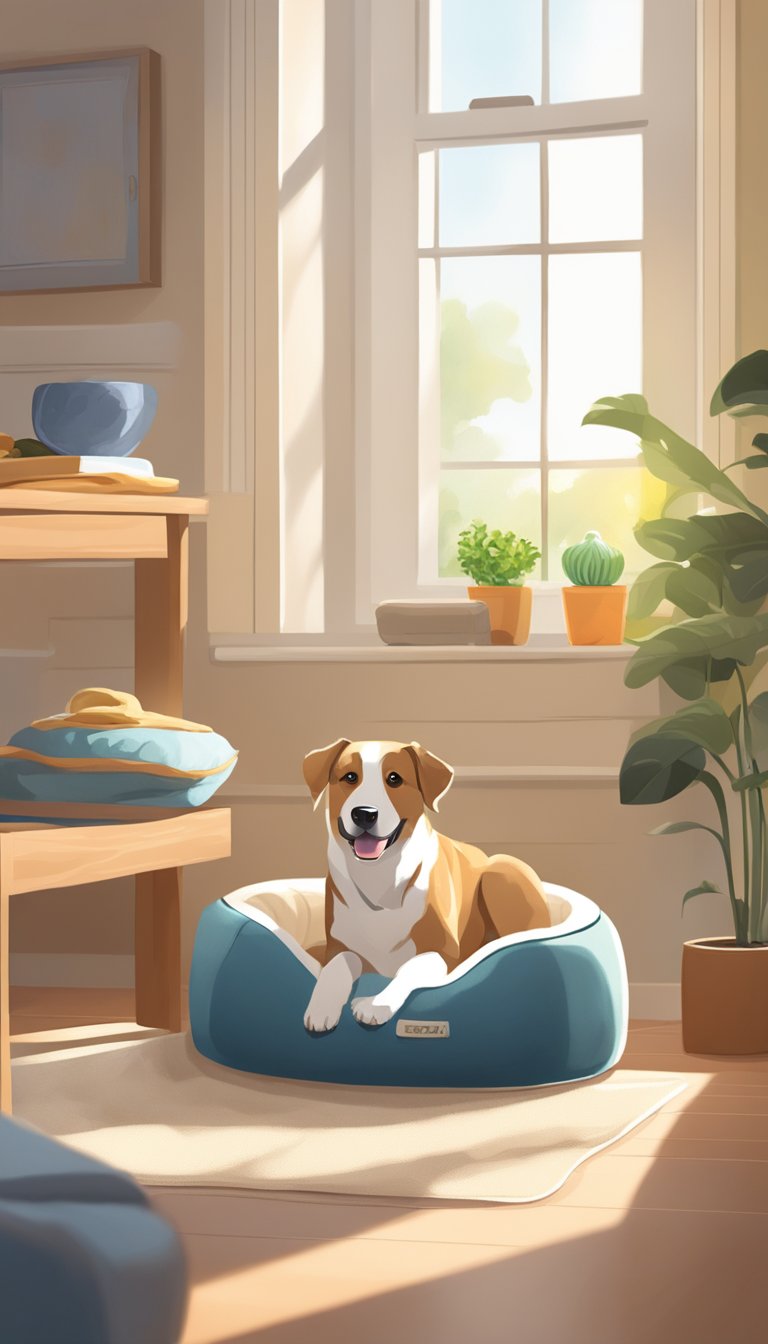
A cozy bed makes a big difference for a Pitbull. These dogs enjoy resting and sleeping, so they need the right place to do it. A soft, supportive bed helps keep their joints healthy.
Memory foam beds are great because they mold to their shape. This can relieve pressure on their hips and elbows. It’s especially helpful for older dogs who may have arthritis.
Choose a bed with a washable cover. Accidents happen, and it’s easy to keep things clean this way. Regular washing keeps the bed fresh and comfy.
Consider a bed with raised edges. This gives a nice spot for dogs to rest their heads. Many Pitbulls love to curl up.
Make sure the bed is large enough. They need to stretch out comfortably and not feel cramped. A good-sized bed helps ensure a restful sleep.
Different materials offer various benefits. Some beds are cool during hot days and warm during cold nights. Finding the right one helps keep the dog comfortable year-round.
Lastly, place the bed in a quiet spot. Your Pitbull will appreciate a peaceful area for rest. A happy, well-rested dog is more active and joyful!
10) Proper Training

Proper training is key for a happy and healthy Pitbull. It helps them learn good behavior and makes life easier for both the dog and its owner. A well-trained dog is more likely to be calm and less anxious.
Training should start as early as possible. Young puppies are like sponges, ready to soak up new information. Teaching them simple commands can build a strong bond and trust.
Consistency is vital in training. Using the same commands and signals helps the dog understand what is expected. Short, fun training sessions keep the dog engaged and excited to learn.
Positive reinforcement works wonders. Treats, praise, and playtime motivate a Pitbull to follow commands. This approach builds confidence and creates a strong connection with the owner.
Socialization is also part of training. Exposing the dog to different people, animals, and environments helps them become more adaptable. This can prevent behavioral issues later in life.
Training classes can be helpful too. They offer guidance from experts and provide a chance to meet other dogs. It’s a great way for both the dog and owner to learn together.
Regular practice maintains skills and strengthens the bond. A well-trained Pitbull is not only safer but also more enjoyable to have around. The effort in training pays off with a happier, healthier pet.
11) Socialization
Socialization is key for Pitbulls. This helps them become well-adjusted and friendly dogs. Meeting different people and animals can make a big difference in their lives.
Taking a Pitbull to dog parks or playgroups is a great way to socialize. They can interact with other dogs and learn how to play. This helps build their confidence and reduces shyness.
Training classes are also beneficial. They not only teach obedience but also provide social chances. Being around other dogs and owners helps them learn proper behavior.
Expose Pitbulls to different environments. Visit busy areas like shopping centers or busy streets. New sights and sounds can help them adjust to various situations.
Invite friends over or take them to friends’ houses. This builds positive interactions with different people. Each new experience can help a Pitbull become more friendly and less fearful.
Socialization should start early, but it’s never too late. Older dogs can still benefit from new experiences. It’s essential for a happy, healthy life.
With enough socialization, Pitbulls can thrive in any setting. They become loving companions who enjoy being around others. Happy and well-socialized Pitbulls tend to live longer, healthier lives!
Diet and Nutrition
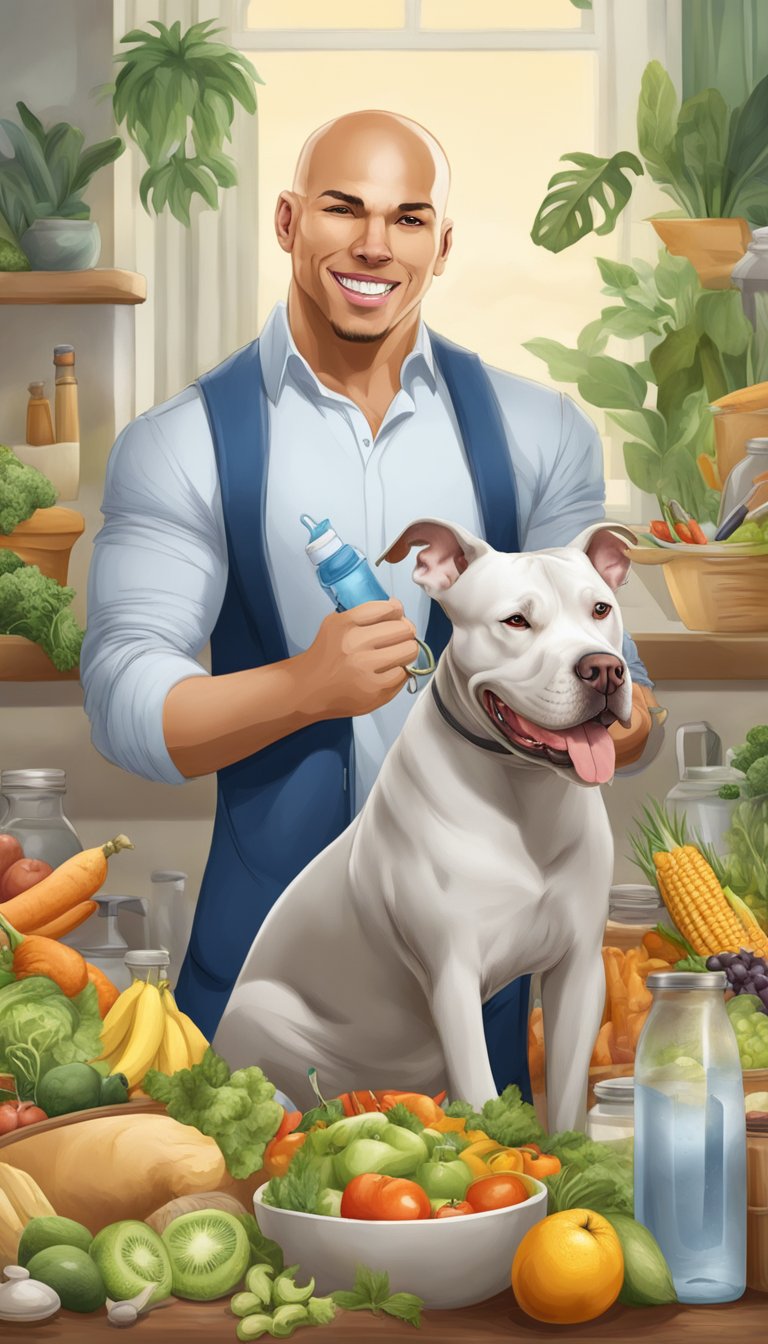
Feeding a Pitbull the right diet is key for their health and longevity. A balanced diet, essential vitamins, and proper hydration play a big role in their overall well-being. Here are some important considerations for keeping them happy and healthy!
Balanced Diet Essentials
A balanced diet for a Pitbull includes proteins, fats, and carbohydrates. Proteins are critical for muscle health. Choose high-quality meats like chicken, beef, and fish. Adding healthy fats such as fish oil can also improve coat health and overall vigor.
Carbohydrates provide energy. Options like brown rice and sweet potatoes are excellent choices. It’s important to avoid fillers and artificial ingredients. Look for dog food that lists meat as the first ingredient.
Some Pitbulls may have allergies or sensitivities. Monitoring their reaction to food is crucial. It’s best to consult a vet for specific dietary needs.
The Role of Vitamins
Vitamins play an essential role in a Pitbull’s diet. Key vitamins include A, B, C, D, E, and K. Vitamin A supports eye health and immune function. B vitamins help with energy and a healthy coat.
Vitamin C is important for joint health. Although dogs produce this vitamin naturally, added fruit like blueberries can boost their intake. Vitamin D is crucial for bone health. Ensure your dog gets exposure to sunlight or consider supplements.
Vitamin E acts as an antioxidant, helping to protect cells from damage. Adding a variety of fruits and vegetables can help meet their vitamin needs. Always check with a vet before adding supplements.
Hydration Importance
Proper hydration is vital for a Pitbull’s health. Water keeps their organs functioning well and helps with digestion. Dogs should have access to fresh, clean water at all times.
A Pitbull needs about 1 ounce of water per pound of body weight daily. This can vary depending on activity level and temperature. When they are very active or during warm weather, their water needs increase.
Monitoring their water intake is essential. Signs of dehydration include dry gums or excessive panting. If these signs occur, increase water access immediately to keep them healthy and happy.
Exercise and Activity
Regular exercise is key for keeping a pitbull healthy and happy. Engaging them in daily activities helps with weight control and boosts their mood. A mix of physical and mental workouts will lead to a longer life for these energetic dogs.
Daily Exercise Routines
A pitbull needs at least 60 minutes of exercise every day. This can include walks, playtime, or running. Here are some enjoyable activities:
- Daily Walks: Aim for two walks, lasting 30 minutes each. This keeps their energy levels balanced.
- Play Fetch: Throwing a ball or frisbee can be a fun way to get them moving.
- Agility Training: Setting up a basic obstacle course can enhance strength and coordination.
Switch up the routines to keep them engaged. It’s important to watch for signs of exhaustion. Make sure to provide fresh water and rest breaks.
Mental Stimulation
Keeping a pitbull’s mind active is as important as physical activity. Mental stimulation helps prevent boredom and destructive behavior. Here are some fun ideas:
- Puzzle Toys: These toys challenge the dog to think and can provide hours of entertainment.
- Training Sessions: Teaching new tricks or commands stimulates their brain and builds a bond.
- Interactive Games: Hide-and-seek or scent work can be great fun and keep them focused.
Make time for these activities each week. A tired dog is a happy dog! Balancing physical and mental stimulation contributes to a healthier, happier pitbull.
Regular Veterinary Care
Regular veterinary care is essential for keeping a Pitbull healthy and happy. It involves sticking to a vaccination schedule and having routine health checkups. These steps can prevent illnesses and catch any problems early.
Vaccination Schedule
Vaccinations are crucial for protecting Pitbulls from dangerous diseases. Puppies usually start their vaccinations at 6 to 8 weeks old. They will need several rounds of shots until they are about 16 weeks. After that, adult Pitbulls should receive boosters once a year or every three years, depending on the type of vaccine.
Some important vaccines for Pitbulls include:
- Rabies: Required by law in many areas.
- Distemper: Helps prevent a serious viral infection.
- Parvovirus: Affects the gastrointestinal system and can be deadly.
Keeping a vaccination record helps pet owners stay on track.
Health Checkups
Regular health checkups help catch any issues early. A good rule of thumb is to take a Pitbull to the vet at least once a year. During these visits, the vet will perform a full physical exam, check weight, and assess dental health.
Blood tests can also reveal problems that may not be visible. This can include checking for heartworms, kidney issues, or other hidden conditions. These checkups build a strong partnership between pet owners and veterinarians.
Regular checkups keep a Pitbull feeling great!