Monstera plants are popular for their unique leaves and ability to thrive in many environments. To keep a Monstera healthy, proper drainage is essential for preventing root rot and promoting growth. Many plant owners may struggle with how to improve drainage effectively.
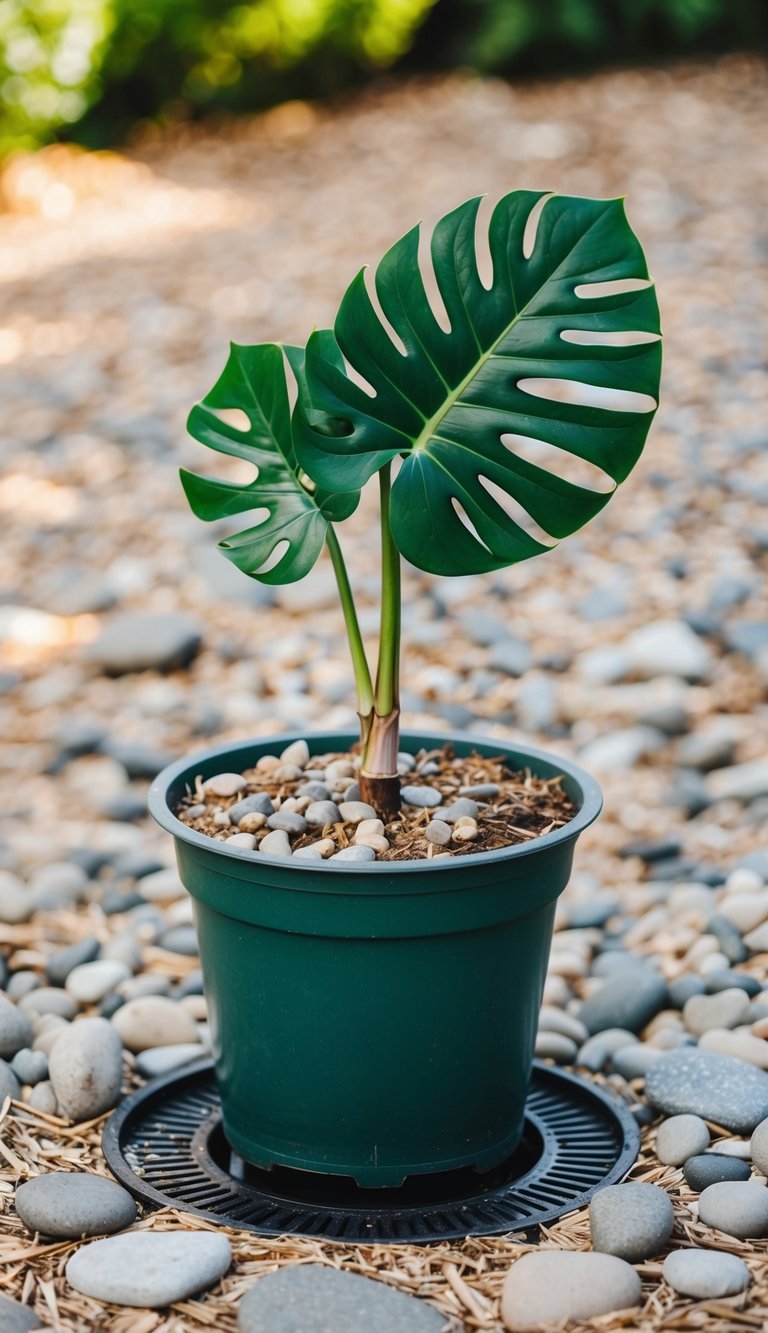
This article explores various techniques to enhance the drainage of Monstera plants. Each method is designed to help create the best possible environment for these beautiful houseplants to flourish.
1) Choose Well-Draining Soil
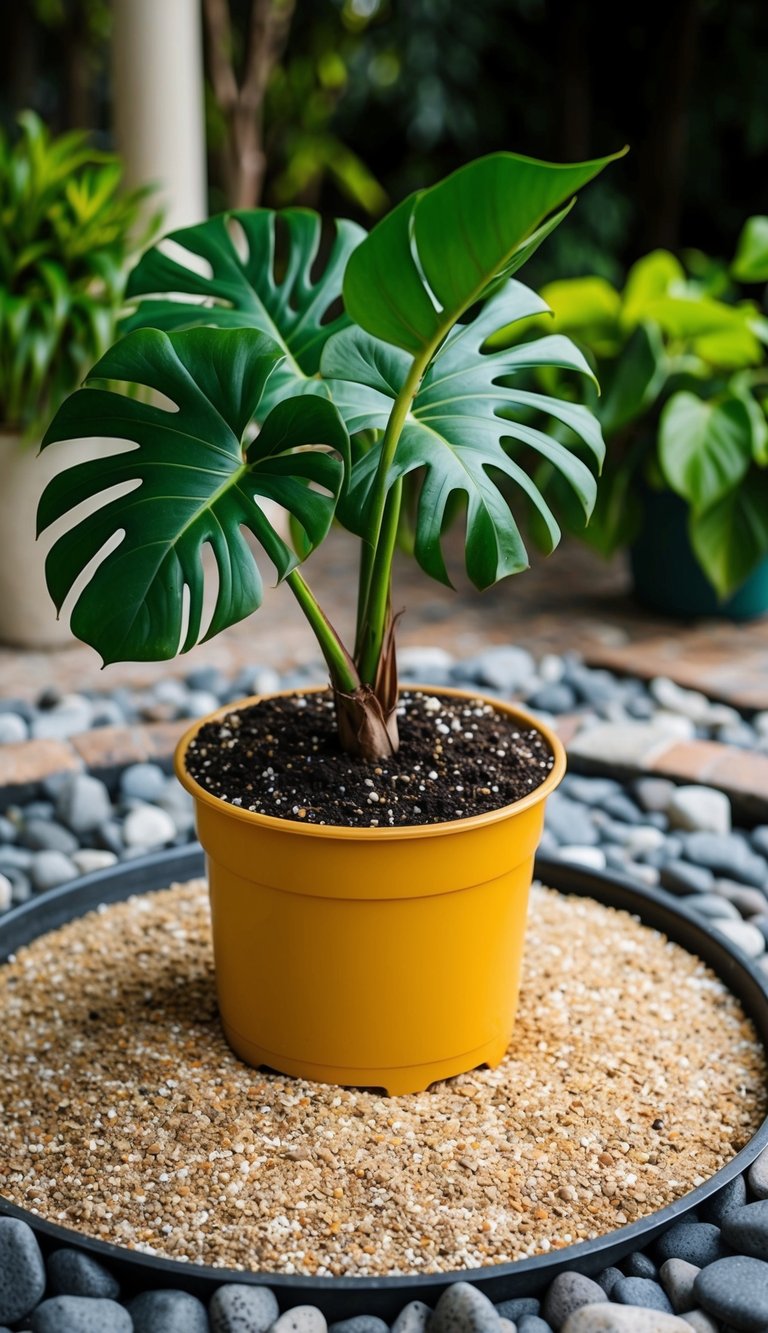
Choosing the right soil is key for a happy Monstera. A well-draining mix keeps the roots healthy and prevents water from sitting too long.
A good choice is a potting mix designed for tropical plants. These mixes usually contain components like peat, perlite, or orchid bark. These materials help water flow through easily while still holding some moisture.
Another option is to create a custom mix. Combining regular potting soil with perlite or sand can improve drainage. This mix allows air to reach the roots, which is essential for their growth.
Monitor the soil’s moisture level regularly. If the top inch feels dry, it may be time for water. Ensuring good drainage helps avoid root rot and keeps the plant thriving.
The right soil mix makes a huge difference in keeping a Monstera strong and lush. It’s simple, but it leads to amazing results in plant health!
Increase Pot Size
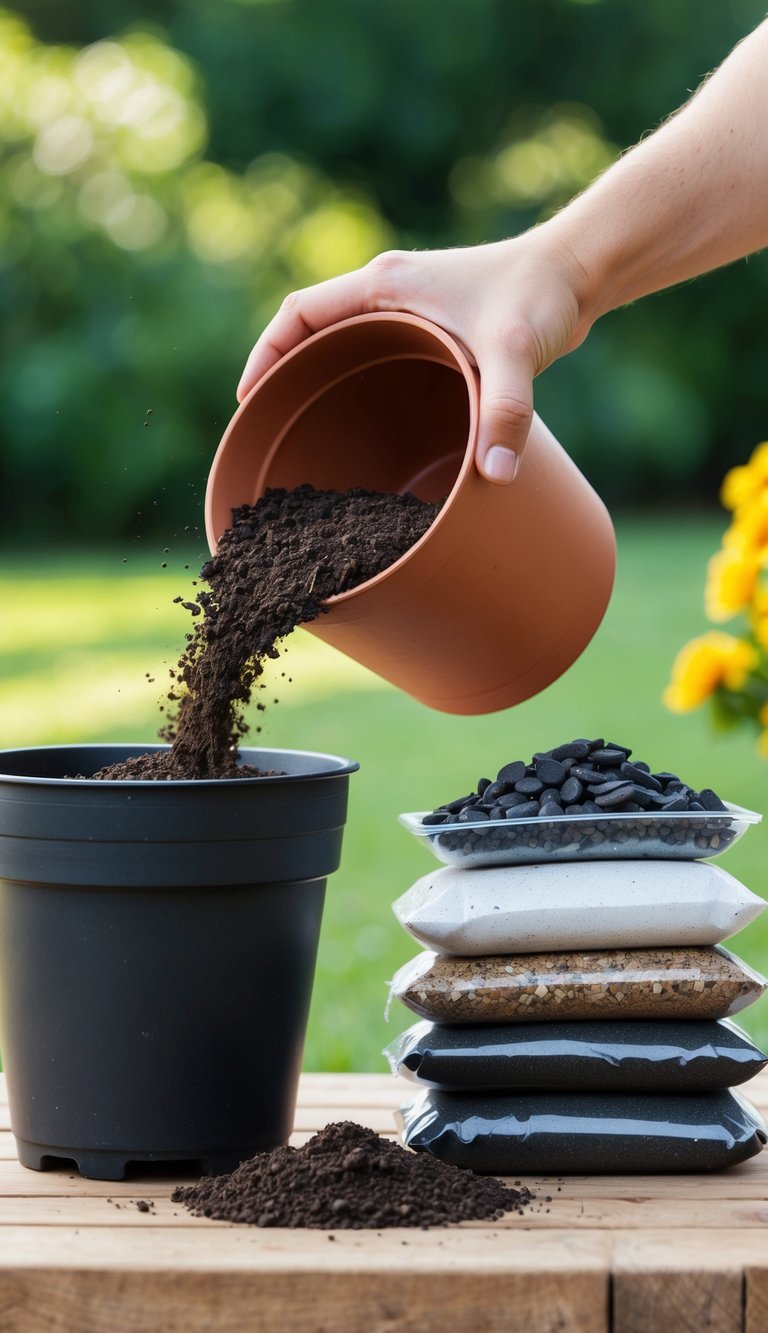
Increasing the pot size can be a game-changer for a Monstera. This plant loves space to grow its roots. When roots are crowded, they can struggle to get the water and nutrients they need.
A larger pot allows for better soil drainage. It gives excess water a place to escape, reducing the risk of root rot. That’s very important for keeping the plant healthy and thriving.
When repotting, choose a pot that is 1-2 inches larger in diameter than the current one. This small change can make a big difference. It provides room for the roots to expand and absorb more water.
Using a well-draining potting mix is just as important. This mix can help prevent water from sitting around the roots. Mixing in materials like perlite or orchid bark can improve drainage even further.
Make sure the new pot has drainage holes at the bottom. This helps excess water escape easily. It’s an essential step in ensuring the Monstera’s roots don’t become waterlogged and damaged.
With a new pot size, the Monstera is set up for success. The roots can grow strong and healthy, supporting beautiful leaves and vibrant growth. It’s a simple way to boost the plant’s overall well-being!
Add Perlite
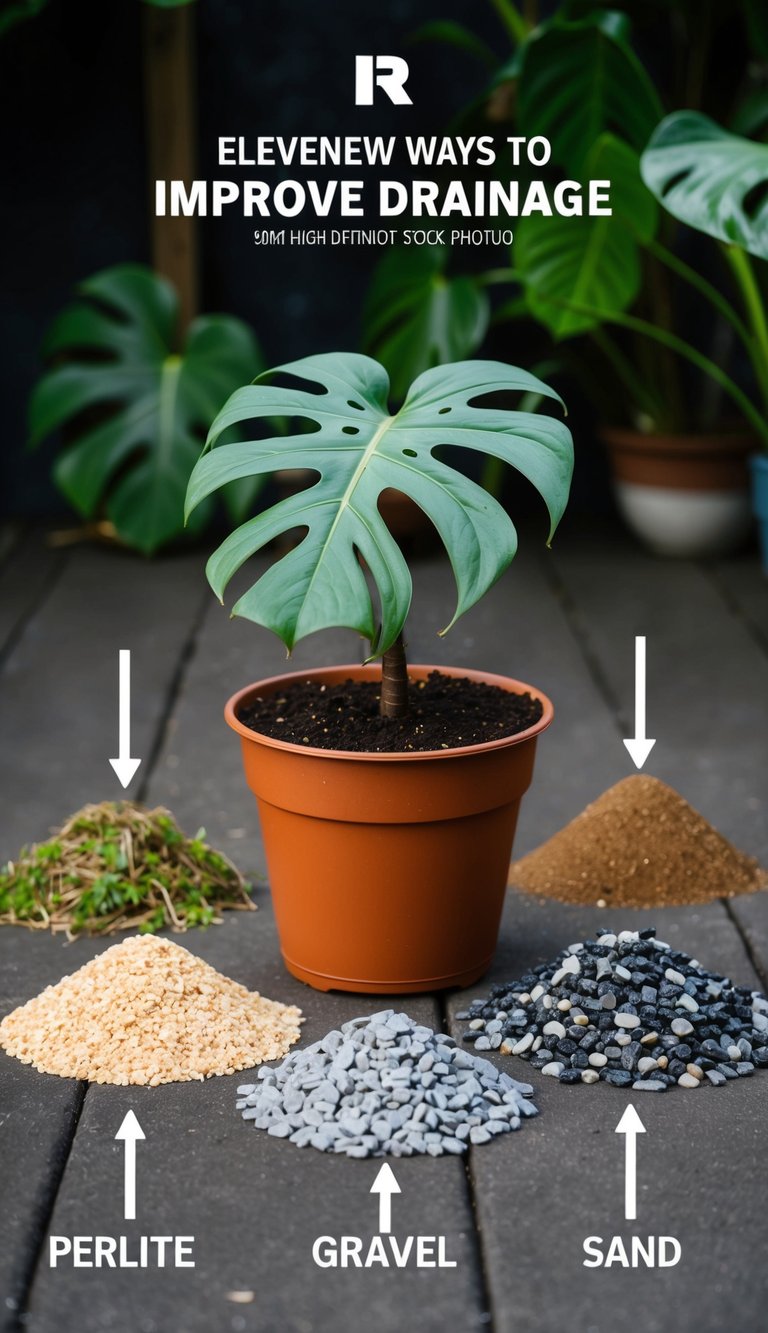
Adding perlite is a fantastic way to improve drainage for a Monstera. Perlite is a lightweight, volcanic glass that creates space in the soil. This helps excess water escape easily.
When mixed into the potting mix, perlite keeps the soil loose. This airier texture prevents compaction and allows roots to breathe. Healthy roots mean a happier plant!
To use perlite, blend it with the regular potting soil. A good mix is about 30% perlite and 70% soil. This ratio provides the right balance for drainage and moisture retention.
She can also sprinkle some perlite on top of the soil. It helps keep the surface dry and reduces the risk of mold. Plus, it looks nice!
Adding perlite is simple and makes a big difference. They can find perlite at most garden stores or online. It’s an easy step for better plant health.
4) Use a Pebble Tray
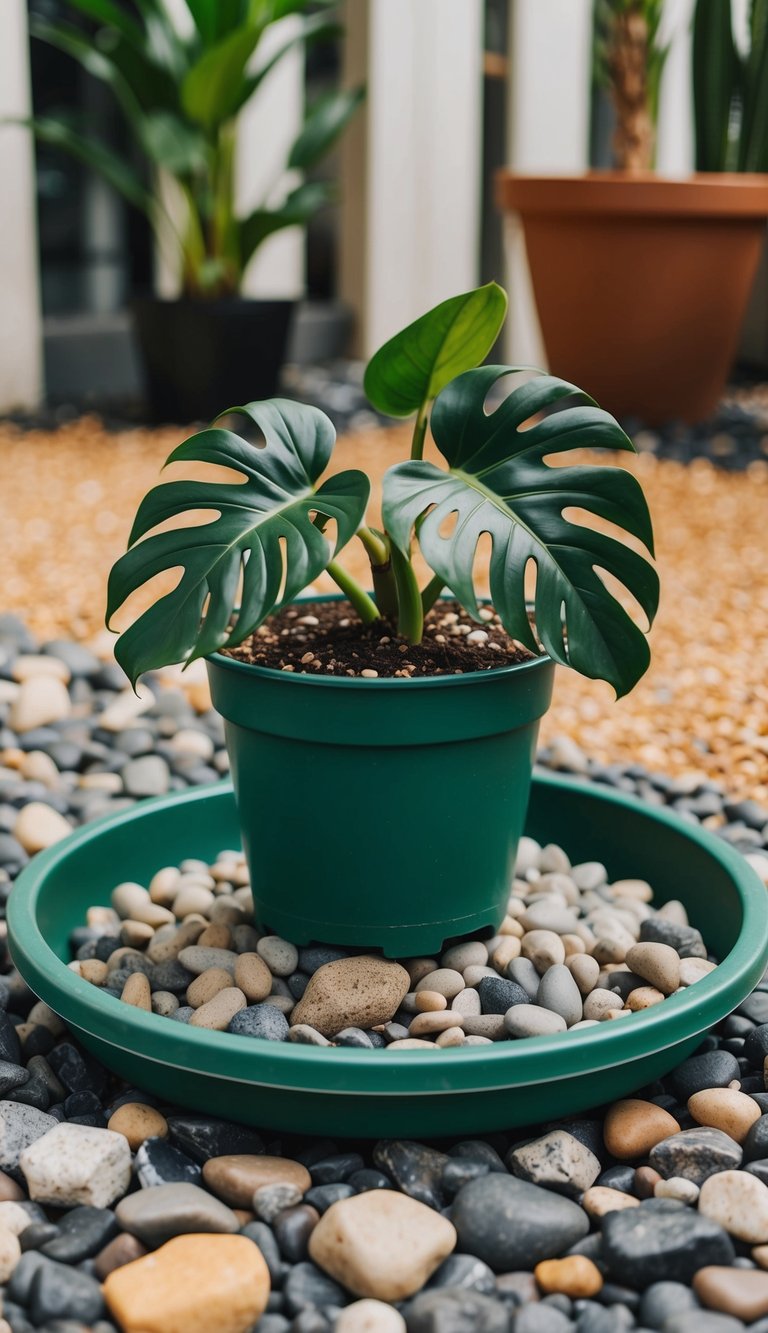
Using a pebble tray is a simple way to help a Monstera’s drainage. This method creates a humid environment while allowing excess water to escape.
To make a pebble tray, start with a shallow dish. Fill it with pebbles and then add water until it’s just below the top of the pebbles.
Place the Monstera pot on top of the pebbles. The moisture from the water will rise, adding humidity to the air around the plant. This is great for Monsteras because they love humidity!
Make sure to check the water level in the pebble tray. It should not touch the bottom of the pot. This keeps the roots from sitting in too much water, which can cause root rot.
Using a pebble tray is easy to set up and can enhance the growing conditions for a Monstera. It provides both drainage and humidity, helping the plant thrive.
Add a Layer of Gravel
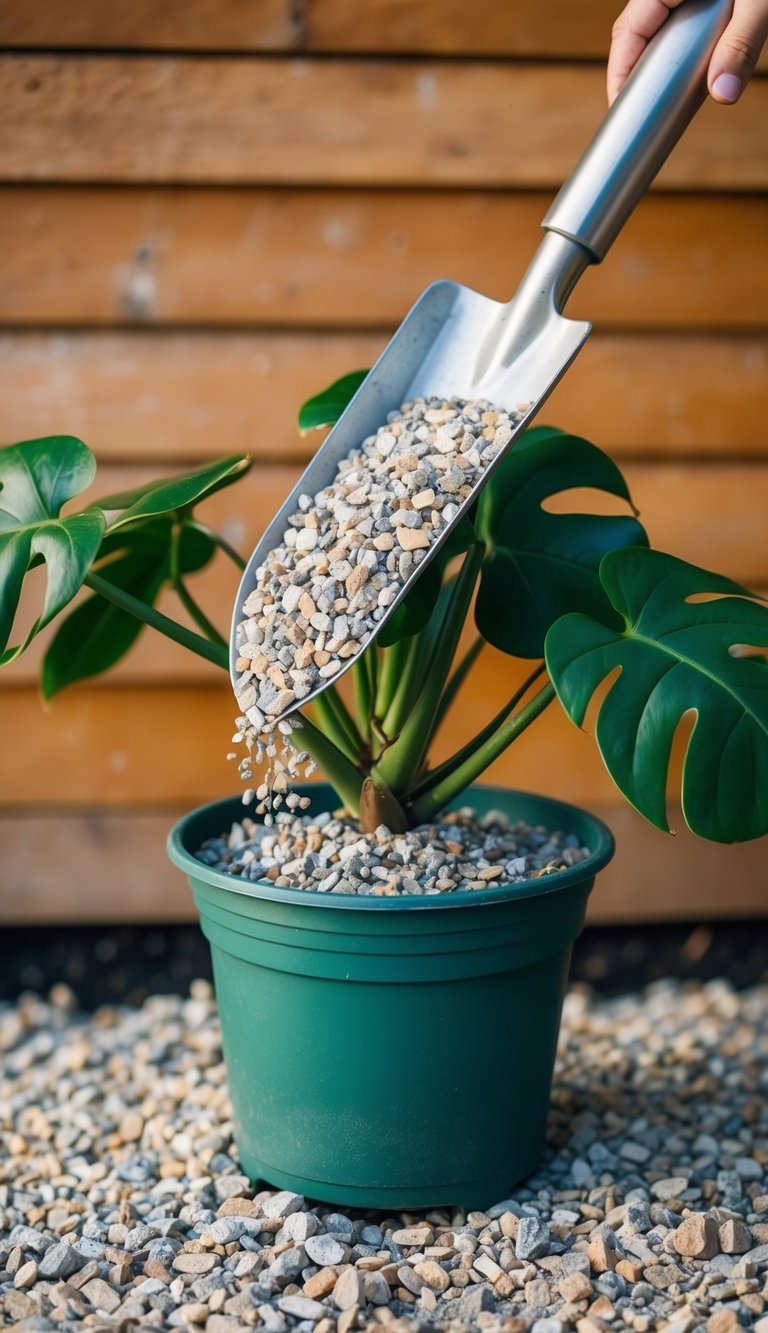
Adding a layer of gravel can be a fantastic way to improve drainage for a Monstera plant. Gravel provides a space for excess water to drain away, helping to prevent root rot.
This layer should go at the bottom of the pot. It acts like a barrier, allowing water to flow freely while keeping the soil in place. This is especially helpful when using a pot with drainage holes.
Gravel comes in various sizes, so choose one that fits well with the pot size. Smaller gravel is easier to manage, while larger stones create a more pronounced drainage layer.
When adding gravel, aim for a thickness of about one to two inches. This helps ensure that water can escape quickly.
It’s also important to check how the Monstera reacts. If the water seems to drain too fast, consider adjusting the layer. Striking the right balance is key for healthy growth.
Adding gravel not only improves drainage but can also look great. It gives the pot a clean, decorative touch. Your Monstera will benefit greatly from this simple change!
6) Install a Mosquito Dunk
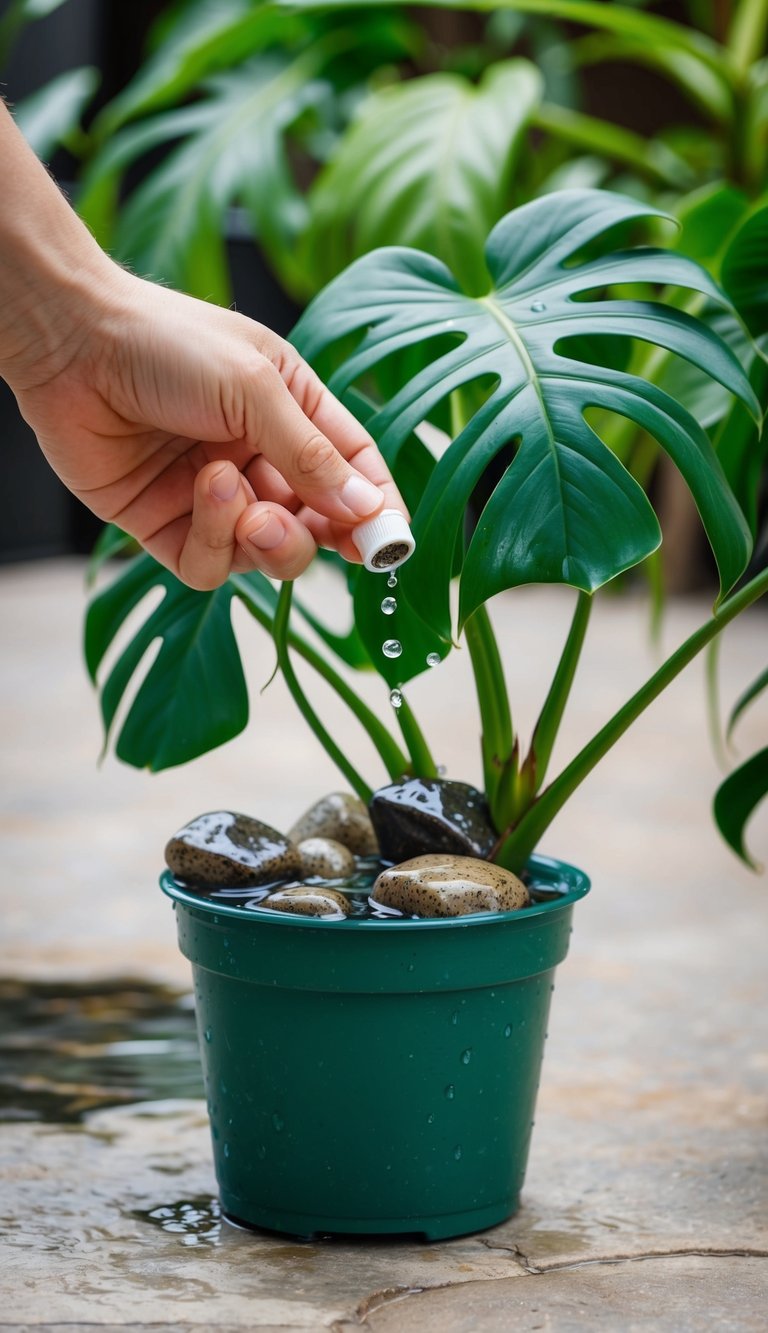
Installing a mosquito dunk can be a fun and effective way to protect a Monstera plant! These small, round tablets help keep standing water clean. They are great for preventing unwanted pests in pot drainage areas.
When water collects in the pot, it can attract mosquitoes and more bugs. A mosquito dunk contains ingredients that kill mosquito larvae. This means fewer pests around the plant!
To use a mosquito dunk, simply drop one into the standing water in the pot. It slowly releases bacteria that are safe for the plant but harmful to mosquito larvae. This keeps the plant healthy while reducing the risk of mosquitoes breeding.
It’s easy to find mosquito dunks at garden centers or online. They are a great choice for indoor plants since they help with pest control without using harmful chemicals.
With a mosquito dunk, the Monstera enjoys better drainage and a cleaner environment. It’s a simple step that can make a big difference. Keeping the plant safe allows it to thrive and grow beautifully!
7) Use Soil Moisture Meters
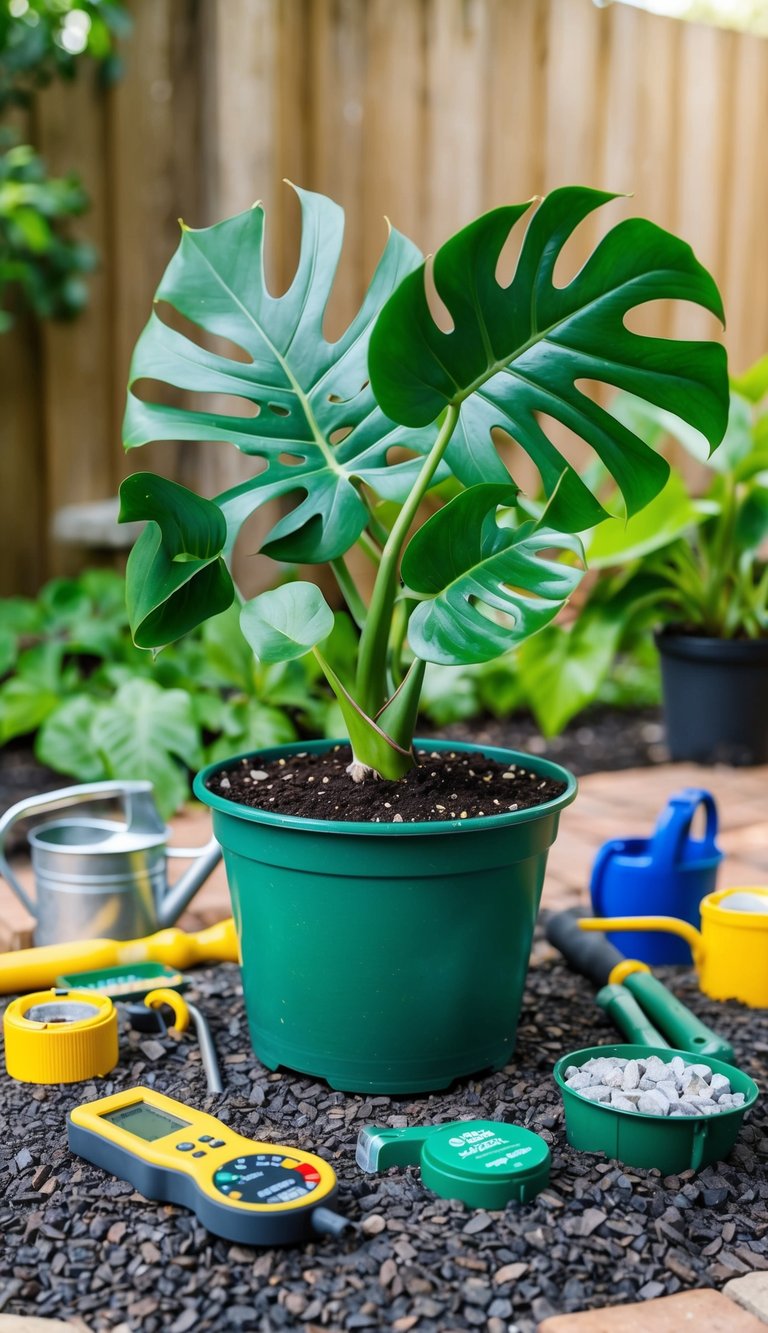
Using soil moisture meters can be a game changer for Monsteras. These handy devices help monitor the moisture level in the soil. With a quick glance, anyone can tell if their plant needs water or if it’s too wet.
Soil moisture meters are easy to use. They typically have a probe that goes into the soil. The reading shows whether the soil is dry, moist, or wet. This can help prevent overwatering, which is a common issue.
By using a moisture meter, a person can water their Monstera at the right time. This promotes healthier growth and avoids root rot. It also can extend the time between waterings, making plant care simpler.
Some meters even have a light indicator. This can further assist in knowing the best time to water. With more accurate moisture readings, anyone can keep their Monstera thriving.
Investing in a soil moisture meter is wise for any Monstera owner. It takes the guesswork out of plant care. This tool can transform how they care for their plants.
8) Incorporate Worm Castings
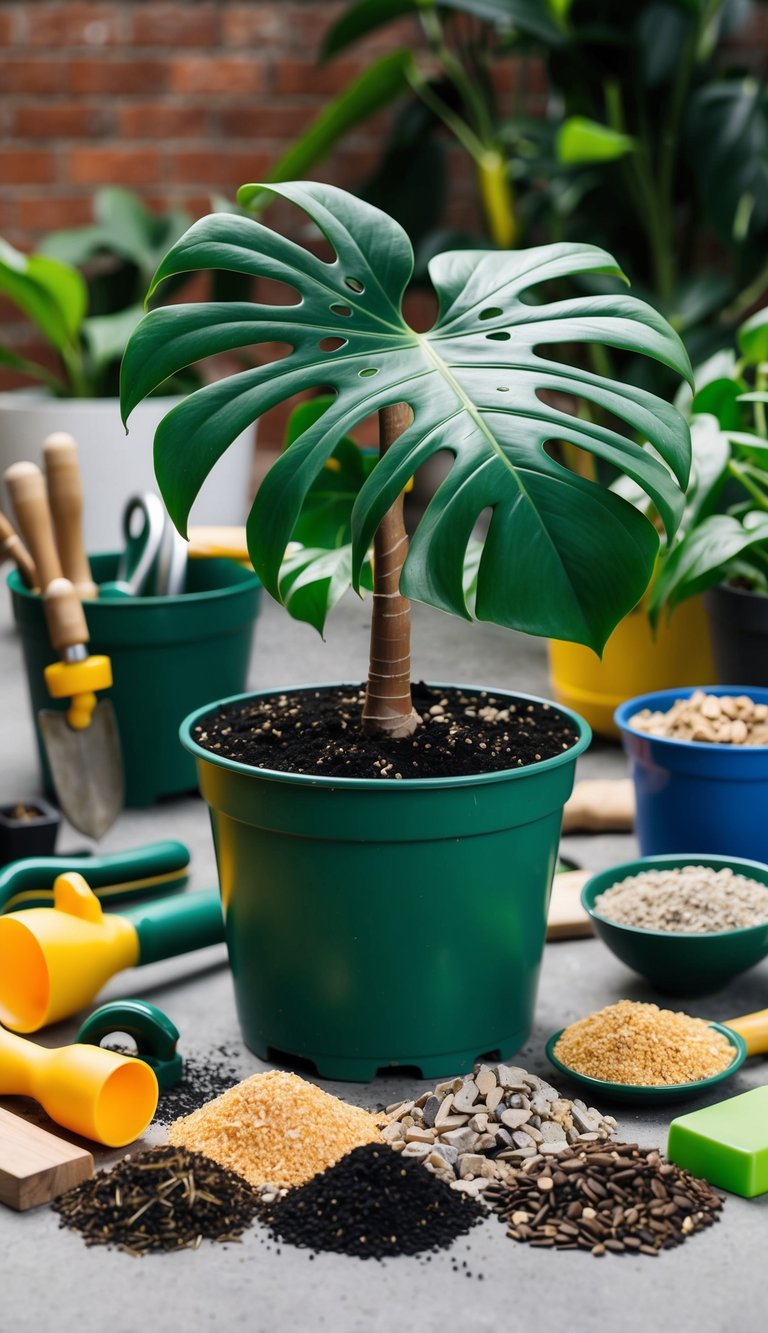
Worm castings are a fantastic way to boost drainage for Monsteras. These natural fertilizers improve soil texture, making it easier for water to flow through.
Adding worm castings can help create a well-aerated soil mix. It allows roots to breathe better and promotes healthy growth.
They also retain moisture without making the soil soggy. This balance is key for a Monstera, which should not sit in excess water.
To use worm castings, mix them into the potting soil when repotting. A small handful in each pot can make a big difference.
Using worm castings not only supports drainage but also adds nutrients. This boost helps the plant thrive and improves its overall health.
Worm castings are easy to find at garden centers or online. They are a simple, effective solution for any Monstera owner looking to improve drainage.
By incorporating these castings into the care routine, the plant can flourish. It’s a fun and rewarding addition to plant care!
9) Elevate Planter on Pot Feet
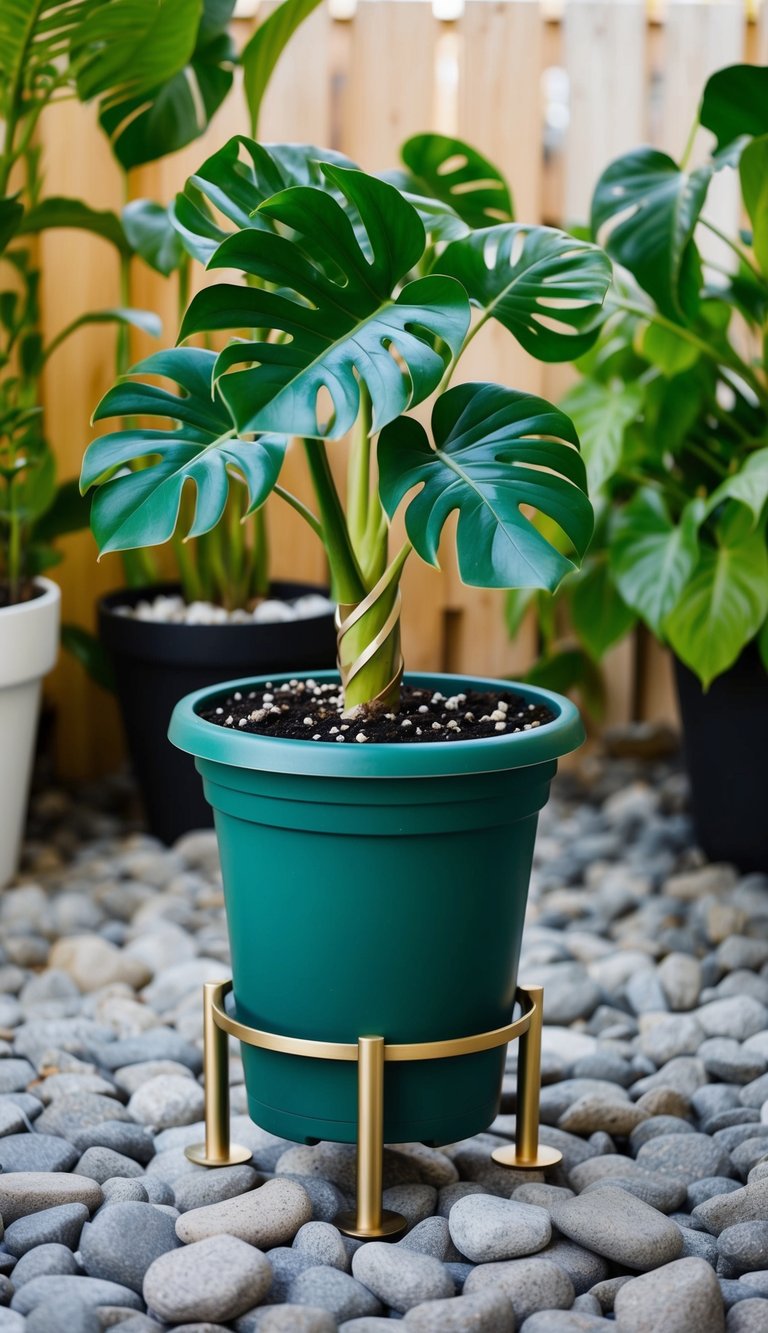
Elevating a planter using pot feet is a fantastic way to improve drainage for a Monstera. It keeps the bottom of the pot off the surface, allowing water to flow freely.
When a planter sits directly on the ground, it can trap moisture. This can lead to root rot. Pot feet create space for air and water circulation.
Available in various styles, pot feet can add charm to a planter. They can be made from wood, ceramic, or plastic. Choosing fun or decorative feet can brighten up the plant display.
Using pot feet is simple. Just place the feet under the planter, and enjoy the benefits. This extra height helps prevent the pot from sitting in excess water.
Proper drainage is key for a healthy Monstera. Elevating the planter ensures the roots get the right amount of moisture. This simple step can make a big difference in the plant’s health.
So, consider adding pot feet for that extra boost! Your Monstera will thank you with lush, vibrant growth.
10) Set Up a Self-Watering System
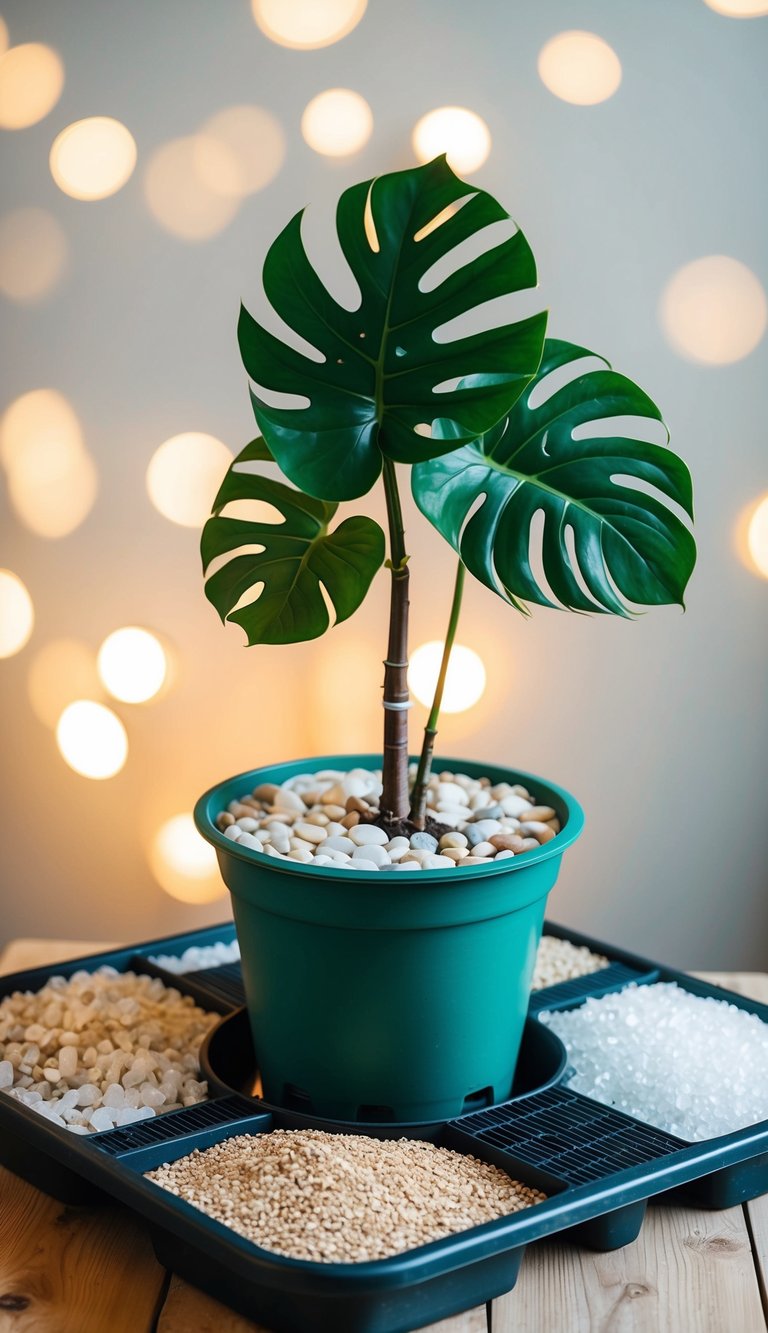
A self-watering system can be a game changer for a Monstera. This setup helps provide consistent moisture to the plant and reduces the risk of overwatering.
There are different ways to create a self-watering system. One popular method is using a reservoir pot. This type of pot has two layers, allowing water to be stored at the bottom. The plant’s roots can access the water as needed.
Another option is to use a wicking system. With this, a cotton or nylon wick is placed in the soil and submerged in water. The wick draws moisture up into the soil, keeping it damp for the Monstera.
Self-watering systems can save time and effort. They help maintain the right moisture level, especially during hot summer months when plants need more water.
It is important to check the water level in the reservoir regularly. This ensures that the plant always has access to water. A good balance will keep the Monstera happy and healthy.
Adding a self-watering system can make plant care easier. It can also lead to more robust growth and lush leaves. This is an exciting way to keep a Monstera thriving with minimal daily effort!
11) Use Grow Bags
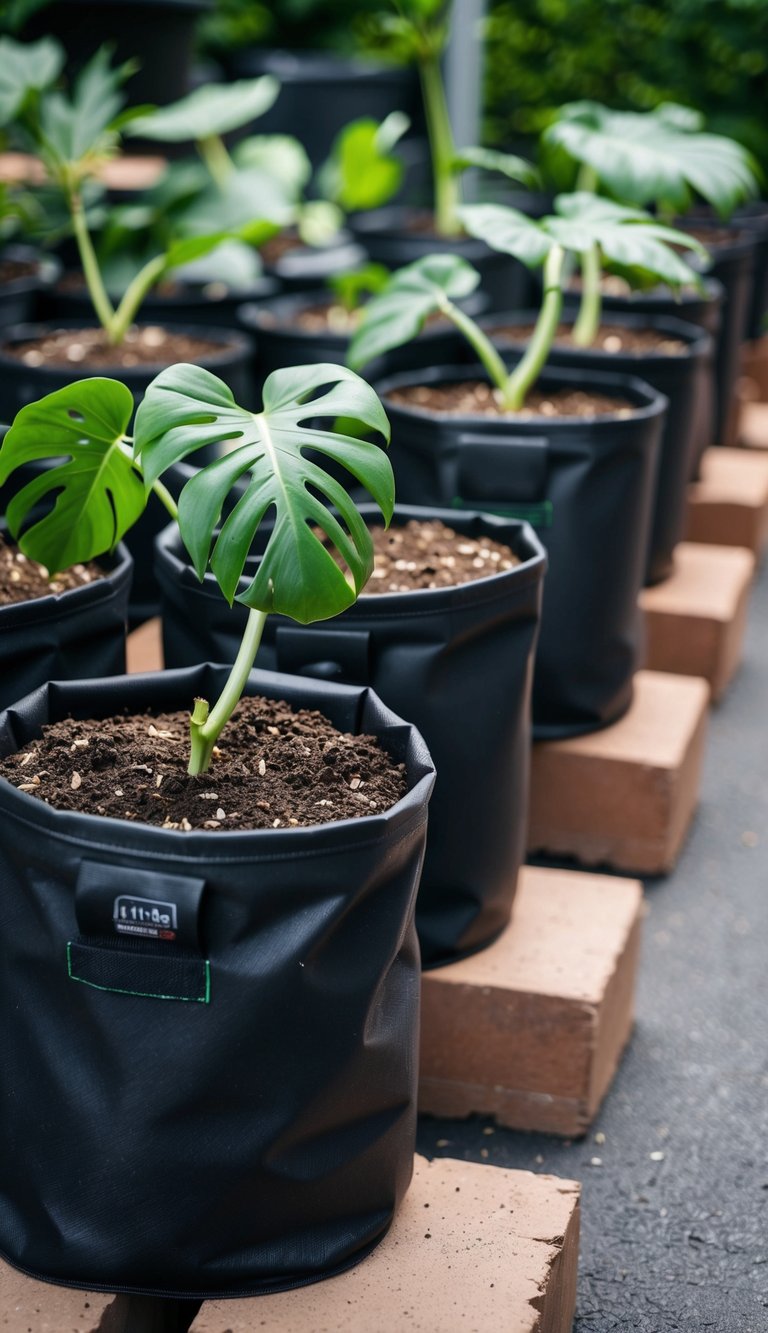
Grow bags are a fantastic option for improving drainage for a Monstera. These bags are usually made of breathable fabric that allows air to reach plant roots.
The design helps excess water to escape, reducing the risk of root rot. This is especially helpful for Monsteras, which prefer well-draining soil.
Using grow bags also gives roots more space to spread out. They can help promote healthier root systems.
Another benefit is that grow bags are lightweight and portable. This makes it easy to move the plant around for sun or shade.
Plus, they come in various sizes, so finding the right one for your Monstera is simple. With grow bags, you can create the perfect environment for thriving plants.
Regularly check the soil moisture in grow bags. This helps ensure the plant receives the right amount of water.
Monsteras will thrive in the right conditions, and grow bags make this easier! Choosing grow bags can lead to happier, healthier foliage and roots.
Why Proper Drainage Matters
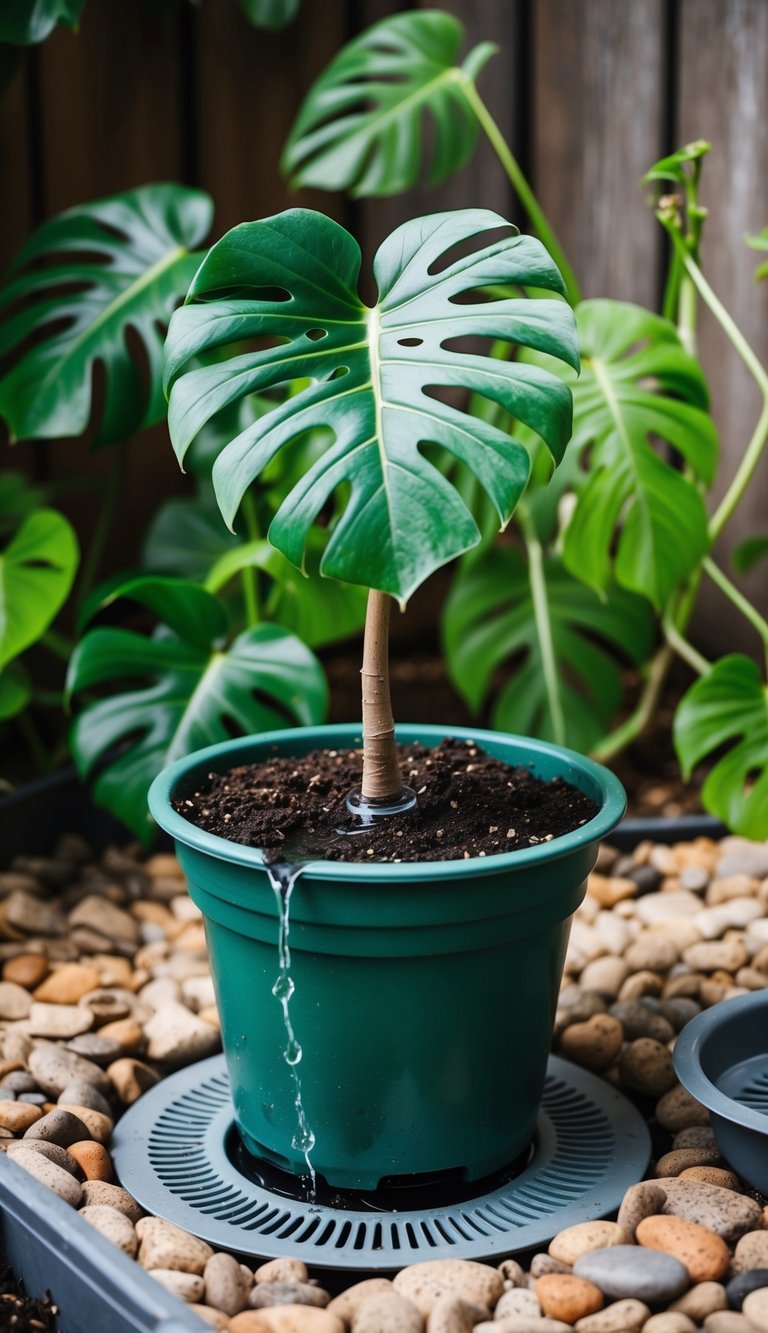
Proper drainage is essential for a healthy Monstera plant. It prevents issues like root rot and promotes overall growth. Understanding these benefits helps in providing the best care for these tropical beauties.
Preventing Root Rot
Root rot is a common problem for Monsteras. It occurs when the roots sit in water for too long. This leads to soil that stays wet, creating a perfect environment for harmful fungi.
To fight root rot, aim for well-drained soil. Use a mix that includes perlite or coconut coir. These materials help excess water escape.
Signs of root rot include yellowing leaves and a mushy root system. These are signals to act quickly. By ensuring good drainage, the risk of root rot decreases significantly. Healthy roots lead to a vibrant plant!
Healthy Growth Benefits
With proper drainage, Monsteras can thrive. When water drains well, the roots receive oxygen easily. This oxygen is essential for the plant’s overall health.
Additionally, when soil is not overly saturated, nutrients are absorbed more effectively. This leads to stronger growth patterns.
A well-drained pot encourages larger leaves and richer color. Monsteras can grow taller and bushier with proper moisture control.
In summary, maintaining good drainage is key. It supports the plant’s growth and keeps it looking its best. Happy plants make for happy owners!
Soil Choices for Optimal Drainage
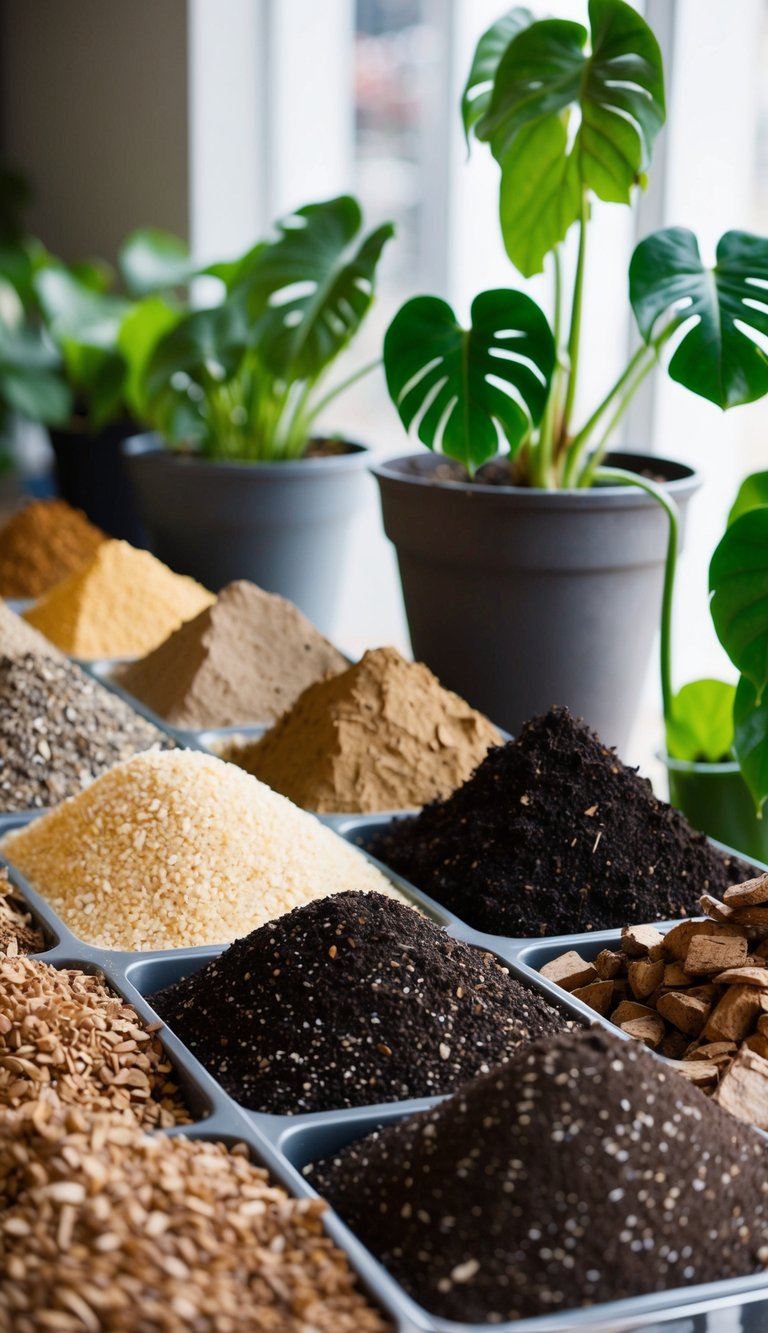
Selecting the right soil is key to ensuring that a Monstera thrives. The right mix helps water flow freely while providing nutrients. This section covers essential soil characteristics and the role of organic matter.
Characteristics of Well-Draining Soil
Well-draining soil allows excess water to escape easily. This prevents root rot, a common issue for Monsteras. Key features of this type of soil include:
- Texture: A sandy or coarse texture is ideal. It helps moisture move through quickly.
- Aeration: Soil needs air pockets that support root growth. This ensures roots receive oxygen.
- pH Level: A slightly acidic pH between 6.0 and 7.0 works best for Monsteras.
Mixing soil types can improve drainage. Combining potting soil with perlite or coconut coir enhances both drainage and aeration. This blend keeps roots healthy and supports growth.
Importance of Organic Matter
Organic matter plays a crucial role in soil health. It improves nutrients and retains moisture without becoming waterlogged.
- Nutritional Boost: Organic materials like compost provide essential nutrients that benefit Monsteras.
- Moisture Retention: While it helps with drainage, organic matter can also hold moisture for dry spells.
- Soil Structure: It helps create a loose soil structure that enhances aeration.
Adding organic matter is simple. One can mix compost into the potting soil to enhance its properties. This creates a balanced environment for your Monstera to grow and flourish.
Container Considerations
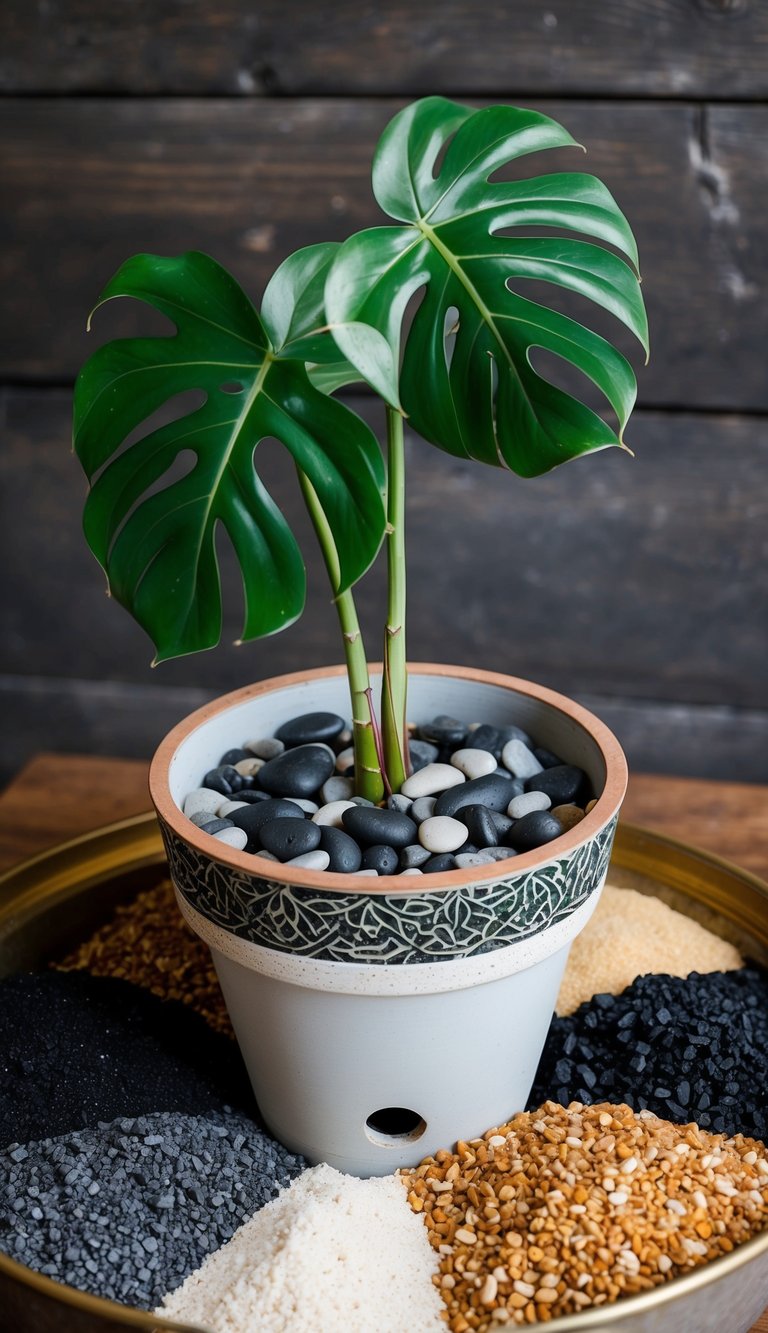
Choosing the right container is key for a thriving Monstera. Drainage is crucial, and the container must support this.
1. Material Matters
Containers come in several materials. Each affects drainage differently:
- Plastic: Lightweight and holds moisture well.
- Terracotta: Excellent for airflow and drainage.
- Ceramic: Good for aesthetics but can retain more water.
2. Size Matters
A larger container allows for growth. It should be big enough to accommodate the roots without overcrowding.
3. Drainage Holes
Always select a pot with drainage holes. This helps excess water escape, preventing root rot.
4. Pot Feet or Trays
Using pot feet can improve drainage further. They lift the pot off the ground, allowing water to flow freely.
5. Elevate the Pot
Placing the pot on small supports can promote airflow. This helps the soil dry out faster after watering.
6. Consider Your Space
He or she should think about the space the plant will occupy. A decorative pot can enhance a room while being functional.
Finding the right container can boost the health of a Monstera. With the right choice, it can flourish beautifully!