Monstera plants are beloved for their stunning leaves and unique shapes. Many people enjoy keeping them in their homes as indoor greenery. Protecting these plants from cold damage is crucial to keeping them healthy and vibrant.
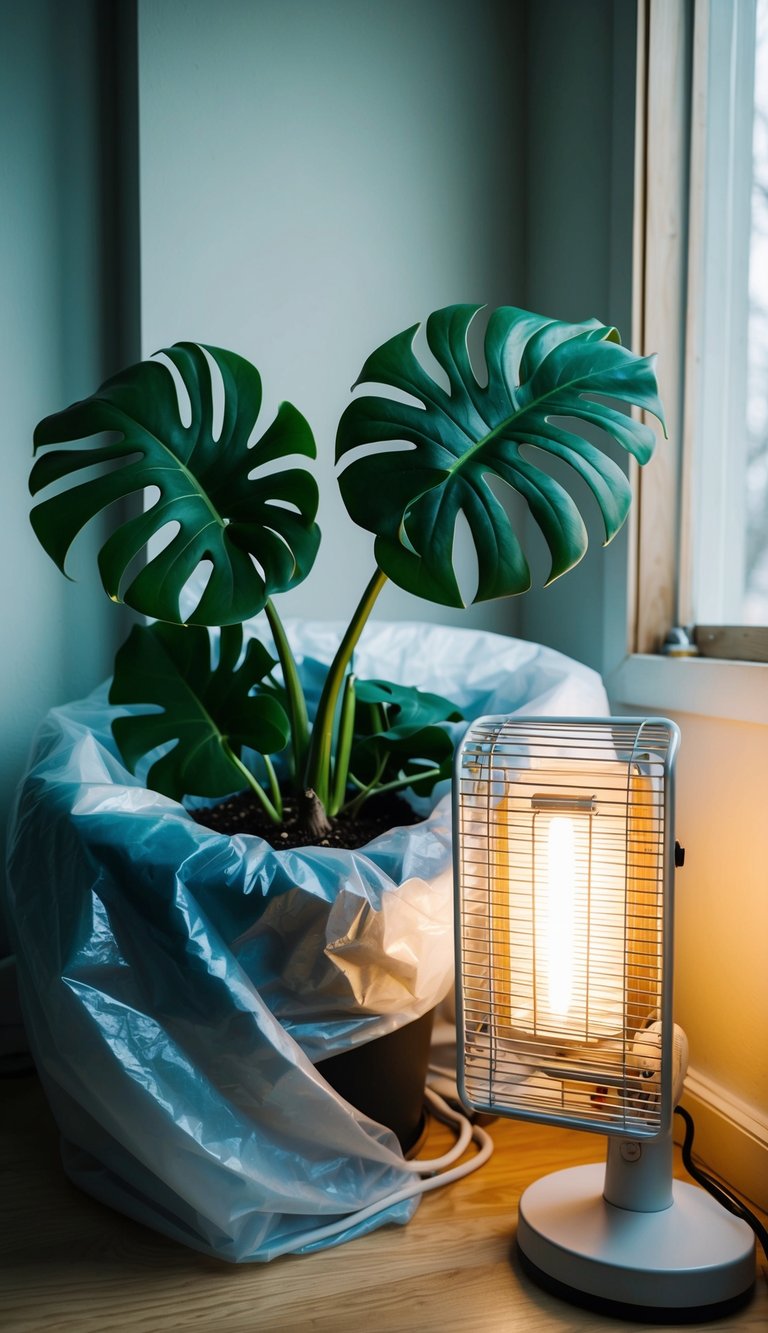
As the seasons change, owners need to be aware of the potential threats that cold temperatures can pose. With just a few simple steps, anyone can ensure their monstera stays safe and thrives through chilly weather.
1) Move Indoors
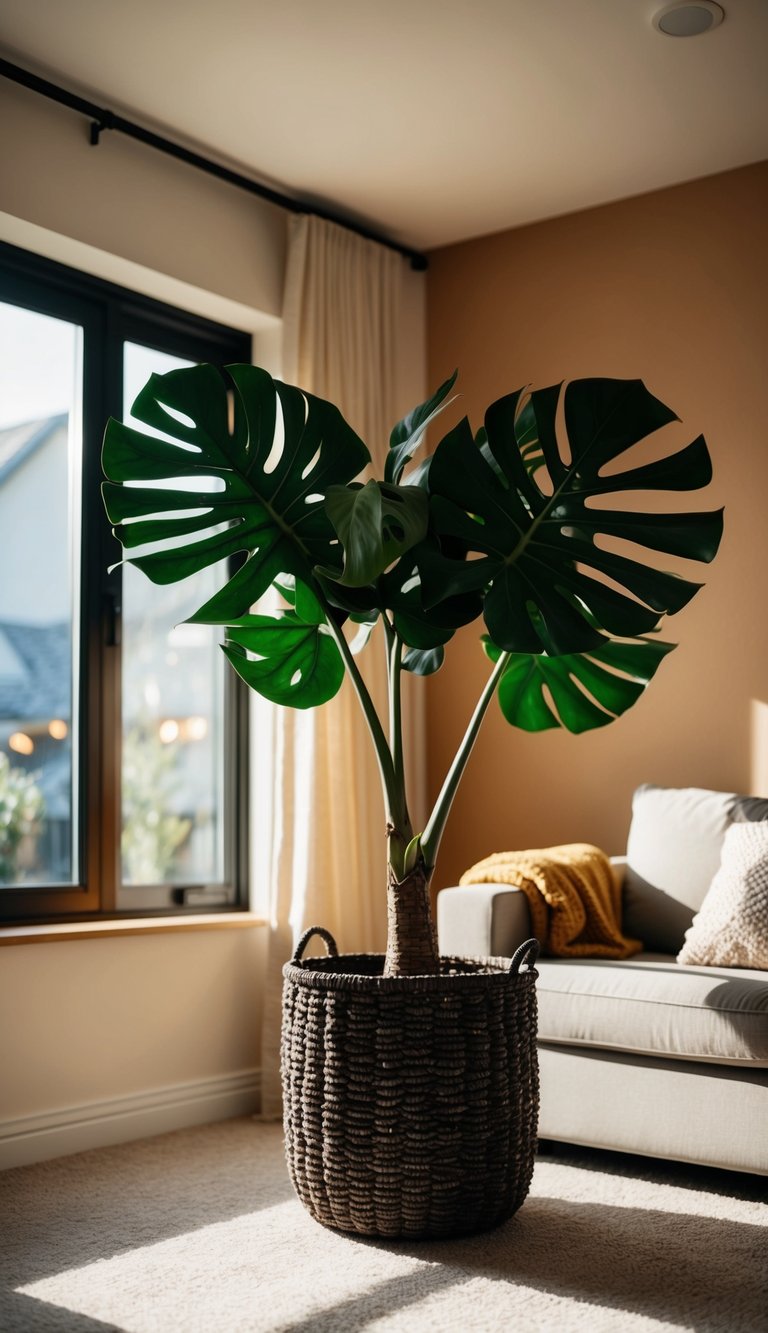
When the temperature drops, bringing a Monstera indoors is a smart move! These plants thrive in warm, humid environments. Cold air can damage their beautiful leaves and slow their growth.
Finding a bright spot inside is key. A south-facing window is perfect because it gets the most sunlight. This helps the Monstera stay healthy during chilly days.
Keep an eye on the temperature. They prefer warmth, ideally between 65°F and 85°F. If the indoor air is dry, consider using a humidifier or a pebble tray with water.
Check for drafts near windows or doors. Monsteras don’t like cold breezes. Position your plant away from these areas to protect it.
Moving the plant indoors not only saves it from cold damage but also allows for a fun change in décor. A Monstera can bring a touch of the tropics to any room!
Regularly monitor your indoor plant. Look for signs of stress, like yellowing leaves. Adjusting care as needed will keep the Monstera thriving all year round.
With the right care indoors, a Monstera can continue to show off its stunning foliage, making any space feel vibrant and alive!
Use Frost Cloth
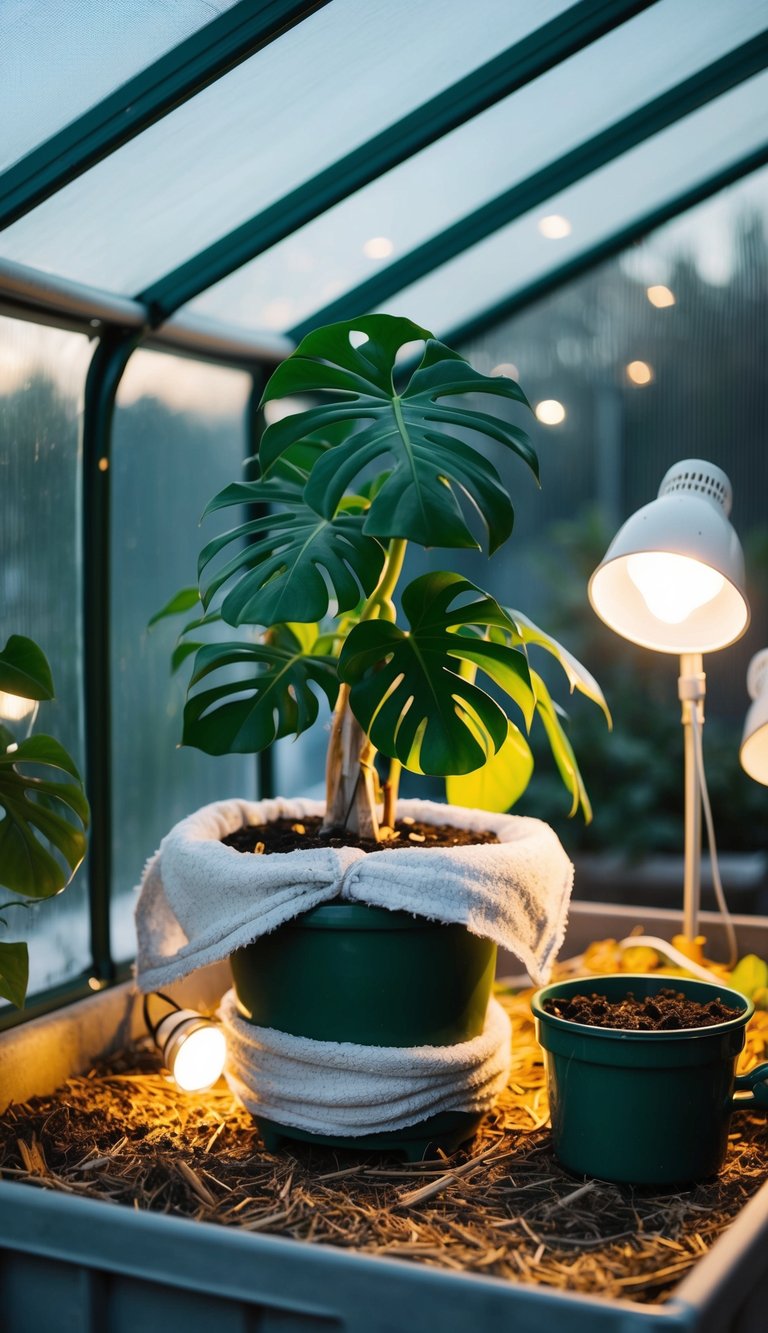
Frost cloth is a great way to protect a Monstera from cold damage. This lightweight fabric allows air and moisture to pass through while blocking out frost.
When temperatures drop, covering the plant with frost cloth can help keep it warm. It acts as a barrier against harsh weather conditions.
Using frost cloth is simple and effective. She can place it over the plant in the evening when temperatures start to cool.
In the morning, the cloth can be removed once the temperature rises. This routine can help keep the Monstera safe during chilly nights.
Frost cloth is available at most garden centers and online. It comes in various sizes, making it easy to find one that fits.
This material is not only useful in winter but can also shield against sudden temperature shocks in early spring or late fall.
With a little extra care, using frost cloth can help keep the Monstera healthy and thriving during cold spells. It’s a smart choice for any plant lover!
3) Add Mulch
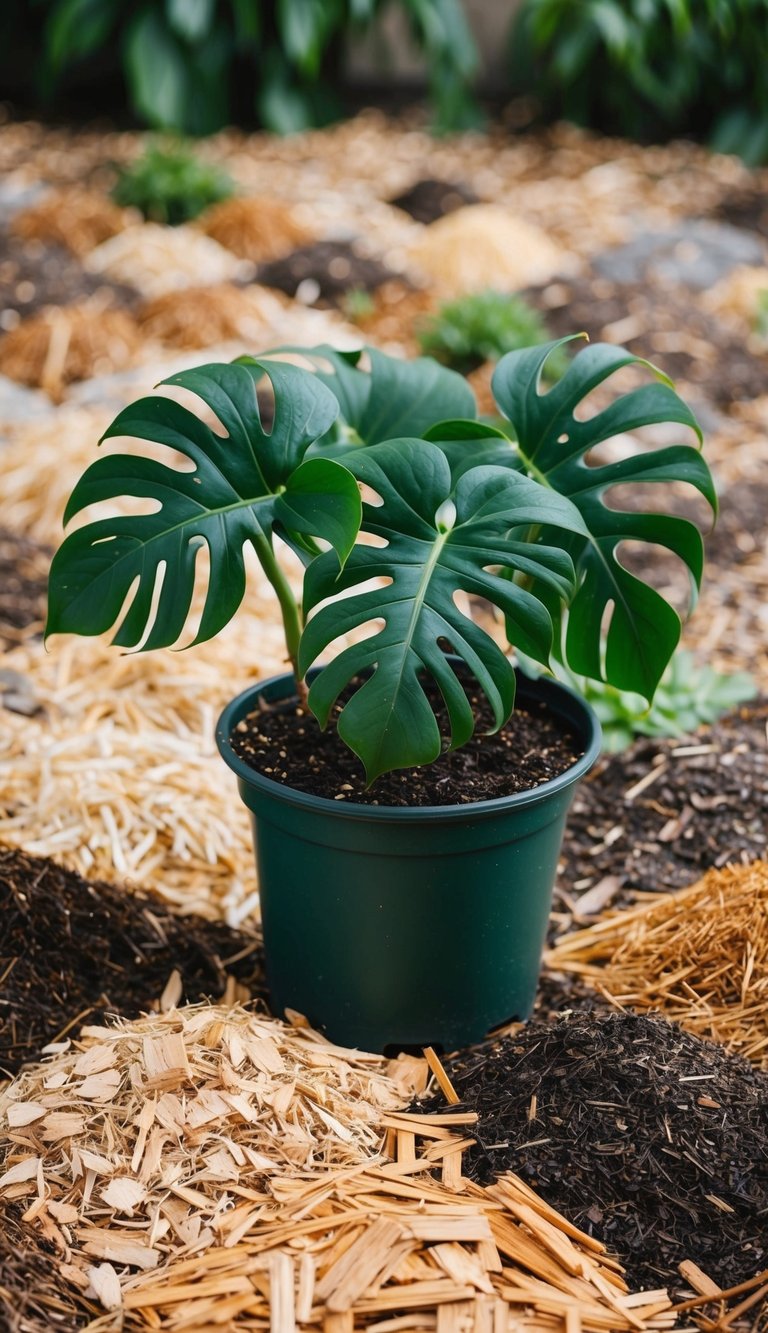
Adding mulch around a Monstera plant can be a fantastic way to protect it from cold damage. Mulch helps insulate the soil, keeping it warmer during chilly days.
Organic materials like wood chips, straw, or shredded leaves work best. They not only keep the soil temperature stable but also retain moisture. This is great for the plant’s health!
A layer of two to four inches is ideal. It prevents temperature fluctuations that can stress the plant. Plus, mulch reduces weeds, giving the Monstera more space to grow.
Applying mulch is simple. First, clear away any old mulch or debris. Then, spread the new mulch evenly around the base of the plant, staying a few inches away from the stem.
This method is easy and effective. With the right mulch, Monsters can thrive even in cooler weather!
4) Install a Greenhouse
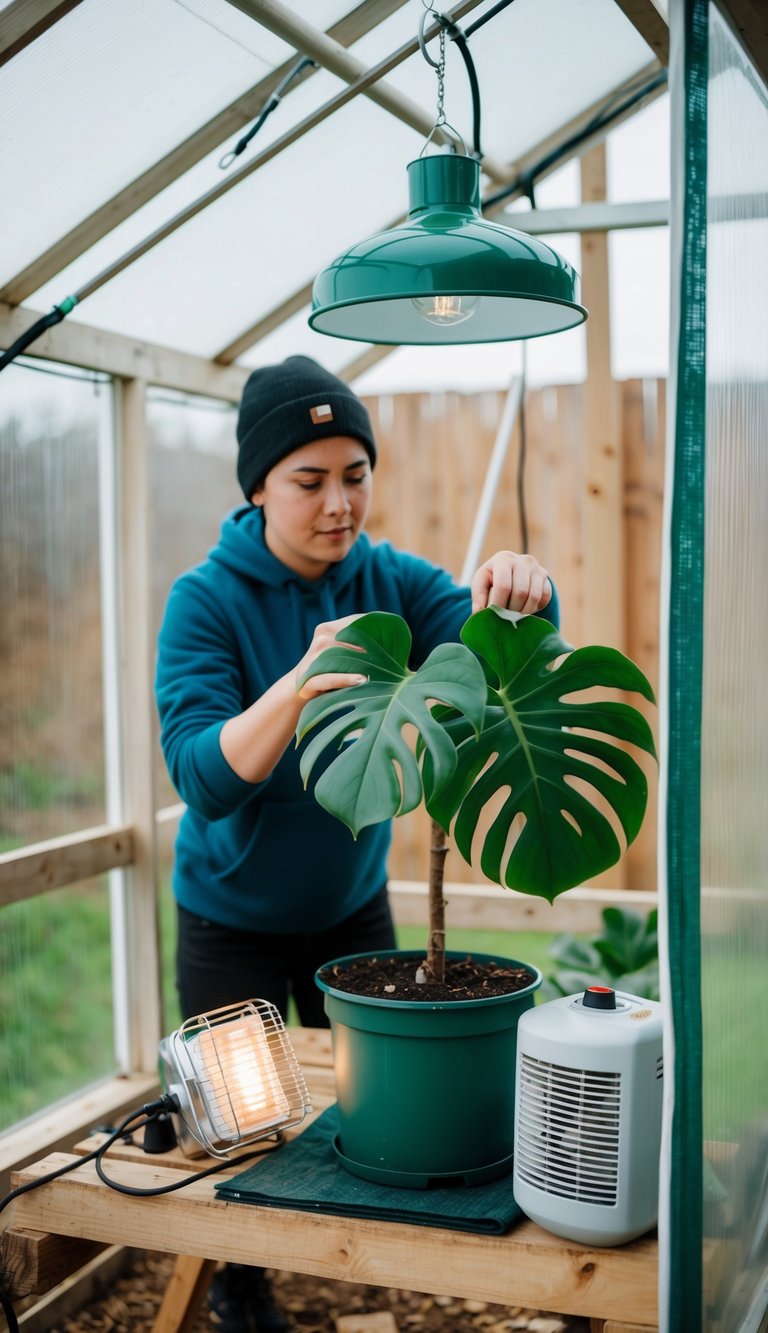
Installing a greenhouse can bring a lot of joy. It creates a warm and safe space for a Monstera to thrive. This is especially helpful during cold months.
Greenhouses provide shelter from harsh winter weather. They keep temperatures stable and protect plants from frost. With the right setup, a Monstera can be cozy and happy.
Choosing the right greenhouse is important. It can be a small hobby greenhouse or a larger one, depending on space. Clear panels help sunlight reach the plants while keeping heat in.
Adding heating options can make a greenhouse even better. Heaters can maintain warm temperatures on chilly nights. This is great for keeping a Monstera healthy and thriving.
It’s also fun to personalize a greenhouse. Adding shelves for pots and decorations can create a charming place. Each detail can make caring for the Monstera even more enjoyable.
A greenhouse allows for growth and experimentation too. It can become a place to learn about different plants while protecting the Monstera. The possibilities are exciting!
For anyone with a Monstera, a greenhouse is a fantastic choice. It protects against cold damage and offers a special environment. They can enjoy watching their plants flourish throughout the seasons.
5) Use Heat Lamps
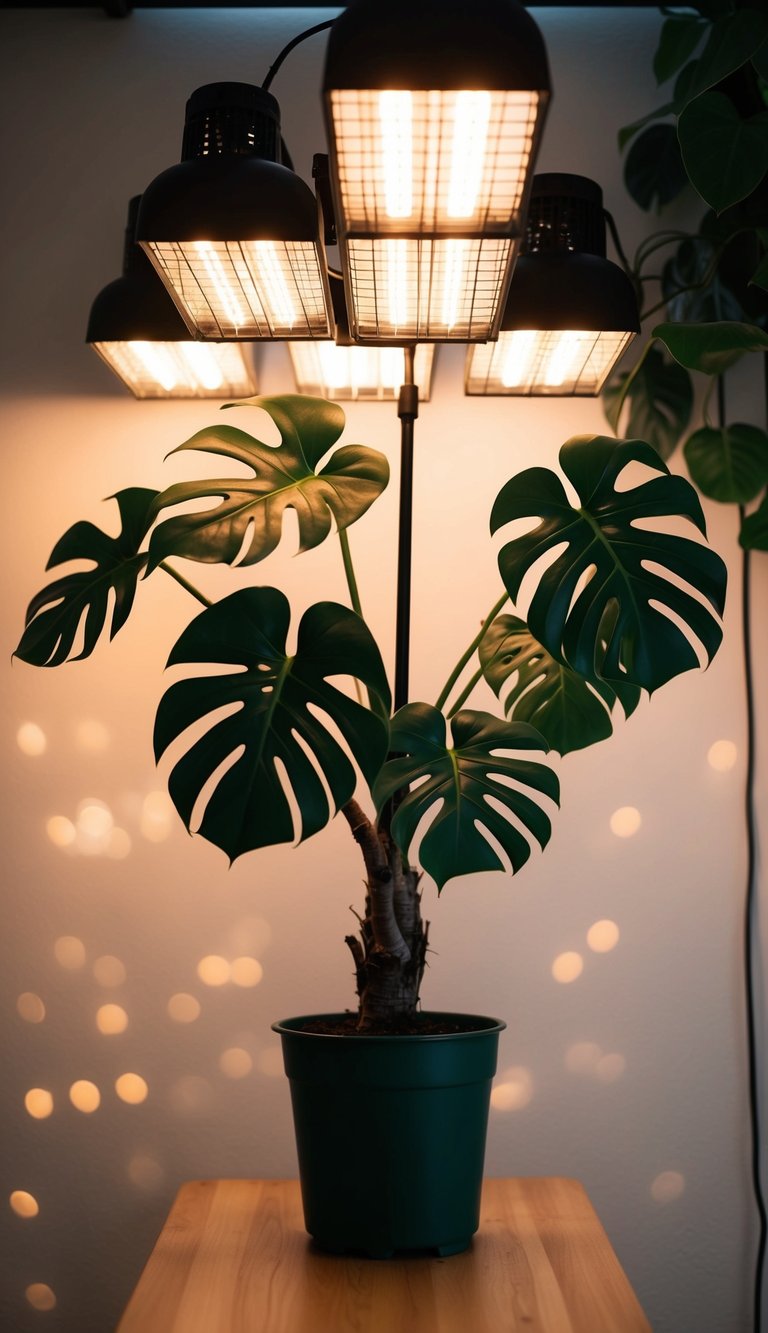
Heat lamps can be a great way to protect a Monstera from cold damage. They provide warmth and can create a cozy environment for the plant.
Setting up a heat lamp near the Monstera is easy. It is important to keep the lamp at a safe distance to avoid burning the leaves.
Heat lamps can help maintain a consistent temperature. This helps the plant stay healthy and vibrant, even in cooler weather.
Using a timer for the heat lamp can ensure it runs for the right amount of time. This way, the Monstera gets warmth without overheating.
He or she should monitor the plant regularly. Checking for signs of stress or damage will help keep it safe.
In addition, heat lamps are helpful for areas that lack natural sunlight. They can support healthy growth while offering warmth.
When using heat lamps, remember to provide proper airflow. This helps prevent moisture buildup which can lead to other issues.
With careful use, a heat lamp can be a fun way to help a Monstera thrive during chilly months. It’s an exciting tool for any plant lover!
6) Place Near Window
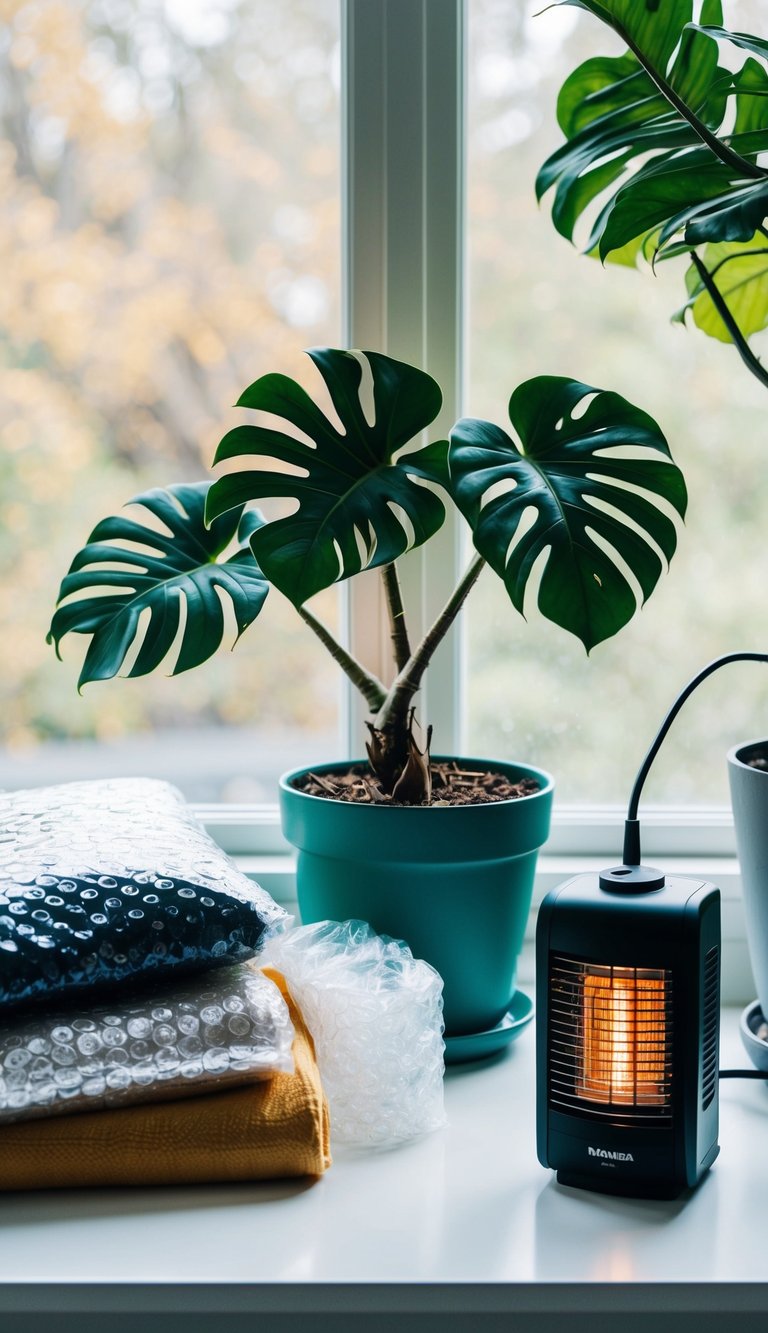
Placing a Monstera near a window can help protect it from cold damage. Natural light is essential for its growth. A sunny spot makes the plant stronger and more resilient.
When positioning, choose a window that faces south or west. These windows get the most sunlight throughout the day. This warmth can help keep the temperature up.
It’s important to avoid cold drafts. Make sure the window is fully sealed when it’s chilly outside. Drafts can harm the plant and cause stress.
If the window gets too cold at night, consider moving the plant indoors. A cozy spot away from chilly air can make a big difference.
Using sheer curtains can help filter intense light while keeping warmth inside. This way, the Monstera can enjoy brightness without overheating or getting too cold.
Always check the temperature near the window. A thermometer can help track warmth levels. The plant will thrive best in a stable environment.
With the right spot by the window, the Monstera will look vibrant. It can flourish through the colder months with a little help.
7) Avoid Cold Drafts
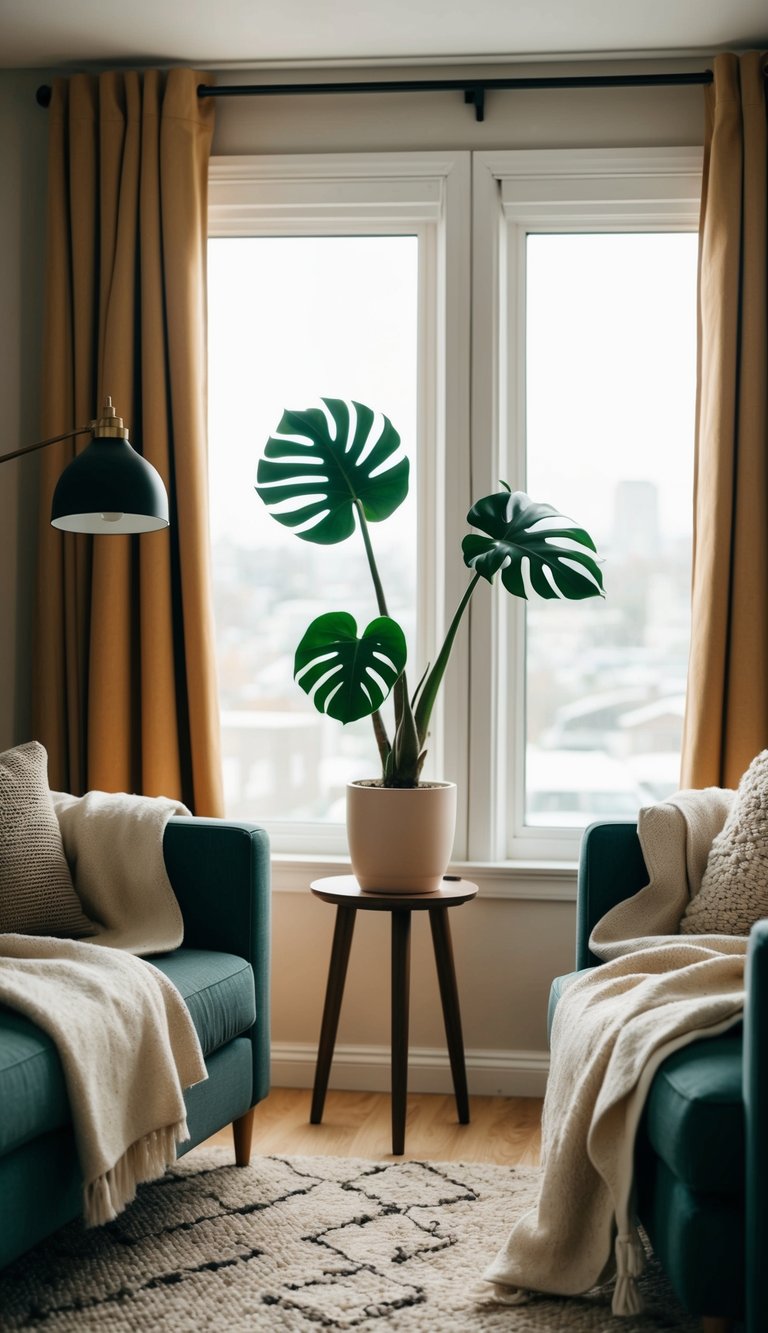
Cold drafts can really harm a Monstera. These plants love warm, stable temperatures. A sudden chill can cause stress, leading to damage.
It’s important to be mindful of where the Monstera is placed. Avoid areas near open windows or doors. She should stay clear of vents that blow cold air.
If there are areas in the home that are drafty, try to block them. Using curtains or window film can help keep the warmth in. An insulated home makes for a happy plant!
Checking weather forecasts is also wise. If a cold front is expected, it may be best to move the plant to a warmer spot. Ensuring it has a cozy environment keeps it safe from the cold.
Even small changes can make a big difference. Keeping the Monstera away from cold drafts will help it thrive. A little extra care goes a long way!
8) Water Sparingly
When the temperature drops, watering becomes very important. Cold weather can slow down a plant’s growth, and too much water can lead to root rot. It’s best to check the soil before watering.
They should wait until the top inch of the soil feels dry. This helps avoid overwatering. Monstera plants like to be moist but not soggy.
In the colder months, a plant will need less water. The lower light and cooler temperatures mean they won’t use as much moisture. Adjusting the watering schedule helps keep the plant healthy.
Using room temperature water can also be a great idea. Cold water can shock the plant’s roots, especially when it’s already stressed from the cold. Warm water helps keep the roots comfortable.
Always use a pot with drainage holes. This allows excess water to escape. It helps prevent water from sitting at the bottom, which can cause issues.
Checking the leaves can also give clues. If they start to turn yellow, that might mean the plant is getting too much water.
By watering sparingly, the Monstera can thrive even in chilly conditions.
Add a Humidifier
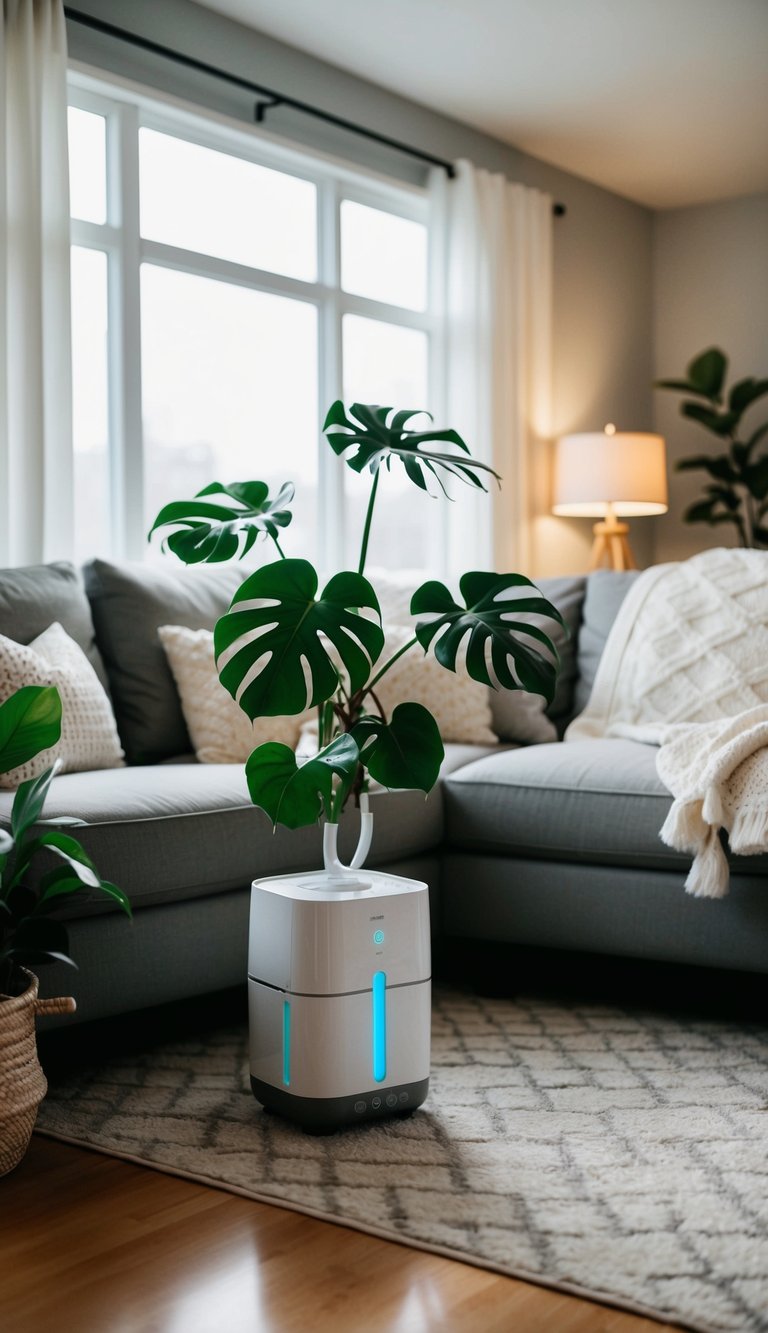
Adding a humidifier is a great way to protect a Monstera from cold damage. These plants thrive in humidity, and a humidifier creates a warm, moist environment.
Dry air can stress the Monstera, especially in colder months. A humidifier helps maintain the right level of moisture, which supports healthy growth.
When choosing a humidifier, it’s good to find one that fits the space. A small one works well for a single room. For larger areas, a bigger model is better.
Placing the humidifier near the plant gives it the most benefit. This ensures the Monstera gets the moisture it needs to stay strong and resilient.
It’s key to keep an eye on the humidity levels. Ideally, they should be between 40-60%. Using a hygrometer can help measure this.
Regularly cleaning the humidifier is important too. A clean humidifier will deliver fresh moisture and prevent mold or bacteria from growing.
By adding a humidifier, one can create a cozy atmosphere that helps protect the Monstera from damage during cold weather. Staying proactive with humidity can lead to happier, healthier plants.
10) Insulate the Pot
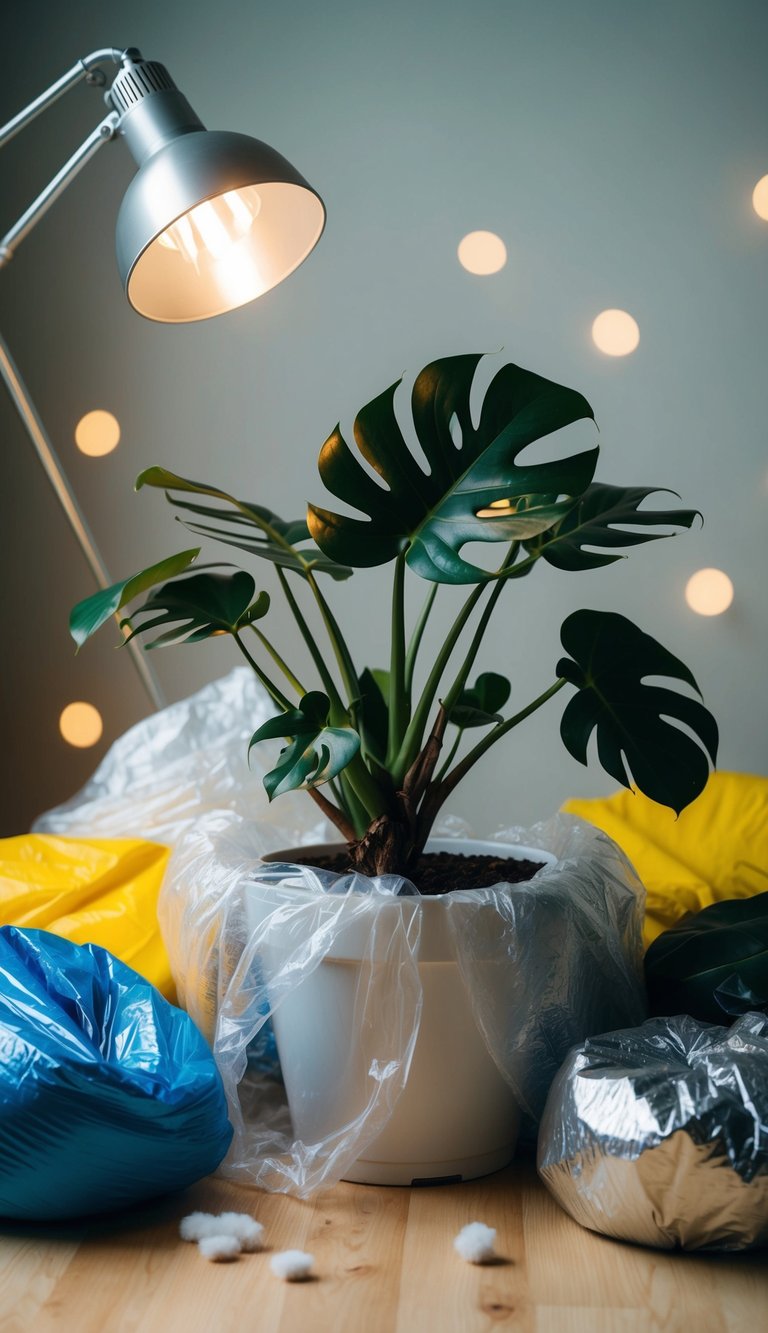
Insulating the pot is a great way to protect a Monstera from cold damage. A pot can lose heat, especially during chilly nights.
There are different methods to insulate. One common choice is to use bubble wrap. Wrapping the pot in bubble wrap helps keep the heat in.
Another option is to use old blankets or quilts. Placing these around the pot offers extra protection from cold air. This is especially helpful for outdoor plants.
Choosing the right pot can also help. Some pots are made with materials that retain heat better than others. It’s good to find a pot that combines style and insulation.
Using foam sheets is also effective. They can be cut to fit around the pot, providing a snug layer of warmth. This not only protects the plant but looks nice, too!
When it’s really cold, moving the pot to a sheltered spot is smart. A garage or porch can be warmer and protect from the wind.
Insulating the pot is a simple step. With a little effort, the Monstera can stay cozy and healthy during the colder months!
11) Add Pebble Trays

Adding pebble trays is a fun and simple way to help a Monstera thrive in cool conditions. These trays can increase humidity around the plant. This is important since cold air can dry out the plant.
To create a pebble tray, start with a shallow dish. Fill it with small pebbles, leaving some space at the top. Next, add water until it just covers the pebbles. The water will evaporate, adding moisture to the air.
Placing the Monstera pot on the pebble tray helps it stay warm and cozy. It also prevents the roots from sitting in water. This allows for good drainage while keeping humidity levels high.
Make sure to check the water level regularly. Refill it as needed to keep the humidity consistent. A little effort goes a long way in protecting the Monstera from cold damage.
Pebble trays can also be a stylish addition to home decor. They can be placed on tables, shelves, or windowsills. Adding a touch of nature makes the space feel warm and inviting. Your Monstera will love the extra care!
Understanding Monstera’s Susceptibility to Cold
Monstera plants thrive in warm environments. Knowing their temperature needs helps keep them healthy. Protecting them from cold damage is important for their growth and survival.
Optimal Temperature Range
Monstera plants prefer temperatures between 65°F and 85°F (18°C and 29°C). They can tolerate brief drops to 60°F (15.5°C) but should not stay in these conditions for long. Exposure to temperatures below this can begin to stress the plant.
When temperatures drop below 50°F (10°C), it can lead to serious issues. Leaves may start to wilt or develop brown spots. Keeping the environment stable helps ensure vibrant, healthy foliage. It’s best to place them indoors during colder months.
How Cold Affects Monstera Plants
Cold can hurt Monstera in several ways. First, root damage is a risk if the soil gets too cold. Chilling roots can slow down growth and lead to rot. Plants in cold drafts or near windows may experience this issue.
Next, leaf damage also occurs. Cold stress can cause leaves to yellow and drop. If the temperature drops too much, the plant may stop growing altogether. Signs of cold damage are often noticeable, so keeping an eye on the plant is essential.
Protecting Monstera from chilly conditions ensures that they remain healthy and beautiful. Providing the right temperature allows them to thrive!
Winterizing Your Monstera
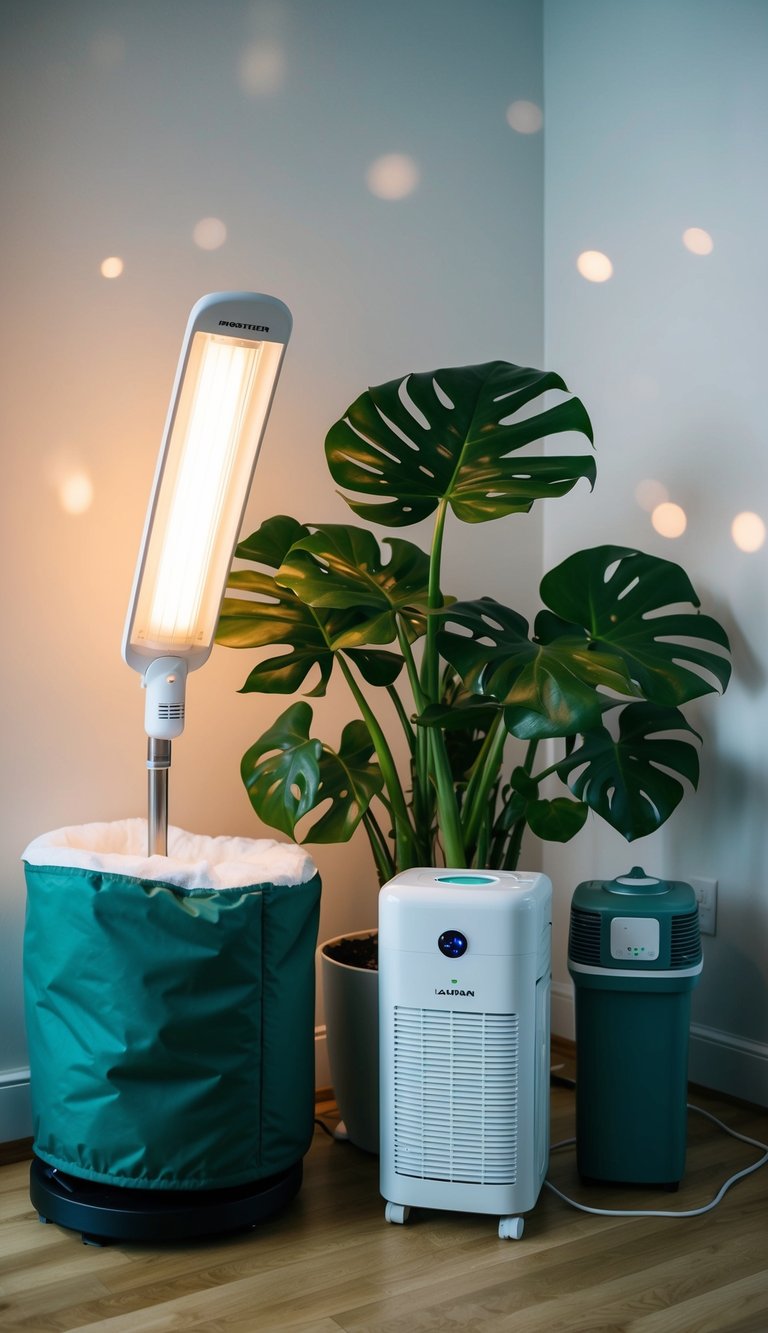
Keeping a Monstera healthy during winter is crucial. Proper placement, lighting, and watering can help this plant thrive even in cold months. Here are specific tips to protect your Monstera from cold damage.
Indoor Placement Tips
Positioning is key for a happy Monstera in winter. It loves bright, indirect light, so place it near windows that get plenty of natural sunlight. Avoid placing it directly next to chilly drafts from windows or doors.
Consider using thermal curtains to keep out cold air during the night. If the room is particularly cold, moving the plant away from windows can help maintain warmth.
Also, remember to rotate your Monstera every few weeks. This allows all sides to receive equal light, promoting balanced growth and minimizing potential cold stress.
Using Grow Lights
If natural light is lacking, grow lights are a fantastic option! They mimic sunlight and help keep the Monstera energized during darker months.
Aim for about 10-12 hours of light each day. Place the grow light 12-24 inches above the plant. Adjust the height as your Monstera grows.
Choose full-spectrum LED lights as they conserve energy while providing the necessary wavelengths. Not only will this keep your Monstera strong, but it will also enhance its beautiful foliage.
Proper Watering During Winter
Watering habits change in winter. The soil may dry out more slowly due to reduced light and cooler temperatures.
To prevent overwatering, check the soil moisture before watering. Use your finger to gauge if the top inch of soil feels dry. If it does, it’s time to water.
Reduce the frequency of watering compared to warmer months. Typically, once every 2-3 weeks is sufficient. Always ensure proper drainage to avoid root rot, which can be more common during winter due to cooler, damp conditions.