Mexico is home to a variety of unique dog breeds, each with its own history and characteristics. These breeds have developed over centuries and reflect the rich culture and traditions of the region. Exploring these 15 Mexican dog breeds reveals not only their distinct traits but also their significance in Mexican heritage.

From the well-known Chihuahua to the rare Xoloitzcuintli, these dogs offer a glimpse into the deep connection between humans and canines in Mexico. Each breed brings its own story, showcasing how dogs have been companions and helpers throughout history. Understanding these breeds provides insight into the importance of dogs in Mexican society.
1) Xoloitzcuintli

The Xoloitzcuintli, also known as the Mexican Hairless Dog, is an ancient breed with a history that spans over 3,000 years. It is known for its unique appearance, often with little to no hair.
This breed’s name comes from the Aztec god of fire and lightning, Xolotl, combined with “itzcuintli,” the Aztec word for dog. This link highlights its cultural significance in Mexico.
Xoloitzcuintlis are loyal companions and make excellent pets. They are also known for being good watchdogs due to their alert nature. These dogs can vary in size, including toy, miniature, and standard varieties.
The breed is relatively low maintenance regarding grooming. Their unique skin requires some care, especially in terms of protection from sunburn.
Temperamentally, they are known to be calm, affectionate, and intelligent. Early socialization and training are important to ensure they develop a well-rounded personality.
Xoloitzcuintlis are also linked to human health benefits. They are believed to have therapeutic qualities, often being used in traditional medicine.
2) Chihuahua

The Chihuahua is a small dog breed known for its lively personality. It is named after the Mexican state of Chihuahua. This breed is one of the smallest in the world.
Chihuahuas typically weigh between 2 to 6 pounds. Their height ranges from 6 to 9 inches. There are two main types: the short-haired Chihuahua and the long-haired Chihuahua.
These dogs are famous for their boldness and confidence. They often believe they are much larger than they actually are. Chihuahuas can be loyal companions and form strong bonds with their owners.
They are also known for being alert and protective. This breed makes great watchdogs despite their small size. Chihuahuas can live for around 12 to 20 years, depending on care and health.
They do well in various living situations, including apartments. Regular exercise is important, but they do not need long walks. Caring for a Chihuahua can be rewarding due to their unique charms.
3) Calupoh

The Calupoh, also known as the Mexican wolf dog, is a unique breed native to Mexico. It is a hybrid created from the Mexican gray wolf and domestic dogs.
This breed traces its roots back to pre-Hispanic times, connecting it to Mexico’s rich cultural heritage. The Calupoh was developed in the 1990s to revive ancient wolf-dogs mentioned in historical texts and artwork.
In 1999, the Federación Canófila Mexicana officially recognized the Calupoh as one of Mexico’s indigenous dog breeds. This status highlights its significance alongside breeds like the Chihuahua and Xoloitzcuintli.
The Calupoh is known for its intelligence, loyalty, and striking appearance. They typically have a wolf-like look with a thick coat and strong build.
Care for a Calupoh requires attention to their dietary needs, especially during puppyhood. They benefit from high-quality dog food tailored to their growth stage and size.
Socialization and training are important from a young age. This helps ensure the Calupoh is well-adjusted and comfortable around people and other animals. With proper care, the Calupoh makes a devoted companion.
4) Chinese Crested (Mexican origin)

The Chinese Crested dog is often linked to Mexico, despite its name suggesting a different origin. This breed may have roots in ancient Mexican dogs, specifically the Mexican Hairless dog.
Researchers believe that Chinese sailors discovered these small dogs during their travels. They brought them back to China, where breeding continued and led to the modern Chinese Crested we see today.
The Chinese Crested has a unique appearance with its hairless body and tufts of hair on its head and feet. It is a playful and friendly breed. Their engaging personality makes them popular companions.
Although the breed has a name that suggests Chinese heritage, its history shows a connection to Mexico. This adds to the rich diversity of dog breeds from the region.
5) Chamuco

The Chamuco, also known as the Mexican Pitbull, is a rare breed of dog. It is a mix of several breeds, including the American Pit Bull Terrier, American Bully, and Staffordshire Bull Terrier.
This breed was developed through various intentional and accidental crossbreeding. The Chamuco is small to medium-sized and is recognized for its loyalty and protective nature.
Chamuco dogs are strong-willed and require firm training. They are intelligent and can excel in obedience with the right guidance. Owners need to provide consistent discipline to help them thrive.
These dogs are not as common as other breeds, making them unique companions. They can be affectionate and form strong bonds with their families.
Due to their background, some Chamucos may have been associated with dog fighting in the past. Responsible ownership is essential to ensure a well-adjusted pet.
6) Mexican Hairless

The Mexican Hairless, also known as the Xoloitzcuintli, is a distinctive breed with a history stretching back over 3,000 years. This breed is recognized for its hairless appearance, although some may have a small amount of short hair on certain parts of their body.
There are three size varieties: Standard, Miniature, and Toy. The Standard weighs between 30 to 55 pounds and stands 18 to 23 inches tall, while the Miniature weighs 15 to 30 pounds and the Toy weighs 10 to 15 pounds.
The Mexican Hairless is known for its loyalty and friendly temperament. These dogs bond closely with their families and may be protective when needed. Training is usually straightforward due to their intelligence.
They require special care for their skin, as they lack fur. Regular bathing and moisturizing are essential to prevent skin problems. This breed is well-suited for families and individuals alike, making them a unique and valued companion.
7) Rat Terrier

The Rat Terrier is a lively and energetic breed known for its strong hunting instincts. These dogs were developed in the United States during the 19th century. They were primarily used on farms to control rodent populations.
Rat Terriers are intelligent and quick to learn. This breed responds well to training, but they can also be stubborn. Their playful nature makes them great companions for families.
Their appearance is compact with a smooth coat, and they come in various colors. Rat Terriers are agile and excel in activities like agility sports.
They thrive in an active environment and require regular exercise. Without adequate stimulation, they may become bored and destructive.
Socialization is important for Rat Terriers. They may have a strong prey drive, so early exposure to different animals is helpful. Overall, they make loyal and devoted pets with the right training and attention.
8) Colima Dog (extinct)

The Colima Dog is an extinct breed that originated in western Mexico. It was often depicted in ancient art and pottery, especially in Colima state. These dogs had short, squat bodies and were typically hairless.
Known for their companionable nature, Colima Dogs were likely cherished pets in indigenous cultures. They are believed to have been descendants of the Techichi, a dog associated with the Aztec civilization.
The Colima Dog fell victim to extinction in the 17th century. Spanish conquistadors hunted them, considering the dogs unclean. Their small size and gentle demeanor made them popular among local families.
Today, ceramic figurines of Colima Dogs provide a glimpse into their historical significance. These artifacts highlight the bond between humans and dogs in ancient Mesoamerican cultures.
9) Presa Canario (debated origins)

The Presa Canario is a large dog breed with roots in the Canary Islands. Its exact origins are debated, with some believing it developed from various mastiff-type dogs brought by Spanish settlers.
Historically, it was known as the Dogo Canario. This breed was used for guarding livestock and as a companion for farmers. Its strength and loyalty made it a valuable asset in rural areas.
Some argue that the Presa Canario shares ancestry with dogs from the indigenous populations of the islands. Others link it to larger Spanish breeds.
The breed’s popularity grew over the years, leading to debates about its original purpose and characteristics.
Today, it is recognized for its impressive build and protective nature. Though it was used in past dog fighting, this practice is no longer legal. Breeders focus on maintaining the breed’s qualities while promoting responsible ownership.
10) Tlalchichi (ancient breed)
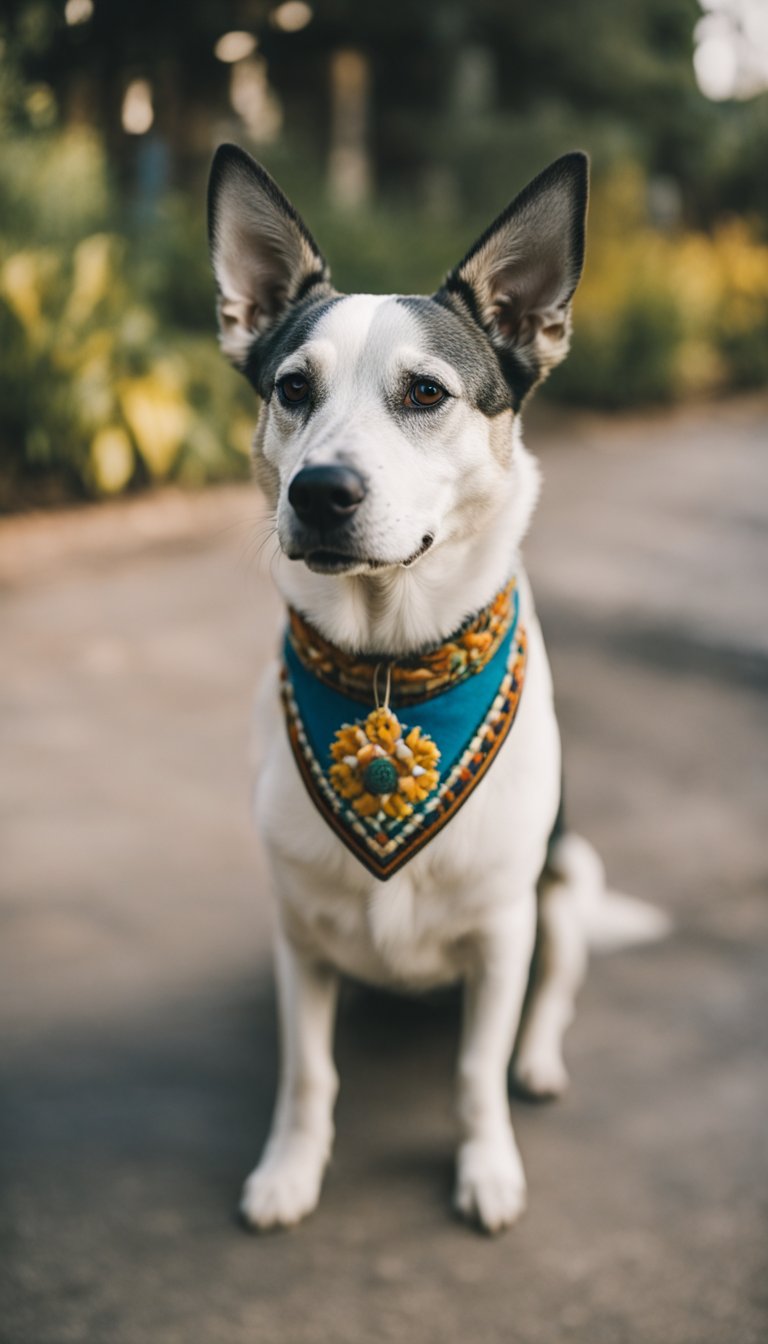
The Tlalchichi is an ancient Mexican dog breed that existed long before European arrival. It was known for its small to medium size, featuring a longer body and very short legs. This breed was primarily bred in the region now known as Colima.
Historically, Tlalchichis served various roles. They were kept as companions, and some were fattened for food. The Spanish conquistadors viewed them as unclean, which led to their decline and eventual extinction in the 17th century.
Tlalchichis are depicted in numerous archaeological findings and artworks. They are often shown in playful poses or dancing, suggesting their close relationship with humans. This breed is part of Mexico’s rich cultural heritage, highlighting the importance of dogs in ancient Mesoamerican society.
Their legacy continues to influence modern Mexican dog breeds, as many traits have been passed down. Although the Tlalchichi no longer exists, its impact on Mexican dog history remains significant.
11) Techichi (ancestor of Chihuahua)
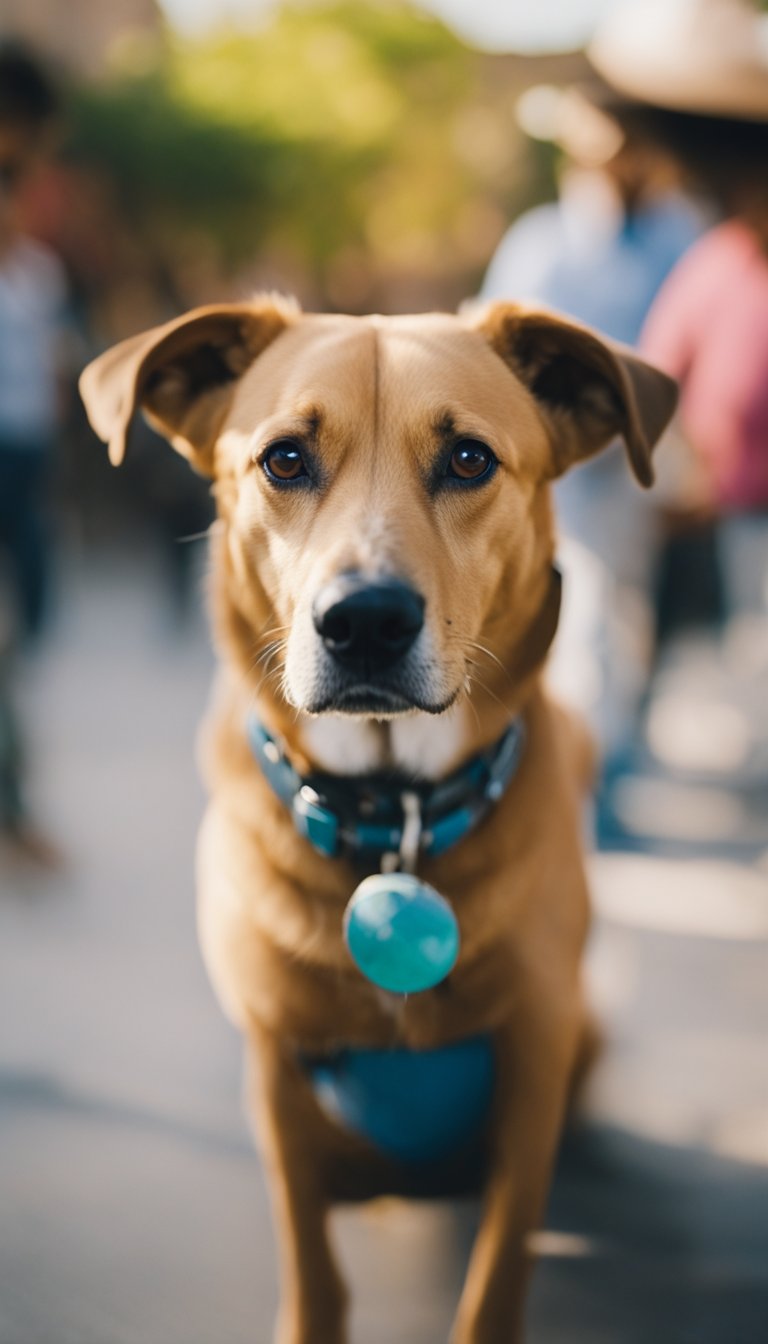
The Techichi is an ancient dog breed that originated in Mexico. It is believed to be the ancestor of the modern Chihuahua. This breed was valued by the Toltec and Aztec civilizations.
Techichis were larger than today’s Chihuahuas but shared similar traits. They were known for their loyalty and bravery. The Aztecs often used them as companions, including for their warriors.
These dogs were depicted in various forms of ancient artwork. They played a significant role in the lives of people in pre-Columbian cultures. The Techichi was not just a pet; it held cultural significance and was part of rituals.
The first European to document the Techichi was Spanish explorer Francisco Hernandez in 1578. He noted that indigenous people consumed them as food, similar to how they ate rabbits.
Today, the Chihuahua carries on the legacy of the Techichi. Bred down in size over the years, it has become popular worldwide.
12) Saint Bernard (once popular in Mexico)
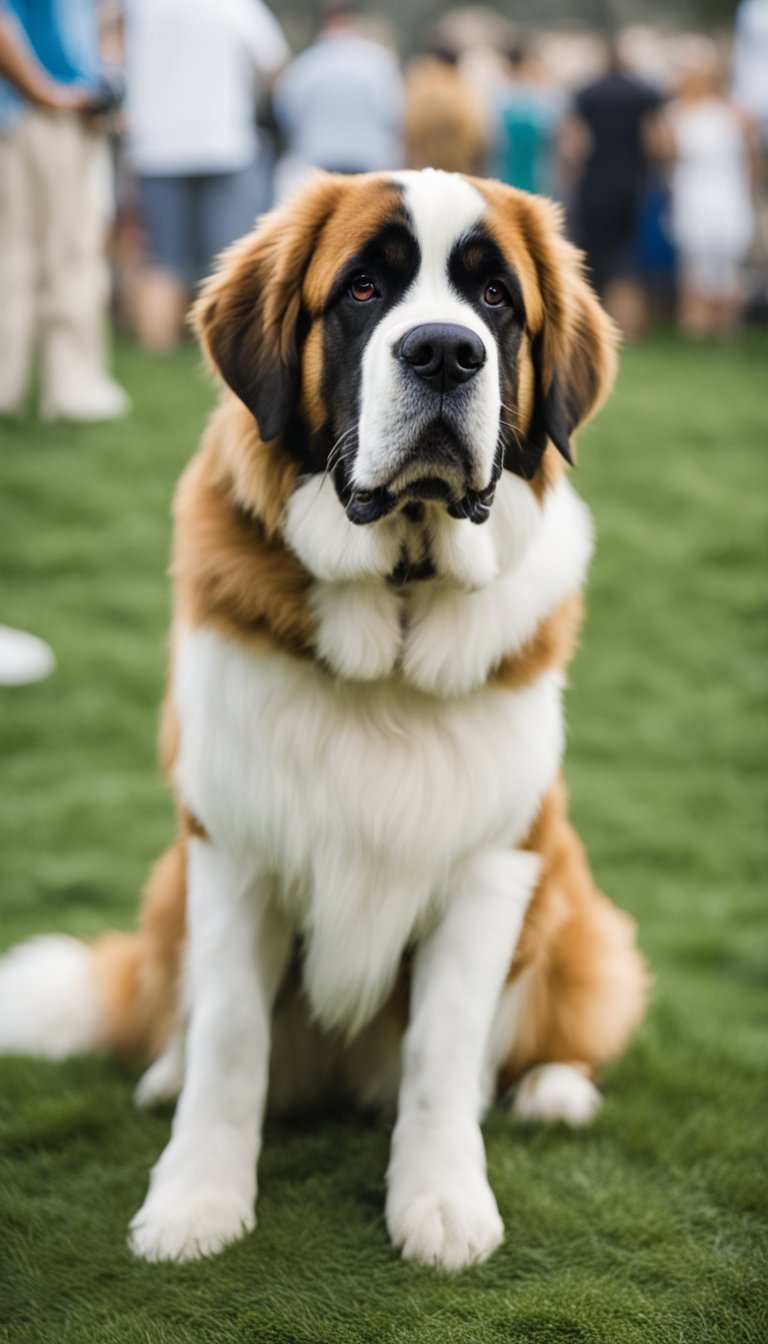
The Saint Bernard is a large and gentle breed known for its friendly nature. This dog was once quite popular in Mexico, appreciated for its size and temperament.
Originally bred for rescue work in the Swiss Alps, the Saint Bernard is known for its strength and reliability. It has a thick coat that helps it adapt to various climates, making it suited for both colder and warmer environments.
In Mexico, these dogs were favored by families who had enough space for them. Their calm demeanor and loyalty made them wonderful companions for children.
Over time, the popularity of the Saint Bernard declined as smaller breeds became favored for city living. Although not as common today, they still hold a special place in the hearts of those who remember their kindness and loyalty.
Today, the Saint Bernard is mostly seen in homes where families enjoy their gentle giant presence, proving that they can still thrive in loving environments.
Chapultepec Dog (historic breed)

The Chapultepec Dog is a historic breed from Mexico with deep roots in the country’s culture. It is named after Chapultepec Hill in Mexico City, known for its rich history.
This breed is believed to have existed since ancient times. They were associated with the nobility and often kept as companions.
Chapultepec Dogs are medium-sized and known for their loyalty. They typically have a robust build and a friendly demeanor. Their coat can vary, with colors ranging from fawn to black.
In the past, these dogs were not only pets but also served as protectors. They played a role in guarding homes and families.
Today, the Chapultepec Dog is less common, but efforts are being made to preserve its lineage. Enthusiasts work to raise awareness about this unique breed and its historical significance.
14) Maya Dog (Pre-Columbian breed)

The Maya Dog, also known as the Xoloitzcuintli or Mexican Hairless Dog, is an ancient breed that dates back to pre-Columbian times. This breed was important to the Maya civilization, serving various roles in society.
Maya Dogs were often kept as companions and were valued for their loyalty. They are known for their distinctive appearance, featuring a hairless body with some fur on the head and tail. This breed comes in different sizes, typically medium-sized.
In addition to companionship, these dogs were also used for food. Archaeological findings suggest they played a significant role in the diets of the Maya people. Their presence in ancient art and pottery highlights their importance in cultural practices.
Despite the changes over centuries, the Maya Dog remains a symbol of Mexican heritage. It continues to be celebrated in various cultural stories and traditions. Today, this breed is recognized for its unique traits and is loved by many around the world.
15) Tlaxcalan Dog (ancient companion)

The Tlaxcalan Dog is an ancient breed known for its close connection to the Tlaxcalan culture in Mexico. These dogs were valued as companions and served various roles in their communities.
With a history that dates back centuries, the Tlaxcalan Dog played a significant part in local traditions. They were often considered family members and were used in rituals and ceremonies.
This breed is characterized by its medium size and a unique coat that can vary. The dogs are loyal and have a strong bond with their owners, making them excellent companions.
As a heritage breed, Tlaxcalan Dogs are also recognized for their adaptability to different living environments. Their friendly demeanor makes them suitable for families and individuals alike.
While they are not as well-known as other Mexican breeds, the Tlaxcalan Dog remains an important symbol of cultural heritage. Its presence reflects the deep-rooted history of human-dog relationships in Mexico.