The African desert warbler, known scientifically as Curruca deserti, is a fascinating small bird often found in the arid regions south of the Atlas Mountains. With its subtle and pale sandy yellow-brown plumage, this bird stands out in its natural habitat. What makes the African desert warbler particularly intriguing are the unique adaptations it has developed to thrive in such an unforgiving environment.
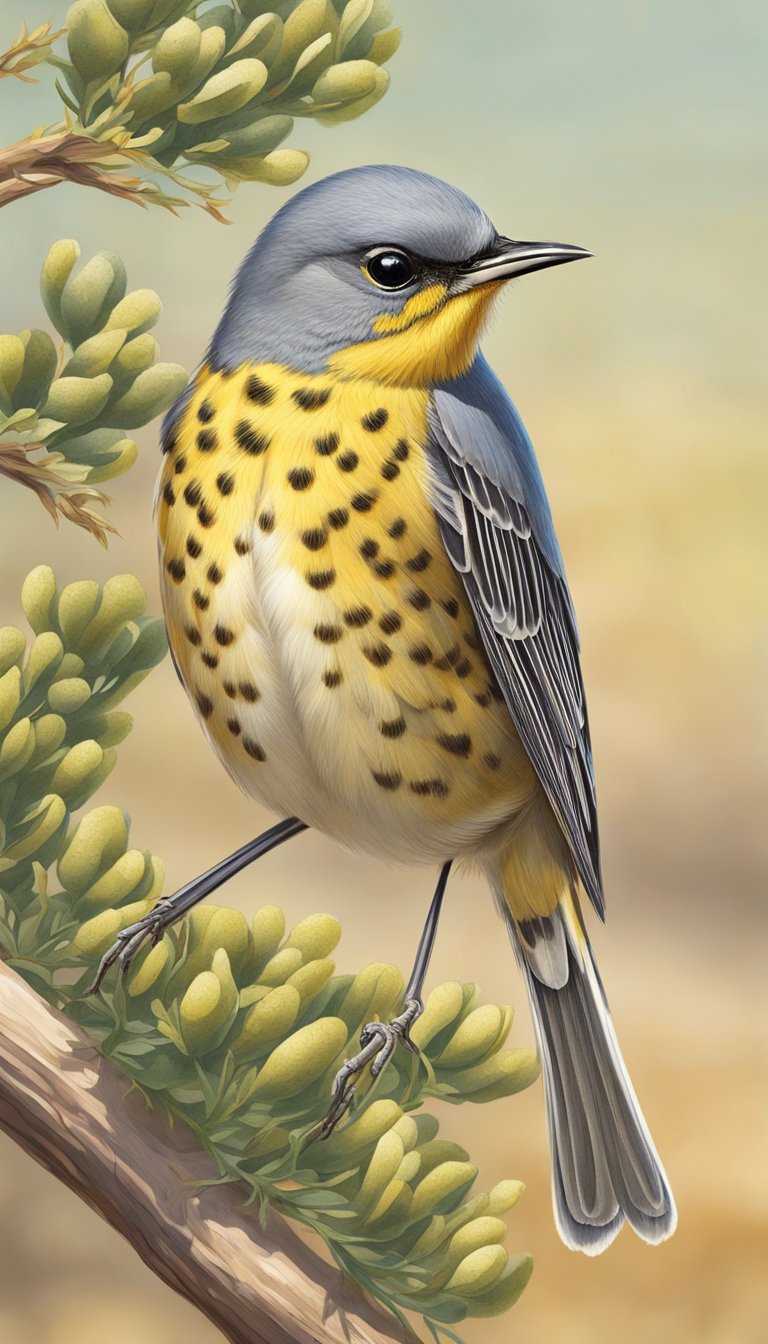
This bird species, marginally the smallest in its genus, exhibits behaviors and characteristics that captivate bird enthusiasts and researchers alike. Exploring these traits provides a deeper appreciation for how life persists and adapts even in the harshest desert ecosystems. Readers will find themselves marveling at the resilience and special features of this remarkable bird.
1) The African desert warbler is a small, passerine bird found in the deserts of North Africa.
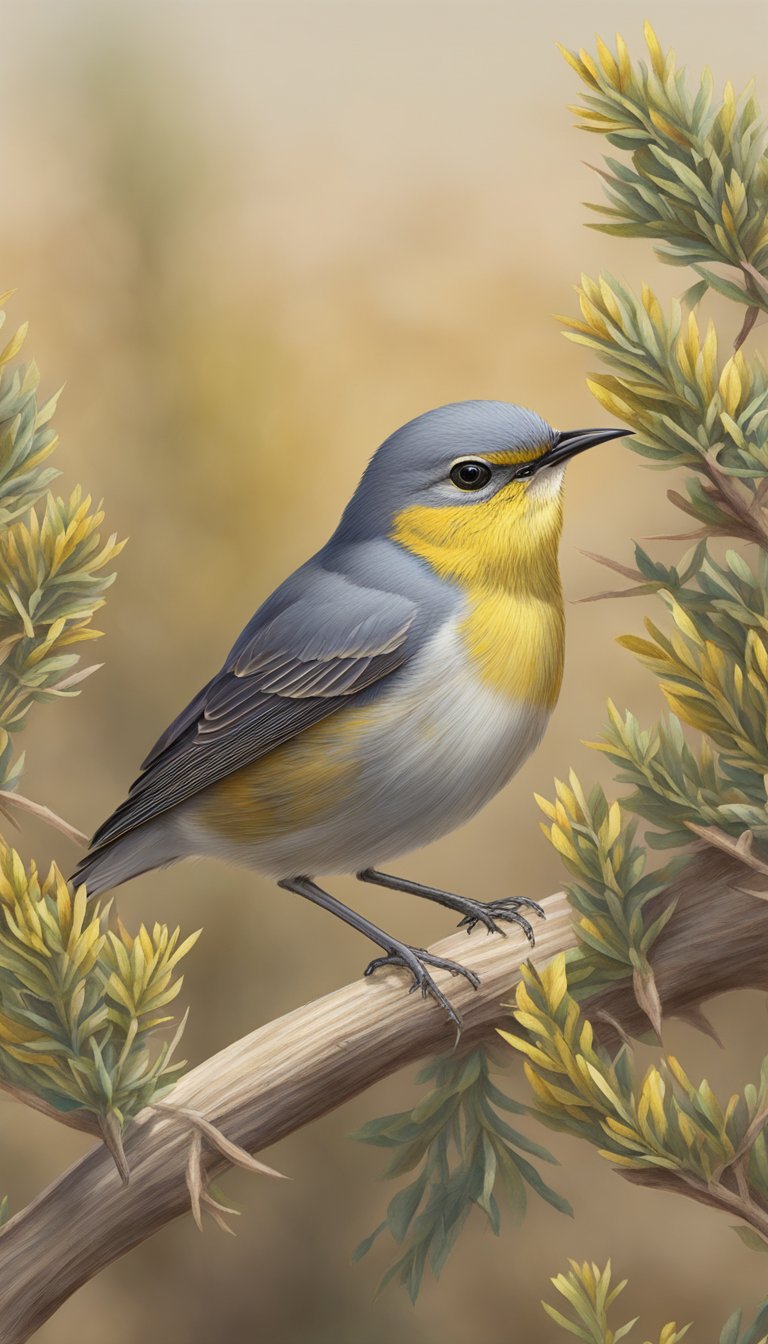
The African desert warbler is a diminutive bird, measuring only 11-12 cm in length and weighing between 7-10 grams. This makes it one of the smallest birds within its genus.
Its plumage displays a pale sandy yellow-brown color above and whitish below. The species has yellowish bills and legs, and a distinctive yellow iris.
The African desert warbler’s natural habitat spans the deserts of North Africa. It is commonly found south of the Atlas Mountains, stretching from southern Morocco to western Libya, and extending south to Mali and Niger.
Unlike many other birds, it doesn’t migrate extensively. Instead, it tends to move short distances within its range, primarily staying in desert and semi-desert regions.
These warblers are often observed foraging on the ground, sometimes following wheatears. They prefer habitats with scattered low shrubs, which provide essential cover and nesting sites.
2) It thrives in harsh desert climates, demonstrating exceptional adaptability.
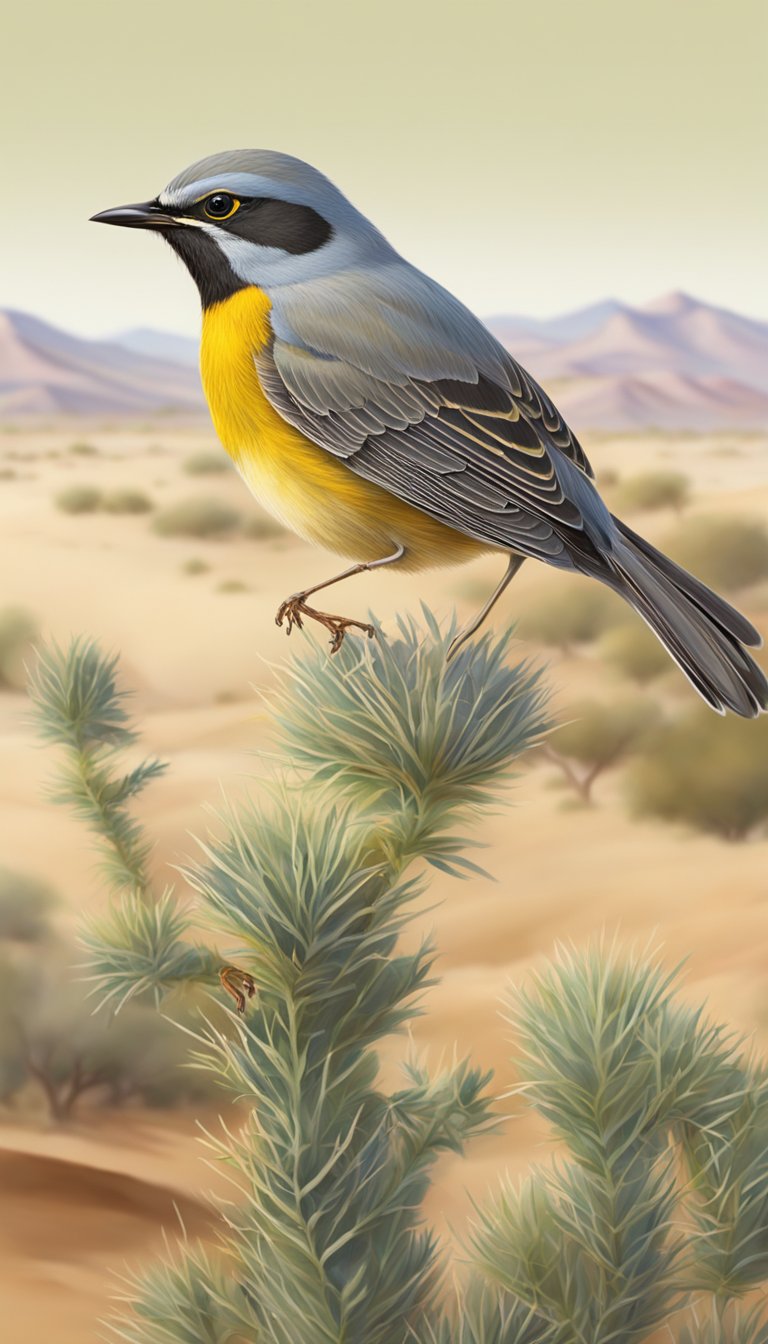
The African desert warbler, native to arid regions, showcases remarkable adaptability. This bird can efficiently regulate its body temperature, a critical skill for surviving extreme heat. Its feathers provide insulation, keeping it cool during the scorching days and warm on cold nights.
It has a varied diet that includes insects, seeds, and small invertebrates. This dietary flexibility allows it to find food sources even in sparse desert environments. Its foraging behavior is adapted to exploit the limited resources available.
Water conservation is vital for the African desert warbler. It obtains moisture from its food and has physiological adaptations to minimize water loss. The bird’s kidneys concentrate urine to retain as much water as possible, a common adaptation among desert-dwelling species.
Additionally, its reproductive strategies are suited for the unpredictable desert climate. The warbler times its breeding season to coincide with periods of increased food availability, such as after rare rains. This ensures that there is enough sustenance for its chicks to thrive.
The African desert warbler’s nest is built in sheltered locations, often in scrubby vegetation. This choice of nesting site provides protection from the harsh climate and predators. It is a testament to its exceptional adaptability in one of the planet’s most challenging environments.
3) The warbler’s diet primarily consists of insects and spiders.

The African desert warbler is predominantly insectivorous. They are adept at hunting insects and spiders, which form the bulk of their diet.
By foraging through shrubs and low vegetation, they effectively locate and capture their prey. Their keen eyesight and agility play a crucial role.
These warblers pick insects off leaves, stems, and branches. Beetles, caterpillars, and spiders are among their favorite food items.
Occasionally, they may consume other small invertebrates, but their primary focus remains on insects and spiders. This diet provides them with the necessary proteins and nutrients for survival.
They have a specialized beak that helps them extract insects from crevices and foliage effortlessly. This adaptation is key to their ecological niche.
During different seasons, their diet might slightly vary depending on the availability of prey. However, insects and spiders remain constant staples.
4) This species constructs its nest in bushes or low trees to protect it from predators.
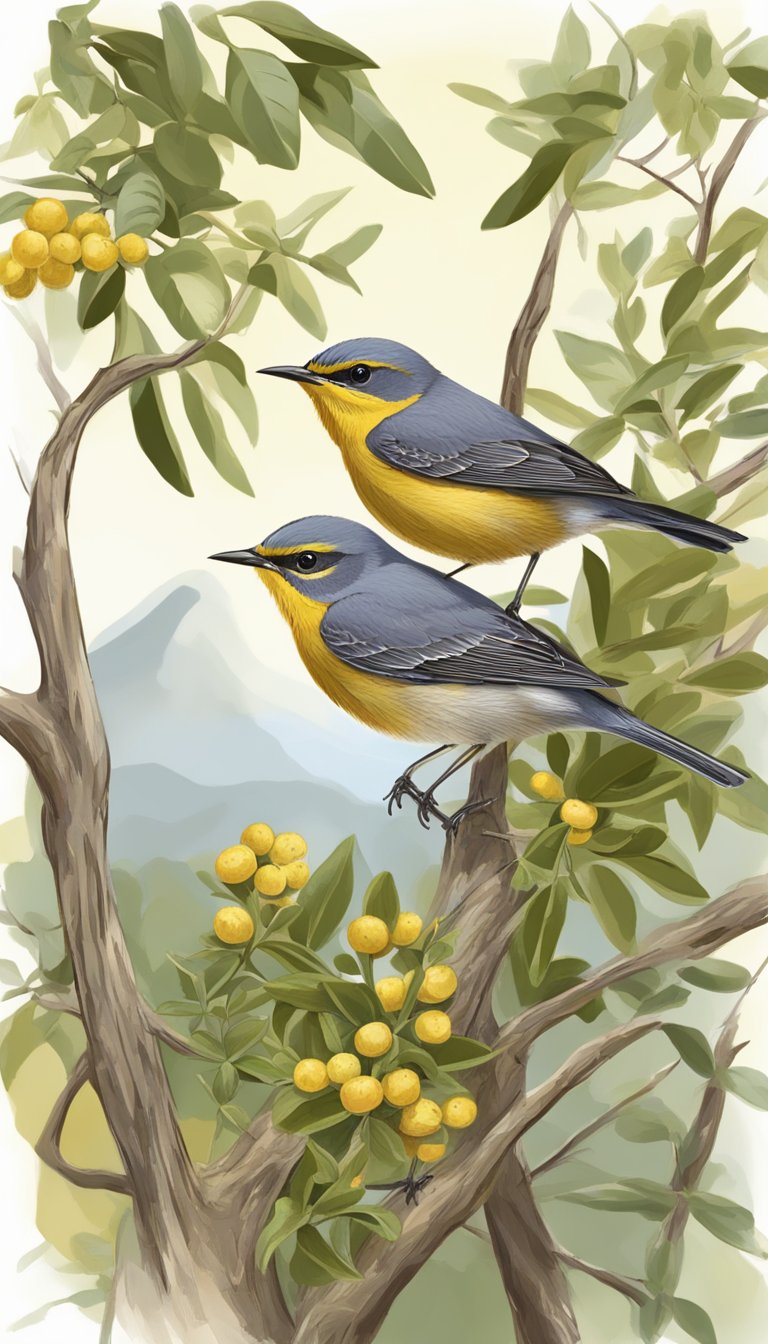
The African desert warbler carefully selects bushes or low trees as nesting sites. This strategic choice provides a vital defense mechanism against predators.
These birds benefit from the dense foliage of bushes. The leaves and branches help camouflage the nest, making it difficult for predators to spot.
Placing nests in low trees offers an additional layer of security. Elevated nesting spots reduce the risk from ground-based threats and ensure better surveillance of the surrounding area.
Their nests are typically cup-shaped and woven from grasses and plant fibers. This construction method blends seamlessly with the natural environment, further enhancing the nest’s concealment.
By choosing these locations, the warbler increases the chances of rearing its young successfully. The carefully chosen sites offer both concealment and accessibility, ensuring the safety of their offspring.
5) It’s known for its distinctive, melodic song that can be heard over vast distances.
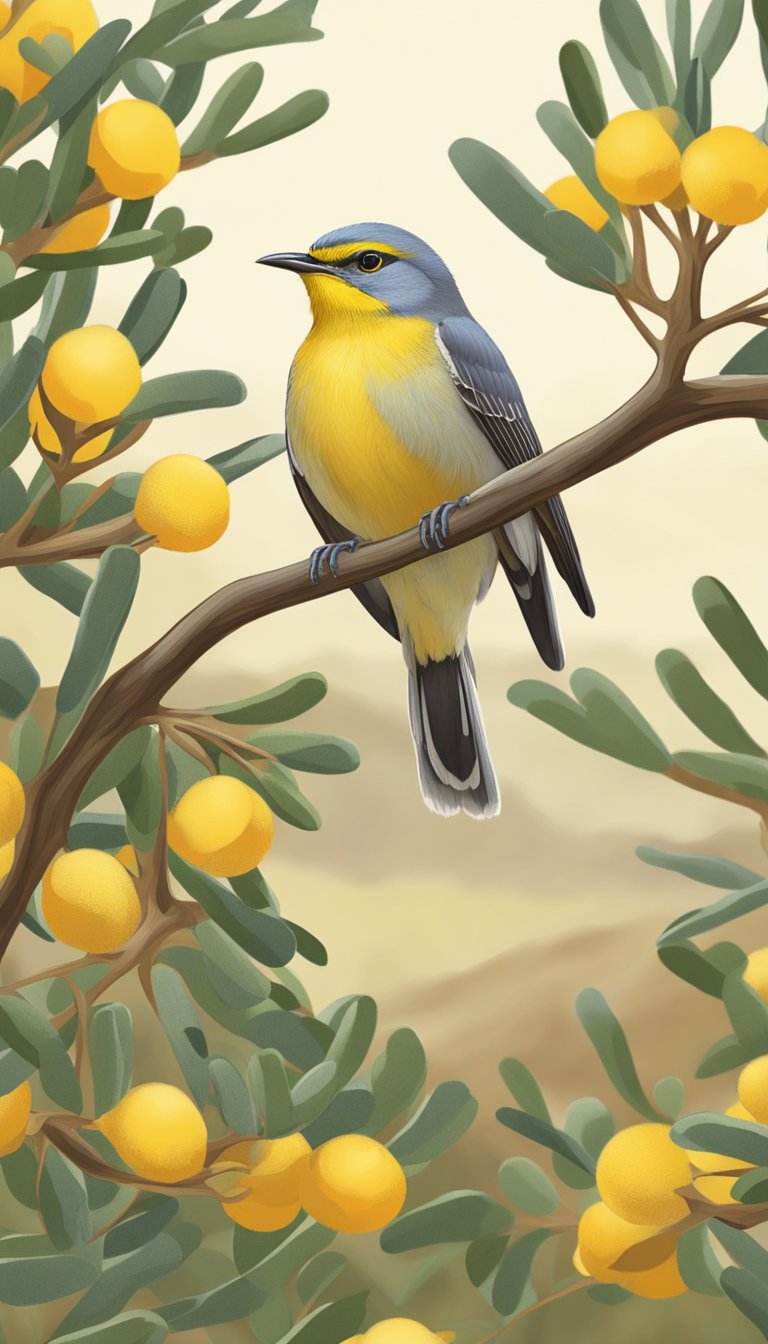
The African desert warbler has a unique, melodious song that stands out in its arid habitat.
Its song consists of a series of clear, flute-like notes that are often repeated in quick succession. These notes create a beautiful, flowing melody that seems almost effortless.
Birdwatchers and researchers have noted that this warbler’s song can travel impressively far. Its call cuts through the still, open air of the desert, making it audible over long distances.
The precise, rhythmic pattern of the warbler’s song is an adaptation for communication across its expansive territory. It helps the bird establish its presence and attract mates.
Additionally, this characteristic song is an important tool for identifying the African desert warbler amidst other desert species. It serves as a signature tune that sets it apart.
Whether at dawn or dusk, the warbler’s song is a gentle yet powerful reminder of life in the desert’s vast openness.
6) The African desert warbler is often solitary or found in pairs, rather than large flocks
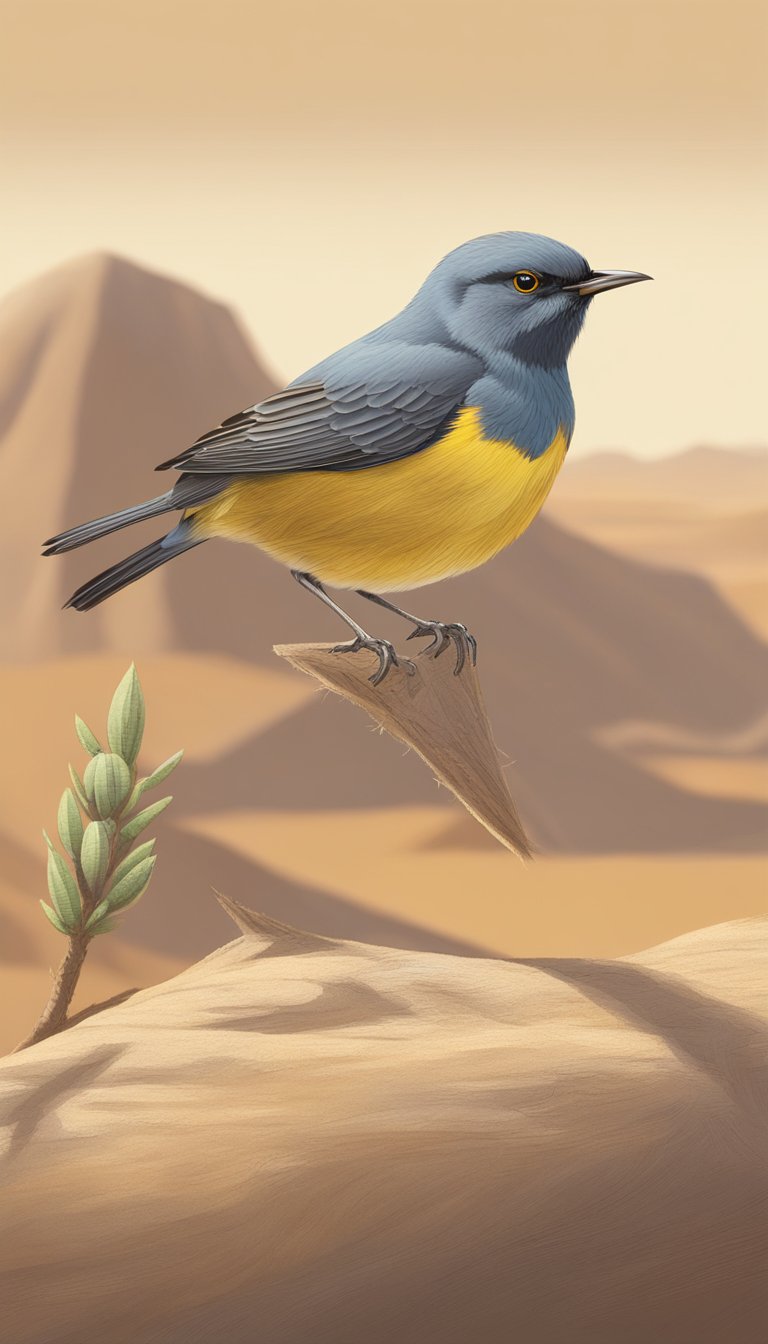
The African desert warbler has a distinct social behavior compared to many other bird species. Unlike birds that are commonly seen in large flocks, this warbler tends to live a more solitary life.
Occasionally, they may be observed in pairs, particularly during the breeding season. This behavior allows them to focus on nesting and rearing their young without the distraction of a larger group.
Living in sparse, sandy desert regions, the African desert warbler’s preference for solitude or small groups helps it efficiently utilize limited resources. This solitary nature minimizes competition for food and nesting sites, making it better suited for its arid habitat.
This behavior also contrasts with its close relative, the Asian desert warbler, which can sometimes be seen in slightly larger groups. The preference for solitude or pairs in the African desert warbler highlights its unique adaptation to its environment, emphasizing its distinctive lifestyle.
7) Despite its elusive nature, this bird plays a crucial role in maintaining the ecological balance of its habitat.
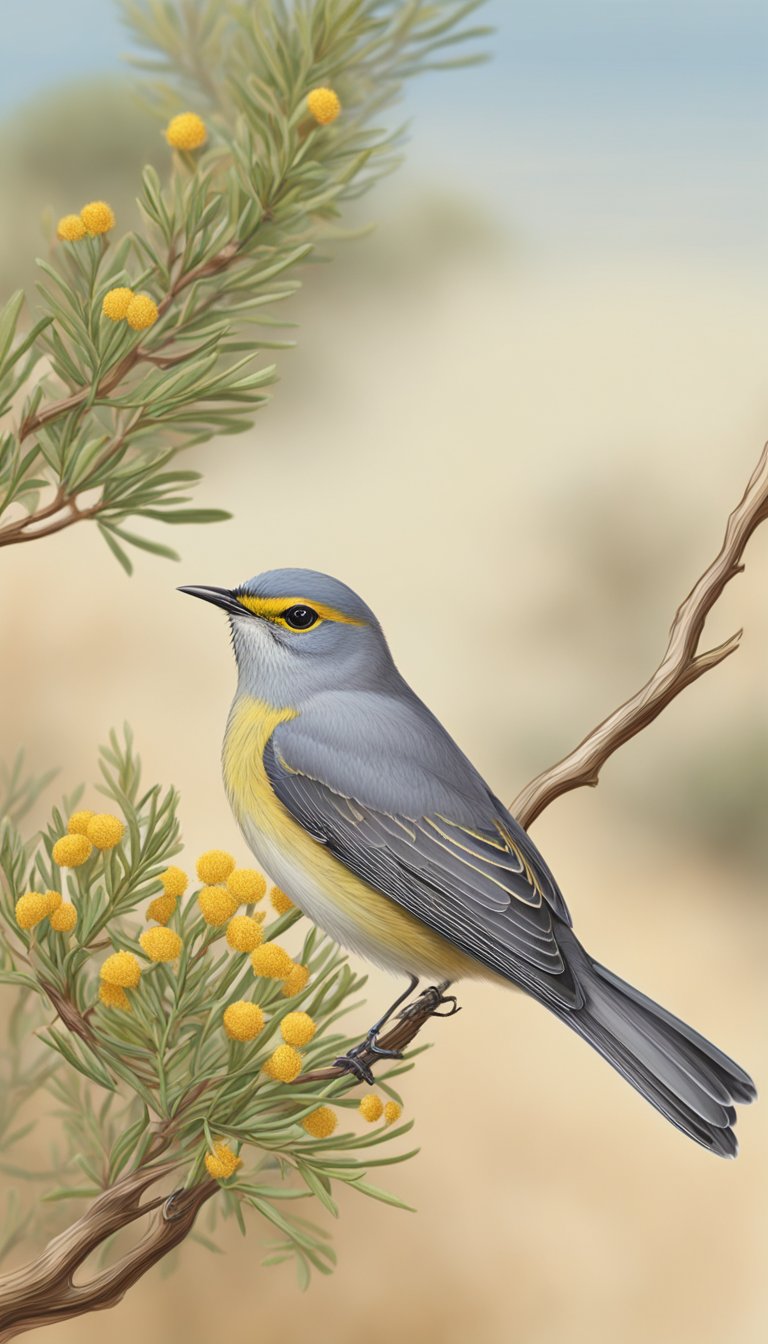
The African desert warbler, though often difficult to spot, is integral to its environment. It helps control insect populations, which prevents the overconsumption of vegetation. This ensures that plants can thrive, supporting a diverse range of other species.
Additionally, this bird’s diet includes various pests. By consuming these pests, it aids in protecting the local flora from potential damage. This not only benefits the plants but also contributes to a more balanced ecosystem.
African desert warblers also play a role in seed dispersion. As they move through their habitat, they inadvertently disperse seeds, fostering plant growth across their range. This supports vegetation diversity, ensuring a robust and resilient ecosystem.
Their elusive nature does not diminish their importance. While they may be hard to observe, their actions have a lasting impact on the health and stability of their desert environment. Thus, the African desert warbler, though small and secretive, is a key player in maintaining the ecological balance of its habitat.
8) Its plumage is predominantly sandy brown, providing excellent camouflage against desert landscapes.
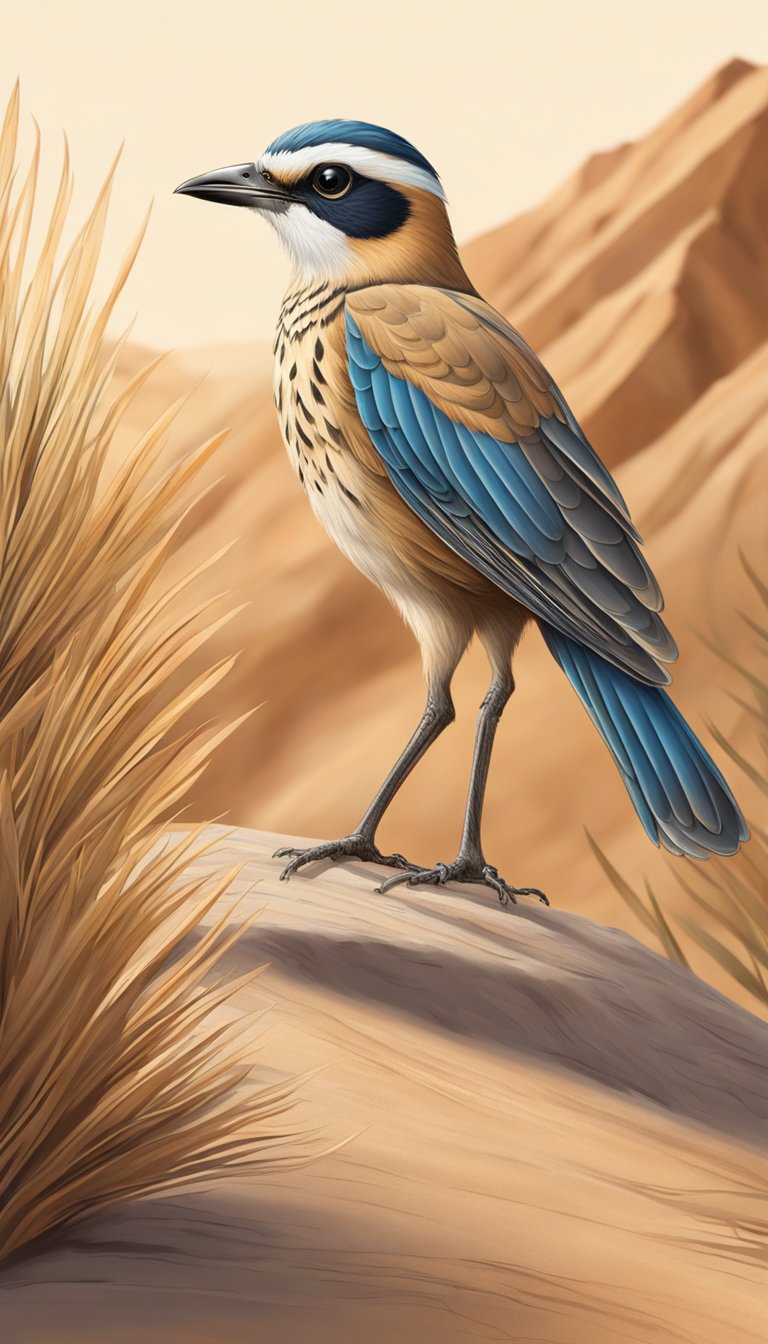
The African desert warbler’s plumage is a blend of sandy brown tones. This coloration is perfectly suited to its arid habitat.
Sandy brown feathers help the bird blend seamlessly into the desert environment. This provides excellent camouflage against predators.
This natural adaptation enhances the warbler’s ability to remain undetected while foraging. It also helps during nesting periods.
By matching the hues of the surrounding landscape, the African desert warbler efficiently avoids detection. This makes it a master of concealment in its harsh environment.
9) The warbler’s breeding season aligns with desert rains, ensuring food availability for its chicks.

The African desert warbler’s breeding season is intricately tied to the desert’s fleeting rainy periods.
After the rains, an abundance of vegetation and insects emerges, providing a critical food source for the warbler’s chicks.
Timing their breeding to coincide with these rains optimizes the survival rate of their offspring.
This synchronization showcases the warbler’s adaptation to its harsh, unpredictable environment.
By breeding during the rainy season, the warblers maximize the chances that their young will have sufficient food during their early, vulnerable stages of life.
10) Both male and female warblers contribute to building the nest and caring for the young.
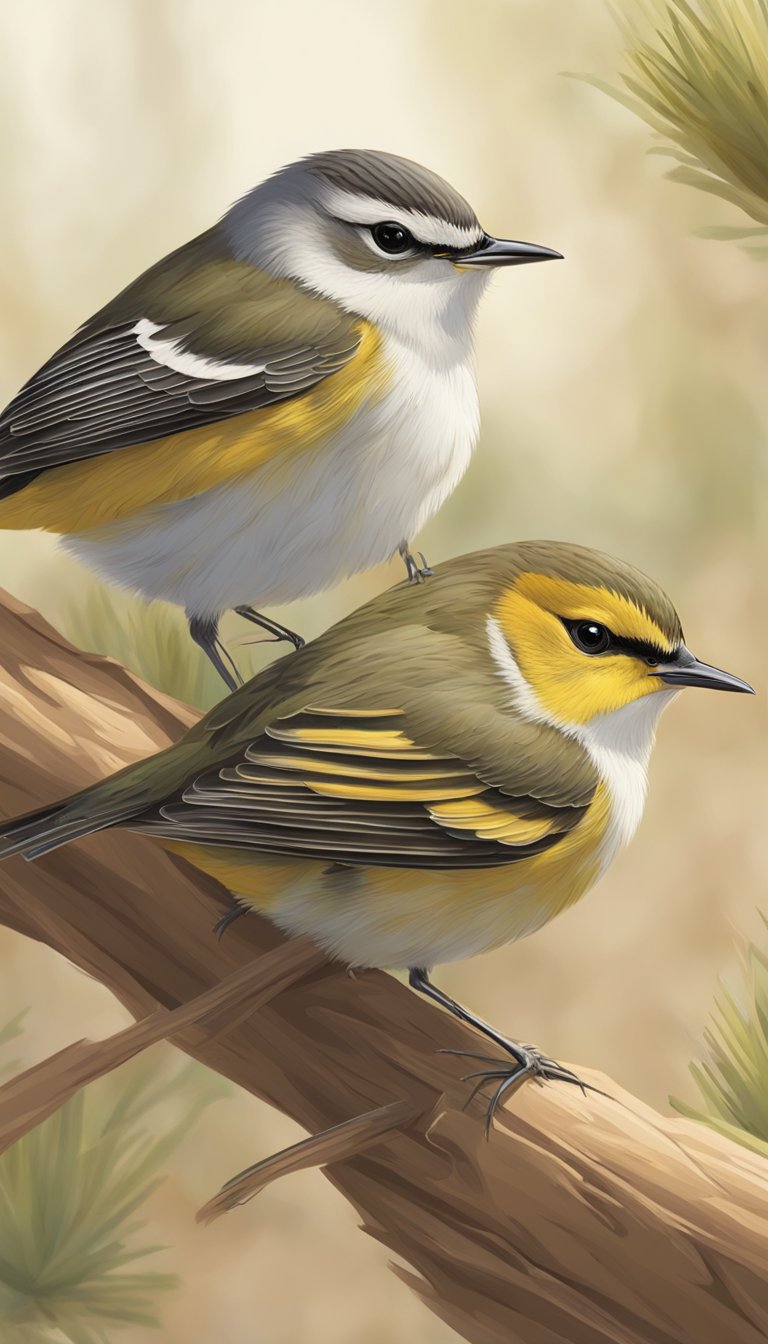
Both male and female African desert warblers play active roles in nest-building. The female usually takes the lead in constructing the nest, selecting materials like grass and twigs. Males assist by gathering these materials and delivering them to the nesting site.
Once the nest is built, the female lays the eggs and takes charge of incubation. During this period, the male warbler’s role shifts to providing food for the female. He ensures she has enough nourishment to keep the eggs warm and protected.
After the eggs hatch, both parents share the responsibility of feeding and protecting the chicks. The male and female warblers work together to find insects and other food sources for their young. This teamwork is vital for the survival and growth of the chicks.
The cooperative efforts of both male and female warblers highlight their strong commitment to raising their young. Their shared responsibilities in nesting and chick-rearing make them fascinating subjects for bird enthusiasts and researchers alike.
11) The species was first described by a French ornithologist in the 19th century.

The African desert warbler was first described in the 19th century by a French ornithologist. This period saw significant advancements in ornithology, especially in bird classification. French scientists like Louis Pierre Vieillot played crucial roles in documenting and describing numerous bird species.
Vieillot, born in 1748, made substantial contributions to ornithology. He described many bird species that were previously unknown to science. His work included detailed observations and meticulous categorization.
The identification and documentation of the African desert warbler added valuable knowledge to the field. This species, with its unique adaptations to desert life, intrigued scientists. Its discovery helped improve understanding of avian biodiversity.
The 19th century was a dynamic period for ornithological exploration. French ornithologists were at the forefront of these efforts. They enhanced scientific comprehension of birds and their ecosystems.
12) African desert warblers are migration specialists, traveling great distances across arid regions.
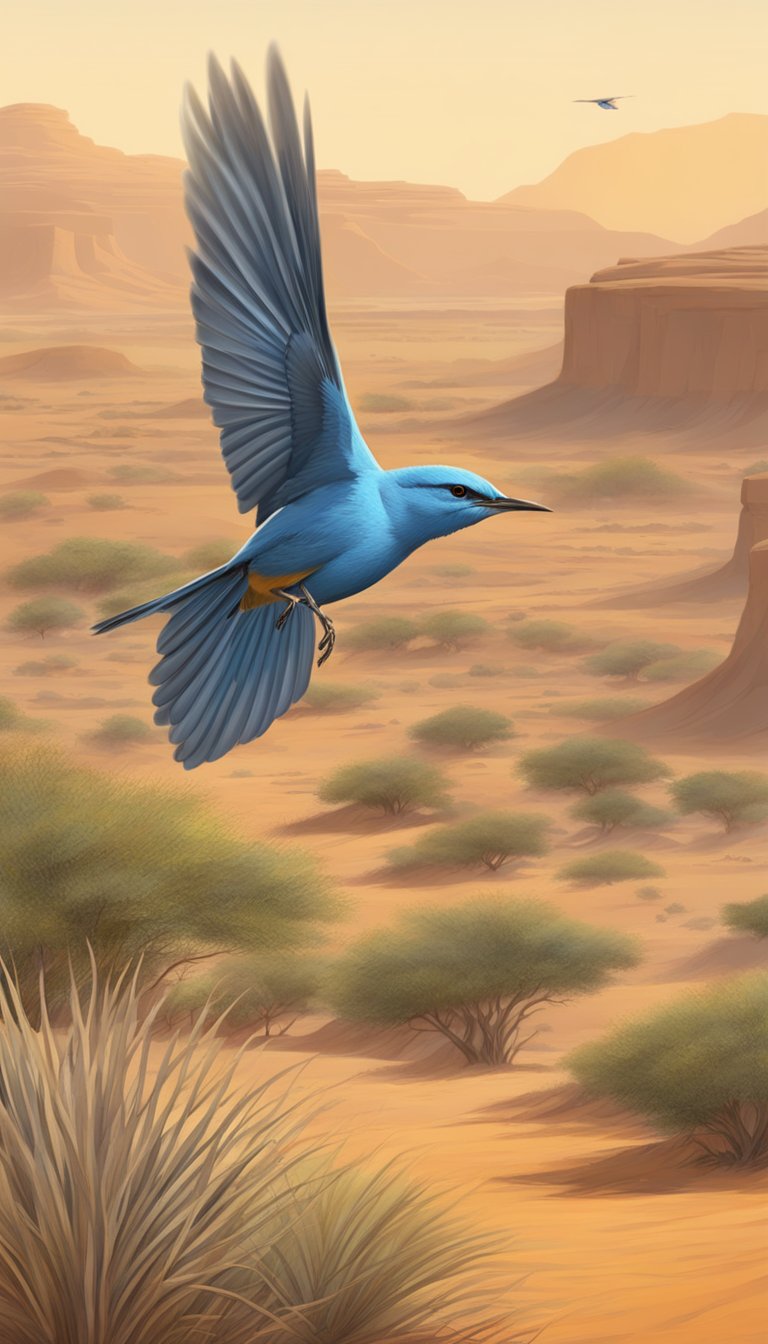
African desert warblers are exceptional at migrating. They navigate vast arid regions with remarkable skill. These small birds, measuring only 11-12 cm in length, undertake significant journeys to find suitable habitats.
Migration routes often span hundreds of miles. They traverse deserts and semi-arid zones, adapting to harsh environments as they move.
Their pale sandy yellow-brown plumage aids in camouflage during these long trips. This coloring provides a degree of protection against predators.
African desert warblers mainly migrate in response to seasonal changes, searching for food and breeding grounds. Their robust migration abilities highlight their adaptability and resilience.
13) Their vocalizations not only serve to attract mates but also to establish territory boundaries.
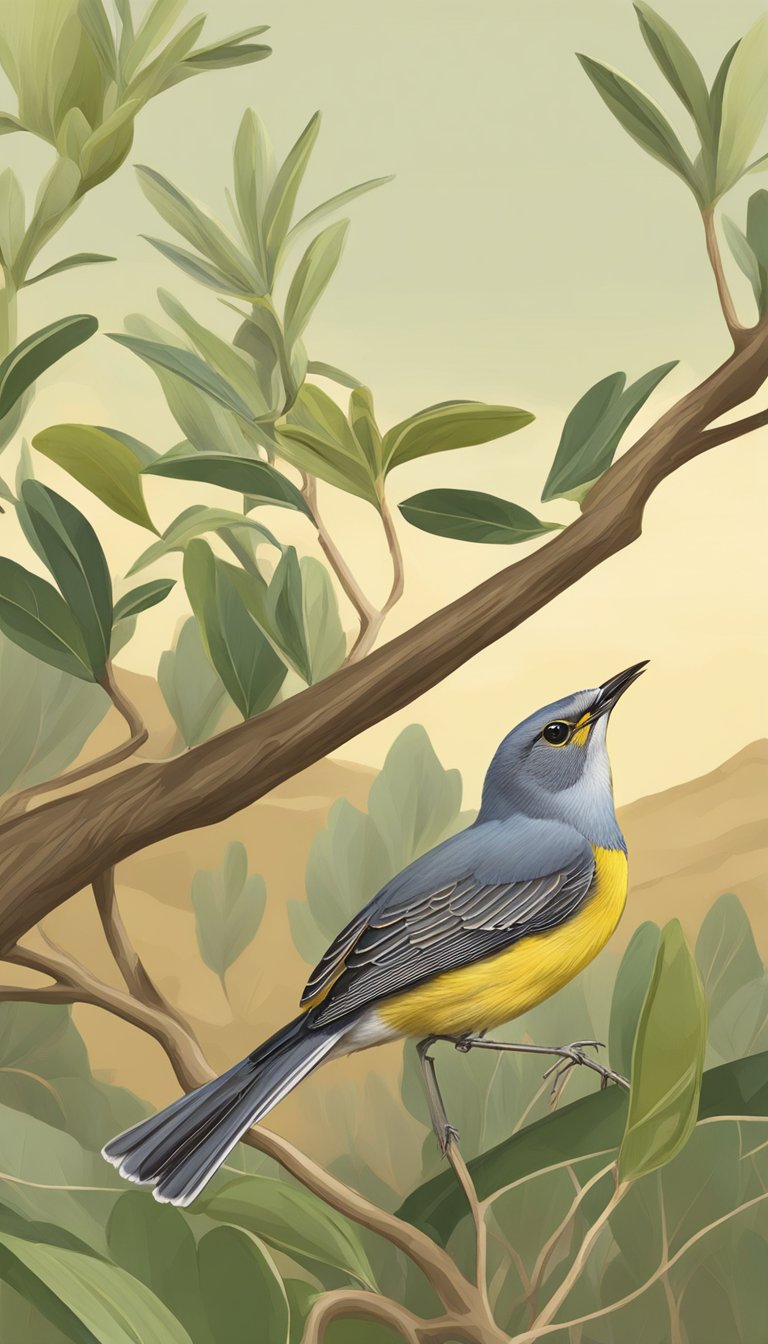
African desert warblers are known for their distinctive vocalizations. These sounds are crucial for their survival and social interactions.
Male warblers often sing melodious songs to attract female counterparts. The complexity and frequency of these songs can demonstrate the male’s vitality and fitness.
In addition to attracting mates, their calls play a vital role in establishing territory boundaries. The male warbler uses vocalizations to assert dominance over a specific area, warning rival males to stay away.
Such vocal signals can prevent physical confrontations, which could be detrimental to the birds. By marking their territory through sound, they ensure a safer living environment.
Female warblers, too, use vocalizations to communicate their presence and maintain their territory, although their calls tend to be less elaborate than those of the males. This behavior highlights the critical role of vocalizations in the species’ social structure.
These vocalizations, therefore, serve dual purposes: mate attraction and territorial defense. The adaptability and strategic use of their calls underline the sophisticated communication methods of the African desert warbler.
14) Researchers estimate that the current population is stable, though localized threats exist.

Researchers have noted that the population of the African desert warbler is currently stable. This small songbird, often found in arid desert regions, seems to maintain a consistent population across its range.
Localized threats to the warbler’s habitat do exist, primarily due to human activities. Urban development and agricultural expansion can fragment and degrade their habitats, posing risks to smaller populations.
In addition, climate change presents a potential future threat, as increasing temperatures and shifting weather patterns could impact the delicate balance of desert ecosystems. Conservation efforts focus on preserving these habitats to protect the warbler and other species dependent on these environments.
15) The bird’s scientific name is Sylvia deserti.
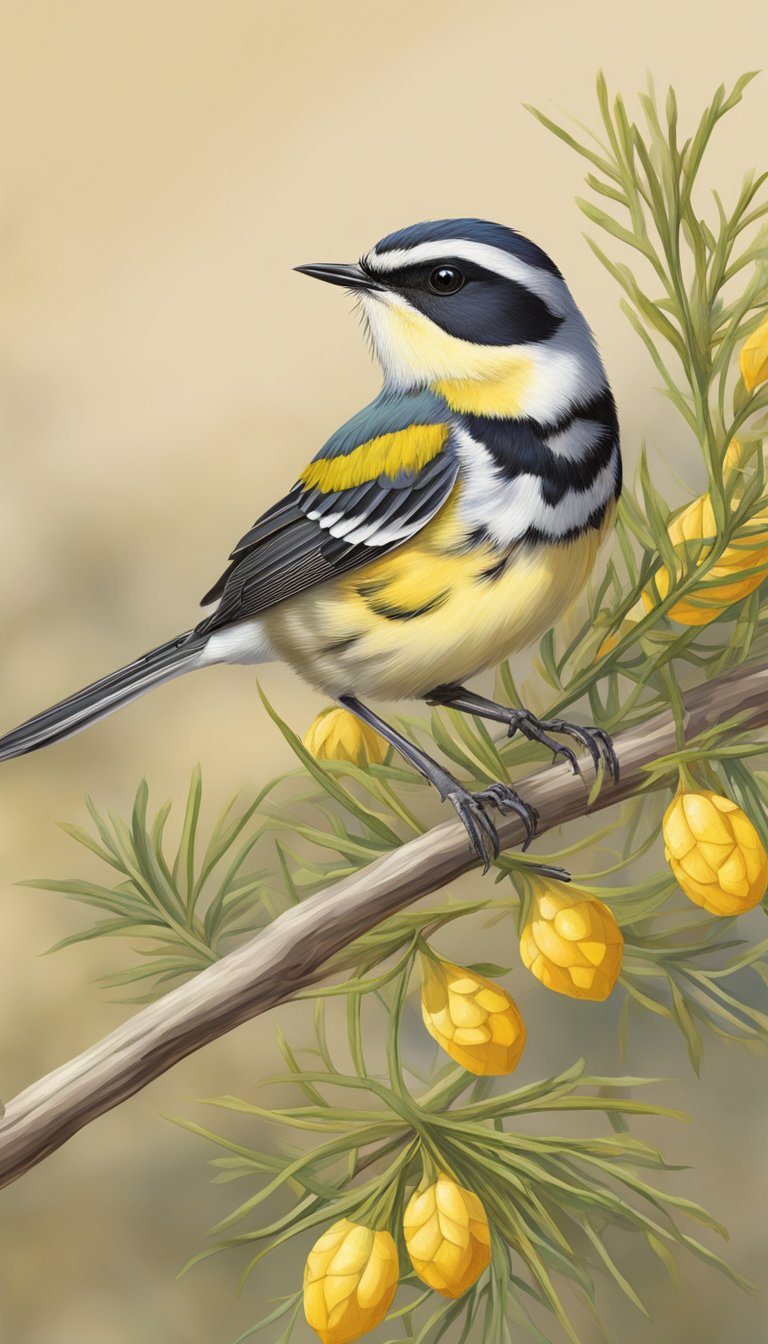
The African desert warbler is scientifically known as Sylvia deserti. This name places it within the genus Sylvia, which includes several species of warblers.
Sylvia deserti is sometimes referred to as Curruca deserti, highlighting its classification within the Sylvia genus. The specific name “deserti” reflects its habitat preference for desert regions.
Classified under the family Sylviidae, Sylvia deserti shares similarities with other small insectivorous birds. This classification aids ornithologists in understanding the bird’s behaviors, diet, and evolutionary relationships.
Sylvia deserti is recognized for its distinctive features and adaptation to desert environments. Understanding its scientific name helps in identifying its unique traits and ecological role.
16) They are known to be highly territorial during the breeding season.
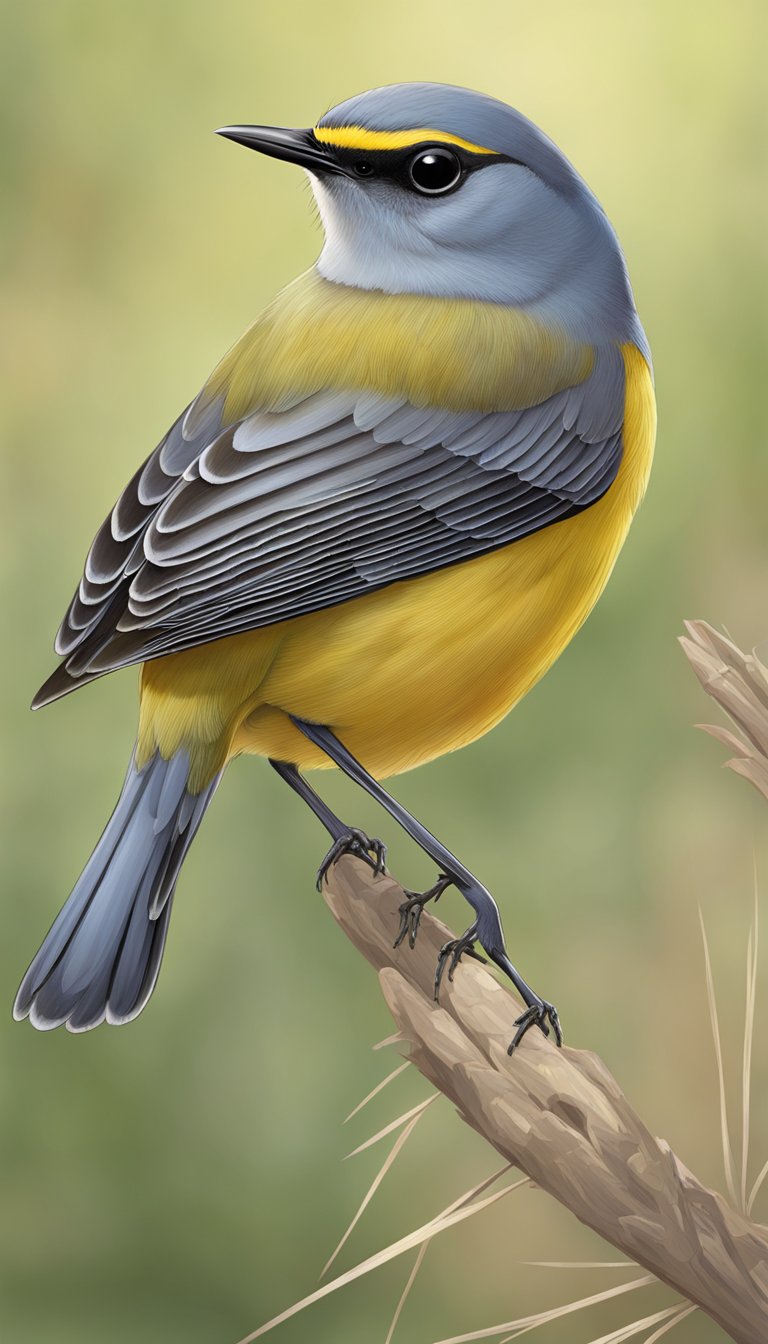
African desert warblers display significant territorial behavior, particularly during the breeding season. Establishing and maintaining a safe area is crucial for their reproductive success.
During this period, the breeding pair fiercely defends their nesting territory from intruders. This territorial instinct ensures their offspring are safe from predators and competing birds.
Territorial actions may include vocal calls, physical displays, or even chasing away potential threats. The goal is to secure enough resources and space for raising their young.
Once the breeding season concludes, their territorial behavior typically diminishes. At this point, African desert warblers may become less aggressive and more social.
17) Due to their remote habitat, observing these warblers requires significant effort and perseverance.
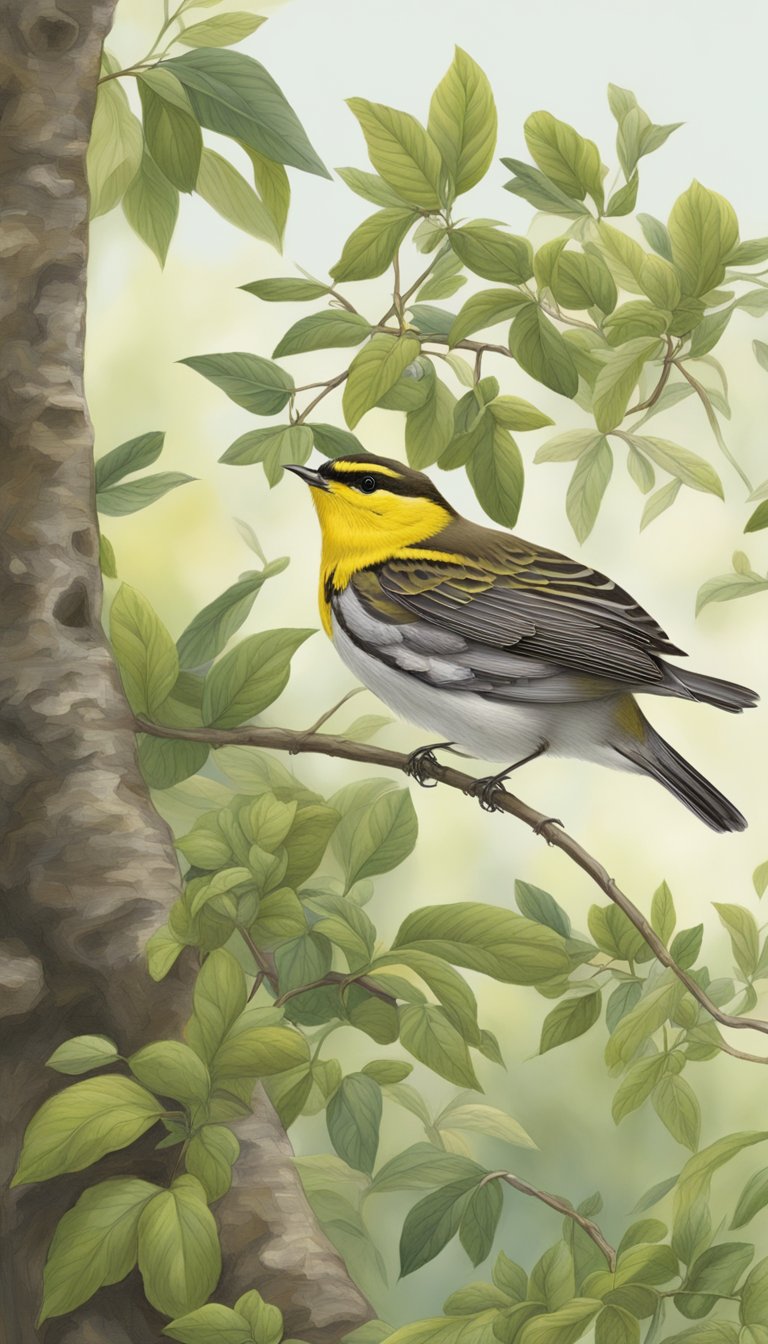
African desert warblers thrive in some of the most inhospitable regions, making them a challenge for bird watchers to find. These birds are typically found in arid and semi-arid habitats, such as sandy deserts and scrublands. Their preference for remote areas means that reaching their habitats often involves long and difficult journeys.
Travelers must be prepared for extreme conditions when seeking out African desert warblers. The heat in these regions can be intense, and water sources are scarce. Observers need to carry sufficient supplies and equipment to stay safe and hydrated, as well as to deal with the physical demands of the terrain.
Additionally, these warblers are adept at blending into their surroundings. Their plumage matches the sandy and rocky environments they inhabit, making them difficult to spot. Patience is essential, as observers may need to spend extended periods quietly waiting for a glimpse of these elusive birds.
The remote locations also pose logistical challenges. Accessing these areas often requires specialized vehicles and knowledge of local conditions. These factors contribute to the overall effort and perseverance needed to successfully observe African desert warblers in their natural habitat.
18) Conservation efforts are minimal largely due to the species’ current stable status.
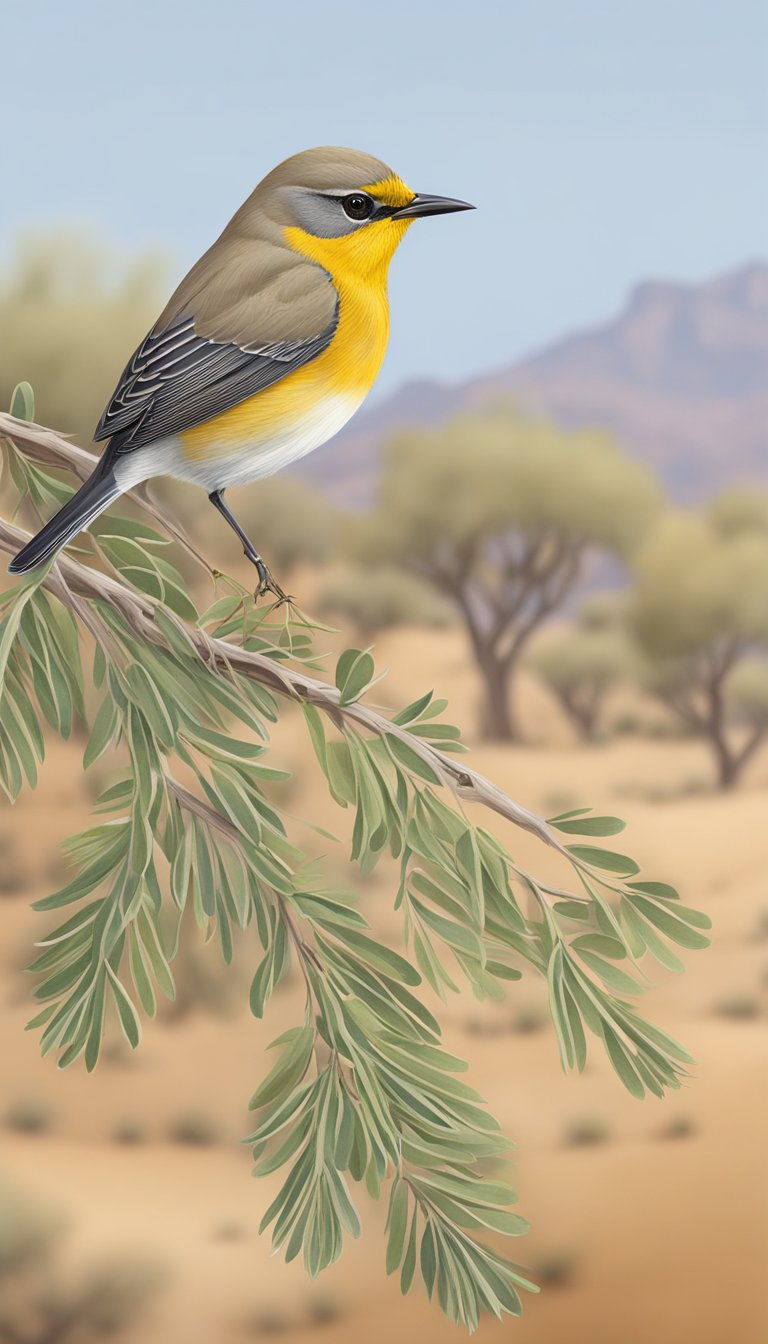
The African desert warbler is currently considered a species of least concern. Its population remains stable across its native habitats in the Sahara Desert. This status results in minimal dedicated conservation efforts.
Limited threats face the African desert warbler in its natural environment. This further reduces the urgency for intensive conservation measures.
Regular assessments, like those from organizations similar to the IUCN, help monitor population trends. These assessments confirm the species’ stability. Without significant declines or immediate threats, resources are directed towards species in greater danger.
While habitat connectivity is vital for many endangered species, the African desert warbler’s stable population diminishes the need for urgent habitat protection actions. Conservation priorities are often allocated to those species facing more critical survival challenges.
Cautious monitoring continues to ensure that any potential threats do not go unnoticed. If new risks emerge, conservation efforts might intensify. For now, the African desert warbler enjoys a relatively secure existence.
19) Their Nests Are Often Targeted by Predators Such as Snakes and Larger Birds
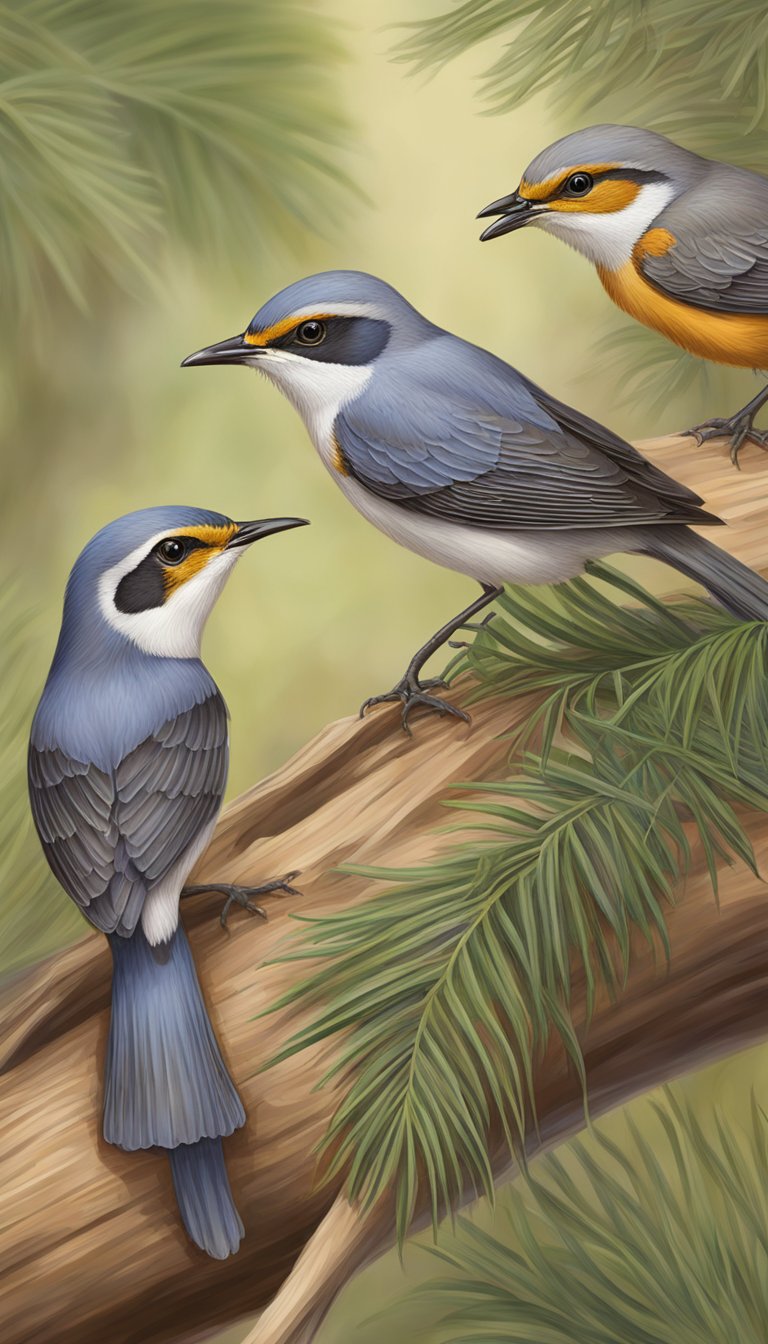
African desert warblers face significant threats to their nests from various predators. Many species of snakes, including ratsnakes and corn snakes, frequently prey upon the nests. These reptiles can slither into the nesting areas and consume eggs or chicks.
Larger birds, such as crows and grackles, also pose a threat. These birds are known for raiding nests, often stealing young birds or eggs. The presence of these predators makes the nesting season particularly challenging for desert warblers.
Both the natural and built nest locations are vulnerable. Even the height of a nest in a tree or shrub does not always provide sufficient protection, as many predators are agile climbers. The African desert warbler constantly faces the risk of predation.
20) The African desert warbler’s song is often compared to that of the common nightingale
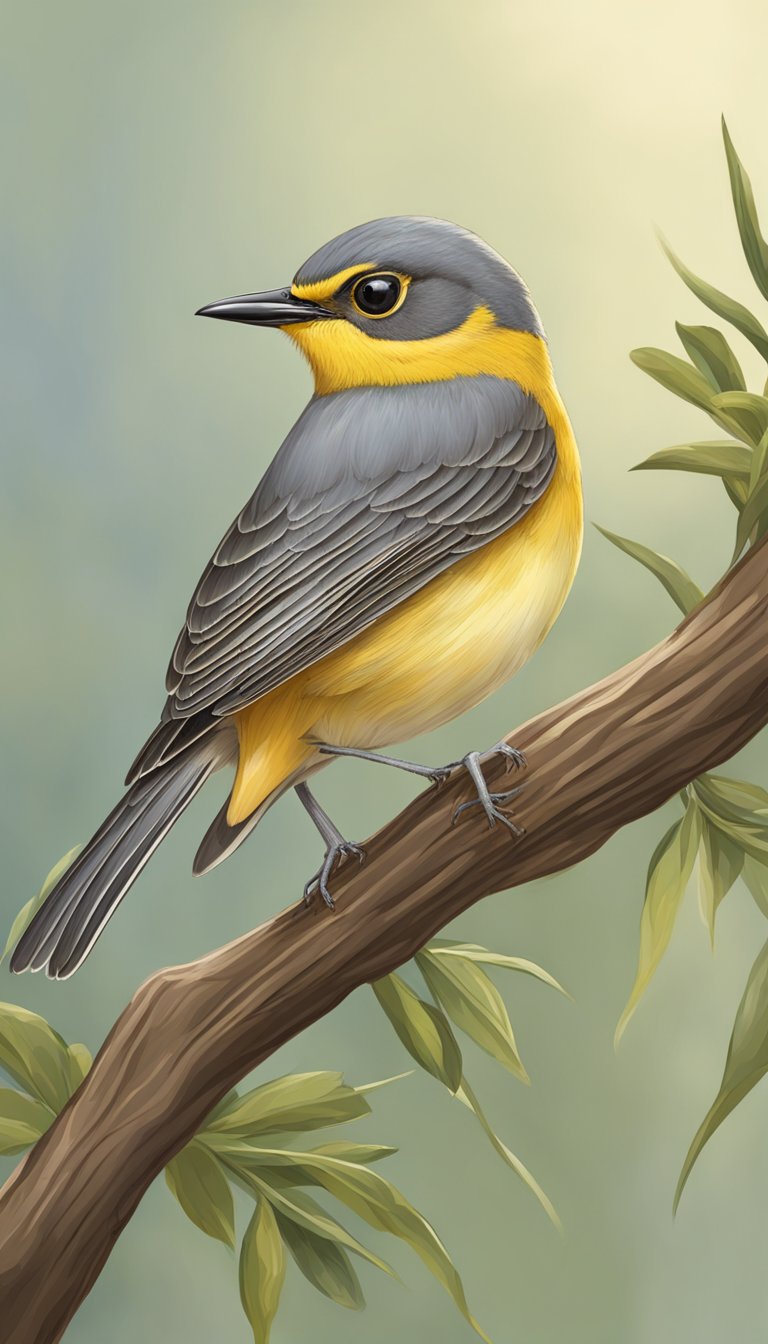
The African desert warbler’s song has a unique quality that often draws comparisons to the common nightingale. Both birds are known for their melodious singing, although the African desert warbler has its distinct characteristics.
The African desert warbler’s song features clear, repetitive notes that can be heard across its desert habitat. This echoes the nightingale’s powerful and varied song, which is renowned for its range and melody.
In contrast to the nightingale’s complex singing, the African desert warbler’s song includes simple jingles with fewer variations. This difference highlights the adaptability of the warbler to its arid environment.
Listeners appreciate both birds for their musical prowess, finding beauty in the straightforward notes of the African desert warbler as well as the intricate melodies of the nightingale.
21) They are listed as a species of Least Concern by the International Union for Conservation of Nature (IUCN).
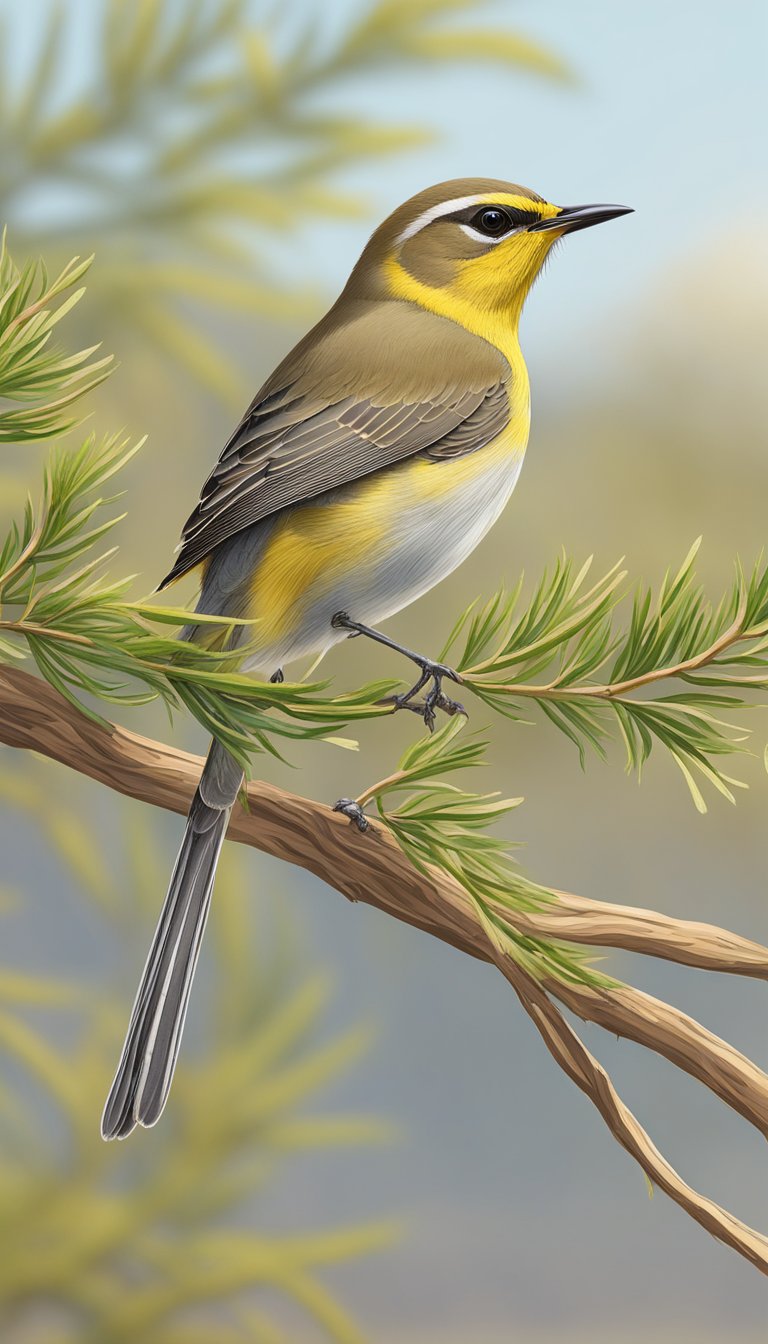
The African desert warbler is classified as a species of Least Concern by the IUCN. This status implies that the species does not currently face a high risk of extinction in the wild. It indicates that the population is stable and not significantly declining.
This classification is important for conservationists and researchers. It allows them to focus their efforts on species that are more at risk. While not threatened, the African desert warbler still benefits from ongoing monitoring and habitat protection.
The IUCN’s assessment is based on specific criteria. These include the species’ population size, rate of decline, and geographic range. Through this comprehensive evaluation, the warbler’s Least Concern status is regularly reviewed to ensure accuracy.
The IUCN Red List provides valuable information on various species. It helps guide conservation measures and policy decisions. Knowing that the African desert warbler is not immediately at risk is vital for strategic planning in biodiversity conservation.
Habitat and Distribution
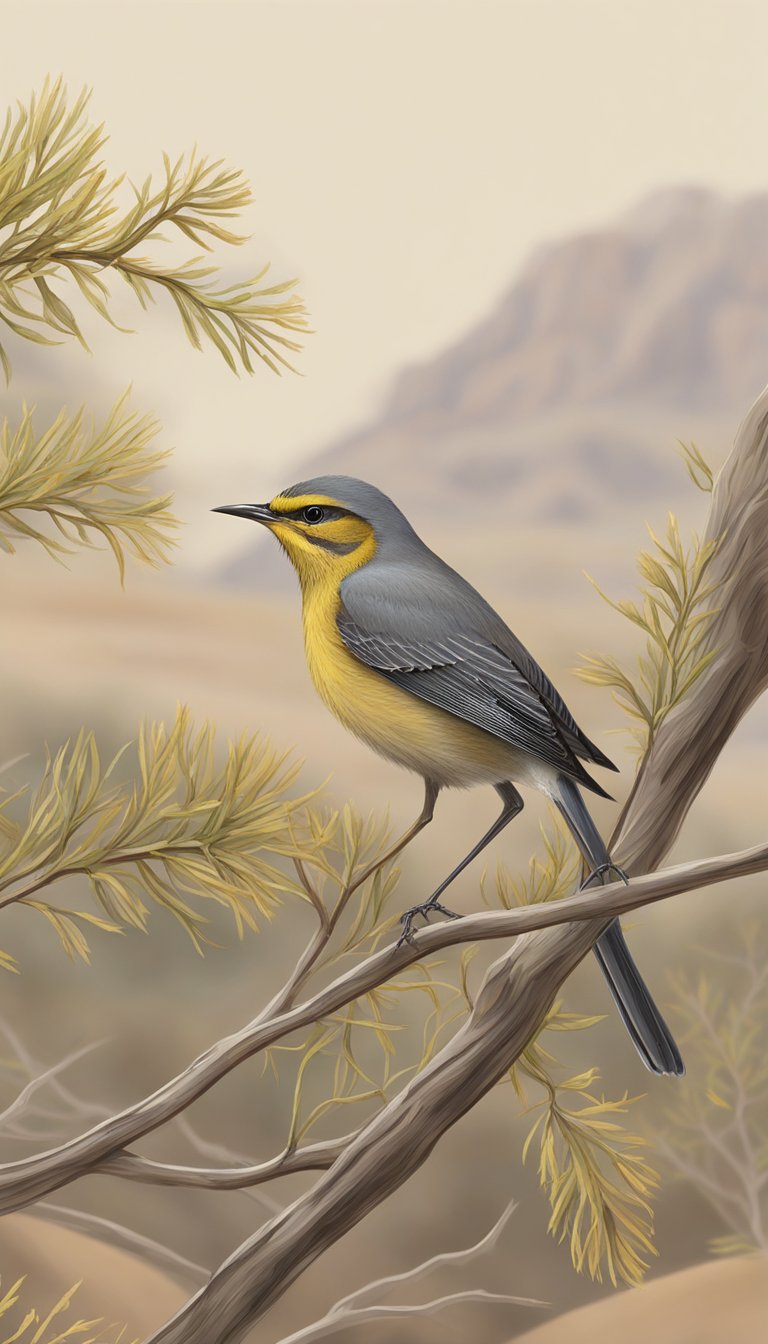
The African desert warbler thrives in arid regions, favoring environments with sparse vegetation. Its presence stretches across several North African countries, confined mainly to desert landscapes south of the Atlas Mountains.
Preferred Environments
The African desert warbler inhabits sandy deserts and regions with scattered low shrubs. These birds can often be found in open areas where vegetation is sparse, making it easier for them to forage on the ground. They prefer arid habitats where they can blend with the sandy and buff-brown surroundings.
Unlike many other birds that frequent lush areas, the African desert warbler has adapted well to dry conditions. Their pale sandy yellow-brown plumage gives them excellent camouflage against the desert backdrop, aiding in both predation and protection.
Geographical Range
This species is primarily found in the north-western African regions, particularly south of the Atlas Mountains. Its range extends from southern Morocco to western Libya and reaches further south to countries like Mali and Niger. Unlike many migratory birds, the African desert warbler is mostly sedentary, showing little migratory behavior beyond short-distance movements within its range.
During winter, they remain in the same desert areas, not migrating long distances like some other birds. This limited movement helps them conserve energy and sustain their presence within their ideal habitats, maintaining a stable population in these regions throughout the year.
Physical Characteristics
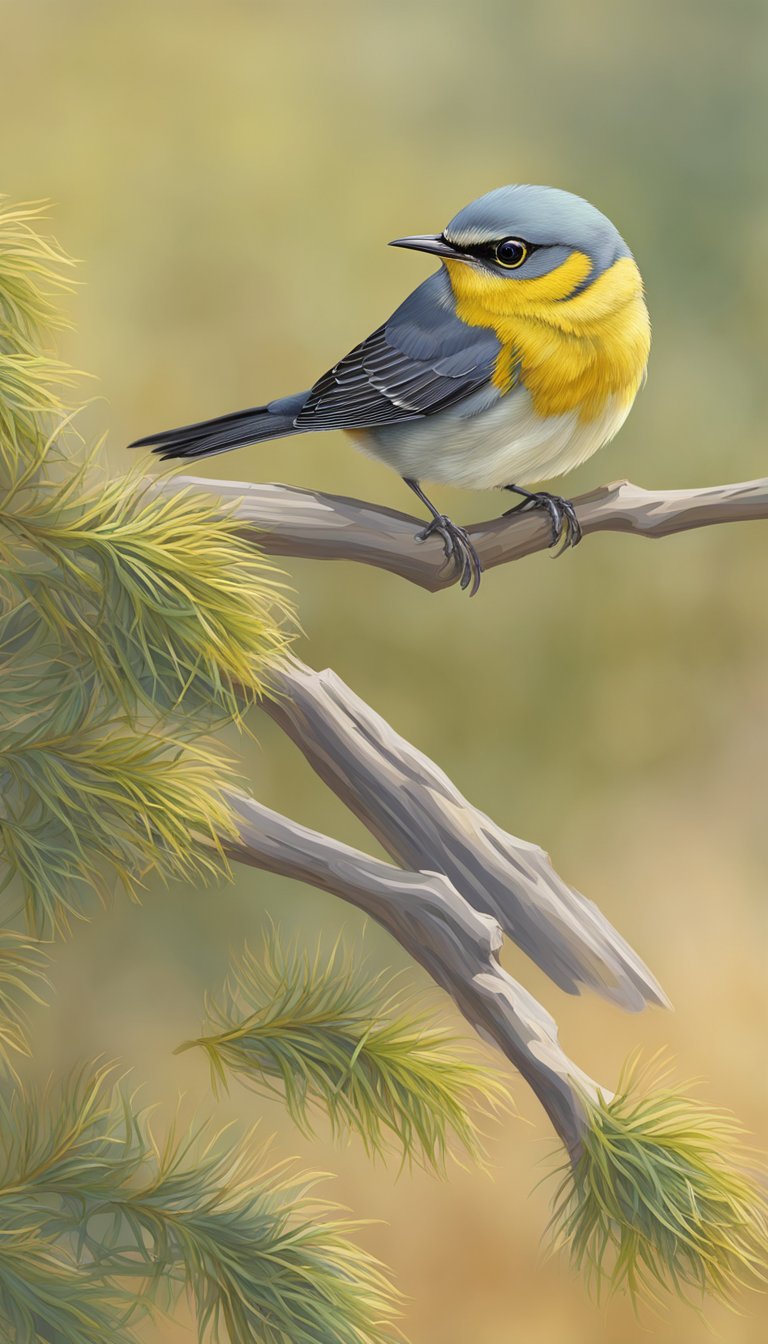
The African desert warbler is a small bird with distinct features that help it survive in its harsh desert environment. Key elements include its compact size, light weight, and specific feather coloration.
Size and Weight
This small bird measures 11-12 cm in length and weighs between 7-10 grams.
It is marginally the smallest bird in its genus. Despite its small stature, it is well-adapted to the challenging conditions of its habitat.
Its petite size allows it to easily navigate through the sparse vegetation of sandy deserts.
The streamlined body, paired with short legs, aids in swift and agile movement, crucial for evading predators and foraging for food.
Feather Coloration
The African desert warbler’s feathers are primarily pale sandy yellow-brown above and whitish below.
This coloration provides excellent camouflage against the desert background.
The bill and legs are yellowish, matching the desert hues, while the eye has a distinctly yellow iris, making it easily distinguishable from closely related species.
Additionally, its deep rusty-colored tail serves as another identifying mark, setting it apart from the Asian desert warbler, which is less uniformly colored.
Behavior and Diet
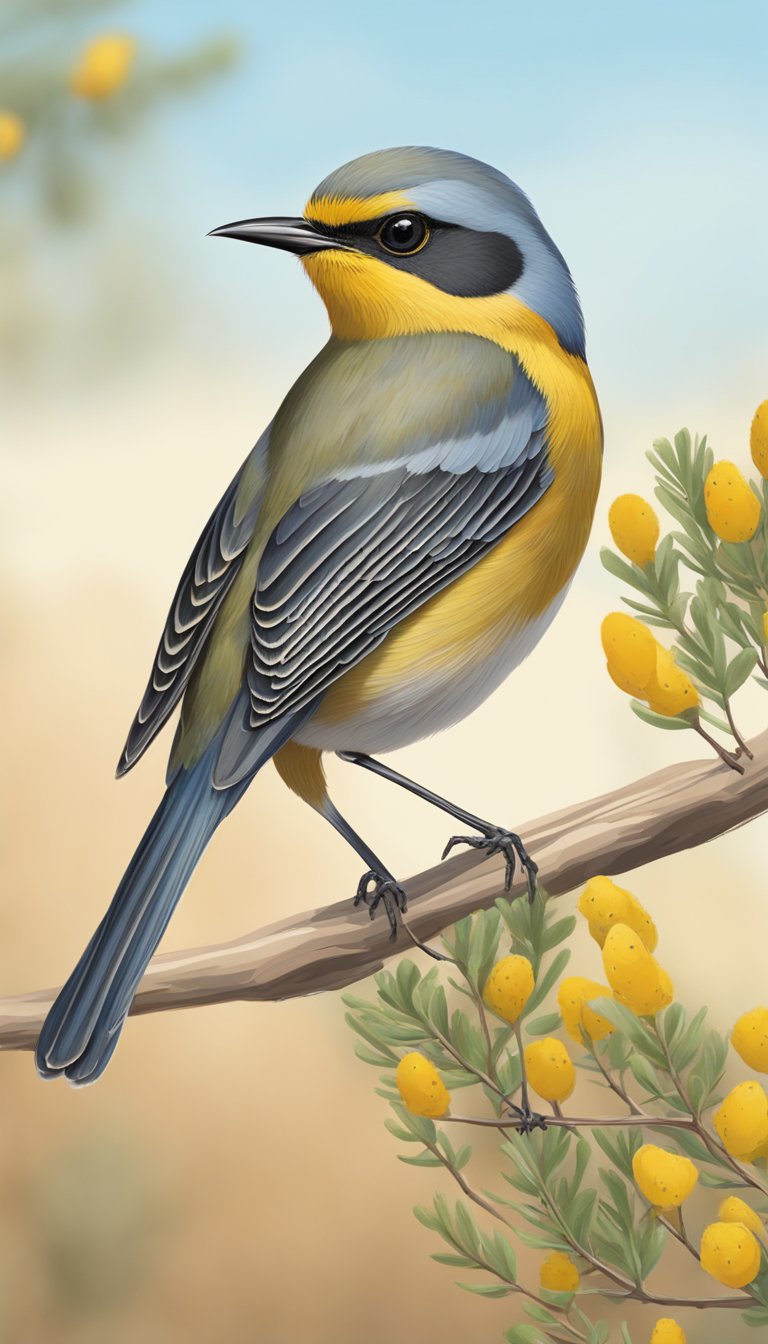
The African desert warbler, Curruca deserti, displays unique behaviors and dietary habits well-adapted to its arid environment.
Dietary Preferences
The African desert warbler primarily feeds on insects, which form the bulk of its diet. These insects include small beetles, ants, and termites. Occasionally, the bird’s diet is supplemented with small berries when insects are scarce.
Often observed foraging on the ground, this warbler displays a particular knack for scouring the desert floor for its prey. Its yellowish bill is perfectly adapted for picking insects off low shrubs and grasses. The bird’s diet is influenced by seasonal availability, with a higher intake of berries during the dry season.
Migration Patterns
Despite existing in harsh desert climates, the African desert warbler is largely sedentary. It shows minimal migratory behavior. When necessary, it undertakes short-distance movements within its range, primarily driven by changes in food availability or environmental conditions.
During instances of extreme weather or resource scarcity, slight shifts in location are noted. The bird’s strong site fidelity keeps it within familiar territories, enabling efficient foraging and survival in the desert’s variable landscape.
Reproduction and Lifespan
African desert warblers exhibit fascinating breeding habits and have a lifespan that reflects their resilience in harsh desert environments.
Breeding Habits
African desert warblers typically lay 2 to 5 eggs per clutch. Their nests, built in low shrubs, are carefully constructed to provide protection from desert predators and harsh weather conditions.
The eggs hatch after a short incubation period, during which both parents may be involved in brooding. The young chicks fledge quickly, adapting to the demands of their arid habitat. This rapid development is crucial for survival in an environment where resources can be scarce.
Average Lifespan
African desert warblers have an average lifespan of approximately 2 to 4 years in the wild. Lifespan can be impacted by various factors, including predation, availability of food, and environmental conditions.
Despite the challenges posed by their harsh desert habitat, these small birds have adapted well, demonstrating resilience and adaptability. Their ability to thrive in such an environment is a testament to the evolutionary success of the species.