The Japanese diet is known for its health benefits and role in maintaining a slim figure. The foods traditionally consumed in Japan focus on balance, variety, and moderation, which supports a healthy lifestyle and weight management.

Through the use of fresh, seasonal ingredients and an emphasis on low-calorie, nutrient-rich dishes, Japanese cuisine has gained recognition worldwide. This article will explore 25 foods that contribute to the slim and healthy bodies of the Japanese people, highlighting the qualities that make these choices effective.
1.) Natto

Natto is a traditional Japanese food made from fermented soybeans. It is known for its strong flavor and sticky texture. Many people eat it for breakfast, often served over rice or in miso soup.
This food is rich in nutrients. It contains protein, fiber, and healthy fats. Natto is also high in vitamin K2, which is important for bone health and heart function. Fermentation enhances its nutritional value and makes it easier to digest.
Natto has probiotics, which help support gut health. A healthy gut can contribute to a balanced weight and overall wellness. Regular consumption of natto may aid digestion and boost the immune system.
For those who follow a diet low in animal products, natto is a great option. It provides essential nutrients that might be lacking in a plant-based diet. This makes natto a popular choice among health-conscious individuals in Japan and beyond.
2.) Matcha Tea

Matcha tea is a popular drink in Japan known for its health benefits. It comes from finely ground green tea leaves and is rich in antioxidants. These compounds help protect the body from damage caused by free radicals.
Drinking matcha can boost metabolism and support fat burning. It contains caffeine, which provides a gentle energy kick without the jitters associated with coffee. This makes it a popular choice for those looking to increase focus and energy.
Matcha is versatile and can be enjoyed in various ways. It can be whisked with hot water for a traditional tea or blended into smoothies. Additionally, it can be used in cooking and baking, adding a unique flavor to dishes.
The Japanese culture highly values matcha for its calming properties. Many people drink it during tea ceremonies, promoting mindfulness and relaxation. By incorporating matcha into their daily routine, individuals may enjoy its benefits while supporting a healthy lifestyle.
3.) Miso Soup
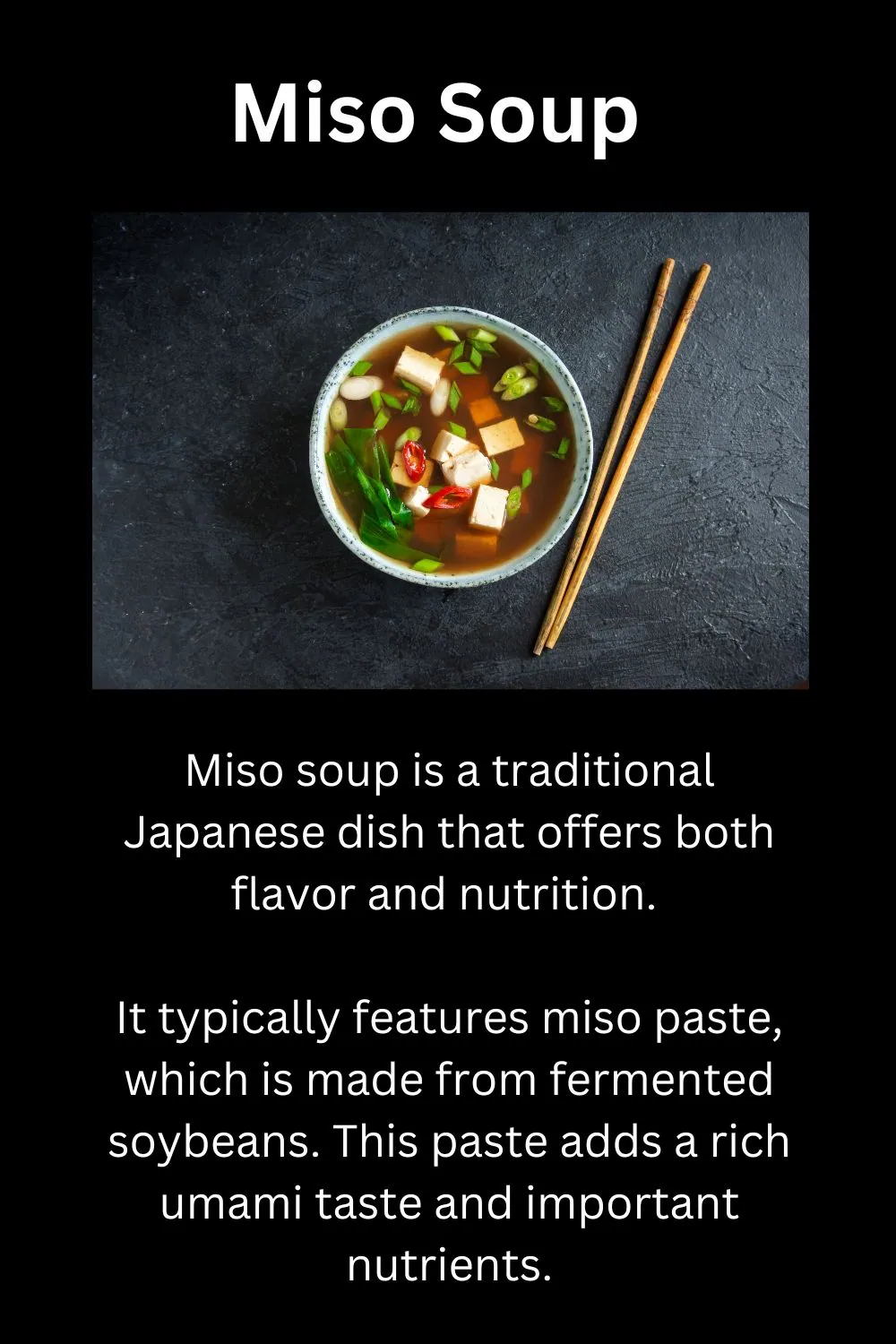
Miso soup is a traditional Japanese dish that offers both flavor and nutrition. It typically features miso paste, which is made from fermented soybeans. This paste adds a rich umami taste and important nutrients.
The soup is usually made with dashi, a broth that can include ingredients like dried fish or seaweed. Common additions are tofu, green onions, and seaweed. These ingredients not only enhance the flavor but also increase the soup’s health benefits.
Miso soup is low in calories, making it an excellent choice for those looking to maintain a slim figure. It is often included in meals, providing a warm, comforting start. The fermentation process in miso contributes beneficial probiotics, promoting gut health.
Eating miso soup regularly can assist in hydration and provide essential minerals. It is an easy dish to prepare and can be customized with various vegetables, making it both versatile and enjoyable.
4.) Pickled Daikon
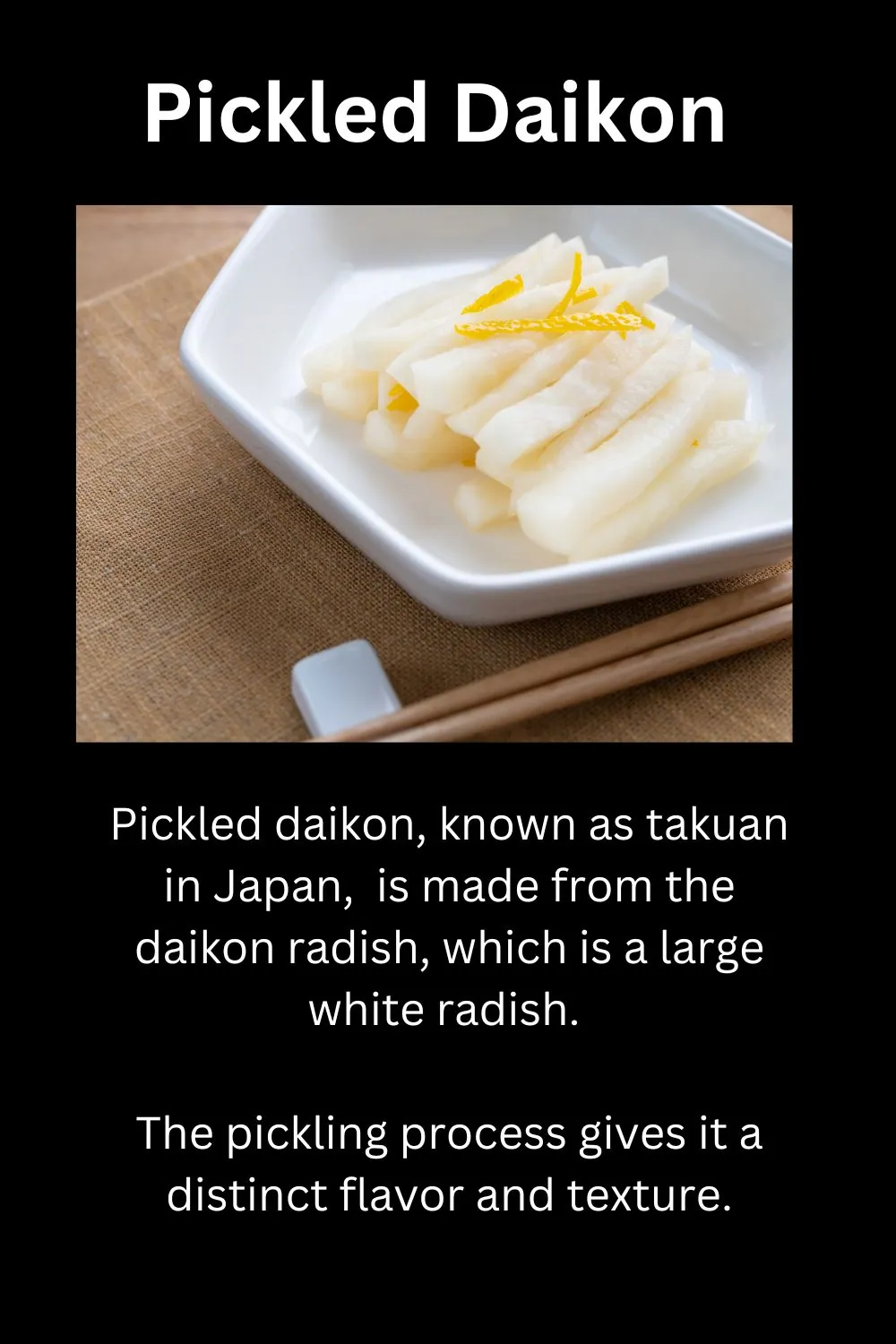
Pickled daikon, known as takuan in Japan, is a popular side dish. It is made from the daikon radish, which is a large white radish. The pickling process gives it a distinct flavor and texture.
This food is valued for its mild and slightly sweet taste. Takuan has a crunchy texture that complements many meals. It is commonly served with rice, sushi, and other Japanese dishes.
Eating pickled daikon provides several health benefits. It contains enzymes that help digest carbohydrates and proteins. This can aid in overall digestion, making it a smart addition to meals.
Pickling vegetables like daikon has a long history in Japan. This practice enhances the shelf life of produce while adding flavor. It also preserves the nutrients found in the fresh vegetable.
Overall, pickled daikon is not only tasty but also nutritious. It fits well into a balanced Japanese diet focused on fresh and fermented foods. Many people enjoy it for its unique taste and health benefits.
5.) Sashimi

Sashimi is a popular dish in Japanese cuisine made from thinly sliced raw fish or seafood. It is often served without rice, making it a low-calorie option.
One of the appealing aspects of sashimi is its nutritional value. For instance, tuna sashimi contains about 196 calories per serving, along with 42 grams of protein. It has only 2 grams of fat and no carbohydrates, making it a healthy choice.
Eating sashimi provides essential omega-3 fatty acids. These fats are known for their heart health benefits. They can help reduce inflammation and lower the risk of heart disease.
Sashimi can also be quite versatile. It is commonly made with various types of fish, including salmon, mackerel, and snapper. Each fish delivers different flavors and health benefits, contributing to a balanced diet.
This dish is typically enjoyed with soy sauce and wasabi, which add flavor without adding significant calories. By choosing lean cuts of fish, sashimi aligns well with the principles of a traditional Japanese diet.
6.) Edamame

Edamame are young soybeans, usually steamed and served in their pods. They are often a popular snack or appetizer in Japanese cuisine.
These beans are rich in protein, fiber, and essential vitamins. This makes them a healthy choice for those looking to manage their weight.
Studies suggest that eating soy protein can help lower cholesterol levels. Regular consumption of edamame provides a good source of antioxidants, which can support overall health.
To eat edamame, one typically pops the beans from the pods using their teeth. This method keeps the experience simple and enjoyable.
Edamame can be included in various dishes or enjoyed on their own. Their versatility and nutrient density contribute to their place in the Japanese diet.
7.) Nori Seaweed
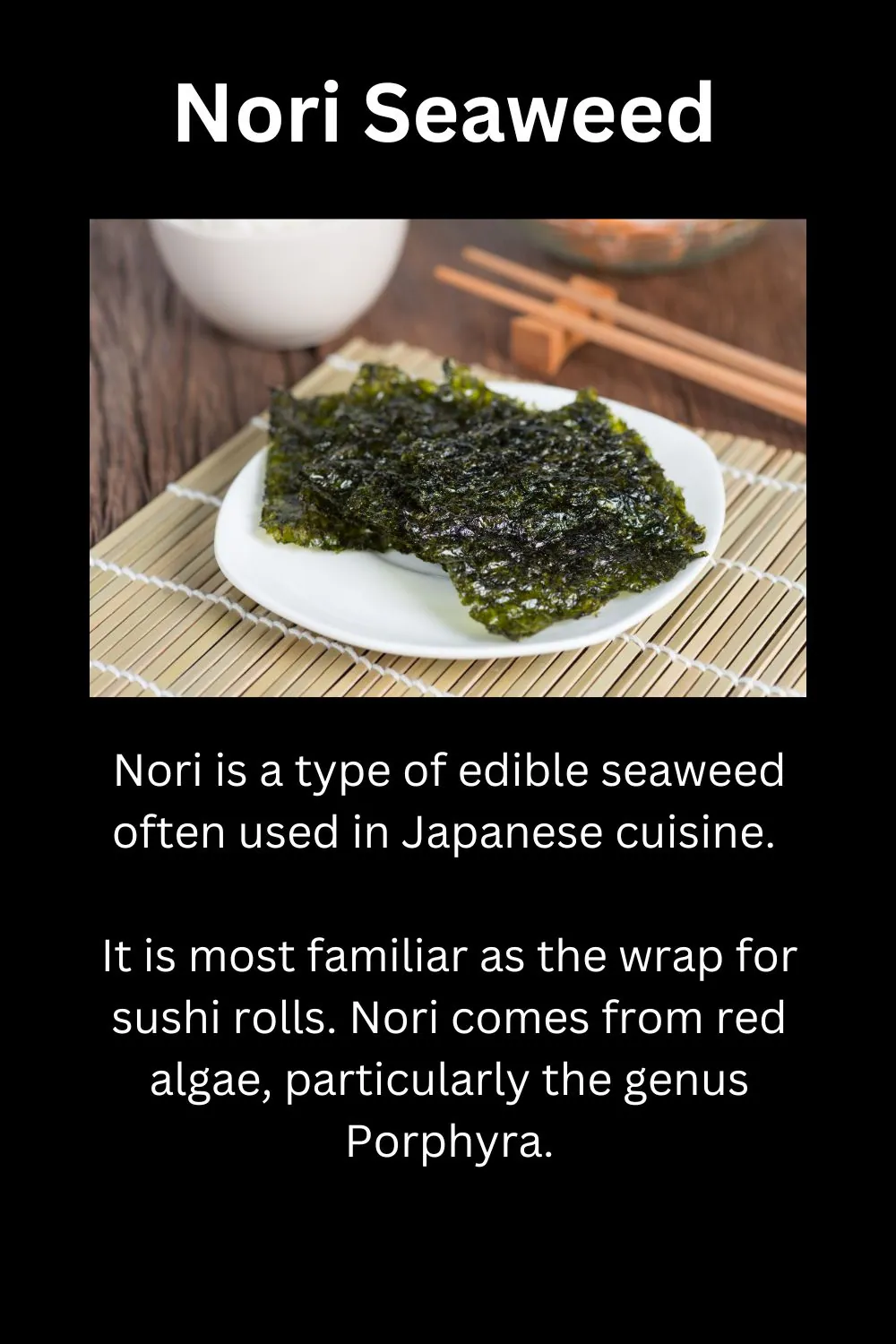
Nori is a type of edible seaweed often used in Japanese cuisine. It is most familiar as the wrap for sushi rolls. Nori comes from red algae, particularly the genus Porphyra.
In Japan, nori is valued for its nutritious qualities. It is high in vitamins A, C, and B12, as well as minerals like iron and iodine. This makes it a healthy addition to meals.
Nori can be enjoyed in various ways beyond sushi. It can be used in soups, salads, and rice dishes. Some people even snack on nori sheets on their own.
Japanese culture has used nori for centuries. It has served not only as food but also in dietary supplements and traditional medicine. The seaweed was believed to have healing properties, especially for skin issues.
Choosing high-quality nori is essential. Authentic nori from Japan is preferred over cheaper alternatives that may contain undesirable additives. This ensures the best flavor and health benefits.
8.) Shirataki Noodles
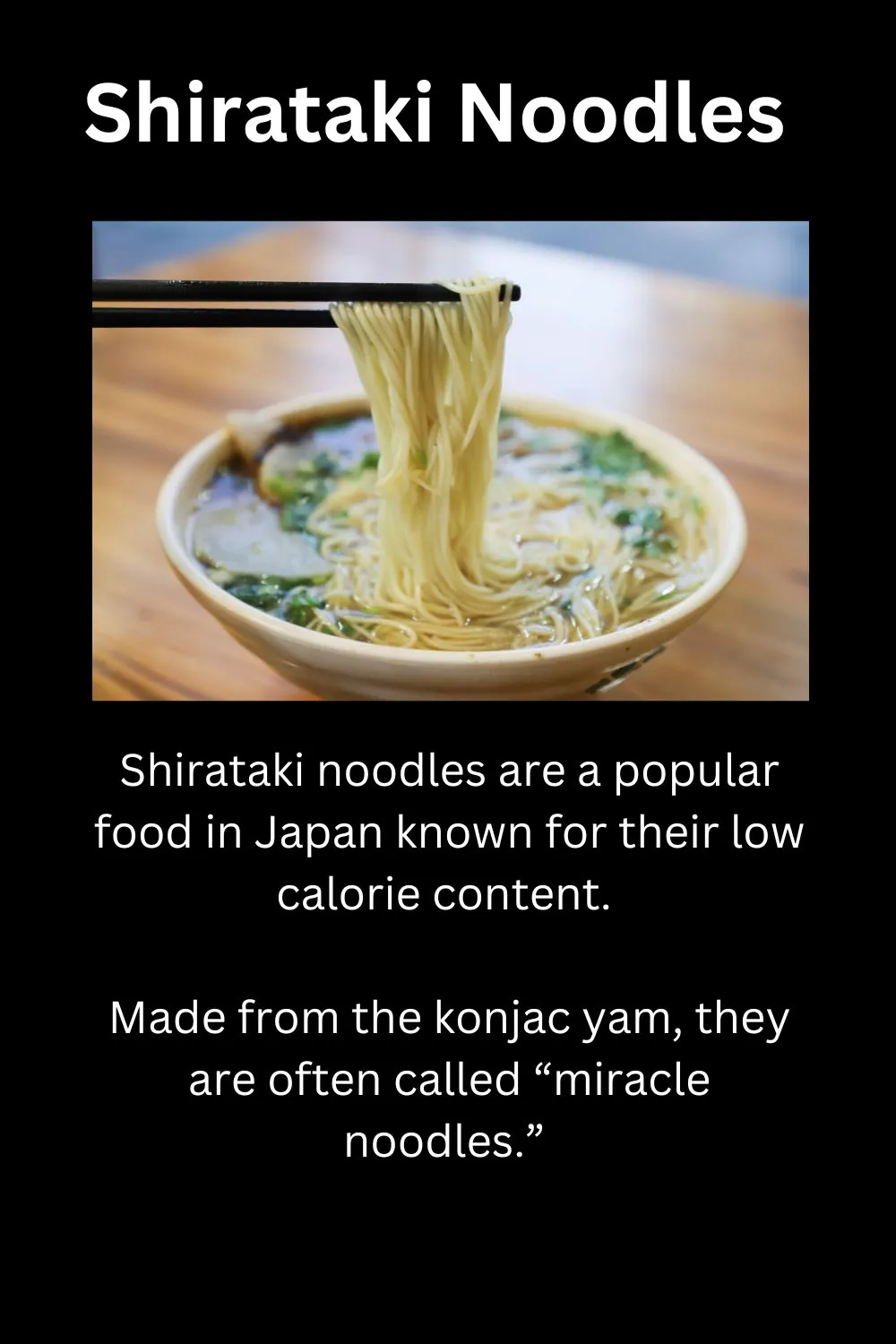
Shirataki noodles are a popular food in Japan known for their low calorie content. Made from the konjac yam, they are often called “miracle noodles.” These noodles have a unique, translucent appearance and a gelatinous texture.
Many people enjoy shirataki noodles because they contain very few calories. A typical serving can have between 0 to 15 calories. They are also low in carbohydrates, making them a good choice for those watching their carb intake.
In addition to being low in calories, shirataki noodles are high in fiber. The fiber comes from glucomannan, which helps promote a feeling of fullness. This can aid in weight management.
Shirataki noodles can be used in a variety of dishes. They are versatile and can be added to stir-fries, soups, and salads. Because they absorb flavors well, they pair nicely with different proteins and sauces, making them a tasty addition to any meal.
9.) Yuzu Fruit

Yuzu is a unique citrus fruit commonly found in Japan. It is known for its strong aroma and distinct flavor. This fruit is typically not eaten raw due to its high acidity. Instead, its zest and juice are used in various dishes.
Yuzu is often used to enhance soups, sauces, and dressings. It adds a refreshing taste and is a popular ingredient in Japanese cuisine. Many people enjoy yuzu in ponzu sauce, which is a tangy condiment made from yuzu juice and soy sauce.
The fruit is also praised for its health benefits. Yuzu is rich in vitamin C and antioxidants. These nutrients support the immune system and can improve skin health.
Yuzu is primarily grown in Kochi Prefecture, which produces a significant portion of Japan’s supply. The cool climate in this region is ideal for cultivating yuzu. This fruit is not only valued for its flavor but also for its cultural significance in Japanese traditions.
10.) Hijiki Seaweed
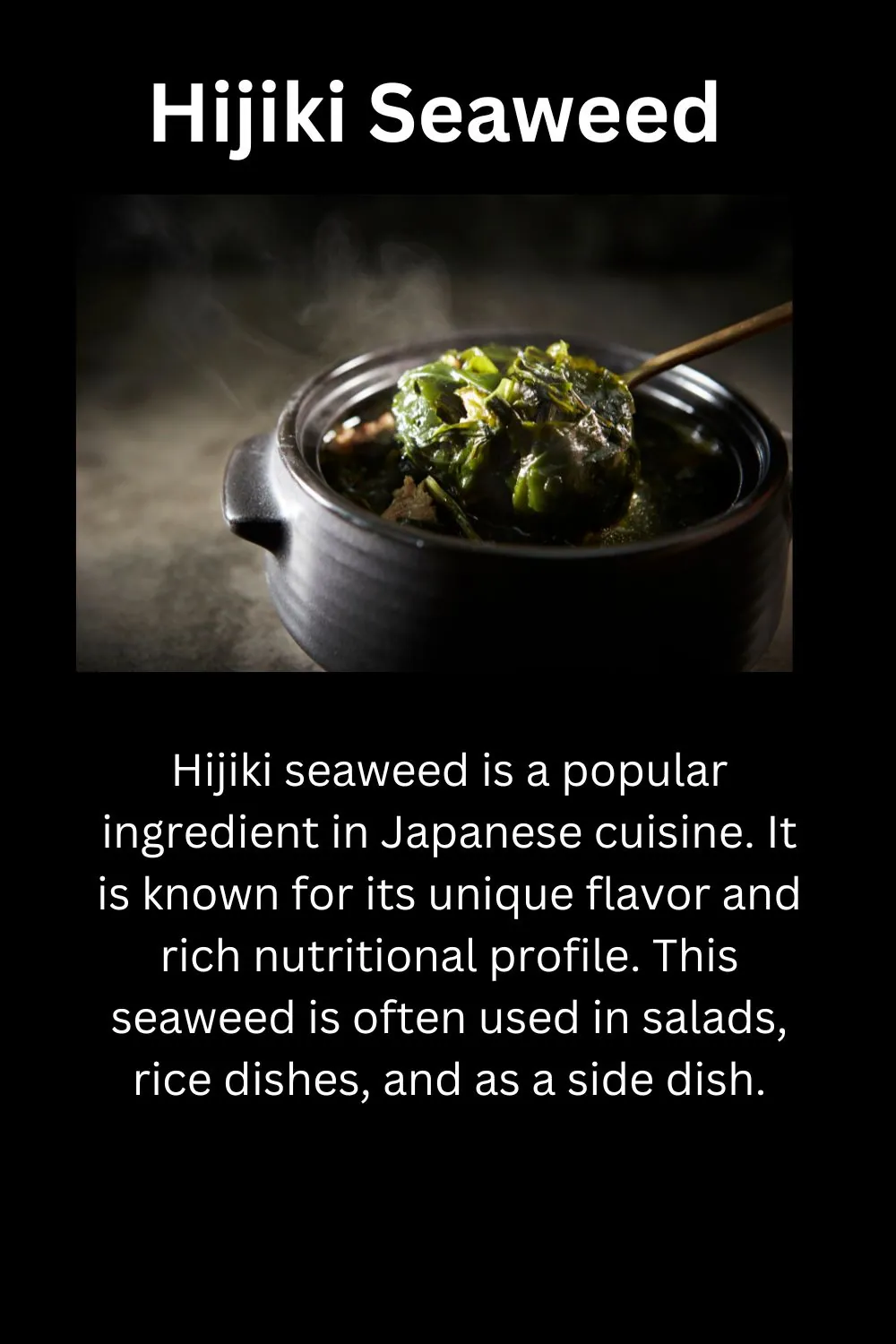
Hijiki seaweed is a popular ingredient in Japanese cuisine. It is known for its unique flavor and rich nutritional profile. This seaweed is often used in salads, rice dishes, and as a side dish.
High in fiber and low in calories, hijiki can help with digestion and satiety. It provides essential nutrients like calcium, iron, and magnesium. These minerals contribute to overall health and well-being.
Hijiki is typically prepared by soaking it in water before cooking. This softens the seaweed and enhances its flavor. It can be added to various dishes, including hijiki rice, where it complements the taste and texture.
Many Japanese people incorporate hijiki into their diets regularly. Its versatility makes it easy to enjoy in different meals. Eating hijiki can be a nutritious choice for those looking to maintain a healthy lifestyle.
11.) Chawanmushi

Chawanmushi is a traditional Japanese egg custard that is both simple and nutritious. It typically features a smooth texture and a delicate flavor.
The dish is made by whisking eggs with dashi, a Japanese soup stock. Other common ingredients include soy sauce, mirin, and various vegetables or seafood. Proteins like chicken or shrimp can be added for extra nutrition.
Chawanmushi is often served warm and steamed, but modern methods, like using an Instant Pot, make it quicker to prepare. This adaptation reduces cooking time, making it easier to enjoy at home.
The dish is low in calories yet rich in protein, making it a great choice for those looking to maintain a healthy diet. Its balance of flavors and textures offers both comfort and satisfaction.
As a part of the traditional Japanese diet, chawanmushi fits well with the principles of moderation and balance. This makes it a popular option for anyone seeking to stay slim and healthy.
12.) Tamago Sushi
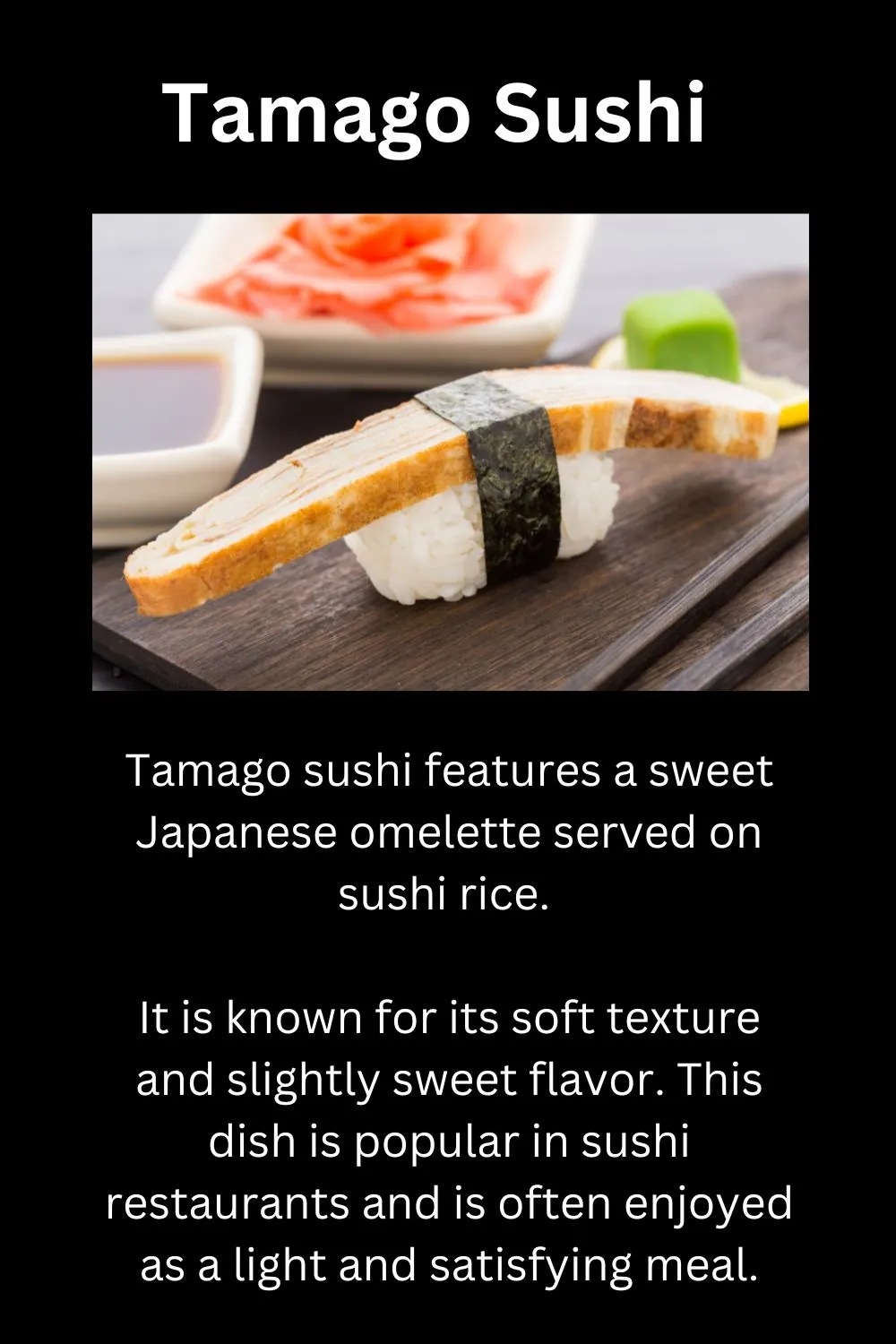
Tamago sushi features a sweet Japanese omelette served on sushi rice. It is known for its soft texture and slightly sweet flavor. This dish is popular in sushi restaurants and is often enjoyed as a light and satisfying meal.
To make tamago, eggs are beaten and cooked in a special pan. The omelette is layered and folded multiple times to create a fluffy texture. It is then sliced into pieces and placed atop sticky rice.
Tamago sushi is not only delicious but also nutritious. Eggs provide protein, vitamins, and healthy fats. Adding it to a meal can help people feel full and satisfied.
This sushi type is suitable for those seeking a lower-calorie option. It can be paired with other healthy ingredients, like vegetables and seafood. Tamago sushi combines flavors and nutrients, making it a popular choice in Japanese cuisine.
13.) Tofu
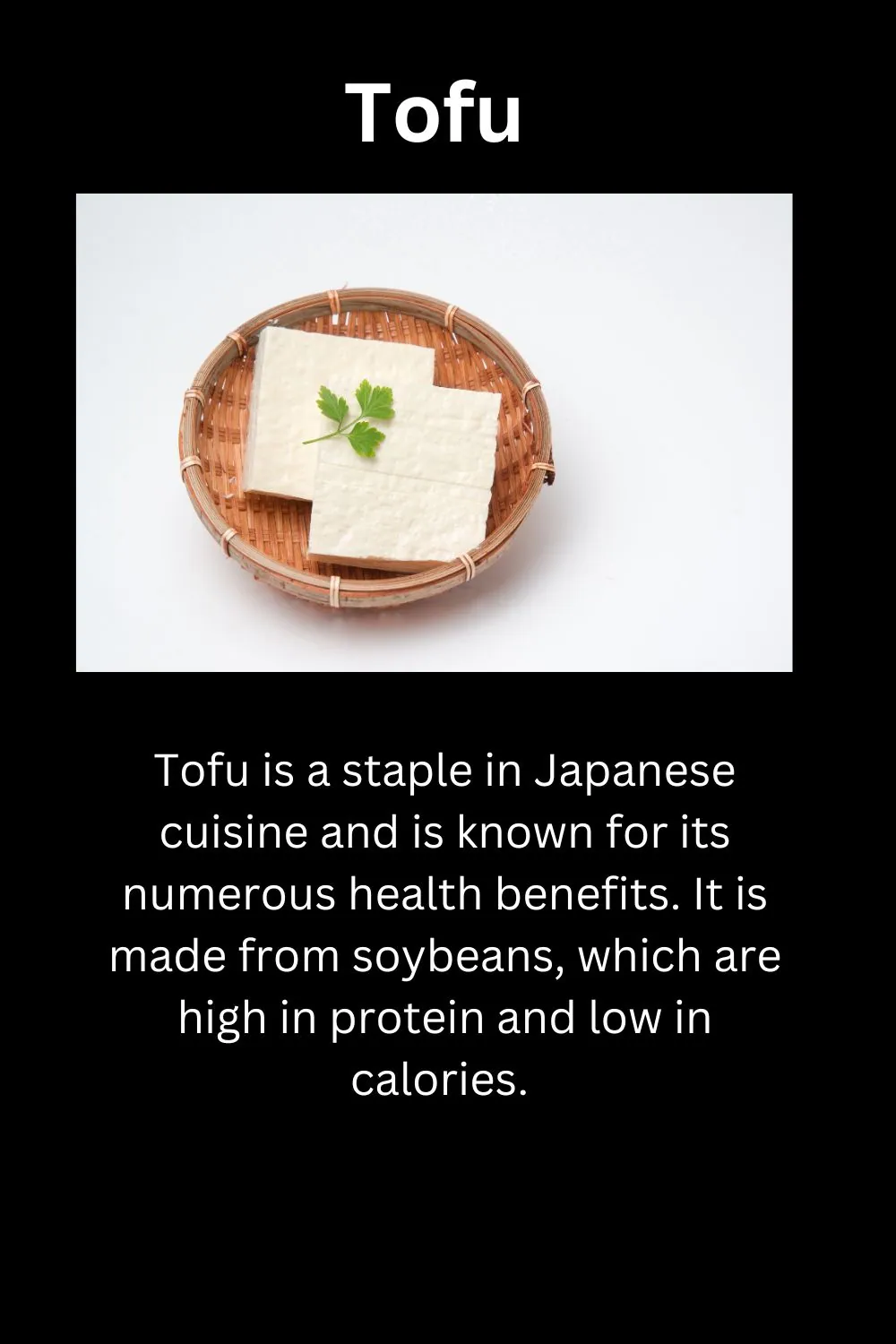
Tofu is a staple in Japanese cuisine and is known for its numerous health benefits. It is made from soybeans, which are high in protein and low in calories. This makes tofu an excellent choice for those looking to maintain a healthy weight.
Rich in essential amino acids, tofu provides the body with the necessary building blocks for muscle. It also contains healthy fats, which promote heart health without raising cholesterol levels.
In addition to protein, tofu is packed with vitamins and minerals. It is a good source of calcium, iron, and magnesium, which are important for bone and overall health.
Tofu is very versatile. It can be used in soups, stir-fries, and salads. Its mild flavor allows it to absorb the taste of seasonings and sauces, making it easy to incorporate into various dishes.
Choosing tofu as a part of a regular diet can help support a balanced lifestyle. Many people in Japan enjoy it for its health benefits and its role in traditional meals.
14.) Konjac Jelly

Konjac jelly is a popular food in Japan known for its unique texture and health benefits. It is made from the konjac plant, which is also called konnyaku. This jelly-like food has been used in Japanese cuisine for centuries.
One of the key benefits of konjac jelly is its low calorie content. It provides a feeling of fullness without adding many calories to the diet. This makes it a great option for those looking to manage their weight.
Konjac jelly is high in fiber, which can aid digestion. It helps to keep the digestive system healthy by promoting regular bowel movements. This is why it is often referred to as the “broom of the stomach.”
The jelly comes in various flavors and forms, making it a versatile ingredient in many dishes. It can be eaten as a snack or added to meals like soups and salads. Its chewy texture adds a delightful contrast to different foods.
In recent years, konjac jelly has gained popularity outside Japan as a healthy snack option. Many people enjoy it as a low-calorie alternative to traditional jelly snacks.
15.) Udon Noodles

Udon noodles are thick, chewy noodles made from wheat flour. They are popular in Japanese cuisine and are often enjoyed in soups or stir-fries.
These noodles are low in calories and provide a good source of complex carbohydrates. This can help maintain energy levels throughout the day.
Udon can be prepared quickly, making it a convenient meal option. A simple udon soup can be ready in about 15 minutes, keeping cooking time manageable.
Udon noodles are versatile and can be paired with various ingredients like vegetables, seafood, or meat. This variety allows for balanced meals that are both satisfying and nutritious.
In addition to being delicious, udon noodles contain fiber, which aids digestion. Eating them as part of a balanced diet can support overall health.
Including udon noodles in meals can contribute to a healthy lifestyle when enjoyed in moderation. Their flexibility in recipes allows for creativity while sticking to healthy eating habits.
16.) Yakitori
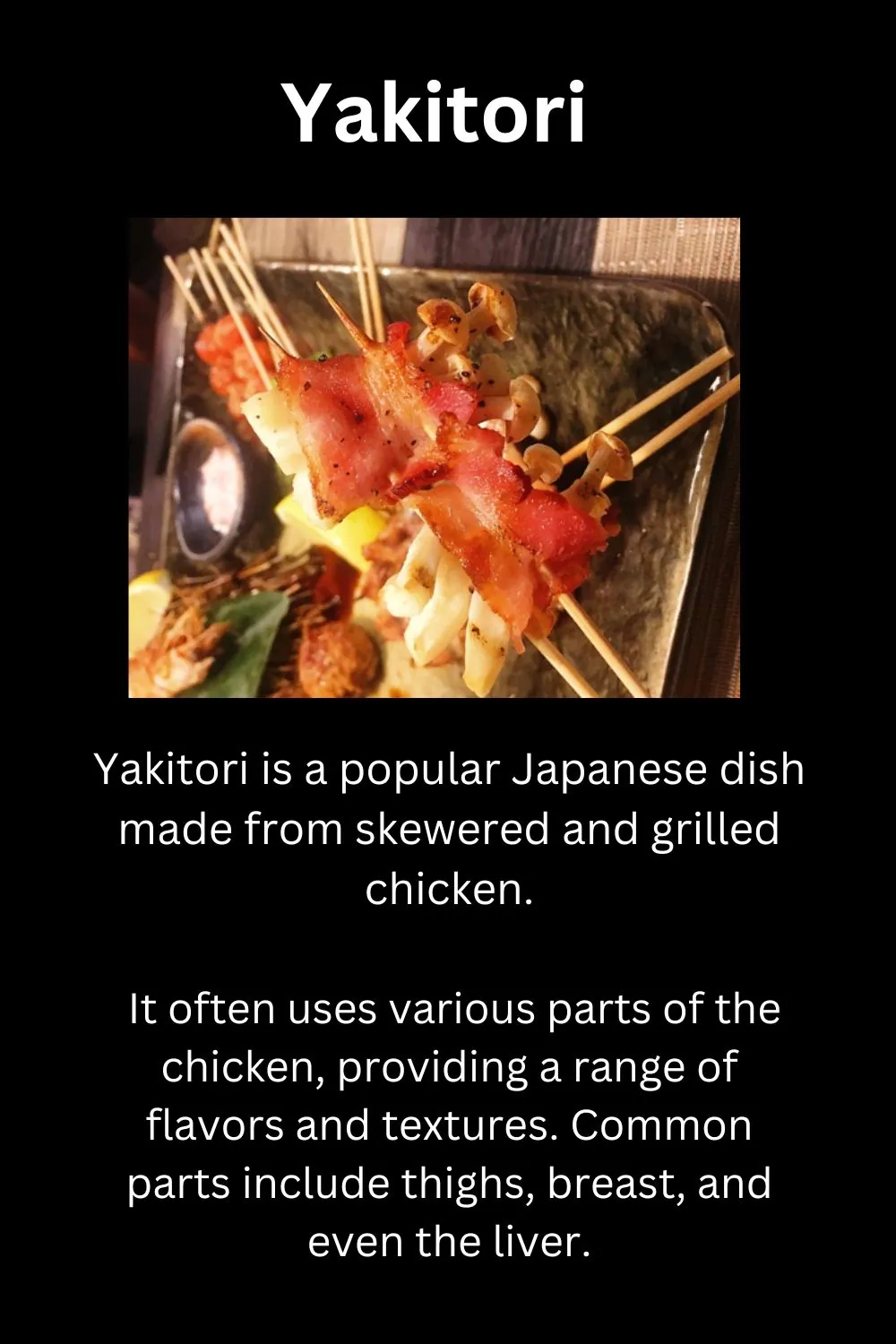
Yakitori is a popular Japanese dish made from skewered and grilled chicken. It often uses various parts of the chicken, providing a range of flavors and textures. Common parts include thighs, breast, and even the liver.
This dish has a few simple seasonings, usually salt or a sweet soy sauce glaze called tare. Because of its preparation, yakitori can be a low-calorie option, especially when grilled without heavy sauces.
The protein from the chicken helps with muscle maintenance and satiety. Many people enjoy yakitori as a snack or part of a meal, often served with vegetables for added nutrients.
While some versions can be higher in calories, choices like kawa (chicken skin) or negima (chicken with green onions) offer a flavorful and satisfying option. It’s advisable to watch portions and avoid high-calorie drinks when enjoying yakitori.
Yakitori is often found in izakayas, or Japanese pubs, making it a social dish as well. Its blend of taste and texture, along with its nutritional benefits, contributes to its popularity among those looking to maintain a healthy diet.
17.) Okinawa Soba
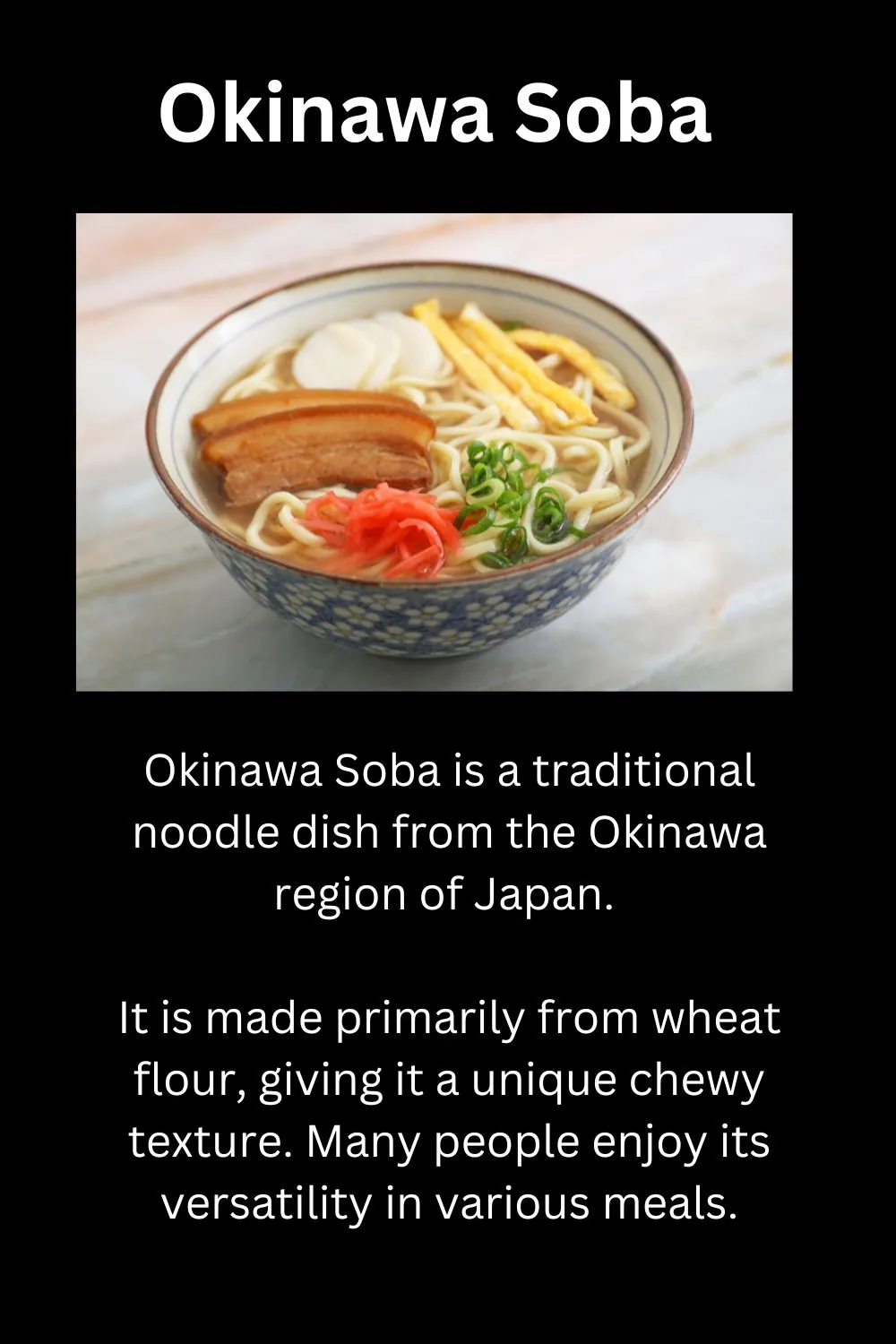
Okinawa Soba is a traditional noodle dish from the Okinawa region of Japan. It is made primarily from wheat flour, giving it a unique chewy texture. Many people enjoy its versatility in various meals.
These noodles are often served in a savory broth alongside vegetables, fish, or meat. This combination makes it a nutritious option that is low in calories, aligning with the healthy eating habits of Okinawans.
The dish is known for its rich flavor, which can be enhanced with toppings like green onions and pickled ginger. This allows for a customized taste experience.
Okinawa Soba reflects the local diet, which emphasizes fresh, wholesome ingredients. Eating it can contribute to a balanced diet while providing energy and essential nutrients.
Incorporating Okinawa Soba into meals can offer a tasty way to enjoy Japanese cuisine while focusing on health and wellness.
18.) Kombu Broth
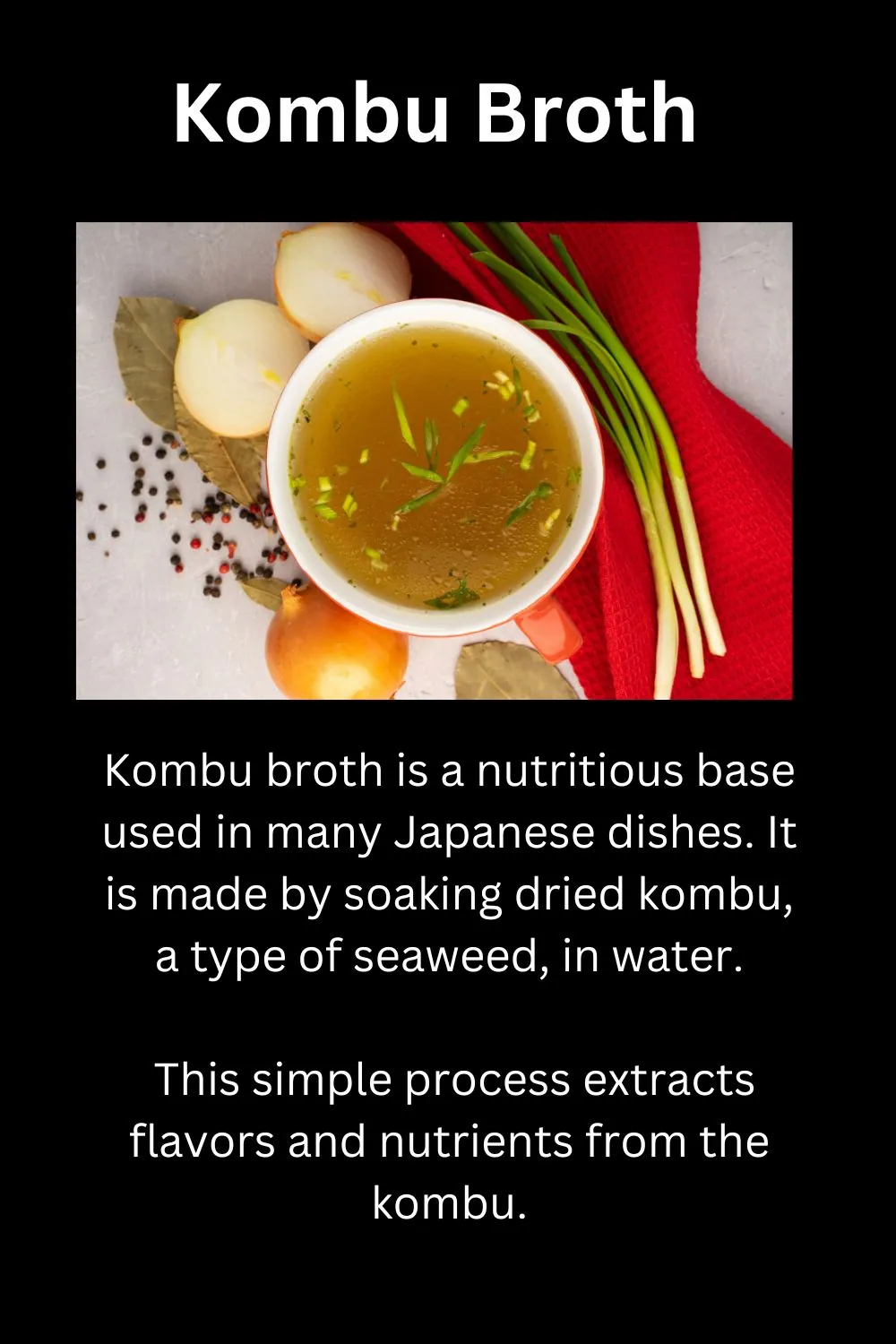
Kombu broth is a nutritious base used in many Japanese dishes. It is made by soaking dried kombu, a type of seaweed, in water. This simple process extracts flavors and nutrients from the kombu.
Kombu is rich in iodine, which is essential for thyroid function. Just a small amount in the diet can boost overall health. It is often used in soup and rice dishes, adding a savory taste without extra calories.
The broth not only enhances flavor but also makes food easier to digest. When cooked with beans, kombu helps tenderize them, making meals more enjoyable.
Kombu broth is popular among those seeking fresh, whole foods. It is low in calories and can be a healthy alternative to heavier stock options. Regularly incorporating kombu broth into meals can help support a balanced diet.
19.) Soba Noodles
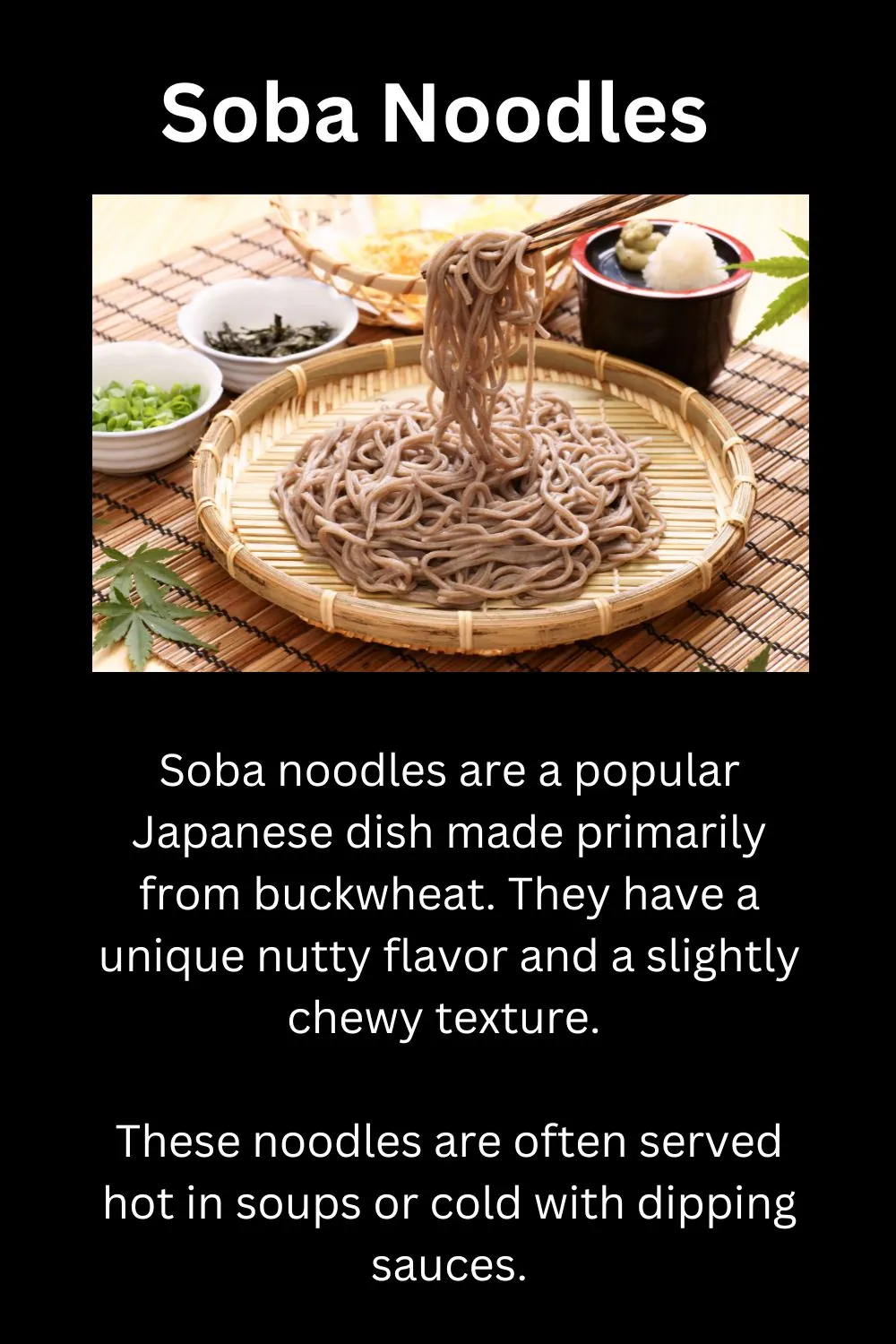
Soba noodles are a popular Japanese dish made primarily from buckwheat. They have a unique nutty flavor and a slightly chewy texture. These noodles are often served hot in soups or cold with dipping sauces.
One of the key benefits of soba noodles is that they are gluten-free when made from 100% buckwheat flour. This makes them a suitable option for those with gluten sensitivities. Many find soba to be filling, which may help with appetite control.
In addition to being low in fat, soba noodles provide a good source of fiber. This fiber is crucial for digestive health. The soluble fiber found in soba can also assist in managing blood sugar levels, making it a favorable choice for people with diabetes.
Soba noodles can be part of a balanced meal, often enjoyed alongside vegetables and protein sources like fish or tofu. They fit well into the traditional Japanese diet, which focuses on nutrient-dense foods. Including soba noodles in meals can contribute to a healthy lifestyle.
20.) Mochi

Mochi is a traditional Japanese rice cake made from glutinous rice. It is pounded into a sticky dough and can be shaped in various ways. This food offers a unique texture that many enjoy.
Mochi is popular for its versatility. It can be eaten plain or filled with ingredients like sweet red bean paste or ice cream. This variety makes it a delightful treat.
Nutritionally, mochi is low in saturated fat and cholesterol. Each serving typically contains between 100 to 300 calories, depending on the type. This allows it to fit into many diets when eaten in moderation.
For those watching their weight, mochi can be a satisfying snack. It is essential to enjoy it as part of a balanced diet. Limiting intake to one or two pieces helps avoid excess calories.
Mochi also has cultural significance in Japan. It is often enjoyed during festivals and special occasions. This adds to its appeal as both a food and a tradition.
21.) Onigiri

Onigiri is a traditional Japanese snack made from rice. It is typically shaped into triangles or balls and often wrapped in seaweed. Onigiri can be filled with various ingredients, such as fish, vegetables, or pickled plum.
This snack is low in calories, with each onigiri containing around 180 calories. The rice provides energy, while the seaweed adds vitamins and minerals. The fillings can boost protein content, making onigiri a balanced option.
Onigiri is also easy to customize. People can choose fillings based on their personal tastes and dietary needs. It serves as a quick meal or a satisfying snack, perfect for busy lifestyles.
When eaten in moderation, onigiri can support a healthy diet. It offers a combination of flavors and nutrients that can help with satiety. This makes it a popular choice for those looking to maintain a slim figure while enjoying tasty food.
22) Zosui
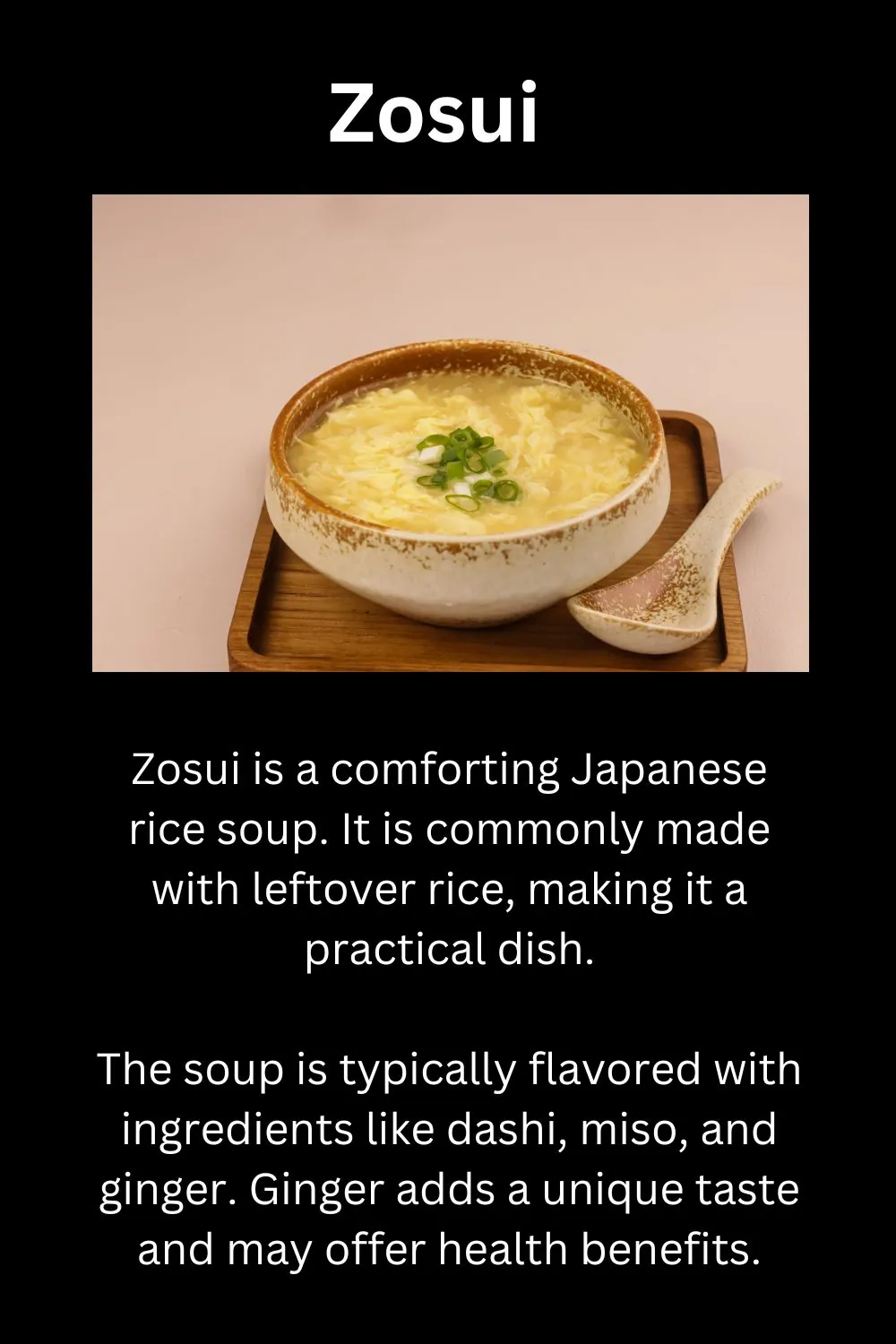
Zosui is a comforting Japanese rice soup. It is commonly made with leftover rice, making it a practical dish.
The soup is typically flavored with ingredients like dashi, miso, and ginger. Ginger adds a unique taste and may offer health benefits.
Zosui is light yet filling, which makes it a great option for those wanting to maintain a healthy diet. It can be easily customized with vegetables and proteins, like tofu or seafood.
People enjoy zosui for its simplicity and nourishing qualities. It is often eaten when someone is feeling unwell or needs a warm meal.
This dish is a good example of how Japanese cuisine focuses on fresh, whole foods. It highlights the balance between flavors and nutrition, contributing to a healthy lifestyle.
23.) Daifuku
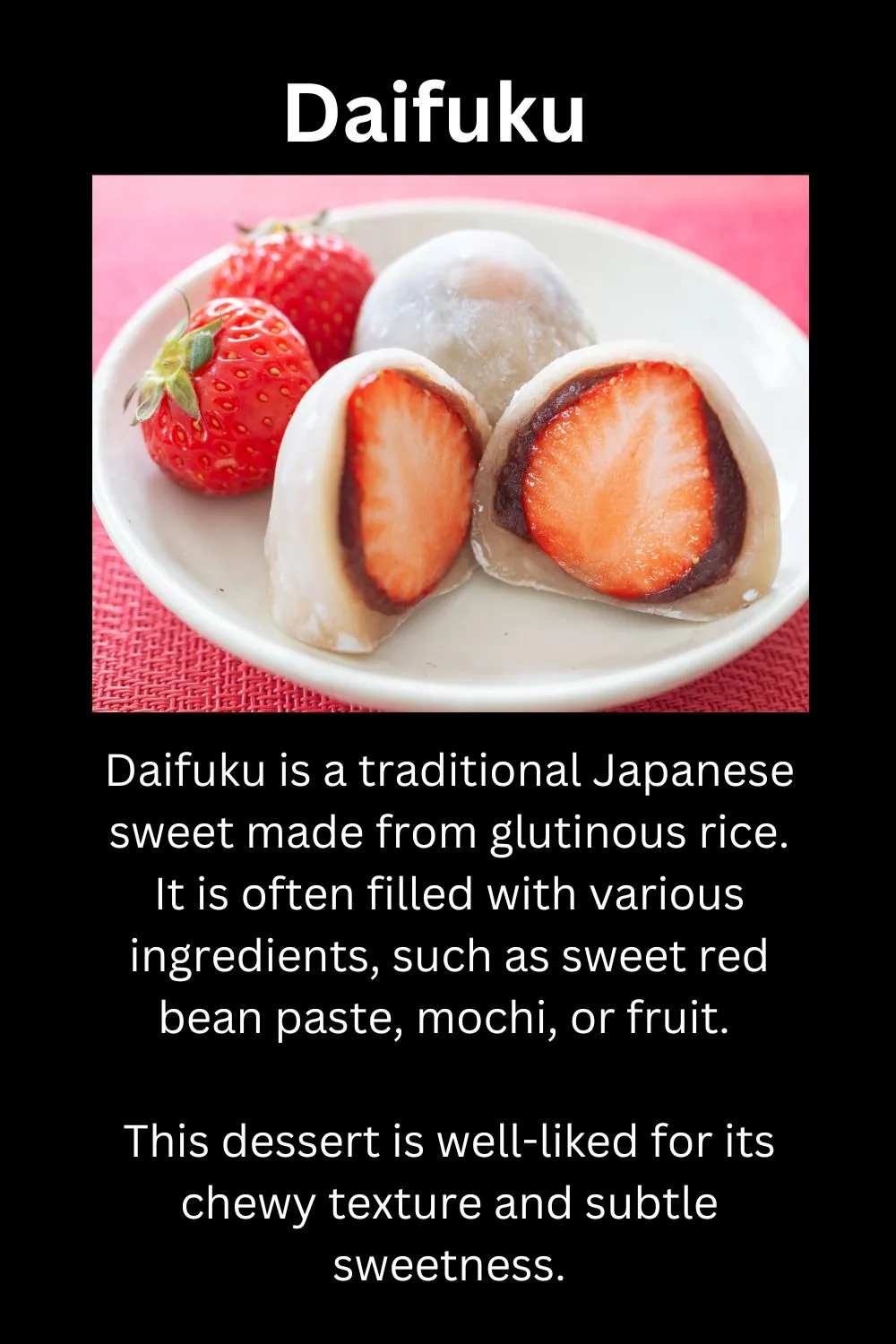
Daifuku is a traditional Japanese sweet made from glutinous rice. It is often filled with various ingredients, such as sweet red bean paste, mochi, or fruit. This dessert is well-liked for its chewy texture and subtle sweetness.
There are many types of daifuku. Some popular variations include ichigo daifuku, which contains a fresh strawberry, and mocha daifuku, filled with ice cream. These different fillings make daifuku a versatile treat enjoyed by many.
Despite being a sweet, daifuku can be part of a balanced diet. It is typically eaten in moderation and portion sizes are smaller than many Western desserts. This helps control calorie intake while still enjoying a flavorful treat.
Eating daifuku also highlights the Japanese principle of savoring flavors and minimizing waste. The careful selection of fillings and the emphasis on quality ingredients contribute to a satisfying experience. This reflects the cultural values of balance and harmony in food.
24.) Gyoza
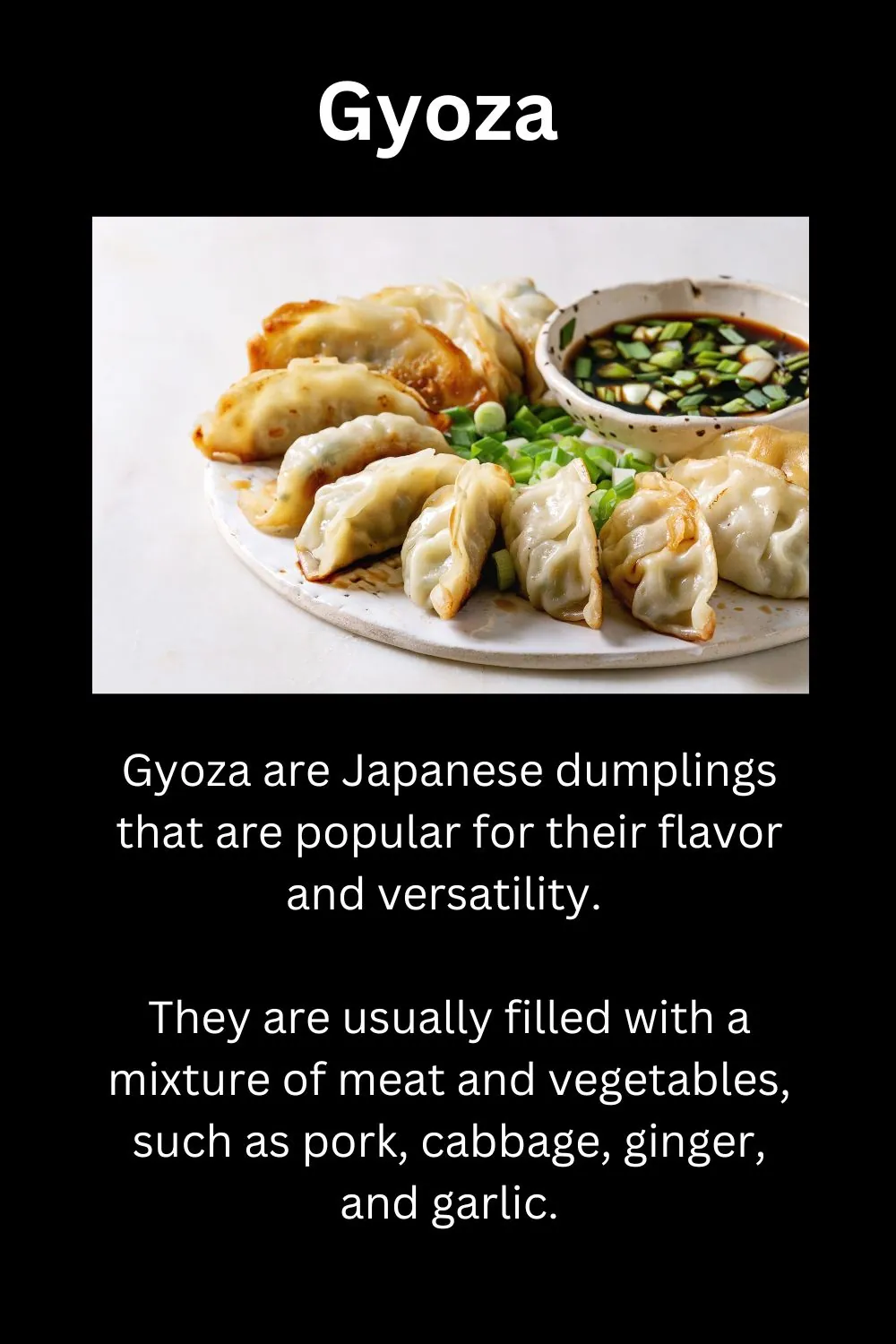
Gyoza are Japanese dumplings that are popular for their flavor and versatility. They are usually filled with a mixture of meat and vegetables, such as pork, cabbage, ginger, and garlic.
This dish comes in several forms. The most common is pan-fried gyoza, which has a crispy bottom and a soft steamed top. This cooking method makes it a healthier choice compared to deep-fried versions, known as age gyoza.
Sui gyoza are boiled dumplings and are often considered a great option for those looking to eat healthily. They are usually lower in calories than fried types, making them a good choice for a balanced diet.
Gyoza are not just tasty; they also fit into a traditional Japanese diet that values fresh and minimally processed foods. People enjoy gyoza for their satisfying taste while benefiting from their nutritious ingredients.
Eating gyoza in moderation can be part of a healthy eating plan that supports a slim figure and overall well-being.
25.) Goma-Ae

Goma-ae is a popular Japanese side dish made from vegetables, typically spinach or green beans, dressed with a sesame sauce. This dish is nutritious and offers a rich, nutty flavor.
To prepare goma-ae, the vegetables are first steamed. Then, they are mixed with a dressing made from ground sesame seeds, soy sauce, and sugar. The result is a dish that is both creamy and slightly sweet.
Goma-ae is low in calories and high in vitamins, making it a great choice for those looking to maintain a healthy diet. It is often served in bento boxes or as part of a larger meal.
This dish highlights the Japanese approach to eating. It focuses on using fresh ingredients and balancing flavors. Goma-ae is a simple yet satisfying way to enjoy vegetables while benefiting from the healthy properties of sesame seeds.