When choosing between a Goldendoodle and a Bernedoodle, it is important to understand key differences that can affect a potential owner’s decision.
The Goldendoodle, a mix of Poodles and Golden Retrievers, generally costs less and tends to be more popular. Meanwhile, the Bernedoodle, a blend of Poodles and Bernese Mountain Dogs, is larger and typically more expensive.
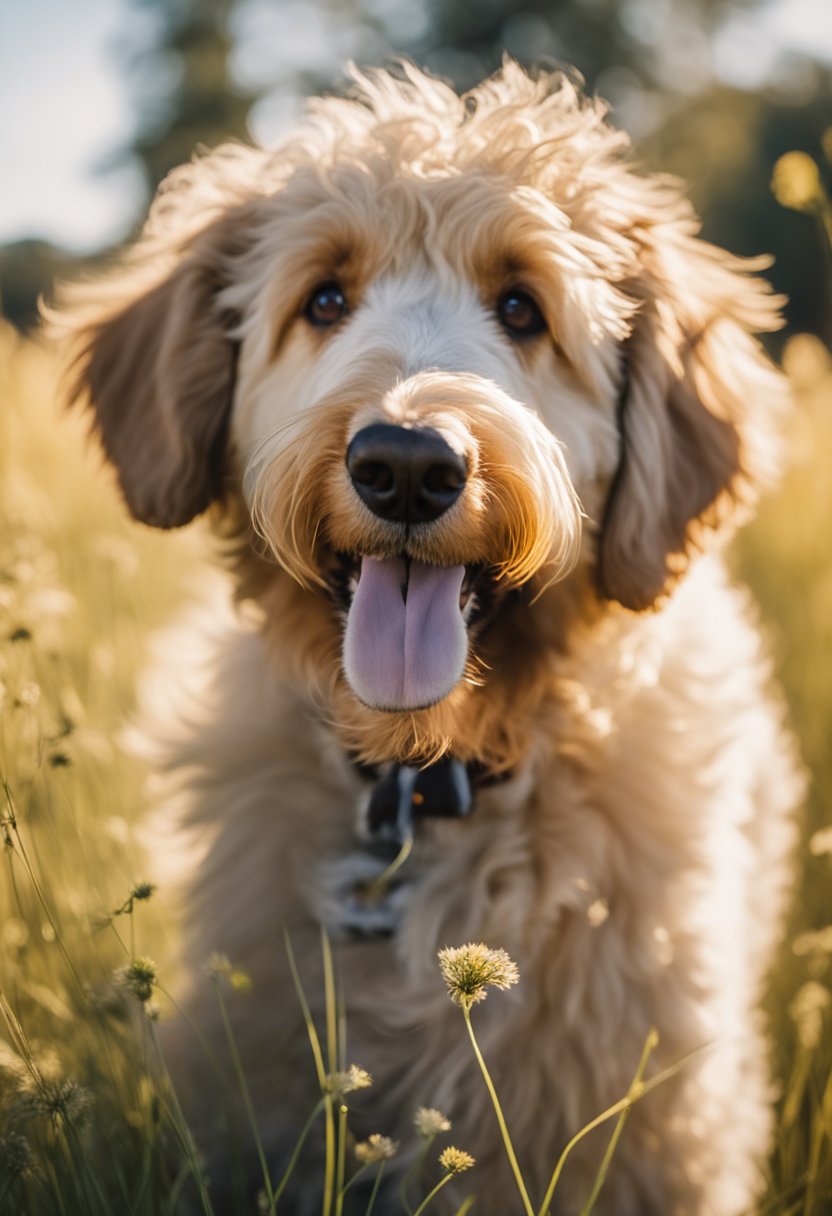
Both breeds are known for their friendly nature and compatibility with children and other pets. However, the Goldendoodle may have longer fur in certain areas, requiring more grooming, while the Bernedoodle has a thicker coat that can also demand regular maintenance.
Size is another significant factor to consider.
Bernedoodles usually range from 55 to 90 pounds, making them larger than Goldendoodles, who typically weigh between 50 to 70 pounds. This information can help prospective dog owners make a better-informed choice based on their living situation and lifestyle.
Size
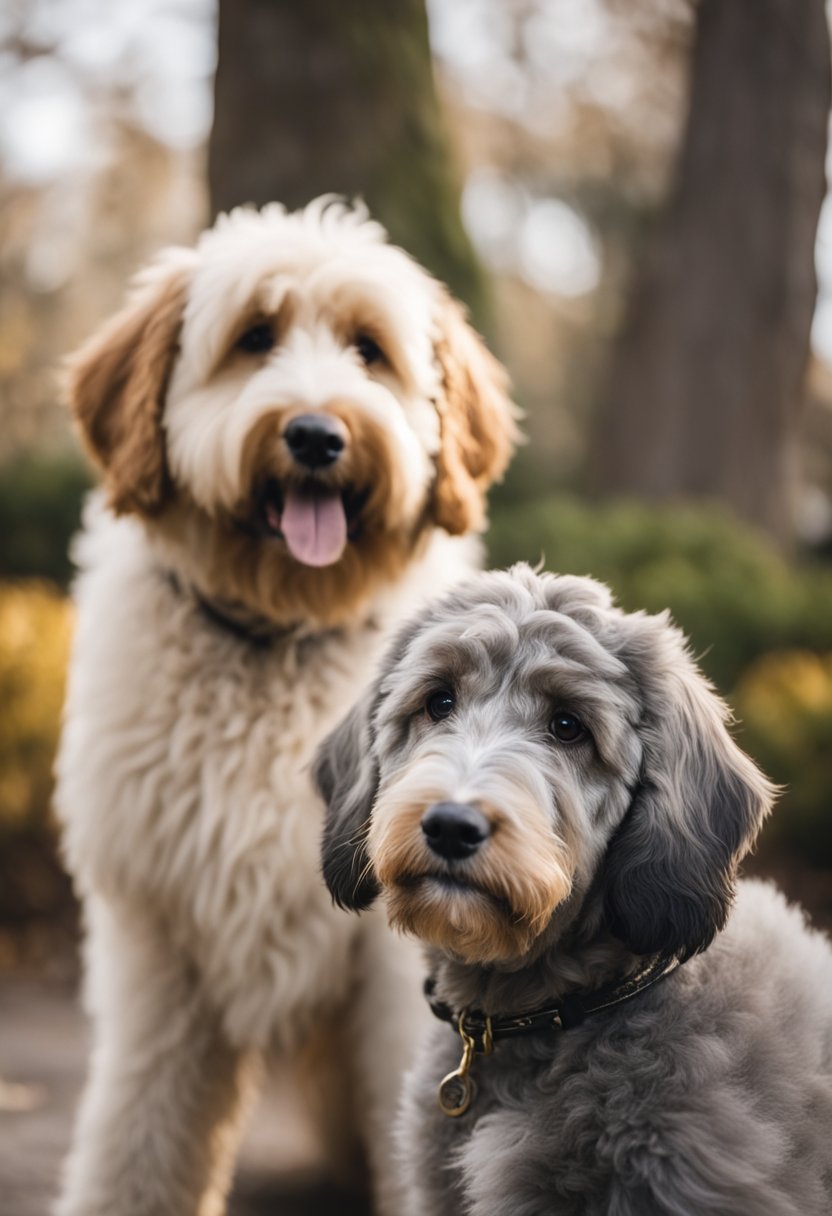
The Bernedoodle and Goldendoodle come in various sizes, but there are notable differences between the two breeds.
Bernedoodle Sizes
- Toy Bernedoodle: 10-24 pounds, 12-17 inches tall
- Miniature Bernedoodle: 25-35 pounds, 18-23 inches tall
- Standard Bernedoodle: 70-90 pounds, 23-29 inches tall
Goldendoodle Sizes
- Toy Goldendoodle: 10-25 pounds, 15 inches or less
- Miniature Goldendoodle: 25-35 pounds, 16-17 inches tall
- Standard Goldendoodle: 55-65 pounds, up to 24 inches tall
On average, Bernedoodles are generally larger than Goldendoodles across all sizes. The Bernese Mountain Dog contributes to this size difference, as it is a large breed.
Larger Bernedoodles can weigh up to 90 pounds, while Goldendoodles usually peak around 65 pounds. This makes the Bernedoodle a better fit for those looking for a larger dog.
Both breeds are good with families and other pets, but their size can influence living space and activity needs. Potential owners should consider this when choosing between these two popular doodle breeds.
Coat Type
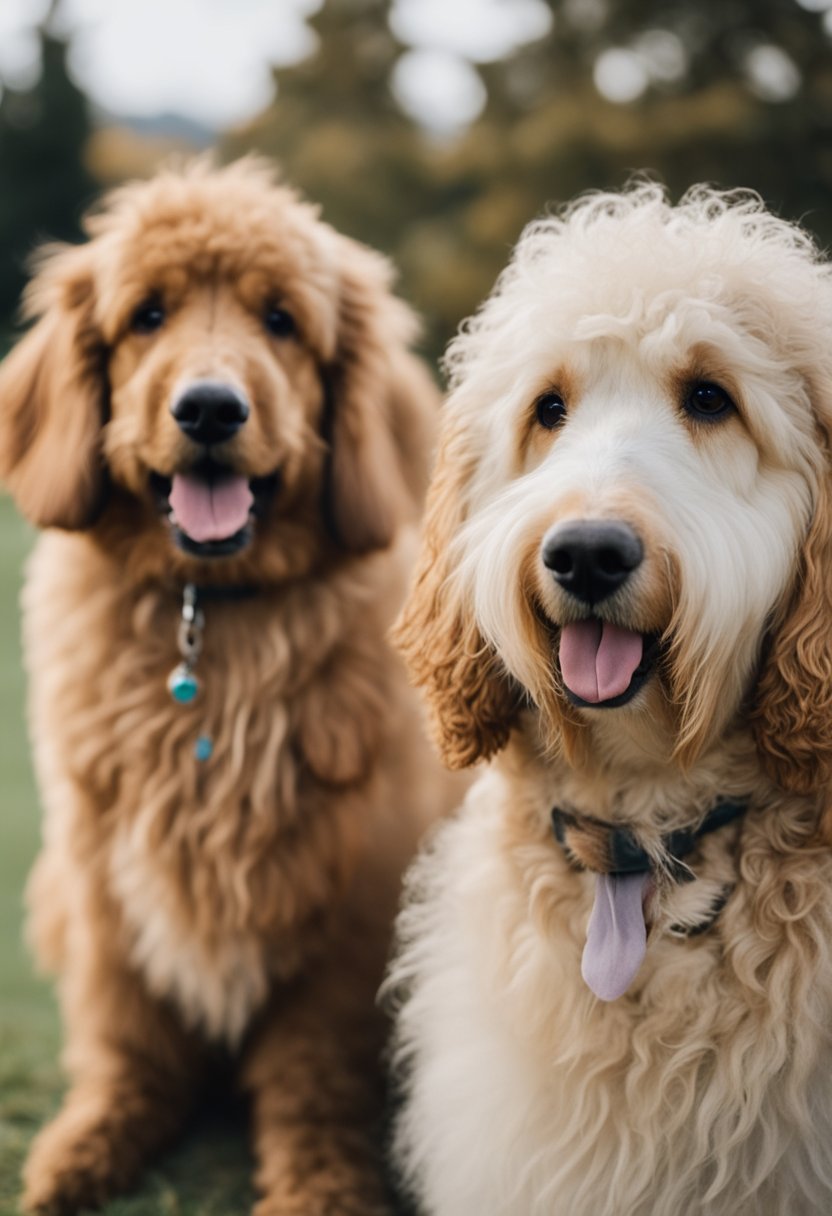
Goldendoodles and Bernedoodles have different coat types that affect their appearance and grooming needs.
Goldendoodle Coats:
- They often have longer fur, especially around the ears, neck, and tail.
- The fur can tangle easily, requiring regular grooming.
- Coat colors range from cream to fox-red shades, with a smooth texture.
Bernedoodle Coats:
- Their coats are typically thicker and may be tricolor.
- They do not have the same feathering as Goldendoodles.
- Bernedoodles often shed less than Goldendoodles, but they need grooming to manage their dense fur.
Grooming Needs:
- Goldendoodle: Requires regular brushing to prevent tangles, especially in the longer fur areas.
- Bernedoodle: Still needs grooming, but their coat may be easier to manage in certain cases.
Considerations:
- The choice of breed may depend on the owner’s willingness to maintain the coat.
- Both breeds benefit from good grooming tools, such as deshedding brushes and slicker brushes.
Understanding these differences helps potential dog owners choose the right breed based on their grooming preferences and lifestyle.
Shedding Level

When comparing the shedding levels of Goldendoodles and Bernedoodles, there are key differences to consider.
Goldendoodles tend to shed more than Bernedoodles. They have a single coat, which means they lose hair more frequently. Shedding can be moderate, especially during seasonal changes.
Bernedoodles, on the other hand, generally shed less. They inherit a thicker, double coat from their Bernese Mountain Dog lineage. This type of coat helps reduce the amount of hair that falls out.
Shedding Comparison
| Breed | Shedding Level | Coat Type |
|---|---|---|
| Goldendoodle | Moderate | Single coat |
| Bernedoodle | Low to Moderate | Double coat |
Some people may prefer Bernedoodles for this reason, especially those who want a pup that is less likely to trigger allergies.
While individual dogs may vary in shedding, the general trend shows Bernedoodles as the better option for less hair around the home. Potential owners should consider these factors when choosing a breed.
Temperament
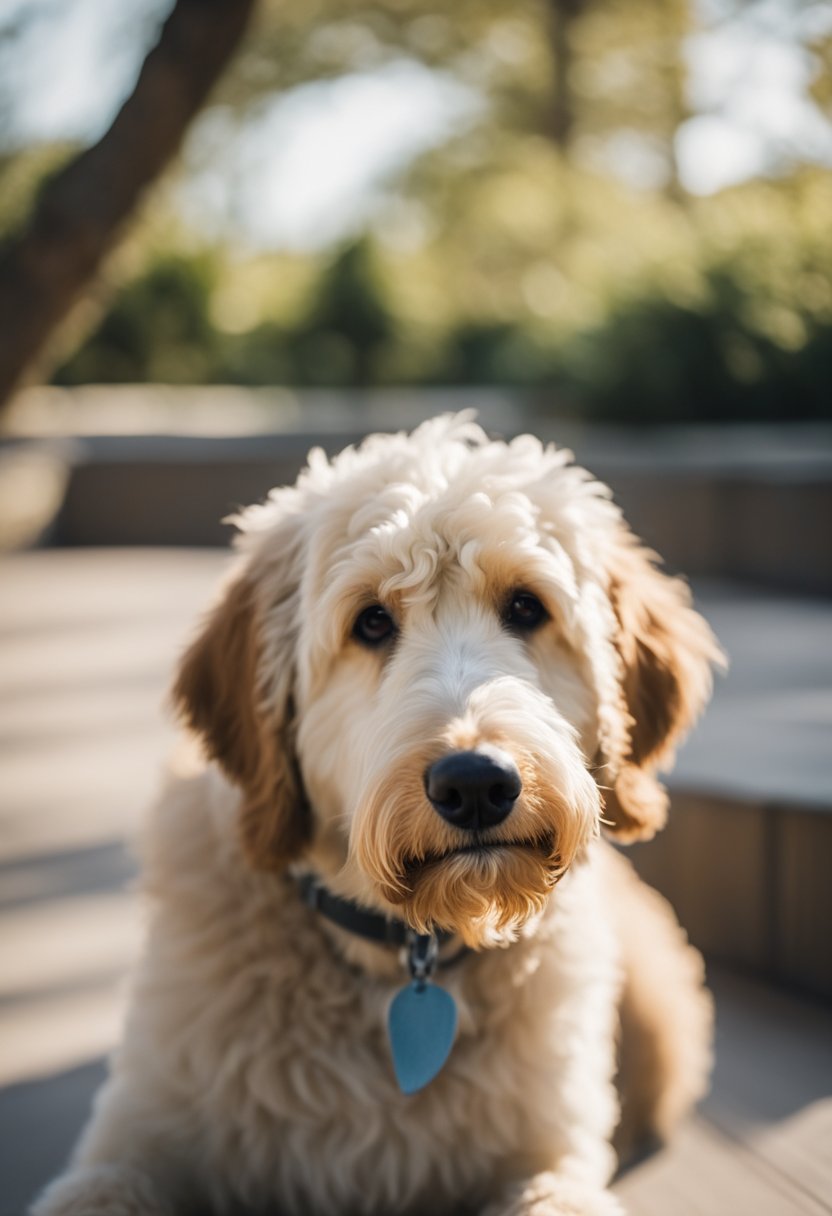
The temperament of both Goldendoodles and Bernedoodles plays a key role in choosing the right dog.
Goldendoodles are known for their friendly and social nature. They are often:
- Playful: They enjoy games and activities.
- Affectionate: They tend to bond closely with families.
- Intelligent: They are eager to learn and respond well to training.
Bernedoodles, while also friendly, tend to have a slightly different temperament. They are known for being:
- Calm: Generally more laid-back, they can be a good fit for quieter households.
- Loyal: They often form strong attachments to their families.
- Protective: They may act as watchdogs due to their Bernese Mountain Dog heritage.
Both breeds are great with children and other pets but can have varying energy levels.
Comparison Summary
| Trait | Goldendoodle | Bernedoodle |
|---|---|---|
| Energy Level | High | Moderate |
| Social Interaction | Very Social | More Reserved |
| Trainability | High | Moderate |
| Affection Level | High | Very High |
Choosing between a Goldendoodle and a Bernedoodle often comes down to lifestyle and personal preference, as both can offer loving companionship.
Energy Level
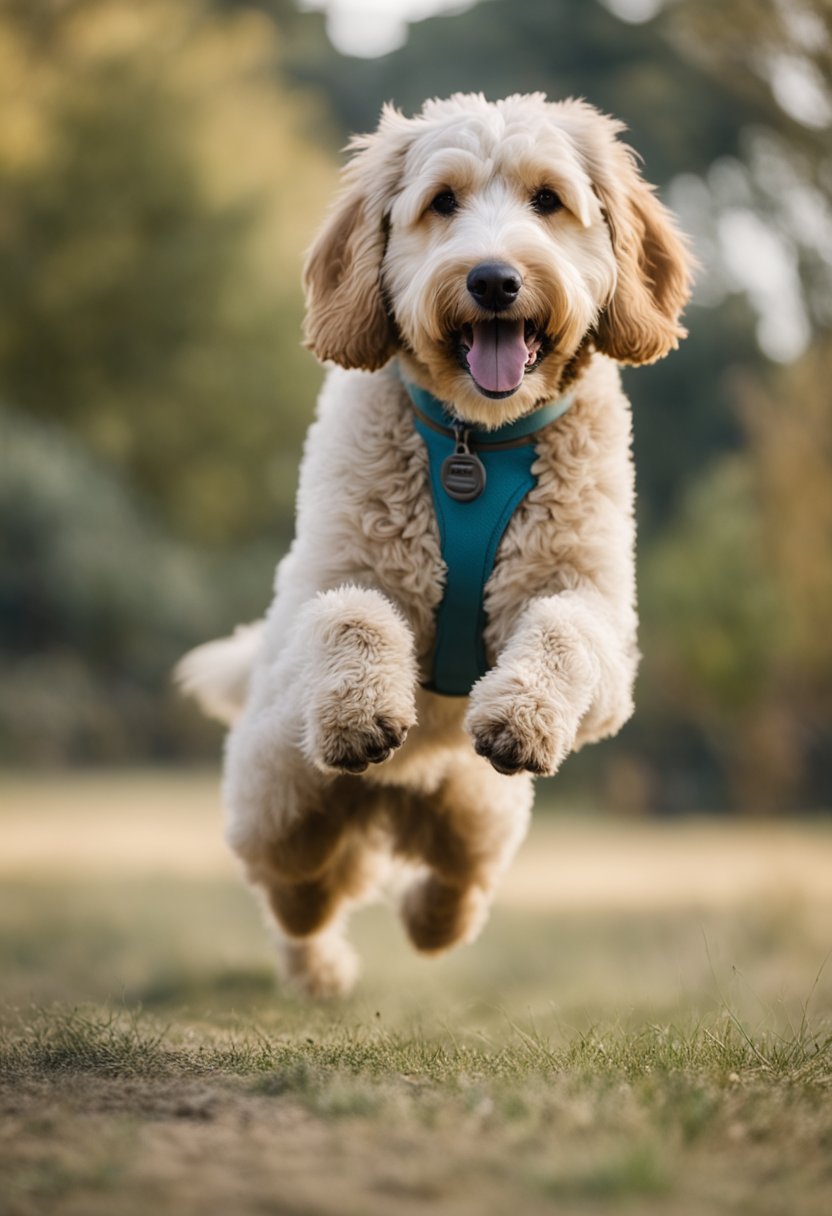
When comparing the energy levels of Goldendoodles and Bernedoodles, they show distinct differences.
Goldendoodles tend to have higher energy levels. They are playful and require more vigorous exercise. Daily walks and active playtime are essential to keep them happy and healthy.
Bernedoodles, on the other hand, have moderate energy needs. They enjoy daily walks but can also be content with less intense activities. This makes them suitable for families who prefer a dog that can relax at home.
Summary of Energy Levels
| Breed | Energy Level | Exercise Needs |
|---|---|---|
| Goldendoodle | Higher | Vigorous exercise |
| Bernedoodle | Moderate | Daily walks & play |
Goldendoodles often thrive in active households where they can socialize and play frequently. Bernedoodles adapt well to apartment living if they receive regular exercise.
Both breeds make great companions, but prospective owners should consider their lifestyle. Those who enjoy outdoor activities may find a Goldendoodle ideal, while families looking for a loyal, laid-back pet may prefer a Bernedoodle.
Trainability
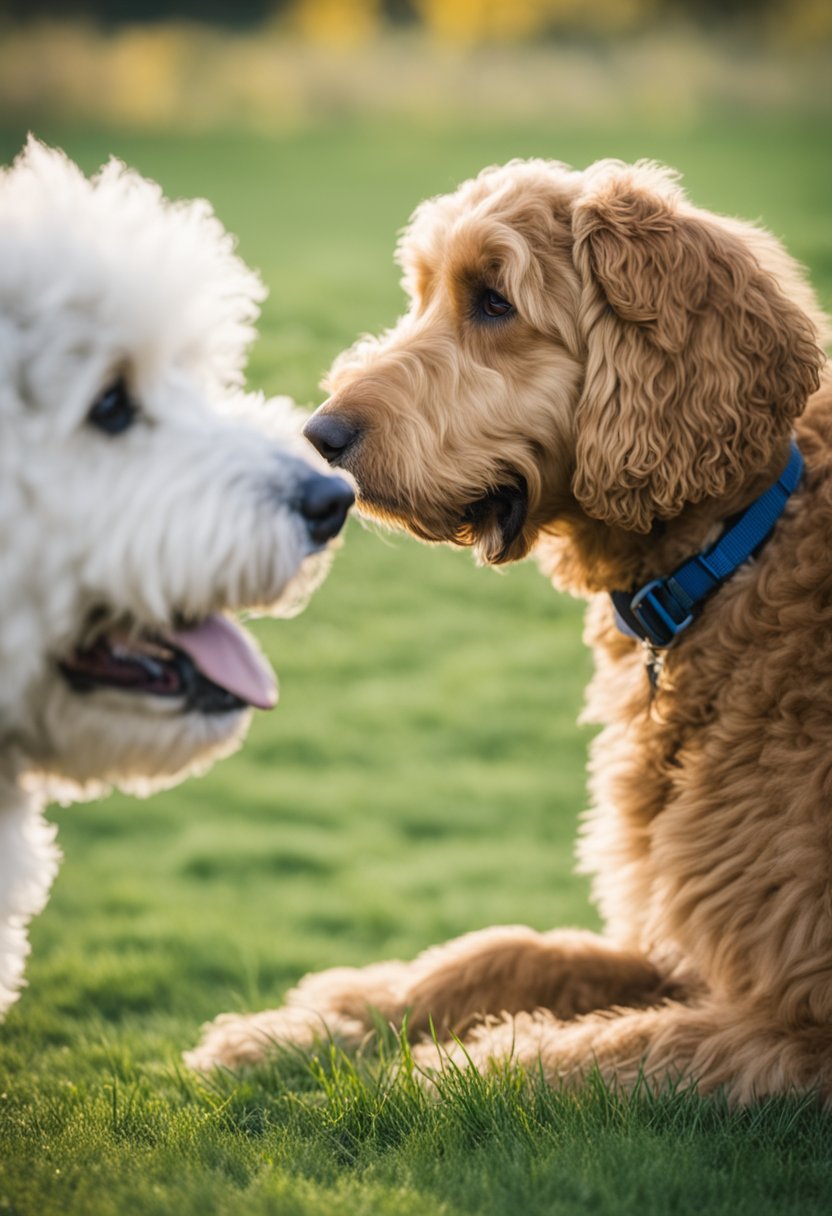
Bernedoodles and Goldendoodles share a reputation for being trainable dogs. Both breeds are known for their intelligence and eagerness to please, which can make training a more rewarding experience.
Goldendoodles tend to excel in trainability due to their Poodle heritage. They are often quick learners and respond well to positive reinforcement.
Bernedoodles, influenced by the Bernese Mountain Dog, may require a bit more patience. While they are also intelligent, they can exhibit a stubborn streak.
Training Tips:
- Use positive reinforcement: Treats and praise work best for both breeds.
- Start early: Puppy training classes can be very helpful.
- Be consistent: Clear commands and regular practice lead to better results.
Training Challenges:
| Breed | Common Challenges |
|---|---|
| Goldendoodle | Quick distraction |
| Bernedoodle | Stubbornness in certain tasks |
Both breeds benefit from socialization, which helps reduce behavioral issues. Consistent training and engagement are crucial for their development.
Owners should be prepared for regular exercise and mental stimulation to keep these breeds happy and well-behaved.
Lifespan
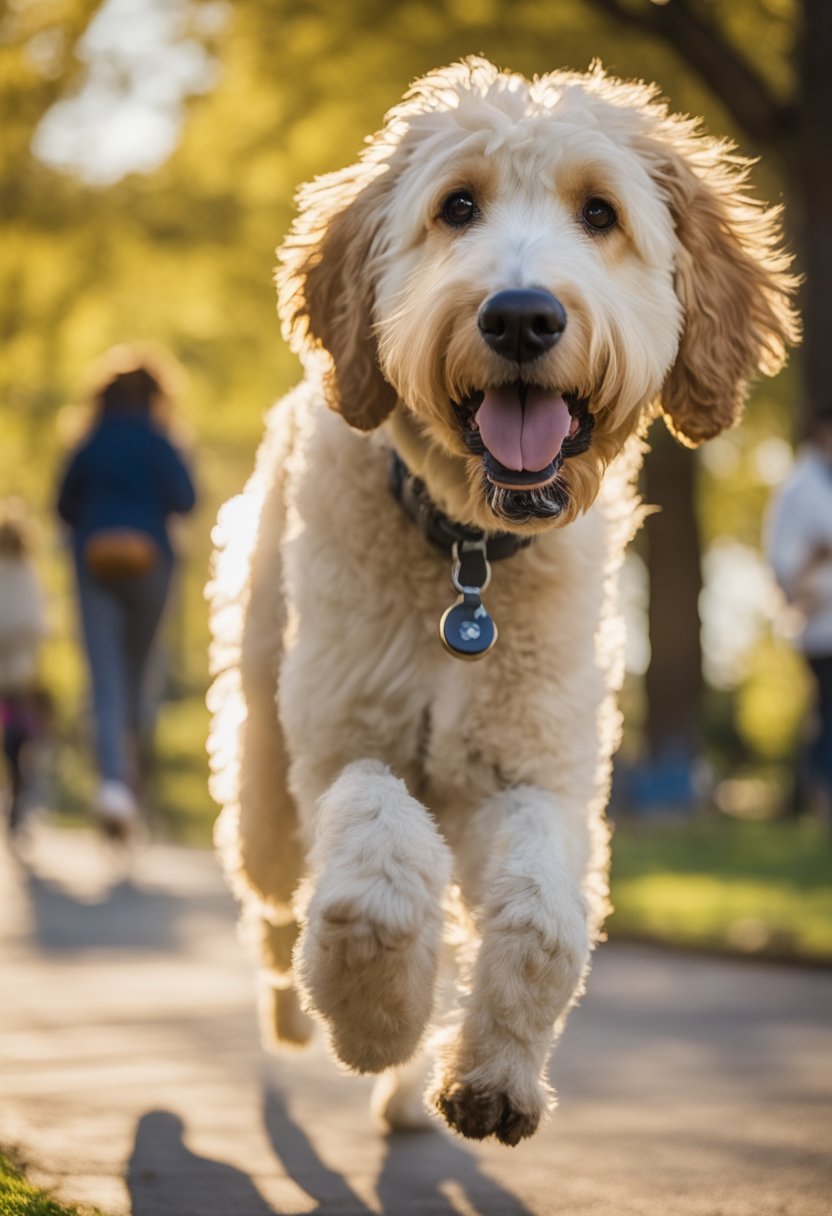
The lifespan of a dog is an important factor for many potential owners.
Bernedoodles typically live between 12 to 18 years. This lifespan can vary based on health and care.
Goldendoodles, on the other hand, have a lifespan of about 10 to 15 years.
A table comparing their lifespans looks like this:
| Breed | Lifespan |
|---|---|
| Bernedoodle | 12 to 18 years |
| Goldendoodle | 10 to 15 years |
Both breeds can enjoy long lives with proper care. Health issues can affect their lifespan, so regular vet check-ups are crucial.
Mini and toy versions of both breeds may have similar lifespans. They can live up to 18 years with good care.
Many factors influence a dog’s lifespan, including genetics, care, and nutrition. Choosing a healthy puppy from a reputable breeder can help ensure a longer life for either breed.
Intelligence

Both Goldendoodles and Bernedoodles are known for their intelligence. They are quick learners and respond well to training.
Goldendoodles usually inherit their smarts from Golden Retrievers. These dogs are famous for being eager to please. Their playful nature helps them learn commands faster.
Bernedoodles are also intelligent, thanks to their Bernese Mountain Dog lineage. They may be slightly more independent than Goldendoodles. This can sometimes make training a bit slower.
Comparison of Intelligence
| Trait | Goldendoodle | Bernedoodle |
|---|---|---|
| Eagerness to Please | High | Moderate |
| Trainability | High | Moderate to High |
| Independent Nature | Low | Moderate |
Both breeds are great for obedience training and enjoy mental challenges. Puzzle toys and interactive games keep them engaged.
These dogs excel in various activities, including agility and therapy work. Their intelligence makes them adaptable to different environments and family settings.
Positive reinforcement works best for both breeds. A consistent training routine encourages better results.
Grooming Needs
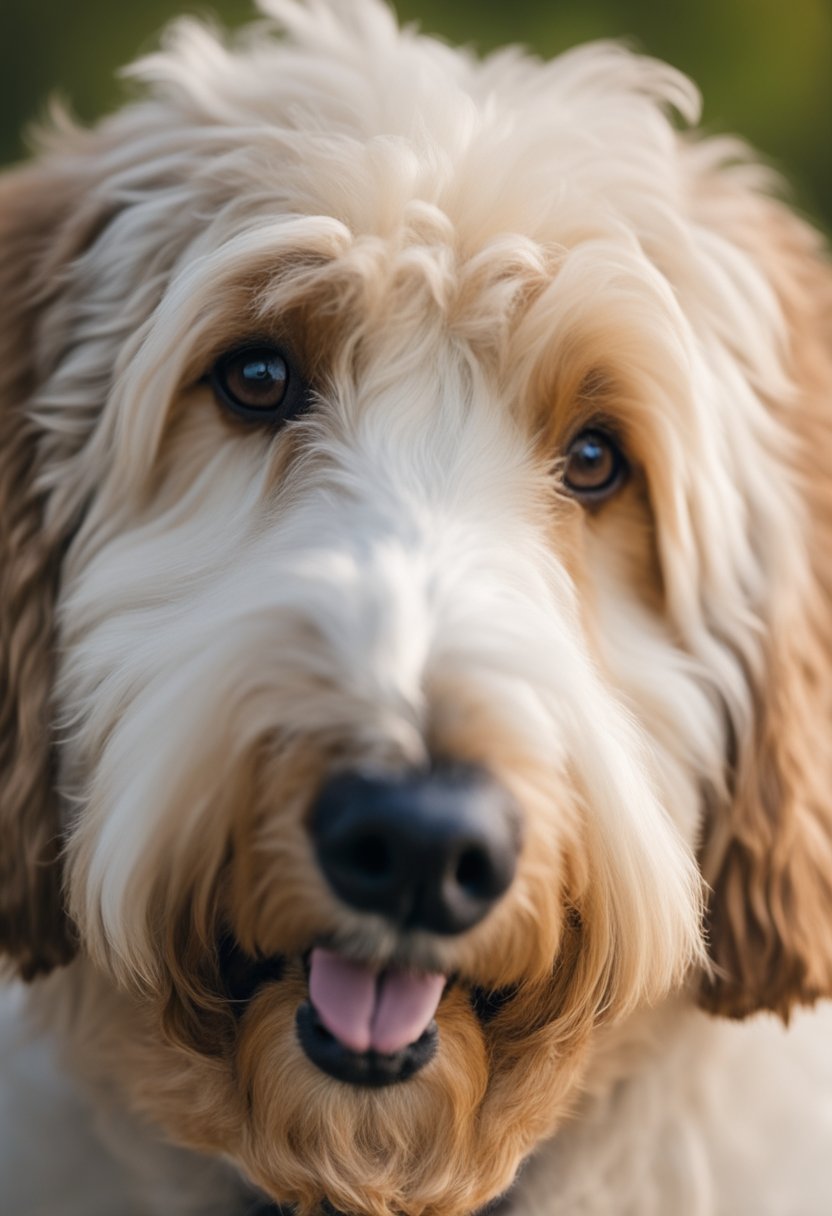
Grooming is an important part of caring for both Goldendoodles and Bernedoodles. Each breed has unique requirements.
Goldendoodles usually have a wavy or curly coat. Regular grooming helps prevent matting. They need:
- Brushing: 2-3 times a week
- Bathing: Every 4-6 weeks
- Haircuts: Every 6-8 weeks, depending on coat length
Bernedoodles also have a curly coat that can get tangled easily. Their grooming needs include:
- Brushing: 2-3 times a week
- Bathing: Every 6-8 weeks
- Haircuts: Every 8-12 weeks, depending on the style
Both breeds may require more frequent grooming if they spend time outdoors. Keeping their ears clean is essential too, as moisture can lead to infections.
Tools Needed:
- Slicker brush
- Comb for detangling
- Nail clippers
While both breeds shed less than others, regular grooming helps keep them clean and healthy. Each owner should be prepared for a grooming schedule that matches their dog’s needs.
Health Concerns
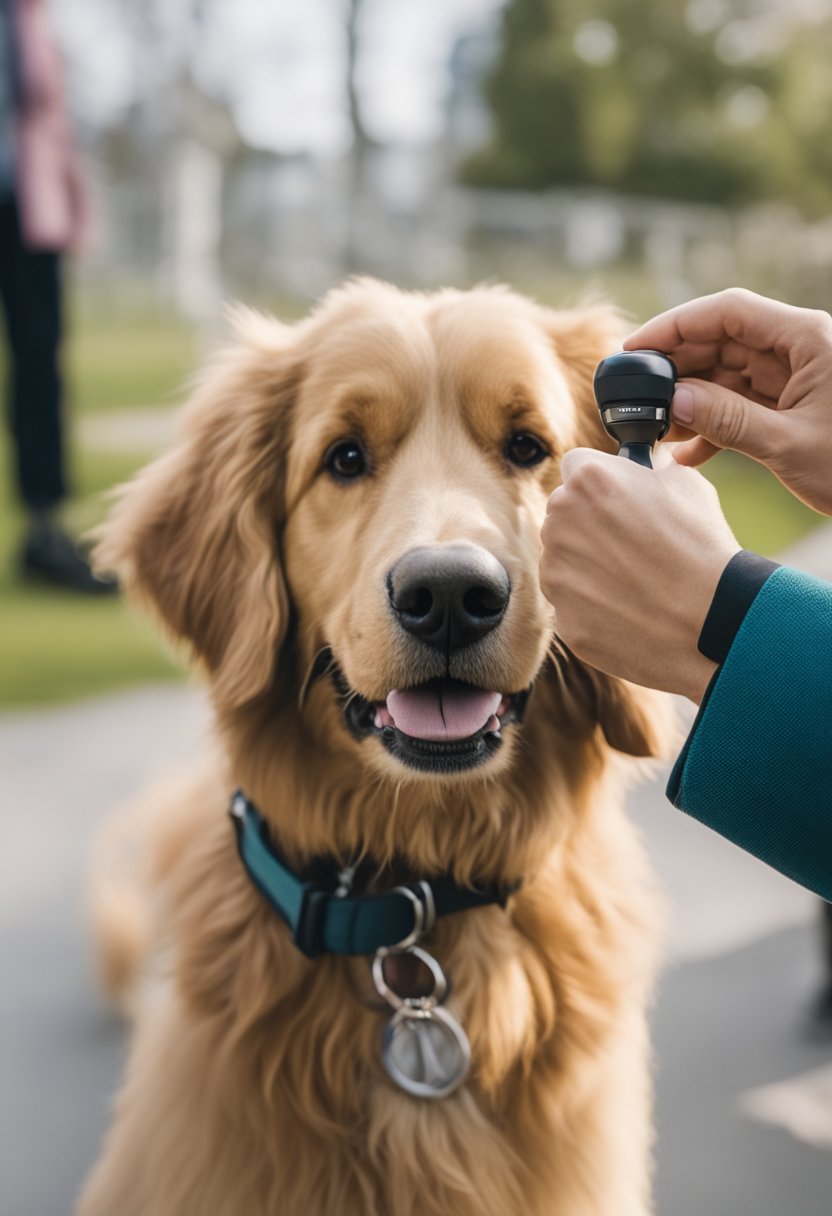
Both Goldendoodles and Bernedoodles can inherit health issues from their parent breeds. Understanding these concerns can help owners take better care of their pets.
Goldendoodle Health Issues:
- Hip dysplasia
- Allergies
- Ear infections
Bernedoodle Health Issues:
- Hip dysplasia
- Elbow dysplasia
- Eye problems
Both breeds benefit from hybrid vigor, which often makes them healthier than their purebred parents. Yet, this does not mean they are free from health problems.
Regular veterinary check-ups are important for both breeds.
Maintaining a healthy diet and exercise routine also plays a key role in their overall well-being.
Specific health tests are available for potential issues. For example, potential owners can seek out breeders who perform health screenings for hip and eye conditions.
By choosing a responsible breeder, future owners can reduce the risk of some genetic health issues. Investing in proper care can help extend both the lifespan and quality of life for these dogs.
Good With Children
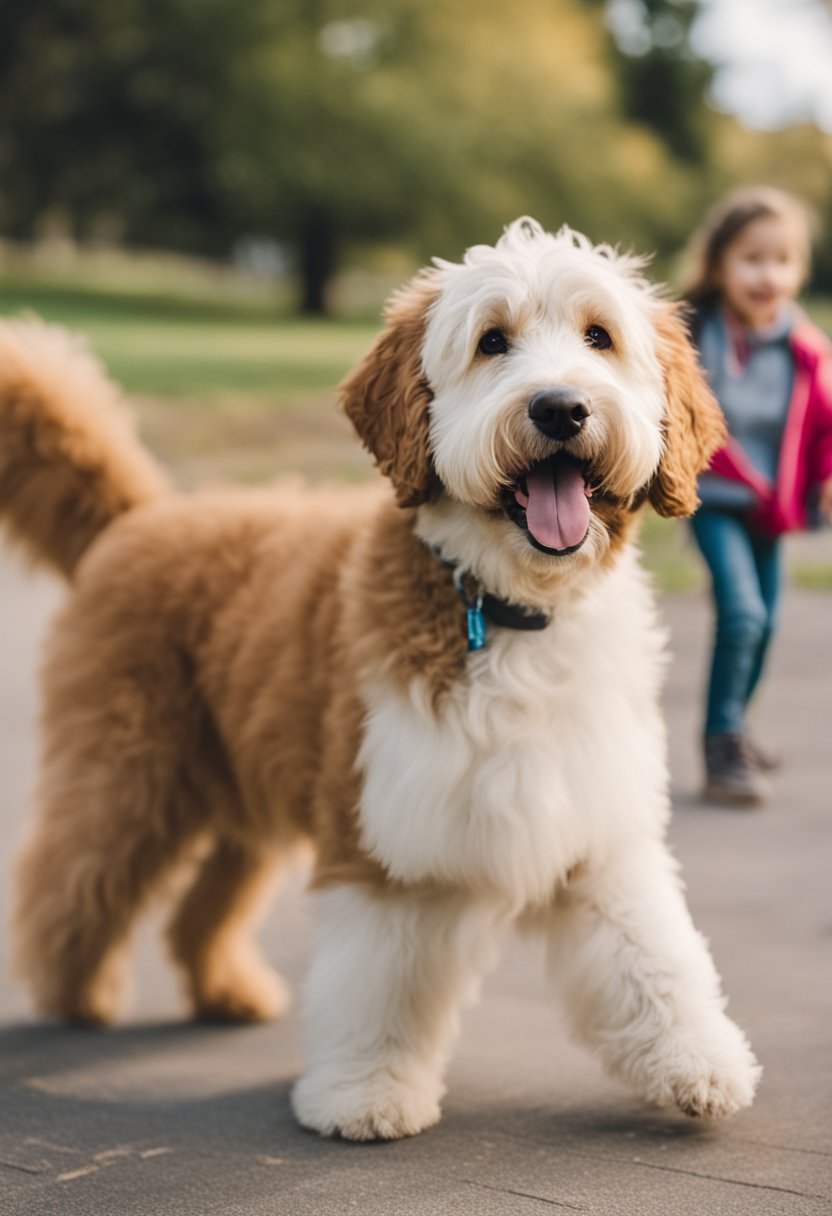
Both Goldendoodles and Bernedoodles are known for their friendly and gentle nature, making them great companions for families with children.
Goldendoodles:
- Social and Friendly: They typically enjoy being around kids and other pets.
- Playful: Goldendoodles love to play, which can keep children entertained.
- Gentle: They tend to be patient and tolerant, making them a good match for younger kids.
Bernedoodles:
- Affectionate: Bernedoodles are known for being loyal and loving, often forming strong bonds with children.
- Protective: Their Bernese Mountain Dog lineage can make them protective of their family.
- Calm Temperament: They might handle rough play better due to their sturdy nature.
Both breeds require proper training and socialization from a young age. This helps ensure they understand boundaries and can behave well around kids.
Parents should supervise playtime to keep interactions safe and enjoyable for everyone.
Good With Other Pets

Bernedoodles and Goldendoodles are known for their friendly nature. Both breeds usually get along well with other pets.
Bernedoodle:
- Generally, Bernedoodles are sociable and can adapt well to a home with other pets, including cats and smaller animals.
- Their temperament may lean towards being more protective, especially if they sense a threat.
Goldendoodle:
- Goldendoodles tend to be very friendly and outgoing. They typically enjoy the company of other pets.
- They often have a playful demeanor, which can be inviting for other animals.
When introducing either breed to other pets, early socialization is important. Positive interactions can help them form good relationships with other animals.
Tips for Socialization:
- Start Early: Introduce pets when they are young.
- Supervised Meetings: Always watch initial interactions.
- Positive Reinforcement: Use treats and praise during introductions.
Both breeds can thrive in homes with multiple pets. Individual personalities can vary, so each dog’s nature should be considered.
Barking Tendency
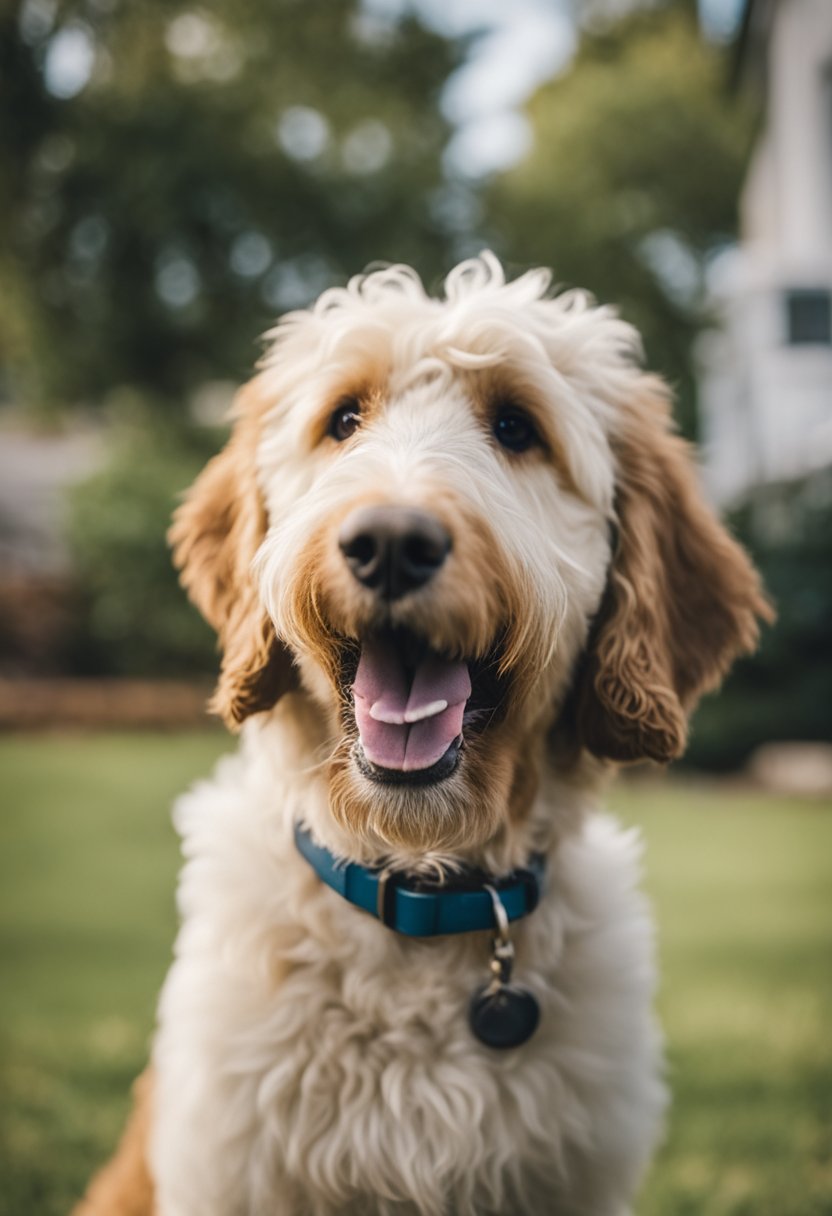
When comparing Goldendoodles and Bernedoodles, their barking habits can differ. Both breeds are known to be vocal, but they have unique tendencies.
Goldendoodles often display a playful, friendly nature. They may bark when excited or to greet people. Their barking is generally light and friendly.
Bernedoodles, on the other hand, tend to be a bit more reserved. They may bark to alert their owners of something unusual. This breed is often more cautious, which can lead to barking at new sounds or sights.
Key Differences:
- Goldendoodles:
- Friendly barks when meeting new people.
- Excitement may cause them to bark often.
- Bernedoodles:
- Bark mostly to alert about something unusual.
- More selective about when to bark.
Owners should consider these tendencies when choosing between the two breeds.
It is important to train both breeds to manage their barking, ensuring peaceful living in homes. Proper socialization will also help reduce unnecessary barking in both breeds.
Exercise Requirements

Exercise is essential for both Goldendoodles and Bernedoodles to stay healthy and happy. These breeds enjoy activity and thrive in an active environment.
Goldendoodles tend to be versatile in their exercise needs. They require about 30 to 60 minutes of exercise daily. They enjoy walks, playtime, and swimming, making them great companions for active families.
Bernedoodles, on the other hand, usually need a bit more exercise. They may require 45 to 90 minutes of physical activity each day. This breed is known for its playful nature and may enjoy hiking or running alongside their owners.
Key Exercise Activities:
- Walks: Daily walks are crucial for both breeds.
- Fetch: Playing fetch can help burn off energy.
- Swimming: Both breeds often enjoy water activities.
- Agility Training: This can be a fun way to engage a Bernedoodle’s need for activity.
Considerations:
- Size Impact: The exercise needs can vary based on the dog’s size. Standard Bernedoodles may need more exercise than Mini or Toy Goldendoodles.
- Temperament: Individual dogs’ energy levels can differ, impacting exercise needs.
Ensuring they get enough exercise can lead to fewer behavior issues and a happier pet. Regular activities help build a strong bond between the dog and its owner.
Adaptability To Living Environments
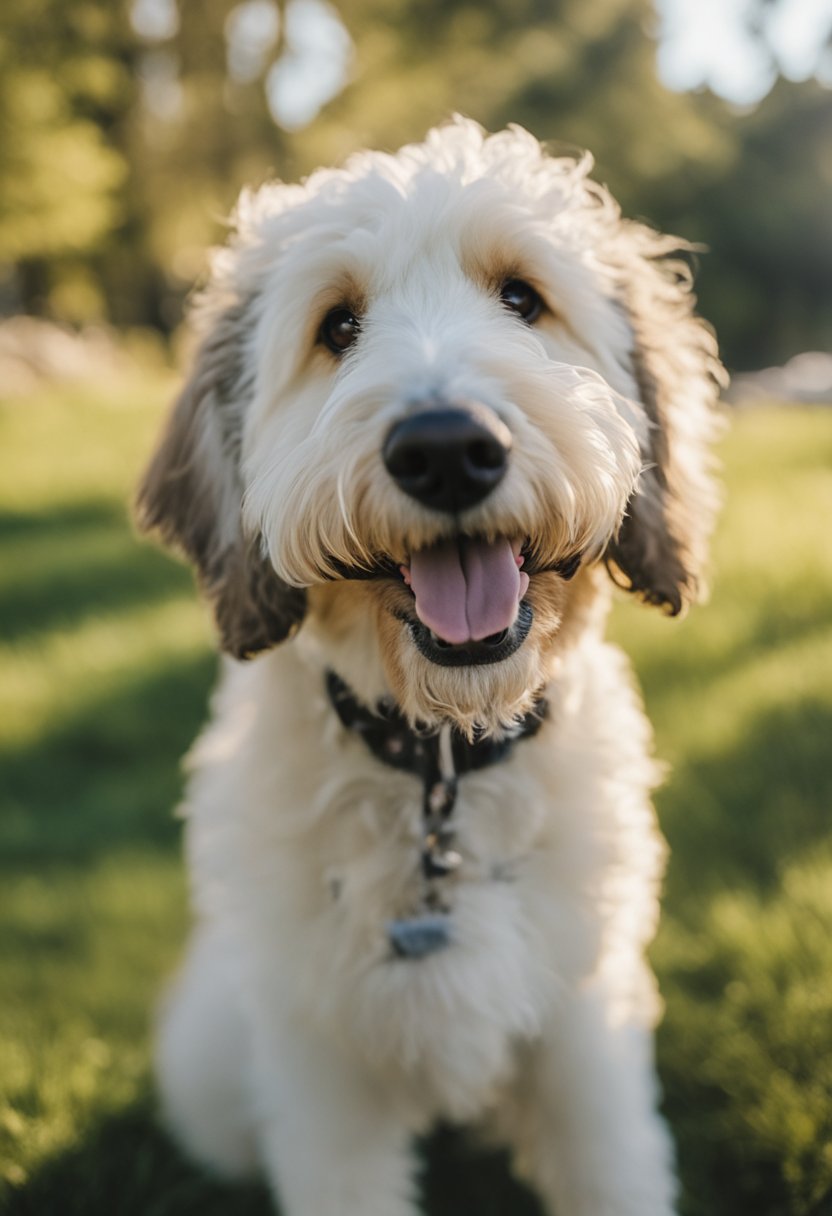
Both Bernedoodles and Goldendoodles adapt well to different living conditions.
Bernedoodles are known for their ability to adjust to various environments easily. They can thrive in both urban and rural settings. These dogs are versatile and can live in apartments or houses, provided they receive enough exercise.
Goldendoodles also adapt well to different spaces, but they often prefer a more active lifestyle. They enjoy homes with large yards where they can play. They can coexist comfortably in smaller homes too, as long as they get daily walks and playtime.
Key Points
- Bernedoodles:
- Good for families with varying space.
- Enjoy a balance of indoor relaxation and outdoor activity.
- Goldendoodles:
- Require more physical activities.
- Better suited for active families.
Both breeds are friendly and social, making them great companions. They tend to adjust their behavior based on the environment and the lifestyle of their owners.
Cost

The cost of getting a Goldendoodle and a Bernedoodle can vary significantly. Here is a breakdown:
- Goldendoodle:
- Average cost: $2,000
- Range: $500 to $5,000
- Bernedoodle:
- Average cost: $3,500
- Range: $2,000 to $5,000
Goldendoodles tend to be less expensive than Bernedoodles. The price differences may come from factors like size, breeder reputation, and location.
When comparing prices, it’s important to consider what is included.
Some breeders provide vaccinations, microchipping, and training.
Potential owners should also think about long-term costs. These can include food, grooming, and veterinary care.
Investing in a dog is a big decision. It’s essential to research and find a reputable breeder that offers healthy puppies.