Many dog lovers often find themselves choosing between two popular breeds: the Goldendoodle and the Cockapoo.
The main difference lies in their size and lineage. Goldendoodles are a mix of Golden Retrievers and Poodles, while Cockapoos come from Cocker Spaniels and Poodles. This leads to a noticeable difference in size and temperament between the two breeds.

Goldendoodles tend to be larger, usually ranging between 20 to 90 pounds, depending on their Poodle parent’s size.
In contrast, Cockapoos are typically smaller, weighing around 12 to 30 pounds. Both breeds carry traits from their Poodle heritage, making them intelligent and trainable, but they also exhibit unique personalities shaped by their other parent breeds.
When it comes to exercise needs, Goldendoodles generally require more activity, needing 60-90 minutes daily, while Cockapoos may get by with 45-60 minutes. Owners should consider these differences when choosing a breed that fits their lifestyle.
Size

Goldendoodles and Cockapoos vary significantly in size. The differences in size often come from the breeds used to create these hybrids.
Goldendoodle Sizes:
- Weight: 13 to 85 pounds
- Height: 13 to 22 inches
Goldendoodles are typically larger than Cockapoos and can be found in several sizes, including mini, medium, and standard.
Cockapoo Sizes:
- Weight: 12 to 30 pounds
- Height: 9 to 15 inches
Cockapoos are generally smaller and fall into the toy to small-medium range. Their size can depend on whether their parents are Toy or Miniature Poodles.
Size Comparison
| Breed | Weight Range | Height Range |
|---|---|---|
| Goldendoodle | 13 – 85 pounds | 13 – 22 inches |
| Cockapoo | 12 – 30 pounds | 9 – 15 inches |
When choosing between them, consider the size that fits best with the home and lifestyle a person has. Each breed offers unique traits related to their size.
Coat Type

The coat type of Goldendoodles and Cockapoos can vary greatly due to their mixed breeding. Each breed tends to exhibit different coat characteristics influenced by their Poodle parent.
Goldendoodle Coat Types:
- Wavy: Soft and gentle waves; often low-shedding.
- Curly: Dense curls resembling those of a Poodle; provides more hypoallergenic qualities.
- Straight: Occurs in some dogs; may shed more compared to wavy and curly coats.
Cockapoo Coat Types:
- Wavy: Similar to Goldendoodles, with a soft texture.
- Curly: Some Cockapoos have tight curls, offering a hypoallergenic option.
- Straight: Less common, but can appear in some individuals.
Both breeds can come in various colors such as golden, brown, or cream. The specific coat texture largely depends on which parent the puppy takes after.
Grooming needs can also differ. Goldendoodles generally require regular brushing to prevent matting, especially if they have a curly coat. Cockapoos also need consistent grooming, but their wavy coats might be easier to manage for some owners.
Choosing between the two based on coat type involves considering grooming maintenance and allergy concerns. Each dog’s coat offers its own benefits, making them unique and desirable companions.
Shedding Level
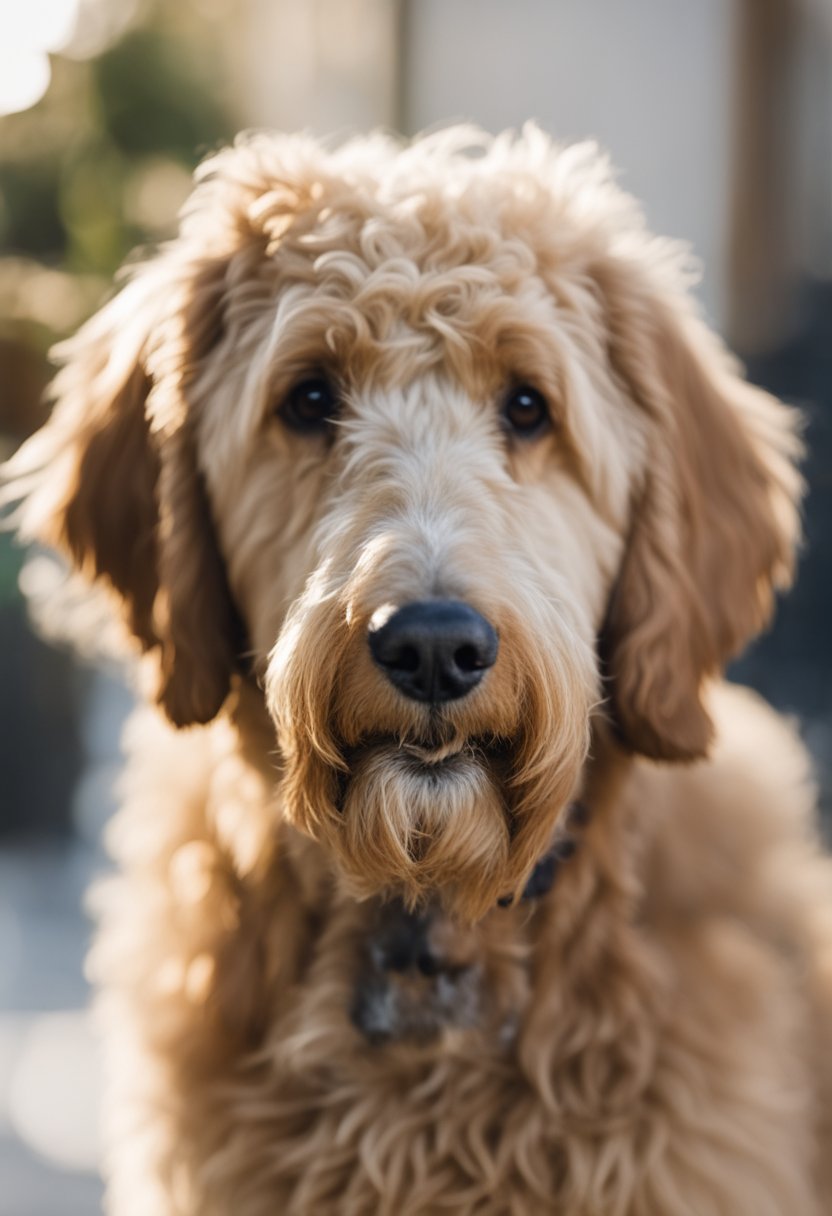
Shedding levels can vary between Goldendoodles and Cockapoos. Both breeds are considered low-shedding due to their Poodle heritage.
Goldendoodle
- Coat Type: Goldendoodles typically have wavy or curly coats.
- Shedding: They shed less than many other breeds. However, shedding can increase with seasonal changes.
- Grooming Needs: Regular grooming helps manage any loose hair and keeps their coat healthy.
Cockapoo
- Coat Type: Cockapoos can have wavy or curly coats, similar to Goldendoodles.
- Shedding: They also shed very little. Their shedding can depend on the specific genetic traits from their Poodle and Cocker Spaniel parentage.
- Grooming Needs: Like Goldendoodles, Cockapoos require regular grooming. This helps reduce matting and catch any shedding.
Comparison
- Both breeds are good options for allergy sufferers.
- Regular grooming is crucial for keeping their coats in good shape and controlling shedding.
- While both breeds shed less, individual results may vary based on genetics and care.
Choosing between a Goldendoodle and a Cockapoo may come down to personal preference in grooming and maintenance rather than shedding concerns alone.
Temperament

Goldendoodles and Cockapoos are both known for their friendly and loving nature. Each has its unique personality traits.
Goldendoodle:
- They tend to be sociable and energetic.
- This breed enjoys playing and often requires more exercise.
- Goldendoodles are also known for being intelligent, which makes them easy to train.
Cockapoo:
- Cockapoos are generally affectionate and playful.
- They have a more laid-back temperament and enjoy cuddling.
- They are friendly with kids and other pets, making them great family companions.
Both breeds are great with families. They thrive on attention and love being around people.
Training is suitable for both breeds, but Goldendoodles may need a bit more structure due to their higher energy levels. Cockapoos respond well to positive reinforcement and enjoy learning new tricks.
Energy Level

Goldendoodles and Cockapoos both have lively personalities. Their energy levels can vary based on their size and parent breeds.
Goldendoodle:
- Generally has a high energy level.
- Requires 30 to 60 minutes of vigorous exercise daily.
- Enjoys activities like jogging, hiking, swimming, and playing fetch.
Cockapoo:
- Has a medium to high energy level.
- Typically needs about 30 minutes of exercise each day.
- Loves playtime and can enjoy short walks or games in the yard.
It’s important to note that both breeds are very intelligent. They thrive on mental and physical stimulation.
Owners should provide regular exercise to prevent boredom. Bored dogs can develop behavioral issues like chewing or barking.
Trainability

Both Goldendoodles and Cockapoos are known for their trainability. They inherit intelligence from their Poodle lineage, which makes learning commands easier.
Goldendoodle Trainability
- Intelligent and Eager: Goldendoodles are often very eager to please.
- Positive Reinforcement Works Best: They respond well to positive reinforcement techniques like treats and praise.
- Consistent Training Needed: Regular training sessions are important to maintain their skills.
Cockapoo Trainability
- Quick Learners: Cockapoos are also quick learners due to their Poodle and Cocker Spaniel mix.
- Fun Personality: Their fun-loving nature can make training enjoyable.
- Moderate Energy: They are slightly less energetic than Goldendoodles, which may make focused training sessions easier.
Summary of Differences
| Breed | Trainability | Training Style |
|---|---|---|
| Goldendoodle | High | Positive reinforcement |
| Cockapoo | High | Fun, engaging methods |
Both breeds can excel in obedience training and can easily learn various tricks. Regular mental stimulation is necessary to keep them engaged. They thrive in environments where training is a fun and rewarding experience.
Lifespan

The lifespan of a dog can vary based on its size and breed. For the Cockapoo, the average lifespan ranges from 12 to 15 years. This breed tends to live longer compared to many larger breeds.
The Goldendoodle, on the other hand, has a lifespan of about 10 to 15 years. This difference can be linked to the varying sizes of these breeds. Smaller dogs like the Cockapoo often experience fewer health issues, contributing to their longer lives.
Here’s a quick comparison:
| Breed | Average Lifespan |
|---|---|
| Cockapoo | 12 to 15 years |
| Goldendoodle | 10 to 15 years |
Both breeds are considered to have good life expectancies. They both benefit from being hybrids, which can lead to better overall health.
Regular vet check-ups and a healthy diet can also support their lifespan. Many owners find that with proper care, both breeds can thrive well into their senior years.
Intelligence

Both Goldendoodles and Cockapoos are known for their intelligence. These breeds are hybrid dogs, which often inherit the smart traits of their Poodle parents.
Training Ease:
- Goldendoodle: They are eager to please, making training usually straightforward. They learn new commands quickly.
- Cockapoo: This breed is also easy to train due to their intelligence and willingness to learn.
Social Behavior:
- Both breeds are friendly and enjoy being around people. This makes them good companions and family pets. They’re often good with children and other pets.
Mental Stimulation Needs:
Both Goldendoodles and Cockapoos require mental stimulation. Providing toys, puzzles, or training exercises can help keep their minds sharp.
Activity Levels:
These dogs have high energy. Regular exercise is vital, as it helps burn off extra energy while engaging their minds.
When choosing between a Goldendoodle and a Cockapoo, owners should consider their preferences for size and training styles. Both breeds will thrive with consistent training and social interaction.
Grooming Needs

Grooming is essential for both Goldendoodles and Cockapoos. Their coats require regular maintenance to keep them healthy and looking good. Each breed has unique grooming requirements based on coat type and shedding level.
Coat Type
Goldendoodles typically have thick, wavy, or curly coats. This hair grows continuously, making regular trimming necessary. Brushing is also important; owners should brush them 3-4 times a week to prevent mats and tangles.
Cockapoos have a less predictable coat type, which can be wavy or curly, depending on whether they take after their Poodle or Cocker Spaniel parent. Daily brushing is recommended for Cockapoos to manage any knots. Those with curlier coats may need more frequent grooming. Both breeds might benefit from professional grooming every 6-8 weeks for a fresh cut and to keep their coats manageable.
Shedding Level
Both Goldendoodles and Cockapoos are considered low-shedding dogs, making them more suitable for those with allergies. Goldendoodles are known for having a hypoallergenic quality due to their Poodle lineage.
Cockapoos also shed minimally, making them a good choice for allergy sufferers. However, shedding can vary based on the individual dog’s coat characteristics.
Frequent grooming helps to minimize loose hair, further reducing the likelihood of shedding around the house. In summary, both breeds require attention to grooming to maintain their low-shedding benefits.
Health Concerns

When choosing between a Goldendoodle and a Cockapoo, it’s important to consider their health issues. Each breed has its own potential concerns.
Cockapoo Health Issues:
- Cockapoos typically have a lifespan of 14 to 18 years.
- Common health problems include:
- Ear infections due to their long ears
- Eye conditions like cataracts
- Hip dysplasia, particularly in larger sizes
Goldendoodle Health Issues:
- Goldendoodles usually live around 10 to 15 years.
- They may face health issues such as:
- Allergies
- Hip dysplasia
- Heart problems like dilated cardiomyopathy
While Cockapoos tend to have a longer lifespan, Goldendoodles can be prone to certain genetic conditions due to their size and heritage.
Both breeds benefit from regular vet check-ups. Proper grooming and a balanced diet also play a significant role in maintaining their health.
Potential owners should consider these health aspects when deciding on the right dog for their lifestyle. It’s best to select a reputable breeder who tests for these conditions to ensure the best chance of a healthy pet.
Good With Children

Both Goldendoodles and Cockapoos are known for their friendly nature. They generally get along well with children and make great family pets.
Goldendoodle:
- Temperament: Goldendoodles are playful and energetic. They enjoy being around kids and are usually very patient.
- Active Play: They participate in active play, which can help keep children entertained.
- Size Factor: Their size, depending on whether they are Standard, Miniature, or Toy, can affect how they interact. Standard Goldendoodles are larger but still gentle.
Cockapoo:
- Gentle Companions: Cockapoos are smaller but known for their affectionate behavior. They are protective and love being with kids.
- Moderate Activity: They require moderate activity and are happy with simple games that children enjoy.
- Easy to Train: Their intelligence makes them easy to train, which can enhance interactions with children.
Things to Consider:
- Socialization: Early socialization is key for both breeds. It helps them learn how to behave around children and other pets.
- Supervision: Always supervise interactions between dogs and young children. This ensures safety for both kids and pets.
Good With Other Pets

Both Goldendoodles and Cockapoos are known for their friendly and sociable nature. They typically get along well with other pets, including cats and dogs.
Socialization
Early socialization is important for both breeds. Meeting different animals and experiencing various environments can help them adjust better. This practice encourages positive behaviors and reduces anxiety with new pets.
Temperament
- Goldendoodles: Generally gentle and patient, they tend to be good with larger dogs and smaller pets alike. Their playful demeanor can help create a fun atmosphere for all pets.
- Cockapoos: Small but mighty, they are often curious and friendly. Their smaller size can be an advantage when interacting with cats or smaller animals.
Training Benefits
Both breeds are intelligent and easy to train, which enhances their ability to coexist with other pets. Teaching commands and positive reinforcement can promote good interactions.
Individual Differences
While these breeds are often good with other pets, individual temperament plays a role. Personalities can vary. It’s essential for owners to monitor their pets’ interactions closely, especially during initial introductions.
Barking Tendency

Goldendoodles and Cockapoos can vary in their barking behaviors. Both breeds are known for being vocal, but their tendencies may differ slightly.
Goldendoodles often inherit a more subdued barking style from the Golden Retriever side. They are usually friendly and may bark to alert their owners of strangers. Their barking is not typically excessive.
Cockapoos, being a mix of Poodles and Cocker Spaniels, can have a higher tendency to bark. They may bark when excited or in response to noise. This breed often uses barking as a way to communicate.
Here’s a comparison of the two breeds:
| Breed | Barking Tendency | Common Reasons for Barking |
|---|---|---|
| Goldendoodle | Moderate | Alerting, playing |
| Cockapoo | More Frequent | Excitement, communication |
It’s important to note that the individual dog’s personality and environment can play a big role in how much they bark. Proper training and socialization can help manage their vocalizations effectively.
Both breeds thrive on attention and companionship. They may bark more if they feel bored or neglected. Regular exercise and mental stimulation can also help reduce unnecessary barking.
Exercise Requirements

Goldendoodles and Cockapoos have different exercise needs. Understanding these requirements helps owners care for their pets effectively.
Goldendoodle
- Requires 60-90 minutes of exercise daily.
- Enjoys activities like:
- Walking
- Fetch
- Swimming
- Agility training
- Mental stimulation is important. Puzzle toys keep them engaged.
Cockapoo
- Needs 30-60 minutes of exercise each day.
- Activities include:
- Short walks
- Playtime
- Cockapoos are smaller and don’t need as much exercise, but they still enjoy regular activity.
Both breeds thrive on companionship and benefit from time spent with their owners. They enjoy outdoor play and socializing with other dogs.
Regular exercise keeps them healthy and happy. Goldendoodles may engage in more vigorous play, while Cockapoos may prefer a mix of gentle activity.
Recognizing the differences in exercise needs is crucial for potential owners. Choosing the right breed can lead to a more fulfilling relationship and a healthier lifestyle for the dog.
Adaptability to Living Environments

Goldendoodles and Cockapoos both adapt well to different living conditions. Their friendly natures make them suitable for various home environments.
Goldendoodle:
- Adaptability: Goldendoodles adjust easily to lifestyle changes.
- Space Needs: They thrive in both small apartments and large houses.
- Exercise Requirements: Regular exercise is important for their happiness.
Cockapoo:
- Adaptability: Cockapoos also adapt well and fit into many household types.
- Space Needs: They do well in apartments and enjoy yards for playtime.
- Exercise Requirements: Daily walks and playtime keep them healthy.
Both breeds are trainable, which helps them settle into new surroundings. They can learn to follow routines and rules quickly.
When considering which breed to choose, think about the living situation. Both dogs can adjust to family life, but there may be differences in energy levels.
Cost

The cost of getting a Goldendoodle or a Cockapoo can vary. Both breeds are designer dogs, which often leads to higher prices.
Initial Purchase Cost:
- Goldendoodle: Average price is around $2,000, but it can go up to $2,500.
- Cockapoo: Prices are usually between $1,000 and $2,500, with an average of $2,000.
They may cost more if bought from a reputable breeder. Some factors include breed demand, the dog’s size, and the breeder’s location.
Ongoing Costs:
Dog ownership involves more than just the initial cost. Future expenses include:
- Food: High-quality dog food is essential.
- Vet Bills: Regular check-ups and vaccinations are needed.
- Grooming: Both breeds have coats that require maintenance.
- Supplies: Items like leashes, collars, toys, and bedding are necessary.
Rescue Options:
Buying from shelters or rescues can lower costs. Adoption fees range from $50 to $300, including initial vet care.
Understanding these costs helps potential owners prepare. It ensures they can provide a comfortable and loving home for either breed.