Goldendoodles and Golden Retrievers are both popular family pets, known for their friendly nature and loyalty.
Many people wonder about the differences between these two breeds, especially when considering which one to welcome into their home.
The main difference lies in their breeding: Golden Retrievers are purebred dogs, while Goldendoodles are a crossbreed between Golden Retrievers and Poodles.

These breeds may share similar sizes and temperaments, but their appearances and grooming needs can vary quite a lot.
Goldendoodles often have curlier fur, which can mean less shedding compared to the wavy coat of a Golden Retriever.
Prospective dog owners should weigh these differences when making their choice, as each breed has unique advantages.
Both breeds are known for being loving companions, making them great choices for families.
By exploring the traits, health, and characteristics of Goldendoodles and Golden Retrievers, readers can determine which dog may be the best fit for their lifestyle.
Size

When comparing size, Goldendoodles and Golden Retrievers have distinct differences.
Golden Retrievers typically stand between 21.5 to 24 inches tall. Males usually weigh between 65 to 75 pounds, while females are generally 55 to 65 pounds.
Goldendoodles come in various sizes, depending on their breeding. They can be categorized into three main types:
- Standard Goldendoodle: 50 to 90 pounds, 20 to 24 inches tall.
- Miniature Goldendoodle: 15 to 35 pounds, 13 to 20 inches tall.
- Toy Goldendoodle: 10 to 15 pounds, 10 to 15 inches tall.
This size variation in Goldendoodles is influenced by the size of the Poodle parent.
In contrast, Golden Retrievers have a more uniform size.
Both breeds can have playful and friendly personalities, regardless of their size differences.
Choosing the right breed may depend on the owner’s home size and lifestyle.
Those with limited space may prefer the smaller Goldendoodle sizes, while active families might enjoy the energy of a Golden Retriever.
Size can impact exercise needs and general care, so it’s important to consider these factors when deciding between the two breeds.
Coat Type

Goldendoodles and Golden Retrievers have different coat types. This can affect grooming needs and shedding levels.
Goldendoodle Coats
Goldendoodles come in three main coat types:
- Curly: These coats are low-shedding and often hypoallergenic. Regular grooming is needed.
- Wavy: This type falls between straight and curly. It also sheds less and is considered low to non-shedding.
- Straight: This coat resembles the Golden Retriever’s and is rare. It tends to shed more than the other types.
Golden Retriever Coats
Golden Retrievers have a distinct coat that is:
- Dense: Their fur is water-repellent.
- Moderate Shedding: They shed year-round. Grooming helps manage loose fur.
Comparison
| Feature | Goldendoodle | Golden Retriever |
|---|---|---|
| Coat Types | Curly, Wavy, Straight | Dense, Water-Repellent |
| Shedding Level | Low to Moderate | Moderate Year-Round |
| Grooming Needs | Regular grooming needed | Regular brushing needed |
These differences in coat types are important for potential pet owners to consider when choosing between a Goldendoodle and a Golden Retriever.
Shedding Level

Shedding is an important factor for many dog owners. It can affect home cleanliness and allergies.
The shedding levels of Goldendoodles and Golden Retrievers can vary significantly due to their different coat types.
Golden Retriever:
- Shedding Level: Moderate to High
- Coat Type: Long, silky, and straight
- Golden Retrievers shed year-round. They have heavier shedding in spring and fall.
- Regular brushing is important to manage hair around the house.
Goldendoodle:
- Shedding Level: Low to Moderate
- Coat Type: Curly or wavy, depending on the Poodle influence
- Goldendoodles often shed less because of their Poodle heritage.
- They may require regular grooming to minimize shedding and matting.
Comparison:
| Breed | Shedding Level | Grooming Needs |
|---|---|---|
| Golden Retriever | Moderate to High | Regular brushing |
| Goldendoodle | Low to Moderate | Frequent grooming |
For families concerned about shedding, Goldendoodles tend to be a better choice. They can be more suitable for individuals with allergies.
Regular grooming helps both breeds maintain a healthy coat and reduces loose hair in the home.
Temperament

The temperament of a Goldendoodle and a Golden Retriever can be quite similar yet distinct in some ways.
Golden Retrievers are known for being friendly, loyal, and eager to please. They are social dogs that enjoy being around people and other pets. Their warm nature makes them great family companions.
Goldendoodles, being a mix of Golden Retrievers and Poodles, also exhibit friendly traits. They are usually playful, intelligent, and adaptable. Their temperament can vary depending on which parent breed they take after more.
Key differences include:
- Energy Level: Both breeds are active. Goldendoodles may have bursts of energy, inherited from their Poodle genes.
- Trainability: Golden Retrievers are often easier to train due to their desire to please. Goldendoodles are also trainable, but their Poodle side can sometimes make them a bit more independent.
- Socialization: Both breeds thrive on social interaction. Goldendoodles may sometimes be less confident in new situations depending on their upbringing.
In general, both breeds are affectionate, making them suitable for families. Their friendly personalities often lead to strong bonds with their owners.
Energy Level

Both Goldendoodles and Golden Retrievers are known for their energetic nature. They require regular exercise to stay happy and healthy.
Goldendoodle Energy Level:
- Generally has a moderate to high energy level.
- Needs daily walks and playtime.
- Enjoys activities like fetch and swimming.
Golden Retriever Energy Level:
- Also has a high energy level.
- Loves outdoor activities and runs.
- Requires daily exercise to prevent boredom.
When comparing the two breeds, Goldendoodles may show slightly higher energy levels due to their Poodle heritage. They often thrive on stimulation from both physical and mental activities.
Both breeds do well in active households. Their playful nature makes them great companions for families or individuals who enjoy an active lifestyle.
Exercise Needs:
- Goldendoodle: Medium to high; needs about 60 minutes of activity each day.
- Golden Retriever: Medium to high; also requires around 60 minutes of activity daily.
Each breed benefits from a routine that includes exercise, training, and social interactions. Keeping them engaged helps maintain their energy levels in a healthy way.
Trainability

Both Goldendoodles and Golden Retrievers are known for their trainability. They are intelligent breeds that tend to learn commands quickly.
Golden Retriever
- Obedience: Golden Retrievers are naturally obedient. They are eager to please their owners.
- Training: Early training is important. Regular classes and practice help reinforce good behavior.
Goldendoodle
- Excitability: Goldendoodles can be more excitable than Golden Retrievers. This energy level may require more effort in training.
- Adaptability: They also respond well to training. Socialization and clear commands help them learn effectively.
Training Tips
- Consistency: Using the same commands every time helps both breeds learn faster.
- Positive Reinforcement: Rewarding good behavior encourages them to repeat those actions.
- Regular Practice: Daily training sessions, even short ones, keep skills fresh and solidify learning.
Both breeds benefit from training in a positive environment. Whether it’s obedience classes or agility training, each can thrive with the right approach.
Lifespan

The lifespan of a Goldendoodle and a Golden Retriever can vary.
The average life expectancy for a Golden Retriever is 10 to 12 years.
In comparison, Goldendoodles typically live longer, averaging around 10 to 15 years. This difference is primarily due to genetics.
Reasons for Lifespan Differences:
- Genetic Diversity: Goldendoodles are a mixed breed, combining the genetics of a Golden Retriever and a Poodle. This diversity often leads to better health and longevity.
- Poodle Influence: Poodles can live over 15 years, which contributes to the longer lifespan of Goldendoodles.
Lifespan Comparison Table:
| Dog Breed | Average Lifespan |
|---|---|
| Golden Retriever | 10 – 12 years |
| Goldendoodle | 10 – 15 years |
This information shows that while both breeds are beloved family dogs, Goldendoodles tend to have a longer lifespan than Golden Retrievers.
Intelligence

Both Goldendoodles and Golden Retrievers are known for their intelligence. They are highly trainable and eager to learn.
Trainability
- Goldendoodles: These dogs often inherit the Poodle’s intelligence, making them slightly easier to train. Their eagerness to please helps them pick up commands quickly.
- Golden Retrievers: They are also smart and responsive but may require consistent training to achieve the best results.
Learning Speed
Goldendoodles can sometimes learn new tasks faster than Golden Retrievers. This can make a big difference for new owners and families.
Obedience
Both breeds excel in obedience training. Their friendly natures and willingness to work with humans support their training processes.
Summary of Intelligence Traits
| Breed | Intelligence Level | Trainability | Learning Speed | Obedience |
|---|---|---|---|---|
| Goldendoodle | High | Easier to train | Faster | Very obedient |
| Golden Retriever | High | Requires consistency | Steady | Highly obedient |
Both breeds thrive in environments that encourage mental stimulation. Regular training exercises and playtime help keep their minds sharp.
Grooming Needs

Grooming needs differ between Goldendoodles and Golden Retrievers. Understanding these requirements helps owners keep their pets healthy and comfortable.
Goldendoodle Grooming:
- Frequency: A Goldendoodle typically requires grooming every 6 to 8 weeks.
- Coat Types: Their coats can be straight, wavy, or curly. Curly coats may require more frequent brushing to prevent mats.
- Tools Needed: Owners often need a slicker brush, comb, and clippers.
Golden Retriever Grooming:
- Frequency: Golden Retrievers need grooming every 8 to 12 weeks.
- Shedding: They are heavy shedders, especially during seasonal changes. Regular brushing helps manage loose hair.
- Tools Needed: Owners should use a pin brush and a deshedding tool to maintain their coat.
Common Grooming Tasks for Both Breeds:
- Bathing: Bathing should be done as needed, usually every 1 to 3 months.
- Nail Trimming: Regular nail trimming is essential for both breeds to prevent discomfort.
- Ear Cleaning: Checking and cleaning ears helps prevent infections in both breeds.
Health Concerns

Both Goldendoodles and Golden Retrievers have specific health issues that potential owners should know.
Golden Retrievers are prone to:
- Hip dysplasia
- Elbow dysplasia
- Heart issues, such as cardiomyopathy
- Certain cancers
These conditions can often be linked to their purebred status, which can lead to genetic problems over generations.
Goldendoodles may face similar concerns due to both parent breeds. They can inherit health issues from the Golden Retriever and Poodle. Common concerns include:
- Hip dysplasia
- Allergies
- Autoimmune disorders
Goldendoodles tend to have longer lifespans. They might live around 14 years compared to the average 10 years for Golden Retrievers. This difference can be due to hybrid vigor, which sometimes gives mixed breeds stronger genetic health.
Good With Children

Both Goldendoodles and Golden Retrievers are known for their friendly nature. They generally get along well with children, making them great family pets.
Golden Retriever:
- Gentle and patient
- Highly tolerant of kids
- Enjoys playing fetch and running
Goldendoodle:
- Energetic and playful
- Often protective of children
- Varies in coat type, can be good for kids with allergies
These breeds tend to be social and eager to please. Their affectionate demeanor helps them bond with children quickly.
When introducing dogs to kids, supervision is key. Teaching children how to interact with dogs will ensure a safe and happy experience. Both breeds can be taught basic commands, which helps with behavior around young ones.
Good With Other Pets
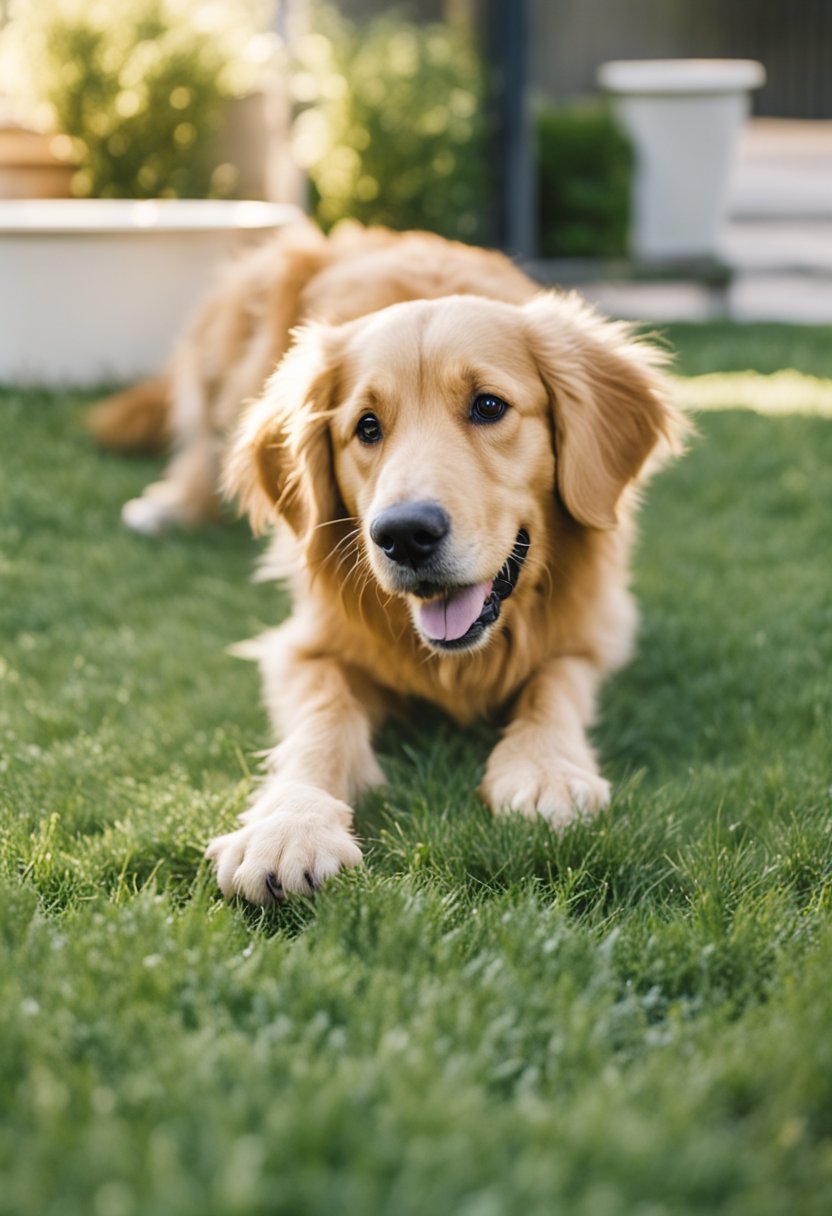
Both Goldendoodles and Golden Retrievers are known to be friendly and sociable breeds. They generally get along well with other pets, including dogs and cats.
Golden Retriever:
- Temperament: Friendly and gentle.
- Social Skills: They thrive on companionship and often enjoy the company of other animals.
- Training: Easy to train, which helps in socializing them with other pets.
Goldendoodle:
- Personality: Inherits a playful and friendly demeanor from both parent breeds.
- Adaptability: They often adjust to living with other pets, especially if introduced early on.
- Grooming Needs: Their coat type does not affect their ability to get along with other pets.
When bringing a new pet home, it is important to monitor interactions. Proper introductions and training can foster a harmonious environment.
Both breeds benefit from regular socialization to ensure they remain well-adjusted around other animals. Early exposure to various pets helps them develop good habits and reduce any potential anxiety.
Barking Tendency

Goldendoodles and Golden Retrievers have different barking tendencies.
Goldendoodle:
- Tends to bark less.
- They may bark to alert their owners but are often quieter.
- Their Poodle heritage contributes to a calmer demeanor.
Golden Retriever:
- Generally more vocal.
- They bark to communicate needs or excitement.
- Common reasons for barking include alerting to visitors or wanting attention.
Both breeds can be trained to manage barking.
Here are some factors influencing their barking:
| Factor | Goldendoodle | Golden Retriever |
|---|---|---|
| Breed Traits | Quieter, less prone to barking | More vocal, active barker |
| Training Ease | Can be trained to reduce barking | Can be trained to manage it |
| Alerts | Unlikely to bark unless needed | Barks to alert or express |
Owners can help shape these behaviors through consistent training and positive reinforcement. Knowing their barking tendencies can assist in choosing the right dog for a home environment.
Exercise Requirements

Both Goldendoodles and Golden Retrievers need regular exercise to stay healthy and happy. Their exercise needs help prevent boredom and related behavioral issues.
Goldendoodle Exercise Needs:
- Size Matters: The exercise requirement can vary by size. Standard Goldendoodles may need more exercise than miniature ones.
- Daily Walks: They should have at least 30 to 60 minutes of walking every day.
- Playtime: Regular playtime is important. Fetch or tug-of-war are great options.
- Mental Stimulation: Interactive games and training sessions keep them mentally engaged.
Golden Retriever Exercise Needs:
- Daily Activities: Golden Retrievers thrive on at least 60 minutes of exercise daily.
- Structured Play: Activities like swimming and playing fetch are ideal.
- Social Interaction: They enjoy playing with other dogs and people during exercise.
Both breeds benefit from a mix of physical and mental exercises.
Key Comparisons:
| Requirement | Goldendoodle | Golden Retriever |
|---|---|---|
| Exercise Time | 30–60 minutes | 60 minutes or more |
| Play Activities | Interactive games, fetch | Fetch, swimming, playtime |
| Mental Stimulation | Training sessions | Social play with others |
Meeting these exercise needs is essential for the health and happiness of both breeds.
Adaptability To Living Environments
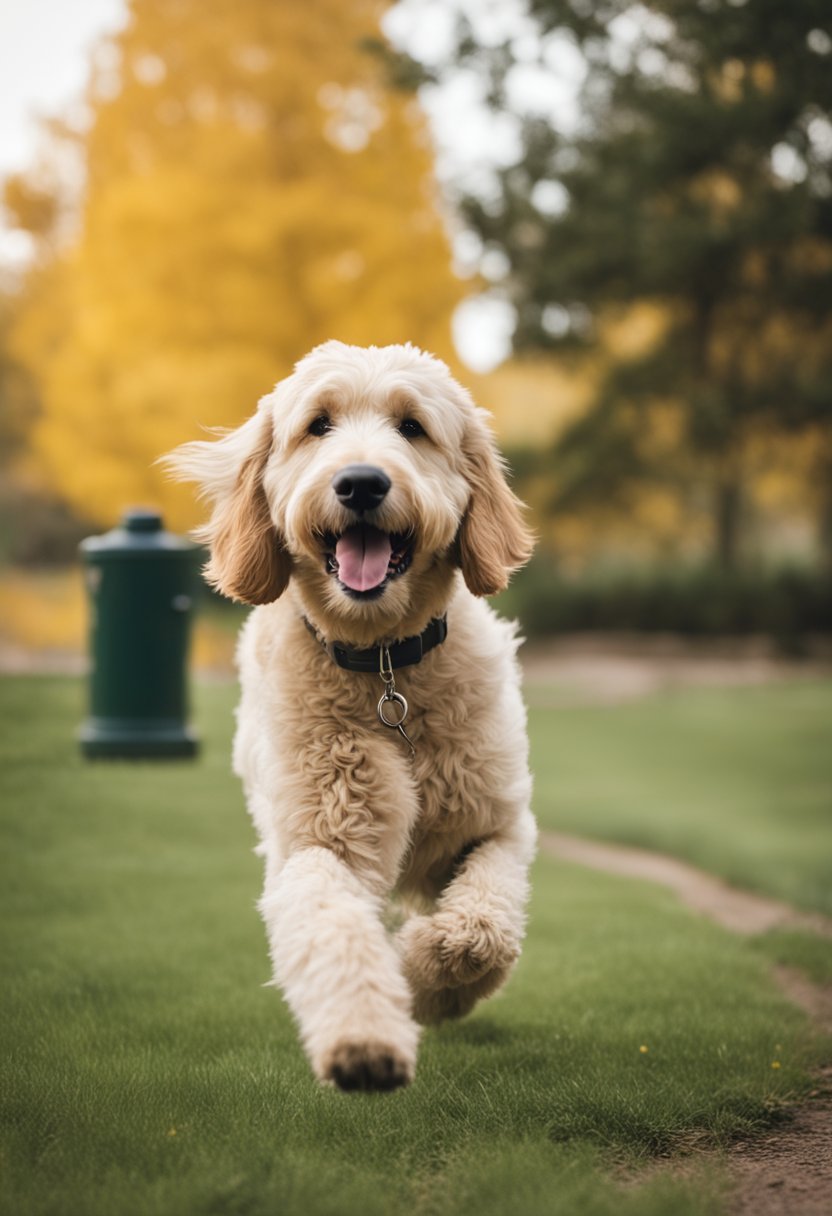
Both Goldendoodles and Golden Retrievers show strong adaptability to different living environments.
Golden Retrievers are known for their ability to adjust well to various settings. They can thrive in homes with large yards or apartments, as long as they receive enough exercise. Their friendly nature makes them easy to integrate into family life.
Goldendoodles, being a mix of Golden Retrievers and Poodles, also adapt well. Their size can vary depending on the Poodle parent, which can make them suitable for smaller living spaces.
Key Points of Adaptability:
- Friendly Nature: Both breeds are sociable. This trait helps them adjust to family dynamics easily.
- Exercise Needs: While both breeds need regular activity, they can adjust their energy levels based on their living situation.
- Behavior: Goldendoodles might have a slight edge in trainability due to their Poodle ancestry, enabling them to learn to fit into different environments quickly.
Cost

When considering the cost of a Goldendoodle versus a Golden Retriever, there are several factors to keep in mind.
Initial Purchase Price:
- Goldendoodle: Prices range from $2,000 to $4,000 depending on the breeder and location.
- Golden Retriever: The cost varies between $500 and $3,000, with most good breeders charging about $1,500 to $2,000.
Factors Influencing Cost:
- Breeder Reputation: Quality breeders usually charge more due to their breeding practices.
- Location: Prices can differ based on where the puppies are sold.
- Breeding Purpose: Golden Retrievers bred for hunting or show tend to cost more.
Additional Costs:
Both breeds will incur ongoing expenses. These might include:
- Food: Quality dog food can range from $30 to $100 per month.
- Grooming: Goldendoodles often require regular grooming, potentially costing $50 to $100 every few months.
- Veterinary Care: Regular check-ups and vaccinations may cost several hundred dollars yearly.