Choosing between a Goldendoodle and a Poodle can be a tough decision for dog lovers. Both breeds share a playful nature and intelligence, making them appealing companions.
The key difference lies in their breeding: a Poodle is a purebred dog, while a Goldendoodle is a hybrid, created by mixing a Poodle with a Golden Retriever. This distinction impacts their traits and temperament.
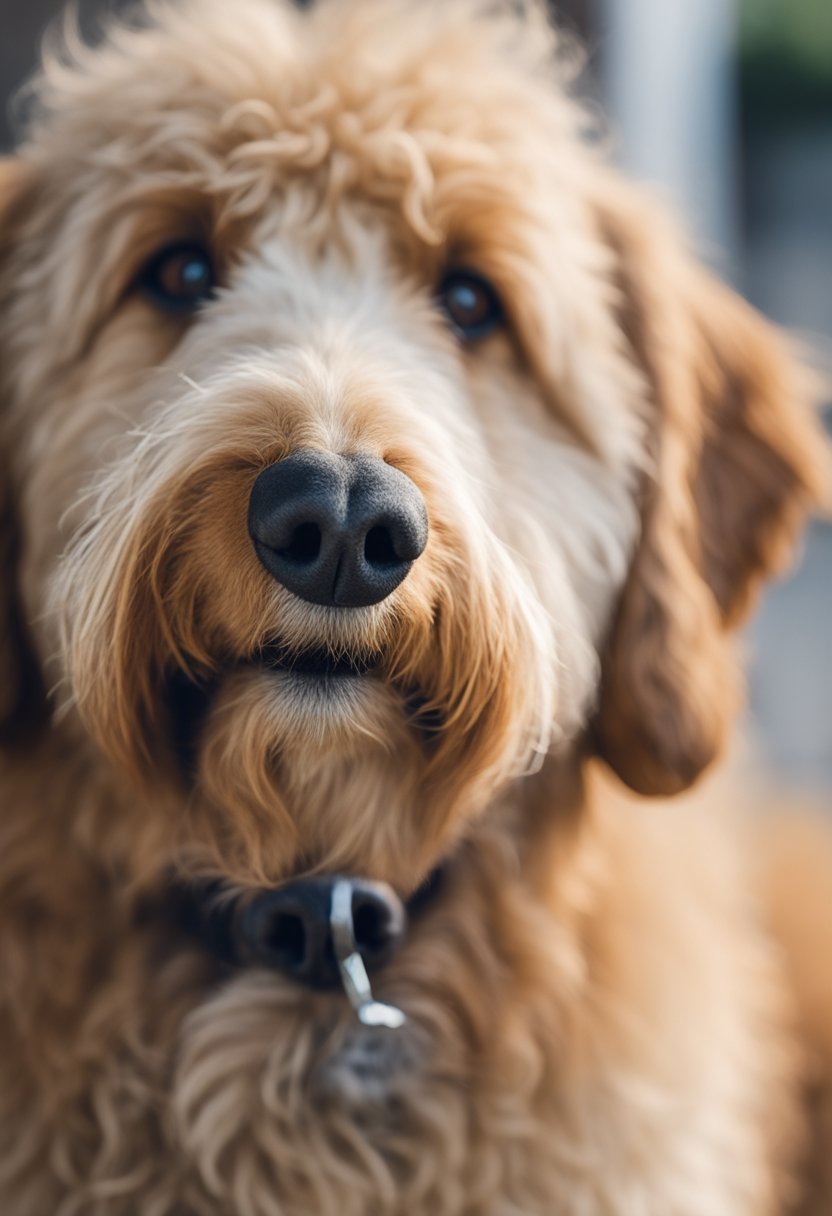
Goldendoodles are known for their friendly and social behavior. They tend to enjoy meeting new people and animals, making them a great choice for families or those who like to be active.
In comparison, Poodles, while also sociable, come with a more predictable behavior pattern due to their purebred status.
When considering which breed suits a lifestyle best, it is essential to think about their care needs and activity levels.
Knowing the differences can help potential owners choose the right dog for their home, ensuring a good fit for both the pet and the owner.
Size
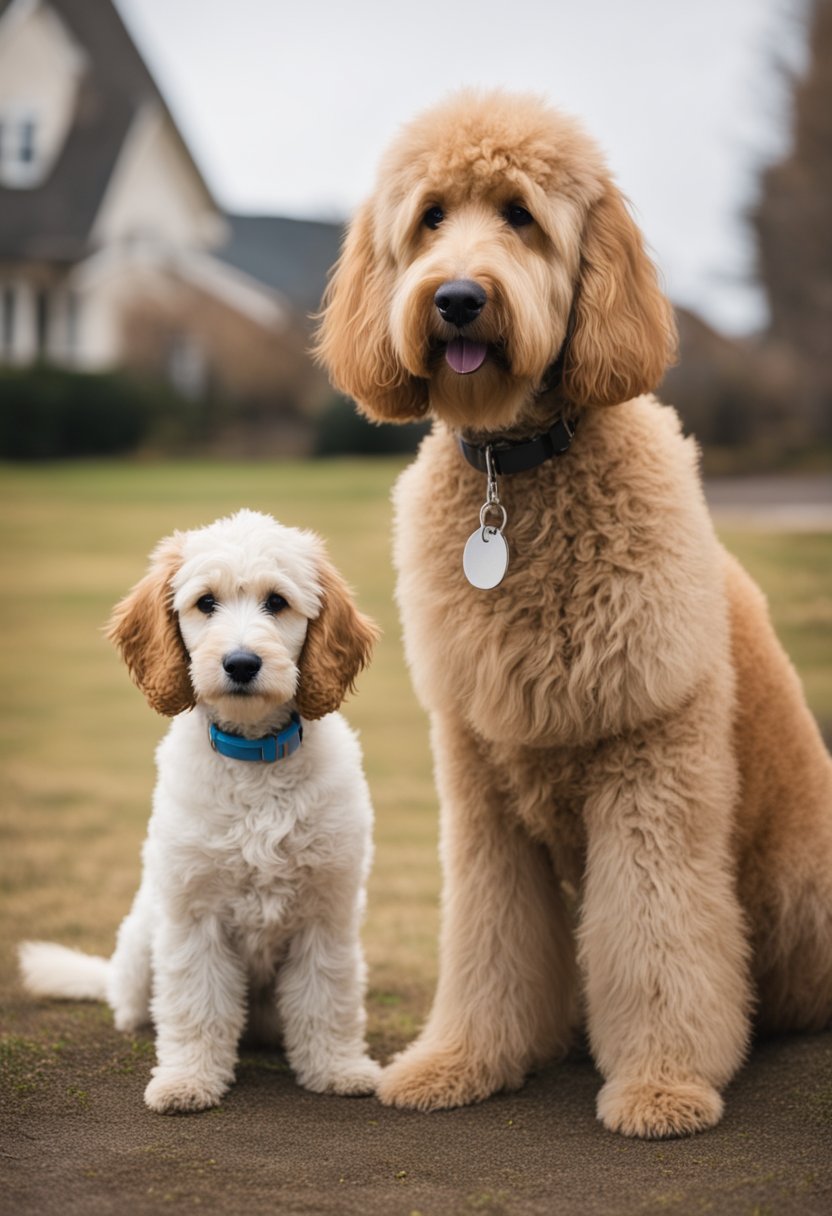
When comparing Goldendoodles and Poodles, size varies significantly between the breeds. Poodles come in three main types: Standard, Miniature, and Toy.
Poodle Sizes:
| Type | Weight | Height |
|---|---|---|
| Toy | 4-12 pounds | 10 inches or less |
| Miniature | 10-25 pounds | 15 inches or less |
| Standard | 40-70 pounds | 15 inches or taller |
Goldendoodles are hybrids created by crossing Poodles with Golden Retrievers. Their size can vary based on the size of the Poodle parent.
Goldendoodle Sizes:
| Size | Weight |
|---|---|
| Miniature | 15-35 pounds |
| Medium | 35-50 pounds |
| Standard | 50-90 pounds |
The size of a Goldendoodle depends on whether it is bred from a Miniature, Medium, or Standard Poodle. This variability often results in Goldendoodles being larger than the smaller types of Poodles.
In general, Goldendoodles tend to be heavier than their Poodle counterparts. Buyers should consider size when choosing between these two breeds, as it can influence care needs and living space.
Coat Type

The coat types of Goldendoodles and Poodles differ significantly due to their genetic backgrounds.
Poodle Coat
- Curly Texture: Poodles have a tight, curly coat.
- Non-shedding: This breed is known for low shedding.
- Hypoallergenic: Their coat can be better for allergy sufferers.
Goldendoodle Coat
Goldendoodles, being a hybrid of Poodles and Golden Retrievers, have more variation in their coats.
- Types:
- Curly: Similar to Poodles, low-shedding.
- Wavy: A common type, falls between curly and straight.
- Straight: Can resemble the Golden Retriever’s coat.
Most Goldendoodles inherit a wavy or shaggy coat. This type is low to non-shedding, which makes them a popular choice for those with allergies.
Shedding
Poodles generally shed less than Goldendoodles. Goldendoodles can shed mildly to moderately, especially if their coat is straighter.
Summary of Coat Features
| Breed | Coat Texture | Shedding | Hypoallergenic |
|---|---|---|---|
| Poodle | Curly | Low | Yes |
| Goldendoodle | Curly/Wavy | Mild to Moderate | Mostly |
Choosing the right coat type can depend on personal preference and lifestyle.
Shedding Level
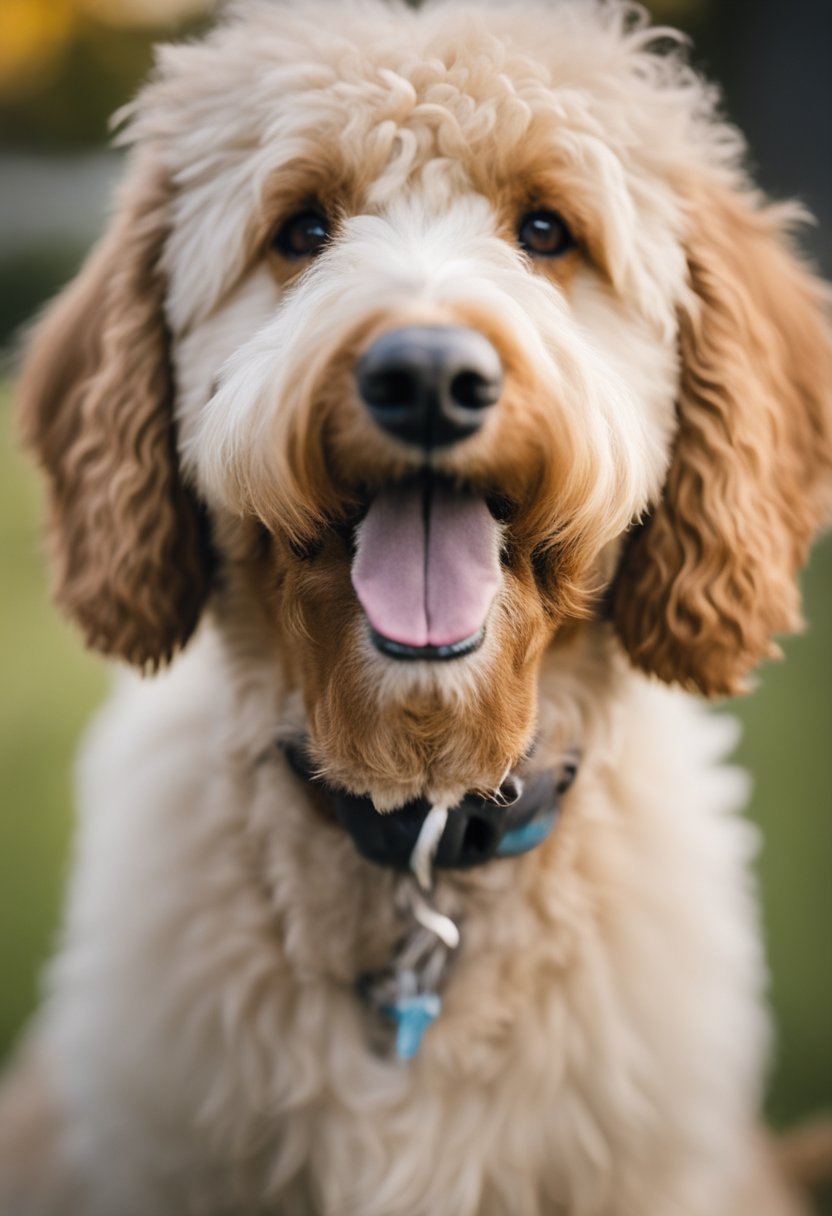
Shedding levels differ between Goldendoodles and Poodles. Understanding these differences can help potential dog owners choose the right breed for their needs.
Poodles are known for their low shedding. They are considered “non-shedding” dogs. This trait helps make them suitable for people with allergies. Their curly fur traps dander and hair, preventing it from spreading.
Goldendoodles have a mix of traits from both Poodles and Golden Retrievers. They are often described as low to moderate shedders. The exact shedding level varies depending on factors like genetics and generation.
Here’s a quick breakdown:
| Breed | Shedding Level | Description |
|---|---|---|
| Poodle | Low | Often considered non-shedding. |
| Goldendoodle | Low to Moderate | Varies by generation and individual traits. |
Goldendoodles that take after their Poodle parent may shed less. Those that resemble Golden Retrievers may shed more.
In any case, regular grooming helps manage shedding for both breeds. It reduces loose hair and keeps the fur healthy.
Temperament

Goldendoodles and Poodles have different temperaments that appeal to various dog owners.
Poodles are known for their intelligence and loyalty. They are very trainable and often excel in obedience. Poodles can be sensitive and may require gentle handling.
Goldendoodles are friendly and social. They typically inherit the playful nature of Golden Retrievers. This makes them great family pets and good with children.
Key Differences:
- Energy Level:
- Poodles tend to have a high energy level but can adapt to calmer environments.
- Goldendoodles are usually very active and enjoy playtime.
- Social Skills:
- Poodles can be reserved with strangers but are affectionate with their families.
- Goldendoodles are often more outgoing and friendly toward new people.
- Barking:
- Poodles may bark to alert their owners but aren’t excessive barkers.
- Goldendoodles might bark more due to their sociable nature.
Both breeds thrive on human interaction. Regular exercise and mental stimulation are crucial for their well-being.
Energy Level

Both Goldendoodles and Poodles are known for their high energy levels. They require regular exercise to stay healthy and happy.
- Goldendoodles are playful and enjoy activities. They can thrive in active households where they can play with children or go on walks.
- Poodles also have a strong energy level. They need more physical activity compared to Goldendoodles due to their purebred nature.
Both breeds can become bored if left alone for long periods. This boredom can lead to destructive behaviors.
Owners need to provide daily exercise and mental stimulation. Activities such as running, hiking, or swimming are great for both breeds.
In terms of stamina, Poodles may have a slight edge. They often excel in dog sports and obedience training.
In summary:
| Breed | Energy Level | Exercise Needs |
|---|---|---|
| Goldendoodle | High | Daily walks and playtime |
| Poodle | Higher | More intense exercise |
Choosing either breed means committing to an active lifestyle. They both make excellent companions for those who enjoy outdoor activities.
Trainability

Both Poodles and Goldendoodles are known for their high trainability. They are often considered intelligent breeds.
Key Points:
- Poodles: Poodles are purebreds with a long history of being trained for various roles, including service and performance work.
- Goldendoodles: As a hybrid of Poodles and Golden Retrievers, Goldendoodles inherit trainability and eagerness to please.
Factors Affecting Trainability
- Intelligence: Both breeds rank high in intelligence. They quickly learn commands and new tricks.
- Socialization: Early socialization helps them become well-rounded dogs. This is important for both breeds.
Training Techniques
- Positive Reinforcement: This method works well for both Poodles and Goldendoodles. Treats and praise encourage good behavior.
- Consistency: Consistent commands and training routines yield better results.
Learning Speed
- Goldendoodles may learn slightly faster due to their mixed heritage. However, both breeds require patience and practice.
Summary of Trainability
| Breed | Intelligence | Learning Speed | Training Method |
|---|---|---|---|
| Poodle | High | Fast | Positive Reinforcement |
| Goldendoodle | High | Slightly Faster | Positive Reinforcement |
Both breeds thrive in training environments that are engaging and fun. They do best with owners who are committed to regular training sessions.
Lifespan

The lifespan of a dog is an important factor for many pet owners. Both Poodles and Goldendoodles have different average lifespans.
- Poodle: Typically lives between 12 to 15 years.
- Goldendoodle: Generally has a lifespan of 10 to 15 years.
While Goldendoodles can live up to 15 years, their average life expectancy is slightly lower than that of Poodles.
The size of the dog can also play a role in lifespan. Smaller breeds often live longer than larger ones.
In the case of Poodles, Toy and Miniature sizes may have a longer life expectancy compared to Standard Poodles.
Health factors, genetics, and care affect these numbers. Regular vet visits and a balanced diet can contribute to a longer life for both breeds.
Intelligence

When comparing the intelligence of Poodles and Goldendoodles, both breeds shine in this area.
Poodles are often recognized as one of the smartest dog breeds. They excel in obedience and quickly learn commands. Their ability to adapt to training makes them popular in various dog sports and activities.
Goldendoodles, a hybrid of Poodles and Golden Retrievers, also show high intelligence. They inherit qualities from both parent breeds. While they are smart, they may require a bit more patience during training.
Key Points
- Poodles:
- Highly intelligent
- Quick to learn commands
- Excels in obedience tasks
- Goldendoodles:
- Smart, but slightly less consistent
- Inherits traits from both parent breeds
- May need extra patience when training
Both breeds enjoy mental stimulation. Engaging them with puzzles and games helps keep their minds sharp. Regular training sessions benefit both Poodles and Goldendoodles, reinforcing their skills.
Grooming Needs
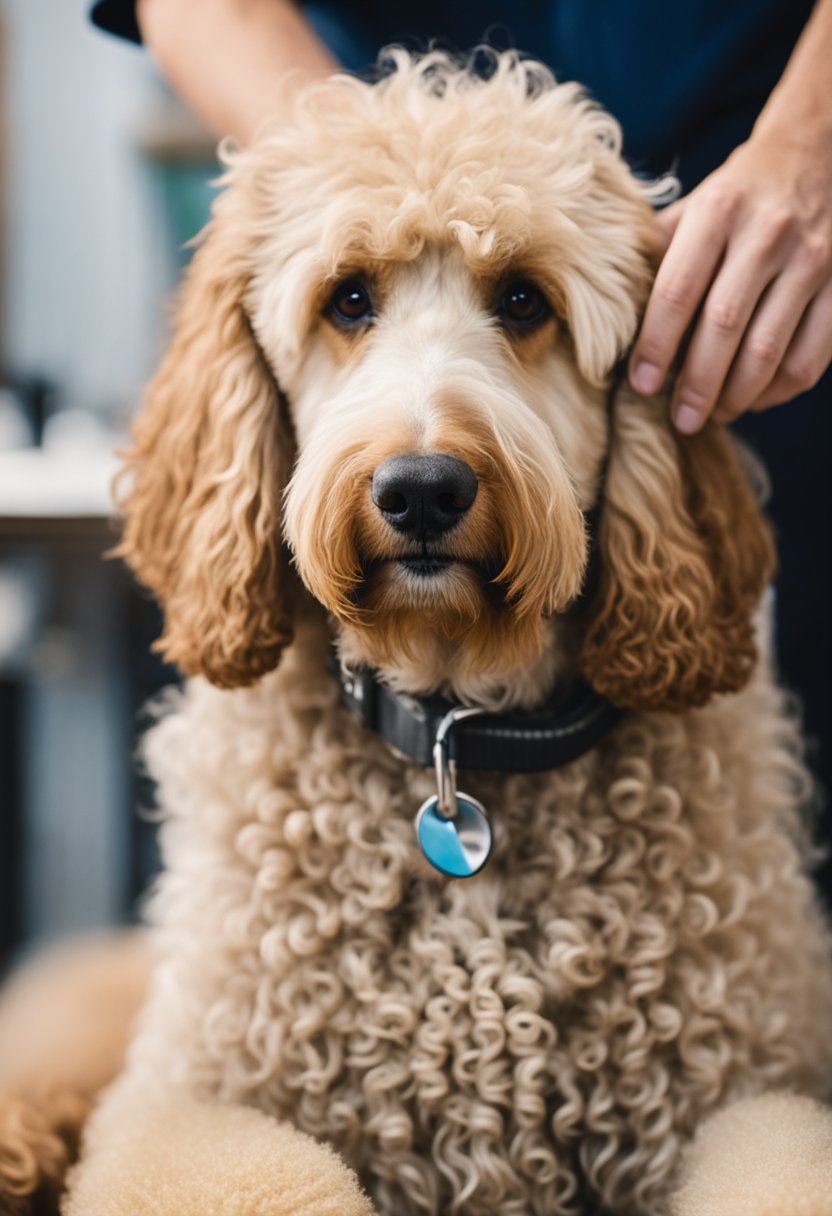
Grooming is important for both Goldendoodles and Poodles, but their needs can differ.
Poodles have a single-layered coat that requires regular grooming. Their curly fur is low-shedding and tends to mat easily.
Owners should brush their Poodle at least 2-3 times a week. Professional grooming every 6 to 8 weeks is also recommended to maintain their coat.
Goldendoodles, being a hybrid, can have a variety of coat types. They may inherit more of the Poodle’s low-shedding traits or the Golden Retriever’s wavy fur.
Owners should:
- Brush their Goldendoodle 2-3 times a week.
- Be alert for matting, especially in longer-haired varieties.
- Consider professional grooming every 8-12 weeks, depending on their coat type.
Both breeds benefit from regular bathing. Using a gentle dog shampoo helps keep their coat clean and healthy.
Key Grooming Tips:
- Invest in good quality brushes.
- Regularly check ears for dirt and wax.
- Trim nails to avoid discomfort.
Health Concerns

Both Poodles and Goldendoodles have specific health issues to be aware of.
Poodle Health Issues:
- Genetic Concerns: Poodles can suffer from anemia and certain eye disorders.
- Hip Dysplasia: This is a common issue where the hip joint doesn’t fit properly into the hip socket.
Goldendoodle Health Issues:
- Hybrid Traits: Goldendoodles may inherit health issues from either parent. This includes allergies and hip dysplasia.
- Heart Conditions: Some Goldendoodles can develop heart problems linked to genetics.
When choosing a pet, it is important to consider the breeder. Poor breeding practices can increase health risks.
Responsible breeders prioritize the health of their puppies and conduct relevant health screenings.
Regular veterinary check-ups, a balanced diet, and exercise can help both breeds maintain good health. With proper care, they can live long and fulfilling lives.
Good With Children
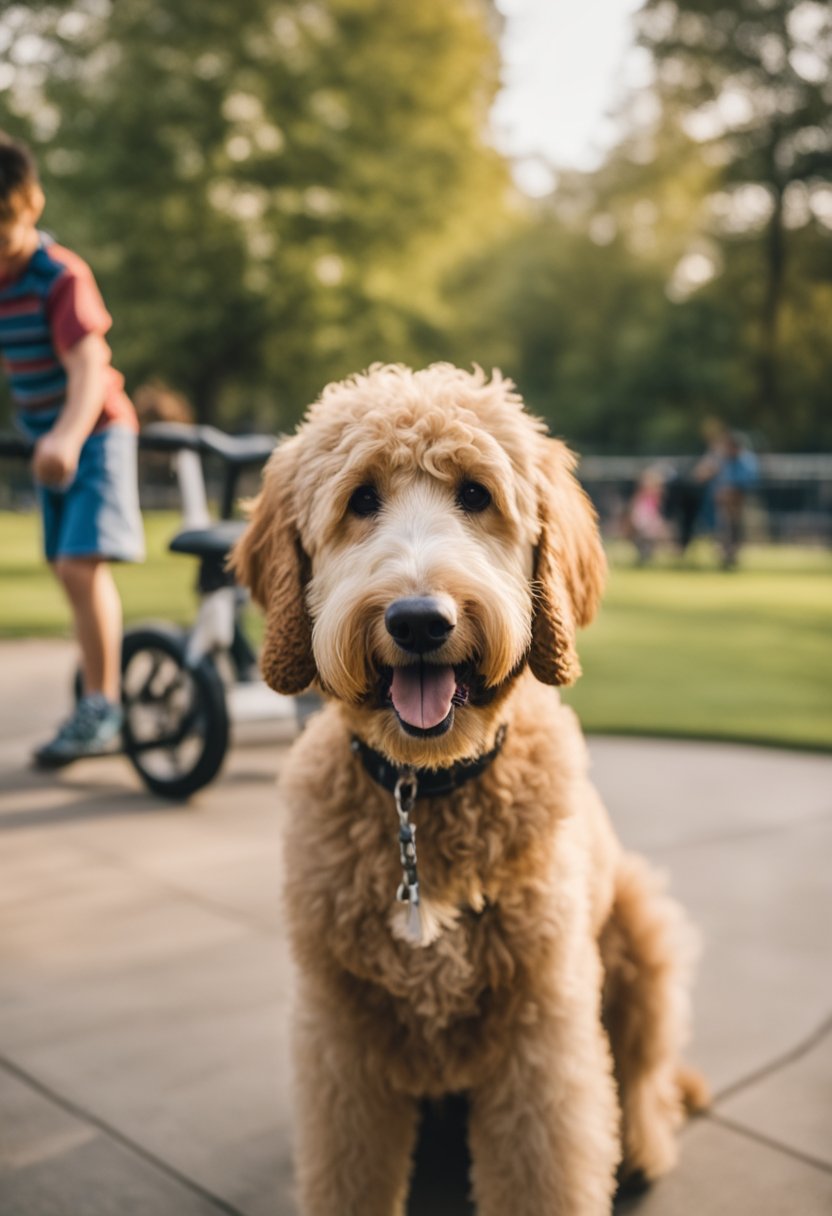
Both Goldendoodles and Poodles are known for their friendly and gentle nature. These traits make them good companions for families with children.
Goldendoodles often inherit the playful and gentle demeanor of both the Golden Retriever and the Poodle. They tend to be very sociable and enjoy engaging with kids. Their playful spirit can make them a great match for active families.
Standard Poodles are also known to be good with children. They are intelligent and trainable, which helps them interact positively with young ones. Their calm and patient nature allows them to tolerate the exuberance of children.
Key Points
- Temperament: Both breeds are generally friendly and eager to please, contributing to positive interactions with kids.
- Energy Level: Goldendoodles usually have a higher energy level, making them fun playmates. Poodles have a balance of energy and calmness.
- Training: Both breeds respond well to training. Early socialization and training help them develop good behaviors around children.
Good With Other Pets

Goldendoodles and Poodles can both be friendly companions for other pets. Their temperament plays a big part in how they interact with animals in the home.
Goldendoodles:
- Goldendoodles are often very social.
- They usually get along well with dogs, cats, and even smaller pets.
- Their playful nature makes them a good fit for families with multiple pets.
Poodles:
- Poodles also tend to be friendly and adaptable.
- They can be good with other animals if they are socialized early.
- Poodles may be slightly more reserved but can form bonds with pets.
Both breeds benefit from early training and socialization. This helps them learn how to behave around other animals.
Key Points:
- Socialization is crucial for both breeds.
- Early interactions can lead to positive relationships with other pets.
- Each dog’s personality can vary, so introductions should be monitored.
Barking Tendency
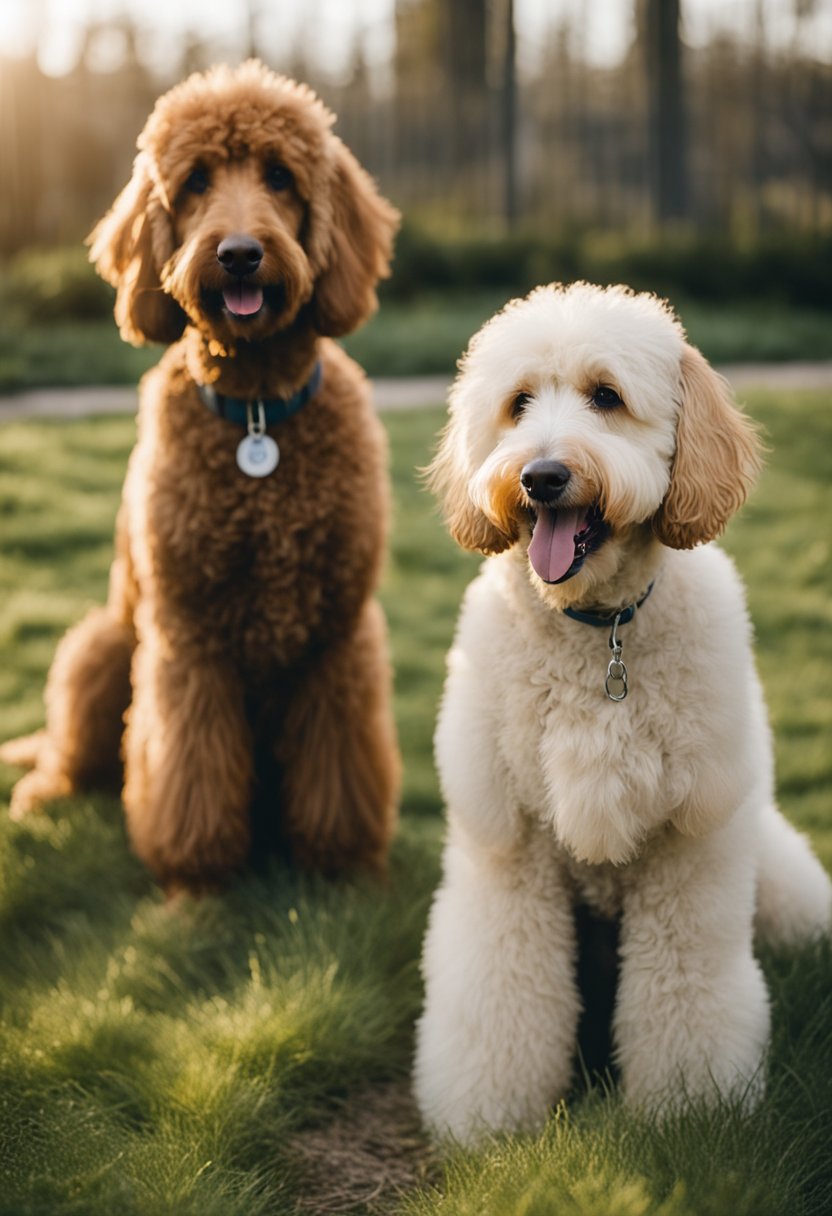
Goldendoodles and Poodles have different barking tendencies. Understanding these differences can help potential dog owners make a better choice.
Poodles are known for being alert and vocal. They tend to bark at sounds or strangers. This natural alertness makes them good watchdogs.
Goldendoodles, being a mix of Poodle and Golden Retriever, can inherit traits from both parents. This means their barking behavior can vary significantly.
Here’s a quick breakdown:
| Breed | Barking Tendency |
|---|---|
| Poodle | Generally alert, tends to bark |
| Goldendoodle | Varies, often influenced by the Poodle parent |
For instance, an F1 Goldendoodle (50% Poodle, 50% Golden Retriever) may have a higher chance of being vocal. These dogs can inherit the Poodle’s alertness.
In contrast, F1B Goldendoodles, which are more Golden Retriever, might bark less. The degree of barking often depends on which traits dominate from the parents.
When considering a Goldendoodle, it’s essential to think about the parents’ temperaments. A calmer Poodle might lead to a quieter Goldendoodle, while a more energetic one could result in a dog that barks more often.
Exercise Requirements
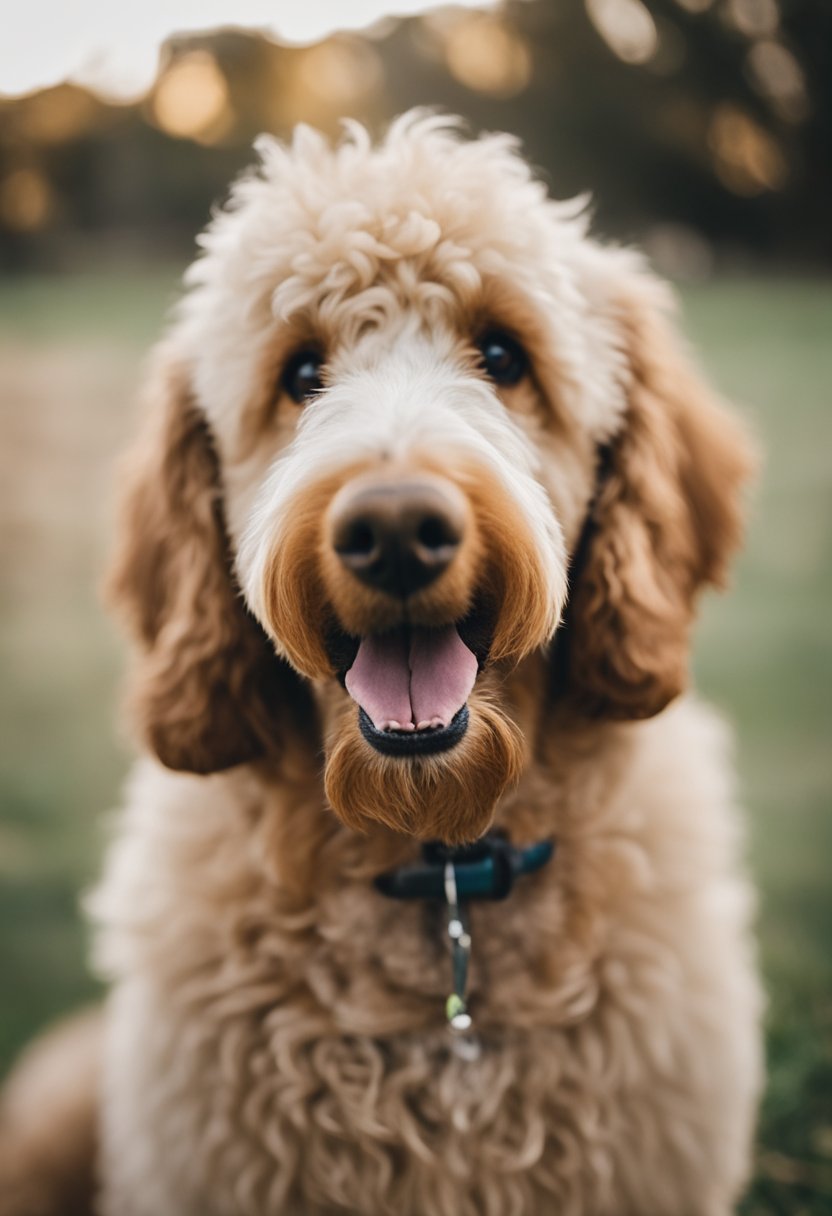
Both Goldendoodles and Poodles need regular exercise to stay healthy and happy. Their exercise needs differ, with Goldendoodles generally needing more activity than Poodles.
Goldendoodle Exercise Needs:
- Daily Activity: At least 1.5 to 2 hours.
- Types of Activities: Walking, running, playing fetch, and mental games.
- Energy Level: High; they thrive with plenty of stimulation.
Poodle Exercise Needs:
- Daily Activity: Approximately 1 hour.
- Types of Activities: Walks, playtime, and training sessions.
- Energy Level: Moderate to high; they enjoy being active but may not require as much as Goldendoodles.
Both breeds benefit from daily routines that combine physical and mental exercises. This helps prevent boredom and behavioral issues.
Regular training sessions can also serve as both exercise and mental stimulation.
When choosing between the two, consider the amount of time available for exercise. Goldendoodles often need more time and attention due to their high energy levels. Poodles are a bit easier to manage in terms of exercise if schedules are tight.
Adaptability To Living Environments

Goldendoodles and Poodles show different levels of adaptability to living spaces.
Poodles are purebred dogs that can thrive in various environments. They are known for their intelligence, which makes them easy to train. Poodles can adapt well to apartments as long as they receive regular exercise.
Goldendoodles, a mix of Poodles and Golden Retrievers, are known for their friendly nature. They also adapt well to different living situations.
Because of their Golden Retriever lineage, they often enjoy being around families and other pets, making them great companions in bustling homes.
Key Differences
- Poodles:
- Can live comfortably in small spaces.
- Require daily mental and physical stimulation.
- Goldendoodles:
- Often prefer larger spaces due to their energy.
- Thrive in family environments where they can interact.
Both breeds need daily exercise. Regular walks and playtime help keep them happy.
Cost
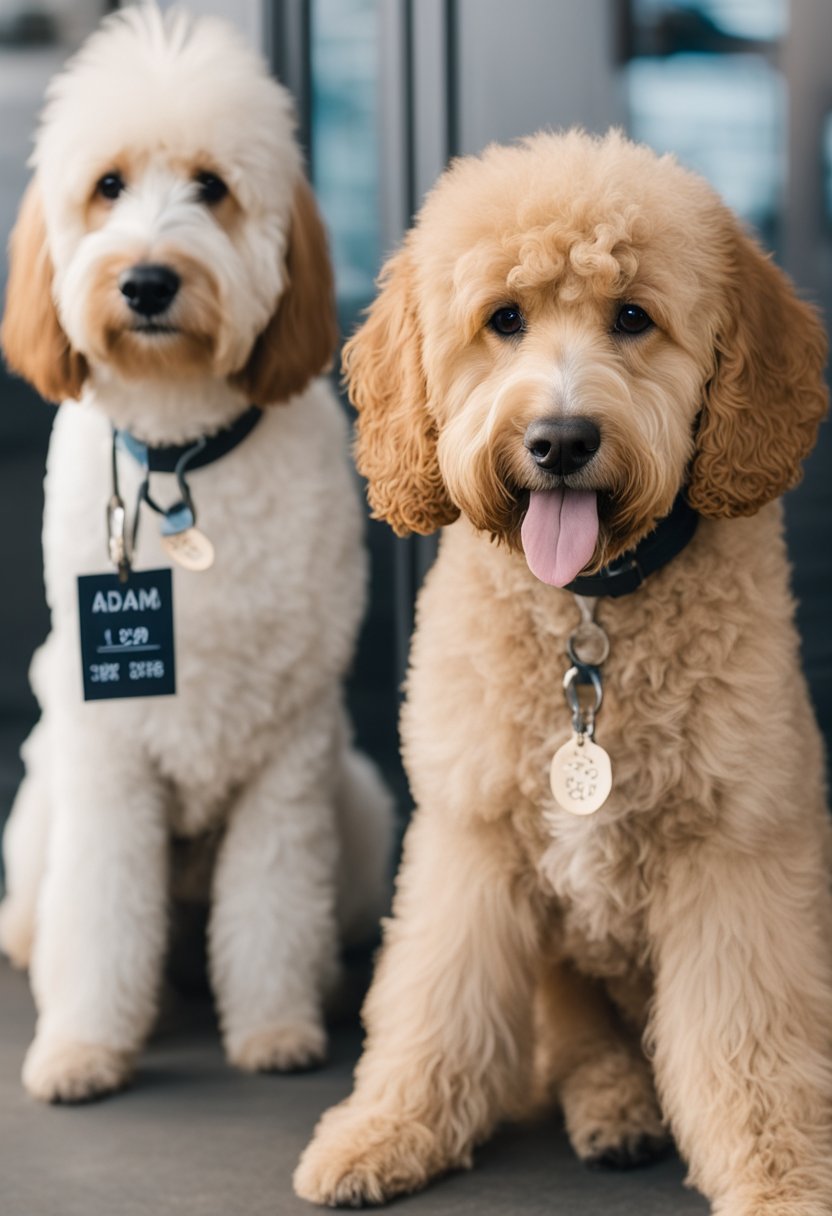
The cost of a dog can vary widely between breeds.
Poodle
- The price for a purebred Poodle typically ranges from $600 to $2,500.
- Standard Poodles tend to be more expensive, with prices between $1,000 and $4,000.
Goldendoodle
- Goldendoodles are often priced higher due to their hybrid status and popularity.
- They generally range from $1,500 to $3,000.
Key Points About Cost
- Breeding Quality: Both breeds can vary in price based on pedigree and breeding quality.
- Upkeep Expenses: Besides the initial cost, owners must consider ongoing expenses like food, grooming, and vet visits.
- High Demand: Goldendoodles have gained popularity, making them pricier due to demand.
Budget Considerations
- New dog owners should budget for not just the purchase price but also for essential items like leashes, collars, and grooming supplies.
- Regular expenses are important, including flea and heartworm prevention.