In recent years, some Jewish families have started rethinking the tradition of the bris, which involves the circumcision of newborn boys. Brit Shalom, meaning ‘Covenant of Peace,’ is a growing alternative to this ancient custom, offering a non-circumcision naming ceremony. This shift reflects deeper considerations about culture, religion, and identity among Jewish communities.
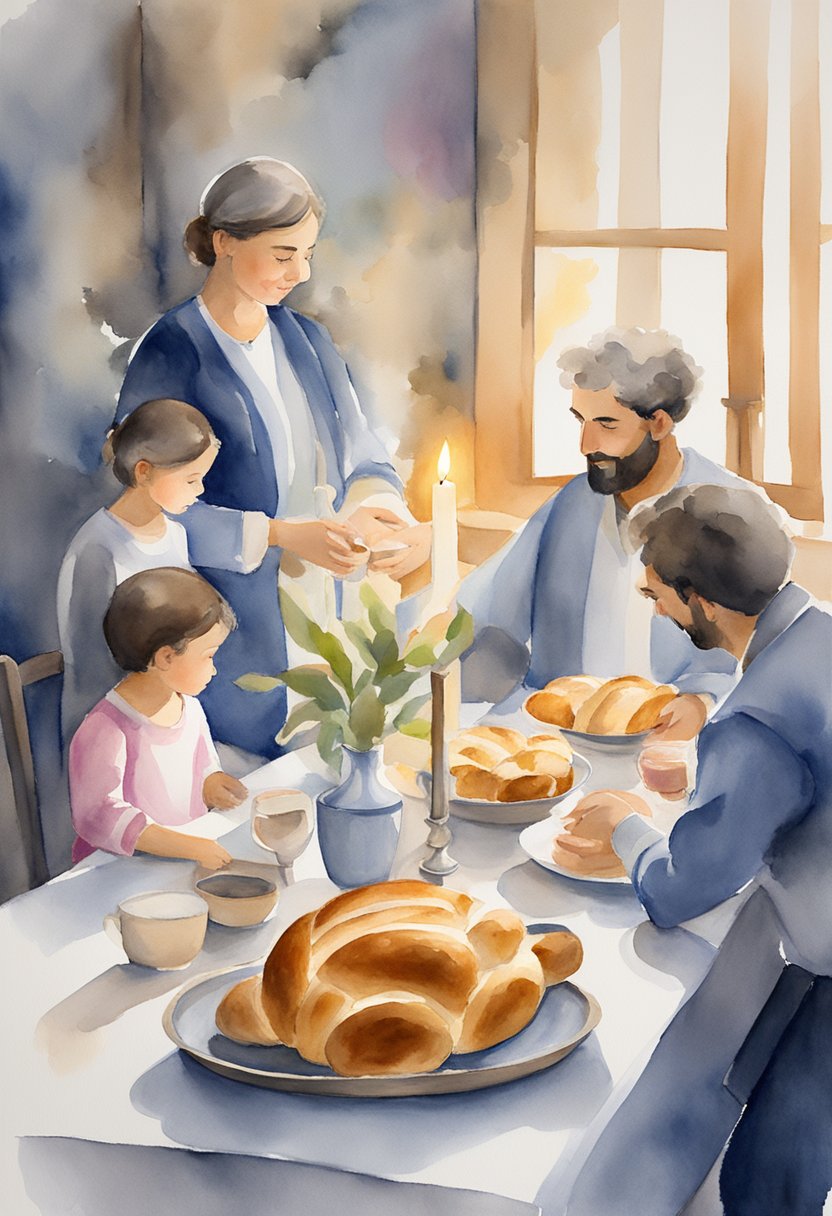
Families choosing Brit Shalom often do so for a variety of reasons, including personal beliefs about traditional rituals or concerns about the procedure itself. This modern practice allows parents to maintain their Jewish heritage while aligning with contemporary perspectives. The ceremony is gaining recognition as a meaningful way to welcome a child into the Jewish faith without circumcision.
This evolving tradition invites conversation about Jewish identity and the balance between preserving ancient customs and adapting to modern values. With community acceptance growing, Brit Shalom reflects how traditions can evolve while still honoring the past.
Key Takeaways
- Brit Shalom is a naming ceremony without circumcision.
- It addresses modern perspectives within Jewish communities.
- The practice sparks dialogue about tradition and identity.
Historical Background of Brit Milah
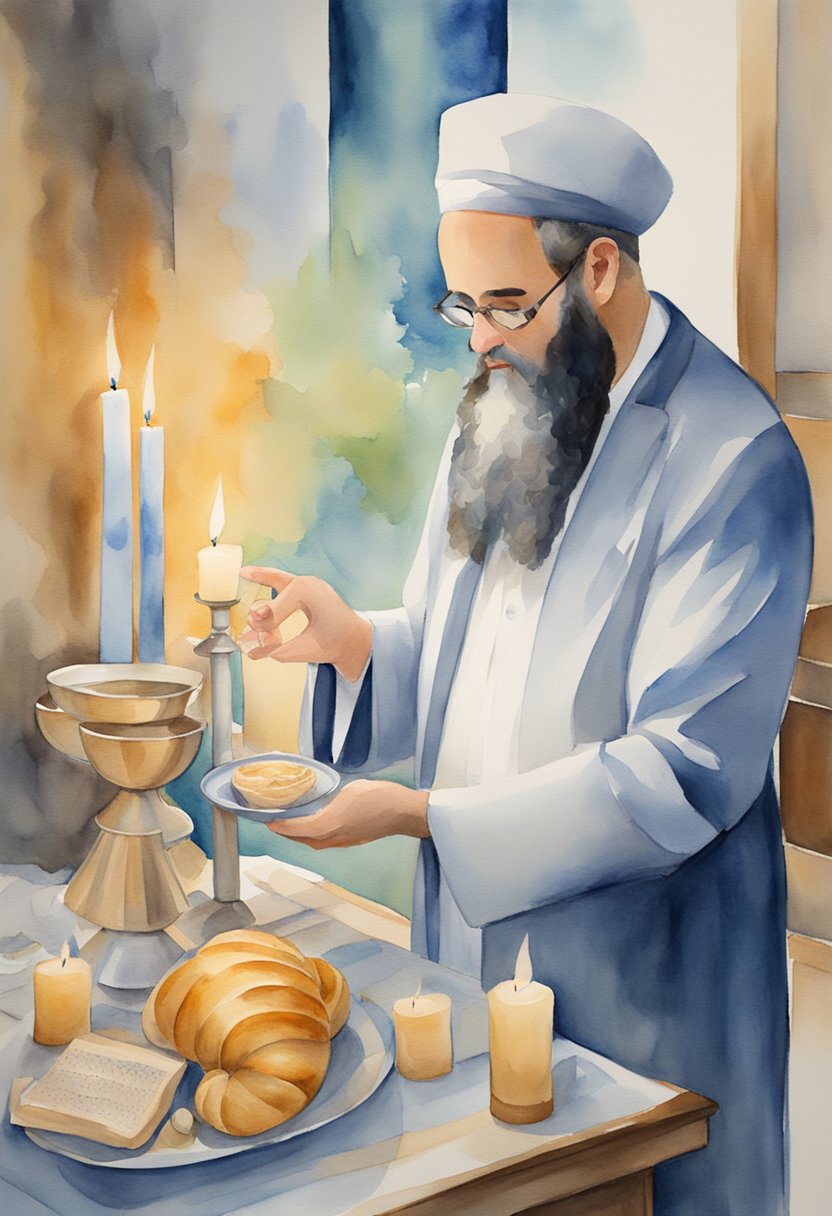
The Brit Milah, or circumcision, holds deep significance in the Jewish faith, symbolizing an eternal covenant with God. Over thousands of years, this ceremony has evolved, reflecting diverse attitudes and interpretations within the Jewish community.
Covenant of Circumcision in Jewish Faith
The practice of Brit Milah is rooted in the Torah, where God commands Abraham to circumcise himself and his descendants. This act is described as a sign of the covenant between God and the Jewish people, occurring on the eighth day of life, even during Shabbat or Jewish holidays. The circumcision represents commitment, identity, and spiritual integrity.
This ritual has always been more than a physical act. It is a profound spiritual gesture reaffirming faith and continuity. For Jewish families, Brit Milah solidifies their bond with ancestral traditions, preserving the historical narrative of their faith’s beginnings. Despite modern debates, the ceremony remains integral to Jewish life.
Evolution Over Centuries
Over time, the Brit Milah ceremony has undergone changes influenced by social and cultural shifts. Reform Judaism, for instance, has considered modifying or omitting the ritual due to differing interpretations of Jewish law. In the early modern period, emancipation led some groups to question its necessity, suggesting alternatives or advocating for abolishment.
In recent years, some Jewish families are choosing Brit Shalom, a naming ceremony without circumcision, as a modern adaptation. These changes reflect a dynamic engagement with tradition, balancing respect for history with evolving beliefs. The discussion around Brit Milah illustrates the broader conversation about faith and identity within the Jewish community.
Brit Shalom Defined

Brit Shalom, a contemporary ceremony celebrated by some Jewish families, stands apart from the ancient tradition of Brit Milah. It offers an alternative form of welcoming infants into the Jewish community without the practice of circumcision. This section explores the origins of this ceremony and highlights its differences from the traditional Brit Milah.
Origins and Developments of the Ceremony
Brit Shalom began as a newly developed naming ceremony. This option emerged for families who wanted to maintain a connection to Jewish traditions without circumcision. The term itself means “Covenant of Peace,” reflecting a desire for a peaceful and inclusive approach.
Several secular Jewish organizations, such as the International Institute for Secular Humanistic Judaism, have recognized Brit Shalom. These groups promote an individualized ceremony that emphasizes cultural heritage while respecting personal beliefs. Families can choose rituals and symbols that resonate with their values.
Brit Shalom has become a preferred choice for those advocating for bodily autonomy and reforming traditional practices. By offering a naming ceremony that preserves Jewish identity, families can maintain cultural connections without circumcision. This development signifies a shift towards inclusivity within certain Jewish communities, honoring diverse beliefs and preferences.
Distinctions from Brit Milah
Brit Shalom differs significantly from Brit Milah, which is the traditional Jewish circumcision ceremony held on the eighth day after a male child’s birth. While Brit Milah includes both religious and physical elements by performing the circumcision, Brit Shalom focuses solely on the spiritual and cultural welcome into the community.
Families who opt for Brit Shalom often seek an inclusive approach to their child’s entry into Judaism. This ceremony offers a range of personalized rituals, often involving blessings, prayers, and the symbolic act of naming. Emphasis is placed on community involvement and cultural affirmation without the surgical aspect.
For many, the choice of Brit Shalom highlights a commitment to non-surgical rites. It allows for a shared sense of tradition and community without the customary practice of circumcision. Through this alternative, parents uphold their cultural roots while aligning with modern values.
Sociocultural Factors
The move toward Brit Shalom among some Jewish families reflects shifts in cultural attitudes and ethical considerations. Changes in perspectives within Jewish communities and the impact of modern medical ethics play significant roles in this evolving tradition.
Changing Perspectives in Jewish Communities
Within Jewish communities, perceptions around age-old rituals like circumcision are gradually changing. Some families are opting for a Brit Shalom as a way to honor their Jewish identity while aligning with contemporary values. This shift often stems from a desire to find balance between tradition and personal beliefs or practices.
Community leaders and families are increasingly open to discussions around non-cutting ceremonies. Such discussions challenge historical norms and foster inclusivity. These conversations can vary widely depending on cultural backgrounds and personal experiences within the community. The decision to choose a Brit Shalom is often influenced by both a sense of Jewish pride and the wish to embrace evolving beliefs.
Influence of Modern Medical Ethics
Modern medical ethics has a substantial impact on the choice to adopt a Brit Shalom ceremony. For some families, the commitment to leaving an infant genitally intact aligns with ethical concerns about non-consensual procedures.
The ethical debate includes considerations of bodily autonomy and the potential risks associated with circumcision. Some parents may prioritize these ethical concerns, viewing the Brit Shalom as a way to respect their child’s rights.
This perspective can be particularly important in mixed-religion families, where one partner may not share the same historical ties to circumcision. Israel’s Bruchim organization, for instance, encourages non-circumcising Jewish families to celebrate their heritage while respecting personal morals and values.
Religious Considerations

The shift towards Brit Shalom challenges traditional Jewish practices. Understanding how religious authorities and texts view non-circumcision is crucial for families making this choice. Opinions vary among rabbis and scholars, reflecting diverse interpretations of scriptural mandates.
Rabbinical Perspectives on Non-Circumcision
Rabbis have differing opinions on Brit Shalom. Some traditional rabbis view circumcision as a critical commandment that defines Jewish identity. They see it as an immutable part of the covenant made with Abraham.
Conversely, some progressive rabbis argue for flexibility. They believe that maintaining Jewish identity should reflect modern values, like bodily integrity and individual choice. This perspective sees Brit Shalom as a means to honor cultural traditions while respecting new ethical norms.
Rabbinical support varies widely and is often influenced by the rabbi’s interpretation of religious texts and community needs.
Scriptural Interpretation and Debate
Scriptural interpretations play a significant role in discussions about circumcision and Brit Shalom. Genesis 17 describes God’s covenant with Abraham, where circumcision is given as a sign of this agreement. This passage traditionally underpins the practice of Brit Milah.
However, some scholars argue for broader readings of these texts, suggesting that the spirit of the covenant can be fulfilled without physical alteration. This interpretation emphasizes spiritual connection over physical rites.
These differing views reflect an ongoing debate within Judaism regarding the balance between tradition and contemporary values. This debate encourages families considering Brit Shalom to engage deeply with religious texts and seek guidance that aligns with their beliefs.
Family Dynamics and Decision-Making
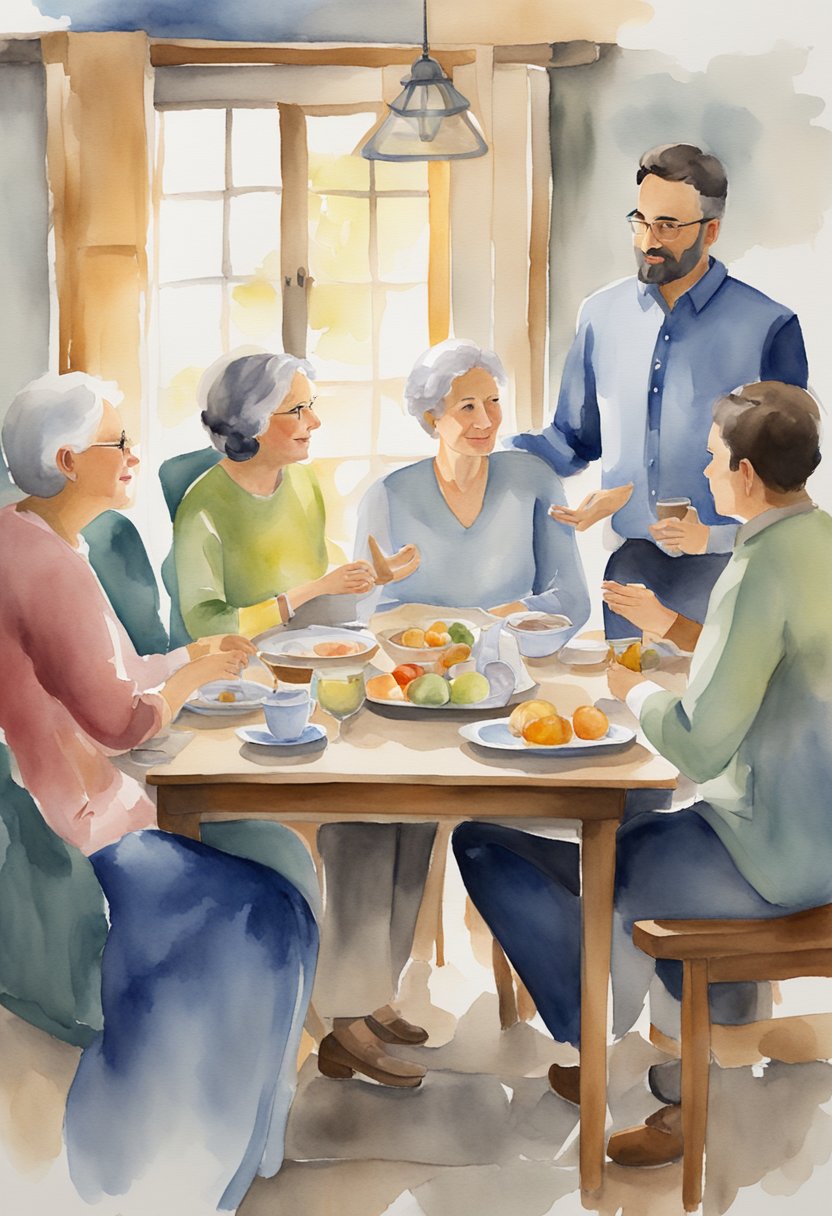
Choosing a Brit Shalom involves significant discussions among family members. Parents often navigate differing opinions and traditions, while also considering the child’s future religious identity.
Roles of Parents and Extended Family
Parents play a central role in deciding whether to choose a Brit Shalom. This decision may involve weighing personal beliefs with traditional family practices. One parent might emphasize cultural heritage, while another could prioritize individual choice. These differing viewpoints can lead to deep conversations about priorities and values.
Extended family members, such as grandparents, often influence this decision. They might have strong views based on their long-held beliefs and traditions. Their involvement can bring added pressure, but it also provides a wider perspective on the historical and familial importance of circumcision and its alternatives.
Open communication is key in balancing these roles. Families that engage in respectful dialogue are more likely to find a path that honors both tradition and modern values.
Impact on Child’s Religious Identity
The choice of a Brit Shalom can shape a child’s religious identity in various ways. Deciding against circumcision may encourage exploring new expressions of Jewish culture and faith.
For some families, Brit Shalom serves as an inclusive ceremony that fosters a sense of Jewish identity without adherence to traditional rites. This approach can encourage children to connect with their heritage through personalized and meaningful experiences.
Parents often consider how the decision will affect the child’s sense of belonging within the Jewish community. They may seek to ensure that the ceremony aligns with their values while remaining supportive of the child’s future choices in their religious journey.
Ritual Components of Brit Shalom
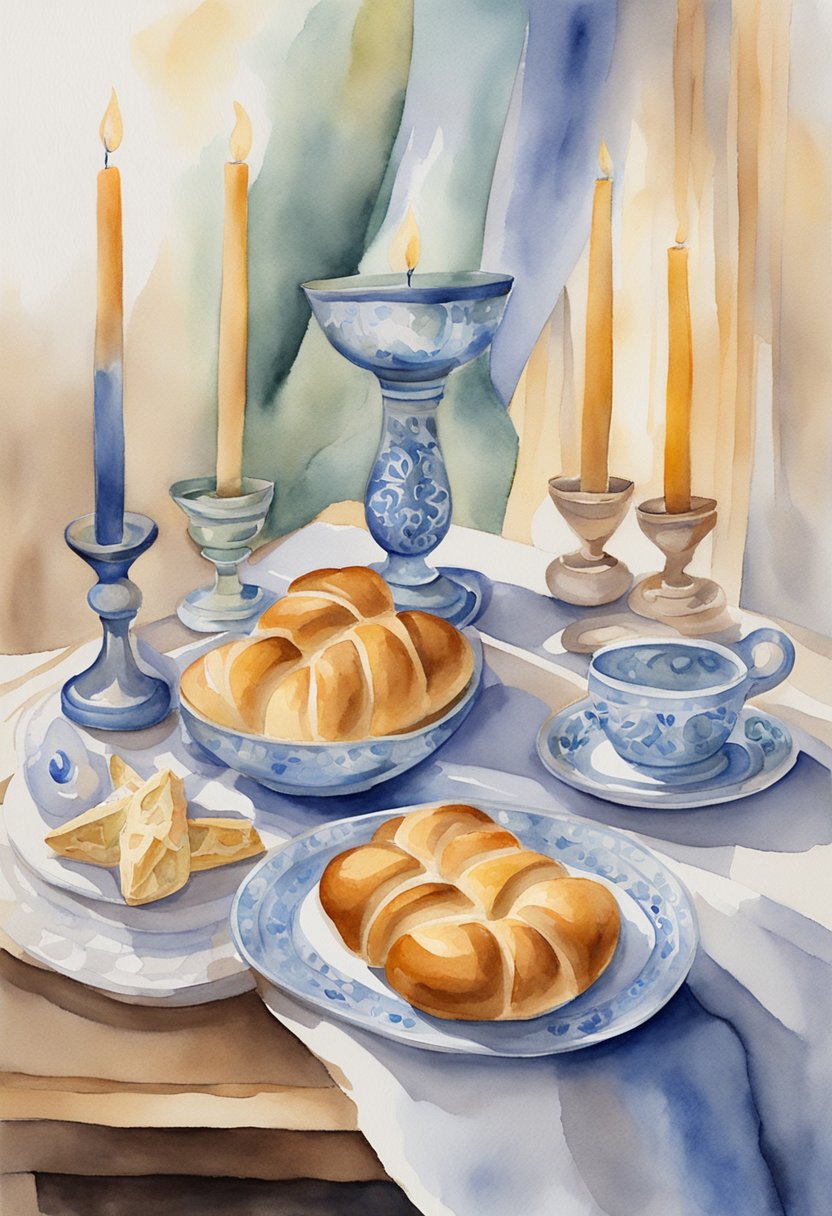
Brit Shalom, a modern alternative to the traditional Brit Milah, focuses on spiritual and cultural elements rather than circumcision. The ceremony includes prayers and readings, alongside symbolic acts, to welcome the child into the community. These elements are tailored to reflect the family’s values and beliefs.
Prayers and Readings
Prayers and readings in Brit Shalom vary, reflecting the family’s personal beliefs and traditions. Celebrants often include Hebrew blessings that express joy and gratitude for the child’s arrival. Commonly, parents or officiants may read passages from Jewish texts or favorite literary works to emphasize themes of peace and welcome. Families sometimes compose their own prayers to give a personal touch to the ceremony.
Key elements in these readings often highlight values like love, community, and spirituality. Incorporating such personalized elements helps create a unique and meaningful experience. Some families choose to include popular poems or messages of hope and commitment to the child’s future, offering a way to connect the ceremony to wider philosophical or spiritual principles.
Symbolic Acts within the Ceremony
Symbolic acts play an important role in Brit Shalom, offering physical representations of community and covenant. One common act involves lighting a candle, symbolizing the light the child brings into the world. Using ritual objects, such as a kiddush cup for blessings, can also add depth. The cup, filled with wine, signifies joy and sanctity.
Parents may perform symbolic gestures like wrapping the baby in a special cloth, which serves as a symbol of the parents’ protective role. Another common act is presenting the child with a Hebrew name, marking their identity within the Jewish community. These acts, alongside the prayers, help reinforce the spiritual and communal essence of the ceremony.
For more details on the differences and practices of Brit Shalom, learn about Brit Shalom ceremonies.
Community Acceptance and Challenges
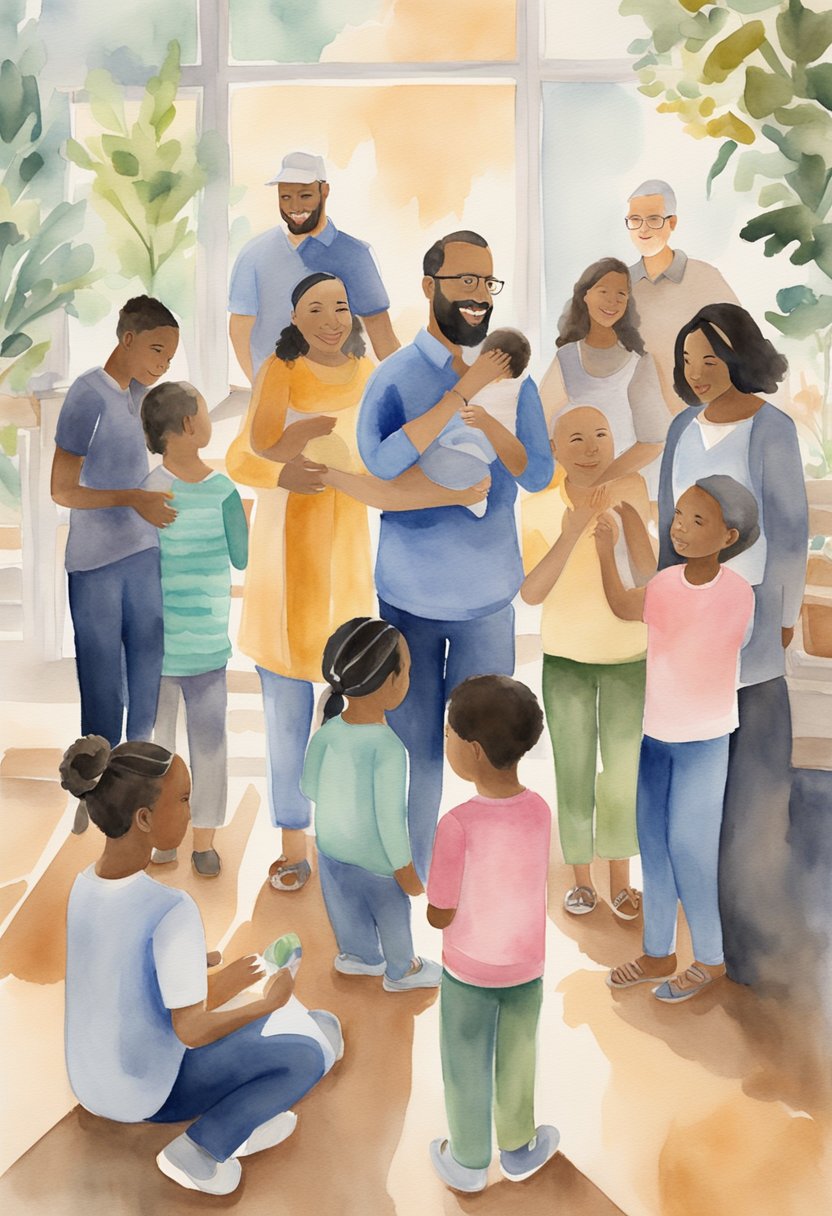
Brit Shalom, an alternative to the traditional brit milah, is gaining varying levels of acceptance among Jewish communities. The degree of acceptance and resistance varies based on different Jewish denominations and cultural perspectives.
Adoption Across Jewish Denominations
Some Reform and Reconstructionist communities are increasingly embracing Brit Shalom. These groups often prioritize individual choice and inclusivity, allowing for broader acceptance of non-circumcision ceremonies. In Reform Judaism, for instance, Brit Shalom is viewed as a way to uphold heritage while respecting modern values of bodily autonomy.
On the other hand, Orthodox branches maintain traditional practices, generally not recognizing Brit Shalom as an appropriate alternative. This difference results from varying interpretations of religious texts and the role circumcision plays in Jewish identity. Families choosing Brit Shalom are often guided by personal beliefs, leading them to seek communities aligned with their values.
Resistance and Cultural Pushback
Resistance to Brit Shalom can arise due to deeply rooted cultural and religious beliefs. For many, circumcision is not just a medical procedure but a spiritual rite conducted over generations. The traditional view sees the ritual as crucial to maintaining Jewish identity.
Concerns extend beyond religion, impacting family dynamics and community relationships. Non-circumcising families might feel pressure from both relatives favoring tradition and community leaders. Even within liberal circles, there can be challenges in reconciling differences in opinion, which can lead to tension. In response, advocates seek to educate and create dialogues around alternative practices to foster understanding and acceptance.
Health Considerations
Jewish families considering brit shalom and circumcision often weigh health implications. Circumcision has both medical benefits and risks, while brit shalom provides a non-surgical alternative.
Medical Pros and Cons of Circumcision
Circumcision has certain medical benefits, like a reduced risk of urinary tract infections in infants. It may also lower the risk of some sexually transmitted infections. Health organizations have noted these benefits, but none recommend universal newborn circumcision.
The risks include pain during the procedure and potential complications like bleeding or infection. Anesthetic use can help with pain, but tiny risks remain. Some argue that circumcision’s long-term benefits don’t outweigh immediate risks. The decision may also involve considering ethical dimensions, such as bodily autonomy.
Brit Shalom as a Safe Alternative
Brit shalom offers a ritual that avoids surgical risks. The ceremony celebrates a child’s introduction to the Jewish community without circumcision. It’s a choice some families make for personal or ethical reasons.
Families often select brit shalom to respect a child’s right to choose later in life. Organizations like Bruchim advocate this option. Unlike circumcision, brit shalom has no medical risks, making it appealing to those concerned about surgery’s health impact. This ceremony highlights both spiritual and cultural connections without physical alteration.
Legal and Ethical Discussions
As more Jewish families consider Brit Shalom, they encounter a range of legal and ethical issues. These include differing international circumcision laws and debates about children’s rights and bodily autonomy.
Circumcision Laws Internationally
Circumcision laws differ widely around the world, affecting families considering Brit Shalom. In the United States, it is legal and commonly practiced. Yet, in some European countries, there are legal restrictions. For example, Germany and Denmark have debated imposing limits on non-medical circumcisions, citing ethical concerns.
Elsewhere, countries like Iceland have considered banning circumcision unless medically necessary. These discussions raise questions about religious freedom versus children’s rights. Families opting for Brit Shalom are specifically interested in how these laws impact religious practices. Understanding different legal frameworks helps families navigate these complex issues.
Children’s Rights and Bodily Autonomy
Children’s rights are central to the debate over Brit Shalom. Advocates for this ceremony argue that it respects a child’s bodily autonomy. They believe that non-consensual circumcision violates a child’s right to make decisions about their own body. This perspective is gaining traction among some Jewish communities.
Opponents emphasize religious tradition and parental rights. They argue that circumcision is a pivotal aspect of Jewish identity. Yet, the growing movement for children’s rights is prompting many to reevaluate traditional rituals. Families choosing Brit Shalom do so with the intention of balancing cultural heritage and modern ethical standards.
Ultimately, the discussions about children’s rights challenge long-held beliefs, and this dynamic is shifting perspectives on both religious and cultural practices.
Jewish Identity in a Modern World

Jewish identity today is shaped by both long-standing traditions and modern societal values. This complex relationship necessitates a balance between maintaining cultural heritage and adapting to contemporary contexts.
Reconciling Tradition with Contemporary Values
As society evolves, many Jewish families are exploring how to align ancient customs with modern beliefs. The practice of Brit Shalom is an example, where the traditional circumcision ritual is re-evaluated. Families choosing Brit Shalom are often influenced by present-day views on bodily autonomy and well-being.
They seek ways to honor Jewish traditions without adhering to practices they find incompatible with current moral or ethical standards. This shift highlights an increasing need for rituals that reflect individual beliefs while respecting cultural heritage. Communities may hold discussions and provide resources to support families during this transition. These discussions ensure that members feel connected to their roots while also engaging meaningfully with contemporary values.
Continuity and Change in Jewish Practice
Jewish practice is experiencing a blend of continuity and change. While some customs remain largely unchanged, others are being adapted or replaced to better fit today’s context. The movement towards Brit Shalom exemplifies how rituals can be both rooted in tradition and open to change.
Families opting for non-traditional practices are still committed to preserving essential elements of Jewish identity. They often focus on the cultural and spiritual aspects rather than the physical rituals. This adaptability allows traditions to remain relevant and meaningful in modern life.
Such changes are not limited to one community but are seen across various Jewish sects, reflecting a broad commitment to maintaining identity while embracing necessary evolution.
Future of Brit Shalom and Jewish Customs
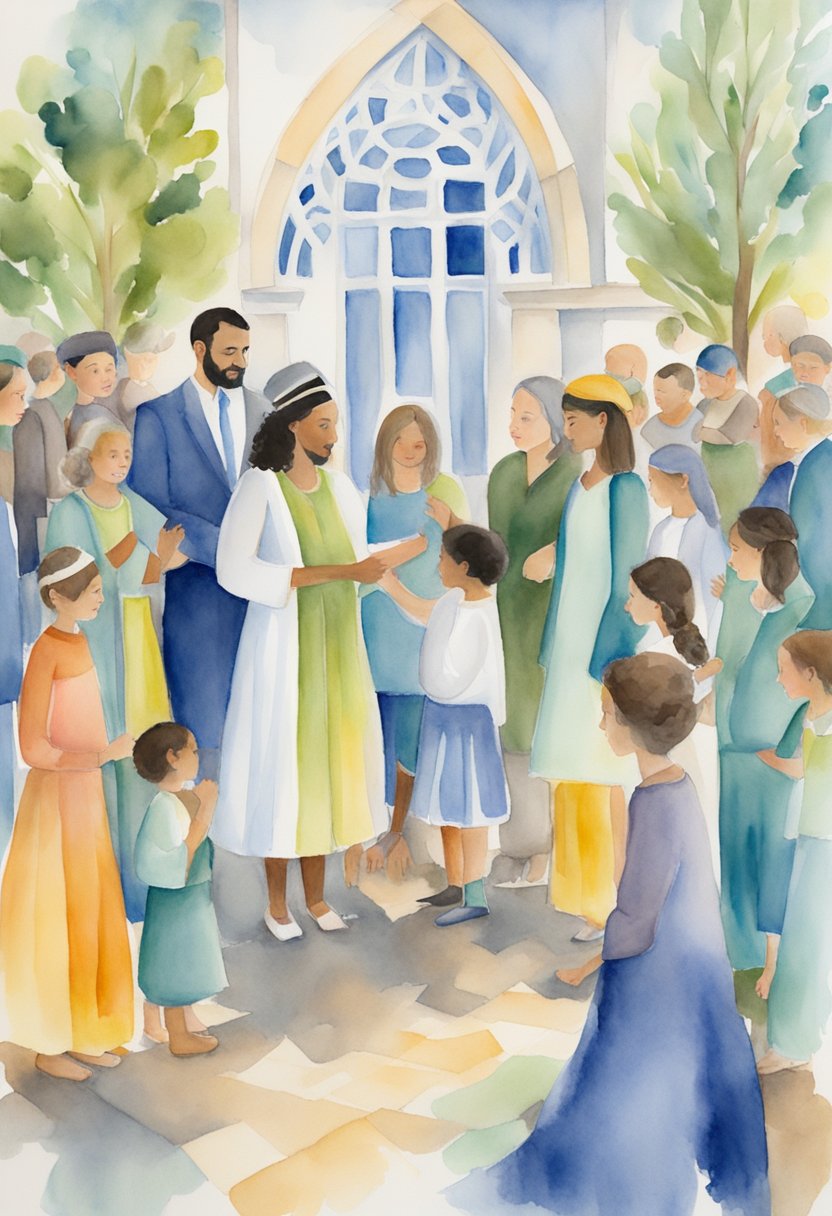
Brit Shalom is gaining popularity as more Jewish families seek modern alternatives to traditional rituals. This trend reflects broader shifts in cultural and religious practices, focusing on personal choice and inclusivity. Families opting for this ceremony tend to value the spiritual aspect of the tradition while avoiding physical alterations.
Many Jewish communities are increasingly accepting Brit Shalom. This acceptance exemplifies a flexible approach to long-standing customs, accommodating contemporary values and diverse family backgrounds. Jewish organizations and communities may continue to adapt, showcasing a dynamic aspect of cultural evolution.
As societal views on personal autonomy and bodily integrity evolve, the demand for ceremonies like Brit Shalom could grow. This shift highlights the balance between upholding tradition and respecting individual preferences. Jewish leaders and families may continue to engage in dialogues that embrace diversity in practices and beliefs.
The ongoing development of Jewish customs signifies a broader openness to consider modifications that align with modern beliefs. As cultural narratives change, practices like Brit Shalom will likely play a part in shaping future Jewish rituals, while still respecting the rich history they stem from.
As more families choose Brit Shalom, resources and support for these ceremonies could expand. This may include guidebooks, online resources, and officiants specializing in this alternative. Such developments might ensure that families have meaningful ceremonies that align with their values and beliefs.