If you’re considering bringing a Goldendoodle puppy into your home, you likely want to know where to find one and what costs to expect. For a good quality Goldendoodle from a reputable breeder, you can expect to pay between $2,000 to $3,000. The price may vary based on factors like the puppy’s size and generation, so it’s important to do your research.
Finding the right place to buy your Goldendoodle is crucial for ensuring a healthy and well-bred dog. Many responsible breeders offer puppies for sale, and it’s beneficial to look for those who prioritize health testing and have good reviews. This not only helps you understand the breeder’s practices but also increases your chances of bringing home a happy, healthy puppy.
As you explore your options, consider the type of Goldendoodle that fits your lifestyle. They come in various sizes, which can affect the price and care requirements. By gathering information on where to buy and understanding the costs involved, you set yourself up for a successful puppy adoption journey.
Understanding the Goldendoodle Breed

Goldendoodles are a popular hybrid breed known for their friendly nature and intelligence. They combine the best traits of Golden Retrievers and Poodles. Understanding their roots, characteristics, and sizes can help you determine if this breed is right for you.
Breed Origins and History
Goldendoodles originated in the late 1990s as designer dogs, created by crossing Golden Retrievers with Poodles. The goal was to get a dog that has the friendliness of a Golden Retriever while minimizing the shedding common in many breeds.
The breed gained popularity for its hypoallergenic qualities and good-natured temperament. This mix means Goldendoodles can inherit various traits from both parents, creating a diverse range of personalities and physical features.
Breeders focused on producing dogs that are not just pleasant companions but also intelligent, making them easy to train.
Characteristics and Temperament
Goldendoodles are known for their friendly and affectionate nature. They are typically social dogs that thrive on interaction with people and other pets.
This breed is often described as cheerful, intelligent, and eager to please. Because of their Poodle lineage, Goldendoodles are also highly trainable and often excel in obedience and agility courses.
They are good family dogs, often forming strong bonds with children and becoming loyal companions. Regular exercise and socialization are important to keep your Goldendoodle happy and well-adjusted.
Goldendoodle Sizes and Generations
Goldendoodles come in three main sizes: Standard, Miniature, and Toy.
- Standard Goldendoodles: These can weigh between 50 to 90 pounds.
- Miniature Goldendoodles: Typically, they weigh between 25 to 50 pounds.
- Toy Goldendoodles: These smaller dogs usually weigh under 10 pounds.
Additionally, Goldendoodles can be classified into different generations. First-generation (F1) Goldendoodles are a direct mix of Golden Retrievers and Poodles. F1B Goldendoodles mix an F1 with a purebred Poodle, while F2 generations are a mix of two F1 Goldendoodles. Each generation can have different coat types and temperaments, influencing your choice.
Considering a Goldendoodle
A Goldendoodle can be a wonderful addition to your home. Before choosing this breed, consider its compatibility with your lifestyle, potential allergies, and the long-term commitment required.
Lifestyle Compatibility
Goldendoodles are known for their friendly and social nature. They thrive in active households where they receive regular exercise and mental stimulation. If you enjoy outdoor activities, such as hiking or running, a Goldendoodle can be an excellent companion.
Consider your daily routine. Goldendoodles require time for play, walks, and training. If you have a busy schedule, think about how you will provide attention and care. It’s important to ensure that your lifestyle aligns with the needs of a Goldendoodle.
Allergies and Shedding
One key reason people choose Goldendoodles is their hypoallergenic qualities. While no dog is completely allergy-free, Goldendoodles typically shed less fur and dander than many other breeds. This can make them a good option for allergy sufferers.
However, it’s essential to note that individual reactions can vary. Spend time with Goldendoodles before making a decision to see how your allergies might react. Regular grooming will also help minimize allergens in your home.
Long-Term Commitment
Owning a Goldendoodle requires a significant commitment. Their lifespan is around 10 to 15 years, meaning you will need to be responsible for their care throughout their life.
This includes regular vet visits, vaccinations, and preventive care. Training is also important, as Goldendoodles benefit greatly from socialization and obedience training. Be prepared for the responsibilities that come with dog ownership, including costs for food, grooming, and healthcare.
Finding a Reputable Breeder
Choosing a reputable breeder is essential when looking for a Golden Doodle puppy. You want to ensure the puppies are healthy and well cared for. This involves checking for health screenings, assessing the breeder’s reputation, and meeting the puppies in person.
Health Screenings and Genetic Testing
Health screenings are important to ensure your new puppy is free from genetic disorders. A responsible breeder conducts tests on both the parent dogs. Look for screenings for conditions common in Golden Retrievers and Poodles, such as hip dysplasia and certain eye diseases.
Ask the breeder for documentation of these tests. This will give you peace of mind regarding the health of your future puppy.
Breeders who prioritize health typically operate with a commitment to their animals. They will gladly share this information with you.
Breeder Qualifications and Reputation
Researching the breeder’s qualifications is crucial. You can check online for reviews and testimonials from previous buyers. Look for breeders who are members of recognized organizations, such as the Goldendoodle Association of North America. These memberships often indicate a commitment to ethical breeding practices.
You might want to ask questions about the breeding process. A good breeder should be knowledgeable about their breed and willing to answer your concerns.
Make sure that the breeder maintains a clear social media presence or website. This transparency can help you trust their operations and values.
Visiting the Breeder and Meeting the Puppies
Once you’ve narrowed down your options, visit the breeder in person. This allows you to assess the living conditions of the puppies and their parents. You should look for a clean, safe environment where the dogs are treated well.
When meeting the puppies, observe their behavior. Are they social and playful? This can be a sign of good early socialization. Pay attention to how the puppies react to the breeder and to you.
Don’t hesitate to ask the breeder about their daily care routine. A reputable breeder will be happy to explain how they nurture their puppies. Meeting the puppies in person helps you feel confident in your choice.
Adoption and Rescue Options
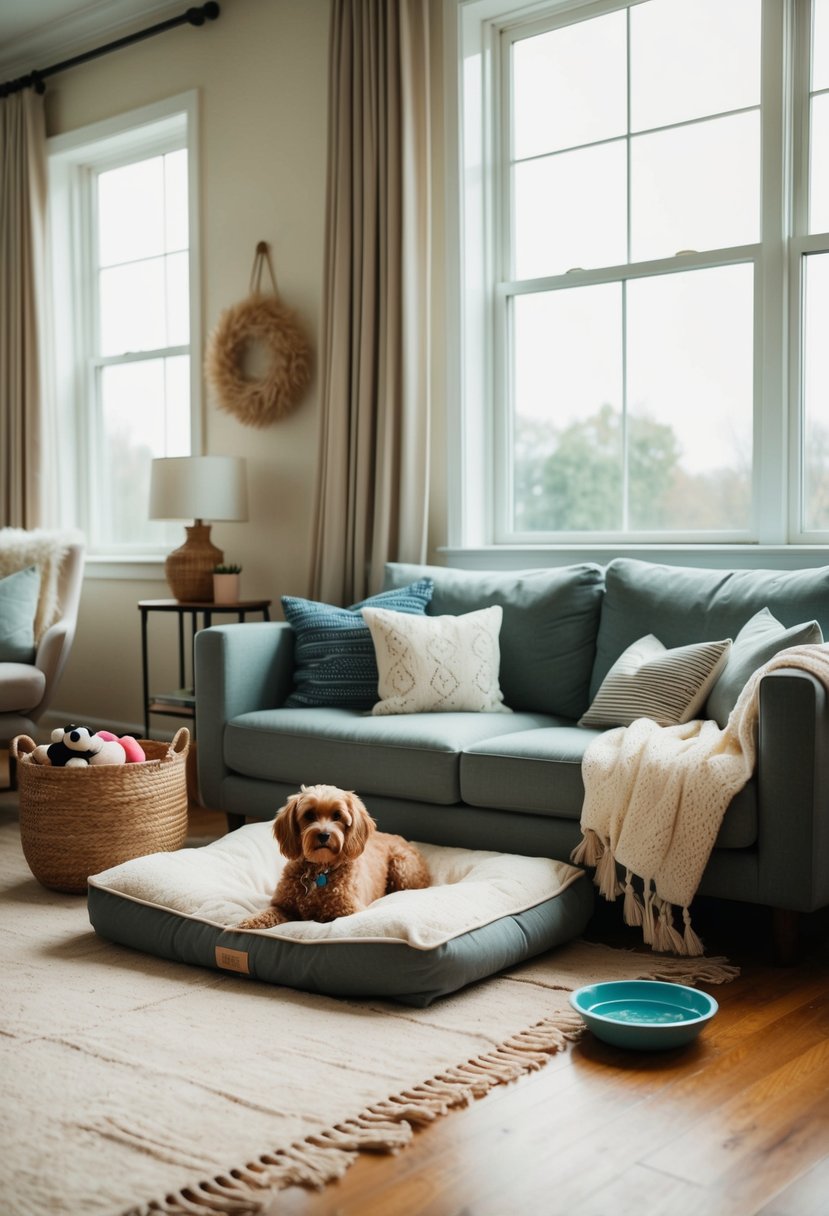
Adopting a Goldendoodle can be a rewarding experience. Many dogs in shelters are looking for loving homes. This section will guide you through the adoption process and highlight the benefits of choosing a rescue dog.
How to Adopt a Goldendoodle
To adopt a Goldendoodle, start by researching local shelters and rescue organizations that specialize in Doodles. Organizations like IDOG Rescue and Doodle Dandy Rescue actively work to find homes for these dogs. Visit their websites for more information on available pets and the application process.
Next, prepare for a home visit or interview. Many rescues want to ensure their dogs will go to a suitable environment. Be honest about your lifestyle and needs.
Once your application is approved, you may meet a Goldendoodle. Spend time with the dog to see if it’s a good fit. If you connect, you can finalize the adoption and bring your new family member home.
Benefits of Adoption
Adopting a Goldendoodle comes with many advantages. First, the cost is typically lower than buying from a breeder. Adoption fees usually range from $300 to $500. This fee covers vaccinations and initial care.
Second, adopting contributes to saving a life. Many Goldendoodles end up in shelters due to unforeseen circumstances, such as owners moving or health issues. By adopting, you give these dogs a second chance.
Additionally, adopted dogs often come with some training and socialization. Rescue organizations sometimes provide foster homes where dogs learn basic commands. This can make the transition to your home smoother and easier.
Cost Considerations
When buying a Goldendoodle, it’s important to think about both the initial purchase price and the ongoing costs of ownership. These factors can greatly influence your budget and overall experience with your new pet.
Initial Purchase Price
The average initial purchase price of a Goldendoodle puppy is around $2,000. This price can vary based on several factors, including the breeder’s reputation, the puppy’s size, and its lineage.
- Miniature Goldendoodles typically cost more, averaging $2,900.
- Teacup Goldendoodles can reach about $3,400.
Additionally, location plays a role. Puppies in rural areas often cost less than those in cities where demand is higher. You should also consider adoption fees, which can range from $100 to $750 depending on the organization.
Additional Ownership Costs
Beyond the initial price, there are ongoing costs to consider. Monthly expenses can add up quickly. Here are some examples:
- Food: Depending on size, expect to pay between $50 and $150 monthly.
- Health Care: Regular vet visits can cost between $100 and $300 each month.
- Grooming: Goldendoodles often need professional grooming every 6 to 8 weeks, costing $50 to $100 each time.
Training classes, supplies, and pet insurance are other costs that should be factored into your budget. By understanding these expenses, you will be better prepared for responsible pet ownership.
Preparing Your Home for a Puppy
Bringing home a new puppy is an exciting experience. To ensure a smooth transition for your new Goldendoodle, it’s important to prepare your home properly. This preparation includes gathering essential supplies and creating a safe space.
Essential Supplies and Equipment
Before your puppy arrives, gather the necessary supplies. Here’s a list of must-haves:
- Dog Bed: Choose a comfortable bed that’s the right size for your puppy.
- Food and Water Bowls: Stainless steel bowls are easy to clean and durable.
- Food: Select high-quality puppy food suited for Goldendoodles.
- Toys: Get chew toys and interactive toys to keep your puppy engaged.
- Leash and Collar: Ensure they fit well and are comfortable.
Consider buying grooming tools, as Goldendoodles require regular maintenance. Include nail clippers and brushes for their coat type. Having these items ready will help your puppy feel at home right away.
Creating a Safe Space
Your puppy needs a safe area to explore and rest. Here are some tips for setting it up:
- Designated Area: Create a specific space in your home with a bed and toys.
- Puppy Proofing: Remove hazards like electrical cords and small items they could swallow.
- Barrier Use: Use baby gates to limit their access to certain rooms.
Make sure the space is quiet and calm. This helps your puppy adjust and feel secure. Keep a close eye on them, especially during the first few days. The right environment will support healthy development and a happy start to your journey together.
Caring for Your Goldendoodle

Caring for your Goldendoodle involves understanding their unique needs in nutrition, training, exercise, and grooming. Meeting these needs ensures your puppy grows healthy and happy.
Nutritional Needs
Your Goldendoodle’s diet is essential for their growth and energy. Choose high-quality dog food specifically formulated for puppies. Look for brands that list meat as the first ingredient. This helps ensure they get sufficient protein.
It’s important to feed them the right amount. Follow the feeding guidelines on the food package, adjusting as needed based on your puppy’s size and activity level. Frequent, smaller meals are best for young puppies.
Always provide fresh water. Maintain a consistent feeding schedule to establish routine. Avoid table scraps, as human food can upset their stomach.
Training and Socialization
Training your Goldendoodle is crucial for their development. Start with basic commands such as “sit,” “stay,” and “come.” Positive reinforcement, like treats or praise, works well for this breed.
Enroll your puppy in obedience classes. These classes can help with socialization, teaching them to interact with other dogs and people properly. Early socialization reduces fear and aggression later.
Consistency is key. Use the same commands and be patient. Remember to make training a fun and rewarding experience for both you and your puppy.
Exercise and Grooming
Goldendoodles need regular exercise to stay healthy and happy. Aim for at least 30 minutes of active play or walks each day. This will keep them fit and prevent behavioral issues caused by boredom.
Grooming is also important. Brush your Goldendoodle’s coat several times a week to avoid matting. Regular grooming helps reduce shedding and keeps their skin healthy.
Schedule vet visits for vaccinations and check-ups. Keeping their ears clean and nails trimmed is also necessary. Establishing a grooming routine early will help your puppy enjoy the process.
Health and Wellness

Taking care of a Goldendoodle involves regular veterinary visits and being aware of common health issues. Prioritizing your puppy’s health can lead to a happier, longer life.
Routine Veterinary Care
Regular veterinary check-ups are vital for your Goldendoodle’s health. These visits typically occur at least once a year but may be more frequent for puppies or older dogs. During these visits, your vet will perform a thorough physical examination and may recommend vaccinations.
Keep track of your puppy’s vaccination schedule. Common vaccinations for Goldendoodles include:
- Rabies
- Distemper
- Parvovirus
- Bordetella
Moreover, routine care should also include dental check-ups, as dental disease can lead to serious health problems. Discuss spaying or neutering options with your vet to prevent potential health issues.
Common Health Issues and Prevention
Goldendoodles tend to be healthy, but some issues may arise. Familiarize yourself with these common health problems to better care for your dog.
Hip Dysplasia is a genetic condition affecting many breeds. Regular exercise and maintaining a healthy weight can help lessen its impact.
Ear Infections are also common, especially in dogs with floppy ears. Regular ear cleaning and checking for dirt or odor can prevent infections.
Allergies may occur, leading to itching and skin issues. Consult your vet if you notice signs of allergies.
Preventative care, like a healthy diet and regular exercise, is essential. You should also consider pet insurance to help cover unexpected health costs.
Legal and Ethical Considerations
When purchasing a Goldendoodle puppy, it’s important to understand the legal and ethical landscape. You should be aware of your responsibilities as an owner and the importance of choosing a responsible breeder.
Ownership Laws and Responsibilities
As a pet owner, you have specific legal obligations. These can include licensing your dog in your local area, adhering to leash laws, and ensuring your pet does not become a nuisance to neighbors.
Laws vary by state and municipality, so check your local regulations to avoid fines.
Additionally, you are responsible for your dog’s health and well-being. This includes providing regular veterinary care, proper nutrition, and a safe living environment. Understanding these laws ensures you are a responsible pet owner and can avoid potential legal troubles.
Ethical Breeding Practices
Ethical breeding is crucial for the health and temperament of your Goldendoodle. Always choose breeders who follow strict guidelines to ensure the puppies are healthy and well-cared for.
Key practices to look for include:
- Health Testing: Responsible breeders conduct health tests on their breeding dogs to check for genetic issues.
- Transparency: A good breeder will allow you to visit their facility and meet the puppy’s parents.
- Commitment: Ethical breeders often provide support to new owners and have a return policy in case the owner cannot keep the dog.
Supporting ethical breeding helps ensure the longevity and well-being of the breed. Always ask for documentation related to health screenings and puppy socialization.